علاج أم الدم الأبهرية في الهند: 9 مستشفيات


تمت مراجعة المقالة طبيا من قبل
فهد مولود
ما هي تكلفة أم الدم الأبهرية إجراءات التشخيص والعلاج في الهند؟ اعرف الآن
| الهند | تركيا | إسبانيا | |
|---|---|---|---|
| جراحة تمدد الأوعية الدموية الأبهري | ≈ $7,500 | من $13,000 | من $50,500 |
مزاياك وضماناتك مع Bookimed
أسعار مباشرة
Bookimed لا يضيف رسوماً إضافية على أسعار علاج أم الدم الأبهرية. الأسعار مأخوذة من قوائم الأسعار الرسمية للعيادات. تدفع مباشرة في العيادة مقابل علاجك عند وصولك إلى البلد.
عيادات وأطباء معتمدون فقط
Bookimed ملتزم بسلامتك. نحن نعمل فقط مع المؤسسات الطبية التي تحافظ على معايير دولية عالية في علاج أم الدم الأبهرية ولديها التراخيص اللازمة لخدمة المرضى الدوليين في جميع أنحاء العالم.
مساعدة مجانية على مدار الساعة
Bookimed يقدم مساعدة خبراء مجانية. منسق طبي شخصي يدعمك قبل وأثناء وبعد العلاج، ويحل أي مشاكل. لن تكون وحيداً أبداً في رحلة علاج أم الدم الأبهرية.

منسقك الطبي الشخصي في Bookimed
- يدعمك في كل مرحلة
- المساعدة في اختيار العيادة الطبية المناسبة والطبيب المناسب
- يضمن الوصول السريع والمريح إلى المعلومات
اكتشف أفضل أم الدم الأبهرية العيادات في الهند: 9 خيارات معتمدة والأسعار









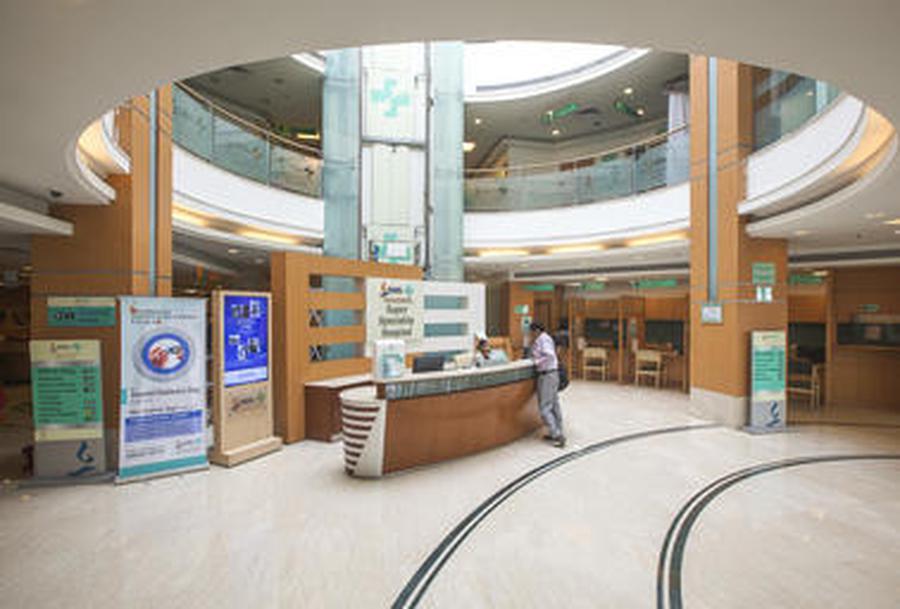
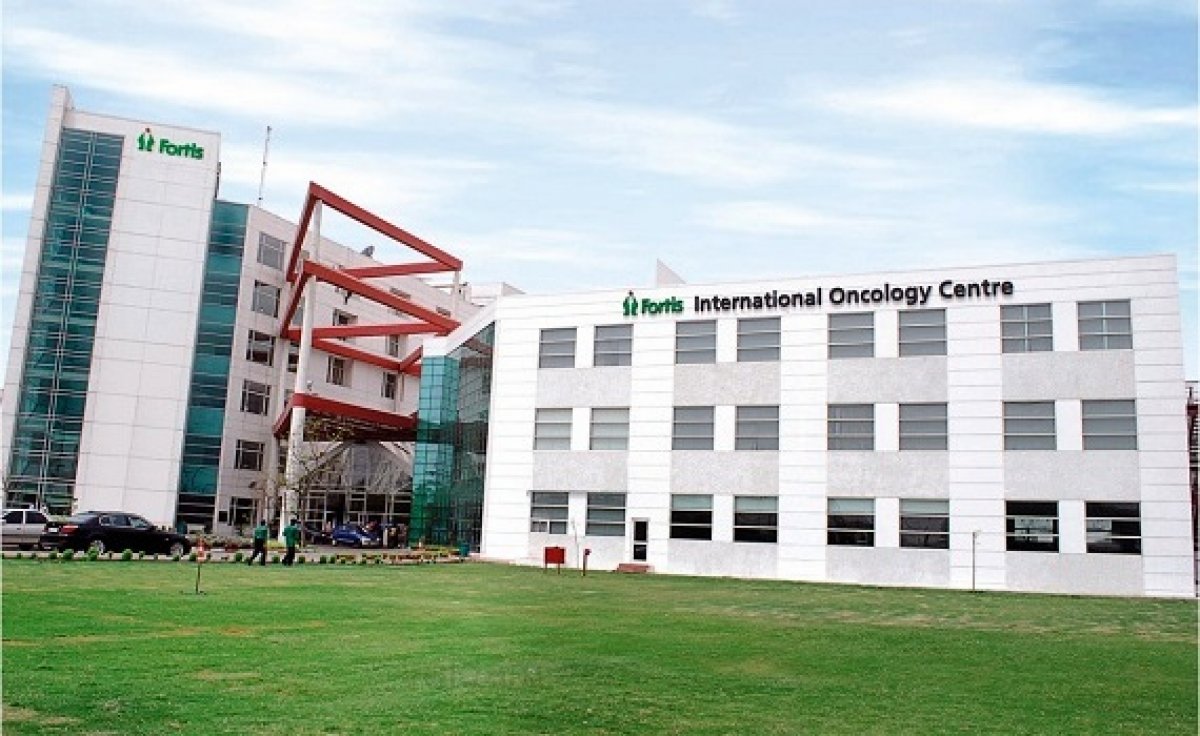
Fortis Hospital
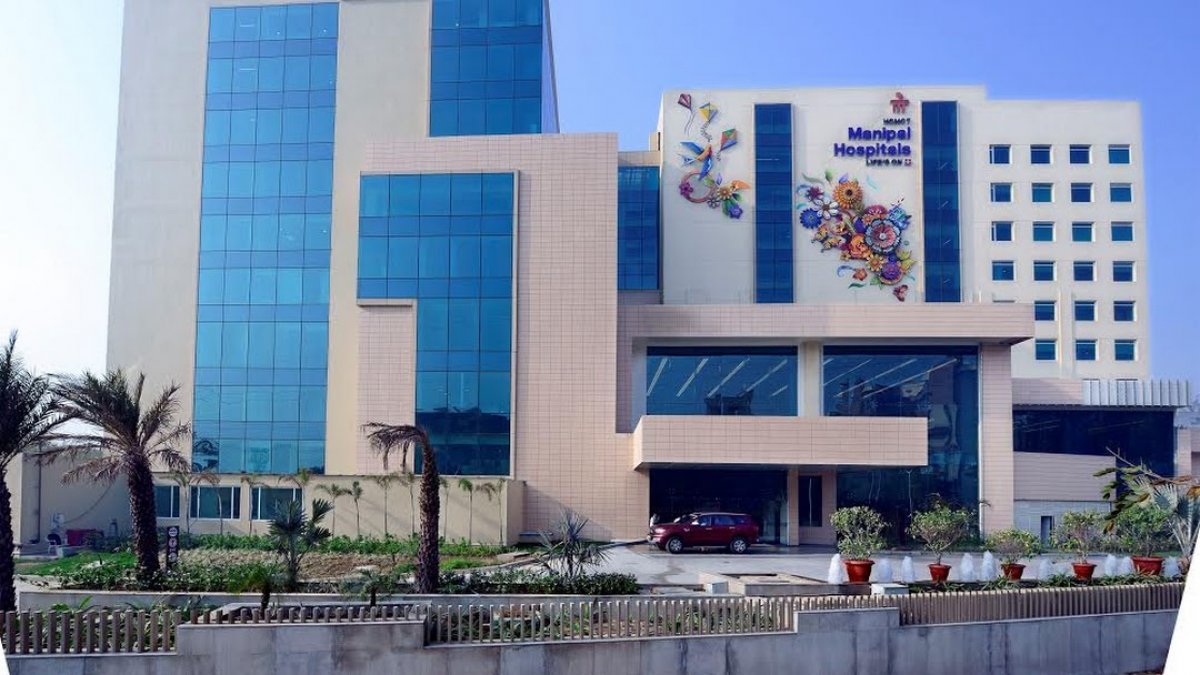
Manipal Hospital
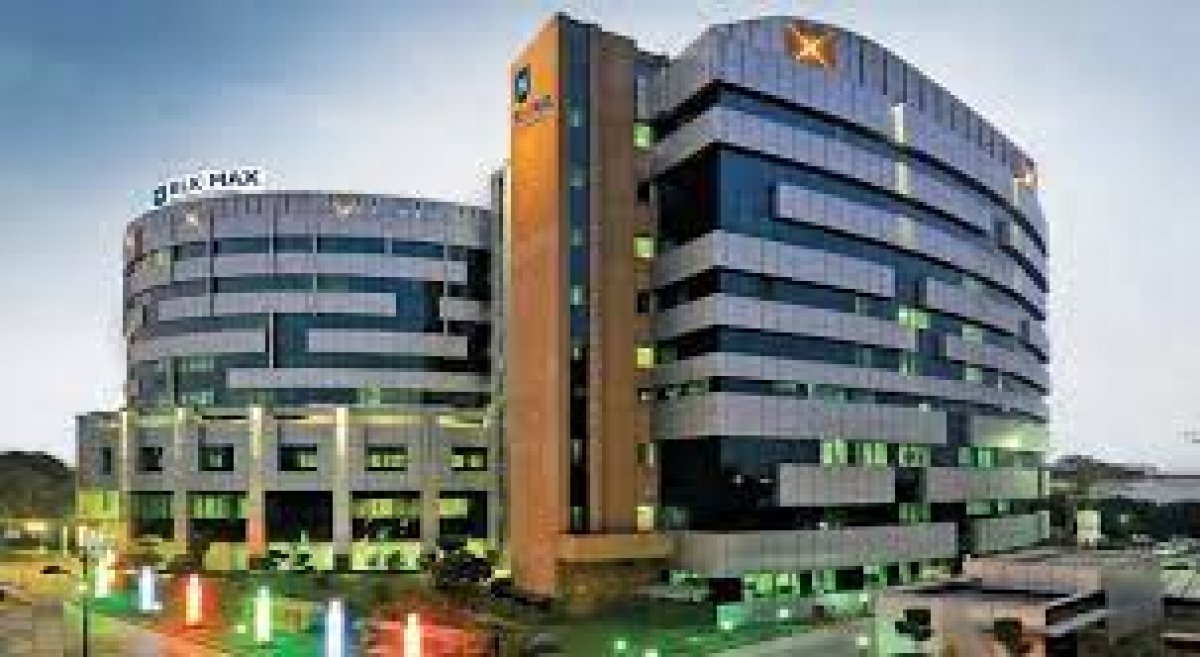
BLK-Max Super Speciality Hospital
احصلوا على تقييم طبي لـ أم الدم الأبهرية في الهند: استشيروا أطباء ذوي خبرة الآن
عرض جميع الأطباء
Murali Krishna
الدكتور مورالي كريشنا هو جراح أوعية دموية في مستشفيات كورا في بنغالور. وهو متخصص في طب الأوردة وعلاج حالات الأوعية الدموية. يعالج تمدد الأوعية الدموية الأبهري ويتولى إدارة الدوالي. يحمل الدكتور كريشنا مؤهلات ماجستير الجراحة (MS) ودبلوم المجلس الوطني (DNB) في الجراحة.
يعمل الدكتور في مستشفيات كورا، وهي منشأة معتمدة وفقًا لمعيار الآيزو 9001:2015. تتبع العيادة معايير إدارة الجودة للرعاية الجراحية. يجري الدكتور كريشنا استشارات تشخيصية ويضع خطط علاجية لمشاكل الأوعية الدموية المعقدة. يمكن للم
Sandeep M
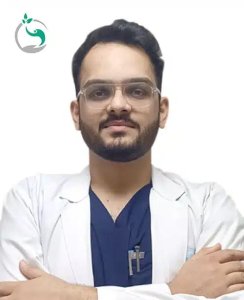
Utkarsh Gupta
الدكتور أوتكارش غوبتا استشاري في جراحة التدخل المحدود وجراحة الجهاز الهضمي في مستشفى سيلفرستريك متعدد التخصصات. يُجري عمليات استئصال المرارة والزائدة الدودية بالمنظار وبمساعدة الروبوت. أكمل الدكتور غوبتا تدريبه الجراحي في مستشفى إندرابراستا أبولو في نيودلهي. ويعمل في منشأة معتمدة من اللجنة الدولية المشتركة (JCI) وتلتزم بمعايير السلامة الدولية.
- يستخدم تقنيات الليزر لعلاج أمراض الشرج والمستقيم، مثل الناسور والبواسير.
- يُجري إصلاح الفتق باستخدام الشبكات واستئصال الأمعاء.
مشاركة المحتوى
قصص فيديو من مرضى Bookimed
 Anna Leonova
أسئلة متكررة حول علاج أم الدم الأبهرية في الهند
ما هو معدل نجاح إصلاح تمدد الأوعية الدموية الأبهري في الهند؟
يحافظ إصلاح تمدد الأوعية الدموية الأبهري في الهند على معدلات نجاح عالية تتراوح بين 95% و98% للإجراءات الاختيارية. تتماشى النتائج مع المعايير الدولية في المراكز المعتمدة من قبل اللجنة الدولية المشتركة (JCI). يوفر الإصلاح داخل الأوعية الدموية طفيف التوغل (EVAR) أعلى معدل بقاء على قيد الحياة على المدى القصير، حيث يصل إلى 99.7% للحالات المخطط لها.
- الجراحة الاختيارية: تسجل الإجراءات المخطط لها معدل بقاء يتراوح بين 95% إلى 98% في الهند.
- نجاح EVAR: يُظهر الإصلاح طفيف التوغل نجاحاً إجرائياً بنسبة 95% إلى 99.7% في المراكز المتخصصة.
- اعتماد المستشفيات: يحمل مستشفى Global Hospital Chennai وBLK Super Speciality Delhi اعتمادات JCI وNABH.
- الخبرة السريرية: تستخدم مرافق مثل Fortis Gurgaon الجراحة الروبوتية وأنظمة التصوير الرقمي المتقدمة.
رؤية خبير Bookimed: حجم المرضى هو مؤشر نجاح رئيسي في الهند. يجري مستشفى Global Hospital Chennai 18,000 عملية سنوياً في مختلف التخصصات. غالباً ما تحقق المراكز ذات الحجم الكبير نتائج أفضل لأن فرقها تتعامل مع الحالات الوعائية المعقدة يومياً. عند اختيار عيادة، تحقق من سعة الأسرة. غالباً ما تمتلك المؤسسات الكبيرة مثل Fortis أو Manipal أكثر من 1,000 سرير، مما يضمن دعماً قوياً للعناية المركزة أثناء التعافي.
إجماع المرضى: يؤكد المرضى أن الإصلاحات الاختيارية أكثر أماناً بكثير من جراحة الطوارئ. ويشيرون إلى أن تقنية EVAR طفيفة التوغل تؤدي إلى إقامات أقصر في المستشفى وتعافٍ أسرع مقارنة بالجراحة المفتوحة.
هل المستشفيات والجراحون الهنود معترف بهم دولياً؟
تحتفظ المستشفيات والجراحون الهنود باعتراف دولي كبير من خلال الاعتمادات العالمية والنتائج السريرية ذات المعايير الغربية. تحمل مرافق مثل مستشفى BLK Super Speciality الأختام الذهبية للجنة الدولية المشتركة (JCI). وتظهر المراكز الكبرى بشكل متكرر في تصنيفات مجلة نيوزويك لأفضل مستشفيات العالم لعامي 2021 و2023.
- اعتمادات المستشفيات: أكثر من 1400 مرفق يحمل اعتمادات المجلس الوطني لاعتماد المستشفيات (NABH).
- مؤهلات الجراحين: غالباً ما يحمل المتخصصون زمالات من مؤسسات مرموقة في الولايات المتحدة والمملكة المتحدة.
- أحجام العمليات العالية: يجري مستشفى Global Hospital Chennai أكثر من 18000 عملية جراحية و1000 عملية زراعة كبد سنوياً.
- الابتكار التقني: يُصنف مستشفى Fortis Gurgaon من بين المستشفيات الأكثر تقدماً من الناحية التقنية عالمياً في مجال الذكاء الاصطناعي.
رؤية خبير Bookimed: بينما تسوق العديد من الدول للتميز، تتميز المراكز الهندية مثل Global Hospital Mumbai وChennai بإنجازات رائدة محددة. تظهر بياناتنا أن هذه المرافق كانت الأولى عالمياً في الجمع بين علاج سل العمود الفقري وزراعة الكبد وإجراء عمليات زراعة الرئة طفيفة التوغل. عند اختيار مركز لحالات الأبهر المعقدة، ابحث عن سجلات الإجراءات "الأولى من نوعها" هذه بدلاً من تصنيفات العيادات العامة.
إجماع المرضى: يشير المرضى إلى أن الجودة الطبية في الهند تعتمد بشكل كبير على الجراح الفردي وحجم حالاته. ويؤكدون أن المستشفيات الثالثية الخاصة في المدن الكبرى توفر رعاية تضاهي أفضل المراكز في الو
ما هي التقنيات الجراحية المستخدمة لإصلاح تمدد الأوعية الدموية الأبهري في الهند؟
تستخدم مراكز القلب الهندية تقنيات متقدمة بما في ذلك إصلاح تمدد الأوعية الدموية داخل الأوعية الدموية، والجراحة المفتوحة التقليدية، والإجراءات الهجينة المعقدة. تستخدم المرافق المعتمدة من JCI مثل مستشفى BLK Super Speciality هذه الأساليب لعلاج تمدد الأوعية الدموية الصدري والبطني. يختار الجراحون الأساليب بناءً على الملاءمة التشريحية وصحة المريض.
- الإصلاح داخل الأوعية الدموية: تستخدم تقنيات EVAR و TEVAR طفيفة التوغل دعامات عبر ثقوب صغيرة في الفخذ.
- الإصلاح الجراحي المفتوح: يستبدل الجراحون جزء الأبهر الضعيف بطعم أنبوبي صناعي من الداكرون.
- الإجراءات الهجينة: خطوات مدمجة مفتوحة وداخل الأوعية الدموية لعلاج تمدد الأوعية الدموية التي تمتد عبر مناطق أبهري متعددة.
- إعادة بناء جذر الأبهر: تعالج تقنيات بنتول أو أوزاكي المعقدة تمدد الأوعية الدموية الموجودة بالقرب من القلب.
رؤية خبير Bookimed: بينما يفضل العديد من المرضى تقنية EVAR طفيفة التوغل، توصي الفرق الجراحية الهندية بشكل متكرر بالإصلاح المفتوح للمرضى الأصغر سناً. تشير البيانات من مراكز كبرى مثل Fortis Gurgaon إلى أن الجراحة التقليدية يمكن أن توفر نتائج طويلة الأمد أكثر متانة على الرغم من فترة التعافي الأولية الأطول. غالباً ما تمتلك المستشفيات ذات الحجم الكبير التي تجري أكثر من 18000 عملية سنوياً أكبر قدر من الخبرة في التعامل مع هذه القرارات السريرية المعقدة.
إجماع المرضى: يشير المرضى إلى أن الاختيار بين الجراحة المفتوحة ووضع الدعامات يعتمد بشكل كبير على تشريحهم والخبرة المحددة
كيف يقرر الجراحون بين الجراحة المفتوحة والدعامة داخل الأوعية الدموية؟
يختار الجراحون بين الإصلاح المفتوح والدعامات داخل الأوعية الدموية من خلال تقييم تشريح الأوعية الدموية ولياقة المريض. تتطلب الدعامات أعناق أوعية مستقيمة لتثبيت آمن. تعالج الجراحة المفتوحة التشريح المعقد والمنحني. غالبًا ما يتلقى المرضى الأصغر سنًا والأصحاء إصلاحات مفتوحة لمتانتها. يخضع المرضى ذوو المخاطر العالية عادةً لعملية وضع دعامة طفيفة التوغل.
- اللياقة التشريحية: تحتاج الدعامات إلى مناطق هبوط صحية لمنع التسرب والهجرة.
- المخاطر الطبية: يفضل المرضى الضعفاء الذين يعانون من مشاكل في القلب أو الرئة الخيارات داخل الأوعية الدموية.
- المتانة طويلة الأمد: توفر الجراحة المفتوحة حلاً دائمًا مع حد أدنى من المراقبة المستقبلية.
- فترة التعافي: يتعافى مرضى الدعامات في يومين مقابل 10 أيام للجراحة المفتوحة.
رؤية خبير Bookimed: ترتبط إشارات الجودة في الهند بحجم العمليات الجراحية والتصوير الرقمي المتقدم. تجري عيادات مثل مستشفى جلوبال تشيناي أكثر من 18000 عملية سنويًا. غالبًا ما تضم المرافق ذات حجم المرضى المرتفع واعتماد JCI أو NABH الفرق الوعائية المتخصصة اللازمة لعمليات وضع طعم الدعامة المعقدة. هذه الخبرة حيوية للتنقل في تشريح الأوعية الدموية الصعب.
إجماع المرضى: يشير المرضى إلى أن التشريح هو العامل الحاسم الأساسي. ويؤكدون على سؤال الجراحين بالضبط عن سبب استبعاد الدعامة واختيار مراكز ذات حجم كبير للإصلاحات المعقدة.
ما هي مدة الإقامة الموصى بها في الهند لعلاج تمدد الأوعية الدموية؟
يجب على المرضى التخطيط لإقامة تتراوح بين 10 إلى 21 يوماً في الهند لعلاج تمدد الأوعية الدموية الأبهري. تعتمد المدة الدقيقة على الطريقة الجراحية المستخدمة. تتطلب الإصلاحات طفيفة التوغل زيارات أقصر. تتطلب الإصلاحات الجراحية المفتوحة مزيداً من الوقت للعناية بالجروح والحصول على تصريح السفر جواً.
- الإقامة للإصلاح داخل الأوعية الدموية: توقع من 1 إلى 3 أيام في المستشفى وإجمالي إقامة من 10 إلى 12 يوماً.
- جراحة الأبهر المفتوحة: خطط لـ 5 إلى 10 أيام في المستشفى وإجمالي 21 يوماً في الهند.
- التقييم قبل الجراحة: ضع في اعتبارك من 2 إلى 3 أيام للاختبارات التشخيصية مثل تصوير الأوعية المقطعي واختبارات الدم.
- تصريح اللياقة للطيران: يتطلب المتخصصون عادةً من 5 إلى 10 أيام من المراقبة بعد الخروج من المستشفى قبل السماح بالسفر.
رؤية خبير Bookimed: تدير مرافق مثل مستشفى BLK Super Speciality ومستشفى Global Hospital Chennai أعداداً هائلة من المرضى، حيث يخدم مستشفى Global Hospital مليوني مريض سنوياً. تظهر بياناتنا أن هذه المراكز ذات السعة العالية غالباً ما تستخدم أنظمة رقمية غير ورقية لتسريع التصريح قبل الجراحة. اختيار مرفق معتمد من JCI أو NABH في دلهي أو تشيناي يضمن عادةً وصولاً أسرع إلى التصوير بعد الجراحة اللازم لتصريح الطيران.
إجماع المرضى: يؤكد المرضى أن جداول التعافي تعتمد بشكل كبير على اللياقة للطيران وليس فقط على الإجراء نفسه. يوصي المسافرون ذوو الخبرة بتخصيص أيام احتياطية مرنة للسماح بالعناية الشاملة بالجروح وإجراء فحوصات المتابعة الأو
كيف يبدو التعافي بعد الجراحة والمتابعة؟
يتضمن التعافي بعد الجراحة لعلاج تمدد الأوعية الدموية الأبهري في الهند إقامة منظمة في المستشفى تليها مراقبة صارمة طويلة الأمد. يقضي المرضى عادةً من يوم إلى يومين في وحدة العناية المركزة للقلب. تختلف جداول التعافي بشكل كبير بين الإصلاح داخل الأوعية الدموية طفيف التوغل (EVAR) وجراحة القلب المفتوح التقليدية.
- الإقامة في المستشفى: توقع من 3 إلى 10 أيام حسب النهج الجراحي.
- المتابعة الأولية: تتم المراجعة السريرية بعد 7 إلى 14 يومًا من الخروج لتقييم الجرح.
- جدول التصوير: يلزم إجراء تصوير مقطعي محوسب (CT) في الأشهر 1 و 6 و 12.
- حدود النشاط: تجنب رفع أكثر من 10 أرطال (حوالي 4.5 كجم) لمدة تتراوح بين 6 إلى 8 أسابيع تقريبًا.
رؤية خبير Bookimed: تتفوق الهند في رعاية القلب مع عيادات مثل مستشفى جلوبال تشيناي التي تجري أكثر من 18000 عملية سنويًا. يجب على المرضى ملاحظة أن المراكز الثالثية الهندية غالبًا ما تستخدم مراقبة رقمية متقدمة لتتبع العلامات الحيوية عن بُعد. هذه الخبرة ضرورية لحالات الأبهر حيث يحدد التحكم في ضغط الدم نجاح الطعم على المدى الطويل. يضمن اختيار منشأة معتمدة من JCI مثل BLK Super Speciality بروتوكولات السلامة الدولية خلال مرحلة التعافي الضعيفة.
إجماع المرضى: يؤكد المرضى أنه على الرغم من أن EVAR يبدو أسهل في البداية، إلا أن التركيز يتحول بسرعة إلى التصوير الأساسي طويل الأمد. يشير الكثيرون إلى أن إدارة ضغط الدم في المنزل لا تقل أهمية عن الجراحة نفسها.