الأورام الليفية الرحمية العلاج في الهند - التكاليف 2026


تمت مراجعة المقالة طبيا من قبل
فهد مولود
ما هي تكلفة الأورام الليفية الرحمية إجراءات التشخيص والعلاج في الهند؟ اعرف الآن
| الهند | تركيا | إسبانيا | |
|---|---|---|---|
| استئصال الورم العضلي مع Robot دافنشي | من $6,500 | من $10,000 | ≈ $6,800 |
| استئصال الورم العضلي بالمنظار | ≈ $2,200 | من $4,100 | ≈ $3,300 |
| استئصال الورم العضلي بالمنظار | ≈ $2,600 | من $7,000 | من $13,500 |
| استئصال الورم العضلي (إزالة الأورام الليفية الرحمية) | من $3,200 | من $3,400 | من $12,100 |
| استئصال الرحم بواسطة روبوت دا فنشي | من $8,500 | من $14,600 | من $21,600 |
مزاياك وضماناتك مع Bookimed
أسعار مباشرة
Bookimed لا يضيف رسوماً إضافية على أسعار علاج الأورام الليفية الرحمية. الأسعار مأخوذة من قوائم الأسعار الرسمية للعيادات. تدفع مباشرة في العيادة مقابل علاجك عند وصولك إلى البلد.
عيادات وأطباء معتمدون فقط
Bookimed ملتزم بسلامتك. نحن نعمل فقط مع المؤسسات الطبية التي تحافظ على معايير دولية عالية في علاج الأورام الليفية الرحمية ولديها التراخيص اللازمة لخدمة المرضى الدوليين في جميع أنحاء العالم.
مساعدة مجانية على مدار الساعة
Bookimed يقدم مساعدة خبراء مجانية. منسق طبي شخصي يدعمك قبل وأثناء وبعد العلاج، ويحل أي مشاكل. لن تكون وحيداً أبداً في رحلة علاج الأورام الليفية الرحمية.

منسقك الطبي الشخصي في Bookimed
- يدعمك في كل مرحلة
- المساعدة في اختيار العيادة الطبية المناسبة والطبيب المناسب
- يضمن الوصول السريع والمريح إلى المعلومات
اكتشف أفضل الأورام الليفية الرحمية العيادات في الهند: 14 خيارات معتمدة والأسعار













Dr. Rela Institute & Medical Centre
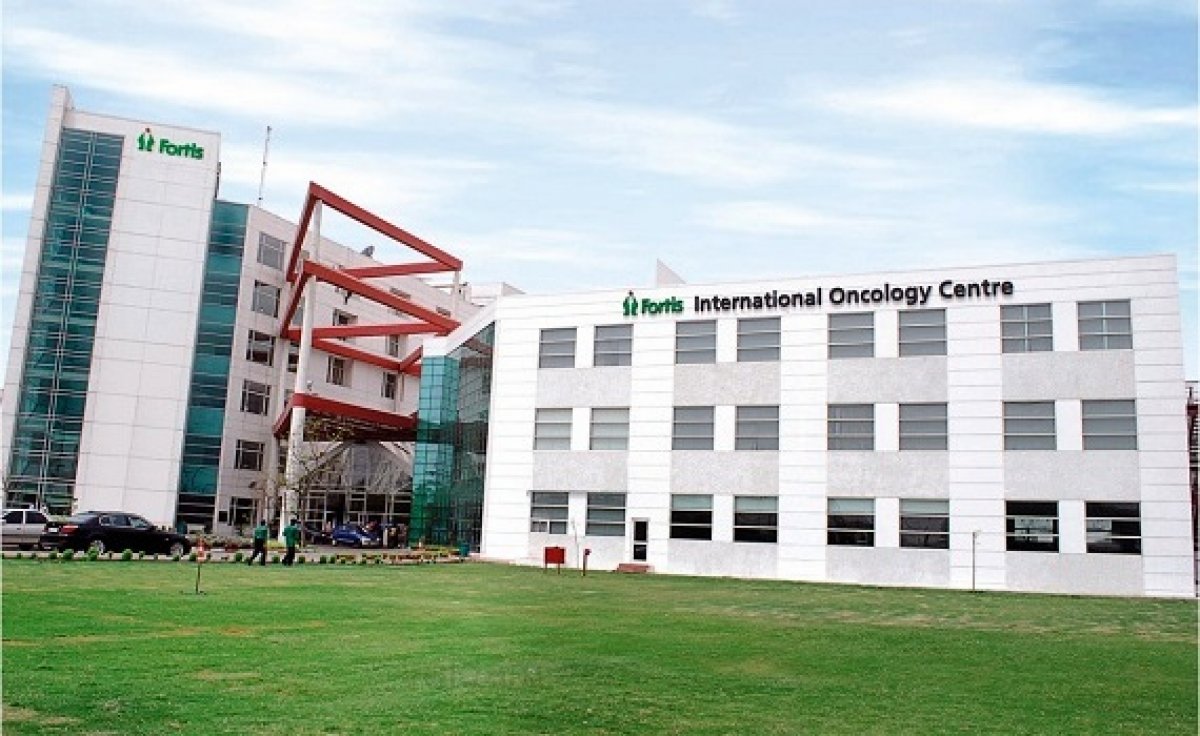
Fortis Hospital
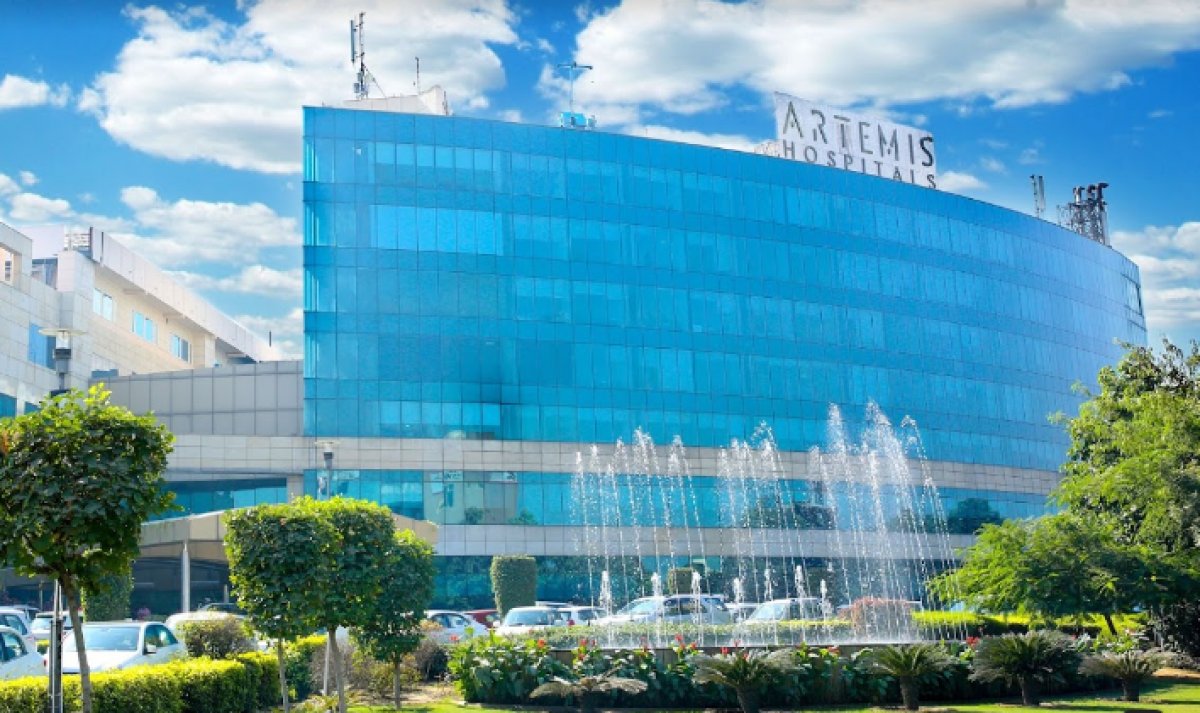
Artemis Hospital Gurgaon
احصلوا على تقييم طبي لـ الأورام الليفية الرحمية في الهند: استشيروا أطباء ذوي خبرة الآن
عرض جميع الأطباء
Ashwini Ajgaonkar
Sunayna Hansra
Meenakshi Gaur
Meenakshi Bisht
مواد ذات صلة

علاج الأورام الليفية الرحمية
كتب بواسطة Veronika Kazina

الاختبارات التشخيصية للأورام الليفية الرحمية
كتب بواسطة Veronika Kazina

أعراض الأورام الليفية الرحمية
كتب بواسطة Veronika Kazina

ما هي تكلفة علاج الأورام الليفية الرحمية؟
كتب بواسطة Veronika Kazina

الطرق غير الجراحية لعلاج الأورام الليفية الرحمية
كتب بواسطة Veronika Kazina
مشاركة المحتوى
قصص فيديو من مرضى Bookimed
 Anna Leonova
أسئلة متكررة حول علاج الأورام الليفية الرحمية في الهند
ما هي خيارات العلاج الأساسية المتاحة في الهند؟
توفر الهند علاجات متقدمة للأورام الليفية الرحمية بما في ذلك استئصال الورم العضلي بالروبوت والجراحة بالمنظار. تقدم المرافق المعتمدة من JCI في دلهي وبنغالورو خيارات طفيفة التوغل مثل أنظمة روبوت دا فنشي. تركز هذه الإجراءات على الحفاظ على الخصوبة والتعافي السريع. يعود معظم المرضى إلى الأنشطة الطبيعية في غضون أسبوعين.
- النهج الجراحية: تشمل استئصال الورم العضلي بالمنظار والمنظار الرحمي والمساعدة بالروبوت لإزالة الأورام الليفية.
- الحفاظ على الخصوبة: يُفضل استئصال الورم العضلي للمرضى الذين يخططون لحمل مستقبلي.
- التكنولوجيا المتقدمة: تستخدم المستشفيات الرائدة أنظمة روبوت دا فنشي لتحقيق نتائج جراحية عالية الدقة.
- المرافق المعتمدة: تمتلك المراكز الرائدة شهادات JCI وNABH مما يضمن معايير السلامة الدولية.
نظرة خبراء Bookimed: يشير حجم المرضى غالبًا إلى الخبرة في الهند. تقدم مستشفيات مانيبال الخدمات إلى 2,000,000 مريض سنويًا عبر شبكتها. قام متخصصون مثل الدكتورة نيرو ثاكارال بأكثر من 20,000 إجراء. تقدم المراكز ذات الحجم الكبير والأطباء ذوي الخبرة عادةً نتائج أكثر اتساقًا للحالات المعقدة.
إجماع المرضى: يؤكد المرضى على أهمية إجراء تصوير بالرنين المغناطيسي لتأكيد التشخيص قبل الجراحة. يلاحظ الكثيرون أن الخيارات قليلة التوغل في المدن الكبرى تسمح بالعودة السريعة إلى العمل.
هل سيؤثر العلاج على قدرتي على الحمل؟
يعتمد العلاج لألياف الرحم في الهند عادة على الحفاظ على الخصوبة من خلال إجراءات تجنب استئصال الرحم. سواء كانت عملية إزالة الألياف بالمنظار أو باستخدام الروبوت، تتم إزالة الألياف فقط مع الحفاظ على القدرة على الحمل. ومع ذلك، فإن استئصال الرحم ينهي القدرة على الحمل بشكل دائم لأنه يتم إزالة الرحم بالكامل جراحياً.
- الحفاظ على الخصوبة: يستخدم الجراحون المهرة استئصال الألياف لإزالة الألياف مع الإبقاء على الرحم سليماً.
- الجراحة بمساعدة الروبوت: تستفيد المراكز متعددة التخصصات من أنظمة دافنشي لتحسين دقة الخياطة وتعزيز شفاء الرحم.
- النهج بالمنظار: التقنيات ذات الحد الأدنى من التدخل تقلل من الندوب وتسمح بالتعافي السريع قبل محاولة الحمل.
- استئصال الألياف الهيستروسكوبي: يزيل هذا الإجراء الألياف تحت المخاطية دون شقوق خارجية لتحسين فرص النجاح في الزرع.
رؤية خبير من بوكيميد: غالبًا ما ترتبط مؤشرات الجودة لنتائج الخصوبة في الهند بحجم العمليات التي أجراها الجراح. الدكتور دينش كانسال قام بأكثر من 11,000 عملية ناجحة بتقنيات ذات تدخّل محدود. اختيار أخصائي ذو حجم عمليات كبير في مراكز معتمدة مثل مستشفى بي إل كي التخصصي الفائق يضمن التركيز على الحفاظ على وظيفة الرحم بدلاً من مجرد إزالة الأنسجة.
إجماع المرضى: يشير المرضى إلى أهمية توضيح رغبتك في إنجاب الأطفال. يشارك العديد قصص نجاح الحمل الطبيعي خلال سنة بعد إزالة ألياف متعددة بواسطة الجراحة بالمنظار.
هل يمكن أن تعود الأورام الليفية بعد العلاج؟
يمكن للأورام الليفية أن تعود بعد معظم العلاجات إلا إذا خضعتِ لاستئصال الرحم. تحدث إعادة الظهور عندما تتطور خلايا عضلية جديدة إلى أورام، وعادةً ما تؤثر على 15% إلى 33% من المرضى بعد استئصال الورم العضلي. تؤثر عوامل مثل العمر والوراثة بشكل كبير على احتمالية النمو الجديد خلال 5 سنوات.
- نوع العملية: استئصال الورم العضلي يزيل الأورام الظاهرة ولكنه يترك الرحم، مما يسمح بنمو أورام ليفية جديدة.
- معدلات العودة: قد يطور ما يصل إلى 60% من المرضى أورام ليفية جديدة خلال 5 سنوات بعد الجراحة.
- عوامل الخطر: المرضى الذين تقل أعمارهم عن 40 عاماً يواجهون مخاطر أعلى بسبب إنتاج الإستروجين النشط.
- الحل النهائي: استئصال الرحم هو العلاج الوحيد الذي يمنع تكرار الأورام الليفية بشكل كامل في المستقبل.
رأي خبير Bookimed: تستخدم مستشفيات الهند مثل BLK Super Speciality أنظمة Da Vinci الروبوتية لتحسين دقة الجراحة. الدكتور دينيش كانسال أجرى أكثر من 11,000 عملية جراحية طفيفة التوغل، مما يساعد الجراحين على تحديد وإزالة حتى الأورام الليفية الصغيرة الحجم. ربما يساعد هذا الشمولية أثناء استئصال الورم العضلي بواسطة الروبوت أو بالمنظار في تأخير العودة مقارنة بالجراحات المفتوحة التقليدية.
اتفاق المرضى: يلاحظ المرضى أن الأورام الليفية الأصغر يمكن أن تعاود الظهور في وقت مبكر يصل إلى 18 شهراً بعد العلاجات غير الجراحية مثل الانصمام. يوصي الكثيرون بإجراء فحوصات بالموجات فوق الصوتية كل 6 أشهر لاكتشاف النمو الجديد مبكراً، خاصة لأولئك الذين لا زالوا في سنوات الإنجاب
ما هو معدل نجاح هذه العلاجات في الهند؟
تُعد معدلات نجاح علاجات الأورام الليفية الرحمية في الهند مرتفعة. تقارير إجراءات جراحية رئيسية مثل استئصال الورم الليفي واستئصال الرحم تشير إلى نجاح يتراوح بين 95% إلى 99%. يحقق معظم المرضى تخفيفًا كاملًا للأعراض. تستخدم المراكز المتخصصة في دلهي ومومباي تقنيات متقدمة مثل نظام الروبوت دا فينشي لتحقيق الدقة.
- نجاح الإجراء: استئصال الورم الليفي للحفاظ على الخصوبة يحافظ على معدل نجاح من 85% إلى 90%.
- حل الأعراض: يوفر استئصال الرحم حلًا تقريبيًا بنسبة 100% للنزيف الشديد وألم الحوض.
- الحد الأدنى من التدخل الجراحي: تضمن الجراحات المتقدمة بالمنظار والروبوت التعافي السريع وتقليل مخاطر العدوى.
- خبرة الجراح: متخصصون رائدون مثل الدكتور دينيش كانسال أجروا أكثر من 11,000 عملية جراحية ناجحة.
رؤية الخبراء في بوكمد: يُحفز النجاح في الهند بفضل حجم العمليات الجراحية الضخم. قامت الدكتورة نيرو تاكرال بإجراء أكثر من 20,000 إجراء. تعالج مستشفيات مثل مستشفيات مانيبال 2,000,000 مريض سنويًا. يتيح هذا التردد العالي للجراحين تحقيق إتقان في تقنيات الحفاظ على الرحم، والتي غالباً ما تكون أقل شيوعًا في المراكز الدولية ذات الحجم الأقل.
إجماع المرضى: يؤكد المرضى على أن إجراء تصوير بالرنين المغناطيسي لتخطيط الأورام الليفية أمر ضروري لتحقيق نسبة نجاح 80%. يُلاحظ الكثيرون أن الألم يتناقص بشكل كبير في غضون 6 أشهر من الجراحة بالمنظار.
ما هي أفضل المستشفيات لعلاج الأورام الليفية في الهند؟
تستضيف الهند مستشفيات عالية التقييم لعلاج الأورام الليفية مثل مستشفى أبولو إندربراستها ومستشفيات مانيبال من خلال اعتمادات JCI وNABH. تتخصص هذه المراكز في إزالة الورم العضلي بمساعدة الروبوت وانصمام الشريان الرحمي الأورام الليفية. يقوم جراحون رائدون مثل الدكتور دينيش كانسال بإجراء أكثر من 11,000 عملية باستخدام أنظمة المناظير المتقدمة.
- الخبرة في الجراحة الروبوتية: يستخدم المستشفى العالمي في تشيناي أنظمة Da Vinci لإزالة الأورام الليفية بدقة مركزة.
- الحجم السريري: تعالج مستشفيات مانيبال 2,000,000 مريض سنويًا عبر شبكتها الطبية الواسعة في الهند.
- الأقسام المتخصصة: يأتي مستشفى BLK-Max في دلهي ضمن أفضل 10 مستشفيات متعددة التخصصات في جراحة المناظير.
- الريادة الأكاديمية: يدمج مستشفى ميدانتا في جوروغرام مراكز بحث في الموقع لحالات أمراض النساء المعقدة.
رأي خبير Bookimed: بينما يركز العديد من المرضى على العلامات التجارية الكبيرة للمستشفيات، فإن أنجح النتائج غالبًا ما تأتي من الجراحين الذين لديهم سجل موثق لحجم العمليات المرتفع. قامت الدكتورة نيرو ثاكارال بأكثر من 20,000 عملية، مما يثبت أن الخبرة المتخصصة غالبًا ما ترتبط بمستويات عالية من الأمان. في مراكز مثل مانيبال، يسمح التواجد في عدة ولايات للمرضى بالوصول إلى نفس البروتوكولات السريرية في مدن مختلفة.
إجماع المرضى: يلاحظ المرضى أنه من المهم تأكيد خبرة الجراح الفردية بدلاً من الاعتماد فقط على اسم المستشفى. العديد منهم يقترحون طلب التصوير بالرنين المغناطيسي قبل الجراحة لضمان دراسة