علاج الفتق السري في ألمانيا: 16 مستشفيات


تمت مراجعة المقالة طبيا من قبل
فهد مولود
كيف نعمل؟
ما هي تكلفة الفتق السري إجراءات التشخيص والعلاج في ألمانيا؟ اعرف الآن
| تركيا | إسبانيا | ألمانيا | |
|---|---|---|---|
| ترميم الفتق السري بالمنظار (انظر. ترميم الفتق السري) | من $3,300 | من $6,200 | من $5,500 |
| إصلاح الفتق السري بالمنظار | من $5,200 | من $6,400 | ≈ $3,600 |
اكتشف أفضل الفتق السري العيادات في ألمانيا: 16 خيارات معتمدة والأسعار
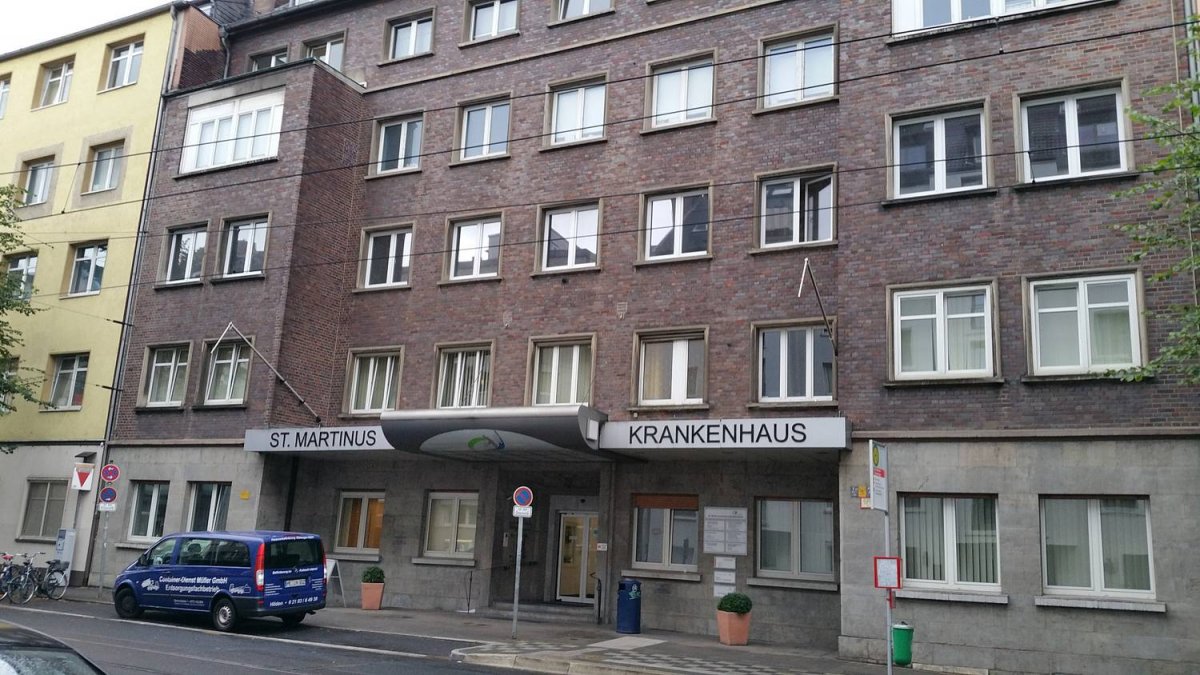



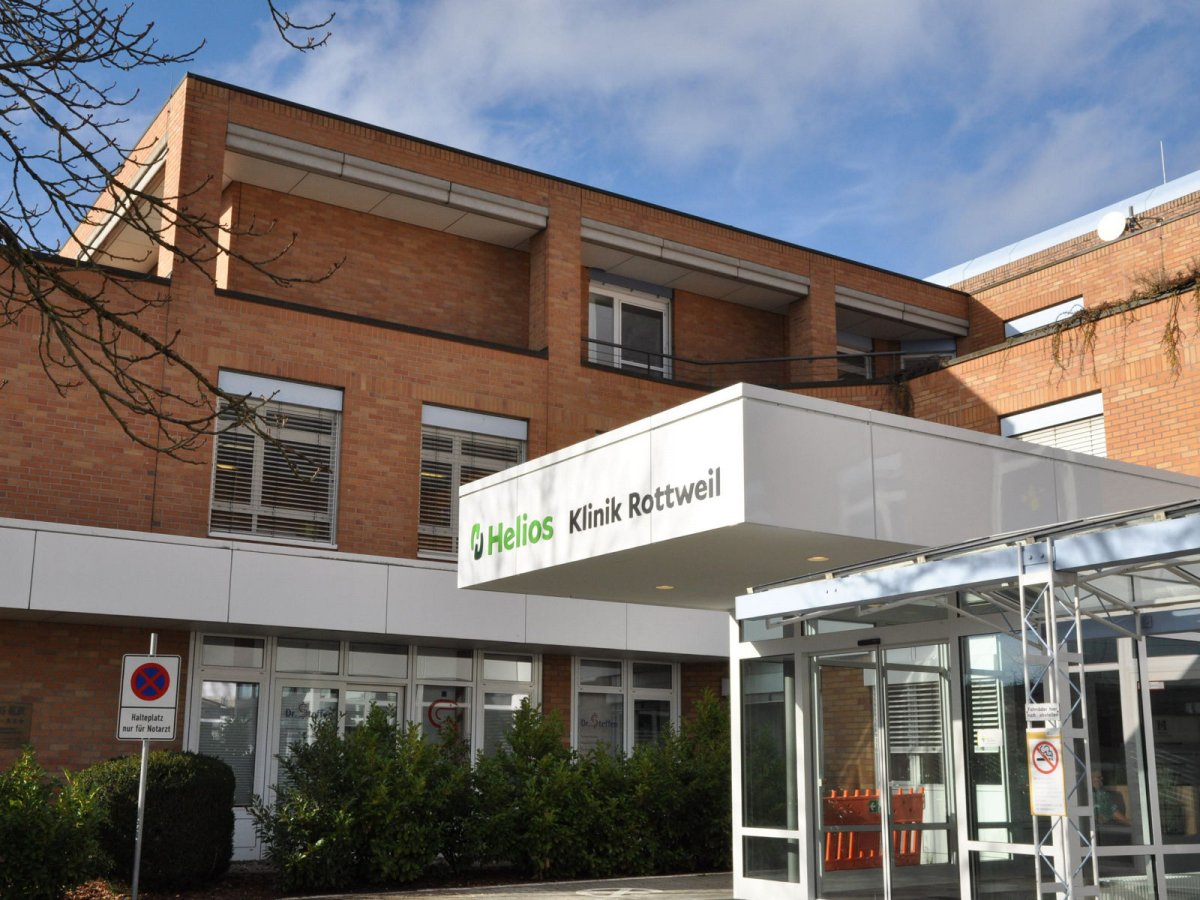




St. Marienstift Clinic

Hospital in the Pfeiffer`s foundations




احصلوا على تقييم طبي لـ الفتق السري في ألمانيا: استشيروا أطباء ذوي خبرة الآن
عرض جميع الأطباء
Peter Schenker
يتخصص البروفيسور شينكر في جراحة الفتق طفيفة التوغل في مستشفى زولينجن الأكاديمي، حيث يقدم تقنيات حديثة لتحسين التعافي.
- تخصص سريري إضافي في الجراحة طفيفة التوغل وجراحة الفتق
- كبير الجراحين في قسم الجراحة في زولينجن
- عضو الجمعية الطبية الألمانية
- خبير في جراحة أورام الجهاز الهضمي

Viktor Alexander Krol
يرأس الدكتور فيكتور ألكسندر كرول أقسام أمراض الجهاز الهضمي والطب الباطني في مستشفى سانت مارتينوس في دوسلدورف، وهو متخصص في علاجات الجهاز الهضمي المتقدمة.
- مدير مركز علاج السمنة المعتمد
- خبير في جراحة السمنة وفقدان الوزن بالمنظار
- يستخدم أحدث تقنيات التشخيص والعلاج
- يوفر رعاية شاملة لحالات الجهاز الهضمي المعقدة
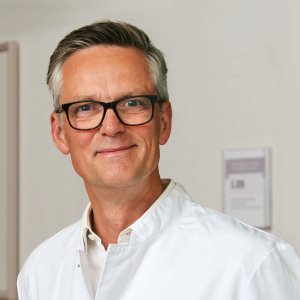
Wolfgang Schröder
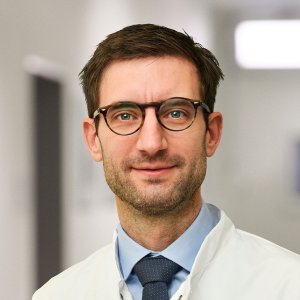
Florian Gebauer Chief Of General And Visceral Surgery
مشاركة المحتوى
قصص فيديو من مرضى Bookimed
 Anna Leonova
أسئلة متكررة حول علاج الفتق السري في ألمانيا
ما هي التقنيات الجراحية التي تقدمها المراكز الألمانية لعلاج الفتق السري؟
تقدم المراكز الطبية الألمانية إصلاحات متقدمة للفتق السري بما في ذلك تقنيات MILOS و PUMP المتخصصة. كما يقوم الجراحون بإجراء عمليات بالمنظار (IPOM) وبمساعدة الروبوت للحالات المعقدة. تعطي هذه الأساليب الأولوية للشقوق الصغيرة ووضع الشبكة في وضعية sublay. تحافظ المراكز الألمانية على معدل نجاح يتراوح بين 95% إلى 98% من خلال سجلات الجودة الوطنية.
- تقنية MILOS: تضع شبكة كبيرة من خلال شق صغير بطول 3 سنتيمترات خلف العضلة.
- إجراء PUMP: يعالج الفتق الذي يتراوح حجمه بين 2 إلى 4 سنتيمترات عن طريق وضع الشبكة خلف عضلة البطن المستقيمة.
- منظار IPOM: يستخدم شقوقاً صغيرة لوضع الشبكة مباشرة داخل تجويف البطن.
- الإصلاح بمساعدة الروبوت: يستخدم أنظمة da Vinci لإعادة بناء عالية الدقة لعيوب البطن الكبيرة.
رؤية خبراء Bookimed: تتعامل العيادات الألمانية مثل المركز الطبي في سولينجن وعيادة نوردويست مع أكثر من 60,000 مريض سنوياً. يسمح هذا الحجم الكبير للجراحين مثل الدكتور بيتر شينكر بالحفاظ على خبرة استثنائية في جراحة الأحشاء والفتق. غالباً ما يضمن اختيار مركز يحتوي على أقسام روبوتية متخصصة الوصول إلى عمليات إعادة بناء جدار البطن أكثر دقة من الوحدات الجراحية العامة.
إجماع المرضى: يشير المرضى إلى أن الجراحين قد يوصون باستخدام الشبكة حتى للفتق الأصغر لمنع تكراره. يشعر الكثيرون بمزيد من الثقة عند العمل مع متخصصين مكرسين لجدار البطن يقدمون توصيات فردية واضحة بناءً على حجم الفتق.
هل يتم استخدام الشبكة دائمًا في جراحة البالغين، وهل يتوفر خيار بدون شبكة؟
توفر العيادات الألمانية خيارات لكل من الجراحة بالشبكة وبدون شبكة لإصلاح الفتق السري. تستخدم الجراحة بدون شبكة إغلاقًا أوليًا بالغرز للعيوب الصغيرة التي يقل حجمها عن 2 سم. وبينما تقلل الشبكة بشكل كبير من معدلات التكرار، يقدم الجراحون في ألمانيا تقنيات تعتمد على الأنسجة للمرضى الذين يتمتعون بأنسجة طبيعية قوية أو يعانون من عدوى نشطة.
- معايير المرشحين: مثالية للفتق البسيط الذي يقل عن 2 سم لدى المرضى النحيفين والنشطين.
- تقنيات الخياطة: يستخدم الجراحون غرزًا قوية ودائمة لتثبيت طبقات العضلات الطبيعية معًا.
- خطر التكرار: تحمل عمليات الإصلاح بالغرز خطر تكرار أعلى بنسبة 10% إلى 30% مقارنة بالشبكة.
- الخبرة السريرية: تتخصص مرافق مثل المركز الطبي في سولينغن في جراحة الأحشاء والفتق المعقدة.
رؤية خبير Bookimed: تُظهر المراكز الجراحية الألمانية تخصصًا عاليًا في إصلاح جدار البطن، حيث يجري المركز الطبي Rechts der Isar 40,000 عملية سنويًا. يسمح هذا الحجم الكبير للجراحين بمطابقة أنواع الإصلاح بدقة مع التشريح الفردي. تُظهر بياناتنا أن كبار الجراحين، مثل الدكتور بيتر شينكر، يحافظون على تركيز متخصص في كل من الإجراءات طفيفة التوغل والإجراءات الخاصة بالفتق، مما يضمن خبرة تتجاوز تطبيق الرقع الاصطناعية القياسية.
إجماع المرضى: يشير المرضى إلى أنه على الرغم من أن الشبكة هي التوصية القياسية في ألمانيا، إلا أن الجراحين غالبًا ما يكونون منفتحين على الإصلاح بالغرز فقط للعيوب الصغيرة جدًا. ويؤكدون على مناقشة حجم العيب ومخاطر التكرار على المدى الطويل
ما هو الجدول الزمني النموذجي للتعافي بعد جراحة الفتق السري في ألمانيا؟
يستغرق التعافي بعد جراحة الفتق السري في ألمانيا عادةً من 4 إلى 6 أسابيع لالتئام الأنسجة بالكامل. يستأنف معظم المرضى الأنشطة اليومية الخفيفة في غضون أسبوع إلى أسبوعين. تعتمد الجداول الزمنية المحددة على حجم الفتق وما إذا كان الجراحون قد استخدموا تقنيات تنظير البطن أو الجراحة المفتوحة.
- الإقامة في المستشفى: غالبًا ما تكون الإصلاحات البسيطة إجراءات خارجية تسمح بالخروج في غضون ساعات.
- العودة إلى العمل: تصدر العيادات الألمانية عادةً إجازة مرضية لمدة أسبوع إلى أسبوعين للوظائف المكتبية.
- النشاط البدني: يجب على المرضى تجنب رفع أكثر من 5 إلى 10 كجم لمدة 2 إلى 4 أسابيع.
- القدرة الكاملة: عادة ما يتم استئناف العمل اليدوي الشاق والرياضات عالية التأثير بعد 6 إلى 8 أسابيع.
رؤية خبير Bookimed: تؤكد العيادات الألمانية مثل المركز الطبي في سولينغن ومجمع عيادات شمال الراين-وستفاليا على التحرك المبكر لتحسين النتائج. تظهر بياناتنا أن المراكز ذات الحجم الكبير التي تجري آلاف العمليات سنويًا تعطي الأولوية غالبًا للطرق طفيفة التوغل. تسمح هذه التقنيات عادةً للمرضى بالعودة إلى العمل المكتبي في غضون 7 أيام، وهو أسرع بكثير من الجراحة المفتوحة التقليدية.
إجماع المرضى: يلاحظ المرضى أن النهوض من السرير أو السعال يسبب انزعاجًا أكثر من المشي. ويؤكدون أن الشفاء الداخلي يستغرق وقتًا أطول مما يوحي به شق الجلد، مما يجعل من الضروري اتباع قيود الرفع بصرامة.
ما هي المدن أو العيادات التي تعتبر مراكز رائدة لإصلاح الفتق في ألمانيا؟
تضم ألمانيا مراكز رائدة للفتق في ميونيخ وفرانكفورت وبرلين وسولينغن. تتميز هذه المرافق بحصولها على شهادات من الجمعية الألمانية للفتق (DHG). يستخدم الجراحون المتخصصون تقنيات تنظير البطن والتقنيات الروبوتية لإصلاح الفتق السري. تحافظ أفضل العيادات على معايير سلامة عالية وفقاً لتصنيفات مجلتي نيوزويك وفوكوس.
- جراحون خبراء: الدكتور بيتر شنكر في سولينغن متخصص في إصلاح الفتق طفيف التوغل.
- شهادات سريرية: تحافظ عيادة نوردويست في فرانكفورت على شهادات TÜV وتصنيفات عليا في مجلة فوكوس.
- مراكز ذات حجم كبير: يعالج المركز الطبي ريختس دير إيزار في ميونيخ 321,000 مريض سنوياً.
- تكنولوجيا متقدمة: يستخدم المركز الطبي في سولينغن أنظمة روبوتية لتصحيحات السرة الدقيقة.
رؤية خبير Bookimed: يعمل حجم المرضى كمؤشر موثوق للكفاءة الجراحية في ألمانيا. تظهر البيانات السريرية أن مراكز مثل مجمع عيادات شمال الراين-وستفاليا تتعامل مع 145,000 مريض سنوياً. يضمن اختيار هذه الشبكات ذات السعة العالية الوصول إلى جراحين يجرون آلاف العمليات في جدار البطن. هذه الخبرة حيوية للحالات السُرية المعقدة التي تتطلب وضع شبكة محددة.
إجماع المرضى: يؤكد المرضى على أهمية العثور على مركز متخصص للفتق (Hernienzentrum) بدلاً من قسم الجراحة العامة. ويشيرون إلى أن التعافي غالباً ما يكون أكثر تقييداً مما كان متوقعاً، مما يجعل الاستشارة قبل الجراحة حول قيود رفع الأثقال أمراً ضرورياً.
هل يحصل المرضى الدوليون على تعويض عن العلاج في ألمانيا؟
لا يحصل المرضى الدوليون تلقائيًا على تعويض عن العلاج في ألمانيا. تعتمد التغطية المالية على حالة الإقامة وسياسات التأمين المحددة. يمكن للمقيمين في الاتحاد الأوروبي استخدام بطاقة التأمين الصحي الأوروبية لحالات الطوارئ. تتطلب الرعاية المخطط لها الحصول على إذن مسبق من شركات التأمين في بلد المنشأ لضمان نجاح التعويض.
- رعاية الطوارئ في الاتحاد الأوروبي: استخدم بطاقة التأمين الصحي الأوروبية للعلاج الذي توفره الدولة.
- العلاج المخطط له في الاتحاد الأوروبي: اطلب نموذج S2 لتغطية التكاليف من خلال الأنظمة القانونية.
- الفواتير الخاصة: يدفع المرضى من خارج الاتحاد الأوروبي عادةً مقدمًا وفقًا لهياكل الرسوم الألمانية.
- الوثائق الإلزامية: اطلب فواتير مفصلة تتضمن رموز تشخيص محددة لمطالبات التأمين.
رؤية خبير Bookimed: تخدم المراكز ذات الحجم الكبير مثل المركز الطبي في سولينغن وعيادة نوردويست أكثر من 60,000 مريض سنويًا وتحتفظ بمكاتب فواتير مخصصة. هذه الأقسام حيوية لأنها توفر رموز ICD وإجراءات مفصلة مطلوبة لمطالبات التأمين الخاص. بينما يركز جراحون مثل الدكتور بيتر شينكر على الإصلاح السريري، يتولى المكتب الإداري التعامل مع الوثائق اللازمة لتعويضك.
إجماع المرضى: يشير المرضى إلى أنه من الضروري الحصول على جميع الاتفاقيات المالية كتابةً قبل السفر. ويؤكدون أن المستشفيات تتوقع الدفع المباشر من المرضى الدوليين ما لم يتم تأكيد ضمان رسمي للدفع مسبقًا.
كم من الوقت يجب أن أقيد النشاط البدني والتمارين بعد العملية؟
يعود المرضى عادةً إلى الأنشطة الخفيفة مثل المشي فوراً بعد جراحة الفتق السري في ألمانيا. يتطلب رفع الأثقال والتمارين الشاقة قيوداً لمدة تتراوح بين 4 إلى 6 أسابيع. غالباً ما تسمح التقنيات طفيفة التوغل بالعودة السريعة إلى الرياضات ذات التأثير المنخفض في غضون أسبوعين.
- الحركة المبكرة: يتم تشجيع المشي يومياً لمنع تجلط الدم وتحفيز الشفاء.
- حدود الوزن: عادةً ما يقيد الجراحون رفع الأشياء التي يزيد وزنها عن 5 كيلوجرامات لمدة 4 أسابيع.
- حماية عضلات البطن: عادةً ما يتم تأجيل تمارين البطن عالية الكثافة لمدة 6 إلى 12 أسبوعاً.
- العودة المهنية: يمكن استئناف العمل المكتبي خلال أسبوع واحد، بينما يتطلب العمل البدني 6 أسابيع.
رؤية خبير Bookimed: تستخدم العيادات الألمانية مثل Nordwest أو Nordrhein-Westfalen تقنيات تثبيت شبكية متقدمة تدعم التحرك المبكر. بينما يفترض الكثيرون أن الراحة هي الأفضل، تظهر بياناتنا أن العيادات التي تخدم أكثر من 60,000 مريض سنوياً تؤكد على "التعافي النشط". يشير جراحون مثل الدكتور بيتر شينكر إلى أن المشي المستمر هو العامل الأساسي في منع مضاعفات الأنسجة الندبية بعد الجراحة.
إجماع المرضى: يلاحظ المرضى أنه على الرغم من أن الألم غالباً ما يختفي في غضون 10 أيام، إلا أن العودة إلى صالة الألعاب الرياضية في وقت مبكر جداً تسبب شعوراً ملحوظاً بالشد. غالباً ما يُنصح بالحفاظ على رطوبة الجسم وتناول الألياف لمنع إجهاد البطن أثناء التعافي المبكر.
كيف يختلف النهج المتبع في طب الأطفال في ألمانيا؟
يعطي النهج المتبع في طب الأطفال في ألمانيا الأولوية لمراقبة النمو الرسمية والرعاية الطبية المحافظة وغير الغازية. يدير أطباء الأطفال المتخصصون العلاج من خلال فحوصات موحدة تسمى U-Untersuchungen. يؤكد الجراحون على الراحة النفسية باستخدام التخدير قصير المفعول وبيئات المستشفيات الصديقة للأطفال لتقليل القلق المؤسسي والضغط العاطفي.
- الفحوصات المنهجية: يتتبع أطباء الأطفال النمو من خلال 11 فحصاً إلزامياً (U-Untersuchungen) حتى سن 14 عاماً.
- التحفظ السريري: غالباً ما يراقب الأطباء الفتق السري لدى الأطفال لانتظار الإغلاق التلقائي قبل التوصية بالجراحة.
- الحد الأدنى من الصدمات: تستخدم الأقسام تشخيصات غير غازية وتخديراً موضعياً لضمان التعافي بدون ألم.
- خبرة معتمدة: يقدم متخصصون مثل الدكتور بيتر شنكر في المركز الطبي في سولينغن رعاية للفتق.
رؤية خبير Bookimed: تؤكد العيادات الألمانية على التخصص عالي الحجم للحفاظ على الجودة. على سبيل المثال، يجري المركز الطبي Rechts der Isar 40,000 عملية جراحية سنوياً ويعالج 2,000 طفل. يسمح هذا النطاق للأقسام بالحفاظ على تخصصات فرعية دقيقة في طب الأطفال. يستفيد المرضى من الجراحين الذين يتعاملون حصرياً مع حالات الأطفال داخل هذه المراكز الأكاديمية متعددة الأوجه.
إجماع المرضى: يلاحظ الآباء أن الأطباء الألمان محافظون بشكل ملحوظ وغالباً ما يفضلون انتظار الشفاء الطبيعي بدلاً من الجراحة الفورية. يشعر الكثيرون بالاطمئنان من خلال خطط المتابعة القائمة على النظام والتركيز الصارم على تجنب العلاجات المنزلية مثل ا
ما هي المستشفيات في ألمانيا التي تحظى بأعلى التقييمات في جراحة الأعصاب؟
تضم ألمانيا بعضًا من أرقى أقسام جراحة الأعصاب في العالم، بقيادة مستشفى شاريتيه الجامعي في برلين ومستشفى جامعة هايدلبرغ. وتتميز هذه المراكز بخبرتها الواسعة في علاج أورام الدماغ المعقدة وأمراض الأوعية الدموية الدماغية. ولتحقيق أقصى قدر من الفعالية في عملياتها، تستخدم هذه المراكز أحدث التقنيات، مثل التصوير بالرنين المغناطيسي أثناء الجراحة والتوجيه العصبي بمساعدة الحاسوب.
- مستشفى شاريتيه برلين: يُجري أكثر من 5000 عملية جراحية سنوياً. ويرأس العيادة جراح الأعصاب الشهير الدكتور بيتر فايكوتشي.
- المركز الطبي في سولينجن: أجرى الدكتور رالف بوهل أكثر من 4000 عملية جراحية، بما في ذلك جراحات العمود الفقري طفيفة التوغل.
- عيادة أسكليبيوس نورد: مجهزة بنظام التصوير بالرنين المغناطيسي الثنائي الوحيد في ألمانيا أثناء الجراحة لضمان الدقة الجراحية في الوقت الحقيقي أثناء إزالة الورم.
- عيادة نوردويست: تم الاعتراف بها من قبل مجلة نيوزويك كمستشفى رائد في مجال الابتكار في تكنولوجيا الموجات فوق الصوتية ثلاثية الأبعاد.
رأي خبراء بوكيمد: تشير البيانات إلى أن اختيار المراكز ذات الحجم الجراحي الكبير غالبًا ما يؤدي إلى توصيات علاجية أكثر تحفظًا. ففي مركز سولينجن الطبي، الذي يعالج أكثر من 60,000 مريض
ما هي نسب نجاح العمليات الجراحية العصبية المعقدة في ألمانيا؟
في ألمانيا، تتميز العمليات الجراحية العصبية بالغة التعقيد بمستوى أمان استثنائي. تصل نسبة نجاح عمليات دمج الفقرات إلى 99%، بينما تبلغ نسبة النجاة بعد استئصال أورام الدماغ الأولية 97%. كما يتمتع المرضى بقدرة عالية على الاعتماد على أنفسهم في أداء وظائفهم اليومية، حيث يغادر أكثر من 82% منهم المستشفى مباشرةً بعد العلاج. وتولي المراكز الألمانية اهتماماً بالغاً بالحفاظ على الوظائف العصبية باستخدام أحدث تقنيات التخطيط العصبي.
- استئصال الورم: يحقق الجراحون استئصالًا كاملاً للورم في 87.2% من حالات النقائل الدماغية.
- النجاح في علاج أمراض الأوعية الدموية: أفادت المستشفيات الألمانية بنسبة نجاة بلغت 98.7% لحالات تمدد الأوعية الدموية غير الممزقة.
- تحسن الحالة العصبية: يشهد ما يقرب من 43% من المرضى تحسناً في المعايير الوظيفية بعد عمليات الاستئصال المعقدة.
- سلامة التدخلات الجراحية: في المراكز الجراحية الكبيرة، تتراوح معدلات بقاء المرضى على قيد الحياة بعد جراحة العمود الفقري بين 98-99%.
رأي خبراء بوكيمد: يُجري جراحون ذوو خبرة، مثل الدكتور أوفه كولر من عيادة أسكليبيوس ألتونا، أكثر من 2000 عملية جراحية سنويًا. تُشير البيانات إلى أن هؤلاء المتخصصين يحافظون على معدلات نجاح تصل إلى 90%، حتى
ما هي التقنيات المتقدمة المتوفرة عادةً في عيادات جراحة الأعصاب الألمانية؟
تُدخل عيادات جراحة الأعصاب الألمانية بانتظام أدوات رقمية عالية الدقة وتقنيات تصوير فوري في الممارسة الجراحية. تشمل التقنيات الرئيسية الملاحة العصبية الحاسوبية لجراحات الدماغ والحبل الشوكي. تستخدم مؤسسات مثل عيادة أسكليبيوس نورد التصوير بالرنين المغناطيسي أثناء الجراحة للتحقق من استئصال الورم في الوقت الفعلي. توفر هذه الأنظمة للجراحين نظام ملاحة ثلاثي الأبعاد.
- الملاحة العصبية: توفر تصورًا ثلاثي الأبعاد وتتبعًا فوريًا للأدوات لتحقيق دقة جراحية تصل إلى مستوى أقل من المليمتر.
- التصوير أثناء العملية: تسمح أنظمة مثل التصوير بالرنين المغناطيسي أثناء العملية (iMRI) والتصوير المقطعي المحوسب ذي الذراع O (O-arm CT) بالتأكيد الفوري على نجاح عملية الاستئصال.
- المراقبة العصبية: تراقب الوظائف الحركية والحسية أثناء الجراحة لحماية الجهاز العصبي.
- التشخيص الفلوري: يتم استخدام صبغة 5-ALA لتسليط الضوء على حدود الورم من أجل إزالته بشكل أكثر اكتمالاً.
- المساعدة الروبوتية: تعمل أنظمة مثل نظام دافنشي على تحسين الدقة في الإجراءات المعقدة ذات التدخل الجراحي البسيط.
رأي خبراء بوكيمد: تُجري مراكز طبية كبيرة، مثل مستشفى شاريتيه الج