علاج كيس البنكرياس في ألمانيا — احصل على 3 عيادات مختارة خصيصاً لك


تمت مراجعة المقالة طبيا من قبل
فهد مولود
كيف نعمل؟
ما هي تكلفة كيس البنكرياس إجراءات التشخيص والعلاج في ألمانيا؟ اعرف الآن
اكتشف أفضل كيس البنكرياس العيادات في ألمانيا: 4 خيارات معتمدة والأسعار









احصلوا على تقييم طبي لـ كيس البنكرياس في ألمانيا: استشيروا أطباء ذوي خبرة الآن
عرض جميع الأطباء
Viktor Alexander Krol
يترأس الدكتور فيكتور ألكسندر كرول قسم أمراض الجهاز الهضمي ومركز علاج السمنة في مستشفى سانت مارتينوس، وهو متخصص في علاجات الجهاز الهضمي المتقدمة.
- يدير مركزاً معتمداً لعلاج السمنة وأمراض البنكرياس
- يستخدم أحدث تقنيات التنظير والتشخيص
- متخصص في الرعاية الشاملة للأمراض الأيضية والهضمية
- يجمع بين الأساليب الجراحية وغير الجراحية

Peter Schenker
منسق مركز سرطان البنكرياس – البروفيسور شينكر متخصص في جراحة البنكرياس وزراعة الأعضاء في المركز الطبي في زولينجن.
- استشاري أول في جراحة البنكرياس منذ عام 2008
- متخصص في التقنيات طفيفة التوغل لحالات البنكرياس
- كبير الجراحين في قسم الجراحة في زولينجن
- عضو في الجمعية الطبية الألمانية
- باحث ومحاضر نشط في جراحة الأورام
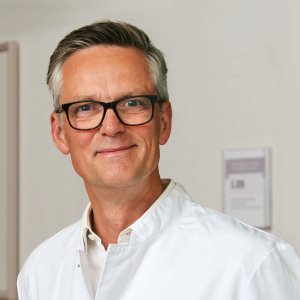
Wolfgang Schröder
مشاركة المحتوى
قصص فيديو من مرضى Bookimed
 Anna Leonova
أسئلة متكررة حول علاج كيس البنكرياس في ألمانيا
هل تتطلب جميع كيسات البنكرياس جراحة فورية؟
معظم كيسات البنكرياس حميدة ولا تتطلب جراحة فورية. يوصي الأطباء بالتدخل فقط في حالات وجود سمات عالية الخطورة مثل العقيدات الصلبة أو توسع القنوات. تركز المراكز الألمانية المتخصصة على المراقبة النشطة من خلال التصوير بالرنين المغناطيسي أو الموجات فوق الصوتية بالمنظار لمراقبة التغيرات مع تجنب الإجراءات المعقدة غير الضرورية.
- المراقبة اليقظة: مراقبة الكيسات منخفضة الخطورة بالتصوير كل 6 إلى 24 شهرًا.
- مؤشرات عالية الخطورة: يتم النظر في الجراحة للكيسات التي يزيد حجمها عن 3 سنتيمترات أو التي تحتوي على مكونات صلبة.
- الاستئصال الجراحي: إجراءات مثل جراحة ويبل مخصصة فقط للكيسات ما قبل السرطانية أو المصحوبة بأعراض.
- التصريف بالمنظار: يعالج هذا الخيار طفيف التوغل الكيسات الكبيرة والمؤلمة ولكن غير السرطانية.
رؤية خبير Bookimed: تظهر بياناتنا أن العيادات الألمانية مثل مجمع عيادات شمال الراين-وستفاليا تتعامل مع أكثر من 145,000 مريض سنويًا. غالبًا ما تستخدم هذه المراكز ذات الحجم الكبير مجالس متعددة التخصصات لمنع الإفراط في العلاج. ينسق متخصصون مثل البروفيسور الدكتور بيتر شينكر في مستشفى سولينجن البلدي مراكز مخصصة لسرطان البنكرياس. تعطي هذه المراكز الأولوية للروبوتات طفيفة التوغل لتقليل أوقات التعافي عندما تكون الجراحة ضرورية حقًا.
إجماع المرضى: يشير المرضى إلى أن الحصول على رأي ثانٍ في مركز متخصص للبنكرياس أمر حيوي. ويؤكدون أن الفحوصات المنتظمة توفر راحة البال دون مخاطر الجراحة الكبرى.
كيف تقرر العيادات الألمانية أي الأكياس لديها خطر مرتفع للإصابة بالسرطان؟
تحدد العيادات الألمانية أكياس البنكرياس عالية الخطورة باستخدام المبادئ التوجيهية S3 والأطر الأوروبية القائمة على الأدلة. يعطي المتخصصون الأولوية للمؤشرات المطلقة مثل اليرقان الانسدادي، أو الكتل الصلبة، أو توسع القناة الرئيسية لأكثر من 10 مم. تضمن التشخيصات متعددة الخطوات، بما في ذلك التصوير بالرنين المغناطيسي مع التباين والموجات فوق الصوتية بالمنظار، إجراء الجراحة فقط للآفات السابقة للسرطان.
- المؤشرات المطلقة: العقيدات الجدارية التي تتجاوز 5 مم أو علم الخلايا الإيجابي تتطلب الاستئصال الجراحي.
- المخاطر النسبية: النمو بأكثر من 5 مم سنوياً أو ارتفاع CA 19-9 يشير إلى وجود ورم خبيث.
- الدقة التشخيصية: الموجات فوق الصوتية بالمنظار مع الشفط بالإبرة الدقيقة تحدد الأكياس المخاطية من السائل.
- مجالس الأورام: تناقش الفرق متعددة التخصصات في المراكز المعتمدة الحالات لتجنب الإجراءات غير الضرورية.
رؤية خبير Bookimed: تظهر البيانات من مجمع عيادات شمال الراين-وستفاليا وسولينجن تحولاً نحو المركزية. تستخدم المراكز عالية التخصص الآن منسقين مثل الدكتور بيتر شنكر لإدارة شهادات مراكز سرطان البنكرياس. وهذا يضمن حصول حتى الأكياس الصغيرة على مراجعة إشعاعية ثانية. غالباً ما يمنع هذا الإشراف الخبير الجراحة للأكياس البسيطة والمستقرة التي قد تعالجها المستشفيات العامة بشكل مفرط.
إجماع المرضى: يلاحظ المرضى أن الحجم غالباً ما يكون أقل أهمية من الميزات الداخلية مثل مشاركة القناة. يؤكد الكثيرون على قيمة الحصول على مراجعة ثانية لمسح الخبراء قبل الالتزام
ما هي أدوات التشخيص المستخدمة بشكل روتيني في ألمانيا لتقييم كيسات البنكرياس؟
يقوم الأطباء الألمان بتقييم كيسات البنكرياس باستخدام إطار عمل متعدد الوسائط موحد. تعطي التشخيصات الأولوية للتصوير عالي الدقة مثل تصوير القنوات الصفراوية والبنكرياس بالرنين المغناطيسي (MRCP) والأشعة المقطعية المعززة بالتباين. تميز هذه الأدوات بين السوائل الحميدة والأورام الخبيثة المحتملة. غالبًا ما يستخدم المتخصصون التصوير بالموجات فوق الصوتية بالمنظار (EUS) لأخذ عينات دقيقة من الأنسجة.
- معايير التصوير: يقوم التصوير بالرنين المغناطيسي مع MRCP برسم خريطة لهيكل الكيس والتواصل مع قناة البنكرياس بدقة.
- التصوير بالموجات فوق الصوتية بالمنظار: يوفر EUS رؤية عالية الدقة للجدران السميكة أو العقيدات الجدارية.
- الشفط بالإبرة الدقيقة: تجمع العينات الموجهة بـ EUS السوائل لعلم الخلايا والتحليل الكيميائي الحيوي للجلوكوز والأميليز.
- العلامات الكيميائية الحيوية: تقيس المختبرات مستويات المستضد السرطاني المضغي (CEA) لتحديد الأورام المخاطية.
رؤية خبير Bookimed: تدير العيادات الألمانية مثل Nordwest و Nordrhein-Westfalen Complex أعداداً هائلة من المرضى، تصل إلى 145,000 سنوياً. يضمن هذا التدفق العالي دقة التشخيص. على سبيل المثال، يركز متخصصون مثل الدكتور فيكتور ألكسندر كرول في مستشفى سانت مارتينوس بشكل خاص على أمراض البنكرياس. غالباً ما تساعد خبرتهم المرضى على تجنب الجراحة من خلال مراقبة صارمة تعتمد على المبادئ التوجيهية باستخدام الموجات فوق الصوتية ثلاثية الأبعاد والتصوير بالرنين المغناطيسي عالي الدقة.
إجماع المرضى: يلاحظ المرضى أن الأطباء
لماذا يعد حجم العمليات في المستشفى مهماً لجراحة البنكرياس، وما الذي تقدمه ألمانيا؟
يضمن حجم العمليات المرتفع في المستشفيات الألمانية انخفاض معدل الوفيات وتقليل المضاعفات لجراحات البنكرياس. يفرض القانون الألماني إجراء ما لا يقل عن 20 عملية سنوياً لكل منشأة للحفاظ على الاعتماد. تستخدم المراكز المتخصصة فرقاً متعددة التخصصات لإدارة عمليات الاستئصال المعقدة بنتائج أكثر أماناً وفترات تعافي أقصر.
- قوانين الحد الأدنى للحجم: يجب على المستشفيات إجراء 20 جراحة بنكرياس سنوياً للحصول على تعويضات التأمين.
- الاعتماد المتخصص: تقوم الجمعية الألمانية للسرطان (DKG) باعتماد المراكز التي تظهر نجاحاً جراحياً متفوقاً.
- فرق متعددة التخصصات: تتميز المراكز ذات الحجم الكبير بوجود مجالس أورام مخصصة للمراجعة المشتركة للأشعة وعلم الأمراض.
- التكنولوجيا المتقدمة: تستخدم المراكز الألمانية مثل مجمع عيادات شمال الراين-وستفاليا الروبوتات للإجراءات طفيفة التوغل.
رؤية خبير Bookimed: تعني المركزية في ألمانيا أن العيادات الصغيرة يتم استبعادها قانونياً من رعاية البنكرياس المعقدة. تعالج الشبكات الأكاديمية الكبيرة مثل مجمع عيادات شمال الراين-وستفاليا 145,000 مريض سنوياً. يسمح هذا الحجم الهائل للجراحين مثل البروفيسور الدكتور بيتر شنكر بالتخصص بدقة في أورام الأحشاء. يستفيد المرضى لأن هذه الفرق ذات الحجم الكبير لديها بروتوكولات موحدة للكشف المبكر عن التسريبات بعد الجراحة.
إجماع المرضى: يؤكد المرضى أن اختيار مركز ذي خبرة أكثر أهمية من التسرع في إجراء الجراحة. ويشيرون إلى أن أفضل المستشفيات الألمانية غالباً ما توفر دعماً أفضل للتغذية بعد الجراحة
ما هي الإجراءات الجراحية التي يتم إجراؤها لأكياس البنكرياس في ألمانيا؟
يقوم الجراحون الألمان بإجراء عمليات استئصال أكياس البنكرياس بناءً على الموقع وخطر الإصابة بالسرطان. تشمل الإجراءات الرئيسية إجراء ويبل (Whipple) للأكياس الموجودة في الرأس، واستئصال البنكرياس البعيد للآفات الموجودة في الذيل. يستخدم المتخصصون تقنيات الحفاظ على النسيج المتني والأنظمة الروبوتية للحفاظ على وظائف الأعضاء وضمان أوقات تعافي أسرع للمرضى.
- إجراء ويبل: يزيل رأس البنكرياس والاثني عشر والمرارة للأكياس المشبوهة.
- استئصال البنكرياس البعيد: يستهدف الأكياس الموجودة في الجسم أو الذيل، وغالبًا ما يستخدم طرقًا بالمنظار.
- استئصال البنكرياس المركزي: يحافظ على الأنسجة السليمة عن طريق إزالة الجزء الأوسط من البنكرياس فقط.
- الاستئصال الجراحي (Enucleation): يتضمن إخراج الأكياس الصغيرة منخفضة المخاطر مع ترك العضو سليمًا.
رؤية خبير Bookimed: غالبًا ما تعطي المراكز الجراحية الألمانية الأولوية لمتغيرات إجراء ويبل التي تحافظ على البواب لتحسين الهضم بعد الجراحة. تظهر البيانات أن مستشفيات مثل مجمع عيادات شمال الراين-وستفاليا وعيادة نوردويست تعمل ضمن شبكات معتمدة. تستخدم هذه المراكز فرقًا متعددة التخصصات لاتخاذ قرار بين الاستئصال الكامل وتقنيات الحفاظ على الأعضاء. اختيار منسق مثل البروفيسور الدكتور بيتر شينكر يضمن الوصول إلى وحدات عالية الكفاءة تركز على جراحة الأحشاء.
إجماع المرضى: يشير المرضى إلى أنه من المهم الحصول على رأي ثانٍ من مراكز عالية الكفاءة قبل الجراحة. ويؤكدون أن الجراحين يراجعون بعناية التصوير وتورط القنوات بدلاً من مجرد
ما هي الآثار الجانبية طويلة المدى التي يمكن أن تحدث بعد استئصال البنكرياس؟
تشمل الآثار الجانبية طويلة المدى بعد استئصال البنكرياس نقص الإنزيمات الهاضمة والتغيرات الأيضية المزمنة. غالبًا ما يصاب المرضى بقصور البنكرياس الإفرازي، مما يتطلب علاجًا تعويضيًا بالإنزيمات مدى الحياة. يواجه الكثيرون أيضًا مرض السكري حديث الظهور أو نقصًا في التغذية. تدير المراكز الألمانية مثل مجمع عيادات شمال الراين-وستفاليا هذه الآثار من خلال رعاية الأورام والجهاز الهضمي متعددة التخصصات.
- قصور الجهاز الهضمي: يسبب نقص الإنزيمات برازًا دهنيًا وانتفاخًا وحاجة ملحة للتبرز.
- التغيرات الأيضية: قد يؤدي انخفاض إنتاج الأنسولين إلى الإصابة بمرض السكري من النوع 3c الدائم والمعتمد على الأنسولين.
- سوء امتصاص المغذيات: تتطلب حالات نقص فيتامينات A و D و E و K مراقبة منتظمة.
- المشاكل الهيكلية: يمكن أن تسبب الأنسجة الندبية تضيق القناة الصفراوية أو فتقًا جراحيًا بعد سنوات.
رؤية خبير Bookimed: تتخصص المراكز الأكاديمية الألمانية في أكثر من مجرد الجراحة. يؤكد البروفيسور الدكتور بيتر شينكر والفرق في المراكز المتخصصة على معايرة الإنزيمات المبكرة بدلاً من الجرعات الثابتة. تظهر البيانات من أكثر من 80 عيادة ألمانية أن النجاح لا يقتصر على النجاة من الإجراء. بل يتعلق بمنع فقدان الكتلة العضلية (ساركوبينيا) من خلال دمج أخصائيي التغذية في وقت مبكر. يساعد هذا النهج الاستباقي في الحفاظ على الوزن حتى بعد إجراءات ويبل المعقدة.
إجماع المرضى: يشير المرضى إلى أن إدارة توقيت الوجبات وجرعات الإنزيمات تصبح واقعًا جديدًا دائمًا. يؤكد الكثيرون أنه على الرغم م
إذا كان الكيس الخاص بي تحت المراقبة بدلاً من إزالته، فما هو الجدول الزمني الذي تتبعه العيادة الألمانية؟
تتبع العيادات الألمانية إرشادات S3 الصارمة والمبادئ التوجيهية الأوروبية لمراقبة كيسات البنكرياس. تتطلب الكيسات منخفضة المخاطر التي يقل حجمها عن 3 سم عادةً إجراء تصوير بالرنين المغناطيسي للقنوات الصفراوية والبنكرياس (MRCP) أو تصوير بالموجات فوق الصوتية بالمنظار كل 6 أشهر في البداية. إذا كانت مستقرة، ينتقل الجدول الزمني إلى المتابعة السنوية أو كل عامين. قد تتطلب الكيسات الأكبر حجمًا أو تلك التي تحتوي على عقيدات تقييمًا جراحيًا.
- المراقبة الأولية: تحدث فحوصات المتابعة الأولى عادةً بعد 3-6 أشهر لتقييم الاستقرار.
- التصوير القياسي: يعد تصوير القنوات الصفراوية والبنكرياس بالرنين المغناطيسي (MRCP) الأداة الأساسية لمراقبة البنكرياس.
- التصوير بالموجات فوق الصوتية بالمنظار: يضيف الأطباء التصوير بالموجات فوق الصوتية بالمنظار (EUS) إذا أظهر التصوير عقيدات جدارية أو سماكة في الجدران.
- العتبة الجراحية: غالبًا ما يتم النظر في الجراحة إذا تجاوزت الكيسات 4 سم أو أظهرت نموًا.
رؤية خبير Bookimed: توفر المراكز الطبية الألمانية مثل مجمع عيادات شمال الراين-وستفاليا أو عيادة نوردويست مراجعة متعددة التخصصات عالية المستوى. تظهر البيانات أن العيادات الحاصلة على شهادة جمعية السرطان الألمانية تستخدم منسقين متخصصين مثل الدكتور بيتر شنكر. يعطي هؤلاء الخبراء الأولوية للمراقبة طويلة المدى على الجراحة الفورية للكيسات المستقرة. هذا النهج المحافظ مدعوم بأعداد كبيرة من المرضى، حيث تعالج بعض المراكز أكثر من 140,000 مريض سنويًا.
إجماع المرضى: يشير المرضى
ما هي المستشفيات في ألمانيا التي تحظى بأعلى التقييمات في جراحة الأعصاب؟
تضم ألمانيا بعضًا من أرقى أقسام جراحة الأعصاب في العالم، بقيادة مستشفى شاريتيه الجامعي في برلين ومستشفى جامعة هايدلبرغ. وتتميز هذه المراكز بخبرتها الواسعة في علاج أورام الدماغ المعقدة وأمراض الأوعية الدموية الدماغية. ولتحقيق أقصى قدر من الفعالية في عملياتها، تستخدم هذه المراكز أحدث التقنيات، مثل التصوير بالرنين المغناطيسي أثناء الجراحة والتوجيه العصبي بمساعدة الحاسوب.
- مستشفى شاريتيه برلين: يُجري أكثر من 5000 عملية جراحية سنوياً. ويرأس العيادة جراح الأعصاب الشهير الدكتور بيتر فايكوتشي.
- المركز الطبي في سولينجن: أجرى الدكتور رالف بوهل أكثر من 4000 عملية جراحية، بما في ذلك جراحات العمود الفقري طفيفة التوغل.
- عيادة أسكليبيوس نورد: مجهزة بنظام التصوير بالرنين المغناطيسي الثنائي الوحيد في ألمانيا أثناء الجراحة لضمان الدقة الجراحية في الوقت الحقيقي أثناء إزالة الورم.
- عيادة نوردويست: تم الاعتراف بها من قبل مجلة نيوزويك كمستشفى رائد في مجال الابتكار في تكنولوجيا الموجات فوق الصوتية ثلاثية الأبعاد.
رأي خبراء بوكيمد: تشير البيانات إلى أن اختيار المراكز ذات الحجم الجراحي الكبير غالبًا ما يؤدي إلى توصيات علاجية أكثر تحفظًا. ففي مركز سولينجن الطبي، الذي يعالج أكثر من 60,000 مريض
ما هي نسب نجاح العمليات الجراحية العصبية المعقدة في ألمانيا؟
في ألمانيا، تتميز العمليات الجراحية العصبية بالغة التعقيد بمستوى أمان استثنائي. تصل نسبة نجاح عمليات دمج الفقرات إلى 99%، بينما تبلغ نسبة النجاة بعد استئصال أورام الدماغ الأولية 97%. كما يتمتع المرضى بقدرة عالية على الاعتماد على أنفسهم في أداء وظائفهم اليومية، حيث يغادر أكثر من 82% منهم المستشفى مباشرةً بعد العلاج. وتولي المراكز الألمانية اهتماماً بالغاً بالحفاظ على الوظائف العصبية باستخدام أحدث تقنيات التخطيط العصبي.
- استئصال الورم: يحقق الجراحون استئصالًا كاملاً للورم في 87.2% من حالات النقائل الدماغية.
- النجاح في علاج أمراض الأوعية الدموية: أفادت المستشفيات الألمانية بنسبة نجاة بلغت 98.7% لحالات تمدد الأوعية الدموية غير الممزقة.
- تحسن الحالة العصبية: يشهد ما يقرب من 43% من المرضى تحسناً في المعايير الوظيفية بعد عمليات الاستئصال المعقدة.
- سلامة التدخلات الجراحية: في المراكز الجراحية الكبيرة، تتراوح معدلات بقاء المرضى على قيد الحياة بعد جراحة العمود الفقري بين 98-99%.
رأي خبراء بوكيمد: يُجري جراحون ذوو خبرة، مثل الدكتور أوفه كولر من عيادة أسكليبيوس ألتونا، أكثر من 2000 عملية جراحية سنويًا. تُشير البيانات إلى أن هؤلاء المتخصصين يحافظون على معدلات نجاح تصل إلى 90%، حتى
ما هي التقنيات المتقدمة المتوفرة عادةً في عيادات جراحة الأعصاب الألمانية؟
تُدخل عيادات جراحة الأعصاب الألمانية بانتظام أدوات رقمية عالية الدقة وتقنيات تصوير فوري في الممارسة الجراحية. تشمل التقنيات الرئيسية الملاحة العصبية الحاسوبية لجراحات الدماغ والحبل الشوكي. تستخدم مؤسسات مثل عيادة أسكليبيوس نورد التصوير بالرنين المغناطيسي أثناء الجراحة للتحقق من استئصال الورم في الوقت الفعلي. توفر هذه الأنظمة للجراحين نظام ملاحة ثلاثي الأبعاد.
- الملاحة العصبية: توفر تصورًا ثلاثي الأبعاد وتتبعًا فوريًا للأدوات لتحقيق دقة جراحية تصل إلى مستوى أقل من المليمتر.
- التصوير أثناء العملية: تسمح أنظمة مثل التصوير بالرنين المغناطيسي أثناء العملية (iMRI) والتصوير المقطعي المحوسب ذي الذراع O (O-arm CT) بالتأكيد الفوري على نجاح عملية الاستئصال.
- المراقبة العصبية: تراقب الوظائف الحركية والحسية أثناء الجراحة لحماية الجهاز العصبي.
- التشخيص الفلوري: يتم استخدام صبغة 5-ALA لتسليط الضوء على حدود الورم من أجل إزالته بشكل أكثر اكتمالاً.
- المساعدة الروبوتية: تعمل أنظمة مثل نظام دافنشي على تحسين الدقة في الإجراءات المعقدة ذات التدخل الجراحي البسيط.
رأي خبراء بوكيمد: تُجري مراكز طبية كبيرة، مثل مستشفى شاريتيه الج