العودة إلى الصفحة الرئيسية
820К+ مريضًا حصلوا على المساعدة منذ عام 2014
50 دول
1,500 عيادات
6K+ تقييمات
3K+ طبيب مؤهل

ما هي تكلفة الفتق السري إجراءات التشخيص والعلاج في تايلاند؟ اعرف الآن

السعر يقدم بعد الطلب
تم التحقق من البيانات بواسطة Bookimed اعتبارًا من July 2026، استنادًا إلى طلبات المرضى والعروض الرسمية من 125 عيادة حول العالم. تستند التكاليف المتوسطة إلى الفواتير الحقيقية (2025–2026) ويتم تحديثها شهريًا. قد تختلف الأسعار الفعلية.

مزاياك وضماناتك مع Bookimed

أسعار مباشرة

Bookimed لا يضيف رسوماً إضافية على أسعار علاج الفتق السري. الأسعار مأخوذة من قوائم الأسعار الرسمية للعيادات. تدفع مباشرة في العيادة مقابل علاجك عند وصولك إلى البلد.

عيادات وأطباء معتمدون فقط

Bookimed ملتزم بسلامتك. نحن نعمل فقط مع المؤسسات الطبية التي تحافظ على معايير دولية عالية في علاج الفتق السري ولديها التراخيص اللازمة لخدمة المرضى الدوليين في جميع أنحاء العالم.

مساعدة مجانية على مدار الساعة

Bookimed يقدم مساعدة خبراء مجانية. منسق طبي شخصي يدعمك قبل وأثناء وبعد العلاج، ويحل أي مشاكل. لن تكون وحيداً أبداً في رحلة علاج الفتق السري.

لماذا نحن؟

منسقك الطبي الشخصي في Bookimed

  • يدعمك في كل مرحلة
  • المساعدة في اختيار العيادة الطبية المناسبة والطبيب المناسب
  • يضمن الوصول السريع والمريح إلى المعلومات

اكتشف أفضل الفتق السري العيادات في تايلاند: 2 خيارات معتمدة والأسعار

تم تصنيف العيادات بواسطة نظام Bookimed الذكي، باستخدام تحليل علوم البيانات عبر 5 معايير رئيسية.
Bumrungrad International Hospital
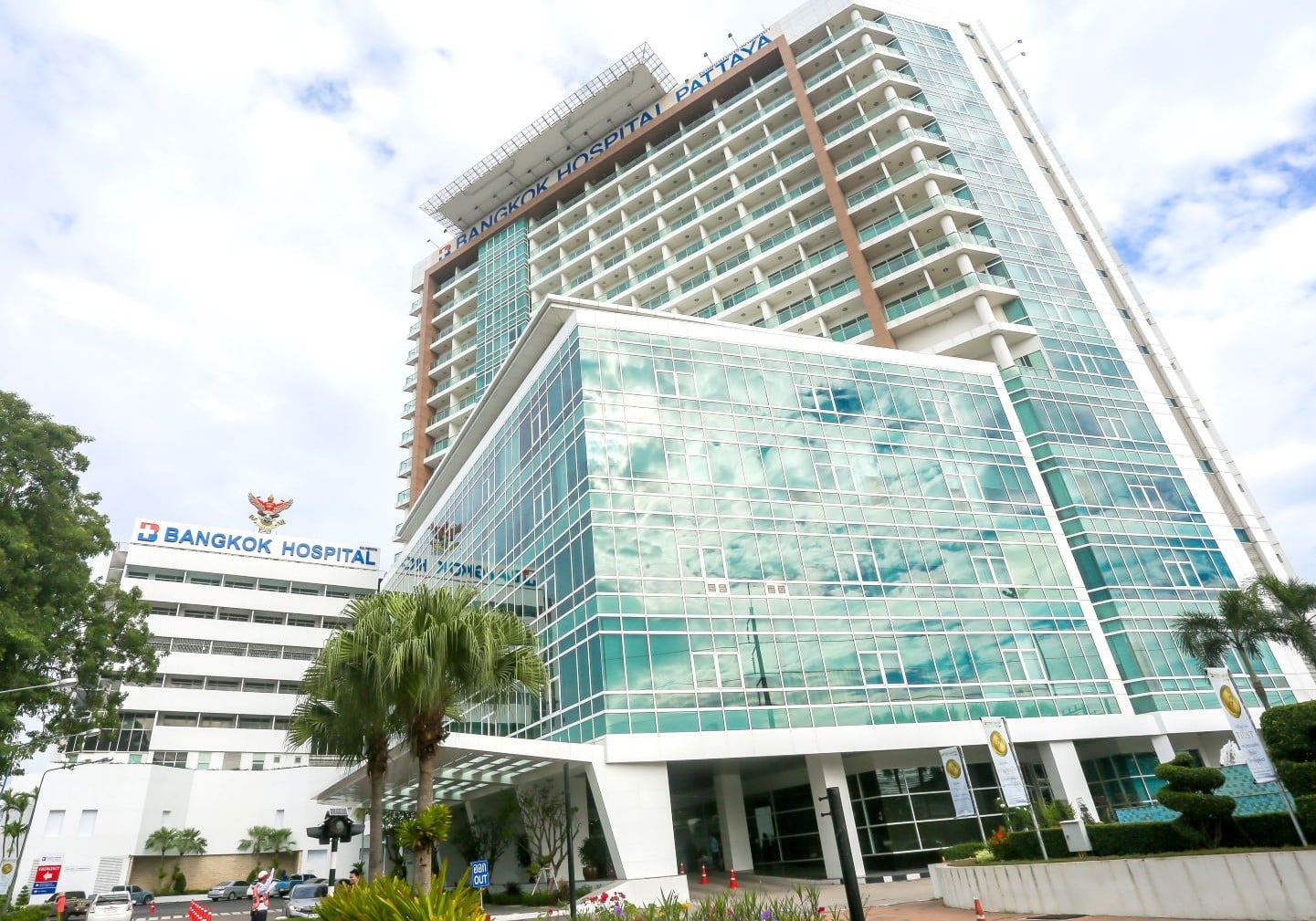
Bangkok Hospital Pattaya

احصلوا على تقييم طبي لـ الفتق السري في تايلاند: استشيروا أطباء ذوي خبرة الآن

عرض جميع الأطباء
يؤكد

Dr Prasert Sujiipinyo

28سنة خبره ١٦ سنة

الدكتور براسيرت سوجيبينيو هو جراح عام في مستشفى إنترارات، متخصص في العمليات التي تُجرى على نظام الغدد الصماء، والجهاز الهضمي، والكبد، والقولون.

  • تخرج من كلية الطب بجامعة شيانغ ماي
  • حاصل على شهادة في الجراحة العامة من مستشفى راجافيثي
  • متخصص في الإجراءات التي تشمل الأجزاء الرئيسية من جسم الإنسان
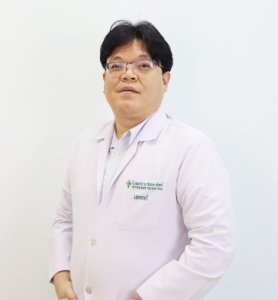
يؤكد

Doctor Puttapong Serttikul

19سنة خبره ١٦ سنة

الدكتور بوتتابونغ سيرتتيكول، M.D.، هو جرّاح عام. أكمل برنامج الإقامة في الجراحة العامة في Bhumibol Adulyadej Hospital عام 2014. حصل على درجة M.D. من Chulalongkorn University عام 2007. يعمل في Inthrarat Hospital (2025–حتى الآن). وشغل سابقًا مناصب في الجراحة العامة في CGH Hospital (2021–2025) وPhra Phutthabat Hospital (2014–2021).

تشمل تدريباته السريرية مناظير الجهاز الهضمي في Lopburi Cancer Hospital عام 2015. وتدرّب على ERCP في Rajavithi Hospital عام 2016. وأكمل تدريب جراحة القولون والمستقيم بالمنظار في Chulalongkorn University Hospital عام 2018. كما أكمل تدريب ترميز ICD-10 مع NHSO عام 2015. ويشغل عضوية لجنة التدقيق لمنطقة 4 التابعة لـNHSO منذ عام 2015.

يؤكد

Siripong Lakkhanawong

32سنة خبره ١٦ سنة

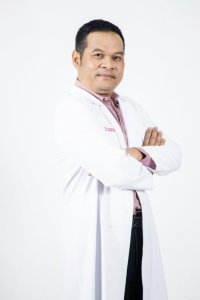
الدكتور Siripong Lakkhanawong (MD) اختصاصي طب الأسرة والجراحة العامة وجراحة التجميل. يمتلك أكثر من 25 عاماً من الخبرة الطبية.

يقدّم رعاية تركز على المريض مع تأكيد قوي على السلامة والمعايير المهنية. يتركز عمله على الجراحة العامة وجراحة التجميل، وهدفه تحقيق نتائج جراحية متسقة وطويلة الأمد.

مشاركة المحتوى

Twitter XLinkedinFacebookWhatsAppEmail
أحصل على الرابط

قصص فيديو من مرضى Bookimed

Dayana
جمعت بين إجازتي في أنطاليا والفحص الطبي.
إجراء: فحص صحة الإناث (انظر فحص النساء)
Igor
كان رائعاً! التنقلات والإقامة والعلاج - كل شيء مشمول.
إجراء: زرع الأسنان
مستشفى: WestDent Clinic
Marina
قام Bookimed بكل شيء من أجلي. لم أضطر للقلق بشأن أي شيء.
إجراء: فحص صحة الإناث (انظر فحص النساء)
مستشفى: Severance Hospital
محدث: 05/27/2022
تأليف
Anna Leonova
Anna Leonova
رئيس فريق تسويق المحتوى
محررة طبية معتمدة لديها خبرة تزيد عن 10 سنوات، طوّرت محتوى Bookimed الموثوق، مدعومة بماجستير في علم اللغة ومقابلات مع خبراء طبيين من جميع أنحاء العالم.
تمت المراجعة من قبل المستشار الطبي في Bookimed
فهد مولود
محرر طبي وعالم بيانات
طبيب عام. حاصل على 4 جوائز علمية. خدم في غرب آسيا. رئيس الفريق الطبي الناطق بالعربية سابقا ومسؤول عن معالجة البيانات ودقة المحتوى الطبي حاليا.
فهد مولود Linkedin
قد تحتوي هذه الصفحة على معلومات تتعلق بمختلف الحالات الطبية والعلاجات وخدمات الرعاية الصحية المتوفرة في بلدان مختلفة. يرجى العلم أن المحتوى مقدم لأغراض إعلامية فقط ولا ينبغي تفسيره على أنه نصيحة أو إرشادات طبية. يرجى استشارة طبيبك أو أخصائي طبي مؤهل قبل البدء أو تغيير العلاج الطبي.

أسئلة متكررة حول علاج الفتق السري في تايلاند

هذه الأسئلة الشائعة مأخوذة من مرضى حقيقيين يبحثون عن رعاية طبية عبر Bookimed. يتم تقديم الإجابات من قبل منسقين طبيين ذوي خبرة وممثلين موثوقين من العيادات.

هل تتوفر جراحة المناظير لعلاج الفتق السري في تايلاند؟

تتوفر جراحة الفتق السري بالمنظار على نطاق واسع في تايلاند في المستشفيات المعتمدة من قبل اللجنة الدولية المشتركة (JCI) في بانكوك وباتايا. يستخدم الجراحون ثلاثة شقوق صغيرة (0.5–1 سم) لإجراء الإصلاح. تسمح هذه التقنية طفيفة التوغل عادةً باستئناف العمل الخفيف في غضون أسبوع واحد من الإجراء.

  • التقنيات المتاحة: يقوم الجراحون بإجراء إصلاح الفتق بالمنظار باستخدام شبكة جراحية عبر نهج جراحي حديث مثل TEP أو TAPP.
  • مرافق المستشفى: تمتلك المراكز الكبرى مثل مستشفى بامرونجراد الدولي (Bumrungrad International Hospital) اعتمادات دولية من JCI و GHA.
  • الخبرة الجراحية: يتمتع أطباء مثل الدكتور بوتابونج سيرتيكول (Dr. Puttapong Serttikul) بخبرة تزيد عن 15 عاماً في تنظير البطن المتقدم.
  • التكاليف التقديرية: قد تكلف باقات العلاج المتخصصة في تايلاند ما يقرب من 2,200 إلى 3,500 دولار أمريكي.

رؤية خبير Bookimed: في حين أن تايلاند رائدة عالمياً في السياحة العلاجية، فإن إصلاح الفتق بالمنظار يتركز في المرافق الخاصة من الدرجة الأولى. تُظهر البيانات أن مراكز مثل بامرونجراد تضم أكثر من 1,300 طبيب وتخدم أكثر من 500,000 مريض دولي سنوياً. يضمن اختيار مستشفى ذو حجم كبير الوصول إلى جراحين مدربين خصيصاً على إعادة بناء جدار البطن بطرق طفيفة التوغل.

إجماع المرضى: يلاحظ المرضى أن المستشفيات الخاصة توفر جدولة أسرع واتصالات أفضل لخيارات المناظير. يجد الكثيرون أن الشقوق الصغيرة تحسن بشكل كبير من الراحة المبكرة مقارنة بالجراحة المفتوحة التقليدية.

ما هي فترة التعافي بعد جراحة الفتق السري في تايلاند؟

يستغرق التعافي بعد جراحة الفتق السري في تايلاند من 1 إلى 6 أسابيع. غالباً ما يعود مرضى المنظار إلى العمل الخفيف في غضون أسبوع واحد. تتطلب الجراحة المفتوحة من 3 إلى 6 أسابيع للشفاء. يجب تجنب الأنشطة الشاقة ورفع أثقال تزيد عن 4.5 كجم لمدة 6 أسابيع.

  • التعافي بالمنظار: العودة إلى العمل المكتبي غالباً ما تكون ممكنة في غضون 2–3 أيام.
  • النشاط البدني: يُشجع على المشي في وقت مبكر ولكن تجنب التمارين الشاقة لمدة 4–6 أسابيع.
  • شفاء الشق الجراحي: تلتئم شقوق المنظار الصغيرة (0.5–1 سم) عادة بشكل أسرع من الطرق المفتوحة.
  • الاندماج الكامل: تحتاج الشبكة الجراحية إلى حوالي شهرين للاندماج الكامل مع الأنسجة.

رؤية خبير Bookimed: تحتفظ تايلاند بتصنيف عالمي مرتفع للدقة الجراحية. أكثر من 50% من المرضى في المراكز المعتمدة من اللجنة الدولية المشتركة (JCI) مثل مستشفى بومرونجراد الدولي هم مرضى دوليون. هذا الحجم الكبير يعني أن جراحين مثل الدكتور سيريبونج لاخانافونج، بخبرة تزيد عن 25 عاماً، يديرون الحالات المعقدة بانتظام. تضمن هذه الخبرة غالباً انتقالات أكثر سلاسة من المستشفى إلى التعافي في المنزل.

إجماع المرضى: يشير المرضى إلى أهمية تأكيد خطط رعاية ما بعد الجراحة مسبقاً. يؤكد معظمهم أن اتباع خطة تقدم تدريجية والمشي في غضون 3 أيام يساعد في التعافي.

هل تستخدم المستشفيات التايلاندية شبكة عالية الجودة لإصلاح الفتق السري؟

تستخدم المستشفيات التايلاندية المعتمدة شبكة متوافقة حيوياً وعالية الجودة لإصلاح الفتق السري. تستخدم المرافق الرائدة مثل مستشفى بومرونجراد الدولي مواد اصطناعية خفيفة الوزن لتقليل المضاعفات. غالباً ما تحمل هذه المستشفيات اعتماد اللجنة الدولية المشتركة (JCI). يضمن هذا الوضع استيفائهم لمعايير السلامة العالمية لجميع الغرسات الطبية المستخدمة.

  • جودة المواد: يستخدم الجراحون شبكة حديثة وخفيفة الوزن ومتوافقة حيوياً لتقليل تفاعلات الحساسية.
  • التكنولوجيا المتخصصة: تطبق المراكز المتقدمة تقنية المنظار ثلاثية الأبعاد لوضع الشبكة بدقة مع الحفاظ على الأعصاب.
  • التثبيت الآمن: يستخدم الأطباء غالباً مثبتات قابلة للامتصاص لتقليل الألم والمضاعفات بعد الجراحة.
  • معدلات النجاح: تساعد تكنولوجيا الشبكات الحديثة في الحفاظ على معدلات تكرار الفتق أقل من 2% على مستوى البلاد.

رؤية خبير Bookimed: تحتل تايلاند المرتبة الثالثة عالمياً في طلبات مرضانا، مما يدل على ثقة قوية في بنيتها التحتية الجراحية. تكشف بيانات الحجم أن مراكز مثل بومرونجراد تعالج أكثر من مليون مريض سنوياً. يسمح هذا النطاق الضخم لهذه المستشفيات بالتفاوض على وصول ثابت إلى ماركات الشبكات العالمية المتميزة. يضمن معدل دوران المرضى المرتفع احتفاظ الجراحين ببراعتهم في أحدث تقنيات المنظار الخالية من الشد.

إجماع المرضى: يذكر المرضى أن اختيار مستشفى خاص من الدرجة الأولى يضمن الوصول إلى ماركات الشبكات العالمية المعترف بها. يقترحون التحقق من شهادات البورد المحددة للجراح وإحصائيات التكرار الشخصية قبل الإجراء.

كم من الوقت يجب أن أخطط للبقاء في تايلاند لإجراء جراحة الفتق السري؟

لإجراء جراحة الفتق السري في تايلاند، خطط للبقاء لمدة لا تقل عن 7 إلى 10 أيام في البلاد. على الرغم من أن الإجراء غالبًا ما يكون في العيادات الخارجية، إلا أن المرضى الدوليين يحتاجون إلى وقت لإجراء الاختبارات التشخيصية قبل الجراحة، وموعد الجراحة، وفحص الجرح الإلزامي للمتابعة قبل العودة إلى الوطن.

  • تصريح السفر: يوصي الجراحون عادةً بالانتظار لمدة 7 أيام بعد الجراحة قبل القيام برحلات طويلة.
  • الفحوصات بعد الجراحة: يلزم إجراء زيارة متابعة لضمان التئام الجرح بشكل صحيح وإزالة الغرز.
  • التعافي البدني: يساعد البقاء لمدة 10 أيام في إدارة ضغط البطن والحركة قبل السفر إلى المطار.
  • تأثير التقنية: قد تسمح الإصلاحات بالمنظار بحركة أسرع مقارنة بالجراحة المفتوحة التقليدية.

رؤية خبير Bookimed: تظهر البيانات من المرافق رفيعة المستوى مثل مستشفى بومرونجراد الدولي أنهم يتعاملون مع مليون مريض سنويًا، 50% منهم دوليون. هذا الحجم الكبير يعني أن فرقهم الجراحية فعالة للغاية في تنسيق الاختبارات السريعة قبل الجراحة في غضون 48 ساعة. لتحقيق أقصى قدر من الأمان، اختر عيادة حاصلة على اعتماد اللجنة الدولية المشتركة (JCI) لضمان اتباع بروتوكولات صارمة لمراقبة ما بعد الجراحة أثناء إقامتك.

إجماع المرضى: يؤكد المرضى أن تخصيص أيام تعافٍ إضافية أمر حيوي لأن السفر بالطائرة في وقت مبكر جدًا يسبب عدم الراحة بسبب انتفاخ البطن وتيبس العضلات. وأشاروا إلى أهمية إجراء فحص نهائي للجرح للشعور بالثقة قبل رحلة العودة إلى الوطن.

When is an umbilical hernia a medical emergency for someone considering treatment in Thailand?

An umbilical hernia is a medical emergency in Thailand if it becomes strangulated or incarcerated. Emergency symptoms include sudden, severe pain, firm lumps that cannot be pushed back, and skin discolouration. These signs indicate cut-off blood supply or bowel obstruction requiring immediate surgery in a hospital theatre.

  • Strangulation risk: Blood flow stops when tissue is trapped, potentially causing tissue death within hours.
  • Incarcerated hernia: The protrusion becomes stuck and irreducible, often leading to urgent surgical intervention.
  • Obstruction signals: Nausea, vomiting, and inability to pass gas suggest the bowel is blocked.
  • Physical changes: A hernia that turns red, purple, or dark requires an immediate emergency department visit.

Bookimed Expert Insight: While small clinics handle elective repairs, emergency cases in Thailand require large-scale facilities. Bumrungrad International Hospital serves over 1,000,000 patients annually and uses AI and robotic surgery. Major centres like this or Bangkok Hospital Pattaya have 24/7 emergency departments. These are equipped for complex strangulation cases that smaller clinics cannot manage.

Patient Consensus: Patients in Thailand note that hernias often require a 'watch and wait' approach until symptoms change. They suggest holding a pillow over the area when coughing or lifting. This prevents the hernia from getting stuck.

What are the weight requirements for umbilical hernia surgery in Thailand?

Thai hospitals generally prefer a Body Mass Index (BMI) under 30 for elective umbilical hernia surgery. Specialists assess individual health risks before approving the procedure. Patients with a BMI over 35 may need to lose 5–10% of their weight. This reduces the risk of hernia recurrence and infections.

  • Safety threshold: Surgeons usually recommend a BMI under 30 for safer anaesthesia and wound healing.
  • Risk reduction: Losing modest weight before theatre helps prevent recurrence and common surgical complications.
  • Surgical technique: Doctors may choose open surgery over laparoscopic methods for patients with higher BMI.
  • Lifting restrictions: Patients must avoid lifting over 5–7 kilograms for 4–6 weeks post-surgery.

Bookimed Expert Insight: Thailand ranks 3rd globally in our market data for medical travel. Major centres like Bumrungrad International Hospital serve over 1,000,000 patients annually. This massive volume means surgeons here manage complex cases that smaller Australian clinics might refer elsewhere. They often accept patients for hernia repair that others might decline due to weight.

Patient Consensus: Patients in Thailand note that strict weight limits are rare. Instead, personal risk assessments dominate the process. They emphasise that avoiding heavy lifting for 6 weeks is vital for long-term recovery.

Is the surgical mesh used for umbilical hernia repair in Thailand high quality?

Top Thai hospitals use high-quality, international-standard surgical mesh for umbilical hernia repairs. Leading centres like Bumrungrad International Hospital use biocompatible, lightweight synthetic materials. These meshes often carry CE marks or FDA approval. Clinics typically follow global protocols for low recurrence rates and long-term safety.

  • Certified facilities: JCI-accredited hospitals like Bumrungrad and Bangkok Hospital Pattaya maintain global standards.
  • Advanced technology: Surgeons use 3D laparoscopic systems and biocompatible materials for reinforcement.
  • Specialist expertise: Surgeons like Dr Puttapong Serttikul have advanced training in laparoscopic techniques.
  • International recognition: Thai hospitals frequently rank among the world’s most technologically advanced clinics.

Bookimed Expert Insight: Thailand ranks third globally for medical requests, serving over 2,600 patients through Bookimed alone. Major centres like Bumrungrad International Hospital treat 500,000 international patients annually. This massive volume means surgeons handle varied hernia cases daily. High patient turnover keeps clinical teams highly proficient in mesh placement.

Patient Consensus: Patients note that recovery takes at least six weeks before flying home to Australia. Australians advise verifying mesh brands like Ethicon or Bard and confirming JCI hospital accreditation.

What should I do if I have an umbilical hernia but no pain?

Adults with a painless umbilical hernia should see a specialist for a physical exam. While small hernias may not hurt, they rarely resolve on their own. Surgeons may recommend elective laparoscopic repair to prevent future enlargement or sudden loss of blood supply.

  • Clinical evaluation: Specialists use physical exams or ultrasound to assess hernia size and stability.
  • Watchful waiting: Small, stable hernias may only require monitoring and avoiding high-risk lifting.
  • Emergency signals: Seek help if the bulge turns purple or causes nausea and vomiting.
  • Surgical consultation: General surgeons like Dr Puttapong Serttikul specialise in laparoscopic hernia repair techniques.

Bookimed Expert Insight: Thailand is a global leader for complex surgeries. High-volume centres like Bumrungrad International Hospital serve over 1,000,000 patients annually. This massive case volume means surgical teams see umbilical hernias daily. They often suggest elective repair for active Australians to avoid emergency complications during international travel.

Patient Consensus: Many people live comfortably with stable hernias for years by using support binders. However, patients note that adult hernias eventually worsen. This makes scheduled surgery easier than dealing with sudden pain.

Why should I choose Thailand for umbilical hernia treatment?

Thailand offers high-quality umbilical hernia treatment through JCI-accredited hospitals. Surgeons there specialise in minimally invasive laparoscopic techniques. Major facilities in Bangkok and Pattaya treat over 1,000,000 patients annually. They provide immediate surgical care without the long waiting lists often found in Australia.

  • Accredited facilities: Leading centres like Bumrungrad International Hospital hold JCI and GHA accreditations.
  • Advanced techniques: Specialists perform laparoscopic repairs to minimise pain and shorten recovery times.
  • Specialist expertise: Surgeons like Dr Siripong Lakkhanawong bring over 25 years of medical experience.
  • High volume: Bangkok Hospital Pattaya serves 400,000 patients yearly with 29 specialised departments.

Bookimed Expert Insight: Thailand's medical infrastructure is built for high-volume international care. Over 50% of patients at top Bangkok hospitals arrive from abroad. This scale allows clinics to maintain specialised hernia units. They perform more procedures than many regional Australian hospitals. Patients benefit from this concentrated expertise, especially for complex or recurring hernias.

Patient Consensus: Patients value being mobile the same day after surgery in Thailand. Many suggest arranging daily nursing support at recovery hotels. This helps with aftercare and ensures a smooth return to regular activities within one week.

What are the common treatment options for umbilical hernia in Thailand?

Common umbilical hernia treatments in Thailand focus on surgical repair to close abdominal wall defects. Specialists use mesh hernioplasty, laparoscopic surgery, and traditional open repair. These procedures are performed in JCI-accredited facilities like Bumrungrad International Hospital and Bangkok Hospital Pattaya. They are carried out by surgeons who specialise in gastrointestinal and general surgery.

  • Mesh hernioplasty: Surgeons use synthetic mesh to strengthen the abdominal wall. This technique reports recurrence rates below 1%.
  • Laparoscopic surgery: This minimally invasive keyhole approach uses small incisions and camera guidance. It typically enables faster recovery.
  • Open hernia repair: A traditional single-incision method for specific cases. It remains a reliable option for various hernia sizes.
  • Specialist expertise: Surgeons such as Dr Siripong Lakkhanawong bring over 25 years of experience to general surgical cases.

Bookimed Expert Insight: Thailand’s leading private centres like Bumrungrad International Hospital serve over 1 million patients annually. Our data shows that top-tier hospitals in Bangkok often have dedicated departments with over 70 sub-specialties. This high volume means surgeons handle complex hernia cases more frequently than many Western general surgeons. Patients benefit from this concentration of expertise in centres where 50% of the caseload is international.

Patient Consensus: Patients note that most procedures require a one-night hospital stay. They recommend confirming if a small hernia can be closed with sutures or requires mesh. Experience suggests private Thai hospitals offer streamlined English-speaking care. However, laparoscopic options usually cost more than open repairs.

How soon can I return to normal activities after umbilical hernia treatment in Thailand?

Most patients return to light activities within 1 to 2 weeks after laparoscopic umbilical hernia surgery in Thailand. Desk work is often possible after 7 days. Full recovery for strenuous exercise or heavy lifting typically takes 4 to 6 weeks. Recovery time depends on the chosen surgical technique.

  • Hospital stay: Patients usually remain in theatre and hospital for 1 to 2 days.
  • Light activity: Walking or light desk work is possible within 3 to 7 days.
  • Physical limits: Avoid heavy lifting and intense exercise for at least 6 weeks.
  • Air travel: Patients should wait 4 to 6 weeks before taking long-haul flights.

Bookimed Expert Insight: Leading Bangkok facilities like Bumrungrad International Hospital have 1,300 doctors and serve over 1,000,000 patients annually. Choosing laparoscopic specialists like Dr Puttapong Serttikul at JCI-accredited centres can reduce downtime significantly. Patients having minimally invasive techniques often resume light duties 1 week sooner than open-surgery patients.

Patient Consensus: Patients find gentle walking every few hours helps healing. They emphasise avoiding intense activities like dancing or boat rides for at least 4 weeks. This gives the surgical site time to heal properly without strain.

احصل على استشارة مجانية

حدد أفضل طريقة للاتصال بك