العلاج الإشعاعي لسرطان القولون والمستقيم في كوريا الجنوبية — احصل على 3 عيادات مطابقة مع التكاليف


تمت مراجعة المقالة طبيا من قبل
فهد مولود
ما هي تكلفة العلاج الإشعاعي لسرطان القولون والمستقيم في كوريا الجنوبية؟ اكتشف الآن
المزايا الرئيسية
لماذا يجب النظر في جمهورية كوريا للعلاج الإشعاعي لسرطان القولون والمستقيم؟
- العيادات المعتمدة: المستشفيات المعتمدة من JCI تضمن الالتزام بالمعايير الدولية للجودة والسلامة في الرعاية الصحية.
- أحدث التقنيات: استخدام تقنيات مبتكرة مثل العلاج الإشعاعي المعدل الشدة (IMRT) والعلاج الإشعاعي التجسيمي للجسم (SBRT) مع أجهزة متطورة مثل Varian TrueBeam وElekta Versa HD يضمن استهدافًا دقيقًا للخلايا السرطانية. هذا النهج يقلل من الضرر للأنسجة السليمة المحيطة.
- نسب نجاح عالية: العلاج الإشعاعي لسرطان القولون والمستقيم في كوريا الجنوبية يتمتع بمعدل فعالية يبلغ 85%. هذا يحسن بشكل كبير من نتائج المرضى.
- الجراحون الخبراء: أخصائيو الأورام البارزون، الذين أكمل العديد منهم أكثر من 500 حالة علاج إشعاعي لسرطان القولون والمستقيم، يحملون شهادات من مؤسسات مرموقة. هم معروفون بخبرتهم في تقنيات العلاج الإشعاعي المتقدمة.
احصل على حلول متقدمة للعلاج الإشعاعي لسرطان القولون والمستقيم في عيادات موثوقة من $9,000.
مزاياك وضماناتك مع Bookimed
أسعار مباشرة
Bookimed لا يضيف رسوماً إضافية على أسعار العلاج الإشعاعي لسرطان القولون والمستقيم. الأسعار مأخوذة من قوائم الأسعار الرسمية للعيادات. تدفع مباشرة في العيادة مقابل العلاج الإشعاعي لسرطان القولون والمستقيم عند وصولك.
عيادات وأطباء معتمدون فقط
Bookimed ملتزم بسلامتك. نحن نعمل فقط مع المؤسسات الطبية التي تحافظ على معايير دولية عالية في العلاج الإشعاعي لسرطان القولون والمستقيم ولديها التراخيص اللازمة لخدمة المرضى الدوليين في جميع أنحاء العالم.
مساعدة مجانية على مدار الساعة
Bookimed يقدم مساعدة خبراء مجانية. منسق طبي شخصي يدعمك قبل وأثناء وبعد العلاج، ويحل أي مشاكل. لن تكون وحيداً أبداً في رحلة العلاج الإشعاعي لسرطان القولون والمستقيم.

منسقك الطبي الشخصي في Bookimed
- يدعمك في كل مرحلة
- المساعدة في اختيار العيادة الطبية المناسبة والطبيب المناسب
- يضمن الوصول السريع والمريح إلى المعلومات
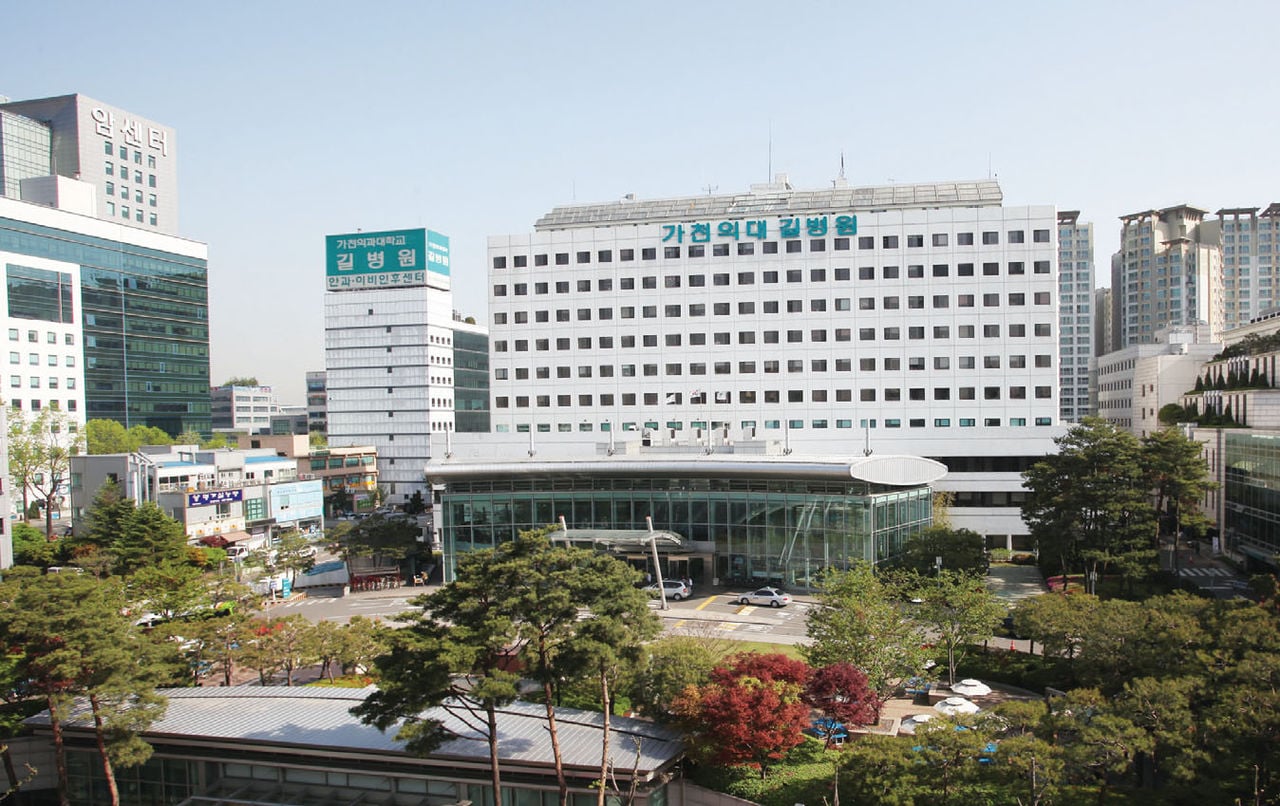
اكتشف أفضل العلاج الإشعاعي لسرطان القولون والمستقيم العيادات في كوريا الجنوبية: 9 خيارات معتمدة والأسعار











نظرة عامة على العلاج الإشعاعي لسرطان القولون والمستقيم في كوريا الجنوبية
- العلاج بالإشعاع - من $8,000
يستخدم هذا العلاج موجات عالية الطاقة لتدمير الخلايا السرطانية ، مما يوفر علاجًا غير جراحي مع القليل من الآثار الجانبية.
- TrueBeam - من $14,000
هذا العلاج هو تقنية إشعاعية عالية القوة لعلاج السرطان بدقة عالية وسرعة.
- جراحة التجسيمي - من $9,500
يستهدف هذا العلاج الأورام بإشعاع دقيق ، مما يقلل من تلف الأنسجة المحيطة وتجنب الجراحة الغازية.
- المعالجة المقطعية - من $9,000
هذا العلاج هو علاج إشعاعي متطور ، يستهدف الأورام بدقة مع تقليل الضرر الذي يلحق بالأنسجة السليمة المجاورة.
- الجراحة الإشعاعية لورم في المخ - من $15,000
يستهدف هذا العلاج بشكل انتقائي أورام المخ ، باستخدام إشعاع دقيق للقضاء على الخلايا مع تجنيب الأنسجة المحيطة.
- العلاج الإشعاعي لسرطان القولون والمستقيم - من $9,000
يستخدم هذا الإجراء أشعة عالية الطاقة لتدمير خلايا سرطان القولون والمستقيم ، وهي طريقة علاج فعالة وموجهة.
- العلاج الإشعاعي لأورام الدماغ - من $15,000
يهدف هذا العلاج إلى تدمير أورام المخ باستخدام أشعة عالية الطاقة وتقليل الأعراض وتحسين معدلات البقاء على قيد الحياة.
- العلاج الإشعاعي لسرطان الحنجرة - من $14,000
يهدف هذا العلاج إلى تدمير خلايا سرطان الحلق باستخدام الإشعاع عالي الطاقة ، وتحسين البقاء على قيد الحياة والتحكم في الأعراض.
اليوم 1
- الوصول إلى المستشفى للتشاور الأولي.
- لقاء مع أخصائي الأورام لتخطيط العلاج.
اليوم 2-3
- إجراء الفحوصات الطبية اللازمة بما في ذلك اختبار قياس السمع.
- التشاور مع أخصائي الأشعة لمناقشة نتائج الاختبار.
اليوم 4-5
- التحضير للعلاج الإشعاعي ، بما في ذلك تحديد مناطق العلاج.
- الإجراءات الإضافية الممكنة على أساس الاحتياجات الفردية.
اليوم السادس
- بدء جلسات العلاج الإشعاعي لسرطان القولون والمستقيم.
- قد تستمر كل جلسة حوالي 15 إلى 30 دقيقة.
الأسبوع 2-6
- استمرار جلسات العلاج الإشعاعي اليومية ما عدا عطلات نهاية الأسبوع.
- تسجيلات الوصول المنتظمة مع المتخصصين لمراقبة التقدم.
الأسبوع السابع
- الجلسة الأخيرة من العلاج الإشعاعي.
- معالجة ما بعد العملية والشفاء في المستشفى.
الأسبوع الثامن
- يمكن للمريض العودة إلى العمل بواجبات خفيفة.
- استشارة متابعة مع أخصائي الأورام والأشعة.
الأسبوع الثاني عشر
- إعادة التأهيل يستمر مع الفحوصات الدورية.
- يمكن للمريض العودة تدريجيا إلى الأنشطة العادية.
الأسبوع السادس عشر
- عادة ما تظهر النتائج النهائية للعلاج.
- يمكن للمريض العودة إلى النشاط الكامل ، بما في ذلك الرياضة.
يرجى ملاحظة أن هذا هو جدول زمني عام وأن حالة كل مريض فريدة من نوعها. قد تختلف مدة وخصائص العلاج والشفاء.
- إيداع Bookimed: 200 دولار أو 200 يورو.
- وديعة العيادة: ادفع نسبة محددة مقدمًا.
احصل على تقييم طبي لـ العلاج الإشعاعي لسرطان القولون والمستقيم في كوريا الجنوبية. استشر الآن 6 أطباء ذوي الخبرة.
عرض جميع الأطباء
Ahn Jin Seok
يتخصص الدكتور آهن جين سيوك في العلاج الإشعاعي لسرطان القولون والمستقيم في مركز سامسونج الطبي.
- طبيب أورام يتمتع بخبرة واسعة في علاج سرطان القولون والمستقيم
- يمارس عمله في مركز سامسونج الطبي – وهو مرفق رائد لعلاج السرطان

Seung Jae Huh
طبيب أورام متخصص في العلاج الإشعاعي في مركز سامسونج الطبي.
- ذو خبرة في علاج سرطان القولون والمستقيم بالإشعاع
- يعمل في مركز طبي رائد في كوريا الجنوبية
- يركز على خطط العلاج الشخصية للمرضى

Lim Do Hoon
يرأس البروفيسور ليم دو هون قسم علاج الأورام بالإشعاع في مركز سامسونج الطبي، وهو متخصص في سرطانات الجهاز الهضمي والسرطانات النادرة.
- تدرب في مستشفى جامعة سيول الوطنية ومركز سامسونج الطبي
- متخصص في أورام المعدة، والقنوات الصفراوية والبنكرياس، وأورام الأطفال
- خبير في العلاج الإشعاعي لحالات الجهاز الهضمي المعقدة
- عضو في الجمعية الكورية للسرطان والجمعية الكورية لعلاج الأورام بالإشعاع

Choi Du Kho
يتخصص الدكتور تشوي دو خو في جراحات القلب ولديه أكثر من من الخبرة في مركز سامسونج الطبي.
- خبير في جراحة القلب بمساعدة الروبوت
- ماهر في إصلاح واستبدال الصمامات
- يجري جراحات قلب للأطفال
قصص فيديو من مرضى Bookimed
المراجعات
جميع المراجعاتمشاركة المحتوى
 Anna Leonova
حقائق سريعة عن العلاج الإشعاعي لسرطان القولون والمستقيم
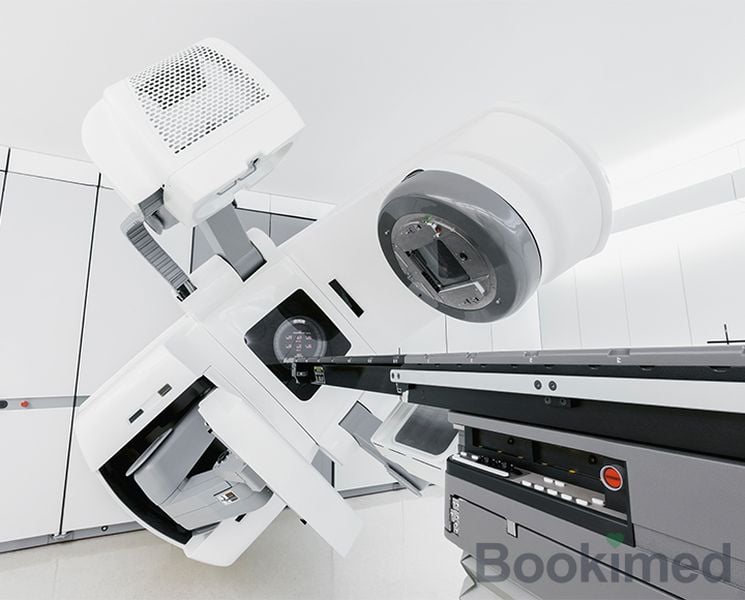
العلاج الإشعاعي لسرطان القولون والمستقيم
يتضمن استخدام أشعة عالية الطاقة لاستهداف الخلايا السرطانية في القولون أو المستقيم وتدميرها.
أسئلة متكررة حول العلاج الإشعاعي لسرطان القولون والمستقيم في كوريا الجنوبية
ما هي الطريقة القياسية للعلاج الإشعاعي لسرطان المستقيم في كوريا الجنوبية؟
يُعدّ العلاج الكيميائي الإشعاعي المساعد قبل الجراحة الطريقة القياسية لعلاج سرطان المستقيم في كوريا الجنوبية. وتُقدّم هذه الدورة العلاجية طويلة الأمد جرعة تتراوح بين 45 و50.4 غراي موزعة على 25 إلى 28 جلسة خلال 5 إلى 6 أسابيع. وعادةً ما يجمع هذا العلاج بين العلاج الإشعاعي وعوامل الفلورويوراسيل، مثل الكابيسيتابين، لتحسين تقليص حجم الورم.
- تقنية التوصيل: يتم استخدام العلاج الإشعاعي المعدل الشدة (IMRT) في 50% من الحالات لتحسين الدقة.
- العلاج الكيميائي المصاحب: أثناء العلاج الإشعاعي، يتلقى المرضى في كثير من الأحيان الكابيسيتابين أو 5-فلورويوراسيل.
- توقيت الجراحة: يتم إجراء استئصال المساريق المستقيمية بالكامل (TME) بعد 6-8 أسابيع من العلاج الإشعاعي.
- المراقبة المستمرة: تقوم العيادات بإجراء فحوصات التصوير المقطعي المحوسب ذي الحزمة المخروطية (CBCT) يوميًا لضمان دقة استهداف الإشعاع.
رأي خبراء بوكيمد: على الرغم من أن العلاج الإشعاعي طويل الأمد لا يزال المعيار الذهبي، إلا أن المراكز الكورية الجنوبية مثل مركز سامسونج الطبي ومستشفى سيفرانس تُعدّ رائدة في العلاج الكيميائي المساعد الكامل قبل الجراحة. يتضمن هذا التوجه الناشئ إعطاء جميع جرعات العلاج الكيميائي قبل الجراحة لتحسين فرص الب
هل توجد إرشادات تراعي احتياجات المرضى، ومن يقدمها؟
تتوفر إرشادات العلاج الإشعاعي الملائمة للمرضى في المستشفيات الكبرى والهيئات الحكومية والجمعيات الدولية لمكافحة السرطان في جمهورية كوريا. وتستخدم المراكز الرائدة، مثل مركز سامسونج الطبي ومستشفى جامعة سيول الوطنية، أنظمة السجلات الطبية الإلكترونية الرقمية وبوابات المرضى لتبسيط جداول العلاج والتعليمات.
- بوابات المستشفيات: يقدم مركز سامسونج الطبي ومستشفى سيفرانس أدلة رقمية لأنظمة المباني الذكية.
- المؤسسات الحكومية: تضمن KOIHA أن توفر المؤسسات المعتمدة مواد موحدة وآمنة لتثقيف المرضى حول السرطان.
- الأدوات الرقمية: غالبًا ما يستخدم المرضى تطبيق Papago لترجمة كتيبات العلاج الإشعاعي من الكورية إلى الإنجليزية على الفور.
- جلسات الخبراء: يعقد مركز كوريا للسرطان جلسات إعلامية مع توزيع مواد حول العلاج الإشعاعي والنظام الغذائي.
رأي خبراء بوكيمد: على الرغم من أن المستشفيات الكورية الرائدة، مثل مستشفى جامعة سيول الوطنية، تعتمد نظامًا رقميًا بالكامل، إلا أن إرشاداتها الرسمية للعلاج الإشعاعي غالبًا ما تكون ذات طابع تقني معقد. وتشير البيانات إلى أن المراكز التي تخدم أكثر من 1,500,000 مريض سنويًا تُعطي الأولوية للشرح الشفهي من قِبل الممرضات. لذا، يُنصح المرضى الدوليون بطلب المواد اللازمة