علاج المريء باريت في النمسا: 2 مستشفيات


تمت مراجعة المقالة طبيا من قبل
فهد مولود
كيف نعمل؟
ما هي تكلفة المريء باريت إجراءات التشخيص والعلاج في النمسا؟ اعرف الآن
اكتشف أفضل المريء باريت العيادات في النمسا: 2 خيارات معتمدة والأسعار
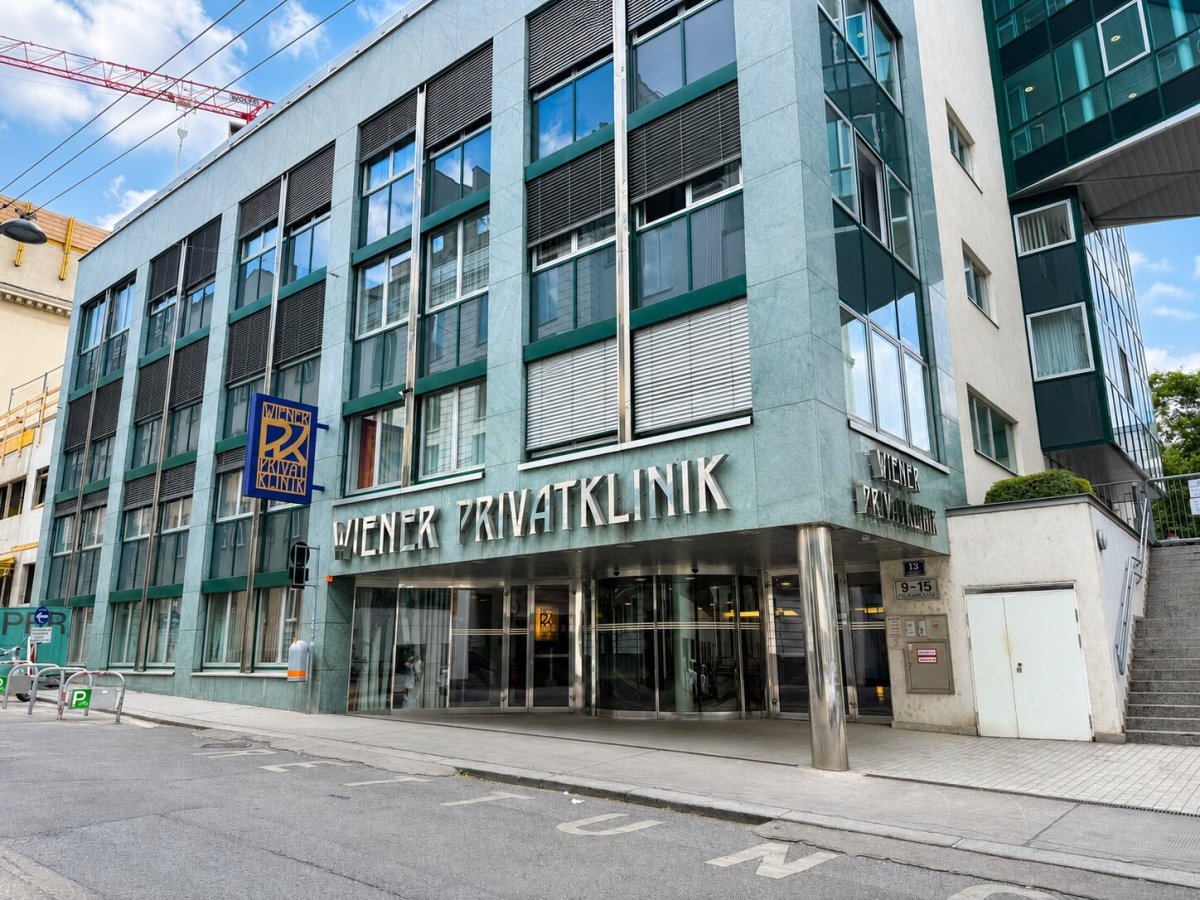




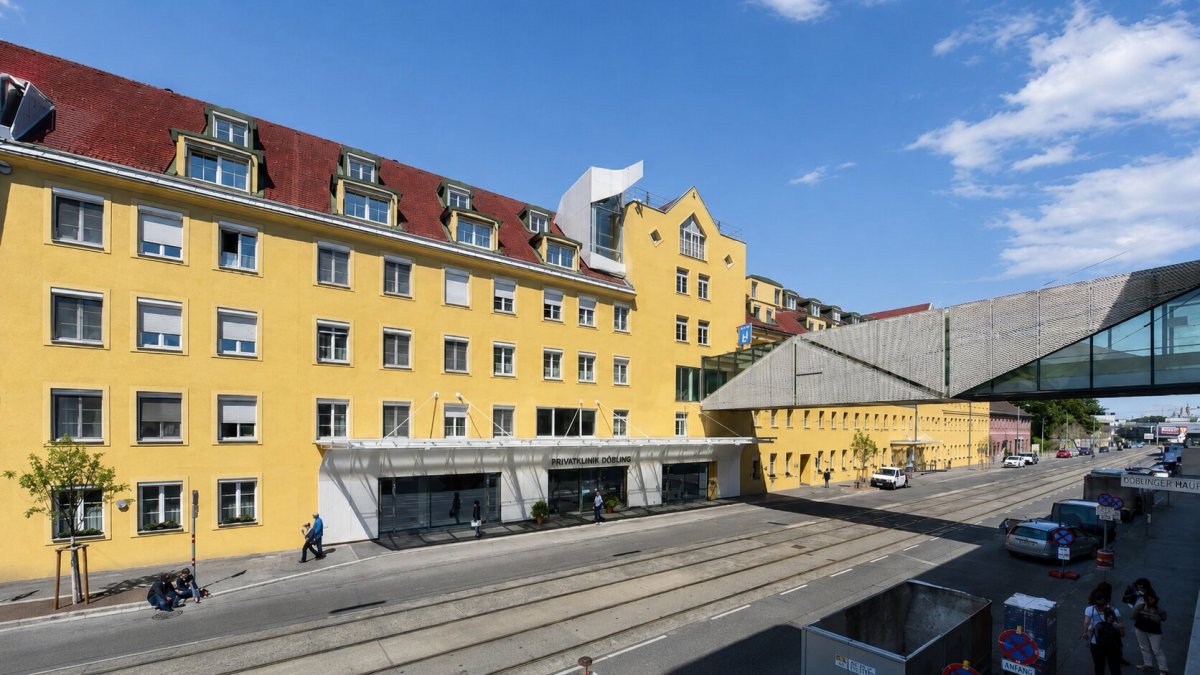
احصلوا على تقييم طبي لـ المريء باريت في النمسا: استشيروا أطباء ذوي خبرة الآن
عرض جميع الأطباء
Sebastian F Schoppmann
يتخصص البروفيسور شوبمان في التقنيات طفيفة التوغل والروبوتية لجراحات سرطان المريء والمعدة، مع التركيز على تحسين نتائج المرضى.
- أكثر من _doctor_3948_ عاماً من الخبرة في جراحة الأحشاء والأورام
- رئيس وحدة جراحة الجهاز الهضمي العلوي في جامعة فيينا الطبية
- رائد في دمج البحوث الجزيئية مع الممارسة الجراحية
- عضو نشط في الجمعيات الدولية للأورام والجراحة

Dr Arnulf Ferlitsch
أخصائي رائد في أمراض الجهاز الهضمي وحائز على العديد من الجوائز البحثية – يرأس الدكتور فيرليتش قسم الطب الباطني الأول في مستشفى دبلن الخاص.
- تخصص في أمراض الجهاز الهضمي والكبد في مستشفى فيينا العام
- أسس وأدار مختبر ديناميكا الدم الكبدية
- حائز على جائزة سكودا من الجمعية النمساوية للطب الباطني
- تدرب في جامعة كاليفورنيا (لوس أنجلوس) وجامعة بنسلفانيا
مشاركة المحتوى
قصص فيديو من مرضى Bookimed
 Anna Leonova
أسئلة متكررة حول علاج المريء باريت في النمسا
كيف تحدد العيادات النمساوية ما إذا كان مريء باريت الخاص بي يتطلب علاجًا فعالًا؟
في العيادات النمساوية، يُحدد التدخل العلاجي بناءً على تقييم خلل التنسج النسيجي أثناء التنظير العلوي. وتتبع مؤسسات مثل عيادة فيينا الخاصة إرشادات الجمعية الأوروبية لتنظير الجهاز الهضمي. ولا يُجرى التدخل إلا في حالات الآفات ما قبل السرطانية. أما في الحالات التي لا يوجد فيها خلل تنسج، فيتم إجراء المراقبة وكبح الحموضة لضمان سلامة المريض.
- تصنيف الأنسجة: يقوم أخصائيو علم الأمراض بتصنيف العينات من غير المصابة بالخلل التنسجي إلى المصابة بالخلل التنسجي عالي الدرجة.
- مراجعة الأقران: غالباً ما يشترط الأخصائيون إجراء فحصين مرضيين مستقلين قبل البدء بالعلاج.
- معايير الاستئصال: يوصى بالاستئصال بالترددات الراديوية بعد تأكيدين على وجود خلل التنسج منخفض الدرجة.
- علاج الآفات: عند اكتشاف عقيدات مرتفعة، يقوم الأطباء بإجراء استئصال بالمنظار للغشاء المخاطي.
رأي خبراء بوكيمد: ينبغي على المرضى أن يعلموا أن الأخصائيين النمساويين، مثل البروفيسور سيباستيان ف. شوبمان، يركزون على الآليات الجزيئية لتطور الأورام. غالبًا ما يؤدي هذا النهج الأكاديمي في مراكز مثل عيادة فيينا الخاصة إلى تحديد مرحلة المرض بدقة أكبر. إذا لم تُظهر نتائج الخزعة وجود خلل التنسج، فينبغي النظر في مضاعفة جرعة الدواء لمدة ستة أ
ما هو خطر إصابتي الحقيقي بسرطان المريء؟
يبقى خطر الإصابة بسرطان المريء منخفضًا لدى معظم الناس، حيث يبلغ متوسط الخطر مدى الحياة حوالي 0.5%. ورغم أن مريء باريت يزيد هذا الخطر بشكل ملحوظ، إلا أن معدل تطور المرض سنويًا يتراوح بين 0.2% و0.5%. وتُحدد عوامل شخصية كالعمر والجنس ونمط الحياة مستوى خطر الإصابة بسرطان المريء لدى كل فرد.
- تشخيص باريت: يبلغ خطر تطور المرض إلى سرطان غدي ما يقرب من 0.2٪ إلى 0.5٪ سنويًا.
- الجنس البيولوجي: الرجال أكثر عرضة للخطر بثلاث مرات من النساء.
- عامل السن: تحدث أكثر من 85% من الحالات لدى المرضى الذين تبلغ أعمارهم 55 عامًا فأكثر.
- التاريخ: يُعد الارتجاع الحمضي المزمن والسمنة من الأسباب الرئيسية للتغيرات في المريء.
رأي خبراء بوكيميد: تعتمد إدارة المخاطر في النمسا على مستوى عالٍ من التخصص. وتشير عيادات مثل مستشفى دوبلينغ الخاص إلى انخفاض معدلات المضاعفات عن المعدل الطبيعي، ويعزى ذلك على الأرجح إلى ضغط العمل الكبير على أخصائييها. ويُدمج البروفيسور سيباستيان ف. شوبمان من مستشفى فينر الخاص الاختبارات الجزيئية في العمليات الجراحية، مما يُساعد في اختيار العلاجات المُصممة خصيصًا لحالات خلل التنسج عالية الخطورة.
رأي المرضى: يشير الم
ما هي العلاجات طفيفة التوغل المتوفرة في النمسا؟
تُقدّم النمسا علاجات حديثة طفيفة التوغل لمريء باريت، تعتمد بشكل أساسي على استئصال الغشاء المخاطي بالمنظار والاستئصال بالترددات الراديوية. وتستخدم مراكز متخصصة، مثل عيادة فيينا الخاصة ومستشفى دوبلينغ الخاص، تقنيات متقدمة في تنظير المعدة لإزالة الأنسجة غير الطبيعية عبر الفم. لا تتطلب هذه الإجراءات أي شقوق جراحية خارجية، وتضمن التعافي السريع.
- الاستئصال بالمنظار: يقوم الجراحون بإزالة الآفات المرئية باستخدام أدوات خاصة أثناء تنظير المعدة القياسي.
- طرق الاستئصال: تعمل طاقة الترددات الراديوية على تدمير البطانة التالفة للمريء، مما يعزز نمو الخلايا السليمة.
- جراحون ذوو خبرة: البروفيسور سيباستيان إف. شوبمان متخصص في العمليات المعقدة على الجزء العلوي من الجهاز الهضمي.
- سلامة المستشفى: أفاد مستشفى دوبلينغ الخاص بانخفاض معدلات المضاعفات بشكل ملحوظ مقارنة بالمتوسط العالمي.
رأي خبراء بوكيمد: على الرغم من أن العديد من العيادات تقدم خدمات التنظير الداخلي العام، إلا أنه ينبغي على المرضى الذين يسعون لعلاج مرض باريت مراعاة ارتباطهم بالمؤسسات البحثية. ففي عيادة فيينا الخاصة، يعمل أكثر من 400 طبيب كأساتذة في جامعة فيينا الطبية. ويضمن هذا الارتباط المباشر بالبحوث الجامعية حصول المرضى على أ
هل تتطلب معالجة مريء باريت إجراء جراحة كبرى؟
نادراً ما تتطلب معالجة مريء باريت تدخلات جراحية كبرى. ويعتمد معظم المرضى على مثبطات مضخة البروتون والمتابعة الدورية للسيطرة على المرض. وتُستخدم إجراءات تنظيرية طفيفة التوغل، مثل الاستئصال بالترددات الراديوية، لعلاج الخلايا ما قبل السرطانية. ولا يلجأ الجراحون إلى استئصال المريء إلا في حالات المضاعفات المتقدمة أو سرطان المريء الغازي.
- الاستئصال بالمنظار: يستخدم الأطباء الحرارة أو البرودة لتدمير طبقات الأنسجة غير الطبيعية في المريء.
- استئصال الغشاء المخاطي: يقوم الأخصائيون بإزالة طبقات الأنسجة السميكة مباشرة من خلال المنظار دون إجراء شقوق جراحية.
- جراحة منع الارتجاع: يمكن إجراء عملية تثبيت قاع المعدة بالمنظار لوقف الارتجاع الحمضي الشديد.
- المراقبة المنتظمة: تسمح المراقبة التنظيرية الدورية بالكشف عن التغيرات الخلوية قبل أن تتطلب تدخلاً كبيراً.
رأي خبراء بوكيمد: تتركز الخبرات الفنية في فيينا في مراكز مثل مستشفى فيينا الخاص ومستشفى دوبلينغ الخاص. على سبيل المثال، يرأس الدكتور سيباستيان ف. شوبمان أقسامًا متخصصة في جراحة الجهاز الهضمي العلوي، وهو متخصص في التقنيات الروبوتية. غالبًا ما يتيح اختيار منشأة يرأس قسم الجراحة فيها أستاذ جامعي الوصول إلى الأبحاث السريرية في الأمراض ا
ما الذي يجب أن أتوقعه أثناء إجراء عملية الاستئصال بالترددات الراديوية (RFA)؟
يُعدّ استئصال مريء باريت بالترددات الراديوية إجراءً بسيطاً يُجرى في العيادة الخارجية، ويستغرق من 30 إلى 90 دقيقة. يُعطى المريض مهدئاً ومخدراً موضعياً لراحته. يستخدم هذا الإجراء الحرارة لإزالة الأنسجة ما قبل السرطانية من بطانة المريء، مما يمنع تطور سرطان المريء.
- خطوات الإجراء: يستخدم الجراحون التنظير الداخلي لتوجيه تدفق الطاقة إلى المريء.
- مدة الإقامة في المستشفى: يتم تخريج معظم المرضى إلى منازلهم في غضون 60 دقيقة من بدء مراقبة العلامات الحيوية.
- النظام الغذائي بعد العلاج: من أجل التعافي، من الضروري البدء بالأطعمة السائلة أو اللينة غير الحمضية.
- دورة العلاج: غالباً ما تكون هناك حاجة إلى جلسات استئصال متعددة لإزالة المنتج بالكامل.
رأي خبراء بوكيمد: تضم فيينا مراكز متخصصة مثل مستشفى فيينا الخاص ومستشفى دوبلينغ الخاص. تتيح هذه المؤسسات الوصول إلى أساتذة من جامعة فيينا، مثل الدكتور سيباستيان ف. شوبمان. يضمن اختيار المستشفيات التابعة للمؤسسات الأكاديمية الوصول إلى أطباء متخصصين في أبحاث السرطان التطبيقية. يحافظ مستشفى دوبلينغ الخاص على معدل مضاعفات أقل من المعدل القياسي وفقًا لبروتوكولات السلامة الصادرة عن اللجنة الدولية المشتركة (JCI).
هل سأحتاج إلى متابعة طبية مستمرة بعد نجاح عملية الاستئصال؟
بعد نجاح عملية استئصال مريء باريت بالترددات الراديوية، يحتاج المرضى إلى متابعة دورية منتظمة. وتؤكد الفحوصات التنظيرية المنتظمة وأخذ الخزعات إزالة الخلايا غير الطبيعية. ويمنع العلاج المستمر لارتجاع المريء عودة الأنسجة. وستُجرى متابعة دورية بناءً على نتائج الفحص السريري.
- المراقبة بالمنظار: تسمح لنا فحوصات التنظير الدورية بتقييم حالة الغشاء المخاطي للمريء للكشف عن الانتكاسات.
- علاج الارتجاع: الاستخدام المستمر للأدوية المثبطة للحموضة يمنع تلف الأنسجة الجديدة.
- جدول المتابعة: يتم إجراء فحوصات المتابعة بشكل متكرر خلال السنتين الأوليين.
- بروتوكول الخزعة: يقوم الجراحون بأخذ عينات من الأنسجة للتأكد من الإزالة الكاملة للتحول المعوي.
رأي خبراء بوكيميد: في النمسا، تعتمد النتائج عالية الجودة بشكل كبير على خبرة الجراح المزدوجة في طب الأورام وجراحة الأحشاء. يرأس الدكتور سيباستيان ف. شوبمان من عيادة فيينا الخاصة قسم جراحة الجهاز الهضمي العلوي المتخصص. يضمن هذا النهج الشامل أن يكون الاستئصال أكثر من مجرد إجراء تقني، فهو جزء من استراتيجية طويلة الأمد للوقاية من السرطان تشمل الاختبارات الجزيئية وتقنيات إعادة البناء الدقيقة.
ملاحظات
أين يمكنني الذهاب لتلقي علاج مريء باريت في النمسا؟
في النمسا، تتوفر علاجات متقدمة لمريء باريت في عيادات معتمدة من قبل المنظمة الدولية للمعايير (ISO) واللجنة الدولية المشتركة (JCI) في فيينا. وتتخصص مراكز رائدة مثل عيادة فيينا الخاصة ومستشفى دوبلينغ الخاص في الاستئصال بالترددات الراديوية واستئصال الغشاء المخاطي بالمنظار. تتيح هذه العلاجات إزالة الأنسجة ما قبل السرطانية بشكل موثوق، والوقاية من تطور سرطان المريء.
- التخصص: البروفيسور سيباستيان إف. شوبمان هو متخصص رائد في مجال جراحة المريء وعلاج الارتجاع.
- التشخيص المتقدم: يتيح التنظير الكرومي الرقمي مراقبة دقيقة لخلل التنسج النسيجي في المراكز الطبية المتخصصة من الدرجة الثالثة.
- العلاج طفيف التوغل: يسمح الاستئصال بالترددات الراديوية باستخدام نظام Barrx بإزالة الخلايا المشبوهة بالمنظار.
- العلاج الشامل: تقوم فرق متعددة التخصصات في مستشفيات فيينا الكبرى بتنسيق الرعاية المتعلقة بأمراض الجهاز الهضمي والأورام.
رأي خبراء بوكيمد: يُعدّ عدد المرضى مؤشرًا بالغ الأهمية لجودة الرعاية في مراكز أمراض الجهاز الهضمي النمساوية. يعالج مستشفى دوبلينغ الخاص 16,000 مريضًا دوليًا ومحليًا سنويًا. ويرتبط هذا العدد الكبير بانخفاض معدل المضاعفات المُسجّل في المستشفى. عند اختيار أخصائي، يُنصح بإعطاء