علاج التهاب القولون التقرحي في النمسا — احصل على 3 عيادات مختارة خصيصاً لك


تمت مراجعة المقالة طبيا من قبل
فهد مولود
كيف نعمل؟
ما هي تكلفة التهاب القولون التقرحي إجراءات التشخيص والعلاج في النمسا؟ اعرف الآن
من $140. وتتراوح تكلفة الخيارات العلاجية المتخصصة مثل العلاج بالكركمين عن طريق الوريد من $900 إلى $2,000، بينما تتراوح تكلفة البروتوكولات المبتكرة مثل الخلايا الجذعية لعلاج التهاب القولون التقرحي من السعر عند الطلب إلى السعر عند الطلب. تعتمد النفقات الإجمالية على المرحلة السريرية، والحاجة إلى الأدوية البيولوجية، والاختيار بين المستشفيات الجامعية أو المرافق الخاصة مثل تلك الموجودة في فيينا وغراتس.
تكاليف علاج التهاب القولون التقرحي النموذجية في النمسا
- استشارة مع أخصائي أمراض الجهاز الهضمي: من $140
- العلاج بالكركمين عن طريق الوريد: $900 – $2,000
- الخلايا الجذعية لالتهاب القولون التقرحي: السعر عند الطلب
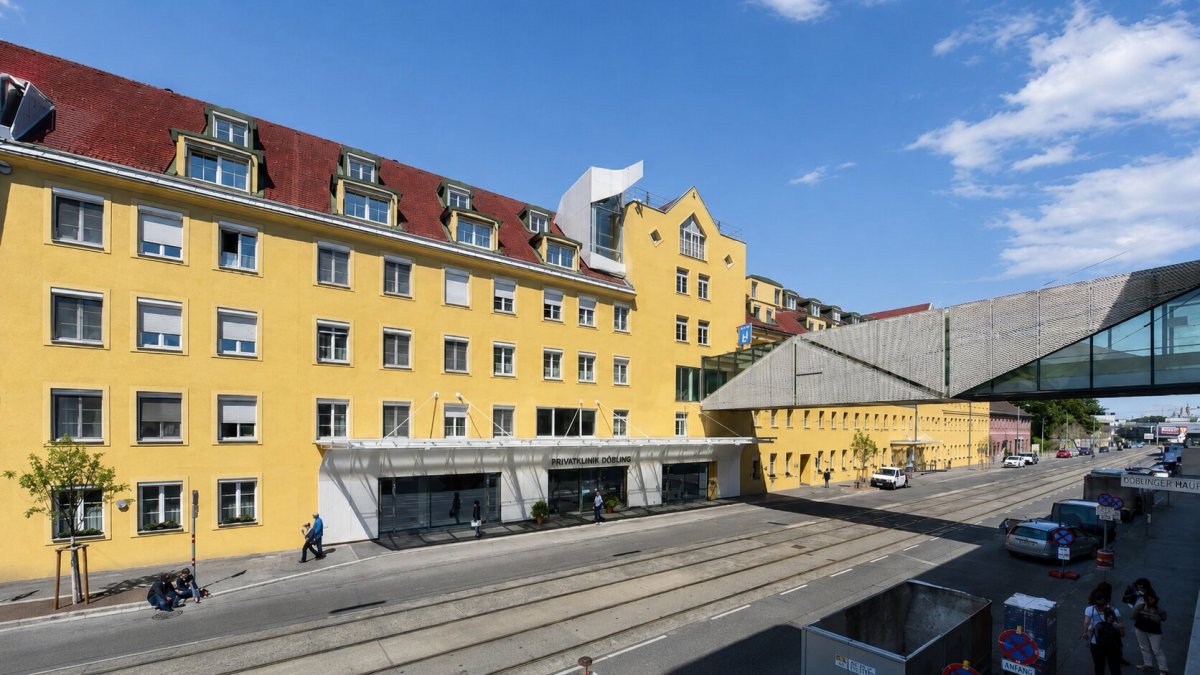
رؤية خبراء Bookimed: بالنسبة للمرضى الذين يحتاجون إلى تشخيص نهائي أو إدارة معقدة، توفر المستشفيات الخاصة في فيينا خبرة أكاديمية متميزة. توفر عيادة فيينا الخاصة (Wiener Privatklinik) إمكانية الوصول إلى أكثر من 400 طبيب، بما في ذلك أساتذة جامعيون يتمتعون بخبرة واسعة في التنظير الداخلي. يجب على المرضى الذين يبحثون عن معايير سلامة عالية التفكير في مستشفى دوبلينج الخاص (Döbling Private Hospital)، الذي يلتزم ببروتوكولات معتمدة من اللجنة الدولية المشتركة (JCI) ويحافظ على معدلات مضاعفات أقل من القيم الاسمية. تُعد هذه المراكز الأفضل للمرضى الدوليين الذين يحتاجون إلى رعاية مبسطة ومتعددة التخصصات من قبل متخصصين مثل الدكتور أرنولف فيرليتش.
| النمسا | تركيا | إسبانيا | |
|---|---|---|---|
| الفصل الانتقائي للدم | ≈ $1,800 | ≈ $1,600 | ≈ $1,800 |
| العلاج الوريدي بالكركمين | ≈ $900 | ≈ $900 | ≈ $450 |
اكتشف أفضل التهاب القولون التقرحي العيادات في النمسا: 4 خيارات معتمدة والأسعار
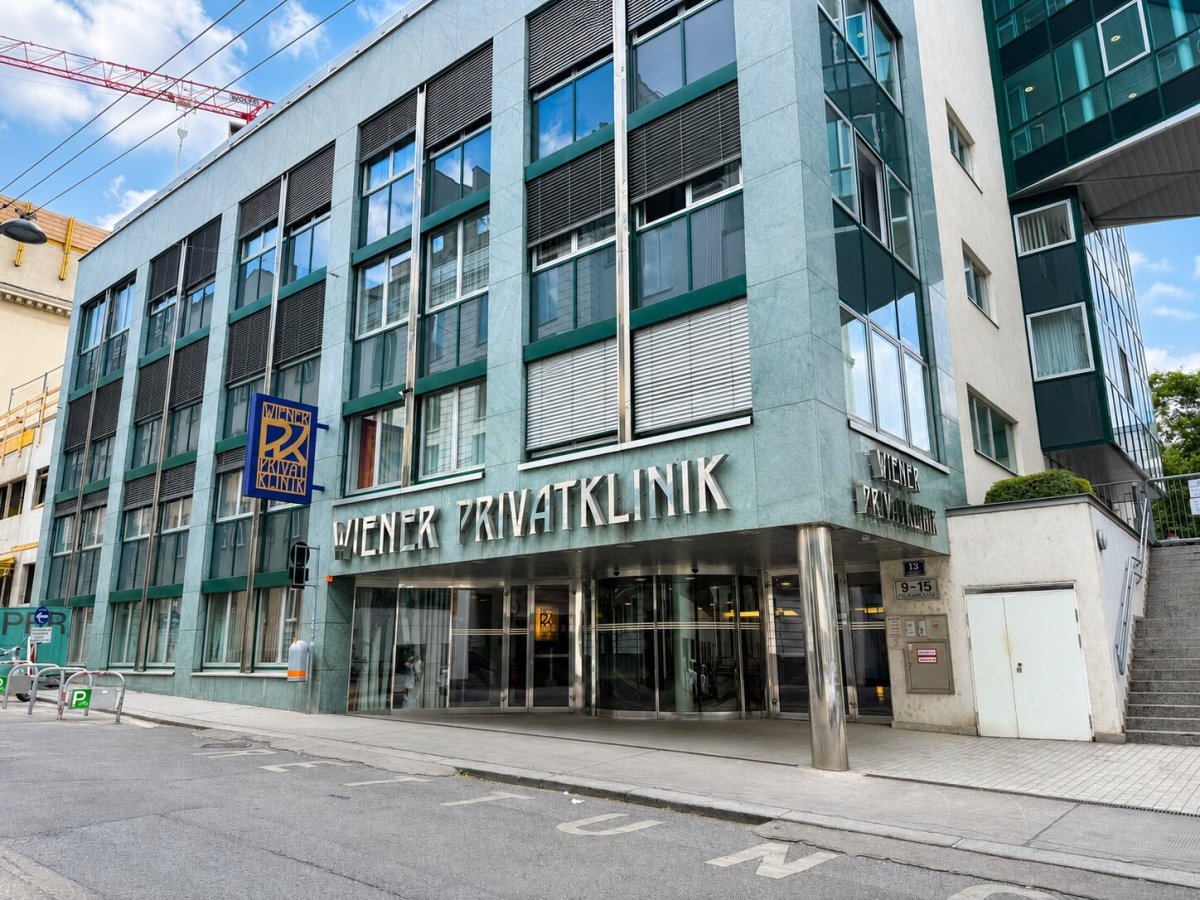




Leech Private Clinic
احصلوا على تقييم طبي لـ التهاب القولون التقرحي في النمسا: استشيروا أطباء ذوي خبرة الآن
عرض جميع الأطباء
Camel Kopty
يتخصص الدكتور كامل قبطي في الطب الباطني وأمراض الدم/الأورام في عيادة فيينا الخاصة (Wiener Privatklinik)، ويتمتع بعقود من الخبرة في علاج الحالات المعقدة.
- تدرب في جامعة فيينا الطبية
- يركز على العلاجات الجهازية مثل العلاج الكيميائي والعلاج المناعي
- يؤكد على الرعاية الشاملة والداعمة للمرضى

Dr Arnulf Ferlitsch
أخصائي أمراض الجهاز الهضمي الحائز على جوائز متعددة – يقود الدكتور فيرليتش قسم الطب الباطني الأول في مستشفى Barmherzigen Brüder في فيينا.
- متخصص في أمراض الجهاز الهضمي والكبد في مستشفى فيينا العام
- أسس مختبر ديناميكا الدم الكبدية لمرضى تليف الكبد
- حائز على جائزة أفضل ملخص في UEGW ست مرات
- مدرب في طب العناية المركزة الباطنية
مشاركة المحتوى
قصص فيديو من مرضى Bookimed
 Anna Leonova
أسئلة متكررة حول علاج التهاب القولون التقرحي في النمسا
أين يمكنني العثور على عيادات متخصصة لعلاج التهاب القولون التقرحي في النمسا؟
تتركز الرعاية المتخصصة لالتهاب القولون التقرحي في النمسا في فيينا وغراتس، وذلك في عيادات أكاديمية وخاصة حاصلة على شهادة الأيزو. تقدم هذه العيادات أحدث استراتيجيات علاج الغشاء المخاطي وتقنيات التشخيص. ومن أبرز هذه المؤسسات مستشفى فيينا العام (AKH)، ومستشفى فيينا الخاص، ومستشفى دوبلينغ الخاص. وتوفر هذه المؤسسات علاجًا متعدد التخصصات لأمراض الأمعاء الالتهابية بمشاركة أطباء متخصصين في أمراض الجهاز الهضمي حاصلين على شهادات البورد.
- المراكز الأكاديمية: يعالج مستشفى فيينا AKH الحالات المعقدة بالتعاون مع أكثر من 40 معهدًا جامعيًا متخصصًا.
- التشخيص المتخصص: تقدم عيادة ليتش الخاصة في غراتس خدمات التنظير الداخلي عالي الدقة والتصوير بالرنين المغناطيسي والتصوير المقطعي المحوسب.
- أخصائي ذو حجم عمل كبير: قام الدكتور كامل قبطي بإجراء أكثر من 28000 عملية تنظير تشخيصية وعلاجية.
- فرق متعددة التخصصات: يوظف مستشفى دوبلينغ الخاص متخصصين في الطب الباطني، بالإضافة إلى الجراحين وأخصائيي تقويم العظام.
رأي خبراء بوكيمد: على الرغم من أن المستشفيات الجامعية الحكومية تستقبل العدد الأكبر من المرضى، إلا أن العيادات الخاصة في فيينا توفر وصولاً أسرع إلى أخصائيين ذوي كفاءة عالية. فعلى سبيل المثال، العد
ما هي الأدوية المتوفرة بشكل شائع في النمسا لعلاج التهاب القولون التقرحي؟
تُتيح النمسا إمكانية الوصول المُنتظم إلى الأدوية المُعتمدة من وكالة الأدوية الأوروبية (EMA) لعلاج التهاب القولون التقرحي. يُمكن للمرضى تلقّي مُستحضرات الأمينوساليسيلات والكورتيكوستيرويدات الجهازية كخط علاج أول. تشمل العلاجات الحديثة عوامل بيولوجية مثل إنفليكسيماب وأداليموماب. كما تُستخدم عوامل جزيئية صغيرة، مثل مُثبّطات JAK، بشكل شائع في الحالات المُستعصية.
- الأدوية الخط الأول: يتوفر دواء ميسالازين في شكل فموي، وعلى شكل تحاميل وحقن شرجية.
- العلاجات البيولوجية المتقدمة: تقدم العيادات أدوية حجب عامل نخر الورم ألفا، وأدوية مضادة للإنترغرين (فيدوليزوماب)، وأدوية مضادة للإنترلوكين (أوستيكينوماب).
- الجزيئات الصغيرة: في المراكز المتخصصة، يتم استخدام توفاسيتينيب الفموي أو أوباداسيتينيب لعلاج الأعراض المتوسطة إلى الشديدة.
- الأساليب البديلة: في بعض البيئات الطبية، يتم الجمع بين العلاج بالكركمين عن طريق الوريد والبروتوكولات الطبية القياسية.
رأي خبراء بوكيميد: يعمل أعضاء هيئة التدريس في كلية الطب بجامعة فيينا الطبية في عيادات خاصة في النمسا. تضم عيادة فيينا الخاصة (Wiener Privatklinik) أكثر من 400 طبيب حاصلين على درجة الأستاذية. وقد أجرى الدكتور كامل قبطي أكثر من 25000 عملية تنظي
ما هي التدابير المتعلقة بنمط الحياة التي يوصي بها عادةً أخصائيو أمراض الأمعاء الالتهابية النمساويون؟
يوصي أخصائيو أمراض الأمعاء الالتهابية في النمسا بالإقلاع عن التدخين، واتباع نظام غذائي مُخصّص، وممارسة نشاط بدني معتدل لعلاج التهاب القولون التقرحي. وتؤكد الإرشادات المحلية على اتباع نهج فردي في العلاج خلال فترات الهدوء والتفاقم. كما ينصح الأخصائيون بإدارة التوتر من خلال اليوغا أو التأمل للحد من العوامل المُحفزة مع الحفاظ على جودة حياة عالية.
- الإقلاع عن التدخين: يوصي الخبراء بالإقلاع عن التدخين على الرغم من تأثيره الوقائي المحتمل في التهاب القولون التقرحي.
- النشاط البدني: ينبغي على المرضى ممارسة النشاط البدني المعتدل بانتظام، مثل المشي لمدة 30 دقيقة أو السباحة.
- الخيارات الغذائية: يجرب الأطباء نظامًا غذائيًا متوسطيًا أو نظامًا غذائيًا منخفض الفودماب اعتمادًا على الاحتياجات السريرية المحددة.
- المراقبة التغذوية: تجري العيادات فحوصات للكشف عن نقص فيتامين د والحديد وفيتامين ب12.
رأي خبراء بوكيميد: تستخدم المراكز الرئيسية في فيينا، مثل مستشفى فيينا العام (AKH Vienna) وعيادة فيينا الخاصة (Wiener Privatklinik)، بيانات تشخيصية شاملة. وقد أجرى الدكتور كامل كوبتي من عيادة فيينا الخاصة أكثر من 28,000 عملية تنظير داخلي. تُمكّن هذه الخبرة السريرية الواسعة الأخصائيين من التمييز بي