تختلف التكلفة الإجمالية لعلاج تضيق الإحليل في تركيا بناءً على خطة العلاج الخاصة بك. يتم تسعير قطع الإحليل الداخلي بـ $4,000، وتكلفة رأب الإحليل باستخدام رقعة مخاطية فموية حوالي $8,000، وجراحة رأب الإحليل المفتوحة تقارب $9,500. يتم تحديد برنامج العلاج بعد تقييم فردي لكل مريض.
| تركيا | إسبانيا | ألمانيا | |
| رأب الإحليل | من $3,998 | من $7,500 | من $8,500 |
| توسيع مجرى البول باستخدام بالون مغلف بالدواء | من $1,800 | من $4,000 | من $4,000 |
أجرى الدكتور بوغرا شيتين أكثر من 900 علاج، وهو متخصص في تضيق الإحليل المعقد وجراحات المسالك البولية الترميمية في مستشفى باهتشيليفلر ميديكال بارك.
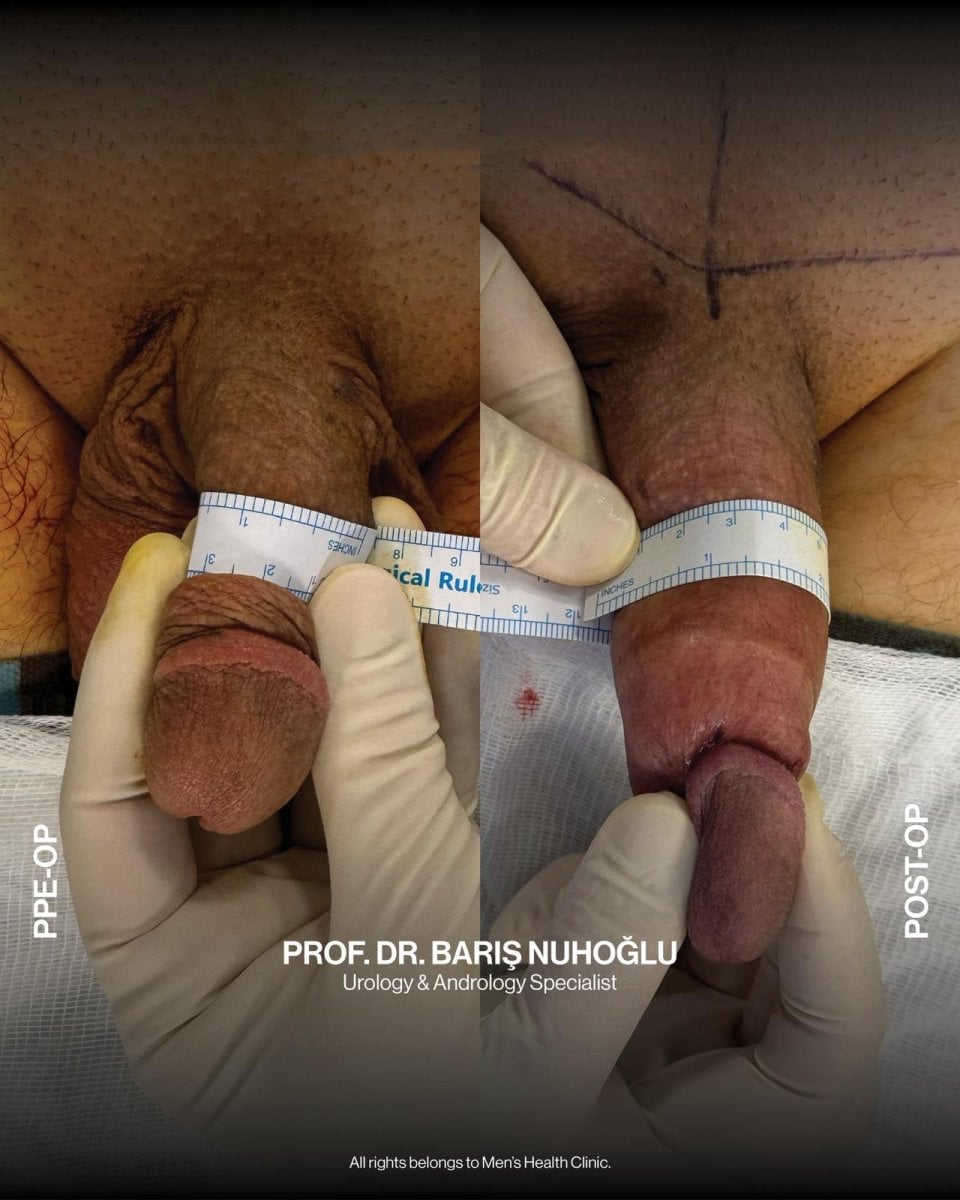
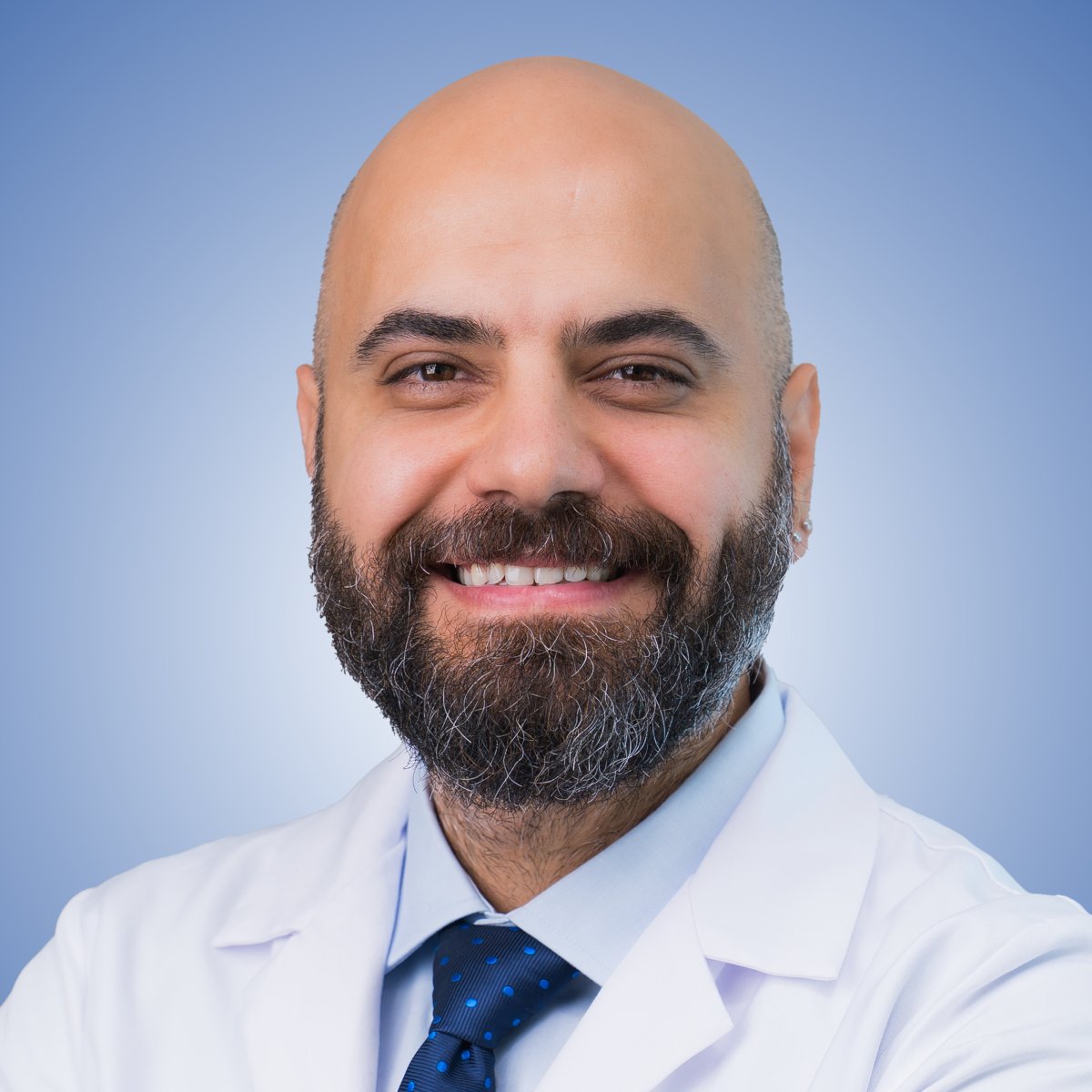
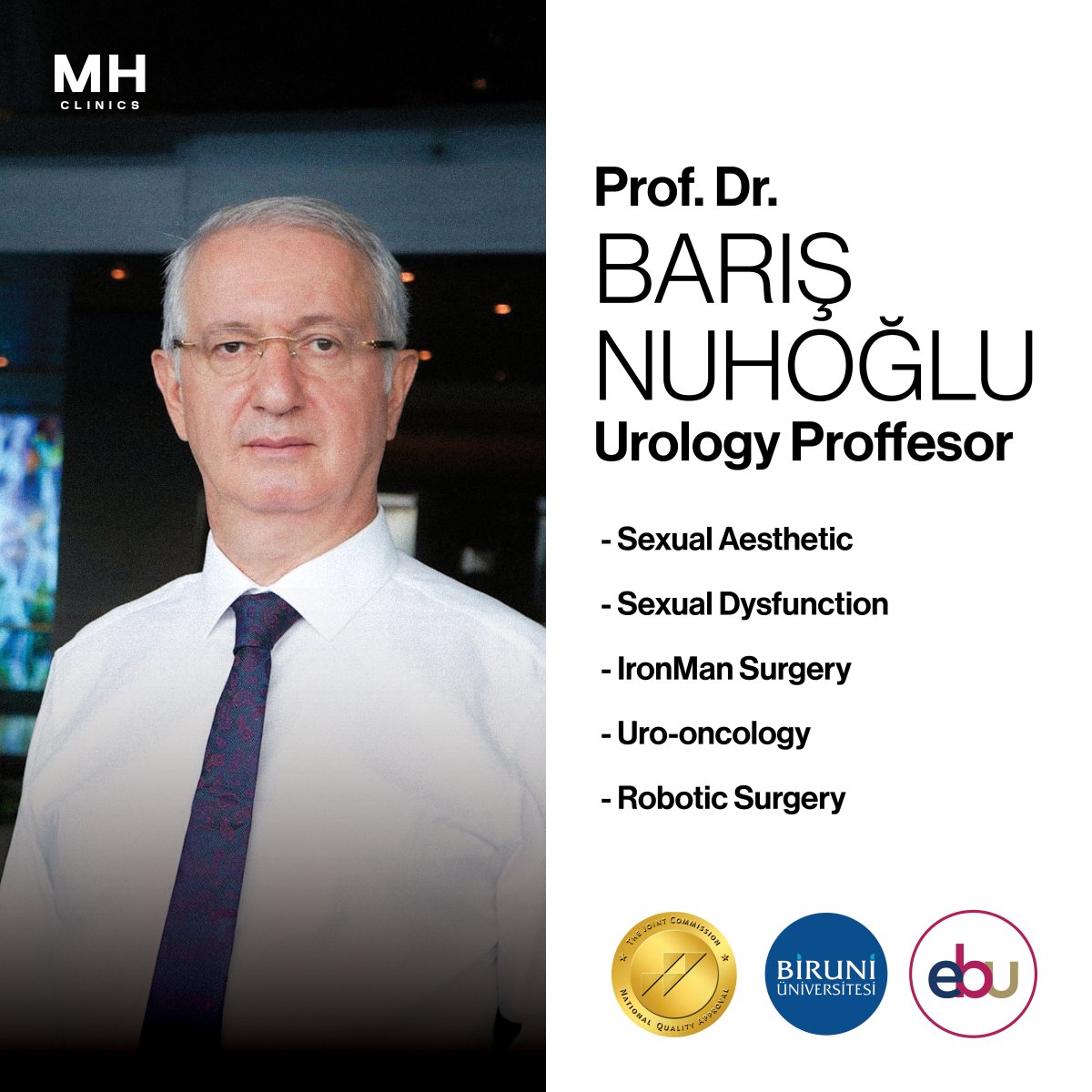
أجرى البروفيسور دكتور باريش نوهوغلو أكثر من 1100 إجراء طبي، وهو متخصص في جراحة المسالك البولية مع التركيز على التقنيات الحديثة.
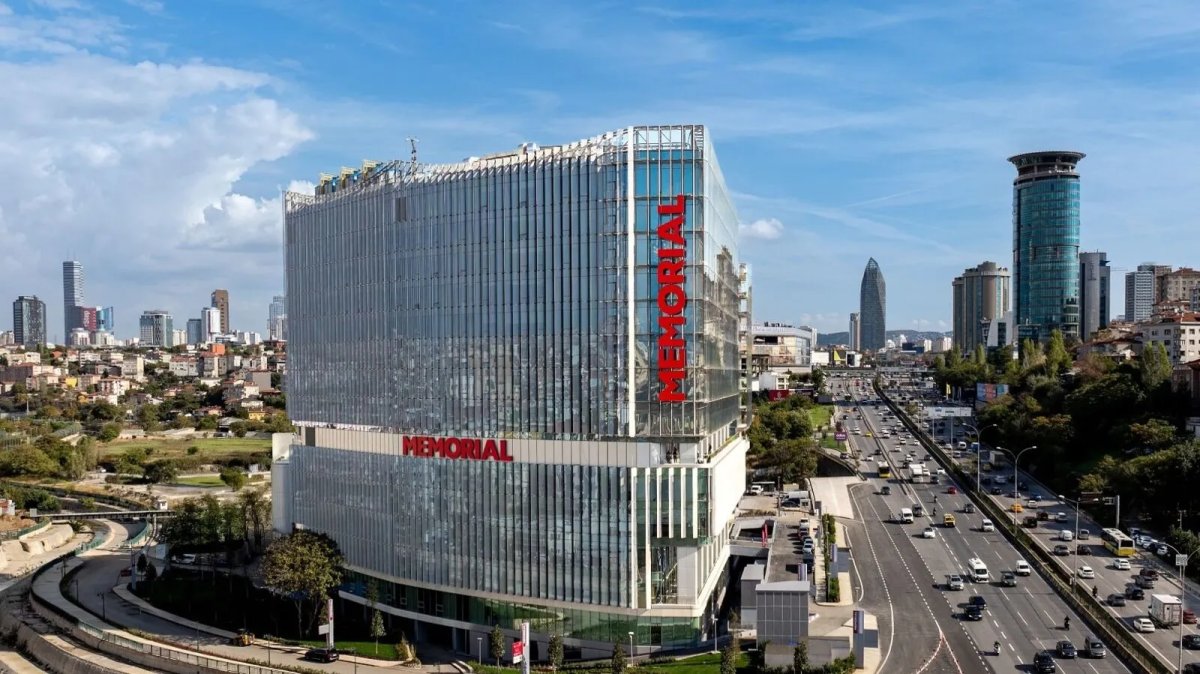
يتخصص البروفيسور شيمشك في إعادة بناء الإحليل في مستشفى ميموريال باهتشيليفلر، مع خبرة واسعة في جراحة المسالك البولية الروبوتية والترميمية.
يُعتبر الطبيب متخصصًا مرموقًا في مجال طب المسالك البولية مع خبرة في علاج سرطانات الكلى والبروستاتا والمثانة. معتمد دوليًا في الجراحة الروبوتية، أجرى الطبيب أكثر من 600 عملية جراحية روبوتية في مجال الأورام البولية. تشمل المساهمات العلمية أكثر من 70 مقالة منشورة في مجلات دولية، تم الاستشهاد بها أكثر من 1,500 مرة.<\/p>
تشمل التعليمات درجة دكتور في الطب من جامعة إسطنبول وتدريبًا متقدمًا في جراحة المسالك البولية بالمنظار والروبوتية في مؤسسات مثل جامعة ديوك ومستشفى جامعة لوفين.<\/p>
عادة ما يحافظ علاج تضيق الإحليل في تركيا على الوظيفة الجنسية والتحكم في المثانة. نادراً ما تسبب جراحة رأب الإحليل التجميلية ضعفاً في الانتصاب على المدى الطويل. قد تحدث تغيرات مؤقتة طفيفة في القذف أو الإحساس. وتعمل التقنيات المتقدمة مثل توسيع الإحليل بالبالون المطلي بالدواء أو الجراحة بمساعدة الروبوت في المستشفيات الحاصلة على اعتماد JCI على تقليل هذه المخاطر بشكل أكبر.
رؤية خبير بوكيميد: تشير بياناتنا إلى أولوية اختيار الأطباء ذوي الخبرة المزدوجة في جراحة المسالك البولية التجميلية والصحة الجنسية. الدكتور تونكاي تاش في Uroaesthetic هو مثال رئيسي على ذلك. فهو حاصل على شهادات متقدمة في التدريب الجنسي ويطبق بروتوكولات تجديدية مثل نتائج P-Shot. يضمن هذا المزيج المحدد من المهارات أن يعطي الجراح الأولوية للتقنيات التي تحافظ على الأعصاب أثناء الإصلاح. يساعد هذا التركيز بشكل مباشر في الحفاظ على جودة الانتصاب والإحساس بعد الإجراء.
إجماع المرضى: يشير المرضى إلى أن التنميل المؤقت أو تغيرات القذف تحدث بشكل متكرر أكثر من تسرب البول. ويؤكد معظمهم أن اختيار جراح لديه حجم كبير من العمليات التجميلية أكثر أهمية من التكلفة الأولية.
تعود تضيقات الإحليل في 35% من الحالات خلال عام واحد بعد الإجراءات التنظيرية. يصل التكرار طويل الأمد لهذه الطرق إلى 74-86% خلال خمس سنوات. يوفر الترميم الجراحي، المعروف باسم رأب الإحليل، حلاً أكثر متانة مع معدلات عودة أقل بكثير من تقنيات التوسيع أو بضع الإحليل.
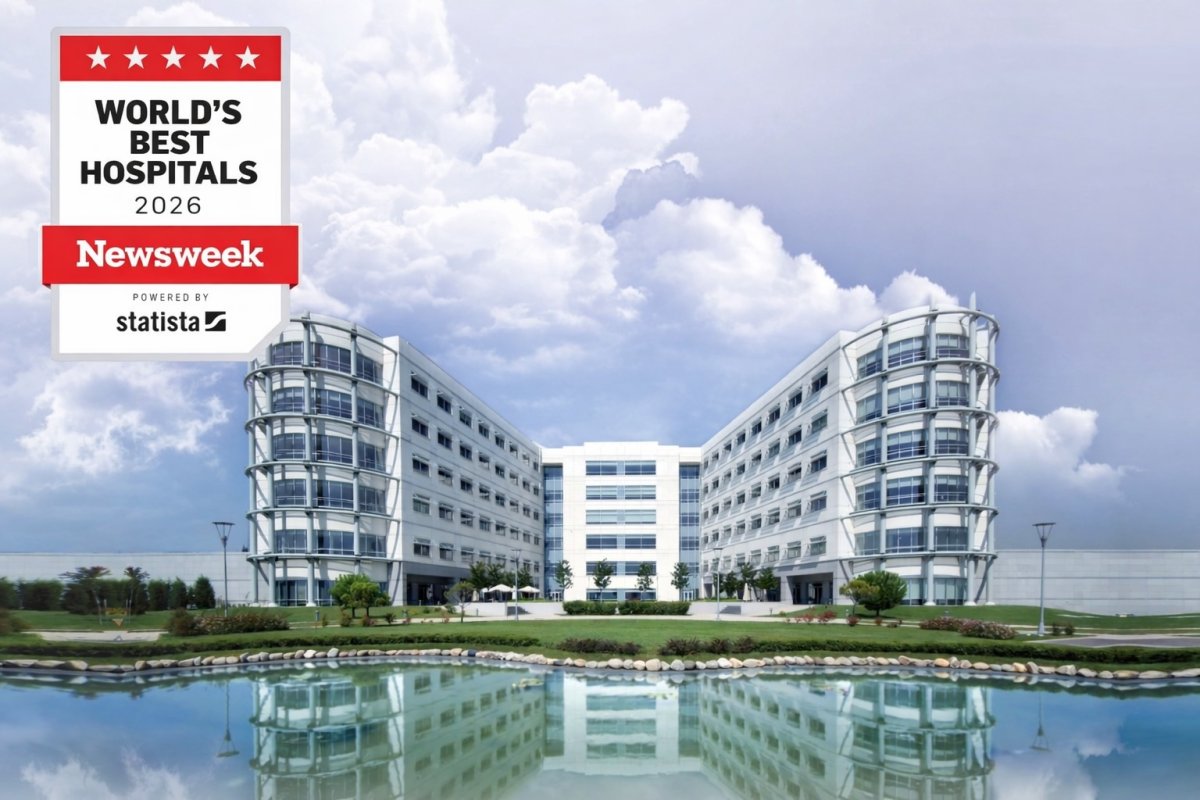
رؤية خبير Bookimed: تتخصص المنشآت التركية مثل مركز الأناضول الطبي ومستشفى ميموريال شيشلي في الترميمات المسالك البولية المعقدة. تظهر بياناتنا أن الجراحين ذوي الحالات الكبيرة، مثل الدكتور بوجرا سيتين، يركزون بشدة على رأب الإحليل للمرضى الذين عانوا بالفعل من فشل واحد أو أكثر في التوسيع التقليدي. بالنسبة للتضيقات الأولية البسيطة، تبلغ تكلفة حزمة البالون المطلي بالدواء في مستشفى هيسار حوالي 1300 دولار وتقدم بديلاً أقل توغلًا من الجراحة القياسية.
إجماع المرضى: يلاحظ المرضى أن الراحة من التوسيع البسيط غالبًا ما تبدو مؤقتة حيث تعود أعراض مثل تدفق البول الضعيف تدريجيًا. يؤكد الكثيرون على أهمية اختيار جراح بناءً على حجم حالاته السنوي لنوع التضيق الخاص بك.
يتطلب تأكيد الإصابة بضيق مجرى البول تصويرًا مسالك بولية متخصصًا وتصورًا مباشرًا لتمييزه عن مشاكل البروستاتا. يستخدم الأطباء تنظير الإحليل وصورة الإحليل التراجعية لتحديد مكان الضيق. يصبح العلاج ضروريًا إذا كنت تعاني من التهابات متكررة، أو احتباس بولي كبير، أو ضعف شديد في تدفق البول.
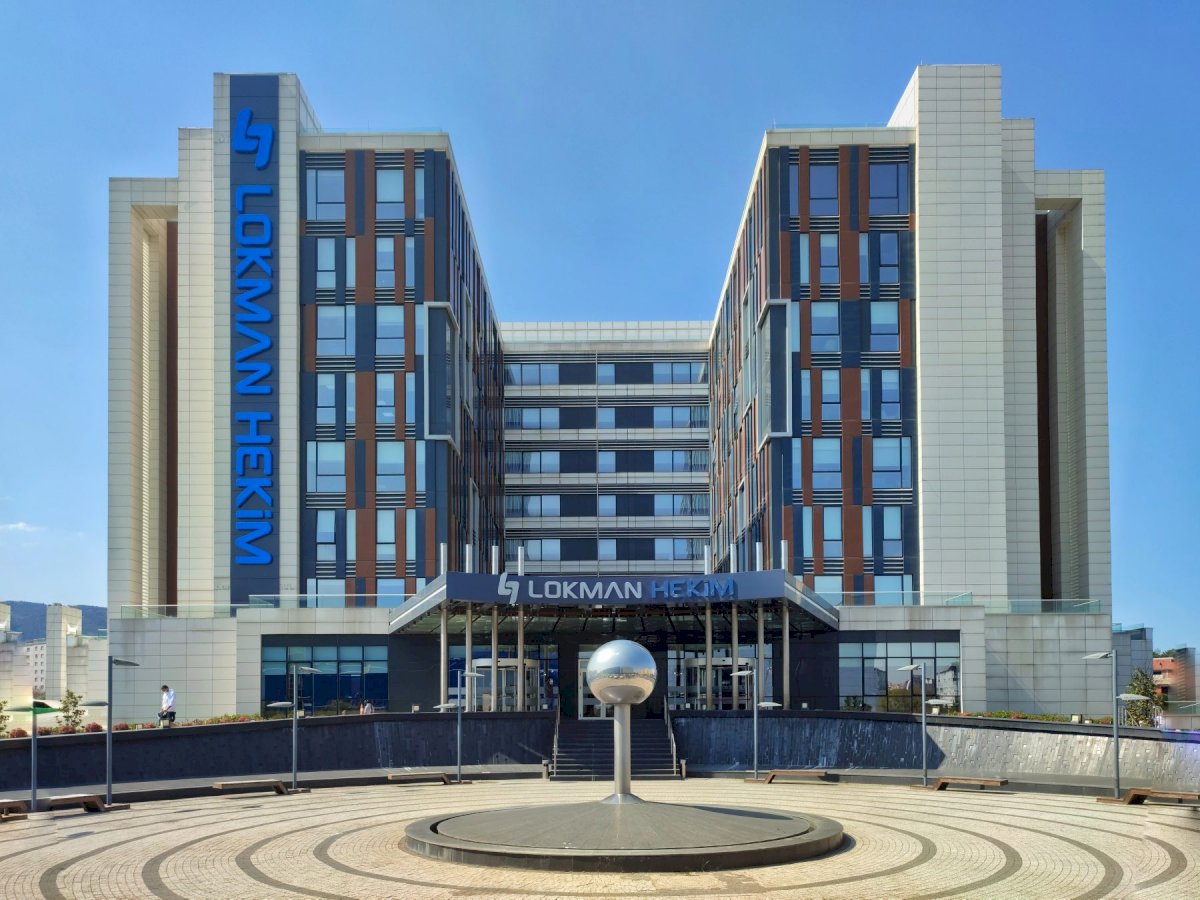
رؤية خبراء Bookimed: تقدم المراكز التركية مثل مستشفى حصار إنتركونتيننتال (Hisar Hospital Intercontinental) توسيعًا متطورًا بالبالون المغطى بالدواء. تساعد هذه التقنية في منع نمو الأنسجة الندبية مرة أخرى مقارنة بالتوسيع التقليدي. للحالات المعقدة، تأكد من أن جراحك في مستشفى ميموريال شيشلي أو عيادة Safe Urology متخصص في جراحة تجميل الإحليل. تعد الخبرة في إعادة البناء أمرًا حيويًا للنجاح على المدى الطويل في حالات الضيق المتكررة.
إجماع المرضى: يشير المرضى إلى أهمية إجراء اختبارات موضوعية مثل قياس تدفق البول أولاً. ويؤكدون أنه على الرغم من أن أعراضًا مثل تشتت تيار البول أو الحزق تشير إلى وجود ضيق، إلا أن التصوير الرسمي ضروري لتجنب التشخيص الخاطئ.
عادة ما يبقى المرضى في تركيا لمدة تتراوح بين 7 إلى 14 يومًا لعلاج تضيق مجرى البول. تتطلب الإجراءات البسيطة مثل توسيع البالون المطلي بالدواء عددًا أقل من الأيام. غالبًا ما تتطلب إعادة بناء مجرى البول المعقدة، مثل رأب الإحليل، إقامة كاملة لمدة أسبوعين لضمان تعافٍ مستقر ورعاية متابعة مبكرة مناسبة.
رؤية خبير Bookimed: في حين أن باقات التوسيع الأساسية، مثل خيار 1250 دولارًا في مستشفى حصار، تركز على العيادات الخارجية، فإن حالات إعادة البناء تتطلب لوجستيات أكبر. تظهر البيانات أن كبار أطباء المسالك البولية مثل الدكتور تونكاي تاس أو الدكتور بوجرا سيتين يعطون الأولوية للاستقرار قبل الخروج. تأكد دائمًا مما إذا كانت إزالة القسطرة ستتم في إسطنبول أو مع طبيب محلي في بلدك لتجنب تكاليف الفندق الإضافية.
إجماع المرضى: يشير المرضى إلى أنه من الضروري حجز أيام إضافية احتياطية لأن سرعة التعافي تختلف. يوصي الكثيرون بالحصول على جدول زمني مكتوب من الجراح للتخطيط للرحلات الجوية بناءً على إزالة القسطرة والتصوير النهائي.
Turkish clinics offer urethral stricture treatments including drug-coated balloon dilatation, endoscopic internal urethrotomy, and complex urethroplasty. Specialists like Dr Abdullmutalip Simsek and Dr Bugra Cetin use minimally invasive techniques for short lesions. For complex cases, they offer reconstructive surgery. These procedures take place in JCI-accredited facilities.
Bookimed Expert Insight: Turkish urology centres often outperform general hospitals by combining British-trained expertise with high-volume surgical practice. Dr Abdullmutalip Simsek, for instance, holds a PhD in reconstructive urology from the University of Sheffield. This specific academic background in tissue reconstruction is vital for success in complex repeat surgeries.
Patient Consensus: Patients note that while simple dilation can be uncomfortable, Turkish specialists provide effective pain management. Those with strictures over 3 cm often find that reconstructive surgery offers more permanent relief than repeated endoscopic procedures.
Urethral stricture treatment in Turkey is highly effective. Reconstructive urethroplasty success rates reach 85% to 95%. Leading Istanbul centres maintain JCI accreditation and employ UK-trained specialists. Procedures include drug-coated balloon dilatation and complex tissue grafting for long-term urethral patency.
Bookimed Expert Insight: Turkish urology leads in volume with over 21,330 requests served. Many top specialists, including Dr Osman Can and Prof. Dr. Abdullmutalip Simsek, trained in the UK or USA. This gives Australian patients specialists who follow familiar medical protocols and Western standards of clinical governance.
Patient Consensus: Patients reflect that choosing a surgeon who performs urethroplasty regularly is vital for success. Experience in Turkey helps manage risks like tissue breakdown or fistulas during complex two-stage reconstructions.
Urethral stricture treatment in Turkey rarely affects long-term sexual function or continence. Reconstructive studies show that most patients maintain or improve sexual satisfaction. This improvement occurs once urinary flow is restored. Permanent incontinence is very rare. However, minor temporary leaks may occur during the initial healing process.
Bookimed Expert Insight: Turkish specialists often combine reconstructive expertise with andrology, which is critical for protecting sexual health. Dr Abdullmutalip Simsek and Dr Tuncay Tas have published research on this topic. Their work examines how various urethroplasty techniques impact erectile function. Choosing a surgeon with this dual focus helps the surgical plan. It protects the nerves responsible for both erections and urinary control.
Patient Consensus: Patients in Turkey report that orgasms often feel more intense. This happens once they no longer need to push to urinate. Some noted initial stress or minor leaks for a few months. However, most experienced a complete return to normal sexual activity and urinary comfort.
Patients require a retrograde urethrogram (RUG) to map stricture length and location before treatment in Turkey. Diagnostic protocols also include urethroscopy, uroflowmetry, and post-void residual ultrasound. These tests allow surgeons at JCI-accredited facilities to properly plan procedures like urethroplasty or drug-coated balloon dilatation.
Bookimed Expert Insight: Turkish urologists often prefer patients to provide a recent urine culture from Australia before travelling. This prevents surgical delays caused by asymptomatic infections. At clinics like Hisar Hospital Intercontinental, specific packages for balloon dilatation cost around A$1,700. These packages often require these results to be cleared first.
Patient Consensus: Patients note it is essential to confirm stricture length beforehand. Blockages over 3 centimetres often require a reconstructive specialist in Istanbul rather than basic dilation. Turkish clinics typically request these imaging reports before patients depart Australia to streamline the surgical plan.
Patients typically stay in Turkey for 3 to 7 days for minor urethral treatments. Complex reconstructions require a stay of 14 to 21 days. Procedures like drug-coated balloon dilatation often require only 1 hospital night. Reconstructive urethroplasty requires longer stays to manage catheterisation and promote essential postoperative healing before flying.
Bookimed Expert Insight: Turkish uro-surgeons often favour drug-coated balloon dilatation for shorter strictures. This procedure is available at centres like Hisar Hospital Intercontinental for approximately A$1,700. It significantly reduces recovery time. Patients can often return home within 3 days. Traditional open surgeries typically require a 2-week stay.
Patient Consensus: Patients note that most procedures take under 60 minutes. They often allow for discharge within 24 hours. Many recommend staying in Turkey for at least 5 days. During this time, the catheter can be checked for security and a final check-up completed.
Patients require structured follow-up care after returning from urethral stricture treatment in Turkey. This helps prevent recurrence. Turkish urologists often use drug-coated balloon dilatation or reconstructive urethroplasty. Local monitoring via uroflowmetry and imaging tracks surgical success and manages long-term healing throughout Australia.
Bookimed Expert Insight: Turkish urological surgeons often possess dual qualifications from English-speaking countries. Prof. Dr Abdullmutalip Simsek holds a PhD in Reconstructive Urology from the University of Sheffield. This specific expertise in reconstruction is vital for strictures longer than 3 cm. In such cases, simple dilation often fails.
Patient Consensus: Patients note that treatment is not a one-off event. They emphasise finding an Australian reconstructive urologist before travelling to Turkey. Most recommend staying on antibiotics for 3 months and avoiding caffeine or soda. This helps prevent infections and stones while the urinary tissue heals in Turkey.
Turkey offers advanced reconstructive urology at JCI-accredited centres. These include Hisar Hospital Intercontinental and Anadolu Medical Center. Surgeons perform complex urethroplasty and drug-coated balloon dilatation. Patients benefit from specialists trained in the UK and USA. Treatment typically costs significantly less than in Australia.
Bookimed Expert Insight: Basic dilation starts around A$1,700. However, patients with strictures over 3 cm should prioritise surgeons like Prof. Dr. Baris Nuhoglu. He practises at Biruni University Hospital. His experience in reconstructive urethroplasty is vital. Standard procedures often fail for longer strictures. Choosing a specialist with a high volume of complex reconstructions improves long-term success rates.
Patient Consensus: Patients note that simple dilation often fails for larger strictures. This makes consultations with reconstructive urologists in Turkey essential. They emphasise that urinary flow improves quickly. However, managing post-surgical pelvic pain and considering physical therapy are crucial for a full recovery.