علاج الإحليل تضيق في بولندا: 7 مستشفيات


تمت مراجعة المقالة طبيا من قبل
فهد مولود
كيف نعمل؟
ما هي تكلفة الإحليل تضيق إجراءات التشخيص والعلاج في بولندا؟ اعرف الآن
| بولندا | تركيا | إسبانيا | |
|---|---|---|---|
| رأب الإحليل | ≈ $3,200 | من $5,000 | من $2,800 |
| توسيع مجرى البول باستخدام بالون مغلف بالدواء | ≈ $1,900 | من $8,200 | ≈ $3,600 |
| بضع الإحليل الداخلي تحت الرؤية المباشرة (DVIU) | ≈ $1,100 | ≈ $1,100 | من $6,200 |
اكتشف أفضل الإحليل تضيق العيادات في بولندا: 7 خيارات معتمدة والأسعار



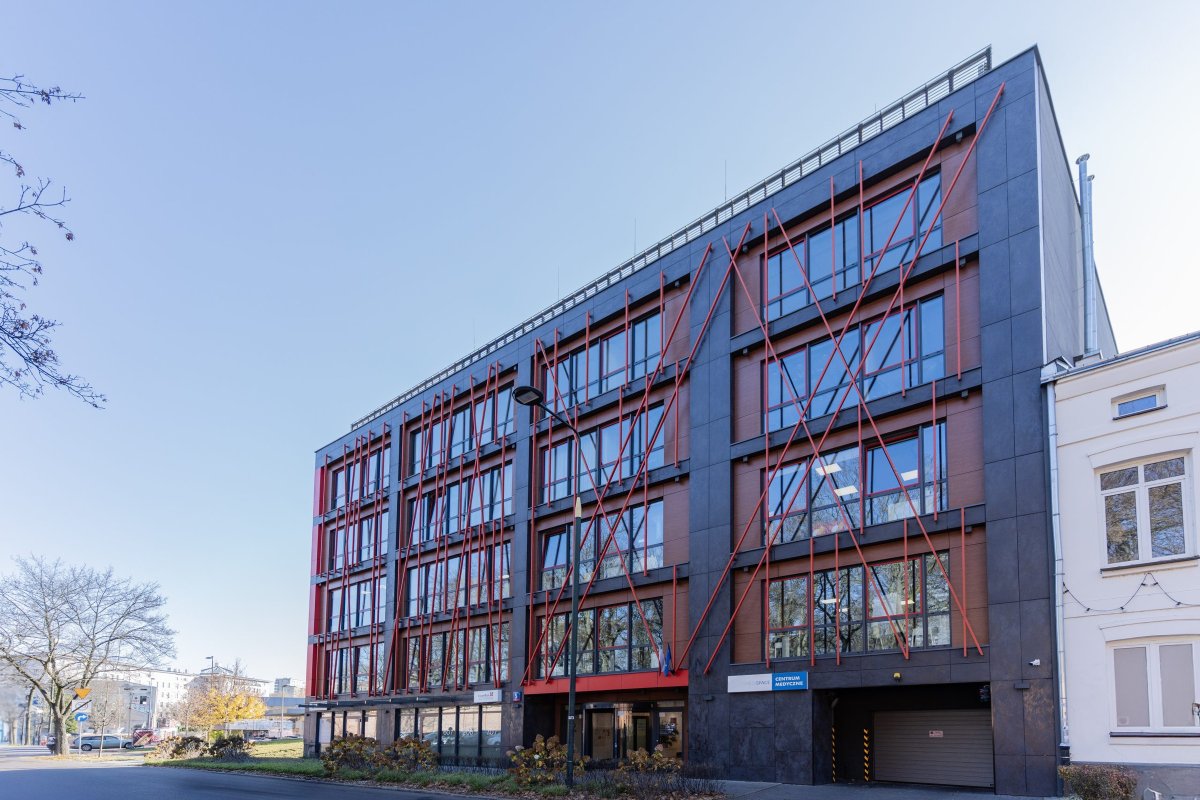
MediSpace (Centrum Medyczne MediSpace)



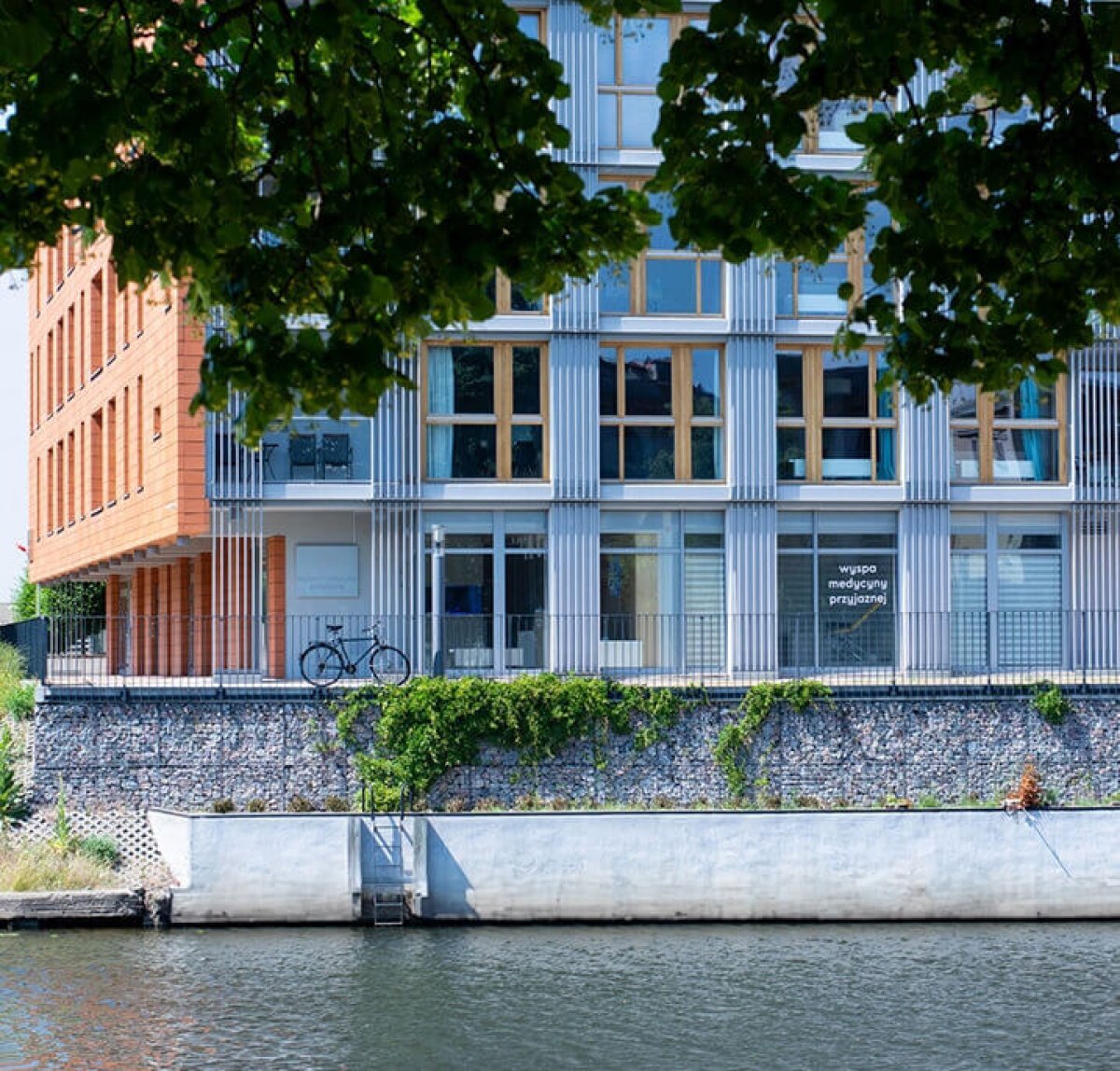
Wyspa Medycyny Przyjaznej Clinic
Rmed Kopernika
احصل على تقييم طبي لـ في بولندا. استشر الآن 8 أطباء ذوي الخبرة.
عرض جميع الأطباء
Tomasz Gede
متخصص في جراحة المسالك البولية طفيفة التوغل – يقوم الدكتور توماش جيد بإجراء عمليات دقيقة في عيادة KCM مع التركيز على رعاية المرضى.
- ذو خبرة في الجراحات التنظيرية والليزر لحالات المسالك البولية
- معروف بالتشخيص الدقيق والعلاج الفعال للحالات المعقدة
- يحظى بتقدير كبير من قبل المرضى لتعامله اللطيف ونهجه الفردي
- يجري مجموعة واسعة من إجراءات المسالك البولية باستخدام تقنيات متقدمة
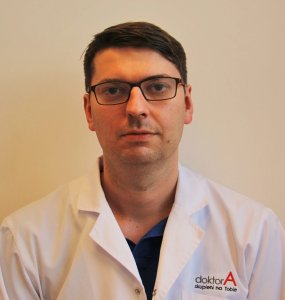
Jakub Szaniawski

Daniel Leszczynski
يتخصص الدكتور دانييل ليشينسكي في الجراحات المسالك البولية ولديه خبرة واسعة في إجراءات تنظير البطن، وقد تدرب في جامعة وارسو الطبية.
- زميل المجلس الأوروبي للمسالك البولية منذ عام 2002
- عضو الجمعية البولندية للمسالك البولية
- يجري إجراءات متقدمة مثل إزالة الشبم بالليزر وإعادة بناء القلفة

Stefan Czarniecki
أجرى الدكتور ستيفان تشارنيكي أكثر من 2500 خزعة دمج للبروستاتا، مما يجعله من بين قادة العالم في هذه التقنية المتخصصة.
- _doctor_9059_سنوات_ من الخبرة في جراحة المسالك البولية الأورام
- متخصص في العلاجات الروبوتية باستخدام طريقة HIFU
- يدير المركز الشامل الوحيد لتشخيص وعلاج سرطان البروستاتا آلياً في أوروبا الوسطى
- عضو نشط في لجان الجمعية الأوروبية لجراحة المسالك البولية
- يتعاون مع مراكز السرطان الدولية الرائدة
مشاركة المحتوى
قصص فيديو من مرضى Bookimed
 Anna Leonova
أسئلة متكررة حول علاج الإحليل تضيق في بولندا
ما هي الأعراض الرئيسية لتضيق الإحليل؟
تنتج أعراض تضيق الإحليل عن نسيج ندبي يضيق الممر البولي ويقيد التدفق. تشمل العلامات الأولية ضعف تدفق البول، والجهد عند التبول، وتدفق البول المتناثر. يضمن الكشف المبكر في مراكز المسالك البولية المتخصصة إدارة فعالة من خلال إجراءات متقدمة مثل رأب الإحليل أو توسيع البالون.
- تغيرات التدفق: يلاحظ المرضى تدفقاً ضعيفاً أو رقيقاً مقارنة بالتدفق الطبيعي.
- إفراغ المثانة: يظل الشعور المستمر بالامتلاء قائماً حتى بعد محاولة التبول بالكامل.
- أنماط التبول: زيادة التكرار والحاجة إلى التبول عدة مرات أثناء الليل.
- الانزعاج الجسدي: ألم أو حرقان أثناء التبول ووجود دم في البول أحياناً.
رؤية خبير Bookimed: بينما يفترض الكثيرون أن الانسدادات الشديدة تسبب دائماً ألماً، فإن معظم حالات تضيق الإحليل غير مؤلمة بشكل مفاجئ. في مستشفى كارولينا في وارسو، يركز متخصصون مثل الدكتور دانييل ليشينسكي على التشخيص الوظيفي لأن التضيق الكبير غالباً ما يختبئ خلف أعراض يسهل الخلط بينها وبين مشاكل البروستاتا. مع أكثر من 950 طلباً تمت خدمتها في بولندا، نرى أن المرضى الذين يطلبون المساعدة خصيصاً لتقطير البول بعد التبول غالباً ما يكتشفون التضيق قبل وصولهم إلى حالة احتباس البول الطارئة.
إجماع المرضى: غالباً ما يصف المرضى التجربة بأنها مثل التبول عبر قشة ويلاحظون أن التدفق قد ينقسم أو يتناثر بشكل غير متوقع. يذكر الكثيرون أيضاً لحظات الإحباط عندما يدركون أن عليهم الوقوف لفترة أطول بكثير فقط لبدء التدفق.
ما هي طرق العلاج المتاحة لتضيق الإحليل في بولندا؟
توفر مراكز المسالك البولية البولندية مجموعة كاملة من العلاجات لتضيق الإحليل، بدءًا من جراحة الليزر بالمنظار وحتى الترميم المعقد. تقدم العيادات المتخصصة مثل مستشفى كارولينا (Carolina Hospital) وعيادة كيه سي إم (KCM Clinic) جراحة رأب الإحليل بالمعيار الذهبي باستخدام طعوم الغشاء المخاطي الشدقي وعلاجات متقدمة بالبالونات المطلية بالأدوية.
- بضع الإحليل بالمنظار: يستخدم الجراحون في عيادة KCM ليزر هولميوم لفتح أجزاء الإحليل المسدودة بدقة.
- البالونات المطلية بالأدوية: تستخدم المرافق الحديثة نظام Optilume لتوصيل الأدوية التي تمنع تكرار الندبات.
- رأب الإحليل الترميمي: يقوم المتخصصون في مستشفى كارولينا بإجراء جراحة مفتوحة لتضيقات الأنسجة الطويلة أو المتكررة.
- ترقيع الأنسجة: غالبًا ما يستخدم أطباء المسالك البولية عمليات زرع بطانة الخد الداخلية لإعادة بناء الإحليل بشكل دائم وطويل الأمد.
رؤية خبير Bookimed: في حين أن العديد من العيادات العامة تقدم توسيعًا أساسيًا، تشير بيانات حجم المرضى إلى تفضيل المراكز التي تضم أقسام مسالك بولية متخصصة. يُعرف الدكتور توماش جيد في عيادة KCM والفريق في مستشفى كارولينا بالتعامل مع عمليات الترميم المعقدة. غالبًا ما يضمن اختيار المراكز التي تعالج أكثر من 2500 مريض سنويًا الوصول إلى تقنيات ليزر بالمنظار أكثر دقة.
إجماع المرضى: يشير المرضى إلى أن التوسيع المتعدد يؤدي غالبًا إلى مزيد من الندبات ويقترحون البحث عن متخصص في الترميم في وقت مبكر. ينصح الكثيرون بالحصول على تصوير كامل وتخطيط ديناميكي للبول قبل
كيف يقوم أطباء المسالك البولية البولنديون بتشخيص تضيق الإحليل بدقة؟
يقوم أطباء المسالك البولية البولنديون بتشخيص تضيق الإحليل باستخدام إرشادات الجمعية الأوروبية لجراحة المسالك البولية. وهم يجمعون بين قياس تدفق البول غير الجراحي والتصوير المعياري الذهبي مثل تصوير الإحليل الراجع. يقوم متخصصون مثل الدكتور ماريك فيليبيك في مستشفى كارولينا بإجراء تقييمات متقدمة. يضمن التخطيط الدقيق تخطيطاً جراحياً فعالاً للإجراءات الترميمية.
- الفحص الوظيفي: يقيس قياس تدفق البول معدلات تدفق البول لتحديد شدة الانسداد.
- التصور المباشر: يسمح تنظير المثانة تحت التخدير للأطباء برؤية التضيق مباشرة.
- تصوير التباين: يحدد تصوير الإحليل الراجع (RUG) موقع التضيق في الإحليل الأمامي.
- تقييم الأنسجة: يقيم تصوير الإحليل بالموجات فوق الصوتية عمق الأنسجة الندبية لتوجيه نجاح عملية رأب الإحليل.
رؤية خبير Bookimed: تكشف أبحاثنا أن كبار الأطباء البولنديين مثل الدكتور ماسيج زبرزنياك يدمجون دراسات ديناميكا البول مباشرة في مرحلة التشخيص. هذا أمر حيوي لأن العديد من المرضى غالباً ما يتم تشخيصهم بشكل خاطئ بمشاكل في البروستاتا. يستخدم أطباؤنا الخبراء دراسات الضغط والتدفق المحددة هذه للتمييز بين التضيقات الحقيقية وخلل وظائف عضلة المثانة.
إجماع المرضى: يؤكد المرضى أن اختبارات التدفق البسيطة ليست كافية. ويوصون بتأكيد الطول والموقع الدقيق من خلال التصوير قبل الموافقة على أي إجراءات توسيع متكررة.
متى يوصى بإجراء رأب الإحليل الترميمي المفتوح بدلاً من التوسيع البسيط؟
يوصى بإجراء رأب الإحليل الترميمي المفتوح لتضيق الإحليل الذي يزيد طوله عن 2 سم أو الذي يعود للظهور بعد محاولات تنظيرية سابقة. يعطي الأخصائيون الأولوية لهذه الجراحة النهائية للتضيقات الناتجة عن صدمات الحوض أو الإشعاع. وهي توفر معدل نجاح طويل الأمد بنسبة 95% مقارنة بالتوسيع البسيط.
- طول التضيق: يوصى به عندما يتجاوز التضيق 2 سم لضمان إصلاح دائم.
- نمط التكرار: يُنصح به إذا عادت الأعراض بسرعة بعد التوسيع البسيط الأول أو الثاني.
- جودة الأنسجة: ضرورية في حالات الندبات الكثيفة، أو كسور الحوض، أو الأضرار الناجمة عن الإشعاع.
- نتائج دائمة: توفر معدلات نجاح طويلة الأمد تتراوح بين 80% و95% لكل مريض.
رؤية خبير Bookimed: أصبحت بولندا مركزاً استراتيجياً لجراحة المسالك البولية الترميمية مع توفر أكثر من 80 عيادة. يركز أخصائيون مثل الدكتور دانيال ليشينسكي في مستشفى كارولينا على طرق الحفاظ على الأنسجة، بما في ذلك تقنيات الليزر. في حين أن العديد من المرضى يفكرون في التوسيع بسبب فترة التعافي التي تستغرق يوماً واحداً، تظهر البيانات أن المراكز المتخصصة في وارسو وجيلينيا جورا غالباً ما تجمع بين الترميم التنظيري لتجنب دورة الإجراءات المتكررة.
إجماع المرضى: يشير المرضى إلى أنه على الرغم من أن التوسيع يوفر راحة سريعة، إلا أنه غالباً ما يعمل كحل مؤقت. يدرك الكثيرون أن تكرار التوسيع للندبات العائدة لا يؤدي إلا إلى تفاقم الضرر على المدى الطويل.
هل أطباء المسالك البولية البولنديون مؤهلون بشكل صحيح؟
يتمتع أطباء المسالك البولية البولنديون بمؤهلات عالية ويلتزمون بالمعايير الطبية الصارمة للاتحاد الأوروبي. يحمل معظم المتخصصين شهادة زميل المجلس الأوروبي للمسالك البولية (FEBU). يتطلب التدريب من 11 إلى 12 عاماً من التعليم. ويشمل ذلك إقامة لمدة 5 سنوات تركز على جراحة المسالك البولية السريرية.
- المسار التعليمي: يتطلب درجة طبية لمدة 6 سنوات تليها فترة تدريب لمدة 13 شهراً.
- شهادة الاتحاد الأوروبي: معظم المتخصصين حاصلون على شهادة FEBU ومعترف بهم في جميع أنحاء أوروبا.
- المهارات المتقدمة: يتخصص جراحون مثل الدكتور ماريك فيليبك في تقنيات مبتكرة.
- الخبرة الإجرائية: أجرى الدكتور ستيفان تشارنيكي أكثر من 2500 إجراء متخصص في المسالك البولية.
رؤية خبراء Bookimed: تخدم بولندا ما يقرب من 1000 مريض دولي في مجال المسالك البولية سنوياً من خلال Bookimed. تظهر البيانات تركيزاً للخبرات رفيعة المستوى في وارسو. على سبيل المثال، يعمل مستشفى كارولينا كمركز طبي متميز تابع للفيفا. يشير هذا إلى أن مراكز المسالك البولية البولندية تحافظ على مستوى تقني أعلى من العديد من المستشفيات الإقليمية العامة.
إجماع المرضى: يشير المرضى إلى أنه بالنسبة للمشكلات المعقدة مثل تضيق الإحليل، فإن الخبرة المحددة مهمة. يوصون بالتحقق من سجل الجراح في الإجراءات الترميمية بدلاً من مجرد الاعتماد على مؤهلات المسالك البولية العامة.
ما هي الطعوم النسيجية المفضلة لإعادة بناء الإحليل المعقدة في العيادات البولندية؟
تفضل مراكز المسالك البولية البولندية طعوم الغشاء المخاطي الشدقي المأخوذة من داخل الخد لإعادة بناء الإحليل المعقدة. يعتبر هذا النسيج هو المعيار الذهبي لأنه يقاوم العدوى ويتعامل بشكل جيد مع البيئات الرطبة. يستخدم المتخصصون أيضًا الغشاء المخاطي اللساني أو الشفوي للتضيقات الأطول. يتجنبون الطعوم الجلدية لمنع نمو الشعر داخل الإحليل.
- الطعوم النسيجية الأولية: يضمن الغشاء المخاطي الشدقي من داخل الخد نجاحًا عاليًا وانكماشًا أدنى للطعوم.
- الطعوم الفموية البديلة: يوفر النسيج اللساني أو الشفوي مادة إضافية للتضيقات متعددة القطاعات أو المتكررة.
- تقنية الطعم الشبكي: تطبق الفرق المتقدمة طعومًا شبكية للحالات التي تنطوي على تليف محلي شديد أو ندبات.
- إعادة البناء على مراحل: يقوم الجراحون بإجراءات من مرحلتين لتضيقات الإحليل الشاملة المعقدة لضمان الشفاء المناسب.
رؤية خبير Bookimed: تظهر البيانات أن بولندا تستضيف 87 عيادة بها أطباء مسالك بولية مثل الدكتور دانيال ليشينسكي، زميل المجلس الأوروبي للمسالك البولية. تقدم مراكز مثل KCM Clinic وCarolina Hospital باقات دولية متخصصة. غالبًا ما تركز هذه المراكز الخبرة في وارسو وجيلينيا غورا، مما يسهل العثور على جراحين لديهم سجلات لأكثر من 2500 إجراء. غالبًا ما يؤدي هذا الحجم الكبير إلى تقنيات حصاد أكثر دقة للطعوم الفموية.
إجماع المرضى: يشير المرضى إلى أنه على الرغم من أن مواقع التبرع في الفم تسبب عدم ارتياح مؤقت عند الأكل، إلا أنها أفضل من فشل الإحليل المتكرر. يؤكد معظمهم أن خبرة الجراح في التعامل مع
ما هو وقت التعافي النموذجي بعد جراحة التضيق؟
يتراوح التعافي النموذجي بعد جراحة التضيق من 1 إلى 6 أسابيع. تسمح الإجراءات التنظيرية مثل بضع الإحليل الداخلي غالبًا بالعودة إلى النشاط الخفيف في غضون 5 أيام. تتطلب جراحة رأب الإحليل المعقدة مزيدًا من الوقت. تستأنف الأنشطة البدنية والوظائف الجنسية عمومًا بعد 6 أسابيع من الشفاء.
- التعافي التنظيري: يعود المرضى عادةً إلى المنزل في نفس اليوم. تظل القسطرة في مكانها لمدة 3-7 أيام.
- الإطار الزمني لرأب الإحليل: يتطلب الشفاء التام من 3 إلى 6 أسابيع. يستأنف معظم المرضى العمل المكتبي في غضون أسبوعين.
- قيود النشاط: تجنب ركوب الدراجات ورفع الأثقال لمدة 6 أسابيع. هذا يمنع إجهاد الأنسجة الداخلية.
- العناية بالجروح: تلتئم طعوم الغشاء المخاطي الشدقي في الفم عادةً في غضون 2 إلى 3 أسابيع.
رؤية خبير Bookimed: توفر بولندا كثافة عالية من المتخصصين الحاصلين على شهادات أوروبية مثل زميل المجلس الأوروبي للمسالك البولية (FEBU). يركز الأطباء في مستشفى كارولينا وعيادة KCM على التقنيات طفيفة التوغل لتقليل فترات الإقامة في المستشفى. تظهر بياناتنا أن هذه العيادات تعطي الأولوية للخروج السريع. يغادر معظم مرضى التنظير في غضون 24 ساعة. عادة ما يبقى مرضى الترميم المعقد لمدة 1-3 ليالٍ فقط.
إجماع المرضى: يشير المرضى إلى أن التعامل مع القسطرة هو الجزء الأكثر تحديًا في التعافي المبكر. ويؤكدون أنه على الرغم من أنك قد تشعر بتحسن سريع، فإن التسرع في العودة إلى النشاط غالبًا ما يسبب انتكاسات.
ما مدى جودة جراحة الأعصاب في بولندا؟
تُقدم جراحة الأعصاب في بولندا رعاية عالية الجودة في مرافق معتمدة من قبل اللجنة الدولية المشتركة (JCI) والمنظمة الدولية للمعايير (ISO). يلتزم جراحو الأعصاب البولنديون بمعايير تدريب صارمة معتمدة من قبل الاتحاد الأوروبي. وقد أكمل العديد منهم زمالات في الولايات المتحدة أو ألمانيا. وتتوفر التقنيات المتقدمة، مثل جهاز سايبر نايف وجهاز جاما نايف والأنظمة الروبوتية، على نطاق واسع في المراكز الخاصة.
- المؤهلات التخصصية: غالباً ما يكون الأطباء أعضاء في الرابطة الأوروبية لجمعيات جراحة الأعصاب.
- التقنيات المتقدمة: تستخدم العيادات أنظمة CyberKnife والموجات فوق الصوتية المركزة الموجهة بالرنين المغناطيسي لعلاج الدماغ غير الجراحي.
- الحجم السريري: تعالج المراكز الرائدة مثل مستشفى الجامعة في كراكوف أكثر من 455000 مريض سنوياً.
- جراحون ذوو خبرة: أجرى الدكتور ماسيج بوجكو من مستشفى كارولينا أكثر من 2500 عملية جراحية بمفرده.
رأي خبراء بوكيمد: تُظهر البيانات وجود علاقة وثيقة بين تخصص العيادة وأصول مرضاها. تعالج عيادة KCM أكثر من 700 مريض دولي سنويًا، وهي متخصصة في جراحة العمود الفقري طفيفة التوغل. يُمكّنها هذا الحجم من العمل من تقديم باقات خدمات متخصصة، تشمل غالبًا حواجز تشخيصية وزرعات محددة،
ما هي مؤهلات جراحي الأعصاب البولنديين؟
يُعدّ جراحو الأعصاب البولنديون متخصصين ذوي كفاءة عالية، إذ أتموا ما لا يقل عن 13 عامًا من التدريب الطبي المكثف. يشمل ذلك ست سنوات من الدراسة في كلية الطب، و13 شهرًا من التدريب العملي، وست سنوات من الإقامة. ويجب عليهم اجتياز امتحان التخصص الحكومي (PES)، وغالبًا ما يحصلون على شهادة من الجمعية الأوروبية لجمعيات جراحة الأعصاب (EANS).
- التعليم: يتلقى الأطباء تعليمهم الطبي (الطب) بعد 6 سنوات من الدراسة في الجامعة.
- التخصص: تشمل الإقامة 6 سنوات من التدريب المعياري في جراحة الأعصاب السريرية وعلم الأشعة العصبية.
- حجم العمليات الجراحية: غالبًا ما يقوم الأطباء المقيمون بإجراء أكثر من 1000 عملية جراحية، وهو ما يتجاوز متوسط حجم التدريب في المناطق الأخرى.
- الشهادات: العديد من المتخصصين أعضاء في منظمة AO Spine أو الجمعية البولندية لجراحة العمود الفقري.
رأي خبراء بوكيميد: تشير البيانات إلى أن جراحي الأعصاب البولنديين غالبًا ما يتخصصون في تقنيات بالغة التخصص، مثل نظام ApiFix أو نظام SED-YESS لتنظير الفقرات القطنية. ويجمع أخصائيون مثل الدكتور ستانيسواف كويك من عيادة KCM بين أبحاث ما بعد الدكتوراه والممارسة الجراحية النشطة. هذا المزيج من المعرفة الأكاديمية المتعمقة والخبرة الجراحية الوا
ما هي أفضل عيادات جراحة الأعصاب في بولندا؟
من بين أفضل عيادات جراحة الأعصاب في بولندا مستشفى كارولينا، وعيادة KCM، ومراكز أكاديمية رائدة مثل مستشفى جامعة كراكوف. تقدم هذه المؤسسات علاجات متطورة لأمراض العمود الفقري والدماغ، مطابقة لمعايير الجودة ISO، وتضم أخصائيين أعضاء في منظمات دولية مثل AO Spine.
- مستشفى كارولينا: مركز التميز الطبي التابع للفيفا، والمتخصص في جراحات العمود الفقري المعقدة ذات التدخل الجراحي المحدود.
- عيادة KCM: معترف بها دوليًا لجودة إجراءات تنظير العمود الفقري، وتخدم أكثر من 700 مريض دولي سنويًا.
- مستشفى جامعة كراكوف: مركز متعدد التخصصات كبير يقوم بإجراء أكثر من 800 عملية جراحية عصبية سنوياً منذ عام 1788.
- لوكسميد: مركز طبي خاص مرموق في وارسو متخصص في جراحة العمود الفقري المتقدمة للمرضى الدوليين.
رأي خبراء بوكيمد: بينما يتجه الكثيرون إلى أكبر المستشفيات، تُظهر البيانات أن عيادات مثل مستشفى كارولينا تُقدم كفاءة أعلى في العمليات الجراحية الاختيارية. فمع وجود أكثر من 40 طبيباً متخصصاً في هذه المنشأة التي تضم 30 سريراً، تكون نسبة الأطباء إلى المرضى أعلى بكثير مما هي عليه في المراكز الجامعية الحكومية. وهذا يعني رعاية ما بعد الجراحة أكثر عناية، وجدولة أسرع بكثير لإجراءات مثل علاج الانزلاق الغضروفي