Centro Médico Teknon
إسبانيا, برشلونة
Jose Emilio Batista Miranda
41سنة خبره ١٦ سنة

العيادة معتمدة من قبل : 





تمت مراجعة المقالة طبيا من قبل
فهد مولود
من $3,400. يعتمد السعر النهائي على الأسلوب الجراحي، ودرجة المستشفى، ومدى تعقيد الحالة. تشمل عروض الأسعار الإسبانية المعتادة رسوم الجراح، والإقامة بالمستشفى لمدة 2-4 أيام، والتخدير، والمتابعة الأساسية في مدن مثل برشلونة ومدريد وماربيا.
رأي خبراء Bookimed: يوفر اختيار المراكز المعتمدة من JCI في إسبانيا قيمة كبيرة للعمليات الترميمية المعقدة. صنفت Clinica Universidad de Navarra كأفضل مستشفى خاص في إسبانيا. تتميز بوجود جراحات روبوتية متطورة وتقنيات الذكاء الاصطناعي. للحالات التخصصية، يوفر Centro Médico Teknon في برشلونة رعاية فائقة. يعمل المركز كمزود طبي رسمي للفعاليات الدولية الكبرى. تقدم هذه المراكز ذات الكثافة العالية نتائج أفضل مقابل استثمار مماثل.
| تركيا | إسبانيا | ألمانيا | |
|---|---|---|---|
| رأب الإحليل | من $5,000 | من $3,400 | ≈ $6,500 |
| رأب الحويضة | ≈ $4,200 | ≈ $7,200 | ≈ $9,500 |
| رأب الإحليل | من $5,000 | من $2,800 | ≈ $8,500 |
| توسيع مجرى البول باستخدام بالون مغلف بالدواء | من $8,200 | ≈ $3,600 | ≈ $3,600 |
| الدعامة الحالب | من $1,100 | من $6,700 | ≈ $2,300 |
Bookimed لا يضيف رسوماً إضافية على أسعار رأب الإحليل. الأسعار مأخوذة من قوائم الأسعار الرسمية للعيادات. تدفع مباشرة في العيادة مقابل رأب الإحليل عند وصولك.
Bookimed ملتزم بسلامتك. نحن نعمل فقط مع المؤسسات الطبية التي تحافظ على معايير دولية عالية في رأب الإحليل ولديها التراخيص اللازمة لخدمة المرضى الدوليين في جميع أنحاء العالم.
Bookimed يقدم مساعدة خبراء مجانية. منسق طبي شخصي يدعمك قبل وأثناء وبعد العلاج، ويحل أي مشاكل. لن تكون وحيداً أبداً في رحلة رأب الإحليل.



يُدخل الإجراء أنبوبًا رفيعًا في الحالب لمنع الانسداد أو علاجه ، مما يسمح للبول بالتدفق بحرية.
تعمل هذه الجراحة على تصحيح الانسدادات في أنبوب تصريف الكلى وتحسين تدفق البول ووظائف الكلى.
تعمل العملية على إصلاح تلف الأنبوب البولي ، مما يؤدي إلى تخفيف الآلام وتحسين تدفق البول ، مع تقليل مضاعفات ما بعد الجراحة.
هذا الإجراء يصلح أنسجة مجرى البول التالفة ، ويحسن وظيفة المسالك البولية ، ويتطلب الدقة ، ويتطلب وقتًا للتعافي.
اليوم 1
اليوم الثاني
يوم 3
من اليوم الرابع إلى اليوم السابع
من الأسبوع الأول إلى الأسبوع الثاني
الأسبوع الثالث فصاعدًا
يرجى ملاحظة أن حالة كل مريض فردية وقد تتطلب تعديلات على الجدول العام.
الدكتور خوسيه إيميليو باتيستا ميرندا هو أخصائي رائد في جراحة المسالك البولية ويتمتع بخبرة تزيد عن 25 عامًا. يشتهر بمهارته في عمليات الختان للبالغين، واستئصال الأسهر، وسلس البول، وجراحات الإحليل، والمسالك البولية للأطفال. ويُعرف أيضًا بريادته في تقنية تبخير البروستاتا بالليزر، بالإضافة إلى إجرائه عمليات متقدمة مثل استئصال الكلية، والموجات فوق الصوتية المركزة عالية الكثافة (HIFU)، واستئصال البروستاتا، وجراحات الحفاظ على الكلى.
وهو عضو نشط في الجمعية الدولية لسلس البول، والجمعية الأوروبي
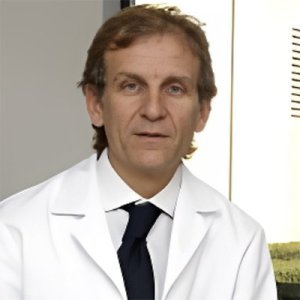
الطبيب هو أخصائي مسالك بولية وأورام مسالك بولية متميز للغاية، متخصص في العلاجات الجراحية المعقدة لسرطان البروستاتا والكلى والمثانة. بفضل خبرته الواسعة في الجراحة الروبوتية وبالمنظار، كان للطبيب دور فعال في تطوير تقنيات المسالك البولية طفيفة التوغل، بما في ذلك تنفيذ نظام دافنشي الروبوتي. يشغل الطبيب حالياً منصب رئيس قسم المسالك البولية في مركز تكنون الطبي (Centro Médico Teknon) ورئيس قسم المسالك البولية وزراعة الكلى في مستشفى كلينيك دي برشلونة (Hospital Clínic de Barcelona).
تم تصنيفه كو

متخصص في رأب الإحليل مع تدريب متقدم في مركز ميموريال سلون كيترينج للسرطان. يرأس وحدة المسالك البولية في كيرون سالود ماربيا.
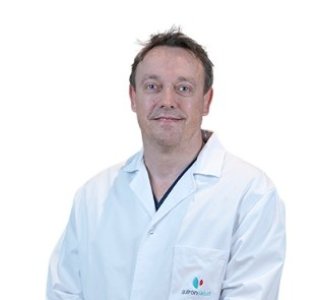
الطبيب هو أخصائي مسالك بولية ذو خبرة عالية، ويشغل منصب رئيس قسم المسالك البولية في مستشفى كيرونسالود توريفاييجا منذ عام 2017. بفضل حصوله على شهادة الطب والتخصص من جامعة يوهانس جوتنبرج في ألمانيا، يتمتع الطبيب بخبرة سريرية واسعة تعود إلى عام 2007. تشمل خبرة الطبيب طب المسالك البولية الأورامي، وأمراض البروستاتا، وحالات المسالك البولية المعقدة.
ينصب تركيز رئيسي في ممارسة الطبيب على جراحة المسالك البولية الروبوتية، وتحديداً استخدام نظام دافنشي الجراحي لإجراءات سرطان البروستاتا. وقد ساهم الط
 Anna Leonova
رأب الإحليل هو إجراء جراحي ترميمي يعمل على إصلاح أو استبدال الإحليل لعلاج التضيق الناجم عن الأنسجة الندبية. يقوم الجراحون بإزالة الانسدادات أو توسيع القناة باستخدام الطعوم لاستعادة تدفق البول الطبيعي. ويوفر هذا الإجراء حلاً دائماً لتضيقات الإحليل المعقدة والإصابات الرضية.
رؤية خبير Bookimed: غالباً ما يجمع كبار أطباء المسالك البولية في إسبانيا، مثل الدكتور نافارو فيلتشيس في Quirónsalud Marbella، بين الترميم التقليدي والأنظمة الروبوتية المتقدمة. في حين أن سعر رأب الإحليل القياسي في إسبانيا يبدأ من $3,400، فإن اختيار منشأة معتمدة من JCI يضمن الوصول إلى فرق متخصصة متعددة التخصصات ذات خبرة في ترميم الأعضاء التناسلية المعقدة.
إجماع المرضى: يؤكد المرضى أنه على الرغم من أن بقاء القسطرة لمدة 3 أسابيع يتطلب صبراً، إلا أن الراحة طويلة الأمد من مشاكل المسالك البولية المزمنة تغير الحياة. النظافة المناسبة باستخدام الصابون المضاد للبكتيريا والماء في موقع القسطرة أمر حيوي لتعافي سلس.
تحافظ عملية رأب الإحليل في إسبانيا على معدل نجاح مرتفع يتراوح بين 75% و95%. وتُبلغ المراكز المتقدمة التي تستخدم تقنيات ترقيع الذراع عن نتائج تصل إلى 90%. يعتمد النجاح على تعقيد التضيق، حيث تحقق الإصلاحات المتخصصة في الإحليل البصلي فعالية تصل إلى 99% في الدراسات السريرية طويلة المدى.
رؤية خبير Bookimed: تحتل إسبانيا المرتبة الثانية عالميًا في بيانات سوق المسالك البولية لدينا، مدفوعة بمراكز مثل عيادة جامعة نافارا (Clinica Universidad de Navarra)، التي كانت الأولى في البلاد التي تحصل على اعتماد JCI. يجمع الجراحون الخبراء مثل الدكتور نافارو فيلتشيس في كيرونسالود ماربيا (Quirónsalud Marbella) بين التدريب الدولي في ميموريال سلون كيترينج والخبرة المحلية في جراحات رأب الإحليل المعقدة باستخدام ترقيع الذراع.
إجماع المرضى: يرى المرضى أن معدل النجاح البالغ 90% هو احتمال إيجابي، على الرغم من أن الكثيرين يجدون مرحلة التعافي الأولية صعبة جسديًا. غالبًا ما يرتبط النجاح بالتحقق مما إذا كانت تقنيات ترقيع الذراع المتخصصة مناسبة للانسداد المح
تستغرق فترة التعافي بعد جراحة رأب الإحليل في إسبانيا عادةً من 5 إلى 6 أسابيع للالتئام الأولي. يبقى معظم المرضى في المستشفى لليلة واحدة. يتطلب التعافي الكامل للأنشطة الشاقة 8 أسابيع، بينما قد تستغرق الحالات الترميمية المعقدة ما يصل إلى 6 أشهر لاستعادة الوظائف بالكامل.
رؤية خبير Bookimed: بينما تشير العديد من المصادر إلى فترة 6 أسابيع، تشير بيانات المتخصصين الإسبان مثل الدكتور نافارو فيلتشيس إلى حد 8 أسابيع للجهد البدني. يشعر بعض المرضى بالقدرة على القيام بنشاط خفيف في غضون 48 ساعة. ومع ذلك، فإن الالتزام الصارم بقيود الـ 8 أسابيع يمنع إزاحة الطعم أو فشل الغرز.
إجماع المرضى: يؤكد المرضى على أهمية البقاء على بعد 15 دقيقة من العيادة خلال الأسابيع الثلاثة الأولى. ويشيرون إلى أنه على الرغم من قصر فترة الإقامة في المستشفى، فإن التعامل مع مرحلة القسطرة الإلزامية التي تستغرق 5 أسابيع يظل التحدي الأكبر.
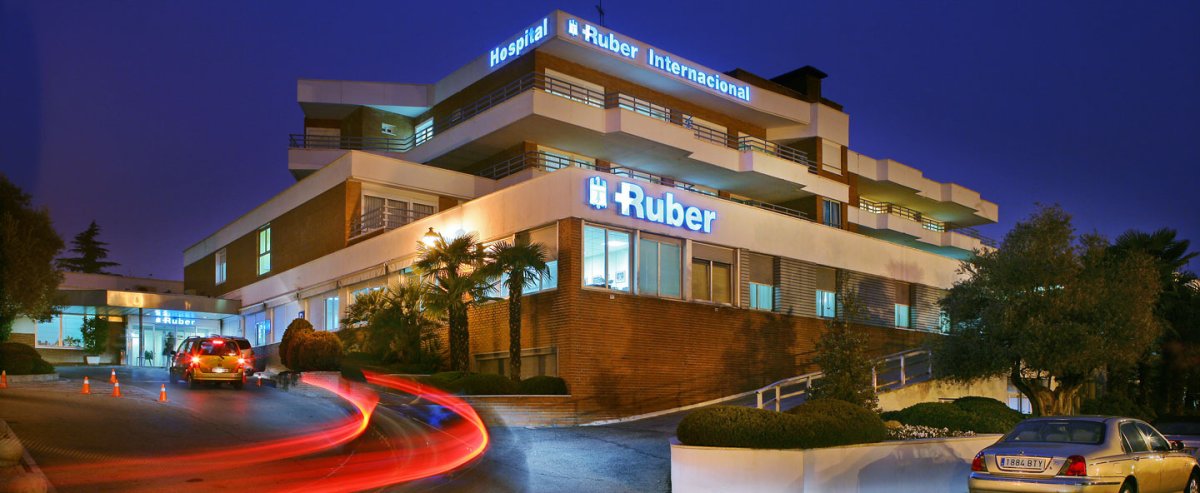
تتوفر جراحة تجميل الإحليل بمساعدة الروبوت في مراكز طبية إسبانية متخصصة، على الرغم من أن الأساليب بالمنظار والجراحة المفتوحة لا تزال هي المعيار المحلي. تستخدم المرافق عالية التقنية مثل مستشفى روبر الدولي (Hospital Ruber Internacional) وكيرونسالود ماربيا (Quirónsalud Marbella) أنظمة دافنشي إكس آي (Da Vinci Xi) لإجراء عمليات إعادة بناء مسالك بولية معقدة لتحسين دقة الجراحة وتقليل فترات تعافي المرضى.
رؤية خبير Bookimed: على الرغم من أن العديد من العيادات الإسبانية تضم روبوتات دافنشي، إلا أنها تستخدمها في المقام الأول لاستئصال البروستاتا. بالنسبة لإجراء نادر مثل جراحة تجميل الإحليل الروبوتية، ابحث عن جراحين مثل الدكتور نافارو فيلتشيس. فهو يسد الفجوة من خلال التخصص في كل من الجراحة الترميمية للذكور وجراحة أورام المسالك البولية الروبوتية.
إجماع المرضى: يؤكد المرضى أن التقنيات الروبوتية ليست بعد المعيار في جميع أنحاء إسبانيا. يوضح الكثيرون أن الجر