علاج سرطان المعدة المرحلة 2 في تركيا — احصل على 3 عيادات مختارة خصيصاً لك


تمت مراجعة المقالة طبيا من قبل
فهد مولود
كيف نعمل؟
ما هي تكلفة سرطان المعدة المرحلة 2 إجراءات التشخيص والعلاج في تركيا؟ اعرف الآن
تعتمد تكلفة علاج سرطان المعدة في المرحلة الثانية في تركيا على الإجراءات المتبعة. يتم تسعير فحص PET CT بمبلغ $700، بينما تكلف اختبارات الدم الشاملة، بما في ذلك CEA، CA19-9، HBV، وHCV، $800. وتبلغ تكلفة التصوير بالرنين المغناطيسي لكامل تجويف البطن مع التباين $1,000، وتكلف اختبارات مؤشرات السرطان $1,600. تبلغ تكلفة الدورة الأولى من العلاج الكيميائي $2,500 وتبلغ تكلفة الدورات اللاحقة $2,300 لكل منها. يتم تخصيص خطة العلاج بعد تقييم فردي من قبل الفريق الطبي.
اكتشف أفضل سرطان المعدة المرحلة 2 العيادات في تركيا: 28 خيارات معتمدة والأسعار
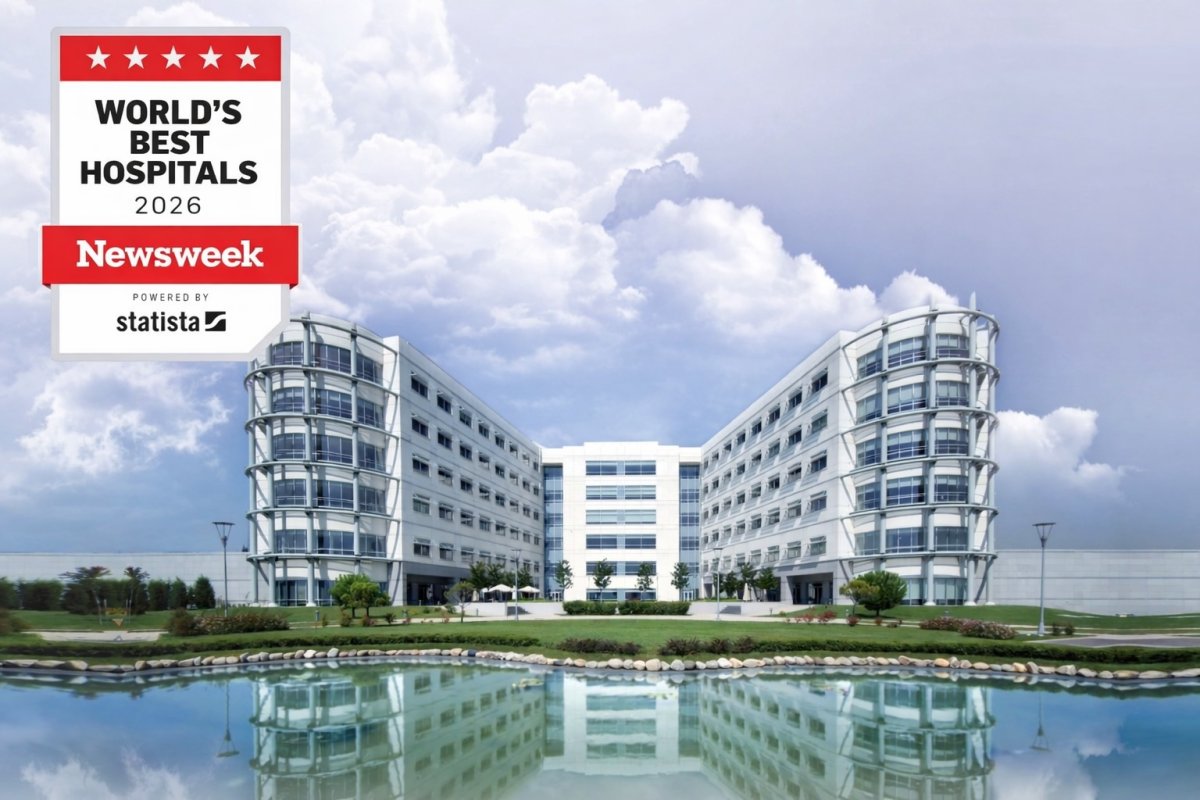



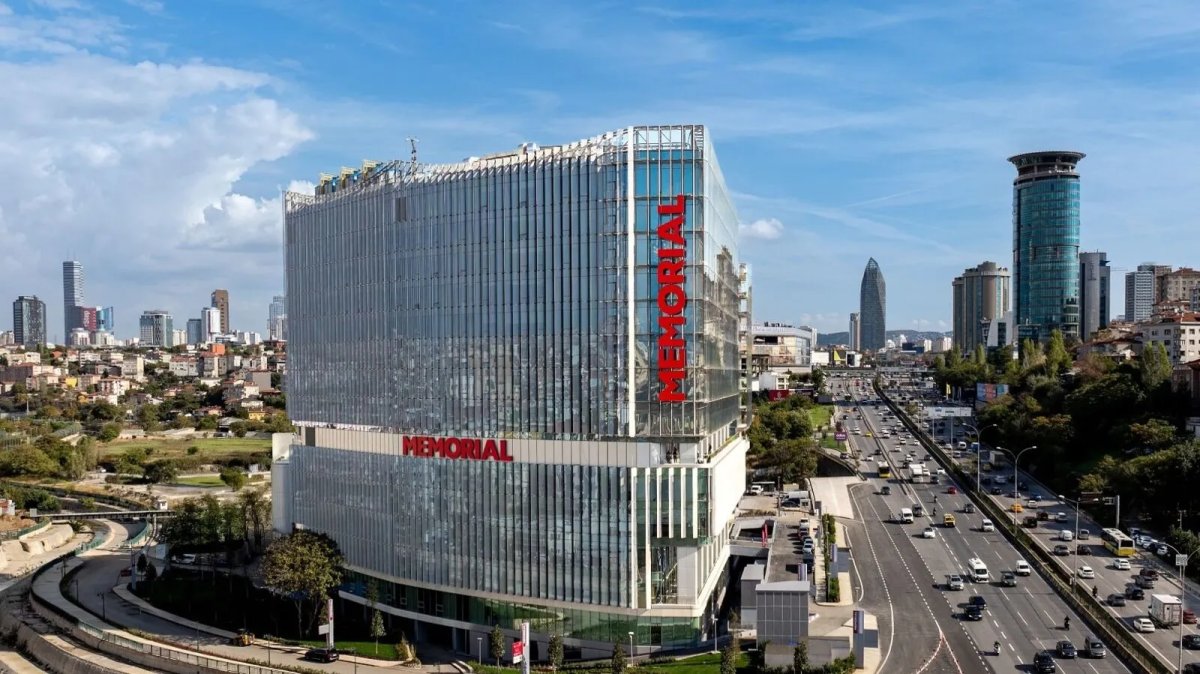
Memorial Göztepe Hospital






Memorial Ankara Hospital


احصل على تقييم طبي لـ في تركيا. استشر الآن 49 أطباء ذوي الخبرة.
عرض جميع الأطباء
Bulent Karagoz
الطبيب هو أخصائي أورام طبية تركي ذو خبرة عالية متخصص في الساركوما، الليمفوما، سرطان البنكرياس، سرطان الرئة، وسرطان الثدي. مع أكثر من 20 عامًا من الخبرة، يركز الطبيب على بيولوجيا الأورام، علم المناعة للأورام، العلاج المناعي للسرطان، والعلاجات المستهدفة. منذ عام 2019، يعمل الطبيب كأخصائي أورام طبية في مركز الأناضول الطبي وكان قد شغل سابقًا مناصب قيادية في كلية الطب بجامعة إسطنبول أوكان ومستشفى التدريب غاتا حيدر باشا. قام الطبيب بتأليف أكثر من 40 منشورًا في أبحاث السرطان وهو عضو في جمعية الأورام

Vafi Atalay
الدكتور وافي أتالاي جراح أورام وجراحة عامة ذو خبرة تزيد عن 17 عامًا. يختص في جراحات البنكرياس والقولون والمستقيم والكبد، ويجري أيضًا إجراءات تنظيرية متقدمة. نشر 31 مقالة في مجلات محلية ودولية، مساهماً بشكل كبير في الأدبيات الطبية.
حصل على الجائزة الأولى في مسابقة الأبحاث بالمؤتمر العشرين، وجائزة أفضل بحث في المؤتمر الخامس لجراحة الأبحاث. الدكتور أتالاي عضو في الجمعية التركية للجراحة، وجمعية الأطباء الفلسطينيين، والجمعية الدولية للجراحة، ويعكس نشاطه في هذه المنظمات التزامه بالتطور المه
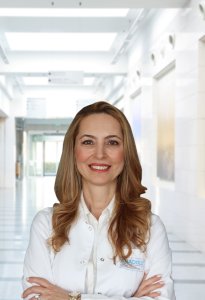
Banu Atalar
الدكتورة بانو أتالار طبيبة أورام إشعاعية حاصلة على شهادة البورد (تركيا، 2004). تشغل منصب أستاذة في جامعة أجيبادم MAA (2018–الآن) وطبيبة سريرية في مركز الأناضول الطبي (2026–الآن). تلقت تدريبها في جامعة إسطنبول وكلية جراح باشا. في عام 2011 أتمّت زمالة أبحاث سريرية بجامعة ستانفورد في الجراحة الإشعاعية التجسيمية. يتركز عملها على أورام الجهاز العصبي المركزي والأورام الصدرية وأورام الجهاز الهضمي. نحو 75% من رعايتها تشمل الجراحة الإشعاعية التجسيمية SRS وSRS التكيفية الموجّهة بالرنين المغناطيسي.
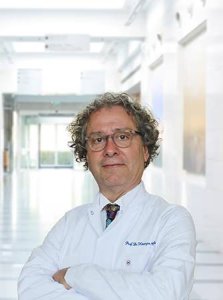
Huseyin Baloglu
البروفيسور حسين بال أوغلو اختصاصي علم الأمراض في مركز الأناضول الطبي بغبزه، كوجالي، تركيا. يركز على علم الأمراض الجزيئي، وعلم الأمراض الجراحي، وخزعات الأورام والتشخيص.
التعليم والاعتمادات: دكتوراه في الطب، كلية طب غاتا (1986). تدريب تخصصي في علم الأمراض، غاتا (1992). أستاذ مشارك (Doçent)، غاتا (2004). باحث زائر في كلية طب ألبرت آينشتاين (نيويورك) وجامعة هايدلبرغ.
الإنجازات: مؤلف لأكثر من 600 منشور مُحكَّم. يحمل براءة اختراع في التشخيص الجزيئي لسرطان الغدة الدرقية. يقود خدمات الخ
مشاركة المحتوى
قصص فيديو من مرضى Bookimed
 Anna Leonova
أسئلة متكررة حول علاج سرطان المعدة المرحلة 2 في تركيا
ما هو العلاج القياسي لسرطان المعدة في المرحلة الثانية في تركيا؟
يتبع العلاج القياسي لسرطان المعدة في المرحلة الثانية في تركيا نهجًا علاجيًا متعدد الوسائط. يقوم الجراحون بإجراء استئصال جذري جزئي أو كلي للمعدة مع تشريح العقد الليمفاوية D2. ويقترن هذا عادةً بالعلاج الكيميائي المحيط بالجراحة. تقوم مجالس الأورام متعددة التخصصات في المراكز المعتمدة من اللجنة الدولية المشتركة (JCI) بتنسيق هذه البروتوكولات الجراحية والأورام المعقدة.
- النهج الجراحي: إزالة جزء من المعدة أو كلها تضمن الاستئصال الأورام الكامل.
- استئصال الغدد الليمفاوية: يقوم تشريح D2 بإزالة سلاسل واسعة من العقد الليمفاوية لتحسين معدلات البقاء على قيد الحياة.
- العلاج المساعد: يستهدف العلاج الكيميائي أو العلاج الكيميائي الإشعاعي الخلايا المتبقية بعد الجراحة بقصد الشفاء.
- التنسيق المتخصص: تقوم فرق متعددة التخصصات، بما في ذلك أطباء الأورام وأخصائيي علم الأمراض، بمراجعة كل حالة قبل الجراحة.
رؤية خبير Bookimed: تظهر البيانات السريرية فرقًا كبيرًا في الأسعار بين مراكز الأورام المتخصصة. في حين تتقاضى مستشفيات ميموريال حوالي 24,800 دولار مقابل استئصال جذري كلي للمعدة، يقدم مستشفى هيسار إنتركونتيننتال إجراءً جراحيًا مشابهًا بحوالي 10,500 دولار. يجب على المرضى إعطاء الأولوية للعيادات ذات الخبرة في تشريح D2، حيث أن هذه التقنية الجراحية المحددة هي المحرك الرئيسي للنتائج الناجحة طويلة المدى لحالات المرحلة الثانية.
إجماع المرضى: يؤكد المرضى أن التعافي بعد استئصال المعدة متطلب جسديًا. يلاحظ الكثيرون أن التأكد من هدف الشفاء وقابلية الاستئصال
ما هي المستشفيات في تركيا المتخصصة في سرطان المعدة والتي تقدم رعاية متعددة التخصصات؟
يتخصص مركز الأناضول الطبي، وميديبول ميجا، ومجموعة ميموريال الصحية في رعاية سرطان المعدة متعددة التخصصات في تركيا. تستخدم هذه المؤسسات المعتمدة من قبل اللجنة الدولية المشتركة (JCI) مجالس أورام موحدة. وهي تدمج جراحة الأورام، وعلم الأورام الطبي، والعلاج الإشعاعي لعلاج سرطان المعدة في المرحلة الثانية وفقًا للبروتوكولات القياسية الأمريكية.
- مركز الأناضول الطبي: تابع لـ Johns Hopkins Medicine، ويستخدم برامج السرطان المنظمة للحالات المعقدة.
- ميديبول ميجا: يتميز بأنظمة Da Vinci الروبوتية وتقنية CyberKnife لإزالة الورم بدقة.
- مستشفى ميموريال شيشلي: أول منشأة تركية معتمدة من اللجنة الدولية المشتركة تقدم استئصال المعدة الجذري المتقدم والمراجعات متعددة التخصصات.
- تقنيات متخصصة: توفر تشريح العقد الليمفاوية D2 واستئصال المعدة الكلي الجذري مع استئصال الطحال.
رؤية خبير Bookimed: بينما يختار الكثيرون العيادات بناءً على شهرة جراح فردي، تظهر البيانات أن المراكز التابعة للجامعات تقدم تنسيقًا متفوقًا. على سبيل المثال، يبلغ مركز الأناضول الطبي عن 65000 مريض سنويًا ويحتفظ بشهادات أورام فريدة من OECI. يضمن هذا العمق المؤسسي أن يتم التعامل مع تحديد المراحل، وعلم الأمراض، ودعم التغذية من قبل متخصصين مخصصين بدلاً من الممارسين العامين.
إجماع المرضى: يؤكد المرضى أن التعافي الناجح يعتمد على فريق متكامل وينصحون بطلب خطة علاجية مكتوبة متعددة التخصصات. ويشيرون إلى أن وجود منسق واحد للتصوير والجراحة يساعد في تجنب التأخير في الرعاية.
هل تتوفر تقنيات استئصال المعدة بالمنظار أو بمساعدة الروبوت في تركيا؟
توفر المستشفيات التركية المعتمدة من قبل اللجنة الدولية المشتركة (JCI) استئصال المعدة بالمنظار وبمساعدة الروبوت لسرطان المعدة في المرحلة الثانية. تستخدم المراكز المتخصصة نظام da Vinci Xi لإزالة الورم بدقة. تتضمن هذه التقنيات طفيفة التوغل شقوقًا صغيرة. وهذا يؤدي إلى تعافي أسرع وألم أقل مقارنة بالجراحة المفتوحة.
- الدقة الروبوتية: تستخدم عيادات مثل Medipol Mega نظام da Vinci للاستئصال الأورامي المعقد.
- تحديد المراحل المتقدمة: يستخدم المتخصصون PET/CT وتصوير الرنين المغناطيسي بقوة 3 تسلا لتحديد مدى ملاءمة النهج الجراحي.
- جراحون ذوو خبرة: أجرى البروفيسور الدكتور كيفانش ديريا بيكر أكثر من 600 إجراء جراحي معقد.
- فوائد الجراحة طفيفة التوغل: يعاني المرضى عادةً من إقامة أقصر في المستشفى وعودة أسرع للتغذية عن طريق الفم.
رؤية خبير Bookimed: يعد حجم عمليات الجراح هو مؤشر الجودة الأكثر موثوقية لاستئصال المعدة الروبوتي في تركيا. بينما تعلن العديد من العيادات عن التكنولوجيا الروبوتية، ابحث عن متخصصين مثل البروفيسور الدكتور كيفانش ديريا بيكر الذين أجروا أكثر من 400 جراحة محددة لسرطان المعدة. يحافظ الجراحون ذوو الحجم الكبير على نتائج أفضل أثناء عمليات تشريح العقد الليمفاوية D2 المعقدة مقارنة بأولئك الذين يركزون بشكل أساسي على إجراءات فقدان الوزن بالمنظار.
إجماع المرضى: يلاحظ المرضى أن التعافي أسهل بكثير مع الجراحة طفيفة التوغل. يوصون بطلب آراء ثانية لتأكيد ما إذا كان موقع الورم يسمح بنهج روبوتي.
ما هي الأشعة التشخيصية المستخدمة بشكل روتيني قبل الجراحة لسرطان المعدة في المرحلة الثانية في المستشفيات التركية؟
تستخدم المستشفيات التركية بشكل روتيني الأشعة المقطعية المعتمدة على التباين للبطن والصدر لتحديد مرحلة سرطان المعدة في المرحلة الثانية. تتضمن معظم البروتوكولات التصوير بالموجات فوق الصوتية بالمنظار لتحديد عمق الورم وتورط العقد الليمفاوية. يتم عادةً إجراء خزعات قياسية ومسح PET-CT لاستبعاد وجود ورم خبيث بعيد قبل الجراحة.
- الأشعة المقطعية (CT): يقيم التصوير المقطعي المعتمد على التباين الغزو الموضعي ويحدد الانتشار المحتمل للمرض لمسافات بعيدة.
- التصوير بالموجات فوق الصوتية بالمنظار: توضح هذه الأداة عمق المرحلة T وتقيم العقد الليمفاوية الإقليمية بدقة.
- تصوير PET-CT: يستخدم الأطباء PET-CT لحالات المراحل 2-4 للتأكد من عدم وجود انتشار انتقالي.
- التنظير العلوي: يقوم الجراحون بإجراء هذا مع خزعة لتأكيد نوع وموقع السرطان.
رؤية خبير Bookimed: يستخدم مستشفى ميموريال جوزتيبي تصويرًا مقطعيًا عالي الدقة بـ 512 شريحة وتصوير بالرنين المغناطيسي بقوة 3 تسلا مدعومًا بالذكاء الاصطناعي لتحديد المراحل. توفر هذه التقنيات تفاصيل أعلى بكثير من الماسحات الضوئية القديمة ذات الـ 64 شريحة الموجودة في العيادات الصغيرة. تساعد هذه الدقة الإضافية الجراحين في مستشفى ميموريال ومركز الأناضول الطبي على اتخاذ قرار بين الجراحة الفورية أو البدء بالعلاج الكيميائي المساعد.
إجماع المرضى: يلاحظ المرضى أن الأطباء يعطون الأولوية لاستبعاد وجود مرض بعيد قبل الجراحة لضمان نتيجة ناجحة. يقترح الكثيرون إحضار صور التنظير الأصلية وتقارير الخزعة لمساعدة الفريق الجراحي في تأكيد
هل العلاج الكيميائي المساعد مطلوب دائمًا بعد الجراحة العلاجية لسرطان المعدة في المرحلة الثانية؟
العلاج الكيميائي المساعد ليس إلزاميًا لجميع حالات سرطان المعدة في المرحلة الثانية ولكنه يظل معيار الرعاية. يستخدمه أطباء الأورام الأتراك لتقليل مخاطر التكرار المرتفعة، خاصة بعد تشريح العقد الليمفاوية D2. تعتمد القرارات على بيولوجيا الورم، وهوامش الجراحة، والحالة البدنية العامة للمريض.
- خطر التكرار: تتراوح معدلات الانتكاس بعد الجراحة بين 40% و65% لهذه المرحلة.
- إجماع العلاج: يوصي أطباء الأورام بالعلاج المساعد أو المحيط بالجراحة لتحسين نتائج البقاء على قيد الحياة.
- المعايير الجراحية: يعتبر تشريح العقد الليمفاوية D2 أمرًا بالغ الأهمية للتدريج المناسب والسيطرة الموضعية.
- العوامل الشخصية: يأخذ الأطباء في الاعتبار حالة العقد الليمفاوية وعمق غزو الورم قبل وصف الأدوية.
رؤية خبير Bookimed: بينما يعتقد الكثيرون أن إسطنبول فقط هي التي تقدم رعاية عالية المستوى، تُظهر بياناتنا أن المراكز ذات الحجم الكبير مثل مستشفى Hisar Intercontinental تجري أكثر من 600 جراحة معقدة في المعدة. غالبًا ما يتعاون هؤلاء الجراحون المتخصصون مع أطباء أورام مثل البروفيسور يسيم يلدريم، الذي يتمتع بخبرة تزيد عن 20 عامًا. هذا النهج متعدد التخصصات حيوي لأن استراتيجيات علاج المرحلة الثانية يجب أن توازن بين بروتوكولات الأدوية القوية وقدرة المريض على التعافي من استئصال المعدة الكبير.
إجماع المرضى: يلاحظ المرضى أن العلاج الكيميائي غالبًا ما يوصى به بناءً على التقرير المرضي النهائي بدلاً من كونه قاعدة تلقائية لكل حالة. يؤكد الكثيرون على طلب مراجعة مجلس الأورام إذا أظهر ا
ما هو معدل النجاح المتوقع والتشخيص بعد علاج سرطان المعدة في المرحلة الثانية في تركيا؟
تبلغ مراكز الأورام التركية عن معدل بقاء على قيد الحياة لمدة 5 سنوات يتراوح بين 42% إلى 51.1% لسرطان المعدة في المرحلة الثانية. تعطي المستشفيات المتخصصة الأولوية لتشريح العقد الليمفاوية D2 لتحسين هذه النتائج. غالبًا ما تجمع الفرق متعددة التخصصات بين الجراحة والعلاج الكيميائي المحيط بالجراحة لزيادة النجاح في علاج هذه المرحلة.
- معدل البقاء على قيد الحياة: تبلغ المجموعات التركية عن معدل بقاء على قيد الحياة لمدة 5 سنوات بنسبة 51.1% بعد الاستئصال الجراحي.
- الدقة الجراحية: يقوم الجراحون بشكل متكرر بإجراء تشريح D2 لضمان إزالة العقد الليمفاوية بشكل شامل.
- السلامة بعد الجراحة: تبلغ المراكز ذات الخبرة العالية عن معدلات بقاء بعد الجراحة تزيد عن 95.7%.
- الرعاية متعددة التخصصات: يشمل العلاج غالبًا مراجعات مجلس الأورام وبروتوكولات العلاج الكيميائي المحيط بالجراحة.
رؤية خبير Bookimed: يعتمد النجاح في تركيا على حجم عمل الجراح وليس على حجم العيادة. أجرى الدكتور كيفانش ديريا بيكر في مستشفى Hisar أكثر من 600 جراحة في المعدة. غالبًا ما يقدم المتخصصون ذوو حجم العمل المرتفع باقات أقل تكلفة، مثل 10,500 دولار، مقارنة بـ 24,800 دولار في مراكز أخرى معتمدة من اللجنة المشتركة الدولية (JCI) لإجراءات تشريح D2 مماثلة.
إجماع المرضى: يؤكد المرضى أن التعافي يتطلب تعديلات غذائية كبيرة ووجبات أصغر ومتكررة. يلاحظ الكثيرون أن وجود منسق يتحدث الإنجليزية يساعد في إدارة جدول المتابعة المكثف والدعم الغذائي اللازم بعد الجراحة.