CDT-WEST Center of Diagnostics and Therapy
ألمانيا, كولونيا


تمت مراجعة المقالة طبيا من قبل
فهد مولود

رئيس قسم أمراض الجهاز الهضمي والأورام في مستشفى زولينجن الأكاديمي، مع أكثر من 130 منشوراً علمياً. متخصص في سرطان المعدة وحالات الجهاز الهضمي المعقدة.

يتخصص الدكتور فوكس في علاج سرطان المعدة، حيث يجمع بين العلاج الكيميائي والمناعي والموجه لتقديم رعاية شخصية في المركز الطبي في سولينجن.

يتخصص البروفيسور كايل في تقنيات التصوير المتقدمة للتشخيص الدقيق لسرطان المعدة في المركز الطبي في زولينجن.
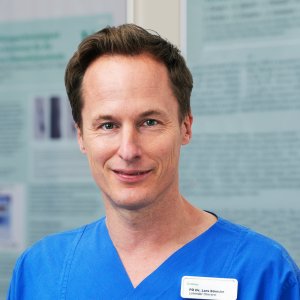
 Anna Leonova
يتبع العلاج متعدد الوسائط القياسي لسرطان المعدة في المرحلة الثانية في ألمانيا بروتوكولاً محيطاً بالجراحة (ساندويتش). يجمع هذا بين العلاج الكيميائي المساعد الجديد FLOT، والاستئصال الجراحي الجذري مع استئصال العقد الليمفاوية D2، والعلاج الكيميائي المساعد. تعطي المبادئ التوجيهية الوطنية الألمانية S3 الأولوية لهذا النهج لتقليص الأورام والقضاء على الخلايا السرطانية المجهرية.
رؤية خبراء Bookimed: تستخدم مراكز الأورام الألمانية مثل عيادة نوردويست ومستشفى سولينجن البلدي مجالس أورام متعددة التخصصات لكل حالة. تظهر بياناتنا أن هذه المراكز الأكاديمية تعطي الأولوية لتشريح العقد الليمفاوية D2 بفعالية كبيرة لدرجة أن الإشعاع بعد الجراحة نادراً ما يكون ضرورياً. غالباً ما يضمن اختيار عيادة ذات تصنيفات عالية في مجلة Focus الوصول إلى جراحين أجروا أكثر من 3000 إجراء جراحي معقد للمعدة.
إجماع المرضى: غالباً ما يتفاجأ المرضى بأن العلاج الكيميائي يبدأ قبل الجراحة وليس بعدها. ويؤكدون على أهمية الاستعداد للتحديات ال
يجب على الجراحين الألمان اتباع المبادئ التوجيهية متعددة التخصصات S3 لإدارة سرطان المعدة في المرحلة الثانية. تتطلب الممارسة القياسية موافقة مجلس الأورام متعدد التخصصات قبل أي تدخل. يجب على الجراحين إجراء تنظير البطن لتحديد المرحلة وإعطاء الأولوية للعلاج الكيميائي المحيط بالجراحة قبل إجراء استئصال R0 مع استئصال العقد الليمفاوية D2 الإلزامي.
رؤية خبير Bookimed: تعتمد الجودة غالبًا على نوع المستشفى وليس فقط على الجراح. تتعامل الشبكات الكبيرة مثل مجمع عيادات شمال الراين-وستفاليا مع أكثر من 145,000 مريض سنويًا. عادةً ما تمتلك هذه المراكز ذات الحجم الكبير الموارد اللازمة للحفاظ على الالتزام الصارم بمتطلبات حصاد العقد الليمفاوية في مبادئ S3 التوجيهية. أجرى متخصصون مثل الدكتور توماس دبليو كراوس في عيادة نوردويست أكثر من 3,000 تدخل. يضمن هذا المستوى من الحجم في مركز معتمد أن الفريق الجراحي معتاد على تشريح D2 المعقد.
إجماع المرضى: يشير المرضى إلى أنه من الضروري السؤال عن عدد عمليات استئصا
يركز تقييم المؤشرات الحيوية الروتيني لسرطان المعدة في المرحلة الثانية في ألمانيا حصرياً على إنزيمات إصلاح عدم التطابق أو حالة عدم استقرار الأقمار الصناعية الدقيقة. يحدد هذا الاختبار نقص إصلاح عدم التطابق أو عدم استقرار الأقمار الصناعية الدقيقة العالي. تعمل هذه المؤشرات الحيوية كمؤشرات إنذارية حاسمة. فهي تساعد مجالس الأورام على اتخاذ القرار بين العلاج الكيميائي المحيط بالجراحة أو الجراحة وحدها.
رؤية خبير Bookimed: تركز المراكز الأكاديمية الألمانية مثل المركز الطبي في سولينغن على دقة التشخيص عالية الحجم. تتخصص الدكتورة فيولا فوكس هناك في التشخيص الجزيئي. تظهر البيانات أن هذه المراكز المعتمدة غالباً ما تجري لوحات موسعة في وقت مبكر. على الرغم من أن حالة MSI/MMR فقط هي التي تؤثر على إدارة المرحلة الثانية، فإن الاختبار الاستباقي يمنع استنفاد الأنسجة. وهذا يضمن جاهزية جميع البيانات في حال اضطرار تغيير خطط العلاج لاحقاً.
إجماع المرضى: يشير المرضى إلى أهمية طلب تقرير علم الأمراض الكامل في وقت مبكر. ويؤكدون على التحقق من نتائج MSI/MMR لفهم ما إذا
يتوفر العلاج المناعي والعوامل الموجهة لسرطان المعدة في المرحلة الثانية في ألمانيا، بشكل أساسي للمرضى الذين لديهم مؤشرات حيوية جينية محددة. بينما تظل الجراحة والعلاج الكيميائي هما المعيار، تستخدم مراكز مثل عيادة نوردويست لقاحات مضادة للسرطان وعلاجات موجهة للحالات التي تظهر سمات MSI-H أو dMMR أو HER2-إيجابية.
رؤية خبير Bookimed: تؤكد مراكز الأورام الألمانية مثل عيادة نوردويست ومستشفى جامعة دوسلدورف على التخصص عالي الحجم، حيث يقوم بعض الأساتذة بإجراء أكثر من 3000 إلى 9000 إجراء. تظهر البيانات أن هذه المراكز الأكاديمية تخدم ما يصل إلى 350,000 مريض سنوياً. يسمح لهم هذا النطاق الهائل بالحفاظ على معاهد بحثية مخصصة. يمكنهم تقديم علاجات متطابقة جزيئياً قد لا تمتلك المرافق الأصغر البنية التحتية لتوفيرها.
إجماع المرضى: يؤكد المرضى على الحاجة إلى تأكيد التنميط الجزيئي الكامل، بما في ذلك حالة HER2 و MSI، قبل بدء العلاج. يلاحظ الكثيرون أن العوامل المتقدمة غالباً ما تكون متاحة فق
تستخدم رعاية سرطان المعدة في ألمانيا مجلس أورام متعدد التخصصات (MDT) لتحديد خطط العلاج. يتبع المتخصصون المبادئ التوجيهية الوطنية للممارسة السريرية AWMF S3. تعتمد القرارات على التنميط الجزيئي الصارم ونتائج الخزعة. تضمن هذه العملية التعاونية حصول كل مريض على رعاية مصممة خصيصًا لبيولوجيا الورم لديه.
رؤية خبير Bookimed: تعطي العيادات الألمانية مثل Nordwest و Solingen الأولوية لحجم العمليات الجراحية كمؤشر للجودة. أجرى الدكتور توماس دبليو كراوس أكثر من 3000 عملية جراحية. وأشرف البروفيسور بوريس فافنباخ على 9000 عملية جراحية. هذه الخبرة ذات الحجم الكبير حيوية. وغالبًا ما تؤدي إلى حفظ أفضل لوظيفة الجهاز الهضمي بعد استئصال المعدة.
إجماع المرضى: يلاحظ المرضى أن العلاج يبدو أكثر عدوانية مما كان متوقعًا. ويؤكدون أن الخطط النهائية غالبًا ما تتغير بمجرد وصول نتائج علم الأمراض بعد الجراحة الأولية.
تستخدم العيادات الألمانية بشكل أساسي نظام FLOT المحيط بالجراحة لسرطان المعدة في المرحلة الثانية. يعمل هذا المزيج المكثف المكون من أربعة أدوية كمعيار وطني للرعاية. يتضمن 4 دورات قبل الجراحة و 4 دورات بعد الاستئصال. هذا النهج يحسن البقاء على قيد الحياة ويقلص الأورام بفعالية.
رؤية خبير Bookimed: على الرغم من أن FLOT هو المعيار، إلا أن المراكز الأكاديمية الألمانية مثل مستشفى دوسلدورف الجامعي غالباً ما تستخدم مجالس الأورام متعددة التخصصات لتحسين هذه البروتوكولات. تظهر بياناتنا أن كبار أطباء الأورام مثل الدكتورة إلكي ييغر والدكتورة فيولا فوكس يعطون الأولوية للتشخيص الجزيئي الشخصي. وهذا يضمن حصول المرضى الذين لديهم علامات محددة مثل MSI-H على العلاج المناعي بدلاً من العلاج الكيميائي القياسي عند الاقتضاء.
إجماع المرضى: يشير المرضى إلى أن الحفاظ على الوزن وتناول البروتين أمر حيوي لأن هذه العلاجات يمكن أن تكون متطلبة جسدياً. يقترح الكثيرون البدء بأدوية مضادة للغثيان في وقت مبكر واستشارة أخصائي تغذية للتعامل مع تغيرات التذوق والتعب أثناء الدورات.
تدعم العيادات الألمانية مرضى استئصال المعدة من خلال مسارات سريرية منظمة وعلاج غذائي متخصص. ينتقل المرضى إلى تناول 6-10 وجبات صغيرة يومياً لإدارة سعة المعدة المنخفضة. توفر ألمانيا حقن فيتامين ب12 الإلزامية وبرامج إعادة تأهيل لمدة 3 أسابيع. غالباً ما يغطي التأمين الصحي استشارات التغذية المتخصصة لمنع حدوث مضاعفات.
رؤية خبير Bookimed: تدمج العيادات الألمانية مثل المركز الطبي في سولينغن وعيادة نوردويست التخطيط الغذائي مباشرة في علم الأورام. البروفيسور بوريس فافنباخ في سولينغن هو متخصص في كل من علم الأورام والأنظمة الغذائية العلاجية. تضمن هذه الخبرة المزدوجة أن الخطط الغذائية ليست عامة بل مصممة خصيصاً للتعافي من السرطان. تؤكد بياناتنا أن العيادات في شمال الراين-وستفاليا غالباً ما يتم الاعتراف بها كقادة في نموذج الرعاية الشامل هذا.
إجماع المرضى: يؤكد المرضى على الحاجة إلى إعادة تعلم إشارات الجوع بعد الجراحة. يجد الكثيرون أن الاحتفاظ بمذكرات طعام يساعد في تحديد مسببات معينة تسبب التعب المفاجئ أو الغثيان.
تضم ألمانيا بعضًا من أرقى أقسام جراحة الأعصاب في العالم، بقيادة مستشفى شاريتيه الجامعي في برلين ومستشفى جامعة هايدلبرغ. وتتميز هذه المراكز بخبرتها الواسعة في علاج أورام الدماغ المعقدة وأمراض الأوعية الدموية الدماغية. ولتحقيق أقصى قدر من الفعالية في عملياتها، تستخدم هذه المراكز أحدث التقنيات، مثل التصوير بالرنين المغناطيسي أثناء الجراحة والتوجيه العصبي بمساعدة الحاسوب.
رأي خبراء بوكيمد: تشير البيانات إلى أن اختيار المراكز ذات الحجم الجراحي الكبير غالبًا ما يؤدي إلى توصيات علاجية أكثر تحفظًا. ففي مركز سولينجن الطبي، الذي يعالج أكثر من 60,000 مريض
في ألمانيا، تتميز العمليات الجراحية العصبية بالغة التعقيد بمستوى أمان استثنائي. تصل نسبة نجاح عمليات دمج الفقرات إلى 99%، بينما تبلغ نسبة النجاة بعد استئصال أورام الدماغ الأولية 97%. كما يتمتع المرضى بقدرة عالية على الاعتماد على أنفسهم في أداء وظائفهم اليومية، حيث يغادر أكثر من 82% منهم المستشفى مباشرةً بعد العلاج. وتولي المراكز الألمانية اهتماماً بالغاً بالحفاظ على الوظائف العصبية باستخدام أحدث تقنيات التخطيط العصبي.
رأي خبراء بوكيمد: يُجري جراحون ذوو خبرة، مثل الدكتور أوفه كولر من عيادة أسكليبيوس ألتونا، أكثر من 2000 عملية جراحية سنويًا. تُشير البيانات إلى أن هؤلاء المتخصصين يحافظون على معدلات نجاح تصل إلى 90%، حتى
تُدخل عيادات جراحة الأعصاب الألمانية بانتظام أدوات رقمية عالية الدقة وتقنيات تصوير فوري في الممارسة الجراحية. تشمل التقنيات الرئيسية الملاحة العصبية الحاسوبية لجراحات الدماغ والحبل الشوكي. تستخدم مؤسسات مثل عيادة أسكليبيوس نورد التصوير بالرنين المغناطيسي أثناء الجراحة للتحقق من استئصال الورم في الوقت الفعلي. توفر هذه الأنظمة للجراحين نظام ملاحة ثلاثي الأبعاد.
رأي خبراء بوكيمد: تُجري مراكز طبية كبيرة، مثل مستشفى شاريتيه الج