علاج سرطان المعدة المرحلة 2 في إسبانيا — احصل على 3 عيادات مختارة خصيصاً لك


تمت مراجعة المقالة طبيا من قبل
فهد مولود
كيف نعمل؟
ما هي تكلفة سرطان المعدة المرحلة 2 إجراءات التشخيص والعلاج في إسبانيا؟ اعرف الآن
تتضمن تكلفة علاج سرطان المعدة في المرحلة الثانية في إسبانيا عادةً التشخيصات الأساسية مثل استشارة طبيب الأورام والتي تتراوح بين $280 و $450. من $28,500. تعتمد النفقات الإجمالية على النهج الجراحي، ودورات العلاج الكيميائي، ومستوى المستشفى. غالباً ما يجد المرضى توفيراً بنسبة 30-50% مقارنة بالرعاية الصحية الخاصة في الولايات المتحدة. تشمل مراكز العلاج الرائدة برشلونة ومدريد وبامبلونا.
تكاليف علاج سرطان المعدة في المرحلة الثانية النموذجية في إسبانيا
- استشارة طبيب الأورام: $280 – $450
- جراحة سرطان المعدة: من $28,500
- استئصال المعدة: من $20,000
- العلاج الإشعاعي لسرطان القولون والمستقيم: من $7,500
- العلاج الكيميائي لسرطان الثدي: من $1,700
رؤية خبراء Bookimed: يجب على المرضى الذين يبحثون عن خبرة جراحية متقدمة التفكير في مركز تيكنون الطبي (Centro Médico Teknon) في برشلونة. يتمتع الدكتور دومينيكو سابيا بخبرة 15 عاماً في جراحة الأورام الروبوتية وبالمنظار. وللحصول على رعاية متعددة التخصصات، تُعد عيادة جامعة نافارا (Clinica Universidad de Navarra) الحاصلة على اعتماد اللجنة الدولية المشتركة (JCI) خياراً ممتازاً، حيث كانت أول مستشفى إسباني يحصل على هذا الاعتماد. يستفيد المرضى الذين يحتاجون إلى بروتوكولات دوائية متخصصة من برنامج الخزعة السائلة في مستشفى HM سانشينارو الجامعي (Hospital Universitario HM Sanchinarro). يجذب هذا المركز المرضى الدوليين من أوروبا وجامعة الدول العربية.
اكتشف أفضل سرطان المعدة المرحلة 2 العيادات في إسبانيا: 7 خيارات معتمدة والأسعار












GenesisCare Clinics

Hospital HM Sanchinarro
Antonio Cubillo Gracián

احصلوا على تقييم طبي لـ سرطان المعدة المرحلة 2 في إسبانيا: استشيروا أطباء ذوي خبرة الآن
عرض جميع الأطباء
Elvira Buxó

Domenico Sabia
يركز الدكتور سابيا على العلاج الجراحي لسرطانات البطن المتقدمة، وهو جزء أساسي من علاج سرطان المعدة في المرحلة الثانية. يعمل في قسم سرطانات الصفاق في مركز تكنون الطبي (Centro Médico Teknon).
- أكثر من _doctor_3583_عاماً_ من الخبرة المتخصصة في جراحة أورام الصفاق
- يُجري تقنيات جراحية متقدمة بالمنظار والجراحة الروبوتية
- يبحث في طرق جراحية جديدة من خلال التجارب السريرية
- عضو في مجموعات الأورام الدولية مثل PSOGI و ESSO

Lopez Ibor
بخبرة تمتد لعقدين من الزمن، تتخصص الدكتورة لوبيز-إيبور في طب الأورام لدى الأطفال، مع التركيز على أورام العظام والدماغ، وسرطان الدم، وأمراض الدم.
- مديرة قسم أمراض الدم والأورام لدى الأطفال في مستشفى HM Montepríncipe
- تخصصت في جامعة ميريلاند في أمراض الدم والأورام لدى الأطفال
- شغلت سابقاً مناصب قيادية في مستشفى Clínica San Rafael الجامعي
- مؤلفة للعديد من المنشورات العلمية في مجال الأورام
Antonio Cubillo Gracián
يتخصص الدكتور كوبيلو غراسيان في علم الأورام مع التركيز على أمراض الجهاز الهضمي وسرطان المعدة. يقوم بالتدريس في USP CEU و HM CIOCC، مما يضمن بقاءه في طليعة التطورات الطبية.
- يدرس علم الأورام وأمراض الجهاز الهضمي في USP CEU
- مدير برنامج الماجستير في أبحاث الدراسات العليا في علم الأورام
- يقود دورات دولية حول أورام الجهاز الهضمي في HM CIOCC
- مشرف لطلاب الطب والمقيمين في علم الأورام
مشاركة المحتوى
قصص فيديو من مرضى Bookimed
 Anna Leonova
أسئلة متكررة حول علاج سرطان المعدة المرحلة 2 في إسبانيا
ما هو بروتوكول العلاج القياسي لسرطان المعدة في المرحلة الثانية في إسبانيا؟
تعالج العيادات الإسبانية سرطان المعدة في المرحلة الثانية باستخدام إرشادات الجمعية الأوروبية لطب الأورام. يتضمن البروتوكول علاجًا كيميائيًا ثلاثيًا متبوعًا بجراحة جذرية ودورات ما بعد الجراحة. يهدف هذا النهج إلى تقليص حجم الأورام والقضاء على الخلايا المجهرية. تحافظ المرافق المعتمدة في مدريد وبرشلونة على معايير جراحية عالية.
- بروتوكول العلاج الكيميائي: يتلقى المرضى 4 دورات من نظام FLOT قبل التدخل الجراحي.
- المعيار الجراحي: يقوم الجراحون بإجراء استئصال المعدة مع تشريح إلزامي للعقد الليمفاوية D2 لضمان الدقة.
- رعاية ما بعد الجراحة: ينتهي العلاج بـ 4 دورات إضافية من العلاج الكيميائي لمنع تكرار الإصابة في المستقبل.
- اختبار المؤشرات الحيوية: يقوم الأطباء باختبار حالة MSI-H لتحديد ما إذا كان العلاج المناعي أكثر فعالية.
رؤية خبير Bookimed: يهيمن على مشهد الأورام في إسبانيا شبكات ذات حجم كبير مثل HM Hospitales و Hospital Universitario HM Sanchinarro. تخدم هذه المراكز أكثر من 400,000 مريض سنويًا وتدمج الأبحاث مباشرة في الرعاية السريرية. يسمح هذا الحجم للجراحين بالتخصص بعمق في عمليات تشريح العقد الليمفاوية D2 المعقدة. تعد هذه المهارة الجراحية المحددة محركًا رئيسيًا للنتائج الناجحة لمرضى المرحلة الثانية.
إجماع المرضى: يؤكد المرضى على ضرورة وجود فرق متخصصة في الجهاز الهضمي للتعامل مع عملية التعافي. وغالبًا ما يسلطون الضوء على أن إدارة فقدان الوزن والتغييرات الغذائية الإلزامية بعد استئصال المعدة تتطلب تحضيرًا كبيرًا.
ما هو نوع الجراحة التي سيتم إجراؤها، وما هو تنظيف العقد الليمفاوية المطلوب؟
تتضمن جراحة سرطان المعدة في المرحلة الثانية في إسبانيا عادةً استئصال المعدة الجزئي أو الكلي مع تشريح العقد الليمفاوية D2. يقوم الجراحون بإزالة الجزء المصاب من المعدة و15 إلى 30 عقدة ليمفاوية إقليمية. يضمن هذا النهج أقصى قدر من إزالة الورم مع الحفاظ على وظيفة الجهاز الهضمي قدر الإمكان.
- النهج الجراحي: يقوم الجراحون بإجراء استئصال جزئي أو استئصال كلي للمعدة بناءً على موقع الورم.
- تنظيف العقد الليمفاوية: يعمل تشريح D2 القياسي على إزالة العقد الإقليمية لمنع تكرار الإصابة بالسرطان.
- خيارات التقنية: غالبًا ما يستخدم المتخصصون طرقًا بالمنظار أو روبوتية في المراكز المعتمدة من JCI.
- الإقامة في المستشفى: يبقى المرضى عادةً في المستشفى لمدة 7 إلى 10 أيام لمراقبة التعافي.
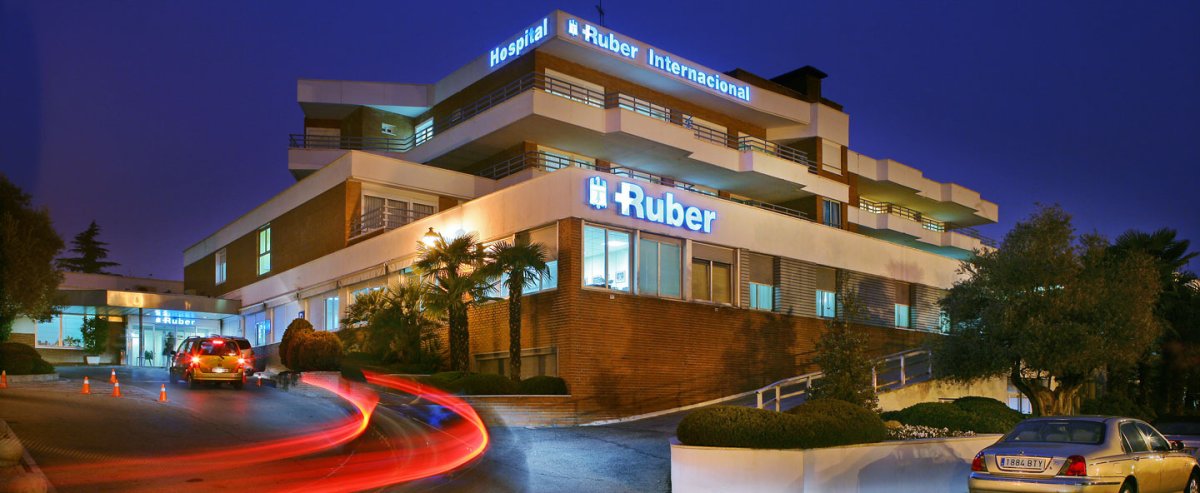
رؤية خبير Bookimed: تتعامل مراكز الأورام الإسبانية مثل Centro Médico Teknon أو Hospital Ruber Internacional مع أحجام كبيرة تزيد عن 20,000 عملية سنويًا. تظهر البيانات أن العيادات التي تعمل بهذا النطاق غالبًا ما توفر وصولاً أفضل إلى أنظمة Da Vinci Xi الروبوتية. تسمح هذه التقنيات بإجراء استئصال العقد الليمفاوية D2 بشكل أكثر دقة مع فقدان دم أقل من الجراحة المفتوحة التقليدية.
إجماع المرضى: يشير المرضى إلى أن مدى استئصال المعدة يؤثر بشكل كبير على عادات الأكل والوزن بعد العملية. يؤكد الكثيرون على أهمية التأكد مما إذا كان تشريح D2 مخططًا له لضمان إجراء عملية أورام شاملة.
ما هي التقنيات الجراحية المتقدمة المستخدمة بشكل روتيني في المراكز الإسبانية؟
تستخدم المراكز الطبية الإسبانية منصات روبوتية متقدمة وتقنيات طفيفة التوغل للإجراءات المعقدة مثل استئصال المعدة. تستخدم مرافق مثل مستشفى روبر الدولي (Hospital Ruber Internacional) ومركز تكنون الطبي (Centro Médico Teknon) نظام دافنشي إكس آي (Da Vinci Xi) لجراحة الأورام عالية الدقة. تسهل هذه التقنيات تعافيًا أسرع وشقوقًا أصغر للمرضى.
- المنصات الروبوتية: تستخدم المستشفيات الإسبانية بشكل روتيني أنظمة دافنشي إكس آي (Da Vinci Xi) وفيرسيوس (Versius) لجراحات البطن.
- أدوات طفيفة التوغل: يعد استئصال المعدة بالمنظار معيارًا في المراكز المتخصصة لعلاج السرطان في المرحلة الثانية.
- التصوير الدقيق: تستخدم المراكز التصوير بالرنين المغناطيسي بقوة 3 تسلا وتقنية EOS لرسم خرائط مفصلة للجهاز العضلي الهيكلي والأورام.
- معدات العلاج الإشعاعي: تدمج المرافق تقنيات سايبر نايف (CyberKnife) وجاما نايف آيكون (Gamma Knife ICON) لخيارات علاج الأورام غير الجراحية.
رؤية خبير بوكيميد (Bookimed): تظهر بيانات بوكيميد تركيزًا عاليًا للتكنولوجيا المتقدمة في مدريد وبرشلونة. أجرى مستشفى روبر الدولي وحده أكثر من 6000 عملية جراحية في عام 2022 باستخدام دافنشي إكس آي وسايبر نايف. على الرغم من توفر الجراحة الروبوتية، غالبًا ما يؤكد الجراحون ذوو الخبرة أن حجم عملياتهم السنوي المرتفع هو ما يضمن نتائج أفضل.
إجماع المرضى: يشير المرضى إلى أن اختيار جراح ذي حجم عمليات سنوي مرتفع أكثر أهمية من الروبوت المحدد المستخدم. ويؤكدون أن سرعة التعافي تعتمد بشكل كبير على ما إذا كا
ما هي المستشفيات في إسبانيا التي تعتبر مراكز معترف بها دولياً لعلاج سرطان المعدة؟
تضم إسبانيا العديد من مراكز الأورام المعتمدة من قبل اللجنة الدولية المشتركة (JCI) والتي تصنف بانتظام ضمن الأفضل في العالم من قبل مجلة نيوزويك. تستخدم المستشفيات الرائدة في مدريد وبرشلونة مجالس أورام متعددة التخصصات وأنظمة روبوتية متقدمة مثل Da Vinci Xi لاستئصال المعدة الدقيق في المرحلة الثانية والرعاية الأورام المعقدة.
- Centro Medico Teknon: منشأة في برشلونة معتمدة من JCI تتعاون مع مركز ميموريال سلون كيترينج للسرطان في مجال الأورام.
- Clinica Universidad de Navarra: مصنفة كأفضل مستشفى خاص في إسبانيا، مع برامج شاملة للسرطان معتمدة من OECI.
- Hospital Ruber Internacional: مركز مقره مدريد مجهز بـ Gamma Knife و Da Vinci Xi للجراحة.
- HM Hospitales Network: مجموعة كبيرة تخدم 75,000 مريض داخلي سنوياً مع وحدات متخصصة في أورام الجهاز الهضمي.
رؤية خبير Bookimed: بينما يختار الكثيرون العيادات بناءً على المدينة، فإن حجم البيانات الجراحية الكبير يعد مؤشراً أقوى على الجودة. تبرز Clinica Universidad de Navarra و Centro Medico Teknon لأنهما تديران أكثر من 10,000 إلى 140,000 مريض سنوياً. يرتبط هذا الحجم عادةً ببروتوكولات جراحية أكثر دقة وأنظمة دعم غذائي أفضل بعد الجراحة.
إجماع المرضى: يشير المرضى إلى أن اختيار مركز أكاديمي لديه فريق جراحي متخصص في الجهاز الهضمي العلوي أمر بالغ الأهمية. ويؤكدون على أهمية تأكيد الدعم الغذائي بعد الجراحة قبل الانتهاء من أي خطة علاجية.
كم من الوقت يجب أن يخطط السائح الطبي للبقاء في إسبانيا للحصول على علاج كامل؟
يجب على السياح الطبيين الذين يعالجون سرطان المعدة في المرحلة الثانية في إسبانيا التخطيط لإقامة تتراوح من 14 إلى 21 يوماً للجراحة والتعافي الأولي. يمكن أن يؤدي العلاج الكامل الذي يتضمن دورات العلاج الكيميائي إلى تمديد الإقامة لعدة أشهر. تتطلب معظم مراكز الأورام الإسبانية من 5 إلى 7 أيام من الاستشفاء بعد الجراحة.
- التعافي الجراحي: توقع من 10 إلى 14 يوماً بعد الخروج قبل الحصول على تصريح للرحلات الدولية.
- مرحلة التشخيص: خصص من 3 إلى 5 أيام لاستشارات الأورام ومسح التصوير المقطعي بالإصدار البوزيتروني (PET-CT).
- دورات العلاج الكيميائي: تستغرق الدورات الفردية عادةً 21 يوماً إذا تم إجراؤها في العيادات الإسبانية.
- اللياقة للطيران: يجب على الجراحين تأكيد التئام الجروح والاستقرار الغذائي قبل المغادرة.
رؤية خبير Bookimed: غالباً ما تستخدم المراكز الإسبانية مثل Centro Médico Teknon و HM Sanchinarro نموذج الرعاية المشتركة لمرضى الأورام الدوليين. يمكنك إكمال الجراحة الكبرى ومرحلة الشفاء الأولى في إسبانيا على مدار 3 أسابيع، ثم تنسيق دورات العلاج الكيميائي للمتابعة في بلدك الأصلي لتقليل تكاليف الإقامة طويلة الأجل.
إجماع المرضى: يلاحظ المرضى أن التعافي غالباً ما يستغرق وقتاً أطول من الإقامة في المستشفى بسبب الاحتياجات الغذائية الصارمة والعناية بالجروح. ويؤكدون على أهمية البقاء بالقرب من العيادة لمدة أسبوعين على الأقل بعد الجراحة للتعامل مع أي تحديثات ضرورية في التشخيص أو علم الأمراض.
كيف ستؤثر إزالة المعدة على العادات الغذائية والتغذية اليومية؟
تتطلب إزالة المعدة الانتقال إلى 6 إلى 8 وجبات صغيرة يومياً. يجب عليك مضغ الطعام حتى يصبح قوامه ناعماً للمساعدة في الهضم. يفصل المرضى السوائل عن المواد الصلبة لمدة 30 دقيقة. يمنع التقييد الصارم للسكر متلازمة الإغراق (dumping syndrome)، بينما تحافظ حقن B12 مدى الحياة على صحة الأعصاب.
- تكرار الوجبات: تناول 5–8 وجبات صغيرة يحل محل 3 وجبات كبيرة لإدارة السعة المحدودة.
- الهضم الميكانيكي: المضغ الجيد ضروري لأن الجسم لم يعد يطحن الطعام ميكانيكياً.
- متلازمة الإغراق: تجنب الكربوهيدرات المكررة يمنع التشنجات المفاجئة، والدوخة، وتسارع ضربات القلب بعد الوجبات.
- امتصاص المغذيات: المكملات اليومية للحديد والكالسيوم وفيتامين د تمنع فقر الدم وفقدان العظام.
رؤية خبير Bookimed: تدمج مراكز الأورام الإسبانية مثل Centro Médico Teknon و Hospital Universitario HM Madrid التدريب الغذائي مباشرة في التعافي الجراحي. تظهر البيانات أن هذه العيادات المعتمدة من JCI تدير أحجاماً كبيرة من المرضى، حيث تخدم HM Hospitales أكثر من 2.3 مليون مريض خارجي سنوياً. يسمح هذا النطاق بوجود فرق أخصائيي تغذية متخصصين يساعدون المرضى في التعامل مع تناول البروتين العالي المطلوب في الأشهر الستة الأولى للحفاظ على كتلة العضلات.
إجماع المرضى: يلاحظ المرضى أن إشارات الجوع غالباً ما تختفي بعد الجراحة، مما يجعل من الضروري تناول الطعام وفقاً للساعة. يجد الكثيرون أن حمل وجبات خفيفة غنية بالبروتين هو الطريقة الوحيدة لمنع فقدان الوزن السريع خلال السنة الأولى.