علاج الاستسقاء الدماغي في تركيا — احصل على 3 عيادات مختارة خصيصاً لك


تمت مراجعة المقالة طبيا من قبل
فهد مولود
كيف نعمل؟
ما هي تكلفة الاستسقاء الدماغي إجراءات التشخيص والعلاج في تركيا؟ اعرف الآن
يمكن أن تختلف تكلفة علاج استسقاء الدماغ في تركيا بناءً على الإجراءات المطلوبة. تتراوح تكلفة الاستشارات الأولية مع المتخصصين مثل جراحي الأعصاب وأطباء الأطفال وأطباء الأعصاب بين 160 دولارًا و220 دولارًا لكل منها. تتراوح تكلفة التصوير التشخيصي، بما في ذلك التصوير بالرنين المغناطيسي للدماغ والعمود الفقري، بين 750 دولارًا و1,750 دولارًا. تتراوح تكلفة جراحة تحويلة البطين البريتوني بين 10,000 دولار و18,000 دولار، وذلك اعتمادًا على التعقيد واستخدام المعدات المتقدمة. يمكن أن تكلف الإجراءات الإضافية، مثل جراحة تعظم الدروز الباكر أو علاج تشوه كياري، بين 9,000 دولار و20,000 دولار. يتم وضع خطة العلاج النهائية بعد تقييم شامل من قبل الفريق الطبي.
| تركيا | إسبانيا | ألمانيا | |
|---|---|---|---|
| حج القحف | من $8,900 | من $32,400 | من $33,700 |
| جراحات استسقاء الرأس ، تحويلات العمليات الجراحية | من $5,300 | من $39,300 | ≈ $25,000 |
اكتشف أفضل الاستسقاء الدماغي العيادات في تركيا: 31 خيارات معتمدة والأسعار
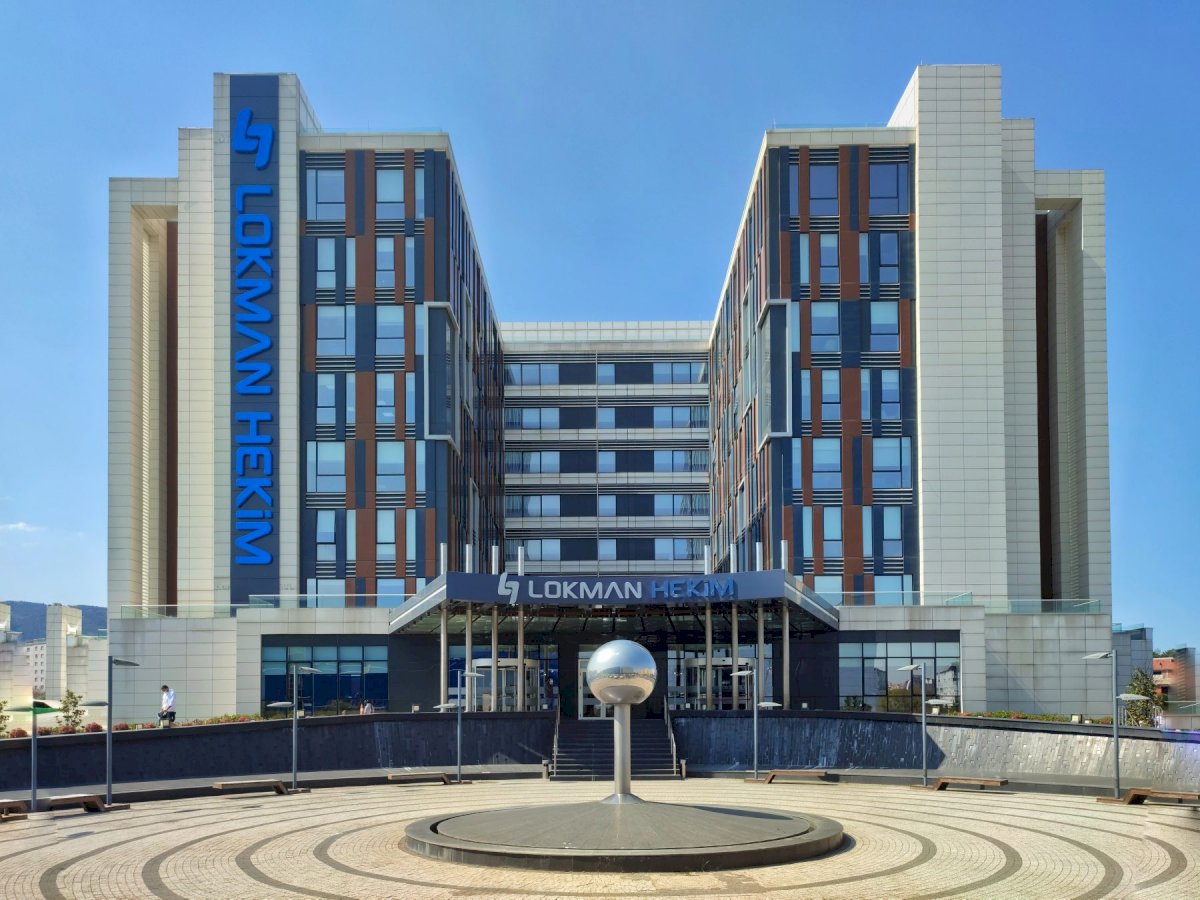




Hisar Intercontinental Hospital
Ertugrul Pinar





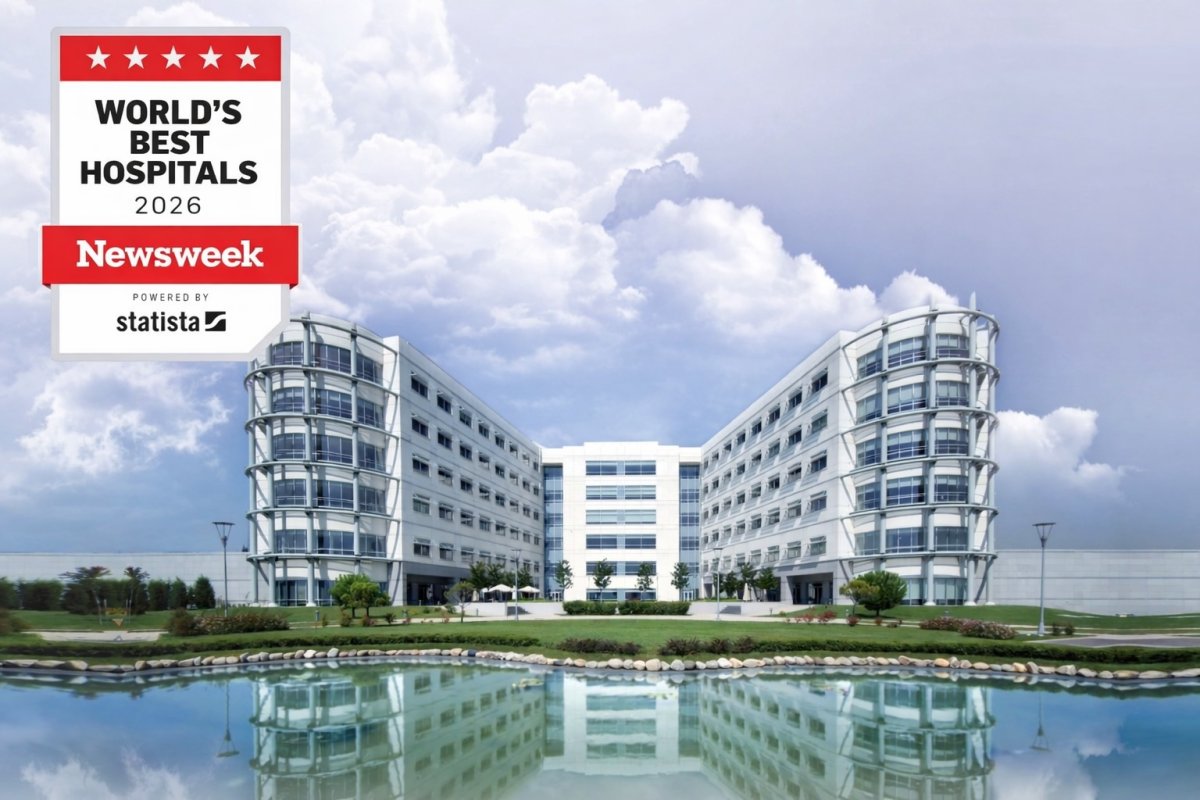







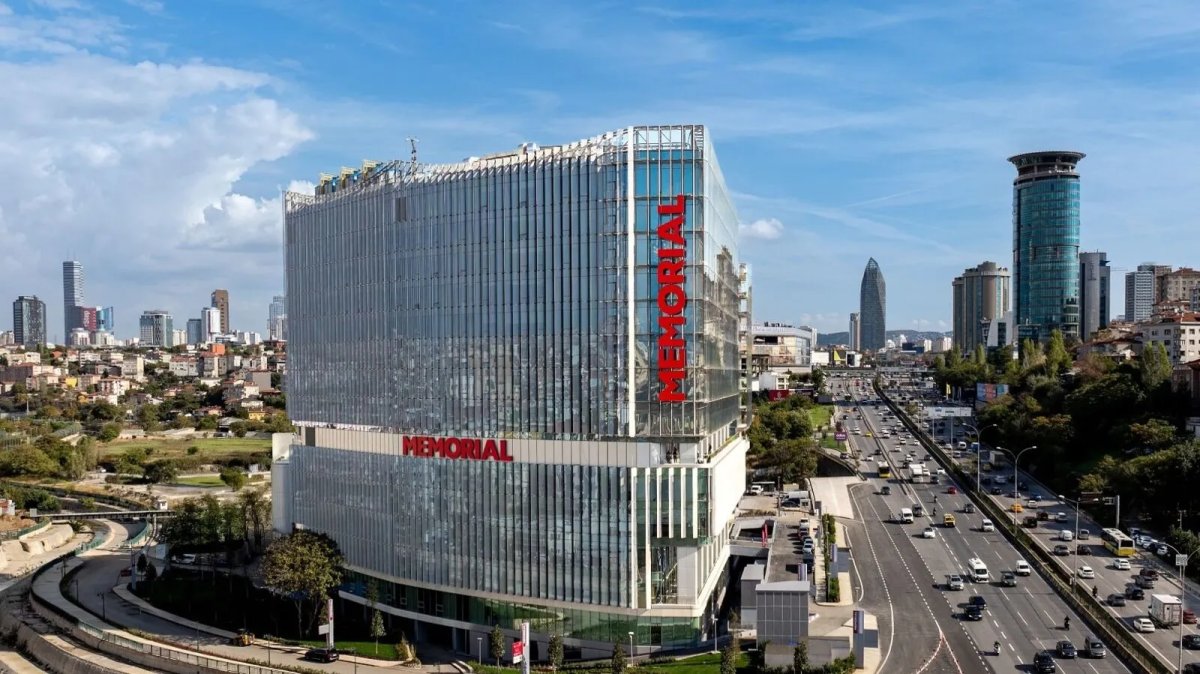
Memorial Göztepe Hospital
احصل على تقييم طبي لـ في تركيا. استشر الآن 18 أطباء ذوي الخبرة.
عرض جميع الأطباءErtugrul Pinar
الدكتور إرتوغرول بينار هو جراح أعصاب في مستشفى هيسار إنتركونتيننتال في إسطنبول. يعالج المرضى البالغين والأطفال المصابين بأمراض معقدة في الدماغ والعمود الفقري. يركز الدكتور بينار على أورام الدماغ، وتمدد الأوعية الدموية، وأمراض قاعدة الجمجمة. يعمل في مستشفى معتمد من اللجنة الدولية المشتركة (JCI) يخدم أكثر من 500,000 مريض سنوياً.
- يجري إجراءات متخصصة بما في ذلك استئصال الأورام عبر الأنف وإصلاح تمدد الأوعية الدموية في الدماغ.
- يعالج مجموعة واسعة من الحالات مثل أورام الغدة النخامي

Zafer Orkun Toktas
الطبيب هو جراح أعصاب ذو خبرة تزيد عن 15 عاماً من الممارسة السريرية في تركيا. طوال مسيرته المهنية المتميزة، عمل الطبيب في العديد من المؤسسات الطبية البارزة، بما في ذلك مستشفى ميموريال أتاشهير، ومستشفى في إم ميديكال بارك بنديك، ومستشفى جامعة بهجيشهر ميديكال بارك جوزتيبي.
يتخصص الطبيب في الإجراءات الجراحية العصبية، ويمتلك خبرة واسعة في إدارة الحالات العصبية المعقدة وتقديم رعاية شاملة للمرضى. بفضل عمله في كل من أنظمة المستشفيات الخاصة والمرافق الحكومية، يتمتع الطبيب بخلفية سريرية واسعة في ا

Baran Yılmaz
الطبيب عضو في الجمعية التركية لجراحة الأعصاب، والجمعية التركية للعمود الفقري، وAOSpine. مع خلفية أكاديمية من جامعة مرمرة في تركيا وتدريب إضافي في كلية الطب بجامعة ييل في الولايات المتحدة، الطبيب ملم بجراحة الأعصاب والممارسات الطبية المتعلقة بالعمود الفقري.<\/p>

Sinan Comu
يجلب الدكتور سنان كومو أساليب العلاج الأمريكية المتقدمة، التي تعلمها خلال تدريبه في الولايات المتحدة، إلى عمله في مستشفى ميموريال شيشلي.
- يتمتع بخبرة تزيد عن _doctor_1752_ عاماً كطبيب أعصاب
- متخصص في طب أعصاب الأطفال للرضع والأطفال والمراهقين
- تدرب في جامعة بيتسبرغ ومستشفى رينبو للأطفال
- يعالج مجموعة واسعة من الحالات العصبية، بما في ذلك استسقاء الرأس
- عضو في جمعية طب أعصاب الأطفال والجمعية التركية لطب الأعصاب
المراجعات
جميع المراجعات


مشاركة المحتوى
قصص فيديو من مرضى Bookimed
 Anna Leonova
أسئلة متكررة حول علاج الاستسقاء الدماغي في تركيا
هل تعتبر جراحة البطين البريتوني (newline VP shunt neurosurgery newline) في تركيا آمنة ويجريها جراحون مؤهلون؟
تعد جراحة تحويلة البطين البريتوني في تركيا آمنة ويجريها جراحو أعصاب مؤهلون تأهيلاً عالياً. تصل معدلات النجاح لهذه الإجراءات عادةً إلى 95%. تستخدم المراكز المعتمدة من قبل JCI في إسطنبول وأنقرة أدوات متقدمة. وتشمل هذه أنظمة الملاحة العصبية والتصوير بالرنين المغناطيسي 3T لضمان وضع القسطرة بدقة.
- مؤهلات الجراح: غالباً ما يحمل المتخصصون شهادات من الجمعية التركية لجراحة الأعصاب وزمالات دولية.
- التكنولوجيا المتقدمة: تستخدم المرافق أنظمة STRADA والتنظير العصبي للعلاج طفيف التوغل.
- بروتوكولات السلامة: تستخدم العيادات التركية بشكل متكرر تحويلات مشبعة بالمضادات الحيوية لتقليل العدوى بعد الجراحة.
- جودة العيادة: تجذب المستشفيات الرائدة مثل Memorial Şişli مرضى من أكثر من 160 دولة.
رؤية خبير Bookimed: إشارة جودة رئيسية في تركيا هي وجود جراحين ذوي خلفيات أكاديمية وبحثية قوية من مؤسسات أمريكية. على سبيل المثال، أكمل كل من الدكتور باران يلماز والدكتور محمد أوزيك زمالات في جامعة ييل. يضمن هذا المستوى من التدريب الدولي أن جراحي الأعصاب الأتراك يتبعون نفس بروتوكولات السلامة الصارمة الموجودة في المراكز الطبية الغربية رفيعة المستوى.
إجماع المرضى: يؤكد آباء الأطفال الصغار على أهمية اختيار متخصصين ذوي حجم حالات كبير مثل الدكتور إلهان إلماشي لإدارة الحالات المعقدة. على الرغم من أن التحويلات تنقذ الحياة، يشير المرضى إلى أنه من المهم وجود جراح أعصاب محلي للمتابعة طويلة الأمد بعد العودة إلى الوطن.
ما هو الجدول الزمني النموذجي للتعافي بعد وضع تحويلة البطين الصفاقي (VP shunt) ومتى يمكنني السفر جوًا إلى المنزل؟
يكون من الآمن عمومًا للمرضى السفر جوًا إلى المنزل بعد 7 إلى 10 أيام من وضع تحويلة البطين الصفاقي. غالبًا ما يُسمح بالرحلات الجوية قصيرة المدى بعد أسبوع واحد. تتطلب الرحلات الطويلة عادةً الانتظار من أسبوعين إلى 3 أسابيع. يراقب جراحو الأعصاب الأتراك عادةً المرضى في المستشفى لمدة يومين إلى 4 أيام بعد الجراحة.
- الإقامة في المستشفى: توقع البقاء لمدة يومين إلى 4 أيام للمراقبة الأولية والتعافي.
- العودة للنشاط: يعود معظم المرضى إلى العمل الخفيف أو المدرسة في غضون 7 أيام.
- مرحلة الشفاء: يكتمل التئام الأنسجة الرئيسي عادةً بعد 3 أشهر.
- أمن السفر: احمل بطاقة الجهاز الطبي لتجاوز أجهزة الكشف عن المعادن المغناطيسية في المطارات.
- القيود البدنية: تجنب رفع أثقال تزيد عن 5 أرطال (حوالي 2.3 كجم) لمدة 6 أسابيع.
رؤية خبراء Bookimed: في حين تقدم العديد من العيادات التركية إجراءات التحويلة مقابل حوالي 16,000 دولار، يوفر مستشفى هيسار إنتركونتيننتال (Hisar Hospital Intercontinental) حزمة ملاحة عصبية متخصصة من نوع STRADA مقابل حوالي 4,850 دولارًا. يعكس هذا السعر المنخفض تجميعات مختلفة للمعدات وليس جودة أقل. تحقق دائمًا مما إذا كان جهاز التحويلة الفعلي مشمولاً في تقدير التكلفة الخاص بك.
إجماع المرضى: يشير المرضى إلى أن الصداع شائع خلال الأسبوع الأول. ويؤكدون على أهمية طلب خطاب من الجراح لأمن المطار لتجنب التداخل مع التحويلة القابلة للبرمجة.
كيف يتأكد جراحو الأعصاب الأتراك من أن التحويلة (Shunt) تعمل قبل الخروج من المستشفى؟
يؤكد جراحو الأعصاب الأتراك وظيفة التحويلة باستخدام التصوير المبكر بعد الجراحة والمراقبة السريرية الصارمة. تشمل البروتوكولات القياسية إجراء تصوير مقطعي محوسب (CT) أو تصوير بالرنين المغناطيسي (MRI) للدماغ في غضون 24 ساعة للتحقق من وضع القسطرة. يستخدم الجراحون أيضًا أشعة سينية على الجمجمة للتحقق من إعدادات الضغط على الصمامات القابلة للبرمجة قبل مغادرة المرضى للمستشفى.
- التحقق بالتصوير: يؤكد التصوير بالرنين المغناطيسي 3T أو التصوير المقطعي المحوسب بـ 512 شريحة الوضع الدقيق لقسطرة البطين.
- التقييم السريري: تراقب الفرق الطبية التحسن في المشي، والوظيفة الإدراكية، وشدة الصداع.
- مراقبة الضغط: تتحقق الصور الشعاعية البسيطة من أن إعدادات الصمام القابلة للبرمجة تظل عند المستوى المقصود.
- الأنظمة أثناء الجراحة: توفر أنظمة الملاحة العصبية (Neuronavigation) وأنظمة STRADA توجيهًا في الوقت الفعلي لضمان دقة الوضع الأولي.
رؤية خبير Bookimed: يُظهر تنسيق البيانات أن مستشفيات إسطنبول الرائدة تجمع بين تخطيط الرنين المغناطيسي 3T والملاحة العصبية لتقليل الحاجة إلى المراجعات. بينما تتوفر إجراءات التحويلة الأساسية، تستخدم عيادات مثل مستشفى حصار (Hisar Hospital) تقنية التصوير المقطعي بـ 512 شريحة للتحقق من النتائج بسرعة. يسمح هذا التصوير المتقدم للجراحين بتسريح المرضى بأمان في غضون 24 إلى 48 ساعة.
إجماع المرضى: يشير آباء الأطفال الصغار إلى أنه من المفيد تلقي تقرير مفصل وتشخيص مؤكد قبل العودة إلى المنزل. تؤكد العائلات على أهمية التواصل الواضح مع
هل تتوفر صمامات التحويل القابلة للبرمجة أو القابلة للتعديل في تركيا وهل يمكن تغيير الإعدادات بعد عودتي إلى المنزل؟
تعد صمامات التحويل القابلة للبرمجة شائعة في تركيا في المراكز المعتمدة من قبل JCI في إسطنبول. يمكن تعديل الإعدادات عالميًا إذا كان جراح الأعصاب المحلي لديك يستخدم المبرمج المغناطيسي لنفس الشركة المصنعة. غالبًا ما يستخدم المتخصصون الأتراك علامات تجارية مثل Medtronic أو Codman لضمان التوافق الدولي للمرضى المسافرين.
- اختيار العلامة التجارية: تسمح الشركات المصنعة الكبرى مثل Medtronic بإجراء تعديلات في معظم أقسام جراحة الأعصاب العالمية.
- أداة التعديل: يجب أن يمتلك الأطباء المحليون المبرمج المغناطيسي المحدد الذي يتوافق مع علامة التحويل التجارية الخاصة بك.
- بطاقة التعريف: توفر المستشفيات بطاقة جهاز توضح الطراز والرقم التسلسلي والضغط.
- التحقق بالتصوير: يستخدم الجراحون التصوير بالرنين المغناطيسي 3T أو الأشعة السينية لتأكيد الإعدادات قبل عودتك إلى المنزل.
رؤية خبير Bookimed: على الرغم من أن تعديلات الصمام ممكنة في أي مكان، إلا أن بعض الباقات مثل تلك الموجودة في مستشفى ميموريال جوزتيبي قد تستثني جهاز التحويل من السعر الجراحي. ضع في اعتبارك حوالي 1500 دولار إلى 2500 دولار للصمام القابل للبرمجة نفسه عند وضع ميزانية العلاج. يعد تحديد الشركة المصنعة قبل الجراحة أمرًا حيويًا للصيانة بعد السفر.
إجماع المرضى: يشير المرضى إلى أنه من المهم الاحتفاظ ببطاقة الجهاز الطبي في محفظتك. قد يؤدي المرور عبر مغناطيسات أمن المطار أحيانًا إلى تغيير الإعدادات في الطرازات القابلة للبرمجة القديمة.
ما هو جدول المتابعة الموصى به بعد جراحة تحويلة البطين الصفاقي (VP shunt) للمرضى الدوليين؟
يتبع المرضى الدوليون جدول مراقبة أولياً مكثفاً لمدة 6 أسابيع، يليه مراقبة سنوية مدى الحياة. نظراً لأن المضاعفات تحدث عادةً خلال السنة الأولى، فإن الالتزام الصارم أمر بالغ الأهمية. تستخدم المراكز التركية تصويراً متطوراً مثل الرنين المغناطيسي 3T لمراقبة أداء التحويلة وضمان إعدادات ضغط مستقرة وفعالة.
- التعافي المبكر: تتم إزالة الغرز أو الدبابيس عادةً في غضون 7 إلى 14 يوماً.
- فترة التعديل: قد يقوم جراحو الأعصاب بتعديل الصمامات القابلة للبرمجة كل 2 إلى 4 أسابيع في البداية.
- فحص متوسط المدى: يتم جدولة تصوير مقطعي أو رنين مغناطيسي للدماغ بعد 3 إلى 6 أشهر.
- المراقبة طويلة المدى: يوصى بالمتابعة السريرية السنوية مدى الحياة لـ 83% من مرضى جراحة الأعصاب.
رؤية خبير Bookimed: تختلف تكاليف التحويلة في إسطنبول بشكل كبير بناءً على ما إذا كان الجهاز مشمولاً في الباقة. بينما تشمل الباقات في مستشفى Hisar نظام STRADA بحوالي 4850 دولاراً، غالباً ما تدرج مراكز مجموعة Memorial Health الإجراءات بسعر 16000 دولار بدون الجهاز. تأكد دائماً مما إذا كان نوع الصمام الخاص بك مشمولاً لتجنب نفقات الأجهزة الطبية الكبيرة من جيبك الخاص.
إجماع المرضى: يشير المرضى إلى أنه من الضروري الاحتفاظ ببطاقة تعريف التحويلة الخاصة بك في متناول اليد أثناء السفر. ويؤكدون أن أجهزة الكشف الأمنية في المطار يمكن أن تغير إعدادات الصمامات القابلة للبرمجة عن طريق الخطأ.
ما هي المدن في تركيا التي تستضيف مراكز استسقاء الرأس للأطفال والبالغين ذات الحجم الأكبر؟
تعد إسطنبول وأنقرة المركزين الرئيسيين في تركيا لرعاية استسقاء الرأس لدى الأطفال والبالغين. وتتصدر إسطنبول بفضل أكبر تجمع للمستشفيات الخاصة المعتمدة من قبل اللجنة الدولية المشتركة (JCI). تتخصص هذه المراكز في عمليات تركيب التحويلات (shunts) المعقدة وفغر البطين الثالث بالمنظار (ETV) باستخدام أنظمة الملاحة العصبية المتقدمة.
- حجم المرضى في إسطنبول: يعالج مستشفى ميموريال شيشلي أكثر من 250,000 مريض دولي سنوياً عبر أقسام متخصصة.
- الخبرة في طب الأطفال: يركز البروفيسور الدكتور محمد أوزيك في إسطنبول على حالات جراحة الأعصاب المعقدة للأطفال.
- التكنولوجيا المتقدمة: يستخدم مستشفى هيسار نظام STRADA للملاحة العصبية الدقيقة والتحويلات.
- المراكز الأكاديمية: تدير المستشفيات الجامعية في أنقرة أحجاماً كبيرة من حالات استسقاء الرأس النادرة وحديثي الولادة.
رؤية خبير Bookimed: توفر مستشفيات إسطنبول مثل هيسار أو ميموريال وحدات عناية مركزة متخصصة لجراحة أعصاب الأطفال. هذه الوحدات ضرورية لإدارة حالات حديثي الولادة المصابين باستسقاء الرأس. على الرغم من أن التحويلات هي المعيار، ابحث عن جراحين مثل الدكتور جودت جوكشيك. فهو يركز على التنظير العصبي، الذي يمكنه أحياناً استبدال التحويلات الدائمة. تتركز هذه الخبرة في إسطنبول أكثر من المدن الإقليمية مثل سيفاس أو إزمير.
إجماع المرضى: يوصي الآباء بشدة بإسطنبول للأطفال لضمان الوصول إلى جراحي أعصاب متخصصين في طب الأطفال. يقترح الكثيرون التأكد من أن الفريق الطبي يضم طبيب أعصاب أطفال لمراقبة النمو على المدى الطويل.
كم من الوقت يجب أن أخطط للبقاء في تركيا لرحلة علاج استسقاء الرأس بالكامل؟
يجب على معظم المرضى التخطيط للبقاء في تركيا لمدة تتراوح بين 10 إلى 14 يوماً لعلاج استسقاء الرأس. تشمل هذه الفترة الزمنية التصوير العصبي قبل الجراحة، والإجراء الجراحي، والمراقبة الدقيقة بعد الجراحة. يحتاج الجراحون إلى هذه الفترة لضمان استقرار التحويلة (shunt) وسلامة المريض قبل رحلة العودة إلى الوطن.
- مرحلة ما قبل الجراحة: خطط ليوم أو يومين لإجراء فحوصات الدم أو التصوير بالرنين المغناطيسي أو الأشعة المقطعية قبل الجراحة.
- الإقامة في المستشفى: توقع قضاء 1 إلى 4 أيام من الرعاية الداخلية لمراقبة وظيفة التحويلة بعد الإجراء.
- فترة التعافي: ابقَ لمدة 7 إلى 10 أيام إضافية في فندق محلي لمراقبة أي مضاعفات قبل السفر جواً.
- تصريح الطيران: عادة ما يقوم الجراحون بإجراء فحص نهائي للاستقرار بعد حوالي 7 إلى 10 أيام من الخروج من المستشفى.
رؤية خبير Bookimed: في حين أن العديد من الباقات القياسية مثل تلك الموجودة في مستشفى هيسار تتضمن تخطيطاً متقدماً بالرنين المغناطيسي 3T، إلا أنها غالباً لا تشمل تكلفة جهاز التحويلة نفسه. يجب على المرضى ملاحظة أن جراحة التحويلة قد تكلف 4800 دولار في منشأة واحدة، بينما تطلب منشآت أخرى مثل ميموريال شيشلي 16000 دولار. اختر عيادة لديها حجم مرضى سنوي يزيد عن 250,000 لضمان توفر مخزون جاهز من أنواع مختلفة من التحويلات لتجنب التأخير الجراحي.
إجماع المرضى: يؤكد المرضى أن التعافي بمفردهم أمر صعب ويقترحون إحضار مرافق للحصول على الدعم. يشير العديد من المسافرين إلى أهمية اختيار فندق بالقرب من المستشفى في إسطنبول لسهول