Centro Médico Teknon
إسبانيا, برشلونة
Gerardo Conesa Bertran
41سنة خبره ١٦ سنة

الاعتمادات : 
العيادة معتمدة من قبل : 





تمت مراجعة المقالة طبيا من قبل
فهد مولود
من $220
تكاليف علاج استسقاء الرأس النموذجية في إسبانيا
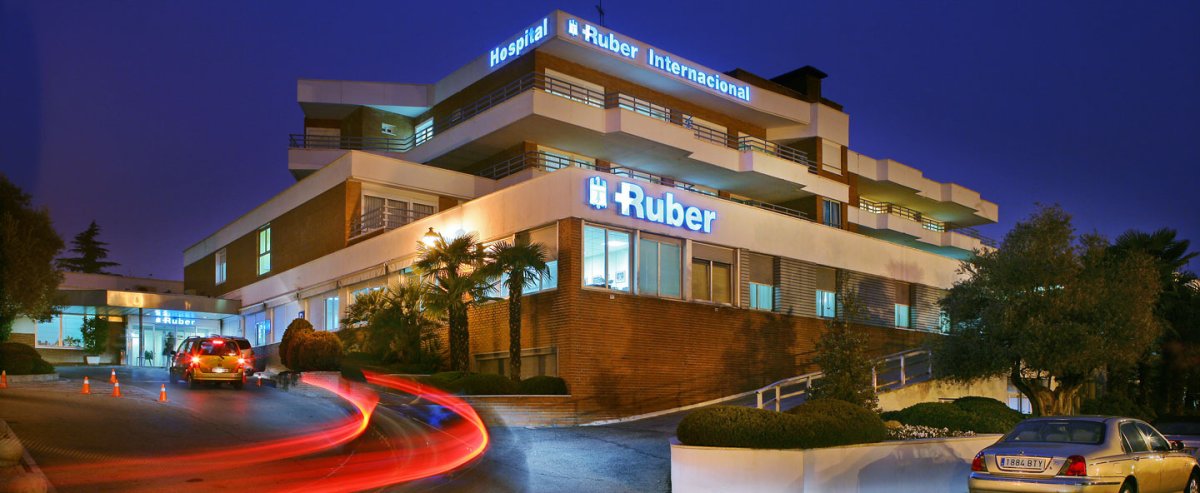
رؤية خبراء Bookimed: يستفيد مرضى الأطفال الذين يحتاجون إلى جراحة أعصاب معقدة بشكل أكبر من المراكز المتخصصة في برشلونة. يُعد مستشفى SJD برشلونة للأطفال واحداً من أفضل 3 مرافق أوروبية للأطفال لإجراءات التحويل المتخصصة. بالنسبة لحالات البالغين، يقدم مركز تيكنون الطبي (Centro Médico Teknon) رعاية عالية القيمة بمعايير سلامة معتمدة من اللجنة الدولية المشتركة (JCI). يتمتع الدكتور بارتولومي أوليفر في تيكنون بخبرة 40 عاماً في الجراحة المجهرية لحالات استسقاء الرأس المعقدة. يُعد مستشفى روبر الدولي (Hospital Ruber Internacional) في مدريد مثالياً لأولئك الذين يبحثون عن جراحة أعصاب وظيفية متقدمة وفقاً لبروتوكولات الجودة المعتمدة من TÜV. توفر هذه العيادات الإسبانية المتميزة تدخلات عالية التقنية بتكاليف أقل بكثير من المستشفيات الخاصة في الولايات المتحدة.
| تركيا | إسبانيا | ألمانيا | |
|---|---|---|---|
| حج القحف | من $8,900 | من $32,400 | من $33,600 |
| جراحات استسقاء الرأس ، تحويلات العمليات الجراحية | من $5,300 | من $39,200 | ≈ $25,000 |


أجرى الدكتور كونيسا أكثر من 1100 عملية جراحية عصبية، وكان رائدًا في تقنيات التدخل الجراحي البسيط للأطفال في مركز تكنون الطبي (Centro Médico Teknon).

رائد في التخطيط الجراحي ثلاثي الأبعاد – يجمع الدكتور هيريرو بين 46 سنة من الخبرة في الجراحة التجميلية وأحدث التقنيات للحصول على نتائج دقيقة ومخصصة.

الدكتور بارتولومي أوليفر هو رائد في تقنيات التنظير العصبي طفيفة التوغل لعلاج استسقاء الرأس، مع أكثر من 50 سنة من الخبرة الجراحية العصبية المتخصصة.

رئيس قسم جراحة الأعصاب الوظيفية في مستشفى روبر الدولي منذ عام 2005 - الدكتور مارتينيز ألفاريز متخصص في تقنيات جراحة الأعصاب المتقدمة.
 Anna Leonova
يجب على جراحي الأعصاب في إسبانيا إكمال درجة الطب لمدة ست سنوات واجتياز امتحان MIR الوطني. يخضعون لتدريب إقامة متخصص لمدة خمس إلى سبع سنوات. يحمل العديد من كبار الخبراء درجات الدكتوراه وعضويات في الجمعية الأوروبية لجمعيات جراحة الأعصاب (EANS). غالبًا ما يتمتع كبار المتخصصين بأكثر من 40 عامًا من الخبرة.
رؤية خبير Bookimed: تدير مراكز جراحة الأعصاب الإسبانية مثل Centro Médico Teknon أحجامًا هائلة من المرضى مع أكثر من 23,500 عملية سنويًا. تسمح هذه الترددات العالية للجراحين بالحفاظ على مهارات تقنية استثنائية في عمليات وضع التحويلة (shunt). غالبًا ما يشغل الأطباء الرائدون رئاسات دولية متعددة. وهذا يؤكد مكانتهم كمعلمين عالميين في هذا المجال.
إجماع المرضى: يؤكد المرضى على السؤال عن حجم الحالات المحدد للجراح طوال حياته المهنية لعمليات التحويلة أو فغر البطين الثالث بالمنظار. ويشيرون إلى أن المتخصصين ذوي الخبرة العالية غالبًا ما يكون لديهم معدلات مراجعة أقل بكثير لهذه الإجراءات.
تضم إسبانيا العديد من المستشفيات المعتمدة من قبل اللجنة الدولية المشتركة (JCI) والمتخصصة في علاج استسقاء الرأس من خلال أقسام جراحة الأعصاب المخصصة ووحدات إدارة السائل النخاعي (CSF). توفر المرافق الرائدة في برشلونة ومدريد تقنيات التنظير العصبي. تستخدم هذه المراكز أنظمة متطورة للتصوير بالرنين المغناطيسي أثناء الجراحة وأنظمة الملاحة لوضع ومراجعة التحويلات.
رؤية خبير Bookimed: تكشف البيانات عن نمط من مراكز التخصص ذات الحجم الكبير في برشلونة. على سبيل المثال، يدير مستشفى SJD برشلونة للأطفال 14,000 عملية سنوياً. هذا الحجم الهائل يسمح للجراحين بإتقان مضاعفات السائل النخاعي النادرة. يجب على المرضى التفكير في مراكز مثل HM Nou Delfos لاتفاقيات إعادة التأهيل العصبي الخاصة بهم. تضمن هذه الشراكات دمج الرعاية بعد الجراحة مع العلاج الأولي.
إجماع المرضى: يشير المرضى إلى أهمية اختيار مستشفيات ذات أقسام قوية في طب أعصاب الأطفال للأطفال الصغار. يقدر الكثيرون أن المرافق الإسب
تتوفر تقنية التحويلة القابلة للبرمجة ومعدات التنظير العصبي على نطاق واسع في مراكز جراحة الأعصاب الإسبانية الرائدة. تستخدم مرافق مثل Centro Médico Teknon ومستشفى SJD Barcelona للأطفال هذه الأدوات لعلاج استسقاء الرأس. يقوم الجراحون بمعايرة الصمامات القابلة للبرمجة بطريقة غير جراحية لتحسين تصريف السوائل وتجنب العمليات الجراحية المتكررة.
رؤية خبير Bookimed: غالباً ما توفر المراكز الخاصة الإسبانية مثل Centro Médico Teknon وصولاً أسرع إلى التحويلات القابلة للبرمجة مقارنة بالنظام العام. مع أكثر من 23,500 عملية سنوياً، يستخدم المتخصصون مثل البروفيسور الدكتور بارتولومي أوليفر أنظمة روبوتية لتعزيز الدقة. يجب على المرضى المسافرين إلى إسبانيا التركيز على برشلونة أو مدريد للحصول على أعلى كثافة لهذه التقنيات المحددة.
إجماع المرضى: يشير المرضى إلى أنه على الرغم من توفر التحويلات المتقدمة، إلا أنهم غالباً ما يحتاجون إلى طلبها صراحةً أثناء الاستشارات. اختيار عيادة في مدينة كبرى يضمن الوصول الموثوق إلى خيارات التنظير العصبي مثل ETV.
تتراوح فترات الإقامة المعتادة في المستشفى لعلاج استسقاء الرأس في إسبانيا من يوم واحد إلى 4 أيام. وغالباً ما يتم خروج مرضى تنظير البطينات الثالث (ETV) في غضون يوم واحد إلى 3 أيام. تتطلب عملية وضع التحويلة (Shunt) عادةً من يومين إلى 4 أيام من المراقبة. ويوافق معظم الجراحين على السفر جواً إلى المنزل في غضون 7 إلى 10 أيام بعد الإجراء.
رؤية خبير Bookimed: تستخدم مراكز جراحة الأعصاب في إسبانيا مثل Centro Médico Teknon أو Hospital Ruber Internacional الجراحة المجهرية المتقدمة والروبوتات. أجرى الدكتور بارتولومي أوليفر أكثر من 200 عملية جراحية سنوياً بخبرة تزيد عن 40 عاماً. غالباً ما يسمح هذا الحجم الكبير ببروتوكولات تعافي مبسطة. يحصل المرضى في هذه المرافق المعتمدة من اللجنة الدولية المشتركة (JCI) غالباً على بطاقة تنبيه للتحويلة قبل الخروج. هذا أمر حيوي للتنقل عبر أمن المطار وحالات الطوارئ الطبية المستقبلية في الخارج.
إجماع المرضى: يلاحظ المرضى أن البالغين غالباً ما يشعرون بالاستعداد للطيران في غضون 6 أيام. ومع ذلك، يؤكد أولئك الذين يسافرون مع أطفال على البق
توفر المستشفيات الإسبانية دعمًا شاملاً بما في ذلك مترجمين طبيين محترفين، وموجهي مرضى مخصصين، ومساعدة في التأشيرات. توفر مرافق مثل Centro Médico Teknon و Hospital Ruber Internacional أقسامًا دولية. تتعامل هذه الفرق مع الاستشارات عن بُعد، وترجمة السجلات الطبية، والخدمات اللوجستية في المطار لمرضى استسقاء الرأس القادمين من الخارج.
رؤية خبير Bookimed: بينما يعتقد الكثيرون أن المستشفيات الكبيرة فقط هي التي تقدم الدعم، يخدم مستشفى نافارا و Centro Médico Teknon أكثر من 700,000 و 10,000 مريض سنويًا على التوالي. هذا الحجم الكبير يعني أن لديهم أقسامًا دولية منظمة جيدًا تتعامل مع الخدمات اللوجستية المعقدة بشكل أسرع من المرافق الأصغر. غالبًا ما يضمن اختيار هذه المراكز الأكبر موظفي دعم متخصصين يفهمون تحديدًا الوثائق اللازمة لعمليات نقل جراحة الأعصاب.
إجماع المرضى: يشير المرضى إلى أنه من المهم وجود منسق يتحدث لغتك لسد الفجوة أثناء مناقشات جراحة الدماغ المعقدة. غالبًا ما يشعرون براحة أكبر عندما يعلمون أن ترتيبات النقل وحجوزات الفنادق ب
تتطلب المتابعة بعد جراحة استسقاء الرأس في إسبانيا تقييماً فورياً للجرح في غضون سبعة أيام. يخضع المرضى لتصوير أساسي وفحوصات للتحويلة (shunt) في الشهر الأول والثالث والثاني عشر. تستخدم الإدارة من الخارج الطب عن بُعد، ونقل الصور الرقمية، والتنسيق مع جراحي الأعصاب المحليين لمراقبة إعدادات الصمام.
رؤية خبير Bookimed: تستخدم المراكز الإسبانية مثل Centro Médico Teknon نظام Mazor Robotics Renaissance لجراحة الأعصاب عالية الدقة. يعني هذا التركيز التكنولوجي أن المتابعات غالباً ما تعطي الأولوية للبيانات الرقمية على الحضور الجسدي. يجب على المرضى طلب سجل رقمي لإعدادات الصمام الخاصة بهم. وهذا يسمح للأطباء المحليين بتعديل التحويلات القابلة للبرمجة دون الحاجة إلى رحلة عودة إلى برشلونة.
إجماع المرضى: يؤكد المرضى على الحاجة إلى ملخص جراحي مفصل لمشاركته مع الفرق المحلية. ويشيرون إلى أن الفحوصات السنوية حيوية لأن التحويلات يمكن أن تفشل دون أعراض واضحة.
يستخدم جراحو الأعصاب الإسبان التنظير العصبي والملاحة العصبية لإجراء عمليات إدخال التحويلة من خلال شقوق أصغر. قد يكون المرضى مؤهلين أيضاً لإجراء فغر البطين الثالث بالمنظار (ETV). تعمل هذه التقنية على استعادة تدفق السوائل دون الحاجة إلى تحويلة دائمة. وهي تتطلب فقط شقاً صغيراً في فروة الرأس خلف خط الشعر.
رؤية خبير Bookimed: بينما يركز الكثيرون على المصطلحات التكنولوجية الرنانة، فإن الميزة الحقيقية في المراكز الإسبانية مثل Centro Médico Teknon هي حجم عمليات الجراح. أجرى البروفيسور الدكتور بارتولومي أوليفر أكثر من 280 إجراءً متخصصاً ويتمتع بتدريب دولي واسع. من المرجح أن يستخدم الخبراء ذوو الخبرة العالية غرزاً تحت الجلد وغراءً جراحياً. تمنع هذه التقنيات علامات «مسار السكك الحديدية» التي تظهر غالباً مع الدبابيس التقليدية.
إجماع المرضى: يؤكد المرضى على أهمية طلب اختبار جدوى إجراء ETV قبل الالتزام بتحويلة دائمة. كما يشيرون إلى أن استخدام شرائح السيليكون مباشرة بعد الشفاء أمر حيوي لمنع ندبات الجدرة (Keloid) في الرقبة.