الاستسقاء الدماغي العلاج في تايلاند - التكاليف 2026


تمت مراجعة المقالة طبيا من قبل
فهد مولود
ما هي تكلفة الاستسقاء الدماغي إجراءات التشخيص والعلاج في تايلاند؟ اعرف الآن
تتضمن تكلفة علاج استسقاء الرأس في تايلاند عادةً التشخيصات الأساسية مثل استشارة طبيب أعصاب، والتي تتراوح تكلفتها من $100 / 3,400฿ إلى $150 / 5,100฿. تتراوح تكلفة التدخلات الجراحية الرئيسية، مثل جراحات استسقاء الرأس أو جراحات التحويلة، من $9,500 / 323,000฿ إلى $16,000 / 544,000฿، بينما تتراوح تكلفة حج القحف بين $11,500 / 391,000฿ و $16,500 / 561,000฿. تعتمد النفقات الإجمالية على التقنية الجراحية ونوع التحويلة. يوفر المرضى ما بين 60% إلى 76% مقارنة بالولايات المتحدة. تشمل أفضل مدن العلاج بانكوك وباتايا.
تكاليف علاج استسقاء الرأس النموذجية في تايلاند
- استشارة طبيب أعصاب: $100 / 3,400฿ – $150 / 5,100฿
- استشارة جراح أعصاب: $90 / 3,100฿ – $140 / 4,800฿
- جراحات استسقاء الرأس، جراحات التحويلة: $9,500 / 323,000฿ – $16,000 / 544,000฿
- حج القحف: $11,500 / 391,000฿ – $16,500 / 561,000฿
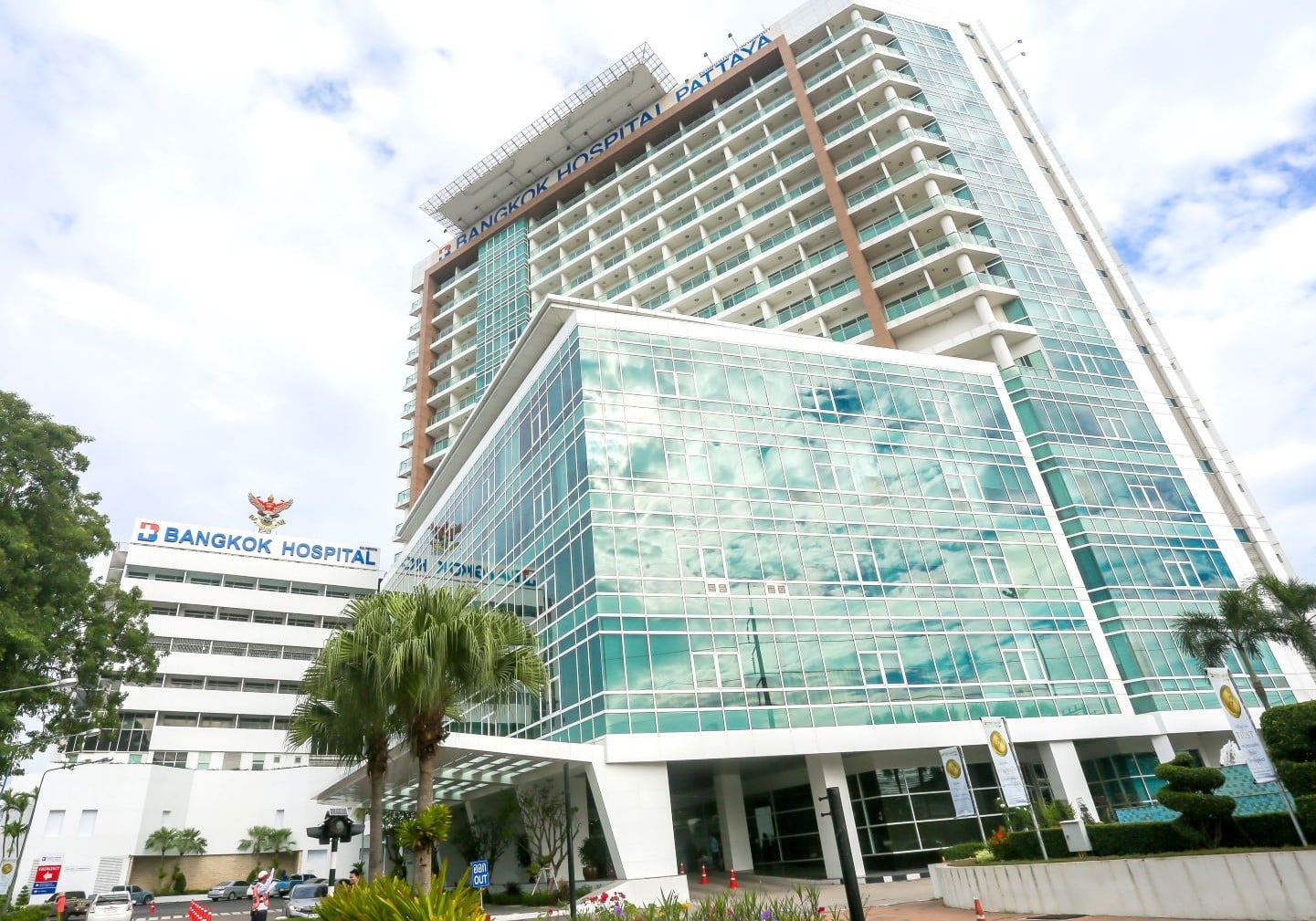
رؤية خبراء Bookimed: من الأفضل إدارة حالات الأعصاب المعقدة في المراكز ذات الكثافة العالية والحاصلة على اعتماد اللجنة الدولية المشتركة (JCI). يخدم مستشفى بامرونجراد الدولي 1,000,000 مريض سنوياً ويُصنف ضمن أكثر المستشفيات تقدماً من الناحية التكنولوجية في العالم. بالنسبة للمرضى على الساحل الشرقي، يوفر مستشفى بانكوك باتايا مركزاً تشخيصياً رئيسياً. توفر هذه المرافق رعاية متعددة التخصصات للحالات التي تتطلب جراحة أعصاب متقدمة وتصويراً آلياً. وهذا يضمن الدقة أثناء إجراءات وضع التحويلة أو حج القحف.
| تايلاند | تركيا | إسبانيا | |
|---|---|---|---|
| حج القحف | ≈ $11,500 / 391,000฿ | من $8,900 / 302,600฿ | من $32,300 / 1,098,200฿ |
| جراحات استسقاء الرأس ، تحويلات العمليات الجراحية | ≈ $9,500 / 323,000฿ | من $5,300 / 180,200฿ | من $39,100 / 1,329,400฿ |
مزاياك وضماناتك مع Bookimed
أسعار مباشرة
Bookimed لا يضيف رسوماً إضافية على أسعار علاج الاستسقاء الدماغي. الأسعار مأخوذة من قوائم الأسعار الرسمية للعيادات. تدفع مباشرة في العيادة مقابل علاجك عند وصولك إلى البلد.
عيادات وأطباء معتمدون فقط
Bookimed ملتزم بسلامتك. نحن نعمل فقط مع المؤسسات الطبية التي تحافظ على معايير دولية عالية في علاج الاستسقاء الدماغي ولديها التراخيص اللازمة لخدمة المرضى الدوليين في جميع أنحاء العالم.
مساعدة مجانية على مدار الساعة
Bookimed يقدم مساعدة خبراء مجانية. منسق طبي شخصي يدعمك قبل وأثناء وبعد العلاج، ويحل أي مشاكل. لن تكون وحيداً أبداً في رحلة علاج الاستسقاء الدماغي.

منسقك الطبي الشخصي في Bookimed
- يدعمك في كل مرحلة
- المساعدة في اختيار العيادة الطبية المناسبة والطبيب المناسب
- يضمن الوصول السريع والمريح إلى المعلومات
اكتشف أفضل الاستسقاء الدماغي العيادات في تايلاند: 2 خيارات معتمدة والأسعار







مشاركة المحتوى
قصص فيديو من مرضى Bookimed
 Anna Leonova
أسئلة متكررة حول علاج الاستسقاء الدماغي في تايلاند
ما هي خيارات العلاج الرئيسية لاستسقاء الرأس المتاحة في المستشفيات التايلاندية؟
تعالج المستشفيات التايلاندية استسقاء الرأس باستخدام طرق جراحية متقدمة لإدارة السائل النخاعي. تشمل الخيارات الرئيسية وضع تحويلة بطينية صفاقية (VP) وفغر البطين الثالث بالمنظار (ETV). تستخدم مرافق مثل مستشفى بامرونجراد الدولي الذكاء الاصطناعي والتصوير الرقمي لضمان وضع دقيق للصمامات والقسطرة القابلة للبرمجة.
- تحويلة VP: تحول السائل الزائد من بطينات الدماغ إلى البطن لامتصاصه.
- إجراء ETV: يخلق فتحة في قاعدة الجمجمة كبديل بدون تحويلة.
- التصوير التشخيصي: يستخدم التصوير الرقمي والمراقبة الديناميكية العصبية لرسم خريطة لتدفق سائل الدماغ.
- تخصص الأطفال: توفر المراكز إجراء ETV متخصص مع كي الضفيرة المشيمية لحالات حديثي الولادة.
رؤية خبير Bookimed: اختيار مرفق ذو حجم كبير من المرضى يؤثر بشكل كبير على النتائج لإدارة التحويلة مدى الحياة. يعالج مستشفى بامرونجراد الدولي أكثر من مليون مريض سنوياً مع أقسام متخصصة في علوم الأعصاب. تحافظ المراكز الكبيرة مثل مستشفى بانكوك باتايا على معايير JCI التي تضمن بروتوكولات صارمة للوقاية من العدوى بعد الجراحة.
إجماع المرضى: يؤكد المرضى على ضرورة مراقبة علامات انسداد التحويلة مثل الصداع أو القيء. يوصي الكثيرون بسؤال الجراحين عن خبرتهم المحددة في مراجعات التحويلة قبل الالتزام بالإجراء.
ما هي معدلات نجاح علاجات استسقاء الرأس في تايلاند؟
تتراوح معدلات نجاح علاج استسقاء الرأس في تايلاند من 60% إلى 90% للتحويلات القياسية. يُظهر فغر البطين الثالث بالمنظار (ETV) فعالية تتراوح بين 74% إلى 100% لانسدادات معينة. تستخدم المراكز المتخصصة في بانكوك المراقبة الديناميكية العصبية لتحسين الدقة. تعتمد النتائج بشكل كبير على عمر المريض والسبب الكامن وراء الحالة.
- فعالية التحويلة: يبلغ متوسط النجاح السريري للتحويلات البطينية الصفاقية من 60% إلى 90% بشكل عام.
- أداء فغر البطين الثالث بالمنظار (ETV): تصل الإجراءات التنظيرية إلى نجاح بنسبة تصل إلى 100% في حالات تضيق القناة.
- تخفيف الأعراض: أفاد ما بين 80% و 91% من المرضى بتحسن أولي سريع.
- عوامل العمر: معدل النجاح أعلى لدى الأطفال الذين تزيد أعمارهم عن سنة واحدة مقارنة بالرضع.
رؤية خبير Bookimed: تحتل تايلاند المرتبة الخامسة عالمياً في الطلبات الطبية، بقيادة مراكز ذات قدرة عالية مثل مستشفى بامرونجراد الدولي. تعالج هذه المنشأة أكثر من مليون مريض سنوياً من خلال 70 قسماً متخصصاً. وتؤكد اعتمادات JCI وGHA أن وحدات جراحة الأعصاب المتخصصة تتعامل مع المراجعات المعقدة ببروتوكولات سلامة قياسية.
إجماع المرضى: يؤكد المرضى أن التحويلات تتطلب مراقبة طويلة الأمد لأنها قد تفشل بشكل متوقع. ويوصون بالحصول على آراء ثانية حول الأهلية لإجراء فغر البطين الثالث بالمنظار (ETV) قبل الالتزام بوضع تحويلة دائمة.
ما هي المخاطر أو المضاعفات الشائعة المرتبطة بجراحة استسقاء الرأس في تايلاند؟
تتبع جراحة استسقاء الرأس في تايلاند معايير سلامة دولية صارمة. تشمل المخاطر الشائعة فشل التحويلة الميكانيكية أو العدوى في الأشهر القليلة الأولى. تستخدم المراكز المتخصصة تصويرًا متقدمًا ومساعدة روبوتية. تساعد هذه الأدوات الجراحين على وضع التحويلات بدقة وتقليل خطر الإصابة الوعائية أثناء الإجراءات التنظيرية.
- المشاكل الميكانيكية: يحدث فشل أو إزاحة التحويلة في حوالي 50% من الحالات خلال عامين.
- خطر العدوى: يؤثر الاستعمار البكتيري في موقع الشق على حوالي 5-10% من المرضى الجراحيين.
- توازن التصريف: قد يسبب التصريف الناقص أو الزائد أورامًا دموية تحت الجافية أو متلازمة البطين المشقوق.
- السلامة العصبية: ينطوي فغر البطين الثالث بالتنظير على خطر منخفض للإصابة بمشاكل هرمونية أو في الذاكرة.
رؤية خبير Bookimed: تركز المراكز الطبية التايلاندية بشكل كبير على البنية التحتية لمنع المضاعفات طويلة المدى. يدير مستشفى بامرونجراد الدولي مليون مريض سنويًا باستخدام تكنولوجيا المباني الذكية والسجلات الصحية الإلكترونية. يضمن هذا التكامل الرقمي تتبعًا دقيقًا لوضع التحويلة ويقلل من معدل التسرب في رعاية المتابعة الحرجة.
إجماع المرضى: يؤكد المرضى على الحاجة إلى فحوصات منتظمة وتتبع أعراض الصداع اليومية بعد الجراحة. كما يشيرون إلى أن حمل معلومات مفصلة عن التحويلة أمر ضروري للسلامة عند السفر إلى المنزل.
ما هي المدة المعتادة للإقامة في المستشفى وفترة التعافي بعد جراحة استسقاء الرأس في تايلاند؟
عادة ما يبقى المرضى في تايلاند من 3 إلى 7 أيام في المستشفى لإجراء جراحة استسقاء الرأس. يحدث الاستقرار الأولي في غضون 72 ساعة في المراكز المعتمدة من قبل اللجنة الدولية المشتركة (JCI). يستغرق التعافي الكامل لإجراءات التحويلة (shunt) عمومًا من 4 إلى 8 أسابيع. يستأنف معظم المرضى النشاط الخفيف في غضون 14 يومًا.
- الإقامة لتحويلة البطين الصفاقي (VP shunt): يقضي معظم المرضى من 3 إلى 4 أيام للمراقبة.
- الإقامة لإجراء فغر البطين الثالث بالمنظار (ETV): يتطلب هذا الإجراء عادةً إقامة أقصر تتراوح من 2 إلى 3 أيام.
- التئام الجروح: يجب أن تظل الشقوق جافة لمدة 10 إلى 14 يومًا حتى يتم إزالة الغرز.
- حدود النشاط: تجنب رفع أثقال تزيد عن 4.5 كجم (10 أرطال) لمدة 6 إلى 8 أسابيع.
- سلامة السفر: عادةً ما يسمح الجراحون للمرضى بالسفر جوًا بعد أسبوعين من الجراحة.
رؤية خبير Bookimed: البنية التحتية لجراحة الأعصاب في تايلاند ضخمة. يخدم مستشفى بامرونجراد الدولي وحده أكثر من 1,000,000 مريض سنويًا. في حين يتوقع بعض المرضى زيارات قصيرة، فإن الحجم الكبير للحالات الدولية يعني أن العيادات غالبًا ما تقترح إقامة لا تقل عن 5 أيام. وهذا يضمن معايرة ضغط التحويلة بشكل مثالي قبل رحلة طيران طويلة إلى الوطن.
إجماع المرضى: يؤكد المرضى على أهمية مراقبة العلامات المبكرة للعدوى مثل الحمى أو الاحمرار خلال الشهر الأول. يشير الكثيرون إلى أنه على الرغم من قدرتهم على المشي على الفور تقريبًا، إلا أن التعب استمر لما يقرب من ثمانية أسابيع.
ما الذي يجب على المرضى الدوليين البحث عنه عند اختيار مستشفى تايلاندي لعلاج استسقاء الرأس؟
يجب على المرضى الدوليين اختيار المستشفيات التايلاندية الحاصلة على اعتماد اللجنة الدولية المشتركة (JCI) وأقسام الأعصاب المتخصصة. تشمل الميزات ذات الأولوية الخبرة في جراحة الأعصاب في فغر البطينات الثالث بالمنظار ووضع التحويلات القابلة للبرمجة. تستخدم المراكز ذات الحجم الكبير مثل مستشفى بامرونجراد الدولي الملاحة الروبوتية والذكاء الاصطناعي لضمان نتائج جراحية دقيقة.
- اعتماد المستشفى: اللجنة الدولية المشتركة (JCI) هي المعيار الذهبي للسلامة.
- التكنولوجيا الجراحية: ابحث عن الملاحة الروبوتية والتصوير الرقمي لوضع التحويلة.
- حجم المرضى: تدير المراكز الكبرى أكثر من مليون مريض سنويًا للحصول على نتائج أفضل.
- وحدات متخصصة: تأكد من أن المنشأة لديها وحدة عناية مركزة (ICU) مخصصة لجراحة الأعصاب.
رؤية خبير Bookimed: تحتل تايلاند المرتبة الخامسة عالميًا في الطلبات الطبية. تظهر البيانات فجوة كبيرة في الجودة بين بانكوك والعيادات الإقليمية. توظف المراكز الكبرى مثل بامرونجراد أكثر من 1300 طبيب وتستخدم تكنولوجيا المباني الذكية. يرى المرضى الذين يحتاجون إلى جراحة أعصاب معقدة نجاحًا أكبر في هذه المرافق الضخمة. إنها توفر بنية تحتية لا يمكن للمستشفيات الإقليمية الأصغر مطابقتها.
إجماع المرضى: يؤكد المرضى على الحاجة إلى فواتير مفصلة لتجنب التكاليف غير المتوقعة. يوصي الكثيرون باختيار المستشفيات الموجودة في بانكوك بدلاً من العيادات الإقليمية للحصول على مراقبة أفضل بعد الجراحة ورعاية على مدار الساعة طوال أيام الأسبوع.