الاستسقاء الدماغي العلاج في كوريا الجنوبية - التكاليف 2026


تمت مراجعة المقالة طبيا من قبل
فهد مولود
ما هي تكلفة الاستسقاء الدماغي إجراءات التشخيص والعلاج في كوريا الجنوبية؟ اعرف الآن
من $53. تعتمد النفقات الإجمالية على عمر المريض والتعقيد السريري. يجد معظم المرضى الدوليين توفيرًا بنسبة 30-50% مقارنة بالولايات المتحدة. وتعد سيول وإنشيون وبوندانغ المراكز الرئيسية لرعاية جراحة الأعصاب.
تكاليف علاج استسقاء الرأس النموذجية في جمهورية كوريا
- استشارة جراح أعصاب: من $53
- استشارة طبيب أعصاب: من $55
- حج القحف: من $20,000
رؤية خبراء Bookimed: بالنسبة للحالات المعقدة لدى الأطفال، تُعد مراكز مثل مستشفى سيفيرانس مثالية نظرًا لعياداتها التخصصية المتعددة التخصصات للأطفال. يستفيد المرضى الذين يحتاجون إلى سلامة جراحية متقدمة من مستشفى جامعة سيول الوطنية في بوندانغ (SNUBH)، الذي يستخدم نظام BESTcare لتقليل الأخطاء الطبية. إذا كانت الخبرة ذات الحجم الكبير أولوية، فإن مركز آسان الطبي يجري أكثر من 65,000 عملية جراحية سنويًا بتقييم 4.5 نجوم من المرضى. يقدم جراحون متخصصون للغاية مثل دو هيون نام في مركز سامسونج الطبي خبرة محددة في كل من جراحة الأعصاب بالمنظار وجراحة أعصاب الأطفال.
| كوريا الجنوبية | تركيا | إسبانيا | |
|---|---|---|---|
| حج القحف | من $20,000 | من $8,900 | من $32,400 |
| جراحات استسقاء الرأس ، تحويلات العمليات الجراحية | ≈ $12,000 | من $5,300 | من $39,200 |
مزاياك وضماناتك مع Bookimed
أسعار مباشرة
Bookimed لا يضيف رسوماً إضافية على أسعار علاج الاستسقاء الدماغي. الأسعار مأخوذة من قوائم الأسعار الرسمية للعيادات. تدفع مباشرة في العيادة مقابل علاجك عند وصولك إلى البلد.
عيادات وأطباء معتمدون فقط
Bookimed ملتزم بسلامتك. نحن نعمل فقط مع المؤسسات الطبية التي تحافظ على معايير دولية عالية في علاج الاستسقاء الدماغي ولديها التراخيص اللازمة لخدمة المرضى الدوليين في جميع أنحاء العالم.
مساعدة مجانية على مدار الساعة
Bookimed يقدم مساعدة خبراء مجانية. منسق طبي شخصي يدعمك قبل وأثناء وبعد العلاج، ويحل أي مشاكل. لن تكون وحيداً أبداً في رحلة علاج الاستسقاء الدماغي.

منسقك الطبي الشخصي في Bookimed
- يدعمك في كل مرحلة
- المساعدة في اختيار العيادة الطبية المناسبة والطبيب المناسب
- يضمن الوصول السريع والمريح إلى المعلومات
اكتشف أفضل الاستسقاء الدماغي العيادات في كوريا الجنوبية: 8 خيارات معتمدة والأسعار









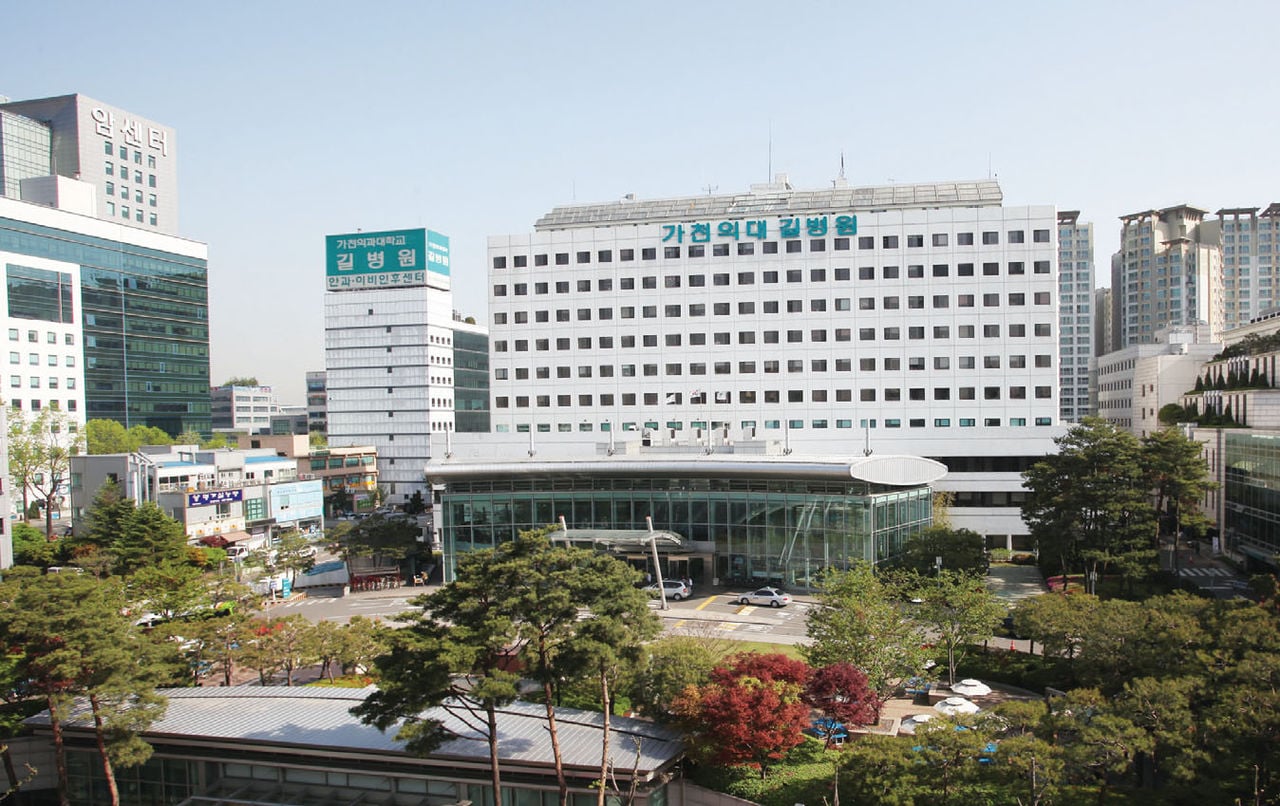




Bumin Hospital Seoul
احصلوا على تقييم طبي لـ الاستسقاء الدماغي في كوريا الجنوبية: استشيروا أطباء ذوي خبرة الآن
عرض جميع الأطباء
An Song-yeol

Do Hyun Nam
يتخصص الدكتور دو هيون نام في جراحات استسقاء الرأس بالمنظار، ويُعد من بين أفضل جراحي الأعصاب للأطفال والبالغين في كوريا الجنوبية.
- خبرة في أورام المخ الحميدة والخبيثة
- يعمل في مركز سامسونج الطبي
- ماهر في تقنيات الجراحة الإشعاعية
مشاركة المحتوى
قصص فيديو من مرضى Bookimed
 Anna Leonova
أسئلة متكررة حول علاج الاستسقاء الدماغي في كوريا الجنوبية
ما هي أفضل المستشفيات في كوريا الجنوبية لعلاج استسقاء الرأس؟
تشمل أفضل المستشفيات لعلاج استسقاء الرأس في كوريا الجنوبية مركز أسان الطبي (Asan Medical Center)، ومستشفى سيفيرانس (Severance Hospital)، ومركز سامسونج الطبي (Samsung Medical Center). تتخصص هذه المرافق المعتمدة من قبل اللجنة الدولية المشتركة (JCI) في وضع التحويلات (shunts) وجراحة فغر البطين الثالث بالمنظار. وهي تستخدم أنظمة رقمية متقدمة لضمان الدقة الجراحية ومعدلات نجاح عالية.
- مركز أسان الطبي: أكبر مركز يتعامل مع الحالات المعقدة للبالغين والأطفال في سيول.
- مركز سامسونج الطبي: مشهور بالجراحات بالمنظار التي يجريها خبراء مثل الدكتور دو هيون نام.
- مستشفى سيفيرانس: رائد معتمد من JCI في أبحاث استسقاء الرأس ذي الضغط الطبيعي وجراحات التحويل.
- بروتوكولات السلامة الرقمية: يستخدم مستشفى جامعة سيول الوطنية (SNUBH) نظام BESTcare لتقليل المخاطر أثناء إجراءات جراحة الأعصاب.
- جراحو أعصاب متخصصون: من بين الخبراء الرائدين الدكتور تشانغ جين كيم والدكتور دو هون كوون.
رؤية خبير Bookimed: يعد حجم المرضى مؤشراً رئيسياً على الجودة في كوريا الجنوبية. على سبيل المثال، يجري مستشفى جامعة سيول الوطنية أكثر من 600 جراحة أعصاب للأطفال سنوياً. اختيار مراكز ذات حجم كبير مثل سيفيرانس أو SNUBH يعني عادةً بروتوكولات سلامة أكثر توحيداً ومخاطر أقل لإجراءات التحويل.
إجماع المرضى: يؤكد المرضى على أهمية العثور على جراحين يتمتعون بمعدلات نجاح عالية في جراحة فغر البطين الثالث بالمنظار لتجنب التحويلات الدائمة قدر الإمكان. كما يشيرون إل
ما هي معدلات النجاح والفشل لجراحة التحويلة (shunt) في كوريا؟
تُظهر جراحة التحويلة في كوريا الجنوبية فعالية سريرية عالية مع معدلات فشل مستقرة تبلغ حوالي 11.3%. تشير الدراسات الوطنية واسعة النطاق إلى تحسن قصير المدى لدى 83.5% من المرضى. يظل الاستقرار على المدى الطويل مرتفعاً، حيث يحافظ 93.3% من المرضى على وظائفهم المحسنة بعد عام واحد من الإجراء.
- النجاح حسب الحالة: تصل الاستجابة السريرية لاستسقاء الرأس بضغط طبيعي إلى 70.1% بعد عام واحد.
- معدل جراحة المراجعة: تشير البيانات الواردة من المراكز الأكاديمية الكبرى إلى معدل مراجعة ثابت قدره 11.4%.
- نتائج الأورام على المدى الطويل: تظل معدلات النجاح لمرضى أورام المخ الذين يعتمدون على التحويلة عند 67% بعد 10 سنوات.
- السلامة والعدوى: معدلات العدوى منخفضة بشكل ملحوظ، حيث تم الإبلاغ عنها بنسبة 3.6% في سلاسل كورية محددة.
رؤية خبير Bookimed: ترتبط التصنيفات السريرية العالية لكوريا الجنوبية، بما في ذلك المرتبة السادسة عالمياً، بأحجام المرضى الهائلة في مؤسسات مثل مستشفى سيفيرانس. تتعامل هذه المنشأة مع 1.6 مليون مريض خارجي سنوياً. غالباً ما تحقق المراكز ذات الحجم الكبير دقة أفضل، كما يظهر في معدلات العدوى المنخفضة التي تم الإبلاغ عنها في مركز أسان الطبي. بالنسبة لجراحة الأعصاب، يعني هذا الحجم خبرة كبيرة للجراحين في التعامل مع تعديلات الصمامات المعقدة.
كيف تبدو عملية التعافي بعد جراحة استسقاء الرأس في كوريا؟
يتضمن التعافي بعد جراحة استسقاء الرأس في كوريا إقامة في المستشفى لمدة 3 إلى 4 أيام. يخضع المرضى عادةً لمراقبة فورية لمدة 24 إلى 36 ساعة. يستخدم جراحو الأعصاب الكوريون تحويلات قابلة للبرمجة وتقنيات تنظيرية. عادةً ما يتم العودة الكاملة إلى الأنشطة اليومية في غضون 4 أسابيع بعد الخروج من المستشفى.
- الإقامة في المستشفى: توقع البقاء من 3 إلى 7 أيام في جناح جراحة الأعصاب لمراقبة الضغط.
- حدود النشاط: تجنب رفع أثقال تزيد عن 5 كجم لمدة لا تقل عن 6 إلى 8 أسابيع.
- الجدول الزمني للأعراض: عادة ما تخف الصداع في غضون أسبوعين بينما يتحسن التوازن على مدار 6 أسابيع.
- تعديلات الضغط: غالبًا ما تتطلب التحويلات القابلة للبرمجة من 1 إلى 3 تعديلات غير جراحية في غضون أشهر.
رؤية خبير Bookimed: تجري المراكز ذات الحجم الكبير مثل مركز أسان الطبي أكثر من 65,000 عملية سنويًا. يضمن هذا الحجم الجراحي الهائل أن يكون جراحو الأعصاب بارعين للغاية في وضع التحويلات. من المرجح أن تمتلك المؤسسات الكبيرة دعمًا فنيًا على مدار الساعة طوال أيام الأسبوع لتعديلات التحويلات القابلة للبرمجة. تقلل هذه البنية التحتية بشكل كبير من خطر اختلالات الضغط على المدى الطويل.
إجماع المرضى: يلاحظ المرضى أن المشي والذاكرة يستغرقان وقتًا أطول للتحسن مقارنة بالألم الجسدي. يؤكد الكثيرون على أهمية تجهيز سجل يومي للأعراض لموعد المتابعة الأول.
ما هي التقنيات المتقدمة المتاحة لجراحة استسقاء الرأس في كوريا؟
تستخدم مراكز جراحة الأعصاب في كوريا الجنوبية الملاحة الرقمية والأنظمة المتكاملة مع الذكاء الاصطناعي لعلاج استسقاء الرأس. تشمل هذه التقنيات وضع التحويلة بمساعدة الروبوت وفغر البطين الثالث بالمنظار (ETV). تستخدم مرافق مثل مستشفى جامعة سيول الوطنية في بوندانغ (SNUBH) بنى تحتية رقمية شاملة لتحسين الدقة والسلامة الجراحية.
- جراحة الأعصاب بالمنظار: يستخدم فغر البطين الثالث بالمنظار طفيف التوغل الليزر لتجاوز انسدادات السوائل دون الحاجة إلى غرسات.
- الملاحة العصبية: تراقب الخرائط ثلاثية الأبعاد المدعومة بالذكاء الاصطناعي المسارات الجراحية في الوقت الفعلي أثناء الإجراءات.
- الصمامات القابلة للبرمجة: تقوم الأدوات المغناطيسية بضبط ضغط تصريف السوائل بشكل غير جراحي بعد الجراحة.
- البنية التحتية الرقمية: تقلل أنظمة مثل BESTcare في SNUBH من الأخطاء في بروتوكولات جراحة الأعصاب المعقدة.
رؤية خبير Bookimed: تظهر البيانات اتجاهاً واضحاً نحو التكامل الرقمي في سيول. في حين تقدم العديد من العيادات عمليات التحويل، يبرز مستشفى جامعة سيول الوطنية في بوندانغ (SNUBH) كأول مستشفى رقمي في البلاد. تم تصميم نظام BESTcare الخاص بهم خصيصاً لتقليل الأخطاء الطبية. هذا عامل حاسم للمرضى الذين يحتاجون إلى تدخلات جراحية عصبية معقدة ومتعددة المراحل.
إجماع المرضى: يشير المرضى إلى أهمية اختيار العيادات التي تقدم خيارات صمامات متنوعة. إنهم يقدرون القدرة على ضبط ضغط التصريف دون الخضوع لعمليات جراحية متكررة.
كم من الوقت سأحتاج للبقاء في كوريا الجنوبية لإجراء جراحة استسقاء الرأس؟
يحتاج المرضى عادةً من 14 إلى 21 يومًا في كوريا الجنوبية لإجراء جراحة استسقاء الرأس. تغطي هذه الفترة الاستشارات قبل الجراحة، وإقامة في المستشفى لمدة تتراوح بين 4 إلى 10 أيام، والمراقبة الأساسية بعد الخروج. يفرض الجراحون هذا الإطار الزمني للتأكد من وظيفة التحويلة (shunt) وضمان السلامة قبل السفر لمسافات طويلة.
- مدة الإقامة في المستشفى: تستغرق معظم حالات الإقامة الداخلية من 4 إلى 10 أيام لإجراءات التحويل.
- المراقبة الحرجة: ابقَ لمدة 14 يومًا على الأقل بعد الجراحة لمراقبة أي تسرب للسائل النخاعي.
- تصريح الطيران: يسمح الجراحون عادةً للمرضى بالسفر دوليًا بعد 10 أيام من العملية.
- فترة التعافي: خصص 21 يومًا إجمالاً لحضور فحوصات المتابعة وفحوصات الجرح النهائية.
رؤية خبير Bookimed: تعطي المراكز ذات الكثافة العالية مثل مستشفى سيفيرانس ومستشفى جامعة سيول الوطنية في بوندانغ الأولوية لأنظمة السلامة الرقمية لمنع الأخطاء بعد الجراحة. تشير البيانات إلى اختيار منشأة تجري أكثر من 30,000 عملية سنويًا، حيث تمتلك هذه المراكز عادةً بروتوكولات أكثر انسيابية لاستقرار تدفق التحويلة خلال الأيام السبعة الأولى.
إجماع المرضى: يؤكد المرضى على أهمية البقاء لمدة ثلاثة أسابيع كاملة لأن العودة إلى الوطن مبكرًا قد تؤدي إلى إعادة الإدخال للطوارئ. كما يشيرون إلى أن هناك حاجة إلى 10 أيام كحد أدنى لمراقبة الحمى أو أي عدوى محتملة.