الاستسقاء الدماغي العلاج في المكسيك - التكاليف 2026


تمت مراجعة المقالة طبيا من قبل
فهد مولود
ما هي تكلفة الاستسقاء الدماغي إجراءات التشخيص والعلاج في المكسيك؟ اعرف الآن
| المكسيك | تركيا | إسبانيا | |
|---|---|---|---|
| حج القحف | من $12,000 | من $8,900 | من $32,500 |
| جراحات استسقاء الرأس ، تحويلات العمليات الجراحية | ≈ $9,500 | من $6,100 | من $39,400 |
مزاياك وضماناتك مع Bookimed
أسعار مباشرة
Bookimed لا يضيف رسوماً إضافية على أسعار علاج الاستسقاء الدماغي. الأسعار مأخوذة من قوائم الأسعار الرسمية للعيادات. تدفع مباشرة في العيادة مقابل علاجك عند وصولك إلى البلد.
عيادات وأطباء معتمدون فقط
Bookimed ملتزم بسلامتك. نحن نعمل فقط مع المؤسسات الطبية التي تحافظ على معايير دولية عالية في علاج الاستسقاء الدماغي ولديها التراخيص اللازمة لخدمة المرضى الدوليين في جميع أنحاء العالم.
مساعدة مجانية على مدار الساعة
Bookimed يقدم مساعدة خبراء مجانية. منسق طبي شخصي يدعمك قبل وأثناء وبعد العلاج، ويحل أي مشاكل. لن تكون وحيداً أبداً في رحلة علاج الاستسقاء الدماغي.

منسقك الطبي الشخصي في Bookimed
- يدعمك في كل مرحلة
- المساعدة في اختيار العيادة الطبية المناسبة والطبيب المناسب
- يضمن الوصول السريع والمريح إلى المعلومات
اكتشف أفضل الاستسقاء الدماغي العيادات في المكسيك: 2 خيارات معتمدة والأسعار



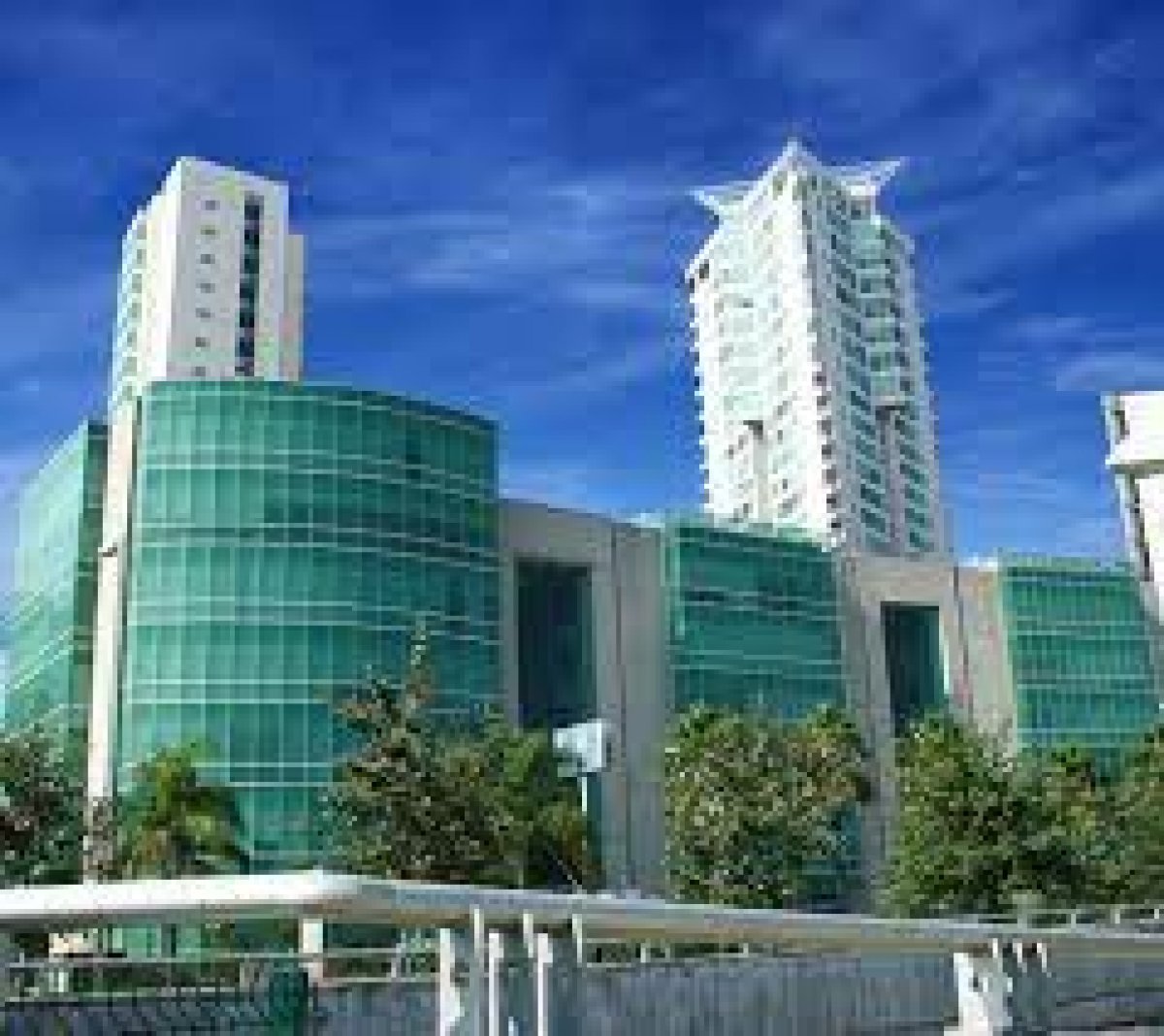
GDL High Specialty Neurosurgery
مشاركة المحتوى
قصص فيديو من مرضى Bookimed
 Anna Leonova
أسئلة متكررة حول علاج الاستسقاء الدماغي في المكسيك
ما هي الخيارات الجراحية الأساسية لعلاج استسقاء الرأس في المكسيك؟
تشمل الخيارات الجراحية القياسية في المكسيك وضع تحويلة بطينية صفاقية (ventriculoperitoneal shunt) وفغر البطين الثالث بالمنظار. يقوم جراحو الأعصاب في مرافق مثل مستشفى دي لا فاميليا (Hospital de la Familia) بإجراء هذه العمليات. تتوفر العلاجات في مراكز مثل مكسيكالي وغوادالاخارا. تستخدم معظم العمليات الجراحية صمامات قابلة للبرمجة متطورة للتحكم في السوائل.
- جراحة التحويلة (Shunt): زرع أنابيب مرنة لتصريف السوائل من بطينات الدماغ إلى البطن.
- فغر البطين بالمنظار: نهج طفيف التوغل لإنشاء فتحة لتجاوز انسداد السوائل دون الحاجة إلى غرسات.
- إجراءات المراجعة: جراحات حيوية لاستبدال أو إصلاح التحويلات في حالة حدوث انسداد أو عدوى.
- التشخيص المتخصص: تستخدم مراكز مثل GDL High Specialty Neurosurgery تقنيات التصوير بالرنين المغناطيسي المتقدمة للتخطيط الجراحي.
رؤية خبير Bookimed: غالبًا ما يشير حجم المرضى إلى خبرة متخصصة في الحالات العصبية المعقدة. يعالج مركز GDL High Specialty Neurosurgery ما يقرب من 700 مريض كل عام. يشير هذا الحجم الكبير إلى معرفة عميقة بأشكال استسقاء الرأس المختلفة. يمكن أن يكون اختيار العيادات ذات الإقبال الكبير للمرضى مؤشرًا قويًا على الموثوقية الجراحية.
إجماع المرضى: يقدر العديد من المرضى الحصول على وصول أسرع إلى التحويلات القابلة للبرمجة في المكسيك. غالبًا ما يقترحون تتبع الأعراض في مذكرات لاكتشاف العلامات المبكرة لمشاكل التحويلة.
ما هي المدن المكسيكية التي تقدم أقوى البرامج الجراحية العصبية لعلاج استسقاء الرأس؟
تتصدر مكسيكو سيتي وغوادالاخارا ومونتيري المكسيك في الرعاية الجراحية العصبية لاستسقاء الرأس. تتميز هذه المراكز بمؤسسات حاصلة على اعتماد اللجنة الدولية المشتركة (JCI). توفر المراكز المتخصصة جراحات التحويل (shunt) وبضع القحف. كما تقدم المرافق في مكسيكالي برامج معترف بها بالقرب من حدود كاليفورنيا.
- مكسيكو سيتي: تضم مستشفيات من المستوى الثالث معتمدة من JCI مثل مستشفى ميديكا سور.
- غوادالاخارا: موطن لمركز GDL للجراحة العصبية عالية التخصص الذي يعالج 690 مريضاً سنوياً.
- مونتيري: تقدم برامج متقدمة في مرافق معتمدة من JCI مثل مستشفى سان خوسيه.
- مكسيكالي: تضم عيادات معتمدة من مجلس الصحة العام (CSG) للجراحات العصبية الاختيارية.
رؤية خبير Bookimed: بينما تعد مكسيكو سيتي ومونتيري مراكز ذات حجم كبير، تعمل غوادالاخارا كوجهة رئيسية للجراحة العصبية. يدير مركز GDL للجراحة العصبية عالية التخصص ما يقرب من 700 مريض سنوياً مع فرق جراحية مركزة. يشير هذا الحجم إلى إلمام عالٍ بالإجراءات وهو أمر حيوي لاستقرار التحويلة.
إجماع المرضى: يشير المرضى إلى أن مراكز المستشفيات الراسخة في مونتيري ومكسيكو سيتي مفضلة على المدن الحدودية الصغيرة. يؤكد الكثيرون على ضرورة التأكد من أن الموظفين يتحدثون الإنجليزية ويتبعون بروتوكولات رعاية لاحقة منظمة.
ما هي المدة النموذجية للإقامة في المستشفى والتعافي قبل السفر بعد جراحة استسقاء الرأس؟
تستمر الإقامات القياسية في المستشفى بعد جراحة استسقاء الرأس في المكسيك من 2 إلى 4 أيام. يجب على المرضى الانتظار من 1 إلى 3 أسابيع قبل السفر جوًا. تضمن هذه الفترة استقرار الضغط داخل الجمجمة وعمل التحويلة بشكل صحيح. يلزم استقرار الحالة العصبية قبل المغادرة لضمان سلامة المريض.
- المراقبة في المستشفى: يراقب الجراحون العلامات الحيوية لمدة 24 ساعة بعد العملية.
- الخروج من المستشفى: يغادر معظم المرضى بعد 48 إلى 96 ساعة.
- الرحلات الجوية القصيرة: غالبًا ما يكون السفر المحلي آمنًا بعد 7 إلى 10 أيام.
- السفر الدولي: تتطلب الرحلات الجوية الطويلة انتظارًا لمدة 2 إلى 3 أسابيع.
- التئام الجروح: تقوم الفرق الطبية عادةً بإزالة الدبابيس بعد 14 يومًا من الجراحة.
رؤية خبير Bookimed: توفر العيادات المكسيكية مثل مستشفى دي لا فاميليا ميزة لوجستية لأمريكا الشمالية. يسمح موقعها بالقرب من حدود كاليفورنيا للمرضى بتجنب السفر الجوي الفوري. يختار الكثيرون السفر برًا إلى مدن أمريكية قريبة بعد إقامة قصيرة. هذا يقلل من المخاطر المتعلقة بتغيرات ضغط المقصورة أثناء التعافي المبكر.
إجماع المرضى: يشير المرضى إلى أن 4 أسابيع هي حد أكثر أمانًا للرحلات الجوية الطويلة. أبلغ البعض عن صداع عند السفر في وقت مبكر جدًا. ويؤكدون على أهمية الحصول على تصريح طبي مكتوب من الجراح قبل العودة إلى المنزل.
هل المستشفيات المكسيكية الرائدة معتمدة دوليًا لرعاية جراحة الأعصاب؟
تحمل المستشفيات المكسيكية الرائدة اعتمادات دولية لرعاية جراحة الأعصاب. تحافظ المرافق الكبرى على معايير اللجنة الدولية المشتركة (JCI) للسلامة والجودة. توفر هذه المراكز علاجات متقدمة لاستسقاء الرأس مثل جراحات التحويل (shunt). غالبًا ما يصل المرضى الدوليون إلى هذه المستشفيات المعتمدة في مدن مثل مكسيكالي ومونتيري ومكسيكو سيتي.
- اعتماد المستشفيات: تحافظ العديد من المرافق الخاصة من الدرجة الأولى على شهادة المعيار الذهبي للجنة الدولية المشتركة (JCI).
- المعايير الوطنية: يقوم المجلس العام للصحة (CSG) باعتماد المؤسسات لتقديم خدمات طبية عالية الجودة.
- الأقسام المتخصصة: تتميز المستشفيات المعتمدة بمناطق مخصصة لعلم الأعصاب لإجراءات الدماغ والعمود الفقري المعقدة.
- المواقع الاستراتيجية: تقع مراكز جراحة الأعصاب الرائدة في مكسيكالي ومونتيري وتيخوانا وغوادالاخارا.
رؤية خبير Bookimed: بينما يركز الكثيرون فقط على JCI، ابحث عن عيادات مثل Hospital de la Familia التي تحمل اعتماد CSG. يراقب هذا المعيار الوطني بشكل خاص سلامة المرضى داخل المرافق المكسيكية. تظهر بياناتنا أن GDL High Specialty Neurosurgery تخدم ما يقرب من 700 مريض سنويًا. غالبًا ما يشير الحجم الكبير إلى خبرة عميقة في الإجراءات المتخصصة مثل تحويل استسقاء الرأس.
إجماع المرضى: يشير المرضى إلى أن المستشفيات المكسيكية المعتمدة توفر وصولاً أسرع بكثير إلى أجهزة التحويل القابلة للبرمجة المتقدمة مقارنة بالدول الأخرى. يؤكد الناس على اختيار المرافق التي تم التحقق منها من قبل JCI بدلاً من ا
ما هو جدول المتابعة المطلوب بمجرد عودتي إلى المنزل، وهل يمكن للجراحين المكسيكيين تقديم دعم افتراضي؟
يتبع المرضى جدولاً قياسياً يبدأ بفحص بعد أسبوع إلى أسبوعين من الجراحة. تستمر المراقبة الشهرية لمدة 3 أشهر. غالباً ما يقدم جراحو الأعصاب المكسيكيون دعماً افتراضياً من خلال أدوات آمنة مثل واتساب وزوم. وهذا يسمح بالفحص عن بُعد للشقوق الجراحية ومراقبة الأعراض.
- الفحص الأولي: مراجعة التئام الجروح والألم بعد أسبوع إلى أسبوعين من العودة.
- معلم الثلاثة أشهر: إجراء تقييمات افتراضية للتقدم العصبي وأداء التحويلة.
- المراجعة السنوية: إكمال تقييم كامل للصحة والاستقرار بعد 12 شهراً.
- قنوات الرعاية الصحية عن بُعد: يستخدم الجراحون مكالمات الفيديو الآمنة ومراجعات الصور للشقوق الجراحية.
رؤية خبير Bookimed: تستفيد عيادات مثل مستشفى دي لا فاميليا من قربها من الحدود. وهذا يسمح بنموذج رعاية هجين. غالباً ما يجمع المرضى بين الاستشارات الافتراضية والزيارات الجسدية السريعة في حال ظهور مشاكل. يخدم المتخصصون في مؤسسات مثل GDL لجراحة الأعصاب عالية التخصص 690 مريضاً سنوياً. وغالباً ما يوفرون اتصالاً مباشراً عبر الهاتف المحمول للاستفسارات العصبية الجراحية العاجلة بعد العملية.
إجماع المرضى: يوصي المرضى بتأمين الاتصال الشخصي بجراحك لمراجعات الصور السريعة. يقترح معظمهم وجود طبيب أعصاب محلي جاهز لإجراء الفحوصات فور عودتك إلى المنزل.
من هو المرشح لإجراء فغر البطينات الثالث بالمنظار (ETV) مقابل وضع تحويلة بطينية صفاقية (VP shunt)؟
البالغون والأطفال الذين تزيد أعمارهم عن عامين والمصابون باستسقاء الرأس الانسدادي هم المرشحون الأساسيون لإجراء فغر البطينات الثالث بالمنظار (ETV). يعالج هذا الإجراء الانسدادات الجسدية مثل تضيق المسال. يفضل الأطباء التحويلات البطينية الصفاقية (VP shunts) لاستسقاء الرأس التواصلي. تعتبر التحويلات هي المعيار للرضع دون سن 6 أشهر بسبب ارتفاع معدلات النجاح.
- استسقاء الرأس الانسدادي: تعمل ETV بشكل أفضل عندما تقوم الأورام أو الخراجات بسد تدفق السوائل جسديًا.
- معايير العمر: يرى المرضى الذين تزيد أعمارهم عن عامين نجاحًا أعلى بكثير في ETV مقارنة بالرضع.
- استسقاء الرأس التواصلي: تكون التحويلات البطينية الصفاقية مطلوبة عندما تكون المشكلة في امتصاص السوائل.
- اعتبارات الأجهزة: تتجنب ETV الغرسات الدائمة بينما تستخدم التحويلات البطينية الصفاقية القسطرة والصمامات.
رؤية خبير Bookimed: تخدم مراكز جراحة الأعصاب المكسيكية مثل GDL High Specialty Neurosurgery ما يقرب من 700 مريض سنويًا. غالبًا ما ترتبط أحجام المرضى المرتفعة بنتائج ETV أفضل. تحافظ المراكز في غوادالاخارا وميكسيكالي على معايير اعتماد CSG صارمة. وهذا يضمن السلامة الجراحية لحالات جراحة الأعصاب المعقدة للأطفال والبالغين.
إجماع المرضى: يؤكد المرضى على أهمية مراجعة التصوير بالرنين المغناطيسي من قبل متخصصين اثنين لتأكيد الملاءمة التشريحية لـ ETV. يختار الكثيرون ETV لتجنب التهابات الأجهزة طويلة المدى ولكنهم يستعدون بخطة احتياطية للتحويلة.