ورم كهفي العلاج في كوريا الجنوبية - التكاليف 2026


تمت مراجعة المقالة طبيا من قبل
فهد مولود
ما هي تكلفة ورم كهفي إجراءات التشخيص والعلاج في كوريا الجنوبية؟ اعرف الآن
من $500. تعتمد النفقات الإجمالية على النهج الجراحي، ومكانة المستشفى، وتعقيد الحالة. غالبًا ما يوفر المرضى ما بين 30-50% مقارنة بالولايات المتحدة. تقع أفضل مراكز العلاج في سيول وإنشيون.
تكاليف علاج الورم الوعائي الكهفي النموذجية في جمهورية كوريا
- استشارة جراح أعصاب: من $53
- تصوير الدماغ بالرنين المغناطيسي مع التباين: من $500
- جراحة جاما نايف: من $10,000
رؤية خبراء Bookimed: يجب على المرضى الذين يحتاجون إلى رعاية عالية الدقة اختيار المراكز المعتمدة من اللجنة الدولية المشتركة (JCI) مثل مستشفى سيفيرانس لخبرتها في جراحة الأعصاب. بالنسبة للخيارات غير الجراحية، يعد مركز سامسونج الطبي رائدًا في إجراءات جاما نايف. يقدم مركز أسان الطبي قيمة هائلة كأكبر مستشفى متعدد التخصصات في كوريا الجنوبية. إذا كان تجنب الأخطاء الطبية أولوية، فإن مستشفى جامعة سيول الوطنية (SNUBH) يستخدم نظام BESTcare الرقمي لتعزيز السلامة.
| كوريا الجنوبية | تركيا | إسبانيا | |
|---|---|---|---|
| Gamma Knife جاما نايف | من $10,000 | من $5,500 | من $24,800 |
مزاياك وضماناتك مع Bookimed
أسعار مباشرة
Bookimed لا يضيف رسوماً إضافية على أسعار علاج ورم كهفي. الأسعار مأخوذة من قوائم الأسعار الرسمية للعيادات. تدفع مباشرة في العيادة مقابل علاجك عند وصولك إلى البلد.
عيادات وأطباء معتمدون فقط
Bookimed ملتزم بسلامتك. نحن نعمل فقط مع المؤسسات الطبية التي تحافظ على معايير دولية عالية في علاج ورم كهفي ولديها التراخيص اللازمة لخدمة المرضى الدوليين في جميع أنحاء العالم.
مساعدة مجانية على مدار الساعة
Bookimed يقدم مساعدة خبراء مجانية. منسق طبي شخصي يدعمك قبل وأثناء وبعد العلاج، ويحل أي مشاكل. لن تكون وحيداً أبداً في رحلة علاج ورم كهفي.

منسقك الطبي الشخصي في Bookimed
- يدعمك في كل مرحلة
- المساعدة في اختيار العيادة الطبية المناسبة والطبيب المناسب
- يضمن الوصول السريع والمريح إلى المعلومات
اكتشف أفضل ورم كهفي العيادات في كوريا الجنوبية: 7 خيارات معتمدة والأسعار












احصلوا على تقييم طبي لـ ورم كهفي في كوريا الجنوبية: استشيروا أطباء ذوي خبرة الآن
عرض جميع الأطباء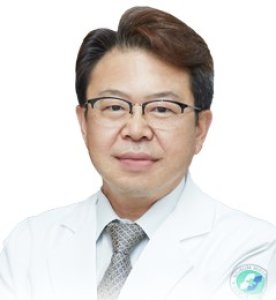
Han Yeongmin
الدكتور هان يونغمين جرّاح أعصاب (MD، PhD). يشغل منصب المدير الطبي ومدير مركز جراحة الأعصاب في مستشفى سانت ماري في إنتشيون. يعالج أمراض الأوعية الدموية الدماغية واضطرابات الأعصاب الطرفية، ويختص أيضًا بأورام الدماغ وجراحة قاعدة الجمجمة. تشمل الحالات السكتة الدماغية والنزف الدماغي والاحتشاء الدماغي ومرض مويا مويا. يجري إجراءات PEN وPNP وSNB. ويقدّم أيضًا الاستئصال المجهري والتنظيري للقرص، واستبدال القرص الصناعي، واندماج العمود الفقري طفيف التوغل/MIS-TLIF، ورأب الفقرة.
نال درجتي الطب والدك
مشاركة المحتوى
قصص فيديو من مرضى Bookimed
 Anna Leonova
أسئلة متكررة حول علاج ورم كهفي في كوريا الجنوبية
ما هي أفضل المستشفيات لعلاج الكهفية (Cavernoma) في كوريا الجنوبية؟
تشمل أفضل المستشفيات الكورية الجنوبية لعلاج الكهفية مركز أسان الطبي (Asan Medical Center)، ومستشفى جامعة سيول الوطنية (SNUH)، ومستشفى سيفيرانس (Severance Hospital). تستخدم هذه المراكز، المعتمدة من اللجنة الدولية المشتركة (JCI) والمصنفة ضمن قائمة نيوزويك، تقنية جاما نايف (Gamma Knife) والجراحة المجهرية. وهي تركز على الآفات الوعائية المعقدة باستخدام الملاحة العصبية لضمان أعلى مستويات الأمان.
- مركز أسان الطبي: أكبر مستشفى متعدد التخصصات في كوريا، ويجري أكثر من 65,000 عملية جراحية سنوياً.
- مستشفى سيفيرانس: منشأة معتمدة من JCI تخدم أكثر من 1.6 مليون مريض خارجي كل عام.
- مستشفى جامعة سيول الوطنية في بوندانغ: رائد في المجال الرقمي ويستخدم نظام BESTcare لتعزيز أمان العمليات الجراحية العصبية.
- التكنولوجيا المتخصصة: توفر المراكز جراحة جاما نايف الإشعاعية وتصوير الرنين المغناطيسي المتقدم لمراقبة الآفات.
رؤية خبير Bookimed: بينما يركز المرضى غالباً على تصنيفات المستشفيات العامة، يوفر التكامل الرقمي في مستشفى جامعة سيول الوطنية بوندانغ ميزة أمان واضحة. يعمل نظام BESTcare الخاص بهم على منع الأخطاء الطبية بفاعلية أثناء جراحات الأعصاب المعقدة. تعد هذه الرقابة التكنولوجية أمراً بالغ الأهمية لحالات الكهفية التي تتطلب تمييزاً دقيقاً للأنسجة.
إجماع المرضى: يؤكد المرضى على أهمية العثور على جراح أعصاب وعائي متخصص بدلاً من مجرد البحث عن مستشفى شهير. من الضروري إحضار أقراص التصوير بالرنين المغناطيسي (MRI) الأصلية للحصول على رأي ثانٍ مفصل حول
ما هو معدل نجاح جراحة الورم الكهفي في كوريا؟
تبلغ مراكز جراحة الأعصاب في كوريا الجنوبية عن معدلات نجاح تصل إلى 92.5% لعلاجات الورم الكهفي. تظهر نتائج الاستئصال الجراحي أن 79.3% من المرضى يحققون الشفاء من النوبات. نجحت جراحة جاما نايف الإشعاعية في تقليل مخاطر النزيف من 22.4% إلى 1.4% في الحالات عالية التعقيد. يضمن التصوير المتقدم إزالة دقيقة للآفة.
- السيطرة على النوبات: يحقق حوالي 79.3% من المرضى نتائج خالية من النوبات بعد الاستئصال.
- تقليل النزيف: تنخفض معدلات النزيف السنوية إلى 1.4% بعد علاج جاما نايف.
- التعافي العصبي: يظهر أكثر من 74% من المرضى تحسناً وظيفياً خلال المتابعة طويلة المدى.
- سلامة الإجراء: يحدث نزيف ما بعد الجراحة في 5.7% فقط من الحالات الجراحية.
رؤية خبير Bookimed: بينما يعتبر النجاح العام مرتفعاً، يعد اختيار مرفق مثل مركز أسان الطبي أو مستشفى جامعة سيول الوطنية أمراً حيوياً للحالات المعقدة. تدير هذه المراكز أحجاماً هائلة من المرضى، حيث يجري مركز أسان أكثر من 65,000 عملية جراحية سنوياً. يخلق هذا التردد العالي بيئة متخصصة تنتج باستمرار نتائج عصبية متفوقة.
إجماع المرضى: يشير المرضى إلى أن النجاح يعتمد بشكل كبير على موقع الآفة. يؤكد الكثيرون على أهمية الحصول على رأي ثانٍ إذا ساءت الأعراض على الرغم من استقرار نتائج التصوير.
هل جراحة جاما نايف الإشعاعية (GKRS) متاحة لعلاج الورم الكهفي في جمهورية كوريا؟
تعد جراحة جاما نايف الإشعاعية علاجاً قياسياً للأورام الكهفية الدماغية في جمهورية كوريا. تستخدم المراكز الكبرى الحاصلة على اعتماد JCI في سيول هذه التقنية غير الغازية للتشوهات الوعائية العميقة. يستخدم جراحو الأعصاب المتخصصون إشعاعاً مركزاً لمنع النزيف المستقبلي في مناطق الدماغ التي يصعب الوصول إليها.
- الدقة الموجهة: توفر جاما نايف جرعات عالية من الإشعاع للتشوهات الكهفية بدقة تحت مليمترية.
- أهلية العلاج: غالباً ما تُخصص الجراحة الإشعاعية للآفات الموجودة في مناطق الدماغ الحساسة أو جذع الدماغ.
- المؤسسات الرائدة: توفر هذه التقنية مرافق مثل مستشفى جامعة سيول الوطنية ومستشفى سيفيرانس.
- بروتوكول التشخيص: يخضع المرضى لتصوير بالرنين المغناطيسي عالي الدقة مع تباين قبل جلسات التخطيط الجراحي.
رؤية خبير Bookimed: تحتل كوريا الجنوبية المرتبة السابعة عالمياً في الطلبات الطبية، ويرجع ذلك جزئياً إلى الحجم السريري الهائل. يتعامل مركز أسان الطبي وحده مع أكثر من 11,800 مريض خارجي يومياً. هذا العبء الكبير من المرضى يعني أن جراحي الأعصاب غالباً ما يجرون آلاف الإجراءات الجراحية الإشعاعية. تساعد هذه التكرار الفرق السريرية على تحسين دقة الاستهداف للحالات الوعائية المعقدة.
هل هناك جراحو أعصاب متخصصون في التشوهات الكهفية؟
يتخصص جراحو الأعصاب الخبراء في الأمراض الوعائية الدماغية في التشوهات الكهفية داخل المراكز الكورية الجنوبية الكبرى. يدير هؤلاء المتخصصون الآفات الوعائية المعقدة باستخدام الاستئصال المجهري أو الجراحة الإشعاعية (Gamma Knife). توفر مرافق مثل مركز أسان الطبي ومستشفى سيفيرانس رعاية عالية الدقة للأورام الكهفية العميقة أو الموجودة في جذع الدماغ.
- خبرة متخصصة: يركز جراحو الأعصاب الوعائية على المخاطر المرتبطة بالنزيف والاستئصال الجراحي.
- تكنولوجيا متقدمة: تستخدم المراكز الكورية الجراحة الإشعاعية (Gamma Knife) لعلاج الآفات بدقة عالية.
- اعتمادات مشتركة: تمتلك المستشفيات الكبرى شهادات (JCI) و(KOIHA) للسلامة.
- حجم عمل مرتفع: يجري مركز أسان الطبي أكثر من 65,000 عملية جراحية سنوياً في أقسام متخصصة.
رؤية خبير Bookimed: بينما يوصي العديد من جراحي الأعصاب العامين بالمراقبة، غالباً ما يقدم المتخصصون الكوريون الجنوبيون في مستشفى جامعة سيول الوطنية توجيهاً أكثر حزماً للآفات العميقة. تظهر بياناتنا أن هذه المستشفيات الكبيرة تتعامل مع أكثر من 10,000 مريض يومياً. يضمن هذا الحجم الهائل أن الجراحين قد واجهوا أندر مواقع الأورام الكهفية، بما في ذلك جذع الدماغ والنخاع الشوكي. اختيار جراح في مرفق حاصل على اعتماد JCI يضمن المعايير الدولية للحالات الوعائية المعقدة.
إجماع المرضى: يشير المرضى إلى أنه من الضروري سؤال الجراحين بالضبط عن عدد الأورام الكهفية التي عالجوها في مناطق الدماغ العميقة. ويؤكدون على أهمية طلب آراء ثانية من المتخصصين في الأوعية الدم
ما هو التصوير التشخيصي المتقدم المستخدم للأورام الوعائية الكهفية؟
يستخدم التصوير التشخيصي المتقدم للأورام الوعائية الكهفية بشكل أساسي بروتوكولات الرنين المغناطيسي عالية الدقة مثل التصوير الموزون بالحساسية (SWI). تكتشف هذه التسلسلات المتخصصة نواتج الدم القديمة والآفات الصغيرة التي قد تغفل عنها الفحوصات العادية. تستخدم مراكز كورية جنوبية رائدة مثل مستشفى سيفيرانس هذه الطرق لرسم خرائط لهياكل الدماغ قبل جراحة Gamma Knife.
- تسلسلات SWI: تكتشف الآفات الصغيرة من خلال تحديد رواسب الحديد الناتجة عن النزيف المجهري.
- رنين مغناطيسي بقوة 7 تسلا: يوفر دقة فائقة العلو لتصور البنية الداخلية التي تشبه ثمرة التوت.
- تصوير المسالك (DTI): يصور مسارات المادة البيضاء لتخطيط مسارات وصول جراحية آمنة.
- الرنين المغناطيسي الوظيفي: يرسم خرائط لمناطق الدماغ النشطة لحماية مهارات الكلام والحركة.
رؤية خبير Bookimed: تحتل كوريا الجنوبية مرتبة ضمن أفضل 10 وجهات عالمية للتشخيص العصبي المعقد مع أكثر من 76 عيادة متخصصة. يعالج مركز أسان الطبي أكثر من 14,000 مريض يومياً ويعمل بكفاءة عالية. يسمح هذا الحجم للعيادات بتقديم رسم خرائط وظيفي متقدم كخطوة قياسية قبل الجراحة. يجب على المرضى التأكد من تضمين تسلسلات SWI في بروتوكول الرنين المغناطيسي الخاص بهم لتجنب إغفال العديد من الأورام الوعائية الكهفية الصغيرة.
إجماع المرضى: يشير المرضى إلى أن فحوصات الرنين المغناطيسي القياسية قد تفوت أحياناً الآفات الصغيرة إذا لم يتم طلب بروتوكولات SWI أو GRE المتخصصة بشكل خاص. ويؤكدون على أهمية طلب فحوصات متابعة من الأطباء لمراقبة أي تغييرات ف
ما هي المدة التي يجب أن يتوقعها المرضى للبقاء في كوريا لعلاج الورم الوعائي الكهفي (Cavernoma)؟
يجب على المرضى التخطيط لإقامة تتراوح من أسبوعين إلى 3 أسابيع في كوريا لعلاج الورم الوعائي الكهفي. تتطلب معظم الحالات الجراحية من 3 إلى 5 ليالٍ في المستشفى للمراقبة. يمكن إجراء الجراحة الإشعاعية غير الجراحية (Gamma Knife) كإجراء يومي. تعتمد الجداول الزمنية النهائية على نتائج التصوير والتعقيد الجراحي.
- الإقامة في المستشفى: تتطلب حج القحف الجراحي عادةً من 3 إلى 5 أيام من الرعاية الداخلية للسلامة.
- مدة الجراحة الإشعاعية: غالباً ما يتم علاج Gamma Knife في مراكز مثل مستشفى سيفيرانس كإجراء يومي.
- توقيت المتابعة: يقوم الجراحون عادةً بجدولة إزالة الدبابيس وإجراء الأشعة بعد الجراحة في غضون 14 يوماً من العملية.
- مرحلة التشخيص: عادةً ما يتم إجراء تصوير الدماغ بالرنين المغناطيسي واستشارات جراح الأعصاب في أول 2 إلى 3 أيام.
رؤية خبير Bookimed: تتميز كوريا بكفاءة التشخيص. تدير مراكز كبيرة مثل مركز أسان الطبي أكثر من 11,000 مريض خارجي يومياً. يسمح هذا الحجم الكبير للمرضى الدوليين بإكمال الفحوصات المعقدة بشكل أسرع من معظم الدول الغربية. يمكنك غالباً الانتقال من الاستشارة الأولية إلى الجراحة في غضون 48 إلى 72 ساعة.
إجماع المرضى: يؤكد المرضى أن الإقامة في المستشفى هي المرحلة الأولى فقط. ويوصون بالبقاء بالقرب من العيادة لمدة 10 أيام على الأقل بعد الخروج لضمان الحصول على تصريح الجراح قبل السفر جواً إلى الوطن.
ما هي اللغات المدعومة في المستشفيات الكورية التي تعالج المرضى الدوليين؟
تدعم المستشفيات الكورية اللغات الإنجليزية والصينية والروسية واليابانية والمنغولية والعربية للمرضى الدوليين. وتوظف المرافق الكبرى مثل مستشفى سيفيرانس (Severance Hospital) ومركز آسان الطبي (Asan Medical Center) مراكز مخصصة للمرضى الدوليين. توفر هذه الأقسام مترجمين ومنسقين محترفين للمساعدة في الاستشارات والعمليات الجراحية والوثائق الإدارية.
- اللغات الأساسية: اللغة الإنجليزية هي المعيار للتقارير الطبية في العيادات الكبرى في سيول.
- التركيز الإقليمي: دعم اللغتين الروسية والمنغولية شائع في مراكز مثل مركز آسان الطبي.
- المعايير التنظيمية: تمتلك المرافق المعترف بها اعتماد اللجنة الدولية المشتركة (JCI) أو معهد كوريا لاعتماد الرعاية الصحية (KOIHA).
- طاقم الدعم: توفر مراكز المرضى الدوليين إرشادات شاملة بما في ذلك الترجمة الطبية والمواعيد.
رؤية خبير Bookimed: غالبًا ما ترتبط مستويات دعم اللغة بحجم العيادة. تخدم المراكز الأكاديمية الكبيرة مثل مستشفى جامعة سيول الوطنية أكثر من 10,000 مريض يوميًا وتقدم خدمات قوية باللغة الإنجليزية. قد توفر المراكز المتخصصة الأصغر اللغة الإنجليزية من خلال منسق واحد فقط. يجب على المرضى إعطاء الأولوية للمستشفيات التي لديها أقسام دولية مخصصة للإجراءات الجراحية العصبية المعقدة مثل جاما نايف (Gamma Knife).
إجماع المرضى: يؤكد المرضى على أهمية تأكيد توفر المترجم الشفهي للخطوات الحاسمة مثل الموافقة على الجراحة ومراجعات التصوير بالرنين المغناطيسي. في حين أن المواد المكتوبة غالبًا ما تكون باللغة الإنجليزية، إلا