علاج ورم كهفي في ألمانيا — احصل على 3 عيادات مختارة خصيصاً لك


تمت مراجعة المقالة طبيا من قبل
فهد مولود
كيف نعمل؟
ما هي تكلفة ورم كهفي إجراءات التشخيص والعلاج في ألمانيا؟ اعرف الآن
Cavernoma treatment cost in Germany typically includes essential imaging like brain MRI with contrast, which ranges from $800. Primary treatment options like Gamma Knife surgery run from $4,500, with total expenses depending on lesion complexity and clinic tier. Patients often save 30-50% compared to US medical prices in top hubs like Berlin, Hamburg, and Frankfurt.
Typical Cavernoma Treatment Costs in Germany
- Consultation with a neurosurgeon: من $520
- Brain MRI with contrast: من $800
- Gamma Knife: من $4,500
Bookimed Expert Insight: Patients with complex vascular lesions benefit most from university centers like Charité Berlin, where Professor Peter Vajkoczy performs 4,000 yearly procedures. For international travelers seeking streamlined care, Asklepios Hospital Barmbek is a top choice as a MTQUA-certified institution. Highly specialized care for pediatric or multidisciplinary cases is best managed at large networks like Asklepios Nord Clinic, which focuses on advanced neurosurgery.
| تركيا | إسبانيا | ألمانيا | |
|---|---|---|---|
| Gamma Knife جاما نايف | من $5,500 | من $24,900 | من $4,500 |
اكتشف أفضل ورم كهفي العيادات في ألمانيا: 10 خيارات معتمدة والأسعار
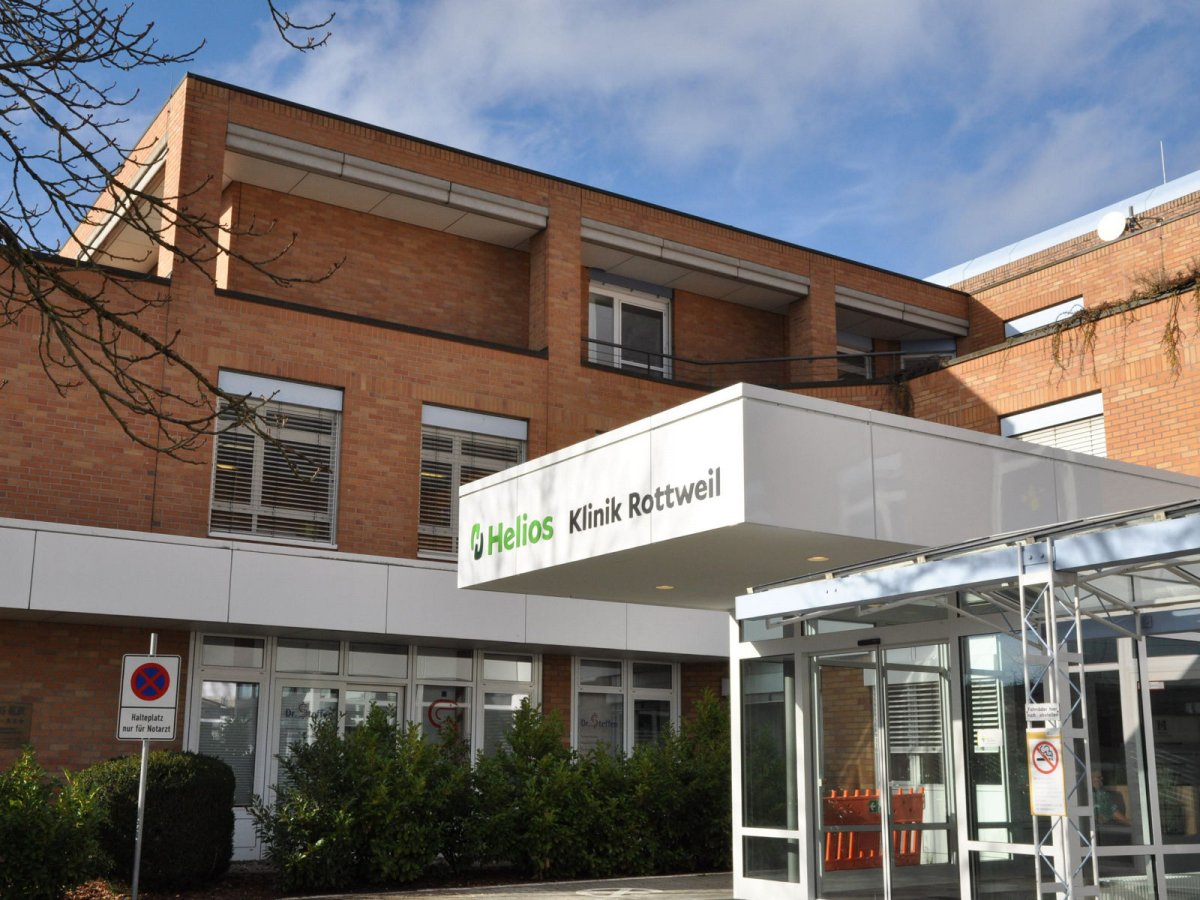












احصلوا على تقييم طبي لـ ورم كهفي في ألمانيا: استشيروا أطباء ذوي خبرة الآن
عرض جميع الأطباء
Peter Vajkoczy
يرأس البروفيسور فايكوتشي أحد أكثر أقسام جراحة الأعصاب ازدحاماً في أوروبا في مستشفى شاريتيه، حيث يتم إجراء أكثر من 4000 عملية جراحية عصبية سنوياً.
- متخصص في اضطرابات الأوعية الدموية الدماغية وأورام المخ
- حاصل على العديد من الجوائز المرموقة في أبحاث جراحة الأعصاب
- رئيس قسم جراحة الأعصاب في شاريتيه منذ عام 2008
- تلقى تدريبه في جامعة لودفيغ ماكسيميليان في ميونيخ
مشاركة المحتوى
قصص فيديو من مرضى Bookimed
 Anna Leonova
أسئلة متكررة حول علاج ورم كهفي في ألمانيا
ما هي خيارات علاج الكهفية (Cavernoma) الرئيسية المتاحة في المستشفيات الألمانية؟
تعالج المستشفيات الألمانية الأورام الكهفية باستخدام الاستئصال المجهري، والجراحة الإشعاعية التجسيمية، والمراقبة التحفظية. تظل الجراحة المجهرية العلاج الأساسي للآفات المصحوبة بأعراض. يستخدم المتخصصون التصوير بالرنين المغناطيسي أثناء الجراحة والملاحة العصبية لحماية مناطق الدماغ الوظيفية. هذه التدخلات هي المعيار في المراكز المعتمدة من JCI والمراكز الجامعية في جميع أنحاء ألمانيا.
- الاستئصال المجهري: الإزالة النهائية للأورام الكهفية المصحوبة بأعراض باستخدام الملاحة العصبية المتقدمة في الوقت الفعلي.
- الجراحة الإشعاعية التجسيمية: علاج غير جراحي باستخدام سكين جاما (Gamma Knife) للآفات العميقة أو غير القابلة للجراحة.
- الإدارة التحفظية: مراقبة منتظمة بالرنين المغناطيسي عالي الدقة للحالات المستقرة أو التي لا تظهر عليها أعراض.
- إعادة التأهيل العصبي المتخصص: برامج التعافي بعد الجراحة التي تركز على الوظائف الحركية والمعرفية.
رؤية خبير Bookimed: تظهر البيانات أن اختيار مستشفى جامعي مثل شاريتيه برلين يوفر الوصول إلى فرق ذات خبرة عالية تجري أكثر من 4000 عملية جراحية سنويًا. في حين أن بعض العيادات الصغيرة تقدم خدمات الأعصاب، غالبًا ما تحافظ المراكز المتخصصة على معدلات بقاء أعلى لإجراءات جذع الدماغ المعقدة. يعطي الجراحون الخبراء مثل البروفيسور الدكتور بيتر فاجكوتزي الأولوية للجراحة فقط بعد حدوث نزيف ثانٍ أو إذا أصبحت النوبات مقاومة للأدوية.
إجماع المرضى: يشير المرضى إلى أن الأطباء غالبًا ما يوصون بالانتظار إذا كانت الآفة مستقرة. ويؤكدون
ما هي المستشفيات والأخصائيون الرائدون في ألمانيا لجراحة الورم الوعائي الكهفي؟
تتصدر ألمانيا جراحة الورم الوعائي الكهفي من خلال مستشفيات جامعية متخصصة مثل مستشفى شاريتيه برلين ومستشفى جامعة إيسن. ومن بين كبار الأخصائيين البروفيسور الدكتور بيتر فاجكوتزي والبروفيسور الدكتور أولريش شور. يستخدمون الملاحة العصبية المتقدمة والمراقبة أثناء الجراحة. تضمن هذه التقنيات استئصالاً آمناً في مناطق الدماغ العميقة أو الحساسة.
- البروفيسور الدكتور بيتر فاجكوتزي: يرأس جراحة الأعصاب في شاريتيه برلين مع أكثر من 4000 عملية جراحية قسمية سنوياً.
- البروفيسور الدكتور أولريش شور: متخصص في أورام جذع الدماغ الكهفية المعقدة في مستشفى جامعة إيسن.
- الوسائل المتقدمة: تستخدم المراكز التصوير بالرنين المغناطيسي الوظيفي والملاحة العصبية للتتبع الجراحي الدقيق في الوقت الفعلي.
- الخيارات غير الجراحية: توفر مراكز متخصصة مثل جاما نايف كريفيلد جراحة إشعاعية مجسمة طفيفة التوغل.
رؤية خبير Bookimed: بينما تخدم المستشفيات الجامعية مثل شاريتيه برلين أكثر من 800,000 مريض سنوياً، يركز جراحون مثل الدكتور سام زابولي بشكل خاص على الجراحة الإشعاعية. تظهر بياناتنا اتجاهاً واضحاً: بالنسبة للآفات العميقة، غالباً ما يستفيد المرضى من المراكز الأكاديمية ذات الحجم الكبير حيث قام رؤساء الأقسام، مثل البروفيسور الدكتور بيتر فاجكوتزي، بإجراء آلاف الإجراءات الوعائية المعقدة شخصياً. توفر المراكز ذات الحجم الكبير عادةً وصولاً أفضل إلى المراقبة أثناء الجراحة، وهو أمر بالغ الأهمية للحفاظ على وظائف الدماغ أثناء الاستئصال.
إجماع المرضى: يؤكد المرضى على اختيار الأخص
ما هي المؤهلات التي يجب أن أبحث عنها في جراح أعصاب ألماني؟
يجب أن يحمل جراحو الأعصاب الألمان شهادة "Facharzt für Neurochirurgie" للممارسة بشكل مستقل. يتطلب ذلك ترخيصاً طبياً وما لا يقل عن ست سنوات من الإقامة بعد التخرج. بالنسبة للورم الكهفي، تعتبر الألقاب المتخصصة مثل شهادة جراحة الأعصاب الوعائية من الجمعية الألمانية لجراحة الأعصاب ضرورية.
- الشهادة المتخصصة: ابحث عن "Zertifikat Vaskuläre Neurochirurgie" للحصول على خبرة في التشوهات الوعائية.
- الرتبة الأكاديمية: تشير ألقاب مثل Prof. Dr. med. إلى قادة في البحث السريري.
- المستوى المؤسسي: تدير المستشفيات الجامعية مثل مستشفى شاريتيه في برلين أكبر أحجام من الحالات المعقدة.
- اعتماد المركز: اختر العيادات المعترف بها من قبل الجمعية الألمانية للسرطان أو شبكات الأعصاب الوعائية.
رؤية خبير Bookimed: على الرغم من أهمية المكانة، فإن المراكز ذات الحجم الكبير مثل Charité – Universitätsmedizin Berlin تجري أكثر من 4000 عملية جراحية سنوياً. يمثل الدكتور بيتر فاجكوتشي في شاريتيه والدكتور سام زابولي، الذي ساهم في أكثر من 3000 إجراء، مستوى الخبرة اللازم للأورام الكهفية العميقة في الدماغ. غالباً ما تقدم المراكز الأصغر والمتخصصة مهارات تقنية مماثلة مع أوقات انتظار أقصر لاستشارات التشخيص الأولية.
إجماع المرضى: يشير المرضى إلى أنه من المهم العثور على جراح متخصص تحديداً في التشوهات الوعائية بدلاً من جراحة الأعصاب العامة. يقترحون طرح أسئلة مباشرة حول الخبرة في التعامل مع الأورام الكهفية في مناطق الدماغ البليغة أو العميقة قبل اتخاذ قرار بشأن الجراحة.
كيف يتعامل جراحو الأعصاب الألمان مع الأورام الكهفية العميقة أو الموجودة في جذع الدماغ؟
يتعامل جراحو الأعصاب الألمان مع الأورام الكهفية العميقة باستخدام نهج مصنف حسب المخاطر يعطي الأولوية للاستئصال المجهري أو المراقبة التحفظية. تستخدم الفرق الخبيرة في المستشفيات الجامعية تخطيط جذع الدماغ أثناء الجراحة والتصوير بالرنين المغناطيسي عالي المجال للتنقل عبر المسارات الحيوية. وغالبًا ما يطبقون قاعدة النزيفين قبل التوصية بالتدخل للآفات المعقدة.
- توقيت الجراحة: عادةً ما يؤجل الجراحون الإجراءات من 4 إلى 8 أسابيع بعد حدوث نزيف مصحوب بأعراض.
- التخطيط المتقدم: يعمل تصوير موتر الانتشار (DTI) المعاد بناؤه ثلاثي الأبعاد على حماية المادة البيضاء الحيوية.
- استراتيجية الوصول: يتم اختيار نقاط الدخول حيث تصل الآفة إلى السطح الأم الحنون أو البطاني.
- حماية الأعصاب: يحدد التخطيط الكهربائي الفسيولوجي للسطح نوى الأعصاب القحفية المخفية أثناء الدخول إلى متني جذع الدماغ.
رؤية خبير Bookimed: تُظهر المراكز الأكاديمية الألمانية تفضيلًا قويًا للتخصص عالي الحجم على جراحة الأعصاب العامة. على سبيل المثال، يقوم فريق جراحة الأعصاب في مستشفى شاريتيه - جامعة برلين للطب تحت إشراف البروفيسور الدكتور بيتر فاجكوتشي بإجراء أكثر من 4000 عملية جراحية سنويًا. يسمح هذا الحجم الهائل للجراحين بتحسين تقنيات التشريح غير الحاد التي تحافظ بدقة على الشذوذات الوريدية التطورية، وهو أمر بالغ الأهمية لمنع الاحتشاء الوريدي أثناء جراحة الدماغ العميقة.
إجماع المرضى: يشير المرضى إلى أن المتخصصين الألمان غالبًا ما يفضلون المراقبة الدقيقة بالرنين المغناطيسي بدلاً من ا
ما هي معدلات النجاح طويلة المدى الموثقة بعد الجراحة في ألمانيا؟
إن النجاح الجراحي طويل المدى للورم الكهفي في ألمانيا مرتفع للغاية. تبلغ العيادات المتخصصة عن معدلات بقاء على قيد الحياة تزيد عن 91% للحالات الجراحية العصبية المعقدة. يُعرَّف النجاح عادةً بأنه الإزالة الكاملة للآفة لمنع حدوث نزيف في المستقبل. يحقق معظم المرضى تحسنًا كبيرًا في السيطرة على النوبات في غضون عام واحد.
- نجاح الاستئصال: تظل الإزالة الكاملة أقوى مؤشر لمنع إعادة النزيف على المدى الطويل.
- السيطرة على النوبات: غالبًا ما يؤدي التدخل الجراحي إلى تقليل أو القضاء على نشاط النوبات.
- خبرة المنشأة: تبلغ المراكز المعتمدة عن مخاطر وفيات أقل بنسبة 11% للإجراءات عالية الخطورة.
- التعافي العصبي: تستمر التحسينات الوظيفية الكبيرة لمدة تصل إلى عامين بعد الجراحة.
رؤية خبير Bookimed: حجم المرضى هو المؤشر الأكثر موثوقية للسلامة الجراحية في ألمانيا. تدير عيادات مثل Charité - Universitätsmedizin Berlin أكثر من 845,000 مريض سنويًا. يقوم فريق جراحة الأعصاب لديهم، بقيادة الدكتور بيتر فاجكوتشي، بإجراء أكثر من 4,000 عملية كل عام. يسمح هذا التردد العالي للجراحين بتحسين تقنيات الأورام الكهفية في المناطق الحساسة مثل جذع الدماغ.
إجماع المرضى: يؤكد المرضى أن النجاح يعني أكثر من مجرد البقاء على قيد الحياة؛ بل يتعلق بوقف النوبات ومنع النزيف في المستقبل. يلاحظ الكثيرون أن التعافي الوظيفي يستغرق وقتًا، وغالبًا ما يرون تحسينات مستمرة لعدة أشهر بعد تصوير الرنين المغناطيسي للمتابعة النظيف.
كم من الوقت يجب أن يخطط المريض الدولي للبقاء في ألمانيا لإجراء عملية جراحية؟
يجب على المرضى الدوليين التخطيط للبقاء في ألمانيا لمدة تتراوح بين 7 إلى 21 يوماً لإجراء جراحة الورم الوعائي الكهفي. يسمح هذا الإطار الزمني بـ 5 أيام للتصوير قبل الجراحة والاستشارات الجراحية العصبية. كما يشمل من 2 إلى 5 أيام من الإقامة في المستشفى وفترة تعافي قبل الحصول على تصريح الطيران.
- مرحلة ما قبل الجراحة: تتطلب مراجعات التصوير بالرنين المغناطيسي الإلزامية وتصريح التخدير عادةً من 5 إلى 7 أيام.
- مدة الإقامة في المستشفى: تتراوح فترات الإقامة في المستشفى لجراحة الأعصاب عادةً من 2 إلى 5 ليالٍ.
- فترة التعافي: غالباً ما يبقى المرضى من 7 إلى 14 يوماً بعد الجراحة لضمان استقرار الشفاء.
- سلامة الطيران: توصي شركات الطيران بالانتظار من 10 إلى 14 يوماً قبل ركوب الرحلات الدولية الطويلة.
رؤية خبير Bookimed: تسلط بيانات حجم المرضى الضوء على تمييز كبير بين المراكز الجامعية والعيادات المتخصصة. يخدم مستشفى شاريتيه برلين أكثر من 800,000 مريض سنوياً، مما يؤدي إلى أوقات معالجة أطول للطلبات للحالات الدولية. للحصول على جدولة أسرع لإجراءات الورم الوعائي الكهفي، توفر المراكز ذات التصنيف العالي مثل المركز الطبي في سولينغن أو عيادة نوردويست مسارات قبول أكثر مباشرة مع الحفاظ على تصنيفات عالية في مجلة Focus.
إجماع المرضى: يشير المرضى إلى أن مراجعات التصوير قبل الجراحة غالباً ما تستغرق وقتاً أطول من المتوقع. ويوصون بحجز رحلات عودة مرنة لاستيعاب أيام المراقبة الإضافية التي يتطلبها الفريق الجراحي.
ما هي المستشفيات في ألمانيا التي تحظى بأعلى التقييمات في جراحة الأعصاب؟
تضم ألمانيا بعضًا من أرقى أقسام جراحة الأعصاب في العالم، بقيادة مستشفى شاريتيه الجامعي في برلين ومستشفى جامعة هايدلبرغ. وتتميز هذه المراكز بخبرتها الواسعة في علاج أورام الدماغ المعقدة وأمراض الأوعية الدموية الدماغية. ولتحقيق أقصى قدر من الفعالية في عملياتها، تستخدم هذه المراكز أحدث التقنيات، مثل التصوير بالرنين المغناطيسي أثناء الجراحة والتوجيه العصبي بمساعدة الحاسوب.
- مستشفى شاريتيه برلين: يُجري أكثر من 5000 عملية جراحية سنوياً. ويرأس العيادة جراح الأعصاب الشهير الدكتور بيتر فايكوتشي.
- المركز الطبي في سولينجن: أجرى الدكتور رالف بوهل أكثر من 4000 عملية جراحية، بما في ذلك جراحات العمود الفقري طفيفة التوغل.
- عيادة أسكليبيوس نورد: مجهزة بنظام التصوير بالرنين المغناطيسي الثنائي الوحيد في ألمانيا أثناء الجراحة لضمان الدقة الجراحية في الوقت الحقيقي أثناء إزالة الورم.
- عيادة نوردويست: تم الاعتراف بها من قبل مجلة نيوزويك كمستشفى رائد في مجال الابتكار في تكنولوجيا الموجات فوق الصوتية ثلاثية الأبعاد.
رأي خبراء بوكيمد: تشير البيانات إلى أن اختيار المراكز ذات الحجم الجراحي الكبير غالبًا ما يؤدي إلى توصيات علاجية أكثر تحفظًا. ففي مركز سولينجن الطبي، الذي يعالج أكثر من 60,000 مريض
ما هي نسب نجاح العمليات الجراحية العصبية المعقدة في ألمانيا؟
في ألمانيا، تتميز العمليات الجراحية العصبية بالغة التعقيد بمستوى أمان استثنائي. تصل نسبة نجاح عمليات دمج الفقرات إلى 99%، بينما تبلغ نسبة النجاة بعد استئصال أورام الدماغ الأولية 97%. كما يتمتع المرضى بقدرة عالية على الاعتماد على أنفسهم في أداء وظائفهم اليومية، حيث يغادر أكثر من 82% منهم المستشفى مباشرةً بعد العلاج. وتولي المراكز الألمانية اهتماماً بالغاً بالحفاظ على الوظائف العصبية باستخدام أحدث تقنيات التخطيط العصبي.
- استئصال الورم: يحقق الجراحون استئصالًا كاملاً للورم في 87.2% من حالات النقائل الدماغية.
- النجاح في علاج أمراض الأوعية الدموية: أفادت المستشفيات الألمانية بنسبة نجاة بلغت 98.7% لحالات تمدد الأوعية الدموية غير الممزقة.
- تحسن الحالة العصبية: يشهد ما يقرب من 43% من المرضى تحسناً في المعايير الوظيفية بعد عمليات الاستئصال المعقدة.
- سلامة التدخلات الجراحية: في المراكز الجراحية الكبيرة، تتراوح معدلات بقاء المرضى على قيد الحياة بعد جراحة العمود الفقري بين 98-99%.
رأي خبراء بوكيمد: يُجري جراحون ذوو خبرة، مثل الدكتور أوفه كولر من عيادة أسكليبيوس ألتونا، أكثر من 2000 عملية جراحية سنويًا. تُشير البيانات إلى أن هؤلاء المتخصصين يحافظون على معدلات نجاح تصل إلى 90%، حتى
ما هي التقنيات المتقدمة المتوفرة عادةً في عيادات جراحة الأعصاب الألمانية؟
تُدخل عيادات جراحة الأعصاب الألمانية بانتظام أدوات رقمية عالية الدقة وتقنيات تصوير فوري في الممارسة الجراحية. تشمل التقنيات الرئيسية الملاحة العصبية الحاسوبية لجراحات الدماغ والحبل الشوكي. تستخدم مؤسسات مثل عيادة أسكليبيوس نورد التصوير بالرنين المغناطيسي أثناء الجراحة للتحقق من استئصال الورم في الوقت الفعلي. توفر هذه الأنظمة للجراحين نظام ملاحة ثلاثي الأبعاد.
- الملاحة العصبية: توفر تصورًا ثلاثي الأبعاد وتتبعًا فوريًا للأدوات لتحقيق دقة جراحية تصل إلى مستوى أقل من المليمتر.
- التصوير أثناء العملية: تسمح أنظمة مثل التصوير بالرنين المغناطيسي أثناء العملية (iMRI) والتصوير المقطعي المحوسب ذي الذراع O (O-arm CT) بالتأكيد الفوري على نجاح عملية الاستئصال.
- المراقبة العصبية: تراقب الوظائف الحركية والحسية أثناء الجراحة لحماية الجهاز العصبي.
- التشخيص الفلوري: يتم استخدام صبغة 5-ALA لتسليط الضوء على حدود الورم من أجل إزالته بشكل أكثر اكتمالاً.
- المساعدة الروبوتية: تعمل أنظمة مثل نظام دافنشي على تحسين الدقة في الإجراءات المعقدة ذات التدخل الجراحي البسيط.
رأي خبراء بوكيمد: تُجري مراكز طبية كبيرة، مثل مستشفى شاريتيه الج
ما هي التدريبات المتخصصة التي يتلقاها جراحو الأعصاب الممارسون في ألمانيا؟
في ألمانيا، يتعين على جراحي الأعصاب إكمال برنامج إقامة تخصصي لمدة ست سنوات بعد التخرج من كلية الطب. يشمل هذا البرنامج المنظم العناية المركزة، والتدريب السريري، وكتابة مقالات في مجلة جراحية إلزامية. بعد ذلك، يجتاز المرشحون امتحانًا حكوميًا للحصول على لقب طبيب مقيم (Facharzt für Neurochirurgie).
- الإقامة السريرية: تتطلب من 48 إلى 72 شهرًا من الممارسة المتخصصة في جراحة الأعصاب.
- العناية المركزة: تتضمن فترة تدريب إلزامية لمدة 6 أشهر في وحدة العناية المركزة لجراحة الأعصاب.
- المجلة الجراحية: يوثق الجراحون مئات العمليات الجراحية، بما في ذلك عمليات فتح الجمجمة وجراحات العمود الفقري.
- امتحان الترخيص: يجب على المتقدمين اجتياز امتحان طبي شفوي وعملي تديره الدولة.
رأي خبراء بوكيميد: يركز التدريب الألماني في جراحة الأعصاب على الخبرة الجراحية الواسعة. فعلى سبيل المثال، أجرى الدكتور رالف بول من المركز الطبي في سولينجن أكثر من 4000 عملية جراحية. ويتمتع الدكتور يورغن كيويت من مستشفى ميوكلينيك بخبرة تزيد عن 25 عامًا. يضمن هذا النظام الدقيق أن يتعامل المتخصصون في المراكز الكبرى مع الحالات المعقدة بدقة مثبتة.
آراء المرضى: يشع