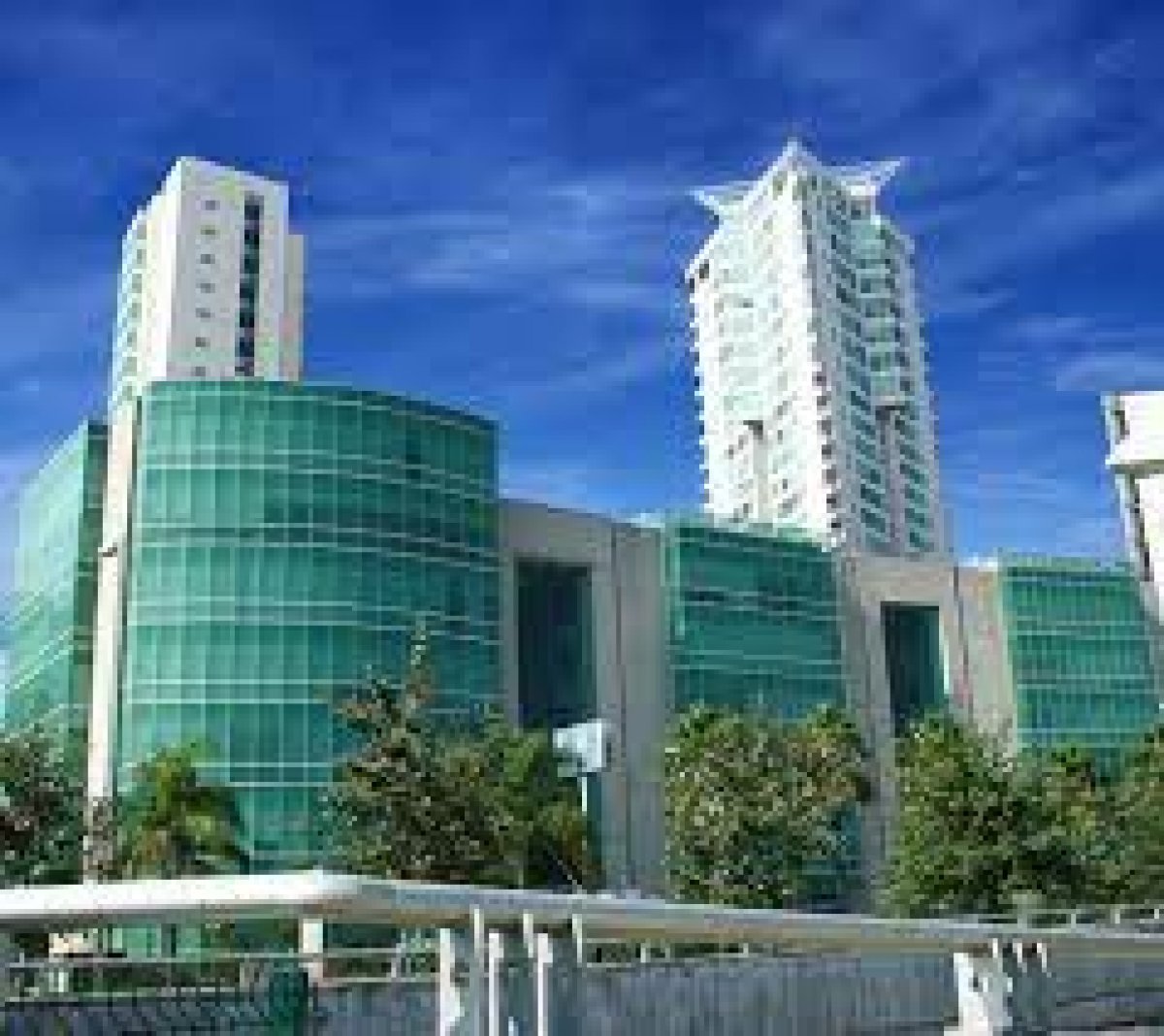
GDL High Specialty Neurosurgery
المكسيك, جوادالاخارا


تمت مراجعة المقالة طبيا من قبل
فهد مولود
تعتمد تكلفة علاج الورم الوعائي الكهفي في المكسيك عادةً على النهج الجراحي ومدى تعقيد الحالة. يتراوح سعر التصوير بالرنين المغناطيسي للدماغ مع التباين من $250 إلى $500، بينما يتراوح سعر علاج "جاما نايف" المتخصص من $9,500 إلى $14,500. يوفر المرضى عمومًا ما بين 50-85% مقارنة بالأسعار في الولايات المتحدة. تتركز الرعاية عالية الجودة في المراكز الطبية مثل غوادالاخارا، ومكسيكو سيتي، وتيخوانا.
تكاليف علاج الورم الوعائي الكهفي النموذجية في المكسيك
رؤية خبراء Bookimed: بالنسبة للمرضى الذين يبحثون عن رعاية متخصصة لآفات الدماغ، تُعد غوادالاخارا وجهة رئيسية. يعالج مركز GDL للجراحة العصبية عالية التخصص حوالي 690 مريضًا سنويًا تحت إشراف متخصصين مثل الدكتور كريم نوي زامورا أميزكوا. تركز هذه العيادة حصريًا على أقسام جراحة الأعصاب لضمان أحجام جراحية عالية. توفر مراكز كهذه رعاية متخصصة للحالات العصبية المعقدة التي تتطلب خبرة جراحية مكرسة.
| المكسيك | تركيا | إسبانيا | |
|---|---|---|---|
| Gamma Knife جاما نايف | ≈ $9,500 | من $5,500 | من $20,400 |
Bookimed لا يضيف رسوماً إضافية على أسعار علاج ورم كهفي. الأسعار مأخوذة من قوائم الأسعار الرسمية للعيادات. تدفع مباشرة في العيادة مقابل علاجك عند وصولك إلى البلد.
Bookimed ملتزم بسلامتك. نحن نعمل فقط مع المؤسسات الطبية التي تحافظ على معايير دولية عالية في علاج ورم كهفي ولديها التراخيص اللازمة لخدمة المرضى الدوليين في جميع أنحاء العالم.
Bookimed يقدم مساعدة خبراء مجانية. منسق طبي شخصي يدعمك قبل وأثناء وبعد العلاج، ويحل أي مشاكل. لن تكون وحيداً أبداً في رحلة علاج ورم كهفي.


الدكتور كريم نو زامورا أميزكوا هو جراح أعصاب في مركز غوادالاخارا للجراحة العصبية عالية التخصص (GDL High Specialty Neurosurgery). يعالج حالات الدماغ والعمود الفقري لدى البالغين والأطفال. يجري الدكتور زامورا أميزكوا عمليات جراحة الأعصاب الوعائية وجراحة أورام الأعصاب. يعمل في عيادة تستقبل ما يقرب من 700 مريض سنوياً.
 Anna Leonova
تعد جراحة الدماغ آمنة في المكسيك عند إجرائها من قبل جراحي أعصاب معتمدين في مرافق معتمدة من اللجنة الدولية المشتركة (JCI). تبلغ المؤسسات الرائدة عن معدلات نجاح تصل إلى 98 بالمائة لإجراءات أورام الأعصاب المحددة. يتبع الجراحون المعتمدون من المجلس المكسيكي للجراحة العصبية البروتوكولات الدولية. ويستخدمون أنظمة التصوير من شركتي سيمنز وفيليبس.
رؤية خبير Bookimed: يعد حجم المرضى مؤشراً حيوياً للجودة في المكسيك. يعالج مركز GDL High Specialty Neurosurgery في غوادالاخارا ما يقرب من 700 مريض سنوياً. غالباً ما تمتلك المراكز ذات الحجم الكبير خبرة أكبر في إدارة الحالات العصبية المعقدة. يساعد هذا الحجم في الحفاظ على معدل النجاح المبلغ عنه البالغ 98 بالمائة للتدخلات المتخصصة.
إجماع المرضى: يؤكد المرضى أن السلامة تعتمد كلياً على خبرة الجراح المحددة في استئصال الأورام الكهفية. ينصح الكثيرون بالتحقق مما إذا كان المستشفى يحتوي على وحدة عناية مركزة في الموقع للحصول على دعم فوري بعد الجراحة.
مدينة مكسيكو، وغوادالاخارا، وتيخوانا هي مراكز جراحة الأعصاب الرئيسية في المكسيك. تتميز هذه المدن بمرافق معتمدة من اللجنة الدولية المشتركة (JCI) مثل Medica Sur. يقوم المتخصصون بإجراء عمليات إزالة الأورام الكهفية المعقدة والجراحة الإشعاعية بسكين جاما بشكل متكرر. القرب من حدود الولايات المتحدة يجعل تيخوانا خياراً أول للوصول السريع.
رؤية خبير Bookimed: بينما توفر مدينة مكسيكو أكبر قدر من البنية التحتية، تظهر المراكز في غوادالاخارا مثل GDL High Specialty Neurosurgery كفاءة عالية. فهي تدير ما يقرب من 700 مريض سنوياً مع جراح أعصاب متخصص فقط. يشير هذا الحجم الكبير إلى أن الدكتور كريم نوي زامورا أميزكوا وفريقه يحافظون على خبرة عملية كبيرة. غالباً ما يجد المرضى الذين يبحثون عن رعاية شخصية أن هذه الممارسات المركزة تقدم جدولة أسرع من المؤسسات الكبرى في العاصمة.
إجماع المرضى: يؤكد المرضى على اختيار جراح متخصص في الآفات الوعائية بدلاً من مجرد اختيار مدينة. يوصون بإعطاء الأولوية للمستشفيات الخاصة لضمان الدعم باللغة الإنجليزية والوصول إلى وحدات العناية المرك
تشمل طرق علاج الورم الكهفي في المكسيك الاستئصال بالجراحة المجهرية، والجراحة الإشعاعية التجسيمية عبر سكين جاما، والمراقبة التحفظية. يستخدم جراحو الأعصاب التصوير بالرنين المغناطيسي للدماغ مع التباين لتحديد مرحلة الآفات. توفر الإزالة الجراحية علاجاً محتملاً للحالات المصحوبة بأعراض. يستخدم الأطباء الملاحة الموجهة بالصور للوصول الوعائي الدقيق.
رؤية خبير Bookimed: تدير مراكز جراحة الأعصاب المكسيكية مثل GDL High Specialty Neurosurgery أعداداً كبيرة من المرضى. تخدم هذه المنشأة وحدها 690 مريضاً سنوياً. غالباً ما تحافظ العيادات ذات النشاط العالي على نتائج جراحية أكثر اتساقاً. توفر المراكز المتخصصة في غوادالاخارا جداول سريعة للتصوير بالرنين المغناطيسي والاستشارات. تساعد هذه الكفاءة المرضى على تجنب فترات الانتظار الطويلة للحصول على رسم خرائط وعائي حيوي.
إجماع المرضى: يؤكد المرضى أن التشخيص لا يتطلب دائماً جراحة فورية. يجد الكثيرون أن المراقبة الدقيقة هي الخطوة الأولى المفضلة للآفات المستقرة. يقترحون العثور على مت
يتضمن التعافي الجراحي من علاج الورم الكهفي في المكسيك عادةً من 24 إلى 72 ساعة من المراقبة المكثفة. يبقى المرضى في وحدات عصبية مخصصة لإجراء فحوصات متكررة للعلامات الحيوية والتقييمات العصبية. يشرف متخصصون مثل الدكتور كريم نوي زامورا أميزكوا في GDL High Specialty Neurosurgery على هذه المرحلة الحرجة.
رؤية خبير Bookimed: تعالج مراكز جراحة الأعصاب المكسيكية مثل GDL High Specialty Neurosurgery أكثر من 690 مريضاً سنوياً. يسمح هذا الحجم الكبير غالباً بتحولات أكثر كفاءة في المستشفى. يجب على المرضى الذين يسافرون لإجراء الجراحة التأكد من أن خطة خروجهم تتضمن تعليمات واضحة للتصوير للمتابعة. يتضمن التنسيق المحلي التحقق ممن يدير خفض الأدوية بمجرد عودة المريض إلى المنزل.
إجماع المرضى: يجد العديد من المرضى أن الفحوصات العصبية كل بضع ساعات تجعل الراحة صعبة. يؤكدون على أهمية وجود مساعدة في المنزل خلال الأسبوع الأول للتعامل مع التعب الشديد.
عادة ما يتحدث جراحو الأعصاب المكسيكيون في مراكز التخصص العالي الخاصة باللغة الإنجليزية. يتلقى العديد من الأطباء المتخصصين في غوادالاخارا ومدينة مكسيكو تدريباً دولياً. تركز العيادات الخاصة مثل GDL High Specialty Neurosurgery على المعايير الطبية العالمية. تساعد Bookimed في جميع الترجمات والتنسيق الطبي أثناء علاجك.
رؤية خبير Bookimed: على الرغم من أن العديد من جراحي الأعصاب المكسيكيين ثنائيو اللغة، إلا أن الكفاءة اللغوية تختلف عبر الفريق الجراحي. تعالج مراكز مثل GDL High Specialty Neurosurgery حوالي 690 مريضاً سنوياً. تُظهر بياناتنا أن الأطباء في هذه المراكز ذات الحجم الكبير غالباً ما يتواصلون بشكل أفضل كتابةً. نوصي بمشاركة السجلات الطبية رقمياً قبل زيارتك لضمان الوضوح التام.
إجماع المرضى: يلاحظ المرضى أن المستشفيات الخاصة هي المواقع الأكثر ملاءمة للغة الإنجليزية. من المفيد وجود منسق ثنائي اللغة لشرح الإجراءات العصبية المعقدة.
يجب على المرضى المصابين بالورم الوعائي الكهفي توخي الحذر عند تناول الأدوية التي تغير تخثر الدم. قد تؤدي مضادات التخثر مثل الوارفارين وأدوية مضادات الصفائح الدموية مثل الأسبرين إلى زيادة مخاطر النزيف. استشر جراح أعصاب في غوادالاخارا أو مكسيكو سيتي لتقييم موقع الورم بدقة وتاريخ النزيف السابق لديك.
رؤية خبراء Bookimed: على الرغم من خوف الكثيرين من جميع مميعات الدم، تظهر بياناتنا من عيادات مثل GDL High Specialty Neurosurgery أن الإدارة الشخصية هي المفتاح. يقوم متخصصون مثل الدكتور كريم نو زامورا أمزكوا بمراجعة كل حالة على حدة. وغالباً ما يعالجون أكثر من 600 مريض جراحة أعصاب سنوياً. يشير هذا الحجم إلى أن بروتوكولات الأدوية المحددة تعتمد على إمكانية الوصول الجراحي للورم الوعائي الكهفي أكثر من اعتمادها على حظر شامل.
إجماع المرضى: يشير المرضى إلى أهمية التحول إلى الباراسيتامول لعلاج الصداع. كما يؤكدون على ضرورة إحضار قائمة كاملة بالمكملات الغذائية إلى كل استشارة جراحة أعصاب.
يعد الاختبار الجيني للأورام الكهفية (cavernomas) في المكسيك أمراً ضرورياً إذا كان لديك آفات متعددة. يوصي الأطباء به في حالة الاشتباه في وجود جينات التشوه الكهفي الوراثي مثل CCM1 أو CCM2 أو CCM3. كما أن الاختبار مهم إذا كان لديك تاريخ عائلي أو إذا تم التشخيص في سن مبكرة.
رؤية خبير Bookimed: المكسيك وجهة ذات حجم كبير، حيث تحتل المرتبة العاشرة عالمياً من حيث الطلبات الطبية. تدير مراكز متخصصة مثل GDL High Specialty Neurosurgery في غوادالاخارا 690 مريضاً سنوياً. وفي حين توفر المراكز الجراحة الإشعاعية التجسيمية مثل سكين غاما (Gamma Knife)، تظل التصوير الطبي الأداة التشخيصية الأساسية. استخدم الاختبار الجيني كأداة ثانوية لفحص أفراد العائلة بدلاً من استخدامه فقط للتخطيط الجراحي.
إجماع المرضى: يشير المرضى إلى أن وجود أورام كهفية متعددة يجعل الاختبار أولوية. ويؤكدون أنه على الرغم من أن الاختبار لا يغير دائماً علاجهم الحالي، إلا أنه يوفر إجابات حاسمة لصحة عائلاتهم.