علاج ورم كهفي في تايلاند: 2 مستشفيات


تمت مراجعة المقالة طبيا من قبل
فهد مولود
ما هي تكلفة ورم كهفي إجراءات التشخيص والعلاج في تايلاند؟ اعرف الآن
تتضمن تكلفة علاج الورم الوعائي الكهفي في تايلاند عادةً فحوصات التصوير الأساسية مثل التصوير بالرنين المغناطيسي للدماغ مع التباين، والتي تتراوح تكلفتها بين $450 / 15,300฿ و $700 / 23,800฿. أما الخيارات الجراحية مثل جراحة جاما نايف فتتراوح تكلفتها بين $25,000 / 850,000฿ و $35,000 / 1,190,000฿. تعتمد النفقات الإجمالية على موقع الآفة، والنهج الجراحي، ومستوى المنشأة. يمكن للمرضى توقع توفير ما بين 40-60% مقارنة بالولايات المتحدة. وتعد بانكوك المدينة الرائدة لهذه الإجراءات العصبية المتقدمة.
تكاليف علاج الورم الوعائي الكهفي النموذجية في تايلاند
- استشارة جراح أعصاب: $90 / 3,100฿ – $140 / 4,800฿
- تصوير الدماغ بالرنين المغناطيسي مع التباين: $450 / 15,300฿ – $700 / 23,800฿
- جراحة جاما نايف: $25,000 / 850,000฿ – $35,000 / 1,190,000฿
رؤية خبراء Bookimed: بالنسبة لآفات الدماغ المعقدة، يعد اختيار مركز ذو معدل إجراءات مرتفع أمراً بالغ الأهمية للسلامة. يعالج مستشفى بامرونجراد الدولي أكثر من مليون مريض سنوياً وهو منشأة معتمدة من قبل اللجنة الدولية المشتركة (JCI). يجب على المرضى الذين يحتاجون إلى تقنيات متخصصة التفكير في أخصائيين مثل الدكتور بونغوات بولبونغ. وهو جراح أعصاب تدرب في ألمانيا ولديه خبرة في أكثر من 2000 إجراء جراحي. هذه الخبرة حيوية للأورام الوعائية الكهفية العميقة لتقليل المخاطر العصبية.
| تايلاند | تركيا | إسبانيا | |
|---|---|---|---|
| Gamma Knife جاما نايف | ≈ $25,000 / 850,000฿ | من $5,500 / 187,000฿ | من $13,500 / 459,000฿ |
مزاياك وضماناتك مع Bookimed
أسعار مباشرة
Bookimed لا يضيف رسوماً إضافية على أسعار علاج ورم كهفي. الأسعار مأخوذة من قوائم الأسعار الرسمية للعيادات. تدفع مباشرة في العيادة مقابل علاجك عند وصولك إلى البلد.
عيادات وأطباء معتمدون فقط
Bookimed ملتزم بسلامتك. نحن نعمل فقط مع المؤسسات الطبية التي تحافظ على معايير دولية عالية في علاج ورم كهفي ولديها التراخيص اللازمة لخدمة المرضى الدوليين في جميع أنحاء العالم.
مساعدة مجانية على مدار الساعة
Bookimed يقدم مساعدة خبراء مجانية. منسق طبي شخصي يدعمك قبل وأثناء وبعد العلاج، ويحل أي مشاكل. لن تكون وحيداً أبداً في رحلة علاج ورم كهفي.

منسقك الطبي الشخصي في Bookimed
- يدعمك في كل مرحلة
- المساعدة في اختيار العيادة الطبية المناسبة والطبيب المناسب
- يضمن الوصول السريع والمريح إلى المعلومات
اكتشف أفضل ورم كهفي العيادات في تايلاند: 2 خيارات معتمدة والأسعار







احصلوا على تقييم طبي لـ ورم كهفي في تايلاند: استشيروا أطباء ذوي خبرة الآن
عرض جميع الأطباء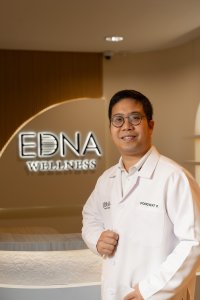
Pongwat Polpong
قاد أول جراحة تنظيرية عبر الوتدي في مستشفى بانكوك تشانثابوري - وهي تقنية طفيفة التوغل تقلل من وقت التعافي. يتخصص الدكتور بولبونغ في جراحة الأعصاب والطب التجديدي.
- _doctor_10084_سنوات_ من الخبرة السريرية والبحثية
- تدرب في مستشفى سيريراج والمعهد الدولي لعلوم الأعصاب
- نشر أبحاثاً حول جراحة الأعصاب وإصابات الحبل الشوكي وحالات الدماغ
- كبير الأطباء في برنامج العلاج بالخلايا الجذعية في EDNA Wellness
- يجري تقنيات مبتكرة لإزالة أورام الغدة النخامية
مشاركة المحتوى
قصص فيديو من مرضى Bookimed
 Anna Leonova
أسئلة متكررة حول علاج ورم كهفي في تايلاند
ما هي أفضل المستشفيات في تايلاند للعلاج الجراحي العصبي؟
تشمل مراكز جراحة الأعصاب الرائدة في تايلاند مستشفى بامرونجراد الدولي ومستشفى بانكوك الدولي. تقدم هذه المؤسسات الطبية، المعتمدة من قبل اللجنة الدولية المشتركة (JCI)، رعاية متخصصة متقدمة لأمراض الدماغ والعمود الفقري. وهي تستخدم التصوير بالرنين المغناطيسي عالي المجال وتقنية «جاما نايف» لإجراء تدخلات جراحية عصبية دقيقة وإجراءات وعائية معقدة.
- معايير الاعتماد: حصل مستشفى بامرونجراد على اعتماد الرعاية الصحية العالمية (Global Healthcare Accreditation) لجودة الخدمة المقدمة للمرضى الدوليين.
- المعدات المتخصصة: المراكز مجهزة بأجهزة «جاما نايف» وأنظمة تشخيص بالرنين المغناطيسي عالي المجال.
- الخبرة الجراحية: يقوم جراحون مثل الدكتور بونجوات بولبونج بإجراء عمليات جراحية عصبية تنظيرية معقدة.
- القدرة الاستيعابية: تخدم المستشفيات الكبرى في بانكوك أكثر من مليون مريض محلي وأجنبي.
رأي خبراء Bookimed: تظهر البيانات تركيزاً عالياً لخبراء جراحة الأعصاب في بانكوك. يستقبل مستشفى بامرونجراد مرضى من أكثر من 190 دولة. يضمن هذا الحجم الكبير من الحالات الدولية أن الموظفين يتقنون مهارات التنسيق الدولي للعلاج. أجرى أطباء مثل الدكتور بونجوات بولبونج أكثر من 2000 عملية جراحية. تعد نسبة حجم العمليات إلى نتائجها مؤشراً حاسماً للجودة في جراحات الدماغ المعقدة.
رأي المرضى: يؤكد المرضى على أهمية العثور على جراح أعصاب يقوم بانتظام بإجراء عمليات وعائية أو عمليات في قاعدة الجمجمة. ويشيرون إلى أن التواصل الواضح باللغة الإنجليزية مع فريق الأطباء بأكمله أمر حيوي ل
ما هي خيارات العلاج المتاحة للورم الكهفي؟
تشمل علاجات الورم الكهفي في تايلاند الاستئصال الجراحي المجهري، والجراحة الإشعاعية التجسيمية، والمراقبة السريرية. يستخدم الجراحون في المرافق المعتمدة من اللجنة الدولية المشتركة (JCI) تصوير الدماغ بالرنين المغناطيسي مع التباين لتخطيط الرعاية. تعتمد الخيارات على موقع الآفة وتاريخ النزيف. يوصى بالإزالة النهائية للآفات التي يسهل الوصول إليها والتي تسبب نوبات صرع أو نزيفاً.
- الاستئصال الجراحي المجهري: يقوم الجراحون بإزالة التشوه باستخدام تقنيات جراحة الدماغ طفيفة التوغل.
- الجراحة الإشعاعية بجاما نايف: يعالج هذا الإشعاع الموجه الآفات العميقة في مناطق الدماغ التي يصعب الوصول إليها أو المناطق الحيوية.
- المراقبة السريرية: يراقب المتخصصون الأورام الكهفية الصغيرة التي لا تظهر عليها أعراض عن طريق تصوير الرنين المغناطيسي السنوي لرصد أي تغيرات.
- إدارة الأعراض: يصف الأطباء مضادات الاختلاج للسيطرة على نوبات الصرع أو الأدوية للصداع المستمر.
رؤية خبير Bookimed: تعالج المرافق الطبية التايلاندية مثل مستشفى بامرونجراد الدولي أكثر من مليون مريض سنوياً. أجرى الدكتور بونجوات بولبونج أكثر من 2000 إجراء وتدرب في المعهد الدولي لعلم الأعصاب. غالباً ما يؤدي هذا الحجم الكبير من العمليات إلى نتائج أفضل في جراحات المناظير عبر الوتدي المعقدة.
إجماع المرضى: يشير المرضى إلى أن الحصول على رأي جراح أعصاب أمر حيوي للآفات العميقة. يؤكد الكثيرون على أهمية إحضار تقارير الرنين المغناطيسي لتحديد ما إذا كان الورم الكهفي عرضياً أو تم اكتشافه بالصدفة.
ما الذي يجب أن تسأل عنه جراح الأعصاب أثناء الاستشارة؟
يوصي جراحو الأعصاب بالسؤال عن ضرورة إجراء العملية، ومخاطر تكرار النزيف، والخبرة المحددة للجراح في علاج التشوهات الوعائية العميقة. يجب على المرضى التأكد من استخدام الملاحة العصبية والمراقبة أثناء الجراحة. تزيد هذه التقنيات من الأمان عند إزالة الآفات بالقرب من المسارات الحركية أو مسارات الكلام.
- الضرورة الجراحية: اسأل لماذا يوصى بالعلاج الآن وليس المراقبة من خلال فحوصات التصوير بالرنين المغناطيسي المتسلسلة.
- مخاطر النزيف: ناقش مخاطرك المحددة للنزيف المستقبلي بناءً على موقع الورم الكهفي.
- مستوى الخبرة: وضح عدد أورام جذع الدماغ الكهفية أو المناطق المهمة وظيفياً التي يعالجها الجراح سنوياً.
- معايير النجاح: تأكد مما إذا كان من الممكن إزالة الآفة بالكامل للقضاء على مخاطر النوبات المستقبلية.
- توفر التقنيات: اسأل عما إذا كانت تقنية "جاما نايف" أو الأساليب التنظيرية طفيفة التوغل مناسبة لحالتك.
رأي خبراء Bookimed: تحافظ أقسام جراحة الأعصاب الرائدة في تايلاند، مثل مستشفى بامرونجراد الدولي، على اعتماد JCI وتخدم أكثر من مليون مريض سنوياً. تظهر بياناتنا أن كبار المتخصصين التايلانديين، مثل الدكتور بونجوات بولبونج، غالباً ما يكون لديهم تدريب دولي في مؤسسات مثل المعهد الدولي للعلوم العصبية في ألمانيا. هذه الخبرة العالمية، جنباً إلى جنب مع تدفق كبير للمرضى، غالباً ما تؤدي إلى نتائج عصبية أفضل في حالات الأوعية الدموية الدماغية المعقدة.
إجماع المرضى: يشير المرضى إلى أنه من المهم السؤال عن فترات التعافي العملية، خا
كم من الوقت يجب أن أخطط لإقامتي من أجل العلاج؟
خطط لإقامة تتراوح بين 10 إلى 14 يوماً في تايلاند لعلاج الورم الكهفي. يتطلب التعافي الجراحي من 7 إلى 10 أيام في بانكوك للمراقبة. قد تتطلب إجراءات "جاما نايف" طفيفة التوغل من 3 إلى 5 أيام فقط. يعتمد موعد رحلتك الجوية على تصريح جراح الأعصاب.
- الإقامة في المستشفى: تتطلب الجراحة المفتوحة عادةً من 3 إلى 4 أيام من المراقبة داخل المستشفى.
- فترة المتابعة: يطلب الجراحون من 2 إلى 3 أيام بعد الخروج لإجراء فحوصات عصبية.
- الإقامة في المستشفى: تتطلب الطرق طفيفة التوغل عادةً من يوم إلى يومين فقط من الاستشفاء.
- جدول الجراحة الإشعاعية: غالباً ما يسمح "جاما نايف" غير الجراحي بتقليل إجمالي وقت الإقامة.
رأي خبراء Bookimed: تحتل تايلاند المرتبة السادسة عالمياً في السياحة العلاجية. غالباً ما يتم اختيار مستشفيات مثل بامرونجراد للحالات المعقدة في جراحة الأعصاب. يتخصص أطباء ذوو خبرة واسعة، مثل الدكتور بونجوات بولبونج، في التقنيات طفيفة التوغل. غالباً ما تقلل هذه الطرق فترة الإقامة في المستشفى إلى 48 ساعة للمرضى المستقرين. قبل حجز تذاكر الطيران، تحقق دائماً مما إذا كانت باقتك تشمل فحوصات ما بعد الجراحة.
إجماع المرضى: يؤكد المرضى أنه من الأفضل الحفاظ على مرونة تواريخ السفر حتى يقوم الجراح بمراجعة الصور النهائية. إضافة أيام احتياطية أمر حيوي لإدارة تغيرات الضغط المرتبطة بالسفر الجوي بعد إجراءات الجمجمة بأمان.