علاج ورم حميد الخصية في تركيا — احصل على 3 عيادات مختارة خصيصاً لك


تمت مراجعة المقالة طبيا من قبل
فهد مولود
كيف نعمل؟
ما هي تكلفة ورم حميد الخصية إجراءات التشخيص والعلاج في تركيا؟ اعرف الآن
تختلف تكلفة علاج الورم الحميد في الخصية في تركيا اعتمادًا على الإجراءات والخدمات المحددة المطلوبة. يمكن أن تتراوح تكلفة استئصال الخصية وتثبيتها من 2,200$ إلى 9,000$. يتم تحديد خطة العلاج والتكاليف المرتبطة بها بعد فحص دقيق لحالة واحتياجات كل مريض.
اكتشف أفضل ورم حميد الخصية العيادات في تركيا: 35 خيارات معتمدة والأسعار




Anadolu Medical Center
Ilker Tinay



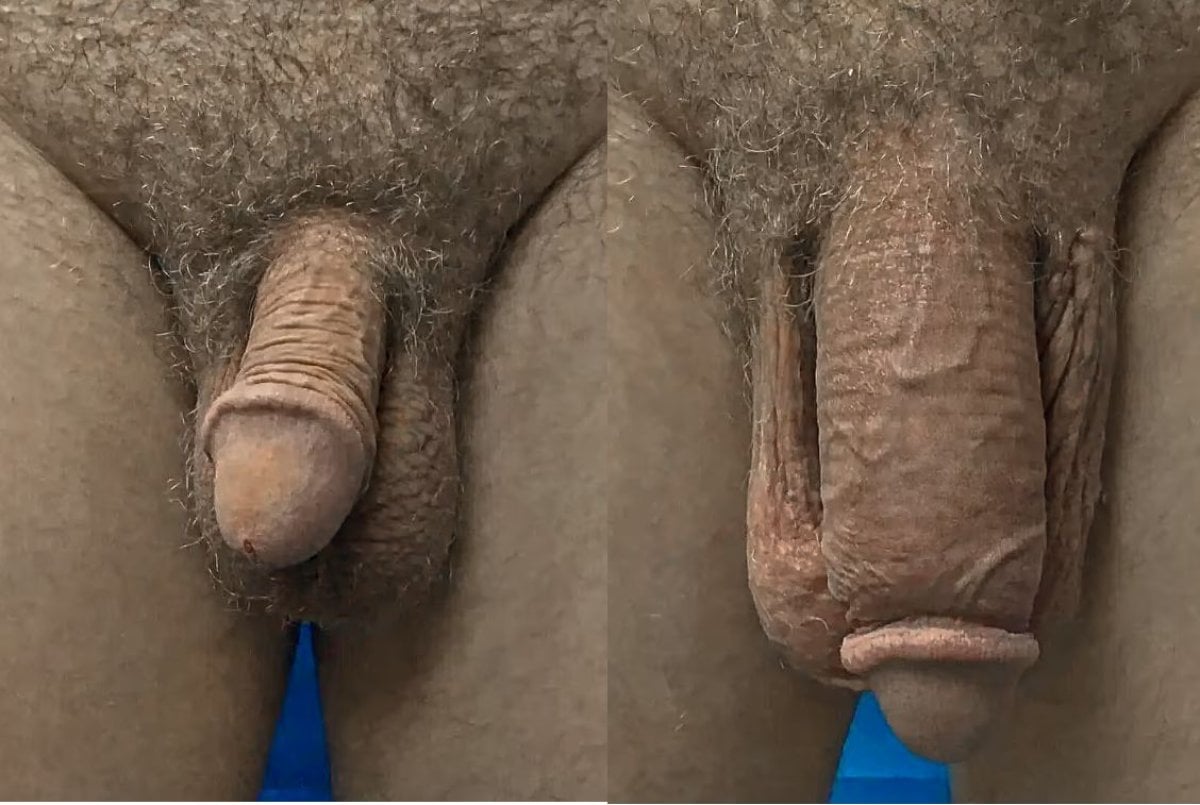
Dr. Bugra Cetin- Uroaesthetic Clinic
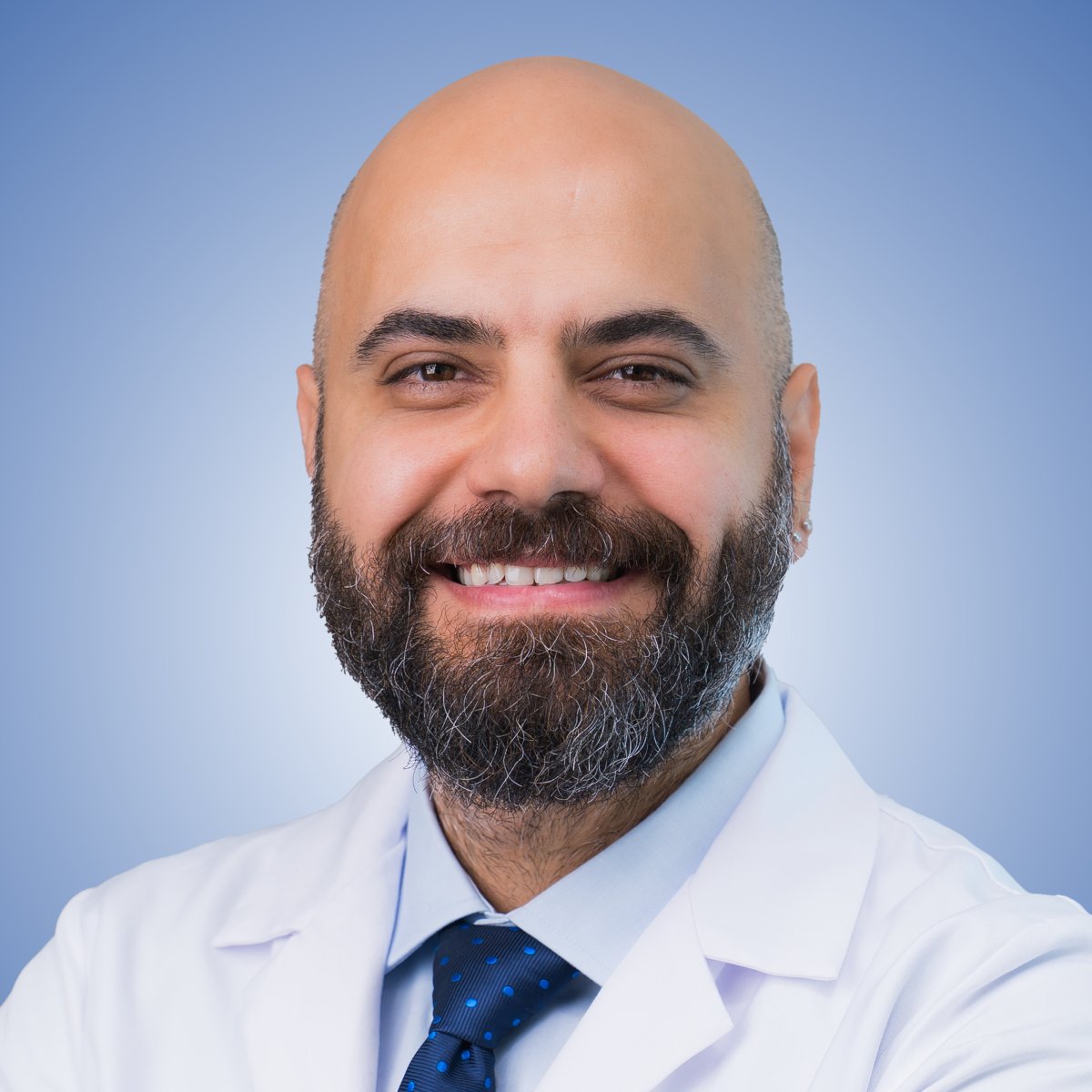
Dr Bugra Cetin




Memorial Göztepe Hospital


احصل على تقييم طبي لـ في تركيا. استشر الآن 61 أطباء ذوي الخبرة.
عرض جميع الأطباءDr Bugra Cetin
الدكتور بوجرا سيتين هو رائد في مجال المسالك البولية، متخصص في العلاجات المبتكرة لأورام الخصية الحميدة في مستشفى جامعة ألتينباس بهجلي إيفلر ميديكال بارك.
- يجري مئات العمليات الجراحية الناجحة في القضيب وكيس الصفن مع رضا عالٍ للمرضى
- خبير في التقنيات طفيفة التوغل بالمنظار والتنظير الداخلي
- حاصل على درجة الدكتوراه في الطب الجزيئي، ويجمع بين البحث والممارسة السريرية
- أخصائي مسالك بولية معتمد وعضو في الجمعية الدولية للطب الجنسي (ISSM) والجمعية الأوروبية للطب الجنسي (ESSM)

Basri Cakiroglu
يتخصص الأستاذ المشارك بصري جاكيروغلو في طب المسالك البولية مع التركيز على جراحة المسالك البولية التنظيرية وأورام المسالك البولية في مستشفى هيسار إنتركونتيننتال.
- تدرب في مستشفى تقسيم للتعليم والبحوث
- مؤلف مقالات في مجلات دولية ومحلية
- خبرة في طب المسالك البولية للأطفال وطب الذكورة
- يمارس عمله في مستشفى هيسار إنتركونتيننتال

Cenk Acar
أجرى الأستاذ المشارك الدكتور جنك أكار أكثر من 1100 علاج مسالك بولية، متخصصاً في التقنيات الروبوتية وبالمنظار.
- _doctor_5687_سنوات_ من الخبرة في المسالك البولية، مع التركيز على سرطانات المسالك البولية
- تدريب متخصص في الجراحة الروبوتية وبالمنظار في معهد السرطان الهولندي
- أجرى أكثر من 500 جراحة لسرطان المسالك البولية و250 إجراء HOLEP
- رائد في تقنيات التصوير الفلوري لجراحات المسالك البولية في تركيا
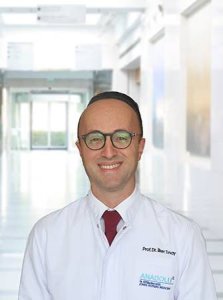
Ilker Tinay
يتخصص الدكتور إلكر تيناي في طب الأورام المسالك البولية مع التركيز على الجراحة طفيفة التوغل وإعادة بناء المثانة في مركز الأناضول الطبي.
- خبرة في علاج أورام الخصية الحميدة
- عضو المجلس التنفيذي لجمعية أورام المسالك البولية
- عضو الجمعية الأوروبية لجراحة المسالك البولية
- يجري عمليات إعادة بناء المثانة الجديدة للحالات المعقدة
مشاركة المحتوى
قصص فيديو من مرضى Bookimed
 Anna Leonova
أسئلة متكررة حول علاج ورم حميد الخصية في تركيا
هل من الممكن إنقاذ الخصية إذا كان الورم حميداً؟
يمكن للجراحين في تركيا إنقاذ الخصية باستخدام جراحة الحفاظ على الخصية (TSS) إذا كان الورم صغيراً وحميداً. هذا الاستئصال الجزئي للخصية يحافظ على الأنسجة السليمة لإنتاج الهرمونات والخصوبة. يعتمد النجاح على طبيعة علامات الأورام ونتائج خزعة التجميد أثناء العملية في مراكز المسالك البولية المتخصصة.
- النهج الجراحي: يقوم استئصال الخصية الجزئي بإزالة الآفة فقط مع الحفاظ على تدفق الدم.
- معايير التشخيص: تعتبر الجراحة الحافظة مناسبة للكتل الصغيرة القابلة للجس مع عدم وجود ارتفاع في علامات الأورام.
- خزعة أثناء العملية: يستخدم الجراحون تقنية التجميد المرضي لتأكيد الحالة الحميدة قبل إغلاق موقع الجراحة.
- اعتمادات المركز: مراكز تركية مثل مركز الأناضول الطبي (Anadolu Medical Center) تحتفظ بشهادات الجمعية الأوروبية للأورام الطبية.
رؤية خبراء Bookimed: في حين أن العديد من المستشفيات العامة تعتمد افتراضياً على الاستئصال الكامل، يستخدم أطباء المسالك البولية الأتراك الحاصلون على شهادة المجلس الأوروبي للمسالك البولية (FEBU)، مثل الدكتور فاتح كورتولوش، تقنية التجميد أثناء العملية بشكل متكرر. هذا يسمح بالتشخيص في الوقت الفعلي. إذا أكد المختبر طبيعة الورم الحميدة أثناء الإجراء، يمكن للجراحين غالباً تجنب الجراحة الجذرية الفورية. وهذا يحافظ على مستويات هرمون التستوستيرون دون الحاجة إلى عملية ثانية.
إجماع المرضى: يؤكد المرضى أن جراحة الحفاظ على الخصية ليست تلقائية وتتطلب العثور على طبيب مسالك بولية ذي خبرة. يشير الكثيرون إلى القلق الشديد بشأن ما إذ
ما هي أفضل تقنية جراحية لكتلة الخصية الحميدة في تركيا؟
جراحة الحفاظ على الخصية هي التقنية المفضلة لكتل الخصية الحميدة في تركيا. يقوم هذا الإجراء بإزالة الورم مع الحفاظ على الأنسجة السليمة والهرمونات. يوصي معظم الجراحين بهذا للكتل الصغيرة التي يقل حجمها عن 25 مم. هذا يحافظ على الخصوبة وإنتاج هرمون التستوستيرون الطبيعي.
- جراحة الحفاظ على الخصية: تحافظ على الأنسجة السليمة للأورام التي تشغل أقل من 30% من حجم الخصية.
- تحليل المقاطع المجمدة أثناء الجراحة: يوفر نتائج مرضية فورية للتحقق من الحالة الحميدة أثناء الإجراء.
- استئصال الخصية الإربي الجذري: يُستخدم فقط إذا تعذر فصل الكتلة بأمان عن الأنسجة.
- مؤهلات الأخصائيين: غالباً ما يكون جراحون مثل الدكتور مراد بنباي حاصلين على زمالة المجلس الأوروبي للمسالك البولية (FEBU).
رؤية خبير Bookimed: يتميز مركز أناضولو الطبي في جراحات أورام المسالك البولية المعقدة بسبب ارتباطه بمستشفى جونز هوبكنز. بينما تركز العديد من العيادات على المسالك البولية العامة، يدمج هذا المركز شهادات الأورام التداخلية مع معايير ISO. يضمن هذا المزيج أن قرارات الحفاظ على الأنسجة مدعومة بتصوير عالي الدقة وبروتوكولات أكاديمية غالباً ما تفتقر إليها العيادات الصغيرة.
إجماع المرضى: يؤكد المرضى أن الحفاظ على الخصوبة ووظيفة الهرمونات هو الأولوية القصوى. يوصون بالتحقق مما إذا كان المستشفى يمتلك مختبر باثولوجيا داخلياً لإجراء الاختبارات في الوقت الفعلي أثناء الجراحة.
كيف يتأكد الأطباء الأتراك من أن الورم حميد قبل الجراحة؟
يستخدم الأطباء الأتراك تصوير الدوبلر بالموجات فوق الصوتية عالي الدقة ولوحات مؤشرات الأورام (AFP, β-hCG, LDH) لتقييم كتل الخصية. في حين أن التصوير غير الجراحي يشير إلى ما إذا كان الورم حميداً، فإن التأكيد النهائي يتطلب غالباً تحليلاً مرضياً. تستخدم العديد من المراكز تحليل المقاطع المجمدة أثناء الجراحة لتحديد ما إذا كانت جراحة الحفاظ على العضو ممكنة.
- دوبلر كيس الصفن: يقوم الأطباء بتقييم تدفق الدم والكثافة للتمييز بين الكتل الصلبة والكيسية.
- مؤشرات الأورام: تساعد فحوصات الدم لـ AFP و β-hCG و LDH في استبعاد الأورام الخبيثة الشائعة.
- تصوير الخصية بالرنين المغناطيسي: يستخدم الأخصائيون الرنين المغناطيسي كأداة من الدرجة الثانية عندما تظل نتائج الموجات فوق الصوتية غير حاسمة.
- تحليل المقاطع المجمدة (Frozen section): يقوم أخصائيو الأمراض بتحليل الأنسجة أثناء الجراحة لتقديم تشخيص أولي سريع للحالة الحميدة.
رؤية خبير Bookimed: تعطي مراكز طب المسالك البولية والأورام التركية مثل مركز أناضولو الطبي أو مستشفى ميموريال شيشلي الأولوية لتقنيات الحفاظ على الأعضاء. تُظهر بياناتنا أن هذه العيادات تستخدم غالباً المقاطع المجمدة أثناء الجراحة. وهذا يسمح للجراحين بإزالة الورم فقط مع الحفاظ على الخصية السليمة. هذا النهج شائع بين الجراحين الحاصلين على شهادة FEBU مثل الدكتور فاتح كورتولوش.
إجماع المرضى: يلاحظ المرضى أن الأطباء عادةً ما ينتقلون بسرعة إلى الجراحة بمجرد أن تُظهر الصور وجود كتلة صلبة. من المهم سؤال الطبيب عما إذا كان الورم داخل الخصي
هل يجب أن أتوقع وجود خصية اصطناعية بعد الإجراء؟
الخصية الاصطناعية هي خيار اختياري وليست إلزامية بعد إزالة الورم الحميد. يمكن للمرضى اختيار الحصول على غرسة أثناء عملية استئصال الخصية الأولية أو في إجراء لاحق. يعتمد هذا القرار الفردي على الراحة الشخصية والتفضيلات التجميلية ونطاق الجراحة.
- توقيت الإجراء: غالبًا ما يقوم الجراحون بوضع الغرسة أثناء إزالة الورم لتجنب إجراء عمليات جراحية ثانية.
- نطاق الجراحة: قد تسمح الحالات الحميدة بالإزالة الجزئية، مما يجعل وجود طرف اصطناعي غير ضروري.
- فترة التعافي: يعود معظم المرضى إلى أنشطتهم الطبيعية بعد تجنب رفع الأثقال لمدة 4 أسابيع.
- المواد الطبية: يستخدم أطباء المسالك البولية الأتراك عادةً غرسات السيليكون المملوءة بمحلول ملحي لتقليد الوزن والمظهر الطبيعي.
رؤية خبراء Bookimed: يحافظ مركز الأناضول الطبي ومستشفى ميموريال شيشلي على اعتماد JCI، مما يضمن بروتوكولات طرفية عالية المستوى. في حين تخدم المراكز الكبرى أكثر من 250,000 مريض سنوياً، يجب أن تتم مناقشات الطرف الاصطناعي في وقت مبكر. تتخصص بعض العيادات في الجراحة بمساعدة الروبوت للأورام الحميدة، والتي قد تحافظ على المزيد من الأنسجة الطبيعية. تحقق دائمًا مما إذا كانت جراحتك عبارة عن استئصال جذري أو جزئي للخصية قبل مناقشة الغرسات.
إجماع المرضى: يشير المرضى إلى أن الغرسات اختيارية ويجب عليك طلبها بوضوح قبل العملية. في حين أن المظهر يوفر راحة عاطفية، غالبًا ما يكون الطرف الاصطناعي أكثر صلابة من الخصية الطبيعية.
ما هي مدة الإقامة النموذجية في تركيا لعلاج ورم الخصية الحميد؟
يتطلب علاج أورام الخصية الحميدة في تركيا عادةً إقامة تتراوح بين 7 إلى 14 يومًا. تغطي هذه الفترة الاختبارات التشخيصية قبل الجراحة والإجراء الجراحي. عادة ما يبقى المرضى للمتابعة بعد الجراحة لضمان التئام الجروح بشكل صحيح قبل السفر. تدير المراكز المعتمدة من قبل اللجنة الدولية المشتركة (JCI) في إسطنبول هذه الجداول الزمنية بكفاءة.
- الإقامة في المستشفى: يقضي المرضى عادةً ليلة واحدة في المستشفى للمراقبة بعد الجراحة.
- الجدول الزمني للتشخيص: غالبًا ما تكمل العيادات بروتوكولات ما قبل العلاج في غضون 3 إلى 5 أيام من الوصول.
- مدة الجراحة: تستغرق الإجراءات مثل استئصال الخصية الإربي عادةً من 45 إلى 60 دقيقة.
- التعافي الأولي: يُسمح عادةً بممارسة الأنشطة الخفيفة في غضون 7 إلى 14 يومًا بعد العملية.
رؤية خبير Bookimed: على الرغم من أن العمليات الجراحية البسيطة غالبًا ما تتطلب إقامة قصيرة، إلا أن مستشفيات إسطنبول مثل مركز الأناضول الطبي (Anadolu Medical Center) أو مستشفى هيسار انتركونتيننتال (Hisar Hospital Intercontinental) تستفيد من أعداد المرضى الكبيرة لديها لتبسيط التشخيص. اختيار العيادات التابعة لمؤسسات عالمية كبرى، مثل جونز هوبكنز، يضمن توحيد فحوصات المتابعة ليسهل على طبيب المسالك البولية الخاص بك مراجعتها بمجرد عودتك إلى المنزل. هذا التنسيق يقلل من الحاجة إلى فترات إقامة طويلة تتجاوز فترة الأسبوعين.