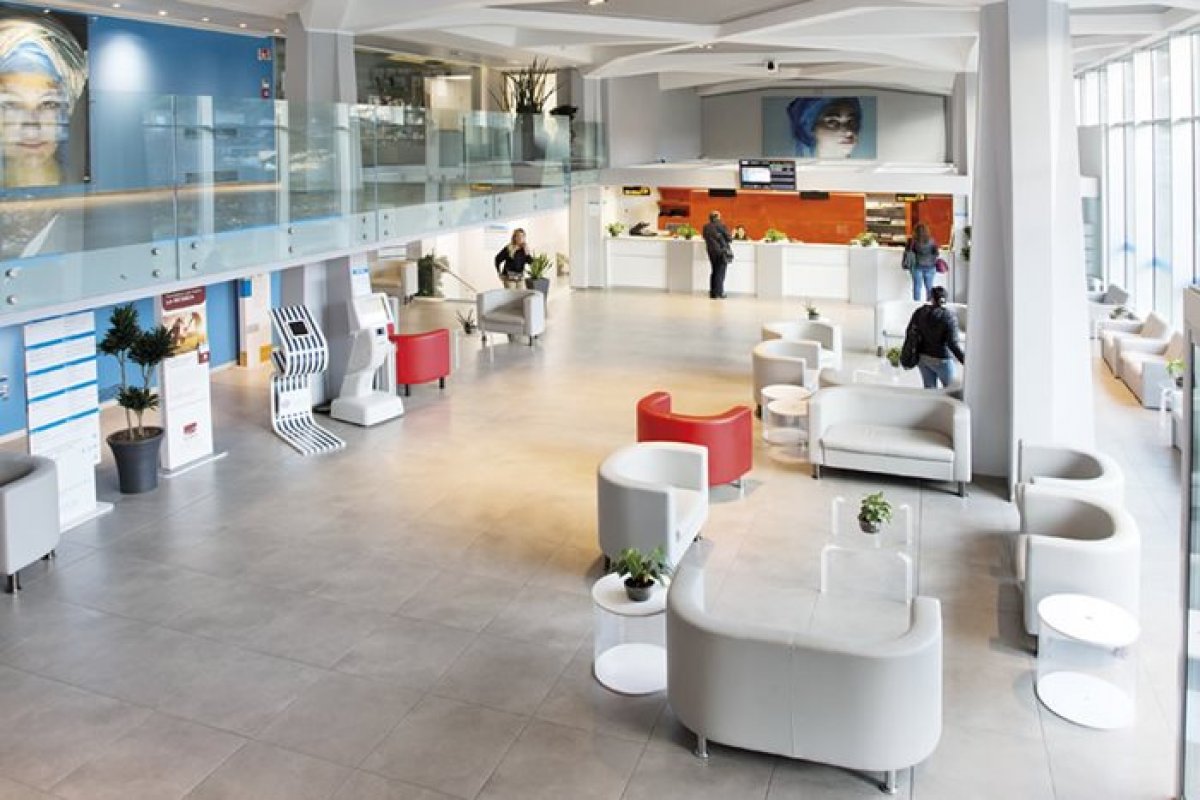
La Madonnina Clinic
إيطاليا,


تمت مراجعة المقالة طبيا من قبل
فهد مولود
| إيطاليا | تركيا | إسبانيا | |
|---|---|---|---|
| علاج الأعراض | ≈ $600 | من $220 | من $20,200 |
Bookimed لا يضيف رسوماً إضافية على أسعار علاج مرض تكيس الكلى. الأسعار مأخوذة من قوائم الأسعار الرسمية للعيادات. تدفع مباشرة في العيادة مقابل علاجك عند وصولك إلى البلد.
Bookimed ملتزم بسلامتك. نحن نعمل فقط مع المؤسسات الطبية التي تحافظ على معايير دولية عالية في علاج مرض تكيس الكلى ولديها التراخيص اللازمة لخدمة المرضى الدوليين في جميع أنحاء العالم.
Bookimed يقدم مساعدة خبراء مجانية. منسق طبي شخصي يدعمك قبل وأثناء وبعد العلاج، ويحل أي مشاكل. لن تكون وحيداً أبداً في رحلة علاج مرض تكيس الكلى.


يتخصص الدكتور سالتوتي في الجراحة الروبوتية والمنظارية طفيفة التوغل لحالات الكلى في مستشفى ماريا سيسيليا.

حاصل على براءة اختراع دولية لتحسين جراحة حصوات الكلى – يُعرف الدكتور كالاركو بتطوير التقنيات المسالك البولية في مستشفى Ospedale San Carlo di Nancy.

أجرى البروفيسور لوكا كارميناني أكثر من 10,000 عملية جراحية في الجهاز البولي ويرأس قسم المسالك البولية في مستشفى بوليكلينيكو سان دوناتو للأبحاث.
 Anna Leonova
تستضيف إيطاليا العديد من المراكز المعترف بها دولياً لأمراض الكلى الوراثية مثل مرض الكلى المتعدد الكيسات (PKD). تشمل هذه المستشفيات مرافق معتمدة من اللجنة الدولية المشتركة (JCI) ومراكز مرجعية لشبكة ERKNet المتخصصة في أمراض الكلى النادرة. توفر المؤسسات الرائدة في روما وميلانو وبولونيا اختبارات جينية متقدمة وإدارة متعددة التخصصات لمرض الكلى المتعدد الكيسات السائد.
رؤية خبير Bookimed: تتعامل المراكز الإيطالية مثل مستشفى سان كارلو دي نانسي مع أعداد كبيرة من المرضى، حيث تستقبل 14,000 مريض سنوياً. يحمل الدكتور أليساندرو كالاركو في هذا المرفق براءة اختراع لأدوات جراحة الكلى عن طريق الجلد. غالباً ما يؤدي هذا النطاق السريري إلى وصول أسرع إلى جراحي المسالك البولية المتخصصين مقارنة بالمستشفيات العامة. بالنسبة للمرضى الذين يعانون من حصوات مرتبطة بمرض PKD أو مشاكل هيكلية، فإن البحث عن جراحين ح
يتبع تقليل الكيس بالمنظار للكلى المتعددة الكيسات بروتوكولات سلامة صارمة مثل تصوير الأوعية الدموية قبل الجراحة والتوقف عن تناول الأدوية. يستخدم الجراحون الموجات فوق الصوتية أثناء الجراحة في الوقت الفعلي لتوجيه التصريف. تركز الرعاية بعد الجراحة على الحركة المبكرة ومراقبة وظائف الكلى. تحمي هذه التدابير أنسجة الكلى وتحسن النتائج الجراحية.
رؤية خبير Bookimed: غالبًا ما تستخدم مراكز المسالك البولية الإيطالية خبرة جراحية عالية المستوى لتحسين سلامة المرضى. على سبيل المثال، أجرى البروفيسور الدكتور لوكا كارميناني في مستشفى سان دوناتو أكثر من 10,000 جراحة للجهاز البولي. هذا المستوى من الخبرة أمر بالغ الأهمية لإدارة الهياكل الوعائية المعقدة في الكلى المتعددة الكيسات. الجراحون ذوو الخبرة العالية مجهزون بشكل أفضل للتعامل مع عمليات استئصال الكيسات الدقيقة المطلوبة لهذه الحالة.
إجماع المرضى: يؤكد المرضى على الحاجة إلى فحوصات منتظمة للعدوى قبل الجراحة بسبب ارتفاع خطر الإصابة بالتهابات المسالك البولية. يلاحظ الكثيرون أيضًا أن المشي المبكر واس
يجب على المرضى التخطيط لإقامة تتراوح بين 21 إلى 35 يوماً في إيطاليا لعلاج مرض الكلى المتعدد الكيسات. تغطي هذه الفترة فحصاً قبل الجراحة لمدة 5 أيام و5 إلى 12 يوماً من الإقامة في المستشفى. تتطلب المراقبة بعد الجراحة والمتابعة المبكرة 10 إلى 14 يوماً إضافية قبل السفر جواً.
رؤية خبير Bookimed: يتبع أطباء المسالك البولية الإيطاليون مثل الدكتور أليساندرو كالاركو في مستشفى سان كارلو دي نانسي بروتوكولات صحة عامة صارمة تتطلب فحوصات يومية خلال الأسبوع الأول بعد الجراحة. على الرغم من أن المراكز ذات الحجم الكبير في روما وميلانو تعالج أكثر من 14,000 مريض سنوياً، إلا أن توفر غسيل الكلى يظل محدوداً. يجب أن يبدأ التنسيق لدعم الكلى قبل 8 أسابيع على الأقل من الوصول.
إجماع المرضى: يؤكد المرضى على أهمية تخصيص ميزانية لمدة 6 أسابيع على الأقل لاستيعاب أي تأخيرات في المختبر أو احتمالية إعادة الإدخال للمستشفى. من الضروري حجز سكن بالقرب من العيادة لإدارة زيارات المتابعة المتكررة براحة.
تقدم المراكز الإيطالية عمليات زراعة الكبد والكلى المتزامنة (SLK) لمرضى ADPKD من خلال مراكز ذات حجم عمليات كبير مثل مستشفى مولينيت ومركز ISMETT. يجب أن يحمل المرضى الأجانب إقامة إيطالية أو يستوفوا اتفاقيات صحية ثنائية محددة. تتطلب الأهلية السريرية ضعفًا كلويًا كبيرًا أو مضاعفات كبدية حادة مثل الالتهابات المتكررة.
رؤية خبير Bookimed: تعطي شبكات الزراعة الإيطالية مثل GVM و San Donato الأولوية للجراحين ذوي الخلفيات الجراحية ذات الحجم الكبير. أجرى البروفيسور لوكا كارميناني أكثر من 10,000 إجراء مسالك بولية في ميلانو. هذا العمق في الخبرة حيوي عند التعامل مع التعقيدات الهيكلية لمرض ADPKD. غالبًا ما تتطلب الحالات الأجنبية استشارة مسالك بولية أولية لتأكيد الأهلية للجراحة.
إجماع المرضى: يشير المرضى إلى أن الوصول لغير مواطني الاتحاد الأوروبي مقيد للغاية وغالبًا ما يتطلب إقامة إيطالية. ويؤكدون على أهمية وجود طبيب كلى محلي كراعٍ وتأكيد السكن لفترة التعافي الطويلة بعد الإجراء.
تفيد المراكز الإيطالية بوجود معدل بقاء للكلى المزروعة لمدة 5 سنوات بنسبة 86% لمرضى ADPKD الذين يخضعون لزراعة الكلى. تحقق الإجراءات الاستباقية المقترنة باستئصال الكلية المبكر باستمرار معدلات بقاء تزيد عن 90%. يعتمد النجاح على تقليل وقت غسيل الكلى واستخدام تقنيات الجراحة بالمنظار للحفاظ على مساحة البطن.
رؤية خبير Bookimed: غالباً ما يفضل أطباء المسالك البولية الإيطاليون نهجاً محافظاً. أجرى البروفيسور لوكا كارميناني في مستشفى سان دوناتو أكثر من 10,000 عملية جراحية. خبرته في جراحة المنظار الروبوتية حيوية لمرضى ADPKD. تعالج المراكز ذات الحجم الكبير مثل مستشفى سان كارلو دي نانسي 14,000 مريض سنوياً. إنهم يعطون الأولوية للحفاظ على كلية أصلية واحدة للحفاظ على مساحة البطن للكلى المزروعة الجديدة. تساعد هذه الاستراتيجية في ضمان وظيفة الكلى المزروعة بنسبة 100% التي أبلغ عنها بعض المرضى عند علامة 5 سنوات.
إجماع المرضى: يؤكد المرضى على أهمية الضغط من أجل تقييمات الزراعة الاستباقية بمجرد انخفاض معدل الترشيح الكبيبي (GFR) عن 25. يلاحظ الكثيرون أن الحفاظ على كلية أصلية واحدة يساعد
توفر المستشفيات الإيطالية دعمًا متعدد اللغات من خلال أقسام دولية، ومترجمين فوريين معتمدين، ووسطاء ثقافيين. توفر مرافق مثل سان رافاييل وجيميلي منسقين يتحدثون العربية والإنجليزية. تعمل هذه الخدمات على سد فجوات التواصل أثناء استشارات أمراض الكلى. غالبًا ما يتم توفير الوثائق الطبية باللغة الإنجليزية لرعاية المتابعة.
رؤية خبير Bookimed: الخبرة السريرية هي مؤشر رئيسي للجودة في إيطاليا. أجرى البروفيسور لوكا كارميناني في مستشفى سان دوناتو 10,000 إجراء. غالبًا ما يرتبط اختيار متخصص ذو حجم عمل كبير بتنسيق أكثر سلاسة. تخدم عيادات مثل مستشفى سان كارلو دي نانسي 14,000 مريض سنويًا وتحافظ على سير عمل دولي منظم.
إجماع المرضى: يشير المرضى إلى أن تطبيقات اللغة شائعة في الأجنحة العامة. ومع ذلك، يوصي الكثيرون بتعيين كونسيرج خاص للتعامل مع البيروقراطية المعقدة أو العثور على مترجمين عرب من خلال شبكات المجتمع المحلي.
يمكن للسياح الطبيين عادةً ركوب رحلة طيران طويلة بعد 7 إلى 10 أيام من إجراء عملية تثقيب كيس الكلى بالروبوت أو بالمنظار. تسمح هذه الفترة بامتصاص غاز ثاني أكسيد الكربون المتبقي. كما أنها تضمن الاستقرار الطبي قبل مواجهة تغيرات ضغط المقصورة. يجب على المرضى الحصول على شهادة لياقة للطيران أولاً.
رؤية خبير Bookimed: في حين أن العديد من المستشفيات العامة تقدم هذه الجراحة، فإن اختيار مركز ذي حجم كبير أمر حيوي. يعالج مستشفى Ospedale San Carlo di Nancy في روما 14,000 مريض سنوياً. يمتلك فريق المسالك البولية فيه، بما في ذلك الدكتور أليساندرو كالاركو، براءات اختراع دولية لأدوات جراحة الكلى. غالباً ما يؤدي هذا المستوى من التخصص إلى تعافٍ أكثر سلاسة من خلال تقنيات طفيفة التوغل متقدمة. عادةً ما يحدد الجراحون ذوو الخبرة العالية معالم سفر أوضح بناءً على تعقيد إجراءك المحدد.
إجماع المرضى: يشير المرضى إلى أنه من المهم الاستماع إلى جسدك بدلاً من اتباع تقويم صارم. غالباً ما ينصحون بالانتظار حتى تختفي آلام الغازات تماماً قبل الطيران لتجنب الانزعاج الناتج عن ضغط المقصورة.