علاج قرحة المعدة في تايلاند — احصل على 3 عيادات مختارة خصيصاً لك


تمت مراجعة المقالة طبيا من قبل
فهد مولود
كيف نعمل؟
ما هي تكلفة قرحة المعدة إجراءات التشخيص والعلاج في تايلاند؟ اعرف الآن
اكتشف أفضل قرحة المعدة العيادات في تايلاند: 7 خيارات معتمدة والأسعار


MedConsult Bangkok Medical Clinic




احصلوا على تقييم طبي لـ قرحة المعدة في تايلاند: استشيروا أطباء ذوي خبرة الآن
عرض جميع الأطباء
Pichai Kittipanyaworakul
Pichai Kittipanyaworakul، دكتور في الطب (M.D.)، طبيب باطني متخصص في أمراض الجهاز الهضمي والكبد.
التعليم: دكتور في الطب (M.D.)، كلية الطب، جامعة تشيانغ ماي.
الاعتمادات: دبلوم في الطب الباطني، مستشفى تشولالونغكورن التذكاري، جمعية الصليب الأحمر التايلاندي. دبلوم في الطب الباطني (أمراض الجهاز الهضمي والكبد)، كلية الطب بمستشفى راماثيبودي، جامعة ماهيدول.

Pichai Kittipanyaworakul
الدكتور بيشاي كيتيبانياووراكول هو أخصائي طب باطني، وأخصائي أمراض الجهاز الهضمي والكبد في مستشفى إنتارات في بانكوك. وهو حاصل على دبلوم في أمراض الجهاز الهضمي والكبد من مستشفى راماتيبودي المرموق. يعالج الدكتور كيتيبانياووراكول اضطرابات الجهاز الهضمي وحالات الكبد المعقدة. يعمل في مستشفى إنتارات، وهو مرفق معتمد من ISO يعالج أكثر من 100,000 مريض سنوياً.
- يجري إجراءات متخصصة بما في ذلك استئصال المعدة، واستئصال المريء، واستئصال المرارة.
- يوفر خبرة تشخيصية في تنظير المعدة مع الخزعة،
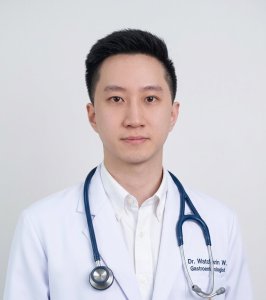
Watcharin Wichapolchaiyakul
الدكتور Watcharin Wichapolchaiyakul طبيب أمراض جهاز هضمي حاصل على شهادة البورد ومتخصص في الطب الباطني في مستشفى سيريراج، جامعة ماهيدول في بانكوك. أتمّ زمالة أمراض الجهاز الهضمي وتدريب البورد في الطب الباطني في سيريراج. حصل على درجة الطب (MD) من كلية الطب بمستشفى سيريراج، وتخرّج بمرتبة الشرف الأولى (GPA 3.90).
تشمل خبرته السريرية عدوى الملوية البوابية، واضطرابات الغشاء المخاطي المعدي، وإصابة الكبد الناجمة عن الأدوية. قدّم أبحاثاً في أسبوع أمراض الجهاز الهضمي في شيكاغو. يتناول عمله الميك

Premkamol Patraithikul
الدكتور Premkamol Patraithikul جرّاح عام تلقّى تدريبًا متقدمًا على التقنيات الجراحية طفيفة التوغل. حصل على درجة M.D. من جامعة خون كاين، وأتمّ إقامة في الجراحة العامة بجامعة ثاماسات، كما أنهى زمالة في الجراحة بالمنظار بجامعة ماهيدول (مستشفى سريراج) في تايلاند.
تشمل خبرته السريرية الجراحة بالمنظار والجراحة الروبوتية. وتشمل ممارسته أيضًا الجراحة العامة، وجراحات السمنة وإدارة الوزن، وجراحات أمراض الجهاز الهضمي.
مشاركة المحتوى
قصص فيديو من مرضى Bookimed
 Anna Leonova
أسئلة متكررة حول علاج قرحة المعدة في تايلاند
ما هي طرق العلاج الأساسية القائمة على الأدلة لقرحة المعدة في تايلاند؟
يركز العلاج القائم على الأدلة لقرحة المعدة في تايلاند على القضاء على الملوية البوابية (Helicobacter pylori) وتثبيط الحمض. تعطي المبادئ التوجيهية الوطنية التايلاندية الأولوية للعلاجات بالمضادات الحيوية المتسلسلة أو المصاحبة لمدة 10 أيام. توفر حاصرات الحمض التنافسية للبوتاسيوم الحديثة مثل Vonoprazan معدلات شفاء عالية. تتبع العيادات المتخصصة في بانكوك وباتايا بروتوكولات معتمدة من اللجنة الدولية المشتركة (JCI).
- علاج الاستئصال: تجمع الأنظمة المتسلسلة بين مثبط مضخة البروتون (PPI)، والأموكسيسيلين، والميترونيدازول، والكلاريثروميسين.
- تثبيط الحمض: عادة ما يتم وصف مثبطات مضخة البروتون مثل أوميبرازول أو إيسوميبرازول لمدة 6-8 أسابيع.
- المعايير التشخيصية: تستخدم المستشفيات المعتمدة من JCI تنظيرًا داخليًا متقدمًا لتأكيد الشفاء واستبعاد الأورام الخبيثة.
- الخبرة المتخصصة: غالبًا ما يحمل أطباء الجهاز الهضمي ذوو الخبرة العالية في تايلاند زمالات من مؤسسات أمريكا الشمالية.
رؤية خبير Bookimed: تدير أقسام الجهاز الهضمي الرائدة في تايلاند، مثل تلك الموجودة في مستشفى سيكارين ومستشفى بانكوك باتايا، أعدادًا هائلة من المرضى تتجاوز 250,000 سنويًا. أدى هذا التردد العالي إلى تركيز خاص على البكتيريا المقاومة للأدوية. غالبًا ما يستخدم المتخصصون الخبراء مثل الأستاذ الدكتور فاروتشا ماهاشاي، الذي يتمتع بخبرة تزيد عن 45 عامًا، علاجات الإنقاذ مثل العلاج الثلاثي القائم على الليفوفلوكساسين للحالات التي فشلت فيها علاجات الخط الأول القياسية في أماكن أخرى.
ما هي المستشفيات في تايلاند المعتمدة دوليًا لتقديم رعاية أمراض الجهاز الهضمي الآمنة وعالية الجودة؟
تضم تايلاند العديد من المستشفيات المعتمدة من قبل اللجنة الدولية المشتركة (JCI) التي تقدم رعاية آمنة لأمراض الجهاز الهضمي. تحافظ المرافق الرائدة مثل مستشفى بامرونجراد الدولي ومستشفى بانكوك باتايا على معايير السلامة العالمية. تستخدم هذه المراكز تنظيرًا متطورًا ووحدات متخصصة لعلاج الحالات المعقدة مثل قرحة المعدة وأمراض الكبد والقنوات الصفراوية.
- مستشفى بامرونجراد الدولي: يعالج أكثر من 43,000 مريض في الجهاز الهضمي سنويًا بخدمات تنظير معتمدة أمريكيًا.
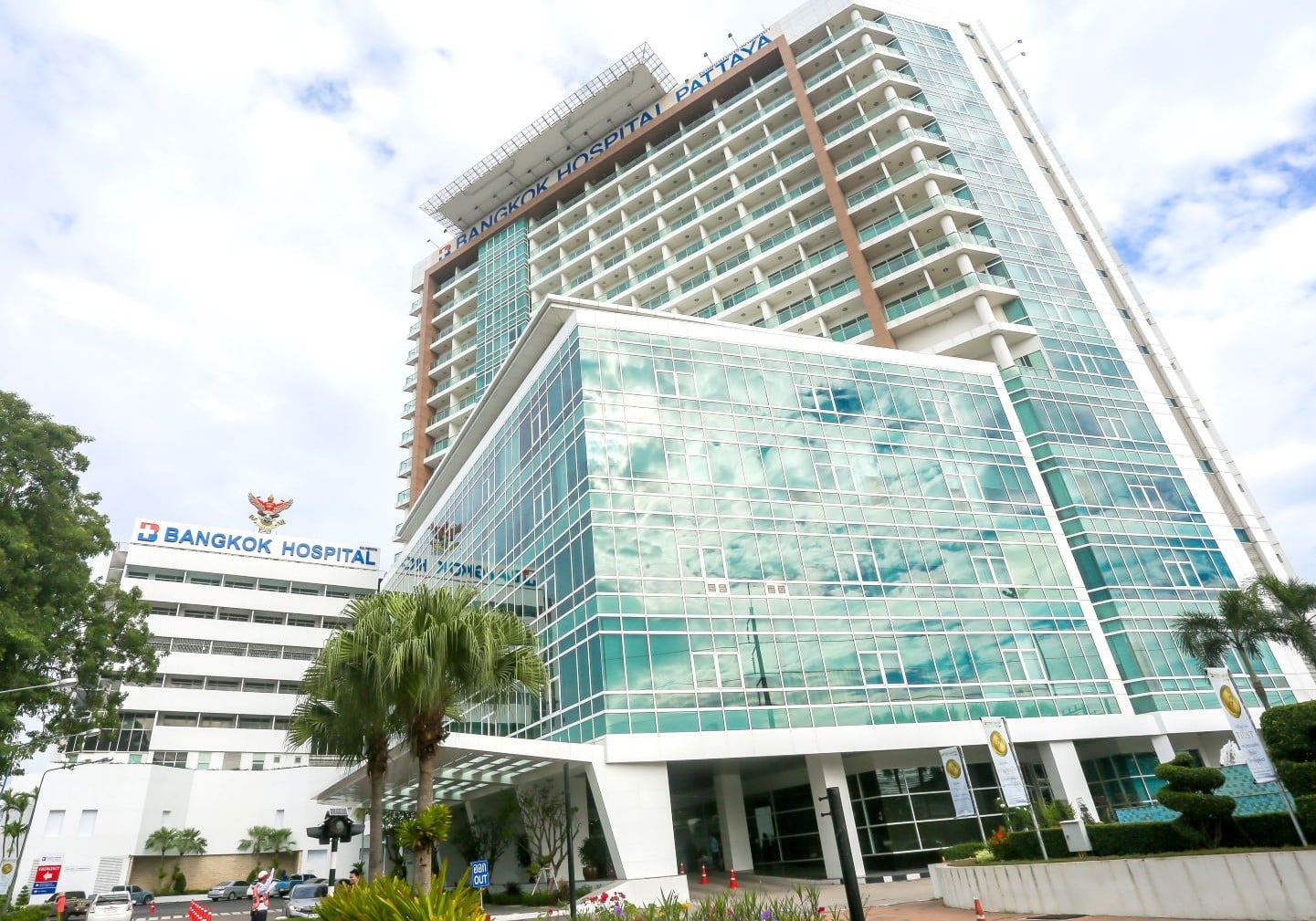
- مستشفى بانكوك باتايا: مرفق معتمد من JCI ضمن شبكة BDMS يخدم 400,000 مريض سنويًا.
- مستشفى سيكارين: حاصل على شهادات JCI و ISO ويخدم 255,000 مريض دولي سنويًا.
- أطباء متخصصون: أطباء مثل البروفيسور الدكتور فاروتشا ماهاشاي يتمتعون بخبرة تزيد عن 45 عامًا.
رؤية خبراء Bookimed: تُظهر البيانات تركيزًا عاليًا للخبرة داخل شبكة BDMS. يحمل البروفيسور الدكتور فاروتشا ماهاشاي في مستشفى بانكوك باتايا مؤهلات نادرة من أمريكا الشمالية مثل زمالة الكلية الملكية للأطباء والجراحين في كندا. يجب على المرضى الذين يبحثون عن رعاية معقدة للقرحة البحث عن هذه الخلفيات الأكاديمية المحددة لضمان دقة التشخيص وفقًا للمعايير الغربية.
إجماع المرضى: يشير المرضى إلى أن المستشفيات الخاصة الكبرى تقدم تجربة متميزة مع إجراءات تنظير لا تشوبها شائبة. ويؤكدون أنه على الرغم من أن التكاليف أقل مما هي عليه في الولايات المتحدة، إلا أن الرعاية تبدو متفوقة بسبب التواصل الواضح فيما يتعلق باختبارات جرثومة المعدة (H. pylori) وبروت
هل يمكنني الحصول على أدوية القرحة بدون وصفة طبية في تايلاند، وما هي الاحتياطات المتبعة؟
يمكنك الحصول على أدوية القرحة الشائعة مثل أوميبرازول ومضادات الحموضة بدون وصفة طبية في تايلاند. توفر الصيدليات في المدن الكبرى بانتظام علامات تجارية عالمية وأدوية جنيسة محلية بأسعار معقولة. ومع ذلك، يجب تقييم الأعراض المزمنة التي تتطلب تشخيصًا من قبل متخصصين في مرافق معتمدة من قبل اللجنة الدولية المشتركة (JCI).
- أنواع الأدوية: مثبطات مضخة البروتون مثل أوميبرازول ومضادات الحموضة السائلة متاحة على نطاق واسع.
- المنافذ المعتمدة: تسوق من السلاسل المعروفة مثل Boots أو Watsons أو الصيدليات التابعة للمستشفيات.
- الاستشارة المهنية: يقدم الصيادلة الذين يتحدثون الإنجليزية في المناطق السياحية إرشادات حول الجرعة والاستخدام.
- مراقبة الأعراض: قد يتطلب الألم المستمر إجراء اختبار الملوية البوابية (H. pylori) أو تنظير المعدة في عيادات متخصصة.
رؤية خبير Bookimed: يقدم المشهد الصيدلاني في تايلاند توازنًا فريدًا بين سهولة الوصول والرعاية المتخصصة عالية المستوى. بينما يمكنك شراء مثبطات مضخة البروتون الأساسية من معظم الصيدليات الحضرية، غالبًا ما يبحث المرضى الذين يعانون من مشاكل قرحة معقدة عن خبراء مثل البروفيسور الدكتور فاروتشا ماهاشاي في مستشفى بانكوك باتايا. هذا المرفق معتمد من JCI ويخدم 400,000 مريض سنويًا. للحصول على راحة طويلة الأمد، غالبًا ما يجمع المسافرون بين العلاج بدون وصفة طبية والتشخيص المهني في مراكز كبرى مثل مستشفى سيكارين في بانكوك.
إجماع المرضى: يشير المسافرون إلى أن شراء مثبطات مضخة البروتون الجنيسة من سلاسل الصيدليات أمر
ما مدى سرعة سفري بعد علاج قرحة المعدة في تايلاند؟
يمكن لمعظم المرضى السفر في غضون 3 إلى 7 أيام بعد علاج قرحة المعدة غير الجراحي. إذا كنت تعاني من نزيف، انتظر من 10 إلى 14 يوماً قبل الطيران. تتطلب الرحلات بعد الجراحة من 10 إلى 14 يوماً للسلامة. توفر المستشفيات التايلاندية المعتمدة من قبل اللجنة الدولية المشتركة (JCI) تصريحاً طبياً متخصصاً للرحلات الدولية.
- الحالات غير الجراحية: السفر آمن في غضون 3 إلى 5 أيام إذا كانت الأعراض مستقرة.
- نوبات النزيف: غالباً ما تتطلب شركات الطيران فترة انتظار من 14 إلى 21 يوماً بعد النزيف.
- التعافي الجراحي: انتظر من 10 إلى 14 يوماً بعد جراحة البطن الكبرى للطيران.
- إجراءات تنظير البطن: قد يكون السفر ممكناً في غضون 4 إلى 7 أيام دون مضاعفات.
رؤية خبير Bookimed: تخدم مراكز أمراض الجهاز الهضمي التايلاندية مثل مستشفى بانكوك باتايا أكثر من 400,000 مريض سنوياً. يجلب كبار المتخصصين مثل البروفيسور الدكتور فاروتشا ماهاشاي أكثر من 45 عاماً من الخبرة في إدارة القرحة. هذا الحجم الكبير يعني أن العيادات خبيرة في إدارة تصاريح الطيران والأوراق. اطلب دائماً شهادة رسمية "للياقة للطيران" (Fit to Fly) من أخصائيك قبل الحجز.
إجماع المرضى: يشير المرضى إلى أنه من المهم الانتظار من 2 إلى 4 أسابيع بعد العلاج. يساعد هذا التأخير في تجنب اضطرابات النظام الغذائي ويضمن عمل الأدوية بشكل جيد. يوصي الكثيرون بحزم وجبات خفيفة خفيفة ومضادات الحموضة لأن طعام شركات الطيران غالباً ما يسبب الألم أثناء الرحلات الطويلة.
ما هي عوامل نمط الحياة التي يجب أن أتبعها أثناء الخضوع لعلاج القرحة في تايلاند؟
تتمحور عوامل نمط الحياة لعلاج قرحة المعدة في تايلاند حول الانضباط الغذائي وإدارة التوتر. يجب على المرضى تجنب الأطعمة الحارة `Thai Spicy` والكحول بشكل صارم لمنع تهيج الغشاء المخاطي. يعد الحفاظ على معايير نظافة عالية وتجنب مضادات الالتهاب غير الستيروئيدية مثل الأسبرين أمراً بالغ الأهمية للشفاء تحت رعاية متخصصين معتمدين من قبل JCI.
- التحكم الغذائي: تجنب الفلفل الحار والفلفل الأسود. اطلب أطباق `mai pet` لتقليل تحفيز حمض المعدة.
- معايير النظافة: تناول طعام الشارع الطازج والساخن. الوقاية من إعادة العدوى بجرثومة الملوية البوابية (H. pylori) أمر حيوي للتعافي.
- التغذية الخفيفة: ركز على نودلز الأرز، والكونجي، والسمك المطهو على البخار. هذه تحمي بطانة المعدة.
- تعديل العادات: توقف عن التدخين وتجنب الكافيين. الإقلاع عن التبغ يزيد بشكل كبير من سرعة الشفاء الإجمالية.
رؤية خبير Bookimed: توفر المراكز ذات الحجم الكبير في تايلاند، مثل مستشفى بانكوك باتايا الذي يستقبل 400,000 مريض سنوياً، خبرة تخصصية عميقة. يتمتع البروفيسور الدكتور فاروتشا ماهاشاي بأكثر من 45 عاماً من الخبرة في أمراض القرحة الهضمية. اختيار متخصص مخضرم في منشأة معتمدة من JCI يضمن الوصول إلى تنظير متقدم لمراقبة دقيقة لتقدم تعافيك.
إجماع المرضى: يؤكد المرضى على تجنب حتى الأطباق المحلية الخفيفة مثل توم يوم. يجدون أن تناول الزبادي أثناء العلاج بالمضادات الحيوية يساعد في إدارة الغثيان ويدعم راحة الجهاز الهضمي.
هل يتوفر علاج إضافي في حال فشل القضاء على بكتيريا *H. pylori*؟
يتوفر العلاج الإضافي لبكتيريا H. pylori على نطاق واسع في تايلاند ويوصى به في حال فشل القضاء عليها في المرة الأولى. تظل معدلات النجاح مرتفعة من خلال علاجات الإنقاذ التي تستخدم مجموعات مختلفة من المضادات الحيوية. يصف الأخصائيون عادةً العلاج الرباعي بالبزموت لمدة 10 إلى 14 يوماً للتغلب على المقاومة البكتيرية بعد فشل العلاج الأولي.
- تناوب العلاج: لا يكرر الأطباء أبداً المضادات الحيوية التي فشلت لتجاوز المقاومة البكتيرية المكتسبة.
- أنظمة الإنقاذ: العلاج الرباعي بالبزموت هو الخيار المفضل كخط علاج ثانٍ في العيادات التايلاندية.
- تأكيد النجاح: يجب على المرضى الانتظار من 4 إلى 8 أسابيع قبل إعادة الاختبار عبر اختبارات التنفس.
- التشخيص المتقدم: بعد فشلين، يوصي الأطباء باختبارات الحساسية لتخصيص مضادات حيوية محددة.
رؤية خبير Bookimed: تعد تايلاند مركزاً لأمراض الجهاز الهضمي، حيث تخدم مرافق مثل مستشفى بانكوك باتايا 400,000 مريض سنوياً. غالباً ما يدير أخصائيون ذوو خبرة عالية، مثل البروفيسور الدكتور فاروتشا ماهاشاي الذي يتمتع بخبرة تزيد عن 45 عاماً، الحالات المستعصية المعقدة. إن اختيار بروتوكولات مدتها 14 يوماً بدلاً من دورات مدتها 7 أيام في المراكز المعتمدة من JCI في بانكوك يحسن بشكل كبير نتائج القضاء على البكتيريا للمرضى الدوليين.
إجماع المرضى: يؤكد المرضى على ضرورة تأكيد الفشل باختبار التنفس باليوريا بدلاً من فحص الدم. يلاحظ الكثيرون أن إضافة البروبيوتيك والالتزام الصارم بتغييرات النظام الغذائي أثناء العلاج الإضافي ساعدهم أخيراً ف