قرحة المعدة العلاج في ألمانيا - التكاليف 2026


تمت مراجعة المقالة طبيا من قبل
فهد مولود
ما هي تكلفة قرحة المعدة إجراءات التشخيص والعلاج في ألمانيا؟ اعرف الآن
مزاياك وضماناتك مع Bookimed
أسعار مباشرة
Bookimed لا يضيف رسوماً إضافية على أسعار علاج قرحة المعدة. الأسعار مأخوذة من قوائم الأسعار الرسمية للعيادات. تدفع مباشرة في العيادة مقابل علاجك عند وصولك إلى البلد.
عيادات وأطباء معتمدون فقط
Bookimed ملتزم بسلامتك. نحن نعمل فقط مع المؤسسات الطبية التي تحافظ على معايير دولية عالية في علاج قرحة المعدة ولديها التراخيص اللازمة لخدمة المرضى الدوليين في جميع أنحاء العالم.
مساعدة مجانية على مدار الساعة
Bookimed يقدم مساعدة خبراء مجانية. منسق طبي شخصي يدعمك قبل وأثناء وبعد العلاج، ويحل أي مشاكل. لن تكون وحيداً أبداً في رحلة علاج قرحة المعدة.

منسقك الطبي الشخصي في Bookimed
- يدعمك في كل مرحلة
- المساعدة في اختيار العيادة الطبية المناسبة والطبيب المناسب
- يضمن الوصول السريع والمريح إلى المعلومات
اكتشف أفضل قرحة المعدة العيادات في ألمانيا: 10 خيارات معتمدة والأسعار









Hospital in the Pfeiffer`s foundations

DRK Westend Clinic Berlin



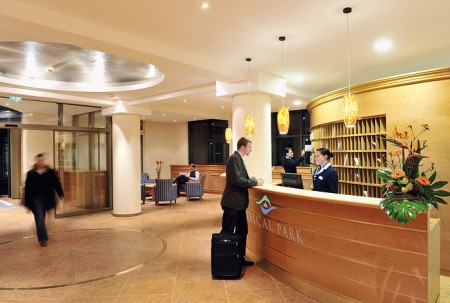
Medical Park AG
احصلوا على تقييم طبي لـ قرحة المعدة في ألمانيا: استشيروا أطباء ذوي خبرة الآن
عرض جميع الأطباء
Viktor Alexander Krol
يرأس الدكتور فيكتور ألكسندر كرول قسم أمراض الجهاز الهضمي في مستشفى سانت مارتينوس في دوسلدورف، وهو متخصص في العلاجات المتقدمة لقرحة المعدة.
- رئيس قسم أمراض الجهاز الهضمي والطب الباطني بخبرة واسعة
- مدير مركز معتمد لعلاج السمنة
- يستخدم أحدث التقنيات التنظيرية والتشخيصية
- يوفر علاجاً شاملاً لأمراض الجهاز الهضمي

Peter Schenker
كبير الجراحين في قسم الجراحة – أدخل أساليب جراحية حديثة مع التركيز على التقنيات طفيفة التوغل، بما في ذلك الجراحة الروبوتية.
- أخصائي في الجراحة الحشوية مع خبرة في أورام الجهاز الهضمي
- منسق مركز سرطان البنكرياس (Oncocert)
- تخصص سريري إضافي في الجراحة طفيفة التوغل وجراحة الفتق
- باحث ومحاضر نشط في الجامعات الطبية

Siegbert Rossol
36 سنة متخصص في أمراض الجهاز الهضمي - يتمتع الدكتور روسول بخبرة عميقة في علاج قرحة المعدة في عيادة نوردويست.
- أجرى أكثر من 1100 إجراء مع التركيز على التصوير بالموجات فوق الصوتية التداخلي
- زميل المجلس الأوروبي لأمراض الجهاز الهضمي
- تدرب في معهد دراسات الكبد بكلية كينجز لندن
- نشر أبحاثاً في مجلات طبية وطنية ودولية
مشاركة المحتوى
قصص فيديو من مرضى Bookimed
 Anna Leonova
أسئلة متكررة حول علاج قرحة المعدة في ألمانيا
ما مدى أمان وفعالية علاج قرحة المعدة في المستشفيات الألمانية؟
علاج قرحة المعدة في المستشفيات الألمانية آمن وفعال للغاية. تحقق العلاجات الطبية القياسية معدلات نجاح تزيد عن 90%. وغالباً ما تصل مثبطات مضخة البروتون إلى معدلات شفاء بنسبة 95% في غضون ثمانية أسابيع. تستخدم المرافق بشكل متكرر تقنيات تنظيرية متقدمة مثل EMR أو ESD للحالات المعقدة. تضمن شهادات ISO و JCI الصارمة إدارة جودة من الدرجة الأولى.
- نجاح العلاج: تحقق العلاجات الثلاثية أو الرباعية نسبة 90% في القضاء على بكتيريا الملوية البوابية (H. pylori).
- التشخيص المتقدم: تستخدم العيادات اختبارات التنفس باليوريا والتنظير الداخلي التداخلي.
- رعاية الطوارئ: غالباً ما تتلقى القرح النازفة علاجاً تنظيرياً في غضون 24 ساعة.
- الخبرة المتخصصة: يتمتع جراحون مثل الدكتور سيغبرت روسول بخبرة تزيد عن 30 عاماً.
رؤية خبير Bookimed: تتعامل المستشفيات الجامعية الألمانية مثل آخن وإرلانجن مع أعداد هائلة من المرضى. تعالج آخن وحدها 250,000 مريض سنوياً. هذا الحجم الكبير يعزز الكفاءة التقنية في التنظير الداخلي التداخلي المعقد. تستثمر عيادات مثل نوردويست وسولينجن بكثافة في المعدات الجراحية الحديثة. يؤدي هذا التركيز على التكنولوجيا إلى معدلات نجاح عالية في إنقاذ حالات النزيف المستعصية.
إجماع المرضى: يشير المرضى إلى أن عمليات التنظير يتم إجراؤها بشكل شامل وأكثر تكراراً مما هي عليه في أماكن أخرى. وهم يقدرون أن اختبار بكتيريا الملوية البوابية هو إجراء قياسي قبل تلقي الوصفات الطبية طويلة الأمد.
هل سيكون لدي ندبات مرئية بعد جراحة قرحة المعدة في ألمانيا؟
الندبات المرئية تكون في حدها الأدنى بعد جراحة قرحة المعدة في ألمانيا بسبب الاستخدام القياسي لتقنيات تنظير البطن. يتلقى معظم المرضى من 3 إلى 5 شقوق صغيرة يتراوح قياسها من 0.5 سم إلى 1.5 سم. تتلاشى هذه العلامات الصغيرة عادةً لتصبح خطوطًا رفيعة وباهتة في غضون عام إلى عامين.
- النهج الجراحي: جراحة تنظير البطن هي الخيار القياسي للمرضى المستقرين في العيادات الألمانية.
- حجم الشق: تتراوح منافذ الجراحة طفيفة التوغل من 0.5 سم إلى 1.5 سم في الطول.
- مكان الندبة: غالبًا ما يخفي الجراحون أكبر شق داخل الطيات الطبيعية للسرة.
- الجدول الزمني للشفاء: تتحول الندبات عادةً من اللون الوردي إلى خطوط بيضاء غير مرئية تقريبًا في غضون 24 شهرًا.
- الجراحة المفتوحة: قد تتطلب حالات الطوارئ للثقوب الكبيرة شقًا يتراوح من 10 سم إلى 30 سم.
رؤية خبير Bookimed: تتحول الأقسام الجراحية الألمانية، مثل المركز الطبي في سولينغن، نحو أجنحة متخصصة في الجراحة الروبوتية وجراحة الأحشاء. تدير هذه المراكز أحجامًا كبيرة تزيد عن 60,000 مريض سنويًا. تُظهر بياناتنا أن المستشفيات الألمانية ذات الحجم الكبير تعطي الأولوية للغرز تحت الجلد وعلاج السيليكون. يضمن هذا المزيج عادةً أن تكون الندبات أقل وضوحًا بشكل ملحوظ مقارنة بالطرق التقليدية المستخدمة في أماكن أخرى.
إجماع المرضى: يشير المرضى إلى أن اتباع البروتوكولات الألمانية بعد الجراحة، مثل استخدام شرائح السيليكون وواقي الشمس SPF 50، أمر ضروري. يؤكد الكثيرون أن بدء تدليك الندبة بعد 3 أسابيع يساعد العلا
كم من الوقت أحتاج للبقاء في ألمانيا لتقييم وعلاج قرحة المعدة؟
يتطلب تقييم قرحة المعدة في ألمانيا عادةً من يوم واحد إلى 5 أيام. غالبًا ما يستغرق إجراء التنظير التشخيصي والاستقرار الأولي 48 ساعة. الحالات المعقدة التي تتضمن خزعات أو مراقبة نشطة للنزيف تمدد الإقامة عادةً إلى 10 أيام. يستمر التعافي الكامل مع الأدوية لمدة 4 إلى 8 أسابيع.
- الإطار الزمني للتشخيص: غالبًا ما يتم الانتهاء من التنظير في غضون يوم واحد إلى 3 أيام.
- إقامة المراقبة: يتطلب استقرار القرحة النازفة عادةً من 3 إلى 4 أيام من المراقبة.
- التعافي الجراحي: يبلغ متوسط الإصلاح بالمنظار للقرحة المثقوبة من 9 إلى 10 أيام.
- نافذة النتائج: عادةً ما تظهر نتائج الخزعات وفحوصات الأورام في غضون يومين إلى 4 أيام.
رؤية خبير Bookimed: يعطي المرضى الأولوية للمستشفيات الجامعية مثل آخن أو إرلنغن للقبول السريع. أدارت الشبكات الألمانية الكبيرة أكثر من 1870 طلبًا في أمراض الجهاز الهضمي عبر Bookimed. غالبًا ما توفر المراكز ذات الحجم الأكبر، مثل عيادة شمال الراين-وستفاليا التي تستقبل 145,000 مريض سنويًا، أسرع وقت للتشخيص. على الرغم من أن المراقبة السريرية قصيرة، نوصي بالبقاء لمدة 7 أيام لضمان استقرار الأدوية قبل السفر.
إجماع المرضى: يشير المرضى إلى أن المستشفيات الألمانية تعطي الأولوية للمناظير التشخيصية بسرعة كبيرة. يذكر معظمهم الشعور بالأمان للخروج في غضون 48 ساعة بعد بدء العلاج. يؤكد المسافرون على أهمية إحضار تطبيق ترجمة للمساعدة في فهم تعليمات الأدوية المحددة.
ما هي الشهادات أو المؤهلات التي يجب أن أبحث عنها في الطبيب المعالج؟
يجب أن يحمل الأطباء المعالجون لقرحة المعدة في ألمانيا ترخيصًا طبيًا حكوميًا ساري المفعول (Approbation). ابحث عن متخصص معتمد في الطب الباطني والجهاز الهضمي (Facharzt für Innere Medizin und Gastroenterologie). تشير العضوية في الجمعية الألمانية لأمراض الجهاز الهضمي والتمثيل الغذائي (DGVS) إلى معايير سريرية عالية.
- شهادة التخصص: تضمن مؤهلات Facharzt إكمال الإقامة الرسمية واختبار التخصص.
- التركيز على الجهاز الهضمي: ابحث عن اعتماد زميل المجلس الأوروبي لأمراض الجهاز الهضمي (FEBU).
- التصنيف السريري: تظهر العيادات بشكل متكرر في قائمة مجلة Focus للمراكز الطبية الرائدة.
- الجودة المؤسسية: اختر المستشفيات الحاصلة على شهادات KTQ أو ISO لضمان سلامة المرضى الموحدة.
رؤية خبير Bookimed: على الرغم من أن شهادة المجلس هي المعيار، إلا أنه يجب إعطاء الأولوية للأطباء في المستشفيات الجامعية للحالات المعقدة من القرحة. يحمل الدكتور سيغبرت روسول في عيادة نوردويست والدكتور فيكتور ألكسندر كرول في مستشفى سانت مارتينوس العديد من الزمالات الدولية. غالبًا ما يشرف هؤلاء الخبراء ذوو الحجم الكبير على أكثر من 60,000 مريض سنويًا، وهو ما يرتبط بدقة تشخيصية أفضل في التنظير.
إجماع المرضى: يؤكد المرضى على أهمية التحقق من خبرة الطبيب المحددة في التنظير والبحث عن تقييمات إيجابية فيما يتعلق بأوقات الشفاء. ويشيرون إلى أن شهادة المجلس الألماني الأساسية عادة ما تكون كافية، ولكن الخبرة المتخصصة ضرورية للقرحة المستمرة.
هل تتوفر علاجات بالمنظار (غير جراحية) للقرحة المعقدة؟
تعد العلاجات بالمنظار خيارات أولية غير جراحية لقرحة المعدة المعقدة في ألمانيا. تعمل الأدوات المتقدمة مثل مشابك "Over-the-Scope" (OTSC) الآن على إصلاح الثقوب الصغيرة دون الحاجة إلى جراحة مفتوحة. كما يستخدم أطباء الجهاز الهضمي المتخصصون العلاج بالحقن، والمشابك الميكانيكية، والتخثير الحراري لوقف النزيف النشط بمعدلات نجاح عالية.
- السيطرة على النزيف: تحقق حقن الأدرينالين ومجسات الحرارة نجاحاً بنسبة 90% في وقف النزيف النشط.
- إصلاح الثقوب: تعمل مشابك OTSC المتخصصة، المعروفة باسم "مخالب الدب"، على إغلاق الثقوب الصغيرة في جدار المعدة.
- إدارة الانسداد: يعمل توسيع البالون بالمنظار على تمديد الأنسجة الندبية لاستعادة مرور الطعام بشكل طبيعي.
- خبرة المتخصصين: يتمتع الدكتور سيغبرت روسول في فرانكفورت بأكثر من 30 عاماً من الخبرة في التدخلات الجراحية.
رؤية خبير Bookimed: بينما يعتقد الكثيرون أن الجراحة أمر لا مفر منه في حالات المضاعفات، تعطي المراكز الألمانية مثل عيادة نوردويست والمركز الطبي في سولينغن الأولوية للتصوير بالموجات فوق الصوتية التداخلي والمنظار أولاً. تظهر البيانات أن هذه العيادات ذات الحجم الكبير تخدم أكثر من 60,000 مريض سنوياً. وغالباً ما يستخدمون معدات Olympus لإجراء عمليات إغلاق OTSC المعقدة، مما قد يمنع الحاجة إلى عمليات فتح البطن الأكثر توغلاً في 90% من الحالات المؤهلة.
إجماع المرضى: يؤكد المرضى أن التصرف السريع تجاه أعراض مثل البراز الأسود أمر حيوي. ويشيرون إلى أن الحصول على منظار فوري في مركز ذي حجم كبير غالباً ما
ما هي الأعراض المعتادة بعد الإجراء التي يجب أن أتوقعها قبل الخروج من المستشفى؟
تشمل الأعراض المعتادة بعد إجراء علاج قرحة المعدة في ألمانيا تقلصات خفيفة في البطن والتهاب في الحلق بسبب أدوات التنظير. غالبًا ما يعاني المرضى من الانتفاخ أو الغازات بسبب نفخ الهواء. تختفي معظم الأعراض في غضون 24 إلى 48 ساعة مع زوال تأثير التخدير والتهدئة.
- انزعاج الحلق: قد يستمر بحة الصوت الشديدة أو الألم الناتج عن المنظار لمدة يومين.
- انتفاخ البطن: تسبب الغازات أو الهواء المحبوس في المعدة ضغطًا مؤقتًا أو فواقًا.
- التأثيرات العصبية: من المتوقع حدوث نعاس ودوخة لمدة 24 ساعة على الأقل بعد التهدئة.
- تغيرات الجهاز الهضمي: البراز الأسود أو القاري هو بقايا طبيعية بعد حقن معينة لقرحة المعدة.
رؤية خبير Bookimed: تركز العيادات الألمانية مثل عيادة نوردويست والمركز الطبي في سولينغن على التعافي السريع من خلال تقنيات طفيفة التوغل. على الرغم من أن الكثيرين يتوقعون إقامة طويلة، إلا أن بياناتنا تظهر أن معظم المرضى مستقرون بما يكفي للخروج في غضون ساعتين إلى 4 ساعات. يؤكد متخصصون مثل الدكتور سيغبرت روسول، الذي يتمتع بخبرة تزيد عن 30 عامًا، على مراقبة العلامات الحيوية حتى يتمكن المرضى من تحمل السوائل الصافية بأمان.
إجماع المرضى: يلاحظ الكثيرون أن ألم الكتف الحاد أو الغازات الشديدة قد يكون مفاجئًا. يوصي المرضى بتجهيز أقراص استحلاب للحلق والتأكد من وجود وسيلة نقل للمنزل لأن التعب بعد التهدئة يكون شديدًا.
هل تعالج المستشفيات الألمانية المقيمين فقط أم المرضى الدوليين أيضًا؟
تعالج المستشفيات الألمانية كلاً من المقيمين والمرضى الدوليين من خلال نظام طبي منظم. معظم المرافق مفتوحة لغير المقيمين للحصول على رعاية متخصصة. تضم المستشفيات الجامعية والعيادات الخاصة أقسامًا مخصصة للأجانب. توفر هذه المراكز التشخيص والجراحة لحالات مثل قرحة المعدة لآلاف الزوار الدوليين سنويًا.
- الوصول إلى المستشفيات: تعالج مرافق مثل مستشفى جامعة آخن أكثر من 250,000 مريض سنويًا بغض النظر عن جنسيتهم.
- الخبرة المتخصصة: توظف عيادات مثل نوردويست فرانكفورت خبراء مثل الدكتور سيغبرت روسول في أمراض الجهاز الهضمي.
- معايير الجودة: تحافظ المراكز المعتمدة على بروتوكولات سلامة صارمة يتم التحقق منها من قبل هيئات مثل الجمعية الألمانية للسرطان.
- أنظمة الفوترة: تضمن الأسعار الموحدة حصول المرضى الدوليين على أسعار شفافة مماثلة لتلك الخاصة بالمقيمين المحليين.
رؤية خبير Bookimed: تظهر البيانات أن المستشفيات الجامعية الألمانية تتعامل مع أكبر أحجام من المرضى، بينما تقدم العيادات الخاصة الأصغر خدمة أكثر تخصيصًا. تخدم مؤسسات مثل مجمع عيادات شمال الراين-وستفاليا 145,000 مريض سنويًا عبر خمسة مبانٍ متخصصة. غالبًا ما يوفر اختيار مركز متعدد التخصصات وصولاً أسرع إلى متخصصين متكاملين للحالات المعقدة مثل القرحة المزمنة.
إجماع المرضى: يشير المرضى إلى أن المستشفيات الجامعية تقبل حالات الطوارئ في الجهاز الهضمي بغض النظر عن الجنسية. يؤكد الكثيرون على أهمية إحضار تأمين سفر شامل لتبسيط فوترة العلاجات التي غالبًا ما تكون تكلفتها أقل بكثير مما هي عليه في الول
ما هي المستشفيات في ألمانيا التي تحظى بأعلى التقييمات في جراحة الأعصاب؟
تضم ألمانيا بعضًا من أرقى أقسام جراحة الأعصاب في العالم، بقيادة مستشفى شاريتيه الجامعي في برلين ومستشفى جامعة هايدلبرغ. وتتميز هذه المراكز بخبرتها الواسعة في علاج أورام الدماغ المعقدة وأمراض الأوعية الدموية الدماغية. ولتحقيق أقصى قدر من الفعالية في عملياتها، تستخدم هذه المراكز أحدث التقنيات، مثل التصوير بالرنين المغناطيسي أثناء الجراحة والتوجيه العصبي بمساعدة الحاسوب.
- مستشفى شاريتيه برلين: يُجري أكثر من 5000 عملية جراحية سنوياً. ويرأس العيادة جراح الأعصاب الشهير الدكتور بيتر فايكوتشي.
- المركز الطبي في سولينجن: أجرى الدكتور رالف بوهل أكثر من 4000 عملية جراحية، بما في ذلك جراحات العمود الفقري طفيفة التوغل.
- عيادة أسكليبيوس نورد: مجهزة بنظام التصوير بالرنين المغناطيسي الثنائي الوحيد في ألمانيا أثناء الجراحة لضمان الدقة الجراحية في الوقت الحقيقي أثناء إزالة الورم.
- عيادة نوردويست: تم الاعتراف بها من قبل مجلة نيوزويك كمستشفى رائد في مجال الابتكار في تكنولوجيا الموجات فوق الصوتية ثلاثية الأبعاد.
رأي خبراء بوكيمد: تشير البيانات إلى أن اختيار المراكز ذات الحجم الجراحي الكبير غالبًا ما يؤدي إلى توصيات علاجية أكثر تحفظًا. ففي مركز سولينجن الطبي، الذي يعالج أكثر من 60,000 مريض
ما هي نسب نجاح العمليات الجراحية العصبية المعقدة في ألمانيا؟
في ألمانيا، تتميز العمليات الجراحية العصبية بالغة التعقيد بمستوى أمان استثنائي. تصل نسبة نجاح عمليات دمج الفقرات إلى 99%، بينما تبلغ نسبة النجاة بعد استئصال أورام الدماغ الأولية 97%. كما يتمتع المرضى بقدرة عالية على الاعتماد على أنفسهم في أداء وظائفهم اليومية، حيث يغادر أكثر من 82% منهم المستشفى مباشرةً بعد العلاج. وتولي المراكز الألمانية اهتماماً بالغاً بالحفاظ على الوظائف العصبية باستخدام أحدث تقنيات التخطيط العصبي.
- استئصال الورم: يحقق الجراحون استئصالًا كاملاً للورم في 87.2% من حالات النقائل الدماغية.
- النجاح في علاج أمراض الأوعية الدموية: أفادت المستشفيات الألمانية بنسبة نجاة بلغت 98.7% لحالات تمدد الأوعية الدموية غير الممزقة.
- تحسن الحالة العصبية: يشهد ما يقرب من 43% من المرضى تحسناً في المعايير الوظيفية بعد عمليات الاستئصال المعقدة.
- سلامة التدخلات الجراحية: في المراكز الجراحية الكبيرة، تتراوح معدلات بقاء المرضى على قيد الحياة بعد جراحة العمود الفقري بين 98-99%.
رأي خبراء بوكيمد: يُجري جراحون ذوو خبرة، مثل الدكتور أوفه كولر من عيادة أسكليبيوس ألتونا، أكثر من 2000 عملية جراحية سنويًا. تُشير البيانات إلى أن هؤلاء المتخصصين يحافظون على معدلات نجاح تصل إلى 90%، حتى
ما هي التقنيات المتقدمة المتوفرة عادةً في عيادات جراحة الأعصاب الألمانية؟
تُدخل عيادات جراحة الأعصاب الألمانية بانتظام أدوات رقمية عالية الدقة وتقنيات تصوير فوري في الممارسة الجراحية. تشمل التقنيات الرئيسية الملاحة العصبية الحاسوبية لجراحات الدماغ والحبل الشوكي. تستخدم مؤسسات مثل عيادة أسكليبيوس نورد التصوير بالرنين المغناطيسي أثناء الجراحة للتحقق من استئصال الورم في الوقت الفعلي. توفر هذه الأنظمة للجراحين نظام ملاحة ثلاثي الأبعاد.
- الملاحة العصبية: توفر تصورًا ثلاثي الأبعاد وتتبعًا فوريًا للأدوات لتحقيق دقة جراحية تصل إلى مستوى أقل من المليمتر.
- التصوير أثناء العملية: تسمح أنظمة مثل التصوير بالرنين المغناطيسي أثناء العملية (iMRI) والتصوير المقطعي المحوسب ذي الذراع O (O-arm CT) بالتأكيد الفوري على نجاح عملية الاستئصال.
- المراقبة العصبية: تراقب الوظائف الحركية والحسية أثناء الجراحة لحماية الجهاز العصبي.
- التشخيص الفلوري: يتم استخدام صبغة 5-ALA لتسليط الضوء على حدود الورم من أجل إزالته بشكل أكثر اكتمالاً.
- المساعدة الروبوتية: تعمل أنظمة مثل نظام دافنشي على تحسين الدقة في الإجراءات المعقدة ذات التدخل الجراحي البسيط.
رأي خبراء بوكيمد: تُجري مراكز طبية كبيرة، مثل مستشفى شاريتيه الج