قرحة المعدة العلاج في الصين - التكاليف 2026


تمت مراجعة المقالة طبيا من قبل
فهد مولود
ما هي تكلفة قرحة المعدة إجراءات التشخيص والعلاج في الصين؟ اعرف الآن
مزاياك وضماناتك مع Bookimed
أسعار مباشرة
Bookimed لا يضيف رسوماً إضافية على أسعار علاج قرحة المعدة. الأسعار مأخوذة من قوائم الأسعار الرسمية للعيادات. تدفع مباشرة في العيادة مقابل علاجك عند وصولك إلى البلد.
عيادات وأطباء معتمدون فقط
Bookimed ملتزم بسلامتك. نحن نعمل فقط مع المؤسسات الطبية التي تحافظ على معايير دولية عالية في علاج قرحة المعدة ولديها التراخيص اللازمة لخدمة المرضى الدوليين في جميع أنحاء العالم.
مساعدة مجانية على مدار الساعة
Bookimed يقدم مساعدة خبراء مجانية. منسق طبي شخصي يدعمك قبل وأثناء وبعد العلاج، ويحل أي مشاكل. لن تكون وحيداً أبداً في رحلة علاج قرحة المعدة.

منسقك الطبي الشخصي في Bookimed
- يدعمك في كل مرحلة
- المساعدة في اختيار العيادة الطبية المناسبة والطبيب المناسب
- يضمن الوصول السريع والمريح إلى المعلومات
اكتشف أفضل قرحة المعدة العيادات في الصين: 1 خيار معتمدة والأسعار


احصلوا على تقييم طبي لـ قرحة المعدة في الصين: استشيروا أطباء ذوي خبرة الآن
عرض جميع الأطباء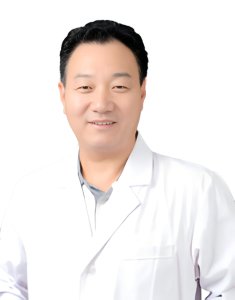
Sun Guangxi
سون غوانشي، حاصل على دكتوراه في الطب وخبير في تنظير المعدة والأمعاء غير المؤلم. عمل طويلاً في قسم أمراض الجهاز الهضمي ومركز المناظير في أرقى المستشفيات الثلاثية (فئة أ) في البلاد. عضو شعبة المناظير الهضمية في الجمعية الطبية الصينية. أنجز آلاف إجراءات تنظير المعدة والأمعاء تشخيصاً وعلاجاً. يتقن الفحص الدقيق بالمنظار والمعالجة طفيفة التوغل لسرطان المعدة المبكر وسرطان القولون والمستقيم المبكر. يشتهر بإجراءات ثابتة ودقيقة ولطيفة.
يتعاون مع فريق تخدير مخضرم، ويستخدم التخدير الوريدي المهدئ ل

U Dun Fan
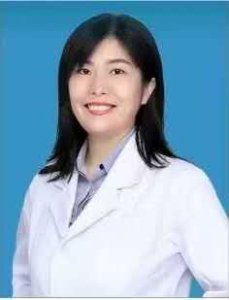
Liu Na
كبير الأطباء. مدير وقائد أكاديمي لقسم أمراض الجهاز الهضمي في مستشفى شعب مقاطعة هاينان. دكتوراه في الطب ومشرف دكتوراه. زميل ما بعد الدكتوراه في سويسرا وباحث زائر في الولايات المتحدة. يركز على تشخيص أورام الجهاز الهضمي وعلاجها الشخصي، ولا سيما الأورام العصبية الصمّاوية والآفات قبل السرطانية.
الباحث الرئيسي لأربعة مشروعات ممولة من المؤسسة الوطنية للعلوم الطبيعية بالصين (NSFC). شارك في نحو 30 دراسة وطنية. مؤلف لأكثر من 83 مقالة مفهرسة ضمن SCI، بينها 31 كمؤلف أول أو مراسل، بمنشورات في PNAS
مشاركة المحتوى
قصص فيديو من مرضى Bookimed
 Anna Leonova
أسئلة متكررة حول علاج قرحة المعدة في الصين
هل علاج قرحة المعدة في الصين آمن للمرضى الدوليين؟
يُعدّ علاج قرحة المعدة في الصين آمناً في المستشفيات المعتمدة من قبل اللجنة الدولية المشتركة (JCI) والمصنفة ضمن الفئة (أ) من المستوى الثالث. وتتبع هذه المرافق بروتوكولات دولية مثل العلاج الرباعي بالبزموت. كما توفر المراكز الرئيسية في بكين وشنغهاي أقساماً دولية متخصصة. وتضمن تقنيات التنظير المتقدمة والتشخيص المدعوم بالذكاء الاصطناعي دقة عالية أثناء الإجراءات.
- تصنيف المستشفى: تمثل عيادات الفئة أ المستوى الثالث أعلى معيار طبي في الصين.
- الاعتماد في مجال السلامة: المرافق المعتمدة من قبل اللجنة الدولية المشتركة مثل مستشفى ياندا الدولي تفي بمعايير السلامة العالمية للمرضى.
- البروتوكولات الهجينة: غالباً ما تجمع العيادات بين العلاج الدوائي الغربي والطب التقليدي لتحسين التعافي.
- الدقة التشخيصية: تقنية التنظير الداخلي عالية الدقة والتصوير الحديث تنافس التقنيات الموجودة في المرافق الغربية.
رأي خبراء بوكيمد: على الرغم من أن العديد من المستشفيات الصينية تستقبل أعدادًا كبيرة من المرضى، إلا أن مستشفى ياندا الدولي يتميز عن غيره. فهو يخدم 2,500,000 شخص سنويًا ويحمل تصنيفًا مرموقًا من الفئة أ المستوى الثالث. تُظهر بياناتنا أن هذه المراكز ذات القدرة الاستيعابية العالية تُقدم أفضل النتائج
ما هي المؤهلات التي يجب أن أبحث عنها عند اختيار طبيب صيني متخصص في أمراض الجهاز الهضمي لعلاج القرحة؟
يتطلب اختيار طبيب متخصص في أمراض الجهاز الهضمي لعلاج القرحة التحقق من حصوله على شهادة اجتياز امتحان الترخيص الطبي الوطني (NMLE). يُنصح بالبدء باختيار أخصائيين من مستشفيات من الفئة أ المستوى الثالث (مستشفى جامعي من الدرجة الأولى) مثل مستشفى ياندا الدولي. عادةً ما يُكمل هؤلاء الخبراء برنامج إقامة لمدة خمس سنوات بالإضافة إلى ثلاث سنوات دراسية، ثم يحصلون على زمالات تخصصية في أمراض الجهاز الهضمي.
- تصنيف المستشفى: اختر مرافق الفئة أ المستوى الثالث لإجراء التنظير التشخيصي المتقدم.
- العنوان السريري: اطلب لقب كبير الأطباء لإدارة القرح المستعصية.
- حجم الإجراءات: ابحث عن أخصائيين يقومون بإجراء أكثر من 50 عملية تنظير داخلي كل أسبوع.
- المعايير الدولية: إعطاء الأولوية للمستشفيات المعتمدة من قبل اللجنة الدولية المشتركة (JCI) من أجل السلامة العالمية.
رأي خبراء بوكيمد: يُعدّ حجم المرضى مؤشراً هاماً لجودة الخدمات في الصين. يخدم مستشفى ياندا الدولي 2,500,000 مريض سنوياً. يضمن هذا الحجم الهائل للأطباء، مثل الدكتور يو دون فان، الحفاظ على دقة تشخيصية عالية. غالباً ما تمتلك المراكز الكبيرة خبرة أوسع في أنماط مقاومة المضادات الحيوية المحلية، وهذه المعرفة ضرورية للقضاء على عدوى جرثومة المعدة
ما هي خيارات العلاج التي تُقدم بشكل روتيني لقرحة المعدة في الصين؟
يجمع علاج قرحة المعدة في الصين بين البروتوكولات الغربية الحديثة والطب الصيني التقليدي. ويصف الأطباء عادةً علاجًا رباعيًا بالبزموت لمدة 14 يومًا للقضاء على جرثومة الملوية البوابية. وتعتمد مراكز رئيسية مثل مستشفى ياندا الدولي في بكين معايير معتمدة من اللجنة الدولية المشتركة (JCI) للتشخيص والرعاية المتخصصة في أمراض الجهاز الهضمي.
- العلاج الثلاثي/الرباعي: مثبطات مضخة البروتون، والبزموت، والمضادات الحيوية تعالج عدوى جرثومة المعدة.
- التنظير التشخيصي للمعدة: الخزعة التنظيرية الروتينية تستبعد وجود ورم خبيث في المراكز الحضرية.
- الطب التكاملي: مغلي الأعشاب والوخز بالإبر يكملان الأنظمة الدوائية القياسية.
- تصنيف المستشفى: توفر عيادات الفئة أ المستوى الثالث أعلى مستوى من الرعاية.
رأي خبراء بوكيمد: يخدم مستشفى ياندا الدولي أكثر من 2,500,000 مريض سنويًا. يتيح هذا العدد الهائل لأطباء الجهاز الهضمي فيه رؤية حالات نادرة من مضاعفات القرحة يوميًا. يحمل المستشفى تصنيفًا من الفئة أ المستوى الثالث، وهو أعلى تصنيف طبي متاح في الصين. يستفيد المرضى من 28,500 تقنية حديثة إلى جانب تلقيهم الدعم بالأعشاب التقليدية. يُعد هذا النموذج الهجين أكثر شيوعًا في بكين منه في العيادات الدولية الأخرى.
ما هي المضاعفات أو المخاطر الرئيسية لعمليات علاج قرحة المعدة التي تُجرى في الصين؟
تنطوي عمليات علاج قرحة المعدة في الصين على مخاطر مثل التهابات موضع الجراحة وتسرب التفاغرات. وتشير المراكز الطبية الصينية إلى نسبة نجاح تصل إلى 92.5% في الوقاية من العدوى في جراحات البطن. ويقلل استئصال المعدة الجزئي من احتمالية تكرار الإصابة على المدى الطويل إلى 2.5%. كما توفر تقنيات الإغلاق البسيطة تعافيًا أسرع في حالات الثقوب الطارئة.
- مكافحة العدوى: تبلغ معدلات الإصابة بالعدوى في موقع الجراحة حوالي 7.5٪ في حالات الطوارئ.
- خطر التكرار: تُظهر تقنيات الإغلاق الأولي معدلات تكرار تتراوح بين 16.7٪ و 20٪.
- سلامة الإجراء: تحافظ عمليات استئصال المعدة على معدل بقاء على قيد الحياة لا يقل عن 76٪.
- مخاطر التنظير الداخلي: ينطوي تشريح الطبقة تحت المخاطية على احتمال حدوث نزيف متأخر أو ثقب طفيف.
رأي خبراء بوكيمد: اختيار مستشفيات الفئة أ المستوى الثالث في بكين يُحسّن بشكل ملحوظ من نتائج السلامة. يضم مستشفى ياندا الدولي 3000 سرير ويُجري 9000 عملية جراحية سنويًا. تُدمج هذه المراكز ذات الحجم الكبير من العمليات البروتوكولات الدولية مع الأساليب التقليدية، مما يُساعد على تقليل أعراض ما بعد الجراحة بفعالية مقارنةً بالمرافق الأصغر.
إجماع
كم من الوقت سأحتاج للبقاء في الصين لتقييم قرحة المعدة والتعافي منها؟
عادةً ما يقيم المرضى الذين يزورون الصين لتقييم قرحة المعدة من 3 إلى 10 أيام. تتطلب الزيارات التشخيصية، بما في ذلك التنظير، عادةً من يوم إلى يومين للتقييم. في حال حدوث مضاعفات مثل النزيف، يُتوقع البقاء في المستشفى من 3 إلى 4 أيام. أما الحالات الجراحية فتتطلب أسبوعًا واحدًا من الإقامة في المستشفى.
- التقييم التشخيصي: تستغرق فحوصات الدم القياسية والتنظير الداخلي من يوم إلى يومين.
- المراقبة الحادة: تتطلب قرحات النزيف عادةً من 3 إلى 4 أيام من المراقبة.
- التعافي بعد الجراحة: تتطلب إجراءات مثل رأب البواب من 5 إلى 10 أيام من الإقامة في المستشفى.
- الشفاء السريري: يستغرق الشفاء التام من 6 إلى 8 أسابيع من العلاج الدوائي.
رأي خبراء بوكيمد: يخدم مستشفى ياندا الدولي 2,500,000 مريض سنويًا، وهو حاصل على اعتماد اللجنة الدولية المشتركة (JCI). غالبًا ما يؤدي هذا العدد الكبير من المرضى إلى اتباع مسارات علاجية موحدة وفعّالة في مجال أمراض الجهاز الهضمي. يستفيد المرضى من معايير المرافق من الفئة أ المستوى الثالث في بكين. كما يضمن معدل دوران المرضى المرتفع احتفاظ أخصائيين مثل الدكتور يو دون فان بخبرة تشخيصية واسعة.
إجماع المرضى: ي
ما هي تعليمات النظام الغذائي والأدوية التي سأتلقاها قبل مغادرة الصين بعد العلاج؟
قبل مغادرة الصين، ستتلقى ملخصًا للخروج من المستشفى، وقائمة بالأدوية، وبروتوكولات غذائية محددة. عادةً ما يحمل المرضى معهم كمية من الأدوية تكفي لمدة أربعة أسابيع. يجب عليك الحصول على شهادة طبية، وإشعار إفصاح عن المخاطر، ووصفات طبية رسمية باللغتين الإنجليزية والصينية لإتمام إجراءات التخليص الجمركي.
- إمدادات الأدوية: يتلقى المرضى عادةً إمدادات تكفي لمدة 4 أسابيع من الأدوية المعدية الموصوفة.
- الوثائق الجمركية: يجب حمل خطاب من الطبيب ووصفات طبية رسمية لجميع عمليات نقل الأدوية.
- القيود الغذائية: تجنب المواد المهيجة مثل القهوة والكحول والتوابل القوية لمدة ثلاثة أشهر.
- إدارة السوائل: اشرب الماء بعد 30-45 دقيقة من الوجبات لدعم امتصاص الجهاز الهضمي الأمثل.
نصيحة من خبراء بوكيمد: على الرغم من أن المستشفيات الصينية، مثل مستشفى ياندا الدولي، تقدم خدمات طب الجهاز الهضمي الحديثة، إلا أن التعليمات المكتوبة باللغة الإنجليزية ليست مضمونة دائمًا. يخدم هذا المرفق أكثر من 2,500,000 مريض سنويًا، وهو حاصل على اعتماد اللجنة الدولية المشتركة (JCI). احرص دائمًا على تصوير التعليمات الشفهية، واطلب الأسماء التجارية الدولية لجميع الأدوية. هذا يضمن قدرة طبيبك على متابعة حالتك الصحية بكفاءة.
هل ستبقى ندوب ظاهرة بعد جراحة قرحة المعدة بالمنظار أو جراحة تنظير البطن في الصين؟
لا تترك جراحة قرحة المعدة بالمنظار في الصين أي ندوب خارجية، لأن الجراحين يُجرون العملية من خلال الفم. تستخدم إجراءات المنظار من 3 إلى 5 شقوق صغيرة جدًا، يتراوح طولها بين 1.25 و2.5 سم. عادةً ما تتلاشى العلامات الناتجة لتصبح خطوطًا دقيقة بالكاد تُرى خلال 6 إلى 18 شهرًا.
- النهج التنظيري: يستخدم أنبوبًا مرنًا عبر الحلق. وينتج عنه عدم وجود ندوب خارجية.
- الشقوق الجراحية بالمنظار: تتضمن من 3 إلى 5 منافذ صغيرة في البطن. عادةً ما تبقى العلامات أقل من بوصة واحدة.
- تقنية الشق الواحد: تقوم بعض المراكز في بكين بإخفاء نقطة الدخول داخل الطيات الطبيعية للسرة.
- الجدول الزمني للشفاء: يختفي الاحمرار الأولي بشكل ملحوظ بين 6 و 12 شهرًا بعد الجراحة.
- النتائج التجميلية: تعطي المستشفيات المتقدمة مثل مستشفى ياندا الدولي الأولوية للأساليب الأقل توغلاً في مجال التجميل.
رأي خبراء بوكيمد: غالبًا ما يغفل المرضى عن حقيقة أن مستشفيات الفئة الأولى من المستوى الثالث في الصين تستقبل أعدادًا هائلة من المرضى. على سبيل المثال، يستقبل مستشفى ياندا الدولي 2,500,000 مريض سنويًا. هذا العدد الكبير من المرضى يُمكّن الجراحين من إتقان تقنيات الخياطة