قرحة المعدة العلاج في إيطاليا - التكاليف 2026


تمت مراجعة المقالة طبيا من قبل
فهد مولود
ما هي تكلفة قرحة المعدة إجراءات التشخيص والعلاج في إيطاليا؟ اعرف الآن
مزاياك وضماناتك مع Bookimed
أسعار مباشرة
Bookimed لا يضيف رسوماً إضافية على أسعار علاج قرحة المعدة. الأسعار مأخوذة من قوائم الأسعار الرسمية للعيادات. تدفع مباشرة في العيادة مقابل علاجك عند وصولك إلى البلد.
عيادات وأطباء معتمدون فقط
Bookimed ملتزم بسلامتك. نحن نعمل فقط مع المؤسسات الطبية التي تحافظ على معايير دولية عالية في علاج قرحة المعدة ولديها التراخيص اللازمة لخدمة المرضى الدوليين في جميع أنحاء العالم.
مساعدة مجانية على مدار الساعة
Bookimed يقدم مساعدة خبراء مجانية. منسق طبي شخصي يدعمك قبل وأثناء وبعد العلاج، ويحل أي مشاكل. لن تكون وحيداً أبداً في رحلة علاج قرحة المعدة.

منسقك الطبي الشخصي في Bookimed
- يدعمك في كل مرحلة
- المساعدة في اختيار العيادة الطبية المناسبة والطبيب المناسب
- يضمن الوصول السريع والمريح إلى المعلومات
اكتشف أفضل قرحة المعدة العيادات في إيطاليا: 4 خيارات معتمدة والأسعار







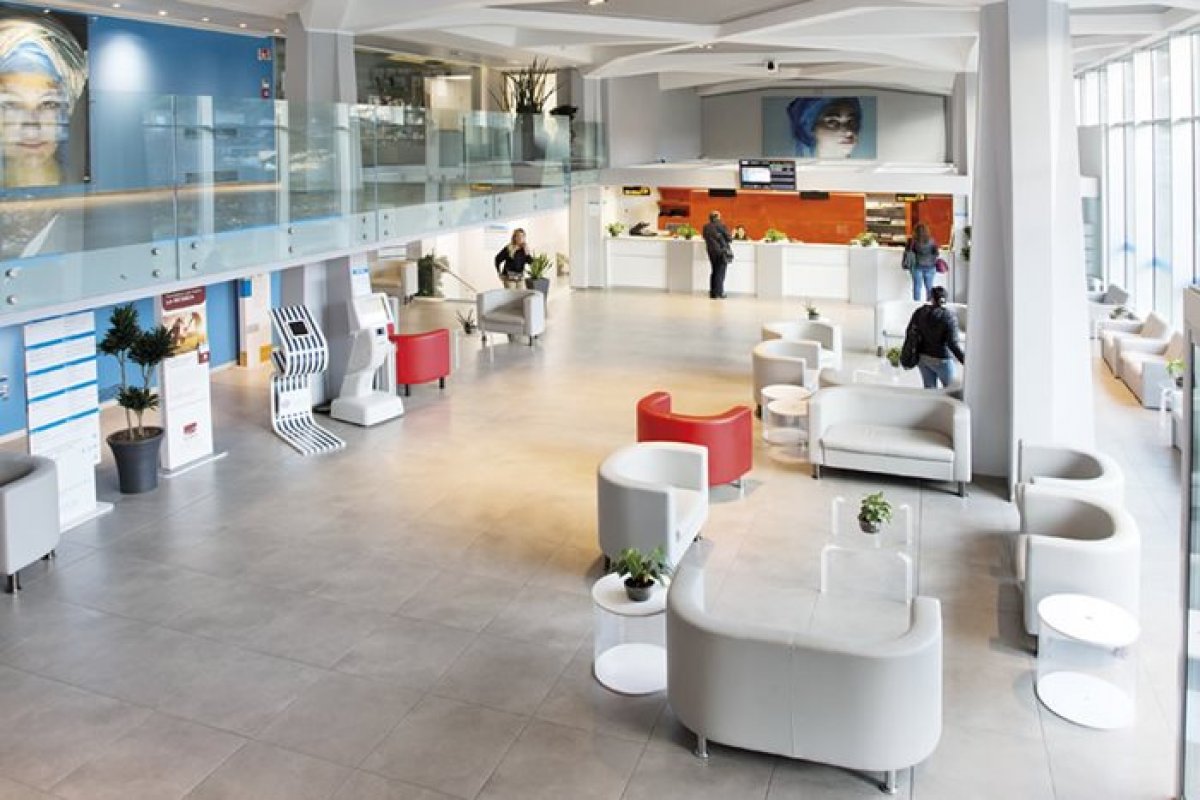
Mater Oblia Hospital

احصلوا على تقييم طبي لـ قرحة المعدة في إيطاليا: استشيروا أطباء ذوي خبرة الآن
عرض جميع الأطباء
Arnaldo Filippini
يتخصص البروفيسور فيليبيني في جراحة الأورام مع التركيز على علاجات الأورام المتقدمة واستئصال الأعضاء المتعددة. تدرب في مراكز أمريكية رائدة مثل ميموريال سلون كيترينج.
- أكثر من _doctor_8604_ سنوات من الخبرة الجراحية
- خبير في التقنيات طفيفة التوغل والروبوتية
- تدرب على يد كبار الجراحين في ميموريال سلون كيترينج
- أستاذ في جامعة كييتي منذ التسعينيات
- نشر أكثر من 100 ورقة علمية في علم الأورام
مشاركة المحتوى
قصص فيديو من مرضى Bookimed
 Anna Leonova
أسئلة متكررة حول علاج قرحة المعدة في إيطاليا
كيف يتم علاج قرحة المعدة الإيجابية لجرثومة الملوية البوابية (H. pylori) في إيطاليا؟
يعالج أطباء الجهاز الهضمي الإيطاليون قرحة المعدة الإيجابية لجرثومة الملوية البوابية بأنظمة استئصال متعددة الأدوية. تتضمن البروتوكولات عادةً 10 إلى 14 يوماً من العلاج المتسلسل أو الرباعي. يشمل العلاج مثبطات مضخة البروتون بجرعات عالية ومضادات حيوية مستهدفة. يتحقق الأطباء من النجاح باستخدام اختبار التنفس بعد 6 أسابيع من انتهاء العلاج.
- العلاج المتسلسل: نظام مدته 10 أيام يتناوب فيه الأموكسيسيلين مع كلاريثروميسين وميترونيدازول.
- العلاج الرباعي بالبزموت: كبسولة 3 في 1 لمدة 10 أيام مدمجة مع مثبطات مضخة البروتون.
- التأكيد التشخيصي: تعطي المراكز الإيطالية الأولوية لاختبار التنفس باليوريا 13C للمتابعة غير الجراحية.
- البروتوكول المصاحب: إعطاء أربعة أدوية مختلفة في وقت واحد لمدة 10 إلى 14 يوماً.
رؤية خبير Bookimed: تتعامل المراكز الطبية الإيطالية مثل مستشفى ماريا سيسيليا ومستشفى سان كارلو دي نانسي مع أعداد كبيرة من المرضى. تظهر البيانات أن هذه المؤسسات غالباً ما تدمج أمراض الجهاز الهضمي مع الأورام. وهذا يسمح للمتخصصين مثل البروفيسور الدكتور أرنالدو فيليبييني بإدارة الحالات المعقدة التي تنطوي على اعتبارات متعددة الأعضاء. يجب على المرضى ملاحظة أن مقاومة المضادات الحيوية العالية في بعض المناطق تجعل دورات الـ 14 يوماً أكثر فعالية من التجارب الأقصر لمدة 7 أيام.
إجماع المرضى: يشير المرضى إلى أن العيادات الخاصة في إيطاليا توفر وصولاً أسرع بكثير إلى التنظير وبدء العلاج. يذكر الكثيرون أن الأطباء يصفون بشكل متكرر البروبيوتيك للمساعدة في إ
ماذا يحدث إذا فشل العلاج الأولي لجرثومة المعدة (H. pylori)؟
عندما يفشل العلاج الأولي لجرثومة المعدة، ينتقل الأطباء إلى أنظمة علاجية ثانوية مع تجنب المضادات الحيوية المستخدمة سابقاً مثل كلاريثروميسين. تشمل البدائل الشائعة العلاج الرباعي بالبزموت أو العلاج الثلاثي القائم على ليفوفلوكساسين. توصي الإرشادات الإيطالية بإعادة الاختبار بعد 4 إلى 6 أسابيع لتأكيد نجاح القضاء على الجرثومة قبل البدء في أي علاج إضافي.
- تناوب الأنظمة العلاجية: يتجنب الأطباء تكرار نفس المضادات الحيوية للتغلب على المقاومة البكتيرية التي تطورت أثناء العلاج الأولي.
- علاج البزموت: يجمع العلاج الرباعي بالبزموت بين مثبطات مضخة البروتون (PPIs) مع البزموت والتتراسيكلين والميترونيدازول لزيادة الفعالية.
- طريقة إعادة الاختبار: يستخدم الخبراء اختبارات التنفس باليوريا أو مستضدات البراز بدلاً من اختبارات الأجسام المضادة في الدم.
- الخزعة التنظيرية: يصبح اختبار الحساسية عبر المزرعة ضرورياً بعد محاولتي علاج فاشلتين.
رؤية خبير Bookimed: توفر المراكز الطبية الإيطالية مثل مستشفى ماريا سيسيليا خبرة متخصصة في أمراض الجهاز الهضمي المعدية. يتمتع البروفيسور الدكتور أرنالدو فيليبييني، الذي يعالج المرضى في هذه المنشأة المعتمدة من اللجنة الدولية المشتركة (JCI)، بأكثر من 30 عاماً من الخبرة الجراحية والسريرية. إن اختيار مستشفى ذو حجم كبير من المرضى - مثل مستشفى سان كارلو دي نانسي الذي يخدم 15,000 مريض سنوياً - يضمن الوصول إلى اختبارات تشخيصية متخصصة للعدوى المقاومة.
إجماع المرضى: يشير المرضى إلى أن فترات الانتظار في النظام العام لإجراء
كيف تتعامل المستشفيات الإيطالية مع قرحة المعدة المثقوبة؟
تتعامل المستشفيات الإيطالية مع قرحة المعدة المثقوبة من خلال الجراحة الطارئة للسيطرة على المصدر وبروتوكولات ما بعد الجراحة الصارمة. يعطي الجراحون الأولوية للإصلاح بالمنظار للمرضى المستقرين لتقليل أوقات التعافي. تتطلب الحالات المعقدة جراحة مفتوحة تقليدية مع تعزيز برقعة الثرب. غالبًا ما تفرض المعايير الإيطالية إجراء خزعات أثناء الإصلاح لاستبعاد الأورام الخبيثة.
- النهج الجراحي: يتطلب المنظار في المتوسط 10.3 يومًا من الاستشفاء مقارنة بـ 13 يومًا للإجراءات المفتوحة.
- بروتوكول التشخيص: يقوم الجراحون بإجراء خزعات أو استئصال حواف القرحة للكشف عن خطر الإصابة بالسرطان بنسبة 14%.
- الجدول الزمني للطوارئ: تؤكد أقسام الطوارئ الإيطالية عادةً الثقوب عبر الأشعة المقطعية في غضون 60 دقيقة.
- العلاج الدوائي: يتلقى المرضى علاجًا ثلاثيًا يشمل المضادات الحيوية ومثبطات مضخة البروتون لعلاج بكتيريا الملوية البوابية (H. pylori).
رؤية خبير Bookimed: تتركز الخبرة الجراحية الإيطالية بشكل كبير في مراكز متعددة التخصصات مثل مستشفى ماريا سيسيليا. حصلت هذه المنشأة على اعتماد اللجنة الدولية المشتركة وتعالج أكثر من 9000 مريض سنويًا. يتمتع البروفيسور الدكتور أرنالدو فيليبي في هذا المستشفى بأكثر من 30 عامًا من الخبرة. وهو متخصص في تقنيات المنظار والجراحة المجهرية للحالات المعقدة في الجهاز الهضمي. غالبًا ما يضمن اختيار المراكز ذات الحجم الجراحي المرتفع الوصول إلى خيوط جراحية متقدمة بدون عقد لإجراء إصلاحات أسرع.
إجماع المرضى: يشير المرضى إلى أن المستشفيات الإ
أين يمكن للزائر الحصول على تنظير المعدة التشخيصي في إيطاليا؟
يمكن للزوار الحصول على تنظير المعدة التشخيصي في إيطاليا من خلال المرافق المعتمدة من قبل اللجنة الدولية المشتركة (JCI) والعيادات الخاصة المتخصصة في روما وميلانو وبولونيا. توفر المراكز الخاصة مثل مستشفى سان كارلو دي نانسي (Ospedale San Carlo di Nancy) وصولاً سريعاً. توفر هذه المرافق فحصاً طبياً مباشراً للمرضى الدوليين دون الحاجة إلى بطاقات صحية محلية أو إحالات.
- المواقع المتاحة: يتوفر التنظير التشخيصي في روما وميلانو وبولونيا وباري.
- الخبرة السريرية: يتعامل مستشفى سان كارلو دي نانسي مع 15,000 حالة دخول للمستشفى سنوياً مع فحوصات مخصصة.
- الوصول إلى المتخصصين: يركز جراحون مثل البروفيسور أرنالدو فيليبي على أمراض الجهاز الهضمي المتقدمة واستئصال الأورام.
- معايير الاعتماد: تحافظ المراكز الرائدة على شهادات الجودة وسلامة المرضى من اللجنة الدولية المشتركة (JCI).
رؤية خبير Bookimed: بينما تعد ميلانو وروما المراكز الرئيسية، توفر بولونيا توازناً ممتازاً بين خبرة المتخصصين والقدرة الاستيعابية. يتعامل مستشفى ماريا سيسيليا مع 15% من جراحات القلب في إيطاليا. يشير هذا الحجم الجراحي الكبير إلى بنية تحتية قوية للتشخيصات المعقدة. كما يستضيف حرمهم الدولي بشكل متكرر مؤتمرات طبية عالمية، مما يضمن اتباع الموظفين للبروتوكولات السريرية المحدثة.
إجماع المرضى: يشير المرضى إلى أن العيادات الخاصة في المدن الصغيرة مثل فيرونا أو باري غالباً ما تكون ميسورة التكلفة أكثر من تلك الموجودة في المراكز السياحية الرئيسية. يؤكد الكثيرون على طلب خزعة أثناء التنظ
هل يمكنني الحصول على أدوية القرحة بدون وصفة طبية في إيطاليا؟
تتوفر أدوية القرحة ذات الجرعات المنخفضة بدون وصفة طبية في إيطاليا لتخفيف الأعراض على المدى القصير. توفر الصيدليات مثبطات مضخة البروتون ومضادات الحموضة التي لا تستلزم وصفة طبية. تتطلب الجرعات الأقوى والمضادات الحيوية لعلاج بكتيريا الملوية البوابية (H. pylori) وصفة طبية محلية. لا يمكن للصيادلة الإيطاليين صرف الوصفات الطبية الأجنبية من دول مثل الولايات المتحدة أو المملكة المتحدة.
- مثبطات مضخة البروتون المتاحة: يُباع أوميبرازول وبانتوبرازول بجرعات منخفضة في عبوات صغيرة تكفي لمدة 14 يوماً.
- حاصرات H2: يتوفر فاموتيدين للتحكم في إنتاج الحمض دون الحاجة إلى ملاحظة من الطبيب.
- مضادات الحموضة: تتوفر العلامات التجارية الشائعة مثل Maalox وGaviscon في معظم الصيدليات.
- قيود الوصفات الطبية: تتطلب الأدوية عالية التركيز وجميع المضادات الحيوية وصفة طبية إيطالية رسمية.
رؤية خبير Bookimed: تعطي العيادات الإيطالية مثل مستشفى ماريا سيسيليا الأولوية للتشخيص الشامل على إدارة الأعراض البسيطة. غالباً ما يستخدم أطباء الجهاز الهضمي لديهم، بما في ذلك الدكتور أرنالدو فيليبييني، فحوصات متخصصة لتحديد الأسباب الجذرية. يساعد هذا النهج المرضى على تجنب التكاليف المرتفعة المرتبطة بحلول الصيدليات قصيرة المدى في المناطق السياحية. إن السعي للحصول على تقييم مهني في مراكز حاصلة على اعتماد JCI يضمن التعافي على المدى الطويل من خلال بروتوكولات قائمة على الأدلة.
إجماع المرضى: يشير المرضى إلى أن الصيدليات في المناطق السياحية المزدحمة قد تكون أكثر تساهلاً. ومع ذلك،
ما هي القواعد الغذائية التي تصاحب العلاج الطبي للقرحة في إيطاليا؟
تركز القواعد الغذائية لعلاج قرحة المعدة في إيطاليا على الحفاظ على بيئة معدية متعادلة. يتناول المرضى 4-5 وجبات صغيرة يوميًا لمنع تمدد المعدة المفرط. تؤكد البروتوكولات الإيطالية على درجات حرارة معتدلة للطعام تتراوح بين 40-50 درجة مئوية والمضغ الجيد لتقليل التهيج الميكانيكي للغشاء المخاطي.
- تكرار الوجبات: تناول 5-6 وجبات صغيرة يوميًا يساعد في الحفاظ على حمض المعدة متعادلاً باستمرار.
- طرق الطهي: تفضل النصائح الطبية السلق أو الطهي بالبخار أو الطهي ببطء لتجنب الدهون الثقيلة المسببة للتهيج.
- الأطعمة المحظورة: يجب على المرضى تجنب القهوة والكحول والمشروبات الغازية وصلصات الطماطم شديدة الحموضة.
- الأطعمة العلاجية: يدعم الزبادي البروبيوتيك وزيت الزيتون البكر الممتاز والبروتينات الخالية من الدهون إصلاح الأنسجة السريع.
رؤية خبير Bookimed: غالبًا ما تدمج المستشفيات الإيطالية مثل مستشفى ماريا سيسيليا خبرات متخصصة في أمراض الجهاز الهضمي في أقسام الجراحة لديها. تظهر البيانات أن العيادات في إيطاليا، مثل مستشفى أوسبيدالي سان كارلو دي نانسي، تعالج أكثر من 14,000 مريض سنويًا. يسمح هذا الحجم الكبير للأطباء بتقديم خطط غذائية دقيقة تركز على التعافي جنبًا إلى جنب مع العلاج الطبي. يجب على المرضى التأكد من أن برنامجهم يتضمن خطة نظام غذائي للمستشفى مصاغة باحترافية للأسابيع الأربعة الأولى.
إجماع المرضى: يشير المرضى إلى أن تجنب الأطعمة الإيطالية الأساسية الحمضية مثل الثوم والبروسكيوتو النيئ أمر حيوي أثناء الشفاء. يقترح الكثيرون استخدام مذكرات الطع
ما مدى سرعة التئام قرحة المعدة مع العلاج؟
تلتئم معظم قرح المعدة في غضون 4 إلى 8 أسابيع مع العلاج الطبي المستمر. غالبًا ما يحدث تخفيف أولي للأعراض بعد 2 إلى 3 أيام من تناول الأدوية المثبطة للحموضة. يعتمد التعافي الكامل على السبب الكامن وراء القرحة، مثل عدوى الملوية البوابية (H. pylori) أو الاستخدام المطول لمسكنات الألم.
- دورة علاج الملوية البوابية: تتطلب 10–14 يومًا من المضادات الحيوية بالإضافة إلى 4–8 أسابيع من مخفضات الحموضة.
- التعافي من مضادات الالتهاب غير الستيروئيدية: يبدأ الالتئام بعد التوقف عن تناول مسكنات الألم ولكنه يتطلب 6–8 أسابيع من العلاج الدوائي.
- القرح الكبيرة: القرح التي يزيد حجمها عن 5 مم أو تلك المصحوبة بنزيف قد تستغرق أكثر من 12 أسبوعًا.
- معدل النجاح: أكثر من 90% من القرح تلتئم تمامًا خلال الإطار الزمني القياسي البالغ 8 أسابيع.
رؤية خبير Bookimed: توفر المراكز الطبية الإيطالية مثل مستشفى Ospedale San Carlo di Nancy وصولاً مباشرًا إلى مرافق الإسعافات الأولية المعتمدة من قبل الخدمة الصحية الوطنية. هذا أمر حيوي للقرح لأن التشخيص المبكر بالمنظار يسرع بشكل كبير من جدول الالتئام. في المراكز ذات الكثافة العالية التي تعالج 14,000 مريض سنويًا، تضمن بروتوكولات الفحص السريع بدء العلاج على الفور. يمكن لهذا المسار السريع منع المضاعفات التي غالبًا ما تمد فترة التعافي إلى ما بعد الإطار الزمني المعتاد البالغ 8 أسابيع.
إجماع المرضى: يشير المرضى إلى أن الشعور بالتحسن لا يعني أن القرحة قد اختفت. ويؤكدون على أهمية إكمال الدورة العلاجية الكاملة وتأكيد الالتئام