علاج اصابة الحبل الشوكي في إسبانيا — احصل على 3 عيادات مختارة خصيصاً لك


تمت مراجعة المقالة طبيا من قبل
فهد مولود
كيف نعمل؟
ما هي تكلفة اصابة الحبل الشوكي إجراءات التشخيص والعلاج في إسبانيا؟ اعرف الآن
اكتشف أفضل اصابة الحبل الشوكي العيادات في إسبانيا: 8 خيارات معتمدة والأسعار










SJD Barcelona Children’s Hospital








احصلوا على تقييم طبي لـ اصابة الحبل الشوكي في إسبانيا: استشيروا أطباء ذوي خبرة الآن
عرض جميع الأطباء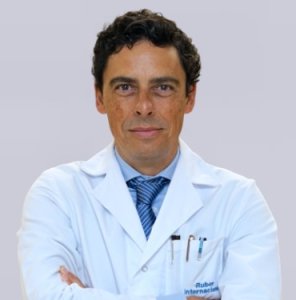
Pablo De La Cuadra
الدكتور بابلو دي لا كوادره (Pablo Cuadra de la Virgili) جرّاح عظام واختصاصي طب الرضوح في مدريد. يختص بإصابات الرياضيين وجراحة الكتف في Hospital Ruber Internacional، حيث يعمل منذ عام 1999. لديه خبرة تفوق 25 عامًا. يقود وحدة متعددة التخصصات ويرأس فريقًا متخصصًا في طب الرضوح. يُعد خبيرًا معترفًا به في اضطرابات الكتف المعقدة. يستخدم تقنيات تنظير مفصلي وترميم متقدمة لعلاج عدم الاستقرار وإصابات الكفة المدورة.
المؤهلات: دكتور في الطب (1993) ودكتوراه في الطب (2001) من جامعة مدريد المستقلة. اخت
مشاركة المحتوى
قصص فيديو من مرضى Bookimed
 Anna Leonova
أسئلة متكررة حول علاج اصابة الحبل الشوكي في إسبانيا
ما هي مراكز إعادة تأهيل إصابات الحبل الشوكي الأعلى تقييماً في إسبانيا؟
تشمل مراكز إعادة تأهيل إصابات الحبل الشوكي الأعلى تقييماً في إسبانيا مرافق معتمدة من قبل اللجنة الدولية المشتركة (JCI) مثل معهد جوتمان (Institut Guttmann) ومركز تيكنون الطبي (Centro Medico Teknon). تستخدم هذه المراكز التدريب الآلي على المشي والتحفيز العصبي المتقدم. توفر المستشفيات ذات الكثافة العالية في مدريد وبرشلونة فرقاً متعددة التخصصات للتعافي الجسدي والنفسي.
- الاعتماد المتخصص: يحمل معهد جوتمان شهادة اللجنة الدولية المشتركة (JCI) في إعادة التأهيل العصبي.
- التكنولوجيا المتقدمة: يقدم مركز تيكنون الطبي علاجات آلية وتحفيزاً عصبياً للإصابات.
- المرجع العام: يوفر المستشفى الوطني لشلل الحبل الشوكي (Hospital Nacional de Paraplejicos) أبحاثاً على المستوى الوطني ودمجاً متخصصاً.
- التركيز الميكانيكي الحيوي: يستخدم مركز دكتور بلوم للميكانيكا الحيوية (Dr. Blum Biomechanics Center) تجديد الجسم الحاصل على براءة اختراع للأمراض الحركية.
رؤية خبير Bookimed: أصبحت برشلونة مركزاً رئيسياً لإعادة التأهيل العصبي لأن مراكز مثل مستشفى HM Nou Delfos لديها اتفاقيات رسمية مع مؤسسات متخصصة مثل معهد جوتمان. يسمح هذا للمرضى بالاستفادة من البنية التحتية الطبية العامة لشبكة مستشفيات كبيرة مع تلقي علاج متخصص للغاية للحبل الشوكي. يضمن اختيار مرفق ضمن شبكة أكبر مثل Quironsalud أو HM الوصول على مدار الساعة طوال أيام الأسبوع إلى متخصصي الطوارئ في حالة حدوث مضاعفات.
إجماع المرضى: يشير المرضى إلى أنه من المهم العثور على مراكز تتعامل مع مشاكل محددة في الح
هل يمكن للجراحة إصلاح إصابة الحبل الشوكي؟
لا يمكن للجراحة حاليًا عكس تلف الأعصاب أو إصلاح إصابة الحبل الشوكي. بدلاً من ذلك، يركز الجراحون على تثبيت العمود الفقري وإزالة الضغط لمنع المزيد من التدهور. في إسبانيا، تستخدم المراكز المتخصصة جراحة أعصاب متقدمة لزيادة إمكانات التعافي والحفاظ على الوظيفة الحركية المتبقية.
- جراحة تخفيف الضغط: يقوم الجراحون بإزالة شظايا العظام أو الأقراص لتخفيف الضغط على الحبل الشوكي.
- تثبيت العمود الفقري: تعمل القضبان والبراغي المعدنية على محاذاة العمود الفقري لمنع الصدمات الثانوية.
- التوقيت العاجل: يؤدي تخفيف الضغط في غضون 24 ساعة إلى تحسين النتائج بشكل كبير لإصابات الحبل الشوكي غير الكاملة.
- الاستعادة الوظيفية: قد تساعد عمليات نقل الأعصاب والأوتار المرضى على استعادة الاستخدام الجزئي لليد أو الذراع.
رؤية خبير Bookimed: توفر مراكز جراحة الأعصاب الإسبانية ميزة متميزة من خلال دمج الرعاية الحادة مع الدعم البيولوجي طويل الأمد. على سبيل المثال، يجمع مركز Centro Médico Teknon بين تثبيت العمود الفقري المتخصص وعلاجات الخلايا الجذعية المتخصصة المستخدمة للرياضيين المحترفين لدعم التعافي من الصدمات. يركز هذا النهج المزدوج على كل من المحاذاة الهيكلية والشفاء الخلوي المحتمل.
إجماع المرضى: يؤكد المرضى أن الجراحة هي مجرد بداية لرحلة إعادة تأهيل طويلة جدًا. يشير الكثيرون إلى أنه على الرغم من أن الجراحة تساعد في الاستقرار والألم، إلا أن مكاسب الحركة الفعلية تعتمد بشكل كبير على العلاج الطبيعي المكثف.
ما هي التقنيات والعلاجات المتقدمة المستخدمة لإعادة تأهيل إصابات الحبل الشوكي (SCI) في إسبانيا؟
تستخدم إسبانيا التدريب المتقدم على المشي بمساعدة الروبوت، والهياكل الخارجية البيونية الحصرية، والتحفيز العصبي فوق الجافية لإعادة تأهيل إصابات الحبل الشوكي. تدمج المرافق المعتمدة من قبل JCI أجهزة المشي الثابتة مع الواقع الافتراضي. كما تقدم العيادات المتخصصة مثل Centro Médico Teknon علاجات بالخلايا الجذعية الوسيطة الخيفية لتقليل التهاب العمود الفقري وتعزيز تجديد الأعصاب.
- الأنظمة الروبوتية: توفر أنظمة Locomat تدريباً مكثفاً على المشي مقترناً بوحدات الواقع الافتراضي الغامرة.
- الهياكل الخارجية البيونية: توفر تقويمات العظام القابلة للارتداء مثل Exo-H3 تحكماً سلبياً ومقاومة لحركة المفاصل.
- التحفيز العصبي: يستهدف التحفيز فوق الجافية وعبر الجلد الدوائر العصبية الخاملة لاستعادة الحركة الطوعية.
- الطب التجديدي: تقيم التجارب السريرية الخلايا الجذعية الوسيطة للبالغين لتقليل صدمات النخاع الثانوية.
رؤية خبير Bookimed: يعد حجم المرضى مؤشراً رئيسياً على البنية التحتية المتخصصة في إسبانيا. تحافظ مرافق مثل مستشفى HM Nou Delfos على اتفاقيات رسمية مع معهد Guttmann، مما يربط بشكل فعال بين الرعاية الجراحية الحادة وإعادة التأهيل العصبي النخبوي. يضمن هذا التعاون انتقال المرضى مباشرة من جراحات التثبيت إلى برامج مكثفة دون فقدان وقت التعافي المبكر الحاسم.
إجماع المرضى: يشير المرضى إلى أن الأدوات عالية التقنية مثل الهياكل الخارجية هي محفزات قوية. ومع ذلك، فإن التقدم الأكثر ثباتاً غالباً ما يأتي من العلاجات المتكررة عالية التردد مثل العلاج المائي
هل يحدد مستوى واكتمال الإصابة إمكانية التعافي؟
يعد اكتمال الإصابة ومستواها من المؤشرات الأساسية للتعافي. يقوم مقياس ضعف الجمعية الأمريكية لإصابات النخاع الشوكي بتقييم هذه العوامل. تظل المزيد من المسارات العصبية في الإصابات غير الكاملة. وهذا يزيد بشكل كبير من فرص التعافي الحركي. عادة ما تؤثر مستويات الإصابة الأعلى على المزيد من وظائف الجسم.
- مقياس الاكتمال: تتراوح درجات AIS من A إلى E بناءً على نقل الإشارات العصبية.
- التحول العصبي: غالبًا ما تظهر إصابات عنق الرحم معدلات تحول أعلى من كاملة إلى غير كاملة.
- التحكم في الجزء العلوي من الجسم: تترك إصابات الصدر وظيفة الذراع سليمة، مما يحسن إمكانية الحركة المستقلة.
- وقت الانتظار: توفر الأشهر الثلاثة الأولى أسرع تعافٍ بسبب انخفاض التورم.
رؤية خبير Bookimed: توفر المراكز الإسبانية مثل مستشفى HM Nou Delfos ميزة كبيرة من خلال اتفاقيات رسمية مع عمالقة إعادة التأهيل العصبي المتخصصين مثل معهد غوتمان. يضمن هذا التعاون حصول المرضى على بروتوكولات التعافي المعتمدة من JCI فورًا بعد الرعاية الجراحية الحادة. تعد مثل هذه التحولات السلسة بين جراحة الأعصاب وإعادة التأهيل المكثف حيوية لزيادة نافذة الشفاء العصبي السريع لمدة 3 أشهر.
إجماع المرضى: يشير المرضى إلى أن التصنيف الكامل الأولي هو نقطة واحدة في الوقت المناسب ولا يستبعد مكاسب صغيرة لاحقة. ويؤكدون أن الوصول المبكر والمتسق إلى إعادة التأهيل المتخصص هو ما يدفع حقًا نحو الاستقلال الوظيفي الهادف.
هل الفرق الطبية الإسبانية مجهزة للتعامل مع المرضى الدوليين؟
الفرق الطبية الإسبانية متخصصة للغاية في إدارة المرضى الدوليين. تعطي المراكز الخاصة النخبوية في برشلونة ومدريد الأولوية لرعاية الأجانب. تحمل هذه المرافق اعتماد اللجنة الدولية المشتركة (JCI). تشمل الفرق جراحي أعصاب ثنائيي اللغة ومنسقين متخصصين. وهم يتعاملون مع أكثر من 700,000 مريض أجنبي من 70 دولة سنوياً.
- عمق النظام: أكثر من 80 عيادة متخصصة في رعاية العمود الفقري المعقدة وجراحة الأعصاب.
- حالة الاعتماد: تحافظ المرافق الرائدة مثل عيادة جامعة نافارا (Clinica Universidad de Navarra) على شهادة JCI طويلة الأمد.
- الخبرة المتخصصة: يقود جراحون مثل الدكتور فيران بيليسيه جمعيات أبحاث العمود الفقري العالمية.
- حجم كبير: تعالج المستشفيات الكبرى ما يصل إلى 450,000 مريض كل عام.
رؤية خبير Bookimed: تكشف بيانات حجم المرضى عن تمييز مهم لنتائج التعافي. خدمت عيادة جامعة نافارا أكثر من 700,000 مريض دولي. تخلق هذه التجربة العابرة للحدود الهائلة تدفقاً إدارياً أكثر سلاسة من المراكز الأصغر. يوفر مستشفى HM Nou Delfos ميزة فريدة لإصابات الحبل الشوكي من خلال اتفاقية مع معهد جوتمان (Institut Guttmann). تربط هذه الشراكة بين الرعاية الجراحية الحادة وإعادة التأهيل العصبي المتخصص. يضمن اختيار المراكز ذات الروابط المؤسسية الراسخة هذه أن تبدأ إعادة التأهيل فوراً بعد الجراحة.
إجماع المرضى: يلاحظ الزوار من الخارج أن المستشفيات الجامعية الكبيرة تقدم التجربة الأكثر سلاسة. يؤكد المرضى على ضرورة تأكيد لوجستيات إعادة التأهيل مثل دعم الحركة وإدارة المثانة قبل
ما هي الأهداف الواقعية لبرنامج إعادة التأهيل المكثف؟
تهدف إعادة التأهيل المكثف للعمود الفقري في إسبانيا إلى زيادة الاستقلالية إلى أقصى حد بدلاً من تحقيق الشفاء التام. تركز البرامج على تثبيت الأعراض وبناء مهارات الحياة. تستخدم المراكز المعتمدة من JCI العلاج بمساعدة الروبوت والتقييمات الميكانيكية الحيوية لاستعادة الوظائف اليومية. يتم قياس النجاح من خلال المكاسب الوظيفية والتكيف النفسي.
- الاستقلالية الوظيفية: إتقان الأنشطة اليومية مثل ارتداء الملابس والاستحمام وروتين القسطرة الذاتية.
- الوقاية الثانوية: تعلم تقنيات حماية الجلد الحيوية وتخفيف الضغط لتجنب المضاعفات.
- تحسين الحركة: تحسين مهارات الكرسي المتحرك، والتحكم في الجذع، والتوازن من خلال بروتوكولات تمرين متخصصة.
- تكامل التكنولوجيا: استخدام تصوير EOS والأنظمة الروبوتية لتخصيص العلاج الطبيعي.
رؤية خبير Bookimed: غالبًا ما يجمع إعادة التأهيل العصبي الإسباني بين رعاية المستشفيات عالية التقنية والمراكز المتخصصة. على سبيل المثال، يتعاون مستشفى HM Nou Delfos مع معهد جوتمان (Institut Guttmann). يسمح هذا للمرضى بالوصول إلى تصوير EOS فائق الدقة مع الاستفادة من خبراء مكرسين حصريًا للتعافي المعقد من إصابات الحبل الشوكي. غالبًا ما يأتي النجاح الوظيفي الحقيقي من هذا النهج المزدوج بدلاً من الجراحة وحدها.
إجماع المرضى: يشير المرضى إلى أن تحديد معالم لمدة أسبوعين وستة أسابيع واثني عشر أسبوعًا أمر بالغ الأهمية. ويؤكدون على التركيز على الانتصارات الصغيرة مثل تحسين قوة الذراع أو إدارة روتين الأمعاء لرفع جودة الحياة اليومية بشكل كبير.