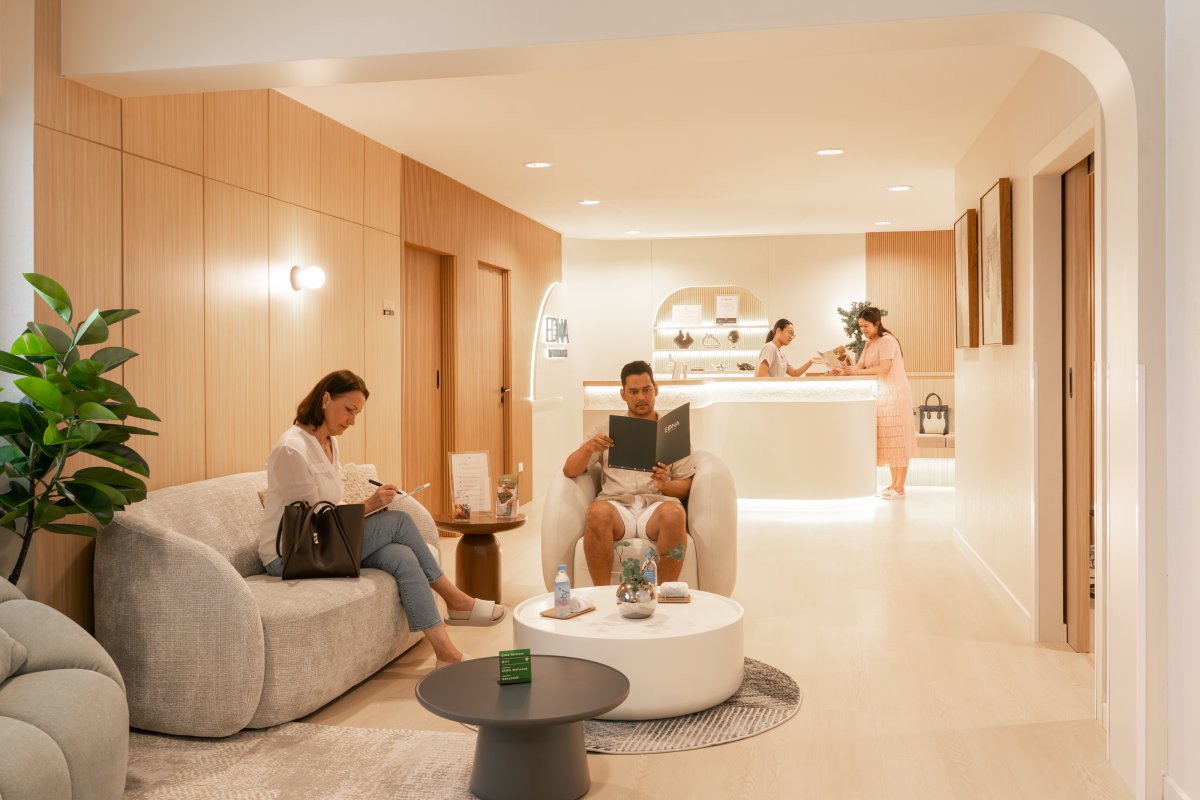
EDNA Wellness
تايلاند, بانكوك
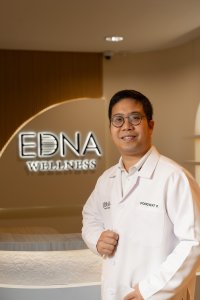
Pongwat Polpong
16سنة خبره ١٦ سنة • تم تنفيذ 2000+ علاجات
العيادة معتمدة من قبل : 


تمت مراجعة المقالة طبيا من قبل
فهد مولود
الدكتور بونغوات بولبونغ هو جراح أعصاب بارز ومتخصص في الطب التجديدي في تايلاند، ويتمتع بخبرة تزيد عن 15 عامًا في الممارسة السريرية والتدريس والبحث. تلقى تدريبه في مستشفى سيريراج، والمعهد العصبي التايلاندي، والمعهد الدولي لعلوم الأعصاب في ألمانيا.
نشر الدكتور بونغوات العديد من الأبحاث حول جراحة الأعصاب، والطفيليات، واضطرابات العمود الفقري، وأمراض الدماغ. وتشمل أعماله دراسات عن استئصال الغضروف القطني بالمنظار، وداء الكيسات المذنبة الدماغي، وإصابات الحبل الشوكي، واضطرابات الأوعية الدموية
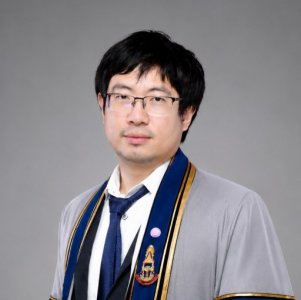
الدكتور بونغساترون لينغواتاناكول، دكتور في الطب (M.D.)، جرّاح عظام في مستشفى مالي متعدد التخصصات في بانكوك. حصل على درجة الطب من جامعة ثاماسات (2007–2013)، وأكمل إقامة جراحة العظام في الجامعة نفسها (2016–2021). عمل سابقًا طبيبًا عامًا وطبيب عظام في مستشفى بوداسوثورن، كما عمل جرّاح عظام في مستشفى آسيا الدولي.
تشمل اعتماداته شهادة البورد في طب طول العمر وجودة الحياة وفي العافية التغذوية. يحمل دبلومين في علم الجنس السريري والطب الجنسي، وشهادة في العلاج الجنسي. وهو معتمد في دعم الحياة القل
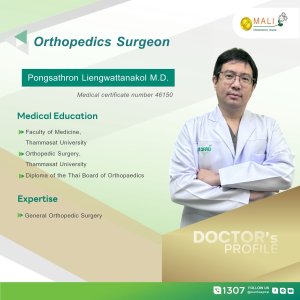
الدكتور بونغساثرون لينغواتاناكول هو أخصائي تقويم العظام في مستشفى مالي متعدد التخصصات في بانكوك. يركز على استعادة القدرة على الحركة من خلال العلاجات الجراحية والتجديدية. يعالج الدكتور لينغواتاناكول حالات معقدة بما في ذلك الجنف، وأمراض العمود الفقري التنكسية، وهشاشة العظام في المفاصل. يعمل في منشأة حاصلة على اعتمادات طبية دولية من AACI وGHA.
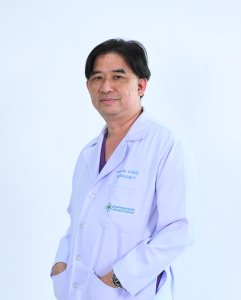
الدكتور براداب براداسوك جرّاح عظام يتمتّع بـ24 عاماً من الخبرة في مستشفى نافامين 9 في بانكوك. يقدّم الاستشارات بالإنجليزية والتايلندية.
يركّز عمله على تنظير المفاصل وإعادة بناء الركبة. يشمل ذلك جراحة الرباط الصليبي الأمامي، واستئصال الغضروف الهلالي، ورأب المفصل، واستبدال المفصل. يعالج اضطرابات الكتف، بما في ذلك تمزقات الكفّة المدورة. يعالج حالات الكاحل والقدم، بما في ذلك إيثاق المفصل، واستبدال المفصل، وإصلاح وتر أخيل، وإعادة بناء أصابع القدم أو القدم. يجري جراحات الكسور للساعد والحوض و
 Anna Leonova
تقدم تايلاند علاجات متقدمة لإصابات الحبل الشوكي تجمع بين التعديل العصبي الجراحي، والطب التجديدي، وإعادة التأهيل الآلي. توفر المرافق المعتمدة من قبل اللجنة الدولية المشتركة (JCI) تحفيز الحبل الشوكي (SCS)، والعلاج بالخلايا الجذعية الوسيطة، والتدريب على المشي بمساعدة الهيكل الخارجي. تدمج المراكز المتخصصة هذه التقنيات مع إعادة التأهيل العصبي المكثف لتحسين الوظيفة الحركية والاستقلالية.
رؤية خبير Bookimed: في حين يبحث الكثيرون عن علاجات تجريبية، تكمن الميزة الحقيقية لتايلاند في مستشفياتها الثالثية الكبرى مثل مستشفى بامرونجراد الدولي. تعالج هذه المراكز أكثر من مليون مريض سنويًا وتوفر دعمًا حادًا بمستوى العناية المركزة إلى جانب التصوير المتقدم. إن اختيار منشأة ذات حجم كبير يضمن إدارة المضاعفات الثانوية المعقدة، مثل مشاكل الجهاز التنفسي أو المثانة، جنبًا إلى جنب مع التدخلات الجراحية المتقدمة.
إجماع المرضى: يؤكد المرضى أن إعادة التأهيل الداخلي المكثف غالبًا ما يكون أكثر فعالية من أي علاج
يعد علاج إصابات الحبل الشوكي في تايلاند آمنًا وموثوقًا في المستشفيات المعتمدة من قبل اللجنة الدولية المشتركة (JCI). تستخدم هذه المراكز بروتوكولات متقدمة للتدريب الآلي على المشي وتحفيز الأعصاب. تحافظ مرافق مثل مستشفى بامرونجراد الدولي على معايير السلامة الدولية وتخدم أكثر من 1,000,000 مريض سنويًا من 190 دولة.
رؤية خبير Bookimed: بينما يبحث الكثيرون عن علاجات تجريبية، تكمن قوة تايلاند الحقيقية في الخبرة الجراحية ذات الحجم الكبير. يعالج مستشفى بامرونجراد الدولي 500,000 مريض دولي سنويًا، مما يخلق قاعدة بيانات ضخمة لنتائج التعافي. اختيار مستشفى لديه برنامج زمالة مخصص للعمود الفقري، مثل خريجي مستشفى ليردسين، يضمن أن جراحك لديه تدريب محدد في تثبيت الحبل الشوكي المعقد.
إجماع المرضى: يشير المرضى إلى أنه من الضروري الحصول على خطة علاج مكتوبة قبل السفر. وهم يؤكدون على أهمية التأكد من أن المنشأة يمكنها إدارة الاحتياجات طويلة المدى مثل العناية بقرح الضغط وإدارة المثانة.
تقدم تايلاند رعاية متقدمة لإصابات الحبل الشوكي في مرافق معتمدة من اللجنة الدولية المشتركة (JCI) في بانكوك. توفر المراكز الرائدة مثل مستشفى بامرونجراد الدولي والعيادات المتخصصة تحفيز الحبل الشوكي، والعلاج بالخلايا الجذعية، وإعادة التأهيل العصبي. تتخصص هذه المستشفيات في التعافي من الصدمات المعقدة والإجراءات العصبية المتقدمة.
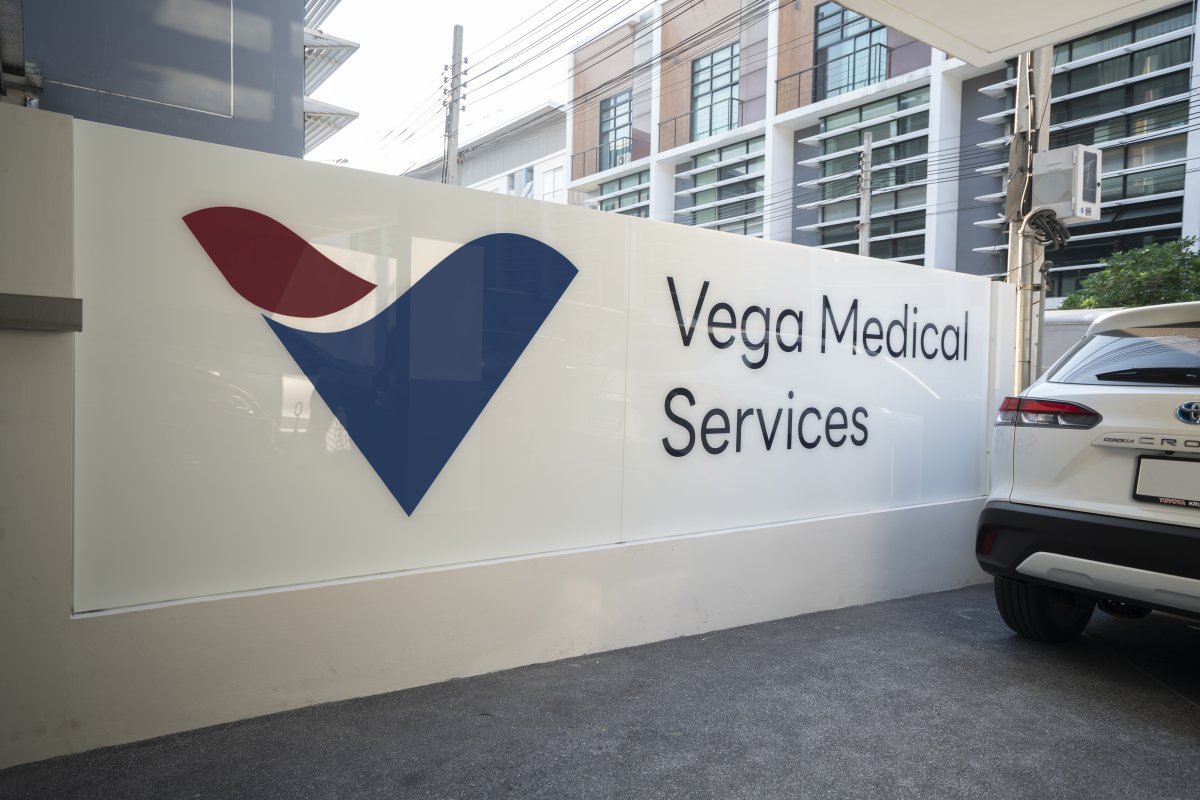
رؤية خبير Bookimed: بينما تقدم العديد من المستشفيات جراحة العمود الفقري، ابحث عن المستشفيات التي لديها جراحون متخصصون حاصلون على زمالة. أكمل الدكتور سويت تانغشاروينواتاناكول زمالة خاصة في جراحة العمود الفقري في عام 2020. يشير هذا إلى مستوى أعلى من التخصص في اضطرابات العمود الفقري مقارنة بتقويم العظام العام. تدمج العيادات الحديثة مثل Vega Clinic و EDNA Wellness الآن العلاج بالخلايا الجذعية. وهذا يوفر للمرضى خيارات أكثر بعيداً عن الجراحة التقليدية أو العلاج الطبيعي.
إجماع المرضى: يشير المرضى إلى أهمية اختيار المستشفيات التي تقدم كلاً من جراحة الأعصاب الطارئة وإعادة التأهيل طويل الأمد. غالباً ما يفضلون المرافق الخاصة في بانكوك لأنها توفر وصولاً أسرع إلى ف
تتضمن إعادة التأهيل بعد جراحة إصابات الحبل الشوكي في تايلاند علاجاً طبيعياً مكثفاً، وعلاجاً وظيفياً، وتدريباً متطوراً على الحركة. تبدأ المستشفيات الكبرى المعتمدة من اللجنة الدولية المشتركة (JCI) في بانكوك التعبئة في غضون 24 ساعة لمنع حدوث مضاعفات. تستخدم خطط العلاج المساعدة الروبوتية والدعامات المتخصصة لزيادة الاستقلالية الوظيفية وسرعة التعافي إلى أقصى حد.
رؤية خبير Bookimed: بينما يبحث الكثيرون عن علاج طبيعي عام، تُظهر بياناتنا أن المرضى يستفيدون أكثر من مراكز مثل Bumrungrad International التي تدمج الذكاء الاصطناعي والجراحة الروبوتية. تخدم هذه المرافق ذات الطاقة الاستيعابية العالية مليون مريض سنوياً وتحافظ على اعتماد اللجنة الدولية المشتركة (JCI). تسمح هذه البنية التحتية لهم بنقل المريض من عملية تخفيف ضغط العمود الفقري المعقدة مباشرة إلى برنامج إعادة تأهيل داخلي منظم ومدعوم بالتكنولوجيا دون تأخير لوجستي.
إجماع المرضى: يؤكد المرضى أن مشاركة الأسرة أمر حيوي لأن مقدمي الرعاية يجب أن يتعلموا تقنيات النقل والعناية بالبشرة الضرورية. يوصى بشدة بالتأكد مم
لست بحاجة إلى التحدث باللغة التايلاندية لتلقي علاج إصابات النخاع الشوكي. المستشفيات التايلاندية الكبرى هي مراكز طبية عالمية. يتحدث الأطباء والمتخصصون في المرافق المعتمدة من JCI الإنجليزية بطلاقة. توفر هذه المراكز فرق دعم دولية مخصصة. وهي تتولى جميع الاتصالات للمرضى الأجانب أثناء إعادة التأهيل.
رؤية خبير Bookimed: نادراً ما تكون الحواجز اللغوية عقبة في بانكوك. تُظهر البيانات أن المستشفيات رفيعة المستوى مثل بامرونجراد تخدم أكثر من 500,000 مريض دولي سنويًا. العنصر المميز الحقيقي هو الفريق متعدد التخصصات. ابحث عن مرافق بها وحدات إعادة تأهيل متكاملة. وهذا يضمن أن جراحك وأخصائي العلاج الطبيعي يشاركون في سجل طبي واحد. هذا يمنع فجوات الاتصال في خطة التعافي الخاصة بك.
إجماع المرضى: يلاحظ المرضى أن موظفي المستشفيات الخاصة يتواصلون بفعالية باللغة الإنجليزية. يقترح الكثيرون التحقق من أن جلسات علاج إعادة التأهيل اليومية تتضمن دعم مترجم فوري. يوصي معظمهم بطلب جميع تعليمات الخروج المكتوبة باللغة الإنجليزية قبل المغادرة.
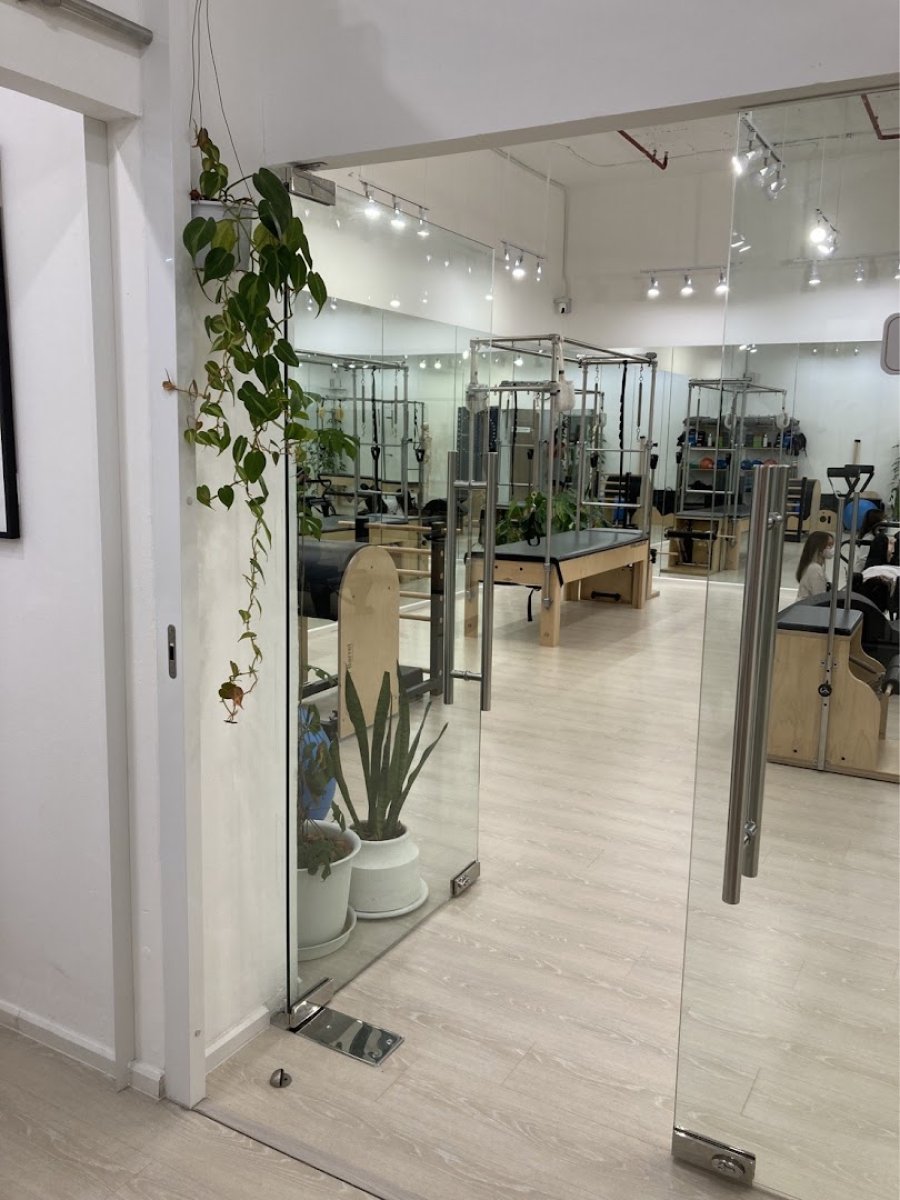
يمكن للمرضى الوصول إلى علاج الخلايا الجذعية لإصابات النخاع الشوكي في بانكوك من خلال العيادات الخاصة المتخصصة والمستشفيات المعتمدة. تستخدم هذه المراكز الطب التجديدي إلى جانب العلاج الطبيعي المتقدم لدعم التعافي. تقدم مرافق مثل EDNA Wellness و Vega Clinic بروتوكولات مخصصة داخل مختبرات معتمدة من قبل ISO.
رؤية خبير Bookimed: مشهد الطب التجديدي في تايلاند متخصص للغاية، حيث تتعاون مراكز مثل EDNA Wellness مباشرة مع معهد تايلاند للبحوث العلمية والتكنولوجية. يشير هذا إلى تحول نحو الحصول على خلايا معيارية عالية الجودة، وهو ما غالبًا ما ينقص في العيادات الأصغر والمستقلة. يجب على المرضى إعطاء الأولوية للمرافق التي توفر إعادة تأهيل متكاملة، حيث تظهر البيانات أن العلاج الطبيعي المكثف ضروري لزيادة الآثار البيولوجية للعلاج بالخلايا الجذعية إلى أقصى حد.
إجماع المرضى: يلاحظ المرضى أنه على الرغم من بساطة حقن الخلايا، إلا أن جودة إعادة التأهيل اليومية تحدد التقدم الوظيفي الفعلي. من الضروري التحقق مما إذا كانت العي