اصابة الحبل الشوكي العلاج في بولندا - التكاليف 2026


تمت مراجعة المقالة طبيا من قبل
فهد مولود
ما هي تكلفة اصابة الحبل الشوكي إجراءات التشخيص والعلاج في بولندا؟ اعرف الآن
مزاياك وضماناتك مع Bookimed
أسعار مباشرة
Bookimed لا يضيف رسوماً إضافية على أسعار علاج اصابة الحبل الشوكي. الأسعار مأخوذة من قوائم الأسعار الرسمية للعيادات. تدفع مباشرة في العيادة مقابل علاجك عند وصولك إلى البلد.
عيادات وأطباء معتمدون فقط
Bookimed ملتزم بسلامتك. نحن نعمل فقط مع المؤسسات الطبية التي تحافظ على معايير دولية عالية في علاج اصابة الحبل الشوكي ولديها التراخيص اللازمة لخدمة المرضى الدوليين في جميع أنحاء العالم.
مساعدة مجانية على مدار الساعة
Bookimed يقدم مساعدة خبراء مجانية. منسق طبي شخصي يدعمك قبل وأثناء وبعد العلاج، ويحل أي مشاكل. لن تكون وحيداً أبداً في رحلة علاج اصابة الحبل الشوكي.

منسقك الطبي الشخصي في Bookimed
- يدعمك في كل مرحلة
- المساعدة في اختيار العيادة الطبية المناسبة والطبيب المناسب
- يضمن الوصول السريع والمريح إلى المعلومات
اكتشف أفضل اصابة الحبل الشوكي العيادات في بولندا: 4 خيارات معتمدة والأسعار



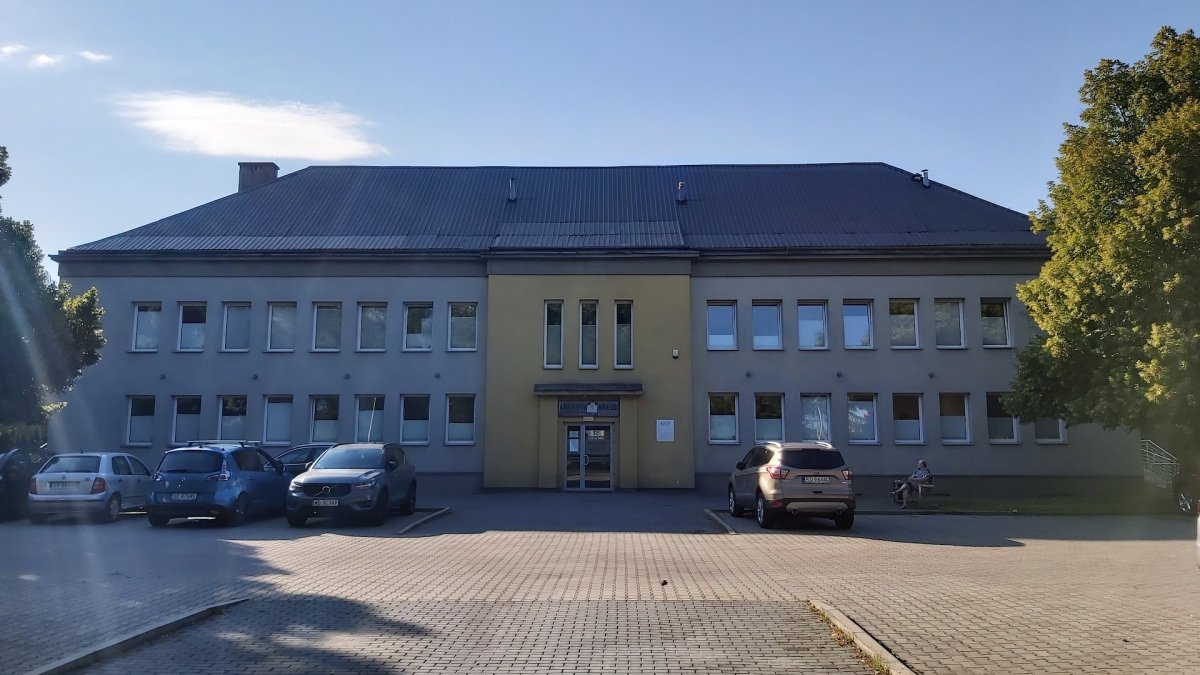
University Hospital in Krakow

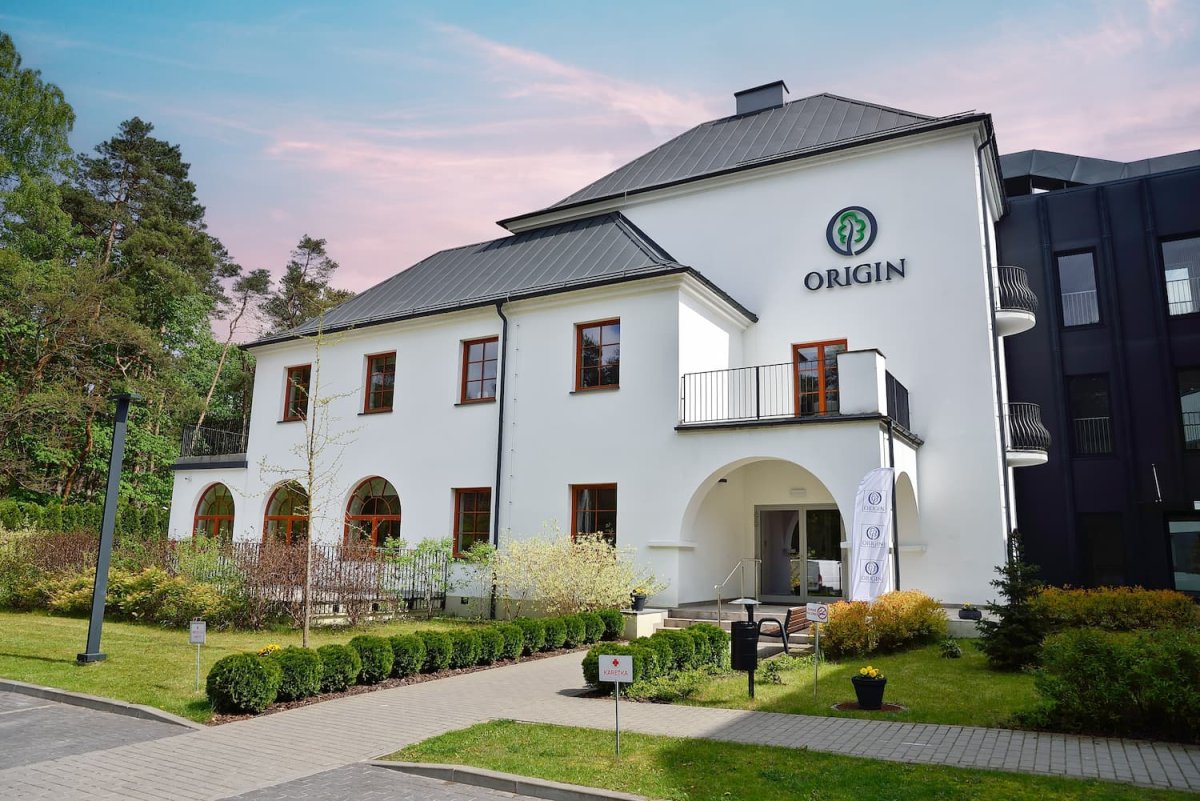
Origin Rehabilitation Center (Origin Polska)
احصلوا على تقييم طبي لـ اصابة الحبل الشوكي في بولندا: استشيروا أطباء ذوي خبرة الآن
عرض جميع الأطباء
Marcin Niedźwiecki
مشاركة المحتوى
قصص فيديو من مرضى Bookimed
 Anna Leonova
أسئلة متكررة حول علاج اصابة الحبل الشوكي في بولندا
ما هي الإجراءات الجراحية والتثبيت التي يتم إجراؤها لإصابات الحبل الشوكي في بولندا؟
يقوم جراحو الأعصاب البولنديون بإجراء عمليات تخفيف الضغط والتثبيت والدمج لعلاج إصابات الحبل الشوكي. تُعطى الأولوية لتخفيف الضغط المبكر في غضون 24 ساعة لزيادة التعافي إلى أقصى حد. تستخدم مرافق مثل مستشفى جامعة كراكوف تصويرًا دقيقًا وغرسات لتثبيت الكسور غير المستقرة ومنع المزيد من الضرر.
- جراحة تخفيف الضغط: يقوم الجراحون بإزالة شظايا العظام أو الأقراص لتخفيف الضغط عن الحبل الشوكي.
- التثبيت الميكانيكي: تعمل براغي العنيق وقضبان التيتانيوم على تثبيت فقرات العمود الفقري غير المستقرة في مكانها.
- جراحة دمج الفقرات العنقية الأمامية (ACDF): يقوم الجراحون بإزالة الأقراص التالفة عبر الرقبة لتثبيت إصابات الرقبة.
- زيادة الفقرات: تعمل عملية رأب الحدبة أو رأب الفقرات على تثبيت كسور الانضغاط باستخدام إسمنت عظمي طبي.
رؤية خبير Bookimed: غالبًا ما تتماشى مؤشرات الجودة في بولندا مع الشهادات الطبية الرياضية الكبرى. يحتفظ مستشفى كارولينا بوضع مركز التميز الطبي للفيفا. تشير هذه الشهادة إلى كفاءة عالية في عمليات إعادة البناء العظمي والعمود الفقري المعقدة. يجب على المرضى إعطاء الأولوية للمراكز التي تتمتع بمثل هذه الاعترافات الرياضية المتخصصة لتقنيات التثبيت الحديثة.
إجماع المرضى: يشير المرضى إلى أنه على الرغم من أن الجراحة تضمن بشكل أساسي الاستقرار الميكانيكي، فإن التدخل المبكر أمر حيوي. غالبًا ما يؤكد الناس أن العثور على مرفق يتمتع بقدرات تصوير سريعة هو الأولوية الأولى.
ما هو المشروع التجريبي لإصلاح الحبل الشوكي `Wrocław Walk Again`؟
مشروع Wroclaw Walk Again هو مبادرة جراحية عصبية تجريبية تركز على إعادة بناء الحبال الشوكية المقطوعة. يتم إدارته من قبل المستشفى السريري الجامعي في فروتسواف، ويستخدم الخلايا الغمدية الشمية الخاصة بالمريض لسد الفجوات العصبية. يهدف هذا البحث إلى تجديد أنسجة الحبل الشوكي التالفة من خلال زراعة الخلايا المتخصصة.
- محفز التجديد: يقوم الجراحون بزراعة الخلايا الغمدية الشمية من البصلة الأنفية للمريض لتعزيز نمو الألياف.
- الإطار الهيكلي: توفر الجسور العصبية المحيطية من ربلة ساق المريض مسارًا ماديًا للأعصاب.
- القيادة الجراحية: قاد الدكتور باويل تاباكوف أول إجراء ناجح لضحية مشلولة بسبب هجوم بسكين.
- تمويل المشروع: تدعم مؤسسة نيكولز لإصابات العمود الفقري التوسع في التجارب السريرية البشرية الدولية.
رؤية خبير Bookimed: بينما تقود فروتسواف هذا البحث، قامت بولندا ببناء بنية تحتية أوسع للتعافي الجراحي العصبي. على سبيل المثال، مستشفى كارولينا هو مركز طبي متميز تابع للفيفا ويعالج الرياضيين الأولمبيين. غالبًا ما تكمل هذه الخبرة المتخصصة في الإصابات الرياضية المعقدة إعادة التأهيل المكثف المطلوب للتعافي من إصابات العمود الفقري.
إجماع المرضى: يشير المرضى إلى أن النتائج غالبًا ما تنطوي على مكاسب أصغر مثل تحكم أفضل في الجذع أو الإحساس بدلاً من المشي الكامل. يعتمد النجاح بشكل كبير على إجراء خمس ساعات من العلاج الطبيعي المكثف كل يوم لعدة أشهر.
ما هي العلاجات الروبوتية المتقدمة المتاحة لإعادة تأهيل إصابات الحبل الشوكي في بولندا؟
تقدم بولندا إعادة تأهيل عصبي متقدمة باستخدام أجهزة تدريب المشي الروبوتية (Lokomat)، والهياكل الخارجية القابلة للارتداء (HAL, EksoGT)، وأنظمة الأطراف العلوية (ArmeoPower). تستفيد هذه التقنيات من المرونة العصبية لتحسين تحمل الوقوف والتعافي الوظيفي. تدمج المرافق المتخصصة بالقرب من وارسو وكراكوف هذه الأدوات في برامج مكثفة لإصابات الحبل الشوكي.
- أنظمة تدريب المشي: توفر Lokomat و ReoAmbulator مشياً محوسباً على جهاز المشي مع دعم ديناميكي لوزن الجسم.
- الهياكل الخارجية البيونية: تمكن HAL و EksoGT من المشي على الأرض عن طريق اكتشاف إشارات العضلات الضعيفة.
- روبوتات الأطراف العلوية: تساعد ArmeoPower و ReoGo المرضى المصابين بالشلل الرباعي في إعادة تدريب تنسيق الذراع.
- أدوات المرونة العصبية: يكرر نظام G-EO حركات معقدة مثل صعود السلالم لتحفيز تكيف الدماغ.
رؤية خبير Bookimed: بينما تركز العيادات الصغيرة على أجهزة فردية، يخدم المستشفى الجامعي في كراكوف 455,000 مريض سنوياً. المراكز متعددة التخصصات الكبيرة مجهزة بشكل أفضل للحالات المعقدة التي تحتاج إلى كل من الروبوتات والدعم الجراحي. ابحث عن عيادات مثل مستشفى كارولينا التي تحمل شهادات ISO 9001:2015 لضمان بروتوكولات علاج متسقة.
إجماع المرضى: يلاحظ المرضى أن الوقوف في هيكل خارجي أمر قوي عاطفياً ولكنه مرهق جسدياً. يوصي الكثيرون بالتركيز على الأهداف الوظيفية مثل التحكم في الجذع وعمليات النقل جنباً إلى جنب مع تدريب المشي عالي التقنية.
ما هي المدة التي يقضيها عادةً مرضى إصابات الحبل الشوكي (SCI) في بولندا لإعادة التأهيل؟
يقضي مرضى إصابات الحبل الشوكي في بولندا عادةً من 14 إلى 60 يومًا لإعادة التأهيل المكثف الخاص. قد يتطلب التعافي الحاد الأولي في الوحدات العامة من شهرين إلى 4 أشهر. غالبًا ما يستخدم المرضى الدوليون كتلًا مكثفة معيارية مدتها أسبوعان لتحقيق التنقل الوظيفي ومعالم المشي.
- الدورات المكثفة: تقدم المراكز الخاصة برامج مضغوطة مدتها 14 يومًا مع ما يصل إلى 35 جلسة أسبوعية.
- المرحلة الحادة: تستغرق الرعاية الداخلية العامة للمعالم الأساسية عادةً من 8 إلى 16 أسبوعًا.
- بروتوكولات التجديد: تتطلب علاجات الخلايا الجذعية في مراكز وارسو من 3 إلى 5 أيام للمراقبة.
- إدارة المضاعفات: قد تؤدي المشكلات الثانوية مثل الالتهابات إلى تمديد الإقامة من 40 إلى 50 يومًا.
رؤية خبير Bookimed: تجذب بولندا المرضى من خلال تقديم كثافة علاجية عالية بدلاً من مجرد فترات إقامة طويلة في المستشفى. بينما يزور 455,000 مريض المستشفيات الجامعية الكبرى سنويًا، تتخصص العيادات الخاصة في كتل عالية التردد مدتها من أسبوعين إلى 4 أسابيع. تستخدم هذه الإقامات القصيرة أجهزة تدريب المشي الروبوتية لمنع الهضاب (توقف التحسن) الشائعة في الرعاية التقليدية طويلة الأمد.
إجماع المرضى: يشير المرضى إلى أن فترة 4 إلى 8 أسابيع هي النافذة المثالية لمعسكرات إعادة التأهيل المكثف. ويؤكدون أن البقاء لأكثر من 12 أسبوعًا غالبًا ما يؤدي إلى هضاب جسدية ما لم يتم تعديل أهداف العلاج بصرامة.
ما الذي تتضمنه حزمة إعادة التأهيل القياسية لإصابات الحبل الشوكي (SCI) في بولندا؟
تتضمن حزمة إعادة التأهيل القياسية لإصابات الحبل الشوكي في بولندا علاجاً داخلياً مكثفاً يديره متخصصون. توفر هذه البرامج عادةً من 3 إلى 5 ساعات من الجلسات اليومية. تغطي المكونات التمريض المتخصص، والتصوير التشخيصي، والعلاج الطبيعي متعدد التخصصات، والتدريب الوظيفي. غالباً ما تدمج المراكز البولندية الحديثة التدريب الروبوتي على المشي والعلاج الوظيفي.
- الجلسات العلاجية: علاج طبيعي يومي يستهدف تقوية العضلات، والتمدد، والتحريك، والتنشيط الحسي الحركي.
- التدريب الوظيفي: ممارسة مكثفة للتنقل، وعمليات النقل، ومهارات الكرسي المتحرك، وأنشطة الحياة اليومية.
- الرعاية المتخصصة: تمريض على مدار الساعة لسلامة الجلد، والتشنج، وإدارة المثانة أو الأمعاء.
- المساعدة الروبوتية: الوصول إلى أجهزة متطورة مثل Lokomat أو الهياكل الخارجية لتعزيز المرونة العصبية للمشي.
رؤية خبير Bookimed: يوفر قطاع إعادة التأهيل في بولندا خبرة عالية الحجم على نطاق واسع. على سبيل المثال، يعالج المستشفى الجامعي في كراكوف 455,000 مريض سنوياً عبر 103 أقسام. يسمح هذا الحجم الهائل من المرضى للفرق متعددة التخصصات بإدارة حالات إصابات الحبل الشوكي المعقدة بكفاءة سريرية عالية. عند الاختيار، ابحث عن مرافق مثل مستشفى كارولينا التي تحمل شهادات ISO 9001:2015 أو مؤهلات محددة في الطب الرياضي. غالباً ما تشير هذه الشهادات إلى معايير أفضل للمعدات وبروتوكولات إدارة جودة أكثر صرامة.
إجماع المرضى: يؤكد المرضى أن هذه البرامج هي أكثر بكثير من مجرد علاج طبيعي روتيني. ويشيرون إلى أن تدريب الأس
ما هي الأهداف العلاجية الرئيسية لبرامج إعادة التأهيل لإصابات الحبل الشوكي في بولندا؟
تهدف إعادة تأهيل إصابات الحبل الشوكي (SCI) في بولندا إلى زيادة الاستقلالية الوظيفية والمرونة العصبية إلى أقصى حد. تركز البرامج على استعادة الحركة باستخدام التدريب الروبوتي Lokomat وهياكل EksoGT الخارجية. تشمل الأهداف الأساسية منع المضاعفات الثانوية. وتشمل هذه قرح الضغط، والتقلصات، والالتهاب الرئوي مع تحسين التحكم في الأمعاء والمثانة.
- الاستقلالية الوظيفية: إتقان الحركة في السرير، والانتقال إلى السيارة، ومهام الرعاية الذاتية اليومية.
- الاستعادة العصبية العضلية: تحفيز المرونة العصبية من خلال إعادة تعليم المشي عالي التقنية والعلاج الروبوتي.
- الوقاية من المضاعفات: الإدارة الاستباقية للتشنج، والألم العصبي، والحفاظ على الأنسجة.
- إعادة الاندماج النفسي والاجتماعي: توفير علم النفس السريري للتكيف مع روتين الحياة الجديد.
رؤية خبير Bookimed: تقدم بولندا توازناً فريداً بين المؤسسات العامة ذات القدرة العالية والعيادات الخاصة المتخصصة. يخدم المستشفى الجامعي في كراكوف 455,000 مريض سنوياً. وفي الوقت نفسه، تركز مراكز البوتيك مثل مستشفى كارولينا على طب الرياضة للنخبة. يضمن هذا الحجم الكبير في جميع أنحاء البلاد أن يتعامل الجراحون والمعالجون مع حالات صدمات متنوعة يومياً.
إجماع المرضى: يشير المرضى إلى أن الحفاظ على الوظيفة المتبقية ومنع العدوى هو الهدف اليومي الأكثر أهمية. يعطي الكثيرون الأولوية لتعلم تقنيات الكرسي المتحرك الفعالة على المشي لاستعادة الطاقة من أجل حياة مستقلة.
ما مدى جودة جراحة الأعصاب في بولندا؟
تُقدم جراحة الأعصاب في بولندا رعاية عالية الجودة في مرافق معتمدة من قبل اللجنة الدولية المشتركة (JCI) والمنظمة الدولية للمعايير (ISO). يلتزم جراحو الأعصاب البولنديون بمعايير تدريب صارمة معتمدة من قبل الاتحاد الأوروبي. وقد أكمل العديد منهم زمالات في الولايات المتحدة أو ألمانيا. وتتوفر التقنيات المتقدمة، مثل جهاز سايبر نايف وجهاز جاما نايف والأنظمة الروبوتية، على نطاق واسع في المراكز الخاصة.
- المؤهلات التخصصية: غالباً ما يكون الأطباء أعضاء في الرابطة الأوروبية لجمعيات جراحة الأعصاب.
- التقنيات المتقدمة: تستخدم العيادات أنظمة CyberKnife والموجات فوق الصوتية المركزة الموجهة بالرنين المغناطيسي لعلاج الدماغ غير الجراحي.
- الحجم السريري: تعالج المراكز الرائدة مثل مستشفى الجامعة في كراكوف أكثر من 455000 مريض سنوياً.
- جراحون ذوو خبرة: أجرى الدكتور ماسيج بوجكو من مستشفى كارولينا أكثر من 2500 عملية جراحية بمفرده.
رأي خبراء بوكيمد: تُظهر البيانات وجود علاقة وثيقة بين تخصص العيادة وأصول مرضاها. تعالج عيادة KCM أكثر من 700 مريض دولي سنويًا، وهي متخصصة في جراحة العمود الفقري طفيفة التوغل. يُمكّنها هذا الحجم من العمل من تقديم باقات خدمات متخصصة، تشمل غالبًا حواجز تشخيصية وزرعات محددة،
ما هي مؤهلات جراحي الأعصاب البولنديين؟
يُعدّ جراحو الأعصاب البولنديون متخصصين ذوي كفاءة عالية، إذ أتموا ما لا يقل عن 13 عامًا من التدريب الطبي المكثف. يشمل ذلك ست سنوات من الدراسة في كلية الطب، و13 شهرًا من التدريب العملي، وست سنوات من الإقامة. ويجب عليهم اجتياز امتحان التخصص الحكومي (PES)، وغالبًا ما يحصلون على شهادة من الجمعية الأوروبية لجمعيات جراحة الأعصاب (EANS).
- التعليم: يتلقى الأطباء تعليمهم الطبي (الطب) بعد 6 سنوات من الدراسة في الجامعة.
- التخصص: تشمل الإقامة 6 سنوات من التدريب المعياري في جراحة الأعصاب السريرية وعلم الأشعة العصبية.
- حجم العمليات الجراحية: غالبًا ما يقوم الأطباء المقيمون بإجراء أكثر من 1000 عملية جراحية، وهو ما يتجاوز متوسط حجم التدريب في المناطق الأخرى.
- الشهادات: العديد من المتخصصين أعضاء في منظمة AO Spine أو الجمعية البولندية لجراحة العمود الفقري.
رأي خبراء بوكيميد: تشير البيانات إلى أن جراحي الأعصاب البولنديين غالبًا ما يتخصصون في تقنيات بالغة التخصص، مثل نظام ApiFix أو نظام SED-YESS لتنظير الفقرات القطنية. ويجمع أخصائيون مثل الدكتور ستانيسواف كويك من عيادة KCM بين أبحاث ما بعد الدكتوراه والممارسة الجراحية النشطة. هذا المزيج من المعرفة الأكاديمية المتعمقة والخبرة الجراحية الوا
ما هي أفضل عيادات جراحة الأعصاب في بولندا؟
من بين أفضل عيادات جراحة الأعصاب في بولندا مستشفى كارولينا، وعيادة KCM، ومراكز أكاديمية رائدة مثل مستشفى جامعة كراكوف. تقدم هذه المؤسسات علاجات متطورة لأمراض العمود الفقري والدماغ، مطابقة لمعايير الجودة ISO، وتضم أخصائيين أعضاء في منظمات دولية مثل AO Spine.
- مستشفى كارولينا: مركز التميز الطبي التابع للفيفا، والمتخصص في جراحات العمود الفقري المعقدة ذات التدخل الجراحي المحدود.
- عيادة KCM: معترف بها دوليًا لجودة إجراءات تنظير العمود الفقري، وتخدم أكثر من 700 مريض دولي سنويًا.
- مستشفى جامعة كراكوف: مركز متعدد التخصصات كبير يقوم بإجراء أكثر من 800 عملية جراحية عصبية سنوياً منذ عام 1788.
- لوكسميد: مركز طبي خاص مرموق في وارسو متخصص في جراحة العمود الفقري المتقدمة للمرضى الدوليين.
رأي خبراء بوكيمد: بينما يتجه الكثيرون إلى أكبر المستشفيات، تُظهر البيانات أن عيادات مثل مستشفى كارولينا تُقدم كفاءة أعلى في العمليات الجراحية الاختيارية. فمع وجود أكثر من 40 طبيباً متخصصاً في هذه المنشأة التي تضم 30 سريراً، تكون نسبة الأطباء إلى المرضى أعلى بكثير مما هي عليه في المراكز الجامعية الحكومية. وهذا يعني رعاية ما بعد الجراحة أكثر عناية، وجدولة أسرع بكثير لإجراءات مثل علاج الانزلاق الغضروفي
ما هي أكثر العمليات الجراحية العصبية شيوعاً في بولندا؟
في بولندا، يركز طب جراحة الأعصاب بشكل أساسي على جراحات العمود الفقري واستئصال أورام الدماغ. وتُجري المستشفيات بشكل متكرر عمليات استئصال القرص المجهرية، ودمج الفقرات، وتحفيز الدماغ العميق. وتستخدم مراكز مثل مستشفى كارولينا وعيادة كي سي إم تقنيات طفيفة التوغل لعلاج الانزلاق الغضروفي، وإصابات العمود الفقري، والاضطرابات العصبية المعقدة.
- جراحة العمود الفقري: يعتبر استئصال القرص واستئصال الصفيحة الفقرية من العلاجات الشائعة لانزلاق القرص.
- علم الأورام العصبية: يقوم الأخصائيون بإجراء عمليات جراحية لإزالة أورام الدماغ باستخدام معدات حديثة مثل تقنية سايبر نايف.
- جراحة الأعصاب الوظيفية: يستخدم التحفيز العميق للدماغ (DBS) على نطاق واسع لعلاج اضطرابات الحركة.
- التقنيات طفيفة التوغل: يستخدم الجراحون تقنيات التنظير الداخلي لتخفيف الضغط عن العمود الفقري وعلاج أورام الغدة النخامية.
رأي خبراء بوكيميد: أصبحت بولندا مركزًا متخصصًا في تثبيت العمود الفقري. تتعاون عيادات مثل مستشفى كارولينا مع الفرق الرياضية الوطنية، مما يعكس خبرتها العالية في علاج إصابات العمود الفقري المعقدة. تُظهر بياناتنا أن هذه المؤسسات غالبًا ما تُدمج إعادة التأهيل مباشرةً في العلاج الجراحي. هذا الدمج يقلل من خطر الم