 Nordrhein-Westfalen Clinic Complex
إفصاح المعلن
آخر تحديث: 09/01/2026
اصابة الحبل الشوكي العلاج في ألمانيا - التكاليف 2026


تمت مراجعة المقالة طبيا من قبل
فهد مولود
تأليف Anna Leonova
رئيس فريق تسويق المحتوى
820К+ مريضًا حصلوا على المساعدة منذ عام 2014
50 دول
1,500
عيادات
6K+ تقييمات
3K+ طبيب مؤهل
ما هي تكلفة اصابة الحبل الشوكي إجراءات التشخيص والعلاج في ألمانيا؟ اعرف الآن
السعر يقدم بعد الطلب
مزاياك وضماناتك مع Bookimed
أسعار مباشرة
Bookimed لا يضيف رسوماً إضافية على أسعار علاج اصابة الحبل الشوكي. الأسعار مأخوذة من قوائم الأسعار الرسمية للعيادات. تدفع مباشرة في العيادة مقابل علاجك عند وصولك إلى البلد.
عيادات وأطباء معتمدون فقط
Bookimed ملتزم بسلامتك. نحن نعمل فقط مع المؤسسات الطبية التي تحافظ على معايير دولية عالية في علاج اصابة الحبل الشوكي ولديها التراخيص اللازمة لخدمة المرضى الدوليين في جميع أنحاء العالم.
مساعدة مجانية على مدار الساعة
Bookimed يقدم مساعدة خبراء مجانية. منسق طبي شخصي يدعمك قبل وأثناء وبعد العلاج، ويحل أي مشاكل. لن تكون وحيداً أبداً في رحلة علاج اصابة الحبل الشوكي.

لماذا نحن؟
منسقك الطبي الشخصي في Bookimed
- يدعمك في كل مرحلة
- المساعدة في اختيار العيادة الطبية المناسبة والطبيب المناسب
- يضمن الوصول السريع والمريح إلى المعلومات
اكتشف أفضل اصابة الحبل الشوكي العيادات في ألمانيا: 11 خيارات معتمدة والأسعار
تم تصنيف العيادات بواسطة نظام Bookimed الذكي، باستخدام تحليل علوم البيانات عبر 5 معايير رئيسية.
Nordrhein-Westfalen Clinic Complex

 Charité - Universitätsmedizin Berlin


إعلان
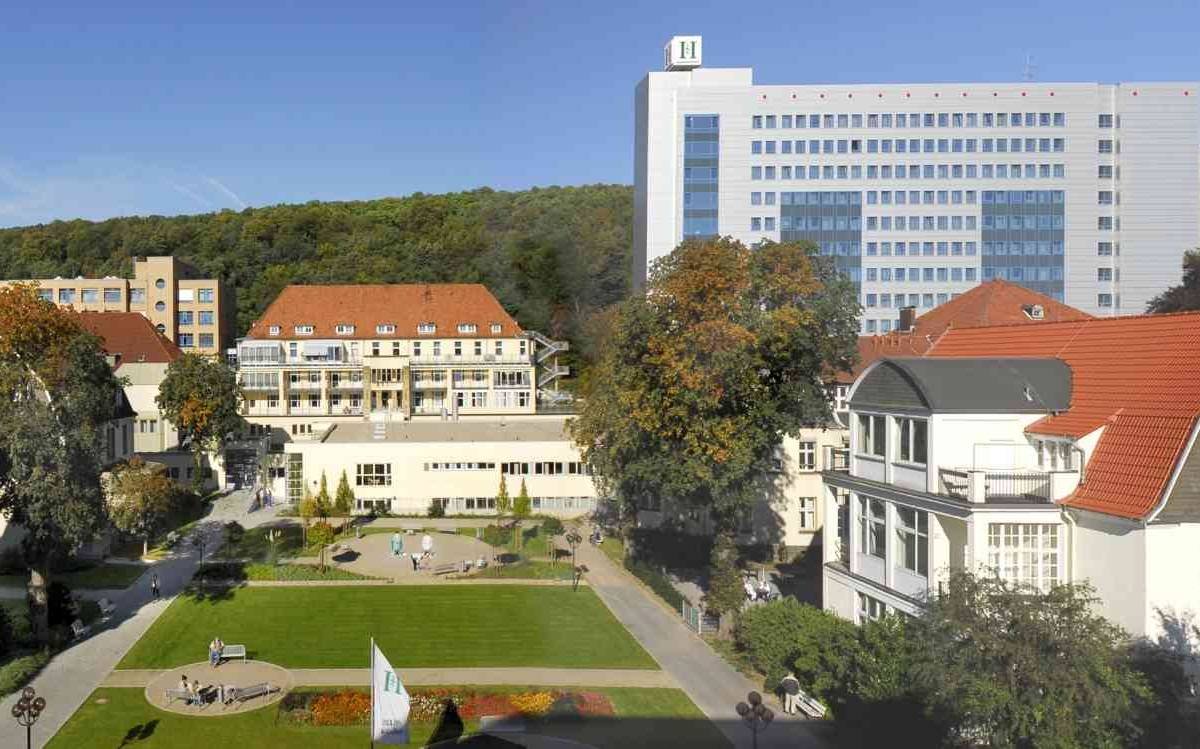
مستشفى هليوس الجامعي Wuppertal
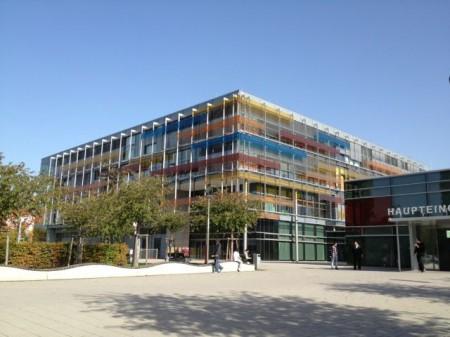 University Hospital in Haydelberge
University Hospital in Haydelberge
ألمانيا, هايدلبرغ
 Hannover Medical School
Hannover Medical School
ألمانيا, هانوفر
لقد شاهدتم 4 من 11
عيادات
احصلوا على تقييم طبي لـ اصابة الحبل الشوكي في ألمانيا: استشيروا أطباء ذوي خبرة الآن
عرض جميع الأطباء
يؤكد
Christoph Rangger
البروفيسور رانجر هو طبيب من الفئة (د)، يجري جراحات معقدة للغاية في العمود الفقري، بما في ذلك الإجراءات المنقذة للحياة للمرضى الذين رفضهم جراحون آخرون.
- تدرب في جامعة إنسبروك وجامعة سان دييغو
- متخصص في علاج إصابات الجهاز العضلي الهيكلي والعمود الفقري الشديدة
- خبير جنائي في قضايا الأخطاء الطبية
- مرخص لتدريب وفحص أطباء العظام
مشاركة المحتوى
قصص فيديو من مرضى Bookimed
Dayana
جمعت بين إجازتي في أنطاليا والفحص الطبي.
إجراء: فحص صحة الإناث (انظر فحص النساء)
مستشفى: Memorial Antalya Hospital
Marina
قام Bookimed بكل شيء من أجلي. لم أضطر للقلق بشأن أي شيء.
إجراء: فحص صحة الإناث (انظر فحص النساء)
مستشفى: Severance Hospital
محدث: 09/01/2026
تأليف
 Anna Leonova
Anna Leonova
رئيس فريق تسويق المحتوى
محررة طبية معتمدة لديها خبرة تزيد عن 10 سنوات، طوّرت محتوى Bookimed الموثوق، مدعومة بماجستير في علم اللغة ومقابلات مع خبراء طبيين من جميع أنحاء العالم.
تمت المراجعة من قبل المستشار الطبي في Bookimed

فهد مولود
محرر طبي وعالم بيانات
طبيب عام. حاصل على 4 جوائز علمية. خدم في غرب آسيا. رئيس الفريق الطبي الناطق بالعربية سابقا ومسؤول عن معالجة البيانات ودقة المحتوى الطبي حاليا.
فهد مولود Linkedinقد تحتوي هذه الصفحة على معلومات تتعلق بمختلف الحالات الطبية والعلاجات وخدمات الرعاية الصحية المتوفرة في بلدان مختلفة. يرجى العلم أن المحتوى مقدم لأغراض إعلامية فقط ولا ينبغي تفسيره على أنه نصيحة أو إرشادات طبية. يرجى استشارة طبيبك أو أخصائي طبي مؤهل قبل البدء أو تغيير العلاج الطبي.
أسئلة متكررة حول علاج اصابة الحبل الشوكي في ألمانيا
هذه الأسئلة الشائعة مأخوذة من مرضى حقيقيين يبحثون عن رعاية طبية عبر Bookimed. يتم تقديم الإجابات من قبل منسقين طبيين ذوي خبرة وممثلين موثوقين من العيادات.
ما هي التقنيات المتقدمة المستخدمة لإعادة تأهيل إصابات الحبل الشوكي في ألمانيا؟
تستخدم ألمانيا الروبوتات التي يتم التحكم فيها عصبيًا والذكاء الاصطناعي لتعزيز المرونة العصبية في إعادة تأهيل إصابات الحبل الشوكي. تدمج المراكز المتخصصة أطرافًا مساعدة هجينة وأجهزة تدريب المشي الآلية لاستعادة الحركة الوظيفية. تفسر هذه التقنيات إشارات الجهاز العصبي لتوفير مساعدة طاقة في الوقت الفعلي للتعافي الهيكلي.
- طرف المساعدة الهجين: تكتشف المستشعرات إشارات الأعصاب الطوعية لتشغيل الحركات عبر المساعدة الحركية.
- أنظمة تدريب المشي: توجه الأجهزة الروبوتية الساقين عبر أنماط مشي فسيولوجية دقيقة على أجهزة المشي.
- تعديل الأعصاب و FES: تتجاوز النبضات الكهربائية الدقيقة المسارات التالفة لتحفيز العضلات والأعضاء المشلولة.
- البدلات الذكية المدعومة بالذكاء الاصطناعي: تستخدم الملابس الذكية أوتارًا اصطناعية ومستشعرات لاستعادة تنسيق الجسم.
رؤية خبير Bookimed: تدمج المستشفيات الجامعية في ألمانيا مثل شاريتيه أو كلية هانوفر الطبية البحث العلمي مباشرة في الرعاية السريرية. تظهر البيانات أن هذه المؤسسات تخدم أكثر من 500,000 مريض سنويًا مع توفير وصول مبكر إلى البروتوكولات التجريبية. غالبًا ما يضمن اختيار منشأة مرتبطة بمعهد بحثي الوصول إلى تخطيط كهربائية العضل عالي الكثافة ورسم خرائط التوأم الرقمي ثلاثي الأبعاد المتقدم.
إجماع المرضى: يؤكد المرضى أنه على الرغم من أن الأنظمة المساعدة بالروبوت مثيرة للإعجاب، إلا أن التقدم الأكثر أهمية يأتي من الممارسة المتكررة عالية الكثافة. يقترحون التركيز على البرامج متعددة التخصصات حيث يجمع المعالجون بين ت
هل تتوفر علاجات تجريبية مثل العلاج بالخلايا الجذعية لإصابات الحبل الشوكي في ألمانيا؟
تتوفر علاجات الخلايا الجذعية التجريبية لإصابات الحبل الشوكي في ألمانيا ولكنها تظل خاضعة لرقابة صارمة. يتم إجراء هذه العلاجات بشكل أساسي ضمن التجارب السريرية الجامعية أو معاهد البحوث المرخصة. تحظر القوانين الألمانية استخدام الخلايا الجذعية الجنينية، وتركز بدلاً من ذلك على الخلايا اللحمية المتوسطة البالغة أو علاجات الإفرازات الخلوية.
- الامتثال التنظيمي: يجب أن تتبع العلاجات إرشادات قانون حماية الأجنة الألماني الصارمة.
- مصادر الخلايا: تستخدم العيادات عادةً خلايا ذاتية من نخاع العظم أو الدهون.
- المراكز الأكاديمية: يقود مستشفى جامعة هايدلبرغ وكلية هانوفر الطبية أبحاث الحبل الشوكي.
- التكامل الروبوتي: غالبًا ما يتم دمج الخلايا التجريبية مع الهياكل الخارجية الروبوتية HAL للتعافي.
- التجارب السريرية: يمكن للمرضى المشاركة في الدراسات من خلال شبكة الدراسات الأوروبية متعددة المراكز.
رؤية خبير Bookimed: تشير البيانات إلى اختيار المستشفيات الجامعية مثل كلية هانوفر الطبية أو شاريتيه برلين للعلاجات التجريبية. بينما تقدم العيادات الخاصة برامج فردية، تسمح العيادات الجامعية للمرضى بالانضمام إلى دراسات علمية رسمية. تخدم هذه المؤسسات أكثر من 500,000 مريض سنويًا، مما يوفر رقابة أعلى من المرافق الخاصة الصغيرة. تضمن هذه البيئة أن البروتوكولات التجريبية تلبي معايير السلامة الوطنية قبل تطبيقها على المرضى.
إجماع المرضى: يشير المرضى إلى أن المراكز الألمانية الشرعية تعطي الأولوية للتوثيق التفصيلي على ادعاءات التسويق. يؤكد
كيف يتم التعامل مع إصابات الحبل الشوكي الحادة مقابل المزمنة بشكل مختلف في ألمانيا؟
تتعامل ألمانيا مع إصابات الحبل الشوكي الحادة كحالات طوارئ جراحية تتطلب تخفيف الضغط في غضون 24 ساعة. تنتقل الحالات المزمنة إلى رعاية متعددة التخصصات مدى الحياة. تدمج مراكز الشلل النصفي المتخصصة التثبيت الحاد مع إعادة التأهيل الروبوتي طويل الأمد. يضمن هذا النهج المنهجي أن يحافظ المرضى على استقلاليتهم الوظيفية ويتلقون صيانة عصبية بولية مستمرة.
- الجدول الزمني الحاد: يعطي الجراحون الأولوية لتخفيف الضغط وتثبيت العمود الفقري خلال الـ 24 ساعة الأولى.
- المراكز المتخصصة: تتم الرعاية في مراكز Querschnittzentren المعتمدة للعلاج الجراحي والتأهيلي المتكامل.
- العلاج الروبوتي: يحصل المرضى المزمنون على تقنيات متقدمة مثل تدريب المشي الروبوتي Hybrid Assistive Limb.
- المراقبة المزمنة: يركز المتابعة مدى الحياة على التحكم في التشنج، والوقاية من قرح الضغط، وإدارة المثانة.
رؤية خبير Bookimed: تفضل البنية التحتية الطبية الألمانية المجمعات الضخمة ومتعددة التخصصات. يزور أكثر من 1.3 مليون مريض سنويًا مستشفى شاريتيه - جامعة الطب في برلين وكلية هانوفر الطبية مجتمعتين. يسمح هذا الحجم الكبير للمراكز بالحفاظ على وحدات صدمات من المستوى Ia فائقة التخصص. تدير هذه الوحدات حالات الطوارئ الحادة والفطام المزمن تحت سقف واحد. يضمن اختيار هذه المراكز الأكاديمية الوصول إلى أحدث بروتوكولات التجارب السريرية والمعدات الروبوتية.
إجماع المرضى: يؤكد المرضى أن تأمين النقل الفوري إلى مركز متخصص أمر حيوي للتعافي على المدى الطويل. يشير الكثيرون إلى أن التعامل مع المعدات
كيف تبدو روتين إعادة التأهيل اليومي النموذجي لمرضى إصابات الحبل الشوكي؟
تتضمن إعادة التأهيل النموذجية لإصابات الحبل الشوكي في ألمانيا من 3 إلى 5 ساعات من العلاج المكثف يوميًا. يتبع المرضى جدولًا متعدد التخصصات يركز على الحركة البدنية، والاستقلالية في الرعاية الذاتية، والوقاية من المضاعفات. تستخدم البرامج عادةً معدات عالية التقنية داخل مراكز طبية أكاديمية معتمدة من ISO أو JCI.
- إدارة الصباح: تركز على العناية بالقسطرة، وتدريب الأمعاء، وفحوصات الجلد الأساسية لتخفيف الضغط.
- العلاج الطبيعي: يستهدف استقرار الجذع، وعمليات النقل الآمنة من السرير إلى الكرسي، ومهارات التنقل المتخصصة بالكرسي المتحرك.
- العلاج الوظيفي: يؤكد على إعادة تدريب الأنشطة اليومية مثل الأكل، وارتداء الملابس، واستخدام الأدوات اليدوية التكيفية.
- الحركة المتقدمة: قد تشمل الهياكل الخارجية الروبوتية أو التدريب على المشي على جهاز المشي مع دعم وزن الجسم للإصابات غير الكاملة.
رؤية خبير Bookimed: توفر المستشفيات الجامعية الألمانية مثل شاريتيه أو عيادة نوردويست ميزة فريدة من خلال التخصص عالي الحجم. يوضح الدكتور كريستوف رانجر في عيادة نوردويست، وهو متخصص حاصل على تصريح نقابي للإصابات الخطيرة، كيف يتعامل كبار الجراحين غالبًا مع آلاف الحالات المعقدة. يجب على المرضى البحث عن مراكز تضم أكثر من 1000 متخصص، حيث تضمن هذه الكثافة السريرية الوصول على مدار الساعة طوال أيام الأسبوع إلى خبراء في إدارة التشنج وطب المسالك البولية العصبية.
إجماع المرضى: يشير المرضى إلى أن إعادة التأهيل تتعلق بإعادة تعلم مهارات الحياة أكثر من كونها تمرينًا قياسيًا. يؤك
ما هي المدن والمستشفيات الأعلى تقييماً لعلاج إصابات الحبل الشوكي في ألمانيا؟
تشمل المدن الألمانية الأعلى تقييماً لعلاج إصابات الحبل الشوكي فرانكفورت وبرلين وهايدلبرغ. تتميز هذه المراكز بمستشفيات معتمدة من قبل JCI ومصنفة من قبل Newsweek مثل عيادة نوردويست (Nordwest) وشاريتيه (Charité). وهي توفر جراحة أعصاب حادة متكاملة وإعادة تأهيل متخصصة. وهذا يضمن رعاية مبسطة من تثبيت الصدمات إلى تدريب الحركة.
- فرانكفورت: تتخصص عيادة نوردويست في صدمات الجهاز العضلي الهيكلي المعقدة وجراحة العمود الفقري الروبوتية.
- برلين: تُصنف شاريتيه - مستشفى جامعة برلين من بين أفضل المستشفيات الجامعية أداءً في أوروبا ذات الحجم الكبير من المرضى.
- هايدلبرغ: يقدم مستشفى جامعة هايدلبرغ رعاية شاملة ومتكاملة للعمود الفقري للمرضى الداخليين والخارجيين.
- بريمن: عيادة بريمن-ميته هي مركز مصنف من قبل Focus لطب الأعصاب والتدخلات الجراحية العصبية.
رؤية خبير Bookimed: تُظهر بيانات Bookimed نجاحاً عالياً في الحالات المعقدة في عيادة نوردويست تحت إشراف الدكتور كريستوف رانجر. وهو جراح من الفئة (د) متخصص في إجراءات العمود الفقري عالية التعقيد. اختيار المراكز التي تضم مثل هؤلاء المتخصصين ذوي الحجم الكبير أمر حيوي. فهم غالباً ما يقبلون حالات قد ترفضها مرافق أخرى. تعالج الشبكات الكبيرة مثل مجمع عيادات شمال الراين-وستفاليا 145,000 مريض سنوياً. يضمن هذا النطاق الهائل الوصول على مدار الساعة طوال أيام الأسبوع إلى فرق متعددة التخصصات ومعدات متطورة.
إجماع المرضى: يشير المرضى إلى أن الانتقال المبكر من الجراحة الحادة إلى مسار إعادة تأهيل العمود الفقري ال
كم تستغرق برامج علاج إصابات الحبل الشوكي القياسية للمرضى الدوليين؟
تستغرق برامج علاج إصابات الحبل الشوكي القياسية في ألمانيا عادةً من 30 إلى 90 يومًا. غالبًا ما تستخدم البرامج الدولية جداول زمنية هجينة. وتشمل هذه الفترة من أسبوع إلى أسبوعين للتقييم الحاد. قد تمتد مراحل الرعاية المزمنة لعدة أشهر. تعتمد المدة على شدة الإصابة وأهداف إعادة التأهيل.
- التعافي من الشلل النصفي: تتراوح فترات الإقامة في المستشفى عادةً من 2 إلى 4 أسابيع لتحقيق الاستقرار.
- التعافي من الشلل الرباعي: غالبًا ما تتطلب الحالات المعقدة من 4 إلى 8 أسابيع من الرعاية المكثفة.
- الاستقرار الحاد: يستغرق الاستقرار الجراحي أو الطبي الأولي حوالي 7 إلى 14 يومًا.
- كتل إعادة التأهيل: تستغرق مراحل إعادة التأهيل المكثف للمرضى الداخليين عادةً ما بين 4 إلى 12 أسبوعًا.
رؤية خبير Bookimed: تتعامل المستشفيات الجامعية الألمانية مثل شاريتيه أو كلية هانوفر الطبية مع أعداد هائلة من المرضى. غالبًا ما تعطي هذه المراكز الأولوية للمعالم السريرية على الجداول الزمنية الثابتة. تشير بياناتنا إلى أن الجراحين المتخصصين للغاية مثل الدكتور كريستوف رانجر يتولون حالات يرفضها الآخرون. غالبًا ما يؤدي هذا إلى تمديد مرحلة التقييم الأولية بمقدار 5 إلى 7 أيام للتخطيط المعقد. يجب أن تتوقع أن تكون مدة الإقامة الإجمالية أطول من الإجراء الجراحي نفسه.
إجماع المرضى: يشير المرضى إلى أن مرحلة إعادة التأهيل تستغرق وقتًا أطول بكثير من الإقامة الأولية في المستشفى. ويؤكدون على أهمية السماح بوقت إضافي للخدمات اللوجستية مثل أوراق التأشيرة وتخطيط الخروج.