العودة إلى الصفحة الرئيسية

كيف نعمل؟

لقد قمنا بتحويل عملية البحث عن العيادة، وجعلناها بسيطة وسريعة وشخصية.
أجب عن بعض الأسئلة املأوا استمارة قصيرة لتخبرونا عن حالتكم الصحية واحتياجاتكم الطبية.
احصل على عروض مخصصة٣ عيادات تم اختيارها بعناية بناءً على إجاباتك، ستقدّم خطط علاج وتقديرات تكلفة مخصصة لك.
اختر الخيار الأفضلقارن بين العروض واختر العيادة الأنسب لك.
يمكنك أيضًا تصفح 8 عيادة أدناه.
820К+ مريضًا حصلوا على المساعدة منذ عام 2014
50 دول
1,500 عيادات
6K+ تقييمات
3K+ طبيب مؤهل

ما هي تكلفة تضيق العمود الفقري إجراءات التشخيص والعلاج في إسبانيا؟ اعرف الآن

تختلف التكلفة الإجمالية لعلاج تضيق العمود الفقري في إسبانيا بناءً على الإجراءات والاستشارات المحددة المطلوبة. تبلغ تكلفة الاستشارة الشاملة الأولية مع جراح الأعصاب الرائد حوالي 600 دولار، بينما يتراوح سعر التصوير بالرنين المغناطيسي المحدث مع التباين بين 1,300 دولار و1,650 دولار. تُقدر جراحة تخفيف الضغط على العمود الفقري بالحد الأدنى بين 21,900 دولار و27,300 دولار، وتتراوح جراحة العمود الفقري بمساعدة الروبوت بين 32,787 دولار و43,716 دولار. يمكن أن تضيف إعادة التأهيل والعلاج الطبيعي بعد الجراحة تكلفة إضافية تتراوح بين 2,732 دولار و5,465 دولار إلى النفقات الإجمالية. يتم تخصيص برنامج العلاج بعد تقييم شامل من قبل الأخصائي، مما يضمن نهجًا مخصصًا لكل مريض.

تركياإسبانياألمانيا
فتح تخفيف الضغط عن العمود الفقري مع إعادة بناء الأربطةمن $8,500--
استئصال الصفيحة القطنية وتثبيت مستوى واحدمن $4,300--
استئصال الصفيحة الرقبية وتثبيت مستوى واحدمن $8,500--
تم التحقق من البيانات بواسطة Bookimed اعتبارًا من July 2026، استنادًا إلى طلبات المرضى والعروض الرسمية من 110 عيادة حول العالم. تستند التكاليف المتوسطة إلى الفواتير الحقيقية (2025–2026) ويتم تحديثها شهريًا. قد تختلف الأسعار الفعلية.

اكتشف أفضل تضيق العمود الفقري العيادات في إسبانيا: 8 خيارات معتمدة والأسعار

تم تصنيف العيادات بواسطة نظام Bookimed الذكي، باستخدام تحليل علوم البيانات عبر 5 معايير رئيسية.
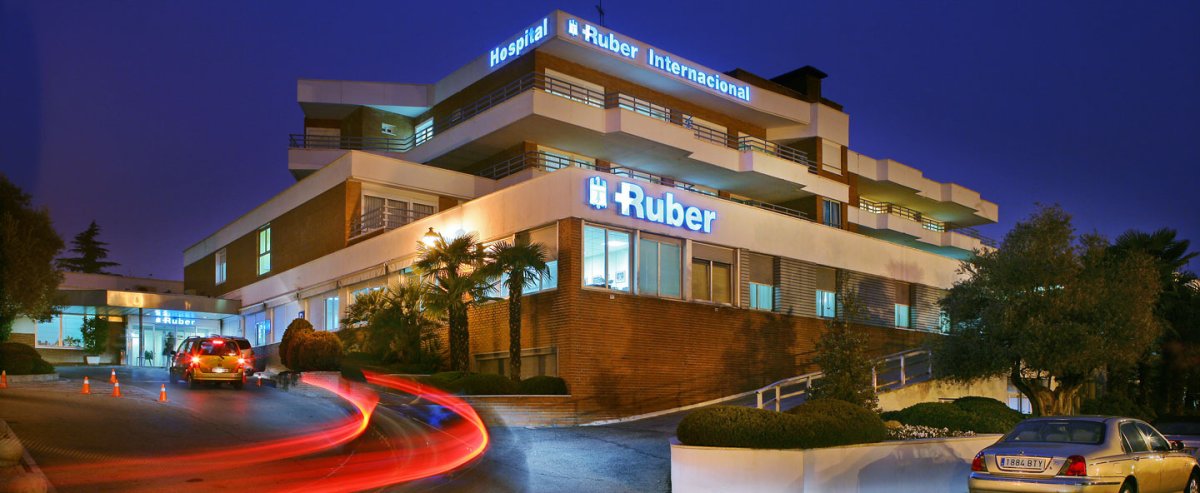
مستشفى Ruber Internacional
SJD Barcelona Children’s Hospital

إعلان
Centro Médico Teknon
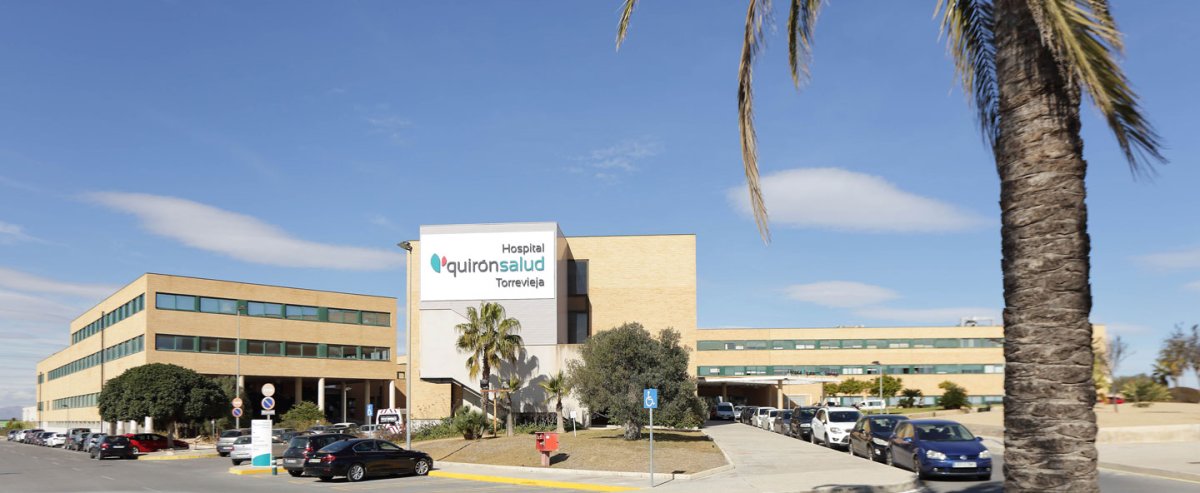
Hospital Quiron Barcelona
Clinica Universidad de Navarra (Navarra Hospital)

احصل على تقييم طبي لـ في إسبانيا. استشر الآن 7 أطباء ذوي الخبرة.

عرض جميع الأطباء
يؤكد

Bartolome Oliver

50سنة خبره ١٦ سنة • تم تنفيذ 280+ علاجات

رائد في جراحة العمود الفقري الروبوتية - يجري الدكتور أوليفر أكثر من 200 عملية جراحية طفيفة التوغل في العمود الفقري سنويًا في مركز تيكنون الطبي.

  • 49 عامًا من الخبرة في جراحة الأعصاب، متخصص في تضيق القناة الشوكية
  • الأول في جنوب أوروبا في استخدام نظام Mazor Robotics Renaissance
  • رئيس الجمعية الأوروبية لقاعدة الجمجمة
  • تلقى تدريبه في أفضل المعاهد بما في ذلك معهد كارولينسكا ومعهد مونتريال للأعصاب
  • مؤلف لأكثر من 150 منشورًا حول تقنيات جراحة الأعصاب المتقدمة
يؤكد

Gerardo Conesa Bertran

41سنة خبره ١٦ سنة

أكثر من 900 عملية جراحية للعمود الفقري - الدكتور كونيزا هو جراح أعصاب رائد متخصص في الجراحة طفيفة التوغل لحالات العمود الفقري المعقدة.

  • 40 عاماً من الخبرة في جراحة الأعصاب
  • مدير معهد جراحة الأعصاب في Centro Médico Teknon
  • التخصص في حالات تضيق القناة الشوكية المعقدة
  • التدرب في مستشفيات أمريكية مرموقة بما في ذلك مستشفى ماساتشوستس العام
  • عضو في الجمعية الأوروبية لجمعيات جراحة الأعصاب
يؤكد

Javier Herrero Jover

46سنة خبره ١٦ سنة • تم تنفيذ 10000+ علاجات

يُعد الدكتور خافيير هيريرو جوفر رائدًا في التخطيط الجراحي ثلاثي الأبعاد، مع خبرة تزيد عن 30 عامًا في الجراحة التجميلية والترميمية.

  • مؤسس شركة Alma IT Systems، المتخصصة في تطوير أدوات متقدمة للتخطيط الجراحي الافتراضي
  • رئيس وحدة هيريرو جوفر الطبية في Centro Médico Teknon
  • مؤلف لأكثر من 150 منشورًا ومتحدث في أكثر من 350 مؤتمرًا دوليًا
  • رئيس سابق لـ CARS، المؤتمر العالمي الرائد في مجال التكنولوجيا لـ الجراحية
يؤكد

Nnamdi Elenwoke

19سنة خبره ١٦ سنة

الدكتور Nnamdi Elenwoke جرّاح أعصاب في Neuroinstitut – Centro Médico Teknon (برشلونة)، وهو مركز رائد في أوروبا. يتخصص في الجراحة العصبية طفيفة التوغل والجراحة العصبية الوظيفية، ويتمتع بخبرة خاصة في تشوه أرنولد-كياري واضطرابات الوصل القحفي الفقري. تعتمد ممارسته على التقنيات المجهرية المتقدمة، وجراحة قاعدة الجمجمة بالمنظار، وجراحة الأعصاب بمساعدة الروبوت.

التعليم والتدريب: دكتوراه في الطب (2007). إقامة اختصاص جراحة الأعصاب (MIR) في مستشفى ميغيل سيرفيت، سرقسطة. تدريب متقدم في جراحة قاعدة الجمجمة بالمنظار بجامعة إيموري، أتلانتا. تدريب سريري في المستشفى الوطني لطب وجراحة الأعصاب، لندن. لديه أكثر من 15 عامًا من الخبرة في جراحات الدماغ والعمود الفقري المعقّدة.

الكفاءات الأساسية: إزالة الضغط عن الحفرة الخلفية؛ أورام الدماغ والعمود الفقري؛ جراحة العمود الفقري طفيفة التوغل؛ استسقاء الدماغ وتكهّف النخاع (السيرينغوميليا). يستخدم التصوير المتقدم والملاحة العصبية لتعزيز السلامة والحفاظ على الوظائف. الاعتمادات: الجمعية الإسبانية لجراحة الأعصاب، EANS، والكلية الرسمية للأطباء في برشلونة. له أعمال علمية منشورة ونشاط منتظم في المؤتمرات الدولية.

المراجعات

جميع المراجعات
Лилия Михайловна • تضيق العمود الفقري
قرغيزستان
٢٠ مايو ٢٠١٩
مراجعة تم التحقق منها.
أنا أكره المهنيين
في الطفولة والشيخوخة تتخيل الواقع كحكاية خرافية. خرافة ، كواقع. في هذه العصور ، يتم الشعور بالألم بشكل لا يطاق. بالأمس ، ما زلت ، واليوم على الأقل على الحائط. في سن الشيخوخة ، ترعرع مع كل الروابط ، ولأي سبب كان هناك أخصائي أفضل. ولكن فجأة ، فإنه يساعد الجميع ، ولكن للأسف. يفرغ الألم من الجيوب ويدير الروح ، كل الحياة تنزل للتغلب عليها ، تتلألأ النجوم المضيئة بأيديهم وتفهمون ، وأنت جالس بهدوء ، الألم صامت. بعد أن استنفد مواردنا المهنية المحلية ، التفت الابن إلى Bookimed ، واتضح أن هناك مثل هذه المنظمة الرائعة التي ، كما لو كانت في حكاية خرافية ، تجد أفضل متخصص يلهمك مرة أخرى. إذا قالوا لي هذا ، فسأضحك. لكن طوال العام الماضي كنت مريضة. الألم مسكون في كل مكان وتجد نفس المنظمة عيادة في برشلونة ، في عيادة جراح يحمل اسمًا إسبانيًا قديمًا وبأكثر الأساليب ابتكارًا تحدث معي على Skype وبعد ذلك - الطريق وبعد 6 ساعات من التقاطي نعم ، لذلك ، عندما استيقظت من التخدير ، اعتنت عن موعد بدء العملية ، يعمل الأطباء والممرضات كآلية جيدة الأداء ، وأنا أعلم أن هناك مقارنة ضعيفة ، لكن الانطباع بأنك في العمل ، وأنا أفهم أن "السوفييت لديهم فخرهم الخاص" ، لكنني لم أكن أشعر بالمرض. لذلك لم تفعل عدت الآن أعرف من سيجد الشخص الذي سيخفف الألم! لا يمكنني إلا أن أقول شكراً لتنظيم الرحلة ، والعيادة ، والأطباء .... على كل شيء للأفراد الرائعين الذين يعرفون كيفية فهمهم والتعاطف معهم ، ويقومون بعملهم بشكل جيد. والدكتور أوليفر عبادان بارتولوميو مجرد ساحر. شكراً لك مرة أخرى ، فبينما يؤلمك ، لا يمكنك التفكير في أي شيء ، لكن بمجرد إصداره ، فأنت وحدة عامة ، وأقلع قبعتي للمحترفين ، وأنا دائمًا ممتن. ألكساندر كاتسيف ، دكتور في علم اللغة ، أستاذ ، أكاديمي

مشاركة المحتوى

Twitter XLinkedinFacebookWhatsAppEmail
أحصل على الرابط

قصص فيديو من مرضى Bookimed

Dayana
جمعت بين إجازتي في أنطاليا والفحص الطبي.
إجراء: فحص صحة الإناث (انظر فحص النساء)
Igor
كان رائعاً! التنقلات والإقامة والعلاج - كل شيء مشمول.
إجراء: زرع الأسنان
مستشفى: WestDent Clinic
Marina
قام Bookimed بكل شيء من أجلي. لم أضطر للقلق بشأن أي شيء.
إجراء: فحص صحة الإناث (انظر فحص النساء)
مستشفى: Severance Hospital
محدث: 05/20/2019
تأليف
Anna Leonova
Anna Leonova
رئيس فريق تسويق المحتوى
محررة طبية معتمدة لديها خبرة تزيد عن 10 سنوات، طوّرت محتوى Bookimed الموثوق، مدعومة بماجستير في علم اللغة ومقابلات مع خبراء طبيين من جميع أنحاء العالم.
تمت المراجعة من قبل المستشار الطبي في Bookimed
فهد مولود
محرر طبي وعالم بيانات
طبيب عام. حاصل على 4 جوائز علمية. خدم في غرب آسيا. رئيس الفريق الطبي الناطق بالعربية سابقا ومسؤول عن معالجة البيانات ودقة المحتوى الطبي حاليا.
فهد مولود Linkedin
قد تحتوي هذه الصفحة على معلومات تتعلق بمختلف الحالات الطبية والعلاجات وخدمات الرعاية الصحية المتوفرة في بلدان مختلفة. يرجى العلم أن المحتوى مقدم لأغراض إعلامية فقط ولا ينبغي تفسيره على أنه نصيحة أو إرشادات طبية. يرجى استشارة طبيبك أو أخصائي طبي مؤهل قبل البدء أو تغيير العلاج الطبي.

أسئلة متكررة حول علاج تضيق العمود الفقري في إسبانيا

هذه الأسئلة الشائعة مأخوذة من مرضى حقيقيين يبحثون عن رعاية طبية عبر Bookimed. يتم تقديم الإجابات من قبل منسقين طبيين ذوي خبرة وممثلين موثوقين من العيادات.

Is spinal stenosis surgery always required in Spain?

Spinal stenosis surgery is not always required in Spain. Surgeons typically prioritize conservative treatments like physical therapy and epidural injections for mild cases. Intervention is reserved for severe pain, neurological decline, or when non-surgical methods fail to provide relief after several months.

  • Conservative protocols: Doctors first utilize targeted physical therapy, NSAIDs, and corticosteroid injections.
  • Minimally invasive options: Specialists favor microsurgical decompression to avoid using screws or plates.
  • Advanced technology: Facilities like Centro Médico Teknon use the Mazor Robotics Renaissance System.
  • Recovery speed: Patients often walk within hours and leave the hospital in 24–48 hours.

Bookimed Expert Insight: Data shows a strong preference for motion-preserving techniques in Spain over traditional fusion. Prof. Dr. Bartolome Oliver at Centro Médico Teknon has performed over 190 such procedures for lumbar and cervical cases. This approach focuses on maintaining natural spinal flexibility rather than stiffening the vertebrae with metal implants.

Patient Consensus: Patients often note that Spanish specialists are very cautious and will suggest exhausting every physical therapy option before recommending an operation. Many appreciate this conservative mindset but warn that you should track your symptoms daily if you feel your condition is worsening.

What surgical technologies are used in Spain for spinal stenosis?

Spanish neurosurgical centers utilize minimally invasive technologies like Mazor X robotic guidance and ultra-precise endoscopy to treat spinal stenosis. These systems allow for decompression with incisions under 1 inch. Specialized hospitals in Barcelona and Madrid prioritize robotic-assisted planning to ensure high surgical precision and faster recovery.

  • Robotic systems: Mazor X Stealth Edition provides 3D mapping for accurate instrument placement.
  • Endoscopic surgery: Full-endoscopic techniques use 4mm incisions to widen the narrowed spinal canal.
  • Microscopic visualization: High-magnification tools allow surgeons to preserve healthy ligaments during nerve decompression.
  • Ultrasonic tools: Harmonic scalpels remove bone spurs safely without damaging nearby soft nerve tissues.

Bookimed Expert Insight: Barcelona remains the technological leader for spine surgery in Southern Europe. Centro Médico Teknon was the first to implement the Mazor Robotics Renaissance system in this region. Dr. Bartolome Oliver at this clinic performs over 200 surgeries annually. This high volume often leads to better patient outcomes in complex robotic-assisted procedures.

Patient Consensus: Patients note that robotic systems like Mazor X allow for a return to work within 4 weeks. Many emphasize that traveling to private hubs in Barcelona or Madrid is essential to access 4K endoscopy and advanced navigation tools.

What does a typical international package for spinal stenosis surgery include?

International spinal stenosis packages in Spain typically include the surgical procedure, anesthesia, and a hospital stay of 1 to 5 nights. These bundles cover neurosurgeon fees, pre-operative consultations, and essential medications. Most programs also provide airport transfers and dedicated medical coordinators for logistics.

  • Medical fees: Covers the lead neurosurgeon, assistant surgeons, and certified anesthesiology team.
  • Facility costs: Includes operating theater usage and specialized equipment like the Mazor Robotics system.
  • Hospital stay: Provides private room accommodation for 1 to 4 nights during recovery.
  • Diagnostic tests: Usually incorporates basic laboratory blood work and pre-operative specialist evaluations.

Bookimed Expert Insight: Spanish centers like Centro Médico Teknon lead in robotic assistance, performing over 200 spine surgeries annually. While packages often focus on surgical basics, high-volume clinics frequently include 3D surgical planning for complex decompression cases. Patients should verify if specialized equipment like the Renaissance System is included in their specific bundle.

Patient Consensus: Patients highlight that while surgical care is excellent, recovery support often ends at hospital discharge. Many recommend budgeting extra for long-term physical therapy and confirming if the package includes post-op imaging before flying home.

How long must I remain in Spain after spinal stenosis surgery before flying home?

Patients should generally remain in Spain for 10 to 14 days after spinal stenosis surgery. Minimally invasive procedures may allow travel after 7 days. Complex cases including spinal fusion require at least 4 to 6 weeks. Surgeon clearance is mandatory before boarding any flight.

  • Decompression timeline: Most patients require 10 to 14 days before flying safely home.
  • Spinal fusion window: Complex stabilizations usually require 4 to 6 weeks of local recovery.
  • Travel requirements: You must sit upright for 2 hours without pain before flying.
  • Safety protocols: Use compression stockings and move every hour to prevent blood clots.

Bookimed Expert Insight: Spanish centers like Centro Médico Teknon use advanced systems like Mazor Robotics for spine surgery. These robotic technologies often lead to smaller incisions and faster initial mobilization. While a clinic might offer a 7-day discharge, recovery stays of 14 days are more stable. This timeframe aligns with the 23,500 annual operations performed at high-volume Barcelona facilities.

Patient Consensus: Patients note that sitting tolerance is more important than the calendar date. Many suggest waiting at least 2 weeks to avoid increased swelling and pain during long-haul flights.

Is minimally invasive spine surgery available for international patients in Spain?

Minimally invasive spine surgery is readily available for international patients in Spain. Major medical hubs in Barcelona and Madrid feature JCI-accredited hospitals. These facilities utilize robotic systems and endoscopic techniques. Specialist centers offer English-speaking coordinators and virtual consultations for global medical travelers.

  • Available technologies: Centers utilize Mazor Robotics Renaissance and 3D navigation for precision.
  • Specialized procedures: Surgeons perform microdiscectomy, endoscopic decompression, and motion-preserving disc replacement.
  • Accreditation standards: Top facilities hold Joint Commission International and ISO certifications for safety.
  • Expert experience: Leading neurosurgeons like Prof. Dr. Bartolome Oliver have over 40 years experience.

Bookimed Expert Insight: Data shows Spain holds a high global rank for neurosurgery requests. This popularity stems from high-volume specialists like Prof. Dr. Bartolome Oliver at Centro Médico Teknon. He performs over 150 lumbar procedures annually. This level of specialization ensures patients receive care from surgeons who have mastered specific robotic systems.

Patient Consensus: Patients report that the pain relief from Spanish neurosurgeons feels life-changing and immediate. Many highlight the well-coordinated hospital staff who act like a synchronized mechanism during treatment.

Can Spanish surgeons evaluate my imaging before I travel?

Spanish neurosurgeons evaluate medical imaging like MRI and CT scans remotely to confirm treatment eligibility. Leading centers in Barcelona and Madrid use secure digital platforms for these reviews. This process provides a definitive diagnosis and personalized surgical plan before you travel for spinal stenosis treatment.

  • Remote consultations: Experts like Prof. Dr. Bartolome Oliver offer video meetings via Teams or Zoom.
  • High-precision imaging: Clinics like Hospital HM Nou Delfos use EOS technology for musculoskeletal scans.
  • Advanced diagnostics: Diagnostic reviews help determine suitability for microsurgical or robot-assisted spinal operations.
  • Specialized units: Teknon Medical Center features dedicated units for craniocervical hypermobility and spine disorders.

Bookimed Expert Insight: Spanish clinics like Centro Médico Teknon often prioritize motion-preserving techniques for spinal stenosis. Our data shows Prof. Dr. Bartolome Oliver performs over 150 lumbar and 40 cervical procedures annually. This volume is significant because high-volume surgeons typically achieve better outcomes in complex robotic-assisted spinal surgeries.

Patient Consensus: Patients find the ability to speak directly with the surgeon online very reassuring. They note that having a clear plan before flying helps reduce stress during the journey.

Where are Spain’s leading private centres for spinal stenosis surgery?

Spain features world-class private centers for spinal stenosis surgery, primarily concentrated in Barcelona and Madrid. Facilities like Centro Médico Teknon and Hospital Ruber Internacional hold Joint Commission International accreditation. These hubs offer robotic-assisted and microsurgical techniques for decompression with quick recovery times.

  • Robotic systems: Teknon utilized the first Mazor Renaissance robotic system in Southern Europe.
  • Specialized surgeons: Dr. Bartolome Oliver at Teknon has performed over 1,100 spinal procedures.
  • Advanced imaging: Hospital HM Nou Delfos uses EOS musculoskeletal imaging for precise diagnosis.
  • Hybrid approaches: Centers offer motion-preserving disc prosthesis alongside traditional stabilization and laminectomy.

Bookimed Expert Insight: Data shows a high concentration of neurosurgical expertise in Barcelona, particularly at Centro Médico Teknon and Dexeus. These clinics treat high patient volumes, with Teknon serving 10,000 patients annually. Choosing a clinic with specialized units, like the Neuroinstitut Oliver-Ayats, often ensures access to higher surgical precision and fewer complications.

Patient Consensus: Patients emphasize finding English-speaking staff at major hubs like Ruber or Teknon to ensure clear communication. Many note that the private route provides surgery within weeks, which is vital when managing chronic pain.

What are the most effective treatments for spinal stenosis offered in Spain?

Spain offers high-success treatments for spinal stenosis through microsurgical decompression and robotic techniques. JCI-accredited centres in Barcelona and Madrid specialise in motion-preserving surgery and endoscopic approaches. These methods relieve nerve pressure while maintaining spinal stability for faster recovery times.

  • Robotic precision: Surgeons use Mazor Robotics Renaissance for accuracy during complex spinal stabilisations.
  • Microsurgical decompression: Specialists perform nerve relief through tiny incisions to minimise muscle tissue damage.
  • Motion preservation: Doctors like Dr Bartolome Oliver use disc prosthesis to maintain natural spine flexibility.
  • Specialised imaging: Clinics employ EOS high-precision imaging to map musculoskeletal issues without high radiation.

Bookimed Expert Insight: Barcelona is a primary hub for complex neurosurgery due to high-volume centres like Centro Médico Teknon. Dr Bartolome Oliver alone performs over 150 lumbar procedures annually using motion-preserving techniques. This focus helps patients walk within hours and leave hospital within 24 to 48 hours.

Patient Consensus: Patients note the seamless transition from remote Skype consultations to surgery in Spain. They share that pain relief was immediate after waking from anaesthesia. They also praise the dignified, professional care.

What is the typical recovery time for spinal stenosis surgery in Spain?

Patients undergoing spinal stenosis surgery in Spain typically resume light activities within 14 days. Most return to full routines by 12 weeks. Minimally invasive techniques used at centres like Centro Médico Teknon often allow walking within hours. Full recovery for high-impact sports generally takes 6 to 9 months.

  • Surgical technique: Minimally invasive approaches used in Spain reduce initial muscle trauma.
  • Hospital stay: Patients usually stay 1–3 days for decompression or longer for fusion.
  • Flight readiness: Specialists recommend waiting 10–14 days before flying back to Australia.
  • Rehabilitation access: Clinics like Hospital HM Nou Delfos partner with Institut Guttmann for neurorehabilitation.

Bookimed Expert Insight: Spanish neurosurgery leads in motion-preserving and robotic technology. Dr Bartolome Oliver at Centro Médico Teknon pioneered the Mazor Robotics Renaissance system in Southern Europe. This robotic precision often leads to faster mobilisation compared to traditional open surgery. This is vital for international patients needing to travel.

Patient Consensus: Patients report the transition from severe pain to walking happens quickly. They often feel immediate relief post-anaesthesia in Spain. They describe the care as a well-established process where doctors and nurses prioritise dignity and swift pain management.

How long should international patients plan to stay in Spain for spinal stenosis treatment?

International patients typically stay in Spain for 10 to 14 days for standard spinal decompression surgery. Complex spinal fusion requires 4 to 6 weeks. Specialists at JCI-accredited centres like Centro Médico Teknon often use minimally invasive techniques. These methods reduce hospital stays to 2–4 days.

  • Clinical review: Plan 7–12 days locally after discharge for wound care and initial rehabilitation.
  • Fitness to fly: Patients must sit upright for 2 hours without pain before flying.
  • Robotic assistance: Dr Bartolome Oliver uses Mazor Robotics to improve precision and recovery speed.
  • Remote assessment: Leading Spanish specialists offer Teams or Zoom consultations for pre-travel surgical planning.

Bookimed Expert Insight: While standard protocols suggest 10 days, patients choosing robot-assisted surgery often achieve earlier mobility. Data shows Dr Bartolome Oliver performs over 200 spine surgeries annually using motion-preserving techniques. This expertise often allows for shorter local recovery times compared to traditional open surgery methods.

Patient Consensus: Patients in Spain note that recovery feels like a structured process. They suggest building in buffer days for post-operative checks and arranging support for luggage at airports.

How can I identify a qualified specialist for spinal stenosis treatment in Spain?

Identify qualified spinal stenosis specialists in Spain by selecting board-certified neurosurgeons or orthopaedic surgeons specialising in spine pathology. Seek experts at JCI-accredited facilities like Centro Médico Teknon or Hospital Ruber Internacional. These surgeons often use robotic systems for decompression and stabilisation.

  • Specialist credentials: Choose neurosurgeons like Dr Bartolome Oliver with over 40 years of experience.
  • Clinical affiliations: Look for doctors at major hospital groups including Quirónsalud and HM Hospitales.
  • Technological access: Confirm the clinic uses Mazor Robotics or EOS imaging for high-precision surgery.
  • Success volume: Top specialists at Teknon perform 200+ spine operations annually.

Bookimed Expert Insight: Spain ranks third globally for medical requests in our system. This is largely due to its concentrated expertise in robotic spine surgery. Leading surgeons like Dr Bartolome Oliver first implemented the Mazor Robotics Renaissance System in Southern Europe. This technology allows for extreme precision in spinal decompression. It is crucial for Australian patients seeking alternatives to traditional open surgery.

Patient Consensus: Patients note that spinal surgery in Spain is highly efficient. Specialists provide clear remote consultations via Skype before travel. Feedback highlights that combining medical tradition with robotic approaches successfully relieves chronic pain.

What are the recommended hospitals for spinal stenosis treatment in Spain?

Top hospitals for spinal stenosis in Spain include JCI-accredited centres like Centro Médico Teknon in Barcelona and Hospital Ruber Internacional in Madrid. These facilities specialise in minimally invasive neurosurgery and robotic-assisted spine procedures. Specialists there often have over 30 years of experience in complex decompression.

  • Centro Médico Teknon: Employs robotic systems for spine surgery in a JCI-accredited Barcelona facility.
  • Hospital Ruber Internacional: Equips neurosurgery teams with 3-Tesla MRI and robotic surgical platforms.
  • Hospital Quiron Barcelona: Provides tailored treatment plans and dedicated coordination for international patient logistics.
  • Clinica Universidad de Navarra: Maintains high international patient volumes and consistent World's Best Hospitals rankings.

Bookimed Expert Insight: Spanish neurosurgery expertise is highly concentrated. Dr Bartolome Oliver at Centro Médico Teknon pioneered robot-assisted spinal surgery in Southern Europe. He performs over 150 lumbar procedures annually. This specific volume often leads to better recovery outcomes for stenosis patients compared to generalists.

Patient Consensus: Patients note that Skype consultations with Spanish surgeons help ease travel anxiety. They appreciate that medical teams in Barcelona operate like well-organised units to resolve chronic pain.

Is Spain a suitable destination for international patients seeking spinal surgery?

Spain is a leading choice for spinal surgery. It uses robotic systems and minimally invasive techniques. Many centres hold JCI accreditation and provide dedicated support for international patients. Specialists such as Dr Bartolome Oliver at Centro Médico Teknon use motion-preserving methods to treat spinal stenosis.

  • Robotics: Clinics use the Mazor Robotics Renaissance system for high-precision spinal procedures.
  • Specialist volume: Leading surgeons like Dr Bartolome Oliver perform over 200 spinal operations yearly.
  • Quality markers: Major facilities in Madrid and Barcelona hold JCI and ISO certifications.
  • Children's care: SJD Barcelona Children’s Hospital is a top European centre for paediatric spinal cases.

Bookimed Expert Insight: Spain stands out for its telehealth infrastructure. Specialists at Centro Médico Teknon and Clinica Universidad de Navarra offer remote video assessments. These occur via Zoom or Teams. This allows Australian patients to receive a surgical plan before committing to a 24-hour flight.

Patient Consensus: Patients describe successful relief from long-term pain. They praise the precision of Spanish surgical teams. Many note that consulting via Skype before travelling helped make their recovery in Barcelona simplified.

Is it possible to receive non-surgical treatment for spinal stenosis in Spain?

Patients can receive comprehensive non-surgical treatment for spinal stenosis in Spain. Leading specialists prioritise conservative management, including physiotherapy and targeted injections. Facilities like Centro Médico Teknon and Hospital Ruber Internacional use imaging like 3-Tesla MRI to assess if surgery is avoidable.

  • Conservative therapies: Programs include specialised physiotherapy, core stabilisation, and anti-inflammatory medication management.
  • Targeted injections: Specialists perform epidural steroid injections or nerve blocks to relieve irritation.
  • Radiosurgical options: Hospital Ruber Internacional offers non-invasive radiosurgery like Gamma Knife and CyberKnife.
  • Clinical diagnostics: Clinics use EOS imaging and 3-Tesla MRI for precise, non-invasive spinal assessments.

Bookimed Expert Insight: Spain ranks third globally for medical travel requests on our platform. This is largely due to its neurosurgery expertise. Dr Bartolome Oliver at Centro Médico Teknon provides remote video consultations via Teams or Zoom. This allows Australian patients to receive a specialist review of their MRI scans before flying. It may also confirm non-surgical options early.

Patient Consensus: Patients note that Spanish clinics offer high levels of care. Specialists like Dr Bartolome Oliver are highly regarded for pain relief. International visitors appreciate having plans confirmed in writing. This helps them confirm conservative treatment is attempted before starting surgical intervention.

احصل على استشارة مجانية

حدد أفضل طريقة للاتصال بك