تضيق العمود الفقري العلاج في النمسا - التكاليف 2026


تمت مراجعة المقالة طبيا من قبل
فهد مولود
ما هي تكلفة تضيق العمود الفقري إجراءات التشخيص والعلاج في النمسا؟ اعرف الآن
Spinal stenosis treatment cost in Austria typically runs from $14,500 to $22,500 for single-level stabilization surgeries. Total expenses depend on the intervention complexity, clinic tier, and chosen surgical approach. Patients often save approximately 20-30% compared to equivalent private care in the United States. Leading medical centers for spine surgery are primarily located in Vienna.
Typical Spinal Stenosis Treatment Costs in Austria
- Lumbar laminectomy and stabilization surgery single level: $14,500 – $22,500
- Cervical laminectomy and stabilization surgery single level: $16,500 – $25,000
- Open midline decompression with ligament reconstruction: $11,500 – $18,000
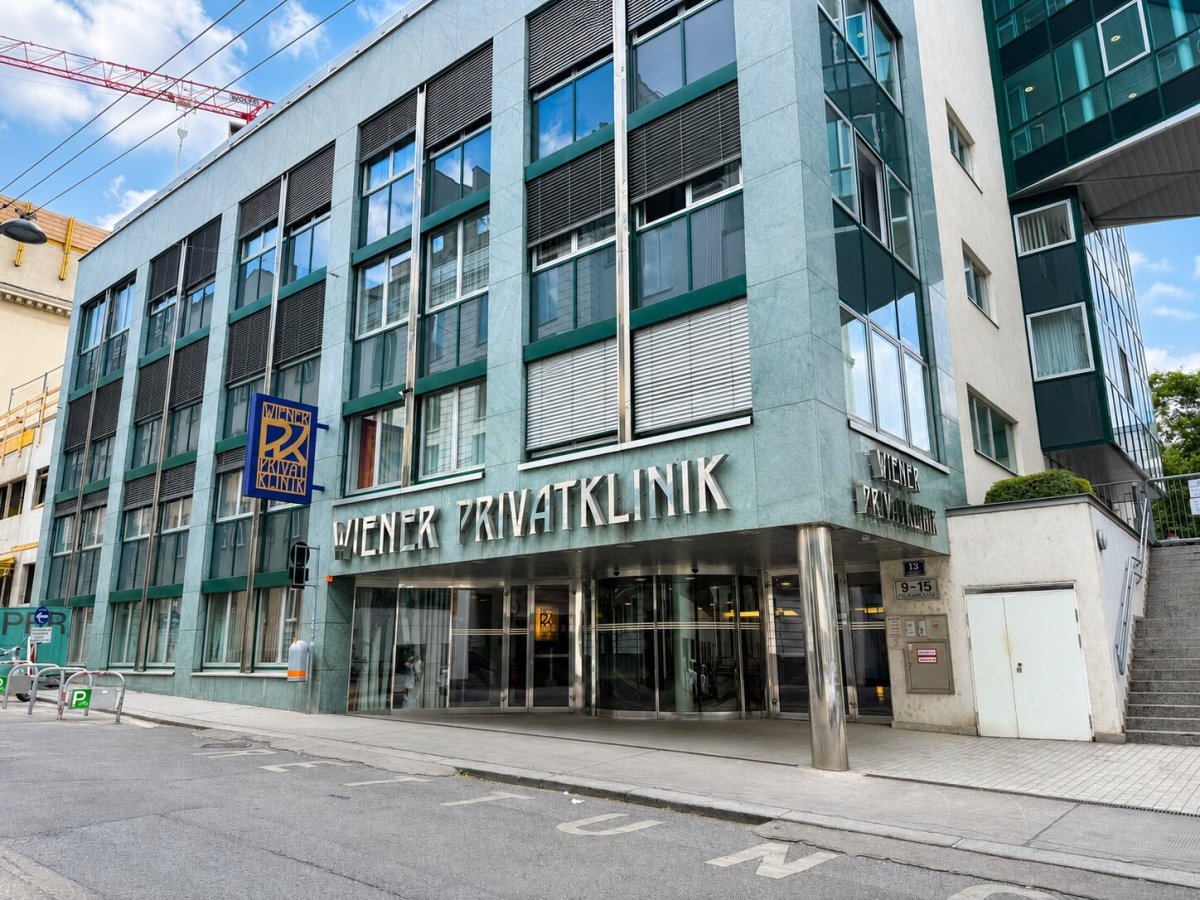
Bookimed Expert Insight: Patients seeking high-precision care benefit from clinics using CT-guided neurosurgical planning. Wiener Privatklinik (WPK) is ideal for international patients, offering Newsweek-ranked excellence and ISO 9001:2015 certification. Senior consultants like Manfred Muehlbauer specialize in microsurgical decompression and complex spine reconstructions. This approach is best for patients requiring stabilization alongside decompression to ensure long-term spinal mobility.
| النمسا | تركيا | إسبانيا | |
|---|---|---|---|
| فتح تخفيف الضغط عن العمود الفقري مع إعادة بناء الأربطة | ≈ $11,500 | ≈ $5,500 | ≈ $9,500 |
| استئصال الصفيحة القطنية وتثبيت مستوى واحد | ≈ $14,500 | من $4,800 | من $31,400 |
| استئصال الصفيحة الرقبية وتثبيت مستوى واحد | ≈ $16,500 | ≈ $7,500 | من $28,100 |
مزاياك وضماناتك مع Bookimed
أسعار مباشرة
Bookimed لا يضيف رسوماً إضافية على أسعار علاج تضيق العمود الفقري. الأسعار مأخوذة من قوائم الأسعار الرسمية للعيادات. تدفع مباشرة في العيادة مقابل علاجك عند وصولك إلى البلد.
عيادات وأطباء معتمدون فقط
Bookimed ملتزم بسلامتك. نحن نعمل فقط مع المؤسسات الطبية التي تحافظ على معايير دولية عالية في علاج تضيق العمود الفقري ولديها التراخيص اللازمة لخدمة المرضى الدوليين في جميع أنحاء العالم.
مساعدة مجانية على مدار الساعة
Bookimed يقدم مساعدة خبراء مجانية. منسق طبي شخصي يدعمك قبل وأثناء وبعد العلاج، ويحل أي مشاكل. لن تكون وحيداً أبداً في رحلة علاج تضيق العمود الفقري.

منسقك الطبي الشخصي في Bookimed
- يدعمك في كل مرحلة
- المساعدة في اختيار العيادة الطبية المناسبة والطبيب المناسب
- يضمن الوصول السريع والمريح إلى المعلومات
اكتشف أفضل تضيق العمود الفقري العيادات في النمسا: 1 خيار معتمدة والأسعار




احصلوا على تقييم طبي لـ تضيق العمود الفقري في النمسا: استشيروا أطباء ذوي خبرة الآن
عرض جميع الأطباء
Manfred Muehlbauer
يتخصص الدكتور مولباور في الجراحة المجهرية للعمود الفقري وجراحة الأعصاب طفيفة التوغل، مع عقود من الخبرة في عيادة فيينا الخاصة (Wiener Privatklinik).
- تدرب في جامعة فيينا ومستشفى فيينا العام
- خبير في تخفيف الضغط المجهري ودمج الفقرات
- يركز على الانزلاق الغضروفي، وتشوهات العمود الفقري، وضغط الحبل الشوكي
- استشاري أول في جراحة الأعصاب وجراحة العمود الفقري
مشاركة المحتوى
قصص فيديو من مرضى Bookimed
 Anna Leonova
أسئلة متكررة حول علاج تضيق العمود الفقري في النمسا
ما هي المراكز النمساوية الأكثر شهرة في جراحات تضيق القناة الشوكية؟
تضم المراكز النمساوية الرائدة في علاج تضيق القناة الشوكية جراحياً مستشفى فيينا الخاص ومستشفى رودولفينرهاوس في فيينا. تتخصص هذه المؤسسات في تخفيف الضغط الجراحي الدقيق والتثبيت طفيف التوغل. يستخدم الجراحون أجهزة التصوير المقطعي المحوسب أثناء العملية وأنظمة مراقبة الأعصاب لضمان سلامة المرضى. معظم هذه العيادات حاصلة على شهادة الأيزو أو مصنفة ضمن أفضل المستشفيات من قبل مجلة نيوزويك.
- الخبرة المتخصصة: يتمتع جراحون مثل الدكتور مانفريد مولباور بخبرة تزيد عن 30 عامًا.
- التشخيص الحديث: تقدم العيادات خدمات التصوير بالرنين المغناطيسي والتصوير المقطعي المحوسب للتخطيط السريع للتدخلات الجراحية.
- الأساليب الجراحية: تعطي المراكز الأولوية للأساليب التي تحافظ على الحركة وجراحة العمود الفقري بالمنظار على دمج الفقرات.
- الدقة السريرية: غالباً ما يشغل الأطباء مناصب أستاذية في جامعة فيينا الطبية.
مراجعة تحليلية من بوكيمد: تُظهر البيانات تركيزًا عاليًا للأخصائيين الأكاديميين في العيادات الخاصة في فيينا. إذ يُدرّس أكثر من 400 طبيب في عيادة فيينا الخاصة أيضًا في جامعة فيينا الطبية. وهذا يضمن حصول المرضى على بروتوكولات جراحية على مستوى الجامعة في بيئة خاصة أكثر فعالية. غالبًا ما يرتبط اختيار است
ما هي العلاجات غير الجراحية لتضيق القناة الشوكية التي تُقدم عادةً في النمسا؟
تعتمد النمسا نهجًا محافظًا عالي الجودة في علاج تضيق القناة الشوكية، بهدف تخفيف الألم واستعادة الوظائف البدنية. يشمل العلاج العلاج الطبيعي المتخصص، وحقن الستيرويدات الموجهة بالصور، وإدارة الألم متعددة التخصصات. وتطبق المراكز المتخصصة في فيينا وغيرها من الدول معايير المنظمة الدولية للتوحيد القياسي (ISO) لتقديم رعاية غير جراحية لأمراض العمود الفقري التنكسية.
- العلاج الطبيعي: تركز البرامج على تقوية عضلات الجذع وثني أسفل الظهر لتقليل الضغط على الأعصاب.
- الحقن طفيفة التوغل: توفر حقن الستيرويد فوق الجافية الموجهة بالصور تخفيفًا مستهدفًا لألم الساق الناجم عن تلف الأعصاب.
- الأدوية المستخدمة في علاج الاعتلال العصبي: يصف الأخصائيون أدوية مثل جابابنتين أو بريجابالين لتخفيف أعراض الإشعاع بشكل فعال.
- العلاج المائي: تقلل التمارين المائية منخفضة التأثير من الضغط على العمود الفقري، مما يحسن الحركة وقوة العضلات.
- الاستئصال بالترددات الراديوية: تستخدم هذه الطريقة الطاقة الحرارية لقمع إشارات الألم من مفاصل العمود الفقري.
رأي خبراء بوكيمد: على الرغم من أن العديد من العيادات تقدم العلاج الطبيعي العام، إلا أنه ينبغي على المرضى
كم من الوقت يستغرق التعافي من جراحة تضيق القناة الشوكية في النمسا؟
عادةً ما تسمح فترة التعافي من جراحة تضيق القناة الشوكية في النمسا بالمشي في غضون 24-48 ساعة. ويحقق معظم المرضى تعافياً أساسياً خلال 3-6 أشهر. أما في جراحات دمج الفقرات المعقدة، فيتطلب اندماج العظام بالكامل وممارسة النشاط البدني المكثف عادةً 6-12 شهراً.
- مدة الإقامة في المستشفى: اعتمادًا على مدى تعقيد الحالة، تتراوح مدة الإقامة المتوقعة في المستشفى بين يومين و 7 أيام.
- قيود النشاط: تجنب رفع أي شيء يزيد وزنه عن 5 كجم لمدة 6-12 أسبوعًا على الأقل بعد الجراحة.
- العلاج الطبيعي: عادةً ما تبدأ إعادة التأهيل تحت الإشراف في غضون 3 إلى 6 أسابيع.
- العودة إلى العمل: غالباً ما يكون العمل المكتبي ممكناً في غضون 3-6 أسابيع بعد عملية تخفيف الضغط.
رأي خبراء بوكيمد: اختيار أخصائي مثل البروفيسور مانفريد مولباور من عيادة فيينا الخاصة يُعدّ خيارًا مثاليًا. فبخبرة تزيد عن 30 عامًا، يستخدم هؤلاء الخبراء دقة الجراحة المجهرية، مما يُساعد المرضى غالبًا على الحفاظ على قدرتهم على الحركة بشكل أفضل. كما نلاحظ أن العيادات الحاصلة على شهادة الأيزو تُقدّم بروتوكولات رعاية ما بعد الجراحة أكثر تنظيمًا.
آراء المرضى: يؤكد المرضى على أهمية الم
ما هي أسماء المتخصصين النمساويين الذين حصلوا على اعتراف دولي في مجال العلاج الجراحي لتضيق القناة الشوكية؟
يدير عيادة تضيق القناة الشوكية النمساوية في فيينا جراحو أعصاب وجراحو عظام معتمدون. ومن أبرز الشخصيات الدكتور مانفريد مولباور والدكتور جوزيف غروهس. ويستخدمون تقنيات تخفيف الضغط الجراحي الدقيق والتثبيت طفيف التوغل. تحافظ هذه الأساليب على حركة العمود الفقري وتضمن علاجًا فعالًا للغاية.
- الدكتور مانفريد مولباور: جراح أعصاب معتمد من المجلس ولديه أكثر من 30 عامًا من الخبرة في عيادة فينر الخاصة.
- البروفيسور إنجلبرت كنوسب: معروف بإدخاله تقنية استئصال القرص المجهري المتطورة في مستشفى فيينا العام AKH.
- التقنيات طفيفة التوغل: يركز أخصائيون مثل الدكتور مايكل ماتزنر بشدة على تقليل وقت التعافي.
- المراقبة أثناء العملية: قام الدكتور كلاوس نواك بإدخال مراقبة الجهد المستحث الحركي لتحسين السلامة.
رأي خبراء بوكيمد: على الرغم من أن فيينا تضم جراحين ذوي كفاءة عالية، إلا أن العديد من المتخصصين البارزين يعملون في كل من المستشفيات الجامعية الحكومية والعيادات الخاصة. الدكتور مانفريد مولباور أستاذ زائر في جامعة فيينا الطبية، ويواصل في الوقت نفسه ممارسة عمله في عيادة فيينا الخاصة. يضمن هذا الدور المزدوج حصول المرضى على رعاية طبية مثبتة علميًا في بيئة مريحة.
ما هي العيادات النمساوية التي تقدم التدخلات الجراحية، وما هي التي تقدم العلاج التحفظي؟
في العيادات النمساوية، يُنصح بالتدخل الجراحي لعلاج تضيق القناة الشوكية في حال وجود خلل عصبي أو مشاكل حركية شديدة. في معظم الحالات، يبدأ العلاج بستة أشهر من العلاج التحفظي. يُشار إلى الجراحة للمرضى الذين لم يستجيبوا للعلاجات غير الجراحية أو الذين يعانون من عدم استقرار هيكلي في العمود الفقري وضعف عضلي متفاقم.
- المرشحون للجراحة: المرضى غير القادرين على المشي لمسافة تقل عن 200 متر أو الذين يسقطون بشكل متكرر.
- حالة طوارئ عصبية: يتطلب وجود متلازمة ذيل الفرس أو ضعف الأطراف التدريجي التدخل.
- المعايير الهيكلية: التصوير بالرنين المغناطيسي الذي يؤكد أن قطر القناة الشوكية أقل من 10 مم.
- خيار العلاج التحفظي: للمرضى الذين يعانون من مستويات ألم مقبولة أو ضغط جزئي مستقر على جذر العصب.
رأي خبراء بوكيمد: غالبًا ما تُعزى مؤشرات الجودة في مراكز مثل عيادة فيينا الخاصة إلى ارتباطها بجامعة فيينا الطبية. فالعديد من كبار الأطباء، بمن فيهم الدكتور مانفريد مولباور، أساتذة في الجامعة. ويضمن هذا الارتباط الأكاديمي إعطاء الأولوية في العيادات للبروتوكولات غير الجراحية، كالجراحة المجهرية، على حساب عمليات دمج الفقرات الجراحية المعقدة. ويستفيد المرضى من جراحين ذوي خبرة تزيد عن 30 عامًا في إجراء عمليات
كيف تضمن المستشفيات النمساوية سلامة وجودة جراحات العمود الفقري؟
تضمن المستشفيات النمساوية سلامة جراحات العمود الفقري وفقًا للمتطلبات الفيدرالية والاعتمادات الدولية. وتلتزم المؤسسات الطبية بقانون الجودة الصحية الفيدرالي، الذي يضمن فعالية سريرية ثابتة. ويُجري جراحو الأعصاب المتخصصون العمليات الجراحية في مرافق حاصلة على شهادة الأيزو. وتلتزم هذه المراكز ببروتوكولات صارمة للنظافة وسلامة المرضى.
- الرقابة الوطنية: يتطلب قانون ضمان الجودة العامة تطبيق أنظمة ضمان الجودة الوطنية في جميع قطاعات الرعاية الصحية.
- الشهادات: تلتزم عيادات مثل Wiener Privatklinik بمعايير ISO، مما يضمن تقديم الخدمات الطبية بشكل آمن وموثوق.
- الخبرة المتخصصة: يتمتع جراحون مثل الدكتور مانفريد مولباور بخبرة تزيد عن 30 عامًا في جراحة الأعصاب.
- التكامل مع البيئة الأكاديمية: تتعاون المؤسسات الطبية الخاصة الرائدة مع أساتذة من جامعة فيينا الطبية لتقديم رعاية طبية عالية الجودة.
رأي خبراء بوكيمد: على الرغم من الفصل بين جراحة العظام وجراحة الأعصاب في العديد من البلدان، إلا أن التميز النمساوي غالبًا ما يتحقق بفضل وجود أخصائيين مؤهلين في كلا التخصصين. الدكتور مانفريد مولباور من عيادة فيينا الخاصة هو جراح أعصاب معتمد وأخصائي عناية مركزة. هذا التخصص المزدوج بالغ الأهمية في علاج تض
ما هو الجدول الزمني المعتاد للمتابعة داخل البلد للمرضى الدوليين المصابين بتضيق القناة الشوكية؟
عادةً ما يقيم المرضى المصابون باعتلال الأعصاب التدخلي (تضيق القناة الشوكية) والذين يتلقون العلاج في النمسا خارج البلاد لمدة تتراوح بين 10 و14 يومًا. تشمل هذه الفترة الفحوصات قبل الجراحة وفترة النقاهة في المستشفى. ويسمح الجراحون عادةً للمرضى بالسفر جوًا في اليوم العاشر تقريبًا. وقد تستغرق جراحات دمج الفقرات الآمنة مدة تصل إلى 21 يومًا.
- Предоперационная подготовка: Обследования и визуализационные исследования обычно проводятся за 1-2 дня до операции.
- التعافي في المستشفى: يتطلب تخفيف الضغط طفيف التوغل من يوم إلى يومين من الإقامة في المستشفى.
- Разрешение на вылет: Хирурги обычно рекомендуют подождать от 7 до 10 дней, прежде чем лететь домой.
- العناية بالجروح: عادة ما تتم إزالة الدبابيس أو الخيوط الجراحية بعد حوالي 14 يومًا من الجراحة.
Мнение эксперта Bookimed: Клинические данные свидетельствуют о концентрации нейрохирургического опыта в Вене. Доктор Манфред Мюльбауэр из Венской частной клиники имеет более чем 30-летний опыт работы. Он специализируется на микрохирургической декомпрессии и стабилизации позвоночника. Такой высокий уровень специализации часто приводит к пре