علاج تضيق العمود الفقري في بولندا: 7 مستشفيات


تمت مراجعة المقالة طبيا من قبل
فهد مولود
كيف نعمل؟
ما هي تكلفة تضيق العمود الفقري إجراءات التشخيص والعلاج في بولندا؟ اعرف الآن
Spinal stenosis treatment cost in Poland typically includes diagnostic MRI sessions ranging from _diag_240_price_from_ to _diag_730_price_to_ and primary surgical interventions like open midline decompression with ligament reconstruction costing $4,800 to $7,500. Total expenses depend on the number of spinal levels involved and the choice of stabilization hardware. Patients often save 60–80% compared to the US. Top cities for this treatment include Warsaw and Jelenia Góra.
Typical Spinal Stenosis Treatment Costs in Poland
- Diagnostic MRI: _diag_240_price_from_ – _diag_730_price_to_
- Open midline decompression with ligament reconstruction: $4,800 – $7,500
- Lumbar laminectomy and stabilization surgery single level: $5,500 – $8,800
- Cervical laminectomy and stabilization surgery single level: $7,500 – $12,000
Bookimed Expert Insight: Patients seeking minimally invasive recovery should consider Centrum Medyczne Gamma in Warsaw. They utilize advanced endoscopic spine surgery, allowing many patients discharge within 24 hours. For complex corrective surgeries, Dr. Jurij Kseniuk at Carolina Hospital is a specialist. As a FIFA Medical Centre of Excellence, they provide high-standard care for elite athletes and international patients. ISO-certified KCM Clinic remains a top choice for medical tourists seeking transparent surgical pricing.
| بولندا | تركيا | إسبانيا | |
|---|---|---|---|
| فتح تخفيف الضغط عن العمود الفقري مع إعادة بناء الأربطة | ≈ $4,800 | ≈ $5,500 | ≈ $9,500 |
| استئصال الصفيحة القطنية وتثبيت مستوى واحد | ≈ $5,500 | من $4,800 | من $31,400 |
| استئصال الصفيحة الرقبية وتثبيت مستوى واحد | ≈ $7,500 | من $14,000 | من $28,100 |
اكتشف أفضل تضيق العمود الفقري العيادات في بولندا: 7 خيارات معتمدة والأسعار






Medi Horizon Clinic
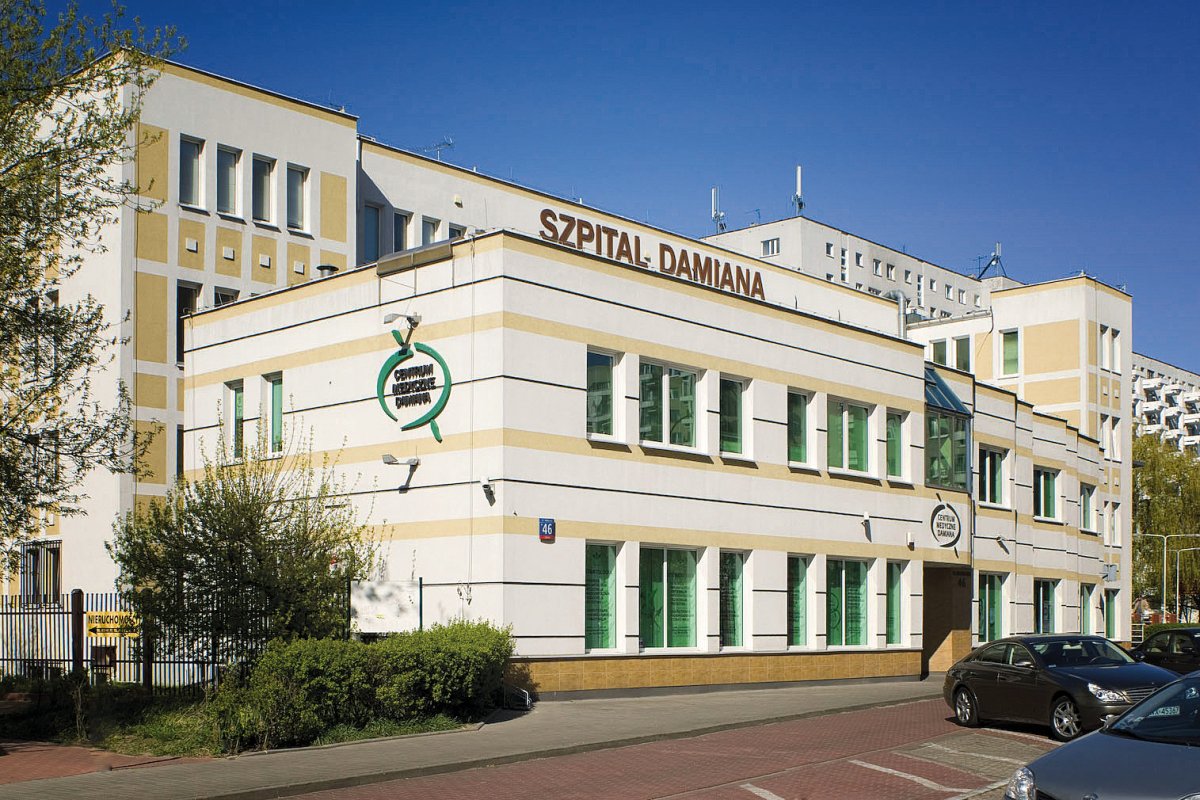

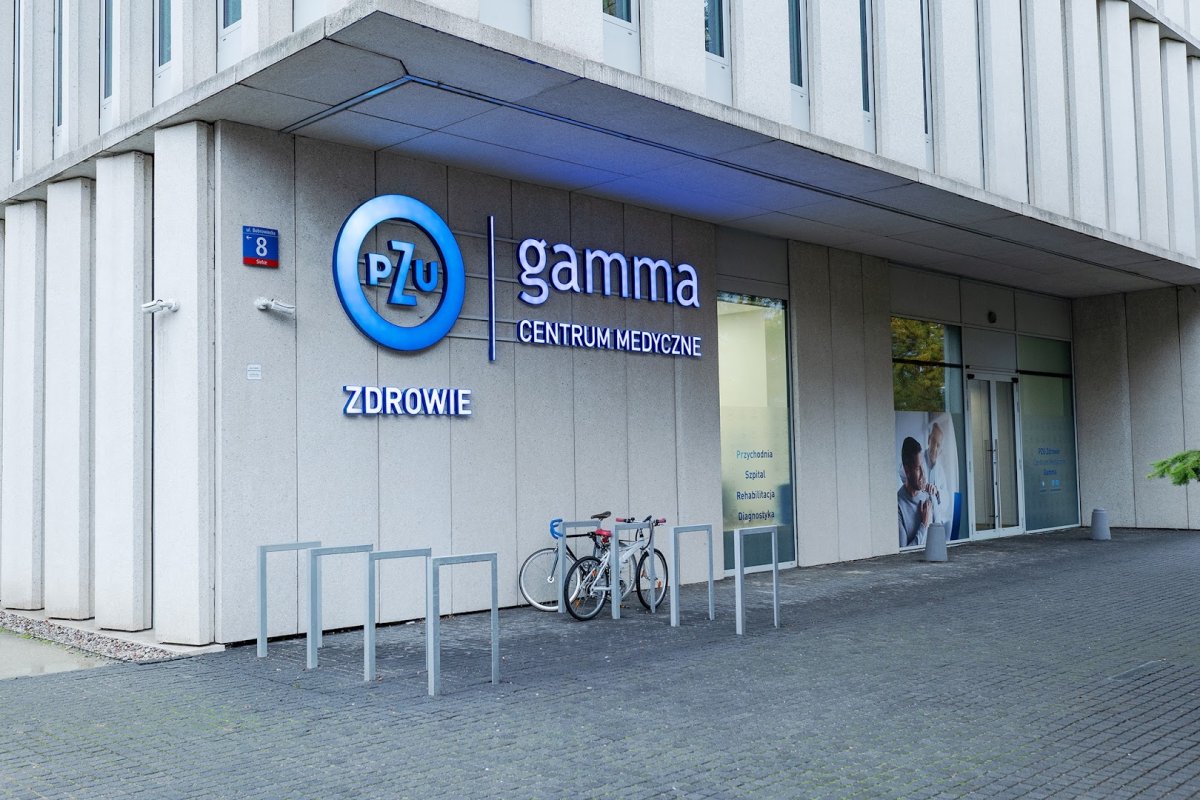
Centrum Medyczne Gamma



احصل على تقييم طبي لـ في بولندا. استشر الآن 7 أطباء ذوي الخبرة.
عرض جميع الأطباء
Lukasz Grabarczyk
جرّاح أعصاب أمضى 14 عامًا في المستشفى الجامعي السريري في أولشتين. شغل طويلًا منصب رئيس عيادة "بودجيك" للبالغين. أجرى أولى عمليات زرع محفزات عصبية لمرضى الغيبوبة في أوروبا. يقدّم التحفيز العميق للدماغ لمرضى باركنسون والصرع، ويجري جراحات معقّدة للدماغ والعمود الفقري. يعزّز رعاية الألم طفيفة التوغّل.
أتمّ تدريبات دولية في الألم، والديستونيا، والتنكس العصبي، والتنظير العصبي. شملت مواقع التدريب جامعة جونز هوبكنز ومراكز في ألمانيا والمملكة المتحدة وسويسرا. قدّم على المستوى الدولي محاضرات حول

Stanislaw Kwiek
يتخصص الدوسنت ستانيسلاف كويك في جراحة الأعصاب مع التركيز على حالات العمود الفقري، بما في ذلك التقنيات التنظيرية المتقدمة.
- أكثر من _doctor_8596_ سنوات من الخبرة في جراحة الأعصاب
- خبير في جراحة العمود الفقري بالمنظار والتثبيت الديناميكي
- نشر أطروحة ما بعد الدكتوراه حول نتائج جراحة الأعصاب
- مرتبط بجامعة كاتوفيتسه الطبية

Jurij Kseniuk
تم إجراء أكثر من 1100 عملية جراحية للعمود الفقري – يتخصص الدكتور كسينيوك في جراحات العمود الفقري طفيفة التوغل والتصحيحية في مستشفى كارولينا.
- 28 سنة من الخبرة في جراحة العمود الفقري
- خبير في التقنيات الكلاسيكية والمبتكرة
- تدرب في جامعة لفيف الطبية ومعهد رومودانوف في كييف
- حائز على جوائز Vexim Rebalancing Spine للحالات السريرية
- عضو في الجمعية البولندية لجراحة العمود الفقري و AO Spine

Radoslaw Michalik
متخصص في جراحة العمود الفقري مع التركيز على زراعة الأقراص الاصطناعية والتقنيات طفيفة التوغل. يمارس عمله في مركز كارولينا الطبي.
- يجري عمليات الاستئصال بالمنظار لفتق الأقراص القطنية
- خبير في العلاج الجراحي لأورام العمود الفقري
- تخرج من الجامعة الطبية في وارسو
- شارك في تدريبات ومؤتمرات دولية
- مؤلف للعديد من المنشورات في جراحة الأعصاب
المراجعات
جميع المراجعاتمشاركة المحتوى
قصص فيديو من مرضى Bookimed
 Anna Leonova
أسئلة متكررة حول علاج تضيق العمود الفقري في بولندا
ما هي المستشفيات في بولندا المتخصصة في علاج تضيق العمود الفقري وكيف يتم التعرف عليها؟
تعد بولندا مركزاً أوروبياً رائداً لعلاج تضيق العمود الفقري، حيث تتميز العيادات بشهادات ISO 9001:2015 وحالة مركز التميز الطبي للفيفا (FIFA Medical Centre of Excellence). تقدم المراكز المتخصصة مثل مستشفى كارولينا (Carolina Hospital) وعيادة KCM إجراءات متقدمة لإزالة الضغط بالمنظار واستئصال الصفيحة الفقرية يقوم بها جراحون تابعون لـ EUROSPINE.
- مستشفى كارولينا: مركز طبي تابع للفيفا يقع في وارسو، متخصص في جراحة الأعصاب طفيفة التوغل وأنظمة المنظار.
- عيادة KCM: تشتهر بإجراء أكثر من 3000 تدخل جراحي بالمنظار للعمود الفقري مع باقات متخصصة للمرضى الدوليين.
- مؤهلات الخبراء: أجرى جراحون مثل الدكتور ماسيج بويكو أكثر من 2500 إجراء باستخدام تقنيات المنظار الكامل.
- العضويات: يحافظ كبار المتخصصين على عضويات نشطة في AO Spine والجمعية البولندية لجراحة العمود الفقري.
رؤية خبير Bookimed: تظهر البيانات تمييزاً واضحاً بين المستشفيات متعددة التخصصات ذات الحجم الكبير ومراكز العمود الفقري المتخصصة في بولندا. بينما يعد مستشفى كارولينا الخيار المرموق للرياضيين الأولمبيين والمراجعات المعقدة، تعمل عيادة KCM كمركز عالي الكفاءة. تخدم عيادة KCM حوالي 700 مريض دولي سنوياً من دول مثل ألمانيا والمملكة المتحدة. غالباً ما يترجم هذا الحجم الكبير إلى لوجستيات شاملة أكثر انسيابية لأولئك الذين يسافرون من الخارج.
إجماع المرضى: يشير المرضى إلى أن المراكز البولندية تقدم معايير تقنية تضاهي أوروبا الغربية، لكنهم يؤكدون على التحقق من توفر منسقين يتحدثون الإنجليزية.
ما هي التقنيات الجراحية طفيفة التوغل التي يستخدمها أخصائيو العمود الفقري البولنديون لعلاج تضيق القناة الشوكية؟
يعالج أخصائيو العمود الفقري البولنديون تضيق القناة الشوكية باستخدام تقنيات متقدمة لإزالة الضغط بالمنظار والجراحة المجهرية. يستخدم الجراحون في مراكز مثل مستشفى كارولينا وعيادة KCM شقوقاً بحجم 7 مم لتخفيف الضغط عن الأعصاب. تحافظ هذه الإجراءات طفيفة التوغل على استقرار العمود الفقري وغالباً ما تسمح بخروج المريض في نفس اليوم.
- إزالة الضغط بالمنظار: تستخدم كاميرات دقيقة لإزالة النتوءات العظمية من خلال شقوق بحجم 7-8 مم.
- بضع الصفيحة المجهري: يستخدم ضامّات أنبوبية ومجاهر جراحية لإزالة الضغط عن الأعصاب بدقة.
- MIS TLIF: يوفر دمجاً قطنياً طفيف التوغل للحالات التي تنطوي على عدم استقرار في العمود الفقري.
- الإجراءات عن طريق الجلد: تشمل رأب الفقرات وإزالة ضغط القرص بالليزر لتخفيف الألم المستهدف.
رؤية خبير Bookimed: أجرى الأخصائيون ذوو الخبرة العالية في بولندا، مثل الدكتور ماسيج بويكو، أكثر من 2500 عملية جراحية مستقلة. من الضروري مراجعة حجم الحالات الخاصة بالطبيب، حيث أن أولئك الذين يعملون أيضاً كمدربين دوليين لأنظمة التنظير غالباً ما يوفرون دقة سريرية أعلى لحالات التضيق المعقدة.
إجماع المرضى: يفيد المرضى بأن إجراءات ثقب المفتاح غالباً ما تسمح لهم بالعودة إلى العمل في غضون خمسة أيام. يؤكد الكثيرون على أهمية التحقق من الحجم السنوي لحالات التنظير التي يجريها الجراح لضمان نتائج أفضل على المدى الطويل.
ما هي الخيارات غير الجراحية المتاحة في العيادات البولندية قبل التفكير في الجراحة؟
يبدأ مرضى تضيق العمود الفقري في بولندا عادةً بإدارة الألم والعلاج الطبيعي المتخصص قبل الجراحة. تشمل الخيارات الحصارات الموجهة، والتحلل الحراري، وتعديل الأعصاب التي يتم إجراؤها تحت مراقبة الموجات فوق الصوتية أو الأشعة السينية. تركز هذه البروتوكولات غير الغازية على تخفيف الضغط والاستقرار لاستعادة الحركة وتقليل الضغط على الأعصاب.
- الحصارات الموجهة: تستخدم العيادات الحقن الموجه تحت الأشعة السينية أو الموجات فوق الصوتية لتقليل الالتهاب بدقة.
- إدارة الألم: يطبق الدكتور يوري كسينيوك التحلل الحراري وتعديل الأعصاب لقطع آلام الأعصاب المزمنة.
- العلاج الطبيعي: يشمل العلاج طرق ماكنزي والوخز بالإبر الجافة لتقليل آلام الساق بشكل كبير.
- الإجراءات التجديدية: يقوم متخصصون مثل دوسنت ستانيسلاف كويك بإجراء تخفيف ضغط القرص بالليزر عن طريق الجلد وتجميل النواة.
رؤية خبير Bookimed: تعمل بولندا كمركز عالي الحجم لصحة العمود الفقري. تعالج عيادة KCM وحدها أكثر من 2500 مريض سنويًا. أجرى جراحون من النخبة مثل الدكتور ماسيج بويكو أكثر من 2500 إجراء. يسمح هذا الحجم الكبير للأطباء بتحديد ما إذا كانت الحصارات غير الجراحية ستنجح في وقت مبكر أو ما إذا كان التثبيت طفيف التوغل ضروريًا.
إجماع المرضى: يلاحظ المرضى أن اتباع بروتوكول صارم للعلاج الطبيعي والحقن لمدة 3 إلى 6 أشهر غالبًا ما يتجنب الجراحة تمامًا. يقترحون تتبع الأعراض أسبوعيًا لضمان تحسن بنسبة 50% على الأقل قبل الالتزام بخيارات أكثر توغلاً.
ما الذي تتضمنه الحزمة الطبية الشاملة لجراحة تضيق العمود الفقري في بولندا؟
تغطي حزم جراحة تضيق العمود الفقري الشاملة في بولندا الرسوم الجراحية، والتخدير، والتشخيصات الأساسية مثل التصوير بالرنين المغناطيسي (MRI). تشمل معظم الحزم من ليلة إلى 4 ليالٍ في غرف خاصة مع وجبات كاملة. يتلقى المرضى الدوليون عادةً خدمات النقل من وإلى المطار وتنسيقاً شخصياً. قد يتم تضمين غرسات متخصصة مثل DISCOgel أو Medtronic DIAM في خطط محددة.
- الفريق الجراحي: يغطي جراح الأعصاب الرئيسي، وطبيب التخدير، ودعم التمريض المتخصص.
- التصوير التشخيصي: يشمل تحاليل الدم الإلزامية قبل الجراحة، وتخطيط القلب (ECG)، وتصوير العمود الفقري بالرنين المغناطيسي.
- الإقامة في المستشفى: توفر من ليلة إلى 4 ليالٍ مع إمكانية الوصول إلى شبكة Wi-Fi وتلفزيون.
- إعادة التأهيل المبكر: توفر جلسات العلاج الطبيعي الأولية بعد الجراحة للمساعدة في الحركة.
رؤية خبير Bookimed: توفر العيادات في المدن الصغيرة كثافة خدمات أعلى من مراكز وارسو. على سبيل المثال، تخدم عيادة KCM في جيلينيا جورا أكثر من 700 مريض دولي سنوياً. وغالباً ما يقومون بتضمين غرسات Medtronic DIAM المتميزة مباشرة في الحزم القياسية. يختلف هذا عن المراكز الحضرية حيث قد تتطلب هذه الأجهزة المتخصصة مدفوعات إضافية.
إجماع المرضى: يشير المرضى إلى أنه من المهم التأكد من التصريح الطبي للأسنان وجلسات العلاج الطبيعي الإضافية. ينصح الكثيرون بتخصيص ميزانية للإقامة في فندق محلي بعد الخروج من المستشفى لضمان التعافي الآمن قبل السفر جواً.
ما هو الجدول الزمني المتوقع للتعافي بعد جراحة تضيق العمود الفقري في بولندا؟
يتطلب التعافي بعد جراحة تضيق العمود الفقري في بولندا عادةً من شهر إلى 3 أشهر للأنشطة اليومية. غالبًا ما يستغرق التعافي الكامل ما يصل إلى عام واحد. غالبًا ما يقف المرضى في غضون 70 دقيقة بعد الإجراءات طفيفة التوغل. يبقى معظمهم في المستشفى لمدة تتراوح بين يوم واحد إلى 4 أيام.
- الإقامة في المستشفى: يقضي المرضى عادةً من يوم واحد إلى 4 أيام في عيادات العظام البولندية.
- الحركة الأولية: غالبًا ما تحدث الحركة العمودية في غضون 70 دقيقة باستخدام تقنيات التنظير أو الجراحة المجهرية.
- قيود النشاط: يُمنع رفع الأثقال والالتواء لمدة 6 أسابيع على الأقل بعد الجراحة.
- العلاج الطبيعي: يبدأ التأهيل الرسمي عادةً بين الأسبوع الثالث والأسبوع السادس.
رؤية خبير Bookimed: تعمل بولندا كمركز رئيسي لجراحة الأعصاب المعقدة، حيث تحتل المرتبة الرابعة عالميًا على Bookimed. في مستشفى كارولينا، أجرى جراحون مثل الدكتور يوري كسينيوك والدكتور ماسيج بويكو أكثر من 2500 إجراء. غالبًا ما يسمح هذا الحجم الكبير بنهج أكثر دقة وأقل توغلاً. يمكن لهذه التقنيات أن تقلل بشكل كبير من وقت التعافي الأولي مقارنة بالجراحات المفتوحة التقليدية.
إجماع المرضى: يلاحظ المرضى أن ألم الساق قد يزداد مؤقتًا في الأسبوع الثالث مع التئام الأعصاب. من الشائع الشعور بحالة من الركود النفسي حول الأسبوع الثامن قبل ملاحظة التحسن النهائي.
كيف يتم الحصول على غرسات العمود الفقري وما هي معايير الجودة المتبعة في بولندا؟
يتم الحصول على غرسات العمود الفقري في بولندا من خلال الشركات المصنعة للمعدات الطبية العالمية أو المطورين المحليين المتخصصين مثل LfC. يجب أن تلتزم جميع الأجهزة بلائحة الأجهزة الطبية للاتحاد الأوروبي 2017/745. وهذا يضمن معايير سلامة عالية، وأداءً سريريًا، وعلامة CE الإلزامية لكل غرسة مستخدمة.
- الرقابة التنظيمية: يراقب مكتب URPL الموافقة على السوق والسلامة في جميع أنحاء بولندا.
- شهادة الجودة: يجب على الشركات المصنعة الحفاظ على معايير ISO 13485 لإدارة الأجهزة الطبية.
- إمكانية التتبع: يستخدم الجراحون نظام تعريف الجهاز الفريد لتتبع الغرسات مدى الحياة.
- المواد المتقدمة: تستخدم المرافق التيتانيوم المتوافق حيويًا أو أقفاص PEEK للتثبيت بالأدوات.
رؤية خبير Bookimed: بينما تهيمن العلامات التجارية الدولية مثل Medtronic، تدمج المراكز البولندية الرائدة مثل مستشفى كارولينا هذه المعايير العالمية في بروتوكولات متخصصة. أجرى الدكتور ماسيج بوجكو في مستشفى كارولينا أكثر من 2500 عملية جراحية. يسمح هذا الحجم الكبير للجراحين بتحسين استخدام تقنيات محددة مثل إدخال القرص الاصطناعي أو الغرسات المرنة. إن اختيار مركز حاصل على شهادة إدارة الجودة ISO، مثل TÜV NORD، يضمن أن البيئة الجراحية تتوافق مع الدرجة العالية للغرسات التي تم الحصول عليها.
إجماع المرضى: يشير المرضى إلى أنه من المهم طلب بطاقة الغرسة واسم الطراز فورًا بعد الجراحة للتتبع المستقبلي. يقترح الكثيرون أن جراحي العيادات الخاصة أكثر انفتاحًا على مناقشة خيارات الشركات المصنعة المحددة قبل ال
ما هي المؤهلات التي يحملها جراحو العمود الفقري في المستشفيات البولندية الرائدة؟
يحمل جراحو العمود الفقري في المستشفيات البولندية الرائدة شهادات طبية مع خمس إلى ست سنوات من الإقامة المتخصصة في جراحة الأعصاب أو جراحة العظام. يحتفظ معظمهم بتخصص مزدوج وشهادة من امتحان التخصص الحكومي البولندي. عادة ما يحمل هؤلاء الخبراء عضويات دولية في منظمات مثل EUROSPINE و AO Spine.
- الإقامة المتخصصة: إكمال 5-6 سنوات في جراحة الأعصاب أو جراحة العظام بعد التدريب الداخلي.
- المؤهلات الأكاديمية: يحمل العديد من كبار المتخصصين درجات الدكتوراه (Ph.D.) أو ألقاب دكتوراه التأهيل.
- التدريب الدولي: غالباً ما يكمل الجراحون زمالات متقدمة في الولايات المتحدة أو ألمانيا أو سويسرا.
- الشهادات التقنية: يحمل الممارسون الرائدون وضع مدرب رسمي لتقنيات العمود الفقري التنظيرية المتخصصة.
رؤية خبير Bookimed: تظهر البيانات السريرية تركيزاً عالياً للخبرة الأكاديمية في وارسو وجيلينيا غورا. أجرى جراحون مثل الدكتور ماسيج بويكو والدكتور رادوسلاف ميخاليك بشكل مستقل ما بين 1000 إلى 2500 إجراء. غالباً ما تقترن هذه الخبرة القائمة على الحجم بجوائز تدريس دولية، مما يجعلهم مدربين عالميين لجراحات التنظير المعقدة.
إجماع المرضى: يقدر المرضى الجراحين الذين لديهم خبرة موثقة في الأساليب طفيفة التوغل ويقدمون مراجعات مفصلة قبل الجراحة. من الشائع أن يطلب المسافرون النشطون السيرة الذاتية الكاملة للجراح وأحجام الحالات المحددة لحالتهم الشوكية الخاصة.
ما مدى جودة جراحة الأعصاب في بولندا؟
تُقدم جراحة الأعصاب في بولندا رعاية عالية الجودة في مرافق معتمدة من قبل اللجنة الدولية المشتركة (JCI) والمنظمة الدولية للمعايير (ISO). يلتزم جراحو الأعصاب البولنديون بمعايير تدريب صارمة معتمدة من قبل الاتحاد الأوروبي. وقد أكمل العديد منهم زمالات في الولايات المتحدة أو ألمانيا. وتتوفر التقنيات المتقدمة، مثل جهاز سايبر نايف وجهاز جاما نايف والأنظمة الروبوتية، على نطاق واسع في المراكز الخاصة.
- المؤهلات التخصصية: غالباً ما يكون الأطباء أعضاء في الرابطة الأوروبية لجمعيات جراحة الأعصاب.
- التقنيات المتقدمة: تستخدم العيادات أنظمة CyberKnife والموجات فوق الصوتية المركزة الموجهة بالرنين المغناطيسي لعلاج الدماغ غير الجراحي.
- الحجم السريري: تعالج المراكز الرائدة مثل مستشفى الجامعة في كراكوف أكثر من 455000 مريض سنوياً.
- جراحون ذوو خبرة: أجرى الدكتور ماسيج بوجكو من مستشفى كارولينا أكثر من 2500 عملية جراحية بمفرده.
رأي خبراء بوكيمد: تُظهر البيانات وجود علاقة وثيقة بين تخصص العيادة وأصول مرضاها. تعالج عيادة KCM أكثر من 700 مريض دولي سنويًا، وهي متخصصة في جراحة العمود الفقري طفيفة التوغل. يُمكّنها هذا الحجم من العمل من تقديم باقات خدمات متخصصة، تشمل غالبًا حواجز تشخيصية وزرعات محددة،
ما هي مؤهلات جراحي الأعصاب البولنديين؟
يُعدّ جراحو الأعصاب البولنديون متخصصين ذوي كفاءة عالية، إذ أتموا ما لا يقل عن 13 عامًا من التدريب الطبي المكثف. يشمل ذلك ست سنوات من الدراسة في كلية الطب، و13 شهرًا من التدريب العملي، وست سنوات من الإقامة. ويجب عليهم اجتياز امتحان التخصص الحكومي (PES)، وغالبًا ما يحصلون على شهادة من الجمعية الأوروبية لجمعيات جراحة الأعصاب (EANS).
- التعليم: يتلقى الأطباء تعليمهم الطبي (الطب) بعد 6 سنوات من الدراسة في الجامعة.
- التخصص: تشمل الإقامة 6 سنوات من التدريب المعياري في جراحة الأعصاب السريرية وعلم الأشعة العصبية.
- حجم العمليات الجراحية: غالبًا ما يقوم الأطباء المقيمون بإجراء أكثر من 1000 عملية جراحية، وهو ما يتجاوز متوسط حجم التدريب في المناطق الأخرى.
- الشهادات: العديد من المتخصصين أعضاء في منظمة AO Spine أو الجمعية البولندية لجراحة العمود الفقري.
رأي خبراء بوكيميد: تشير البيانات إلى أن جراحي الأعصاب البولنديين غالبًا ما يتخصصون في تقنيات بالغة التخصص، مثل نظام ApiFix أو نظام SED-YESS لتنظير الفقرات القطنية. ويجمع أخصائيون مثل الدكتور ستانيسواف كويك من عيادة KCM بين أبحاث ما بعد الدكتوراه والممارسة الجراحية النشطة. هذا المزيج من المعرفة الأكاديمية المتعمقة والخبرة الجراحية الوا
ما هي أفضل عيادات جراحة الأعصاب في بولندا؟
من بين أفضل عيادات جراحة الأعصاب في بولندا مستشفى كارولينا، وعيادة KCM، ومراكز أكاديمية رائدة مثل مستشفى جامعة كراكوف. تقدم هذه المؤسسات علاجات متطورة لأمراض العمود الفقري والدماغ، مطابقة لمعايير الجودة ISO، وتضم أخصائيين أعضاء في منظمات دولية مثل AO Spine.
- مستشفى كارولينا: مركز التميز الطبي التابع للفيفا، والمتخصص في جراحات العمود الفقري المعقدة ذات التدخل الجراحي المحدود.
- عيادة KCM: معترف بها دوليًا لجودة إجراءات تنظير العمود الفقري، وتخدم أكثر من 700 مريض دولي سنويًا.
- مستشفى جامعة كراكوف: مركز متعدد التخصصات كبير يقوم بإجراء أكثر من 800 عملية جراحية عصبية سنوياً منذ عام 1788.
- لوكسميد: مركز طبي خاص مرموق في وارسو متخصص في جراحة العمود الفقري المتقدمة للمرضى الدوليين.
رأي خبراء بوكيمد: بينما يتجه الكثيرون إلى أكبر المستشفيات، تُظهر البيانات أن عيادات مثل مستشفى كارولينا تُقدم كفاءة أعلى في العمليات الجراحية الاختيارية. فمع وجود أكثر من 40 طبيباً متخصصاً في هذه المنشأة التي تضم 30 سريراً، تكون نسبة الأطباء إلى المرضى أعلى بكثير مما هي عليه في المراكز الجامعية الحكومية. وهذا يعني رعاية ما بعد الجراحة أكثر عناية، وجدولة أسرع بكثير لإجراءات مثل علاج الانزلاق الغضروفي