علاج تضيق العمود الفقري في الهند: 16 مستشفيات


تمت مراجعة المقالة طبيا من قبل
فهد مولود
ما هي تكلفة تضيق العمود الفقري إجراءات التشخيص والعلاج في الهند؟ اعرف الآن
Spinal stenosis treatment cost in India typically runs from $5,200 to $8,500 for primary surgical interventions like lumbar laminectomy. Total expenses depend on the number of spinal levels affected, the choice between open or minimally invasive techniques, and the hospital tier. International patients often achieve 60-80% savings compared to the US. Top destinations for this care include Delhi, Mumbai, and Bangalore.
Typical Spinal Stenosis Treatment Costs in India
- Lumbar laminectomy and stabilization surgery single level: $5,200 – $8,500
- Cervical laminectomy and stabilization surgery single level: $5,200 – $7,800
- Open midline decompression with ligament reconstruction: $4,800 – $8,500
Bookimed Expert Insight: Patients with complex degenerative conditions benefit from clinics like BLK Super Speciality Hospital. They offer advanced neuro-navigation and surgeons with over 29 years of experience. For those seeking faster recovery, Global Hospital Mumbai provides minimally invasive orthopedics. This approach can reduce standard rehabilitation time by half. Manipal Goa Hospital is ideal for western-coast access. It manages over 500 complex neurosurgeries annually with JCI-accredited safety standards.
| الهند | تركيا | إسبانيا | |
|---|---|---|---|
| فتح تخفيف الضغط عن العمود الفقري مع إعادة بناء الأربطة | ≈ $4,800 | ≈ $5,500 | ≈ $9,500 |
| استئصال الصفيحة القطنية وتثبيت مستوى واحد | ≈ $5,200 | من $4,800 | من $31,400 |
| استئصال الصفيحة الرقبية وتثبيت مستوى واحد | ≈ $5,200 | من $14,000 | من $28,100 |
مزاياك وضماناتك مع Bookimed
أسعار مباشرة
Bookimed لا يضيف رسوماً إضافية على أسعار علاج تضيق العمود الفقري. الأسعار مأخوذة من قوائم الأسعار الرسمية للعيادات. تدفع مباشرة في العيادة مقابل علاجك عند وصولك إلى البلد.
عيادات وأطباء معتمدون فقط
Bookimed ملتزم بسلامتك. نحن نعمل فقط مع المؤسسات الطبية التي تحافظ على معايير دولية عالية في علاج تضيق العمود الفقري ولديها التراخيص اللازمة لخدمة المرضى الدوليين في جميع أنحاء العالم.
مساعدة مجانية على مدار الساعة
Bookimed يقدم مساعدة خبراء مجانية. منسق طبي شخصي يدعمك قبل وأثناء وبعد العلاج، ويحل أي مشاكل. لن تكون وحيداً أبداً في رحلة علاج تضيق العمود الفقري.

منسقك الطبي الشخصي في Bookimed
- يدعمك في كل مرحلة
- المساعدة في اختيار العيادة الطبية المناسبة والطبيب المناسب
- يضمن الوصول السريع والمريح إلى المعلومات
اكتشف أفضل تضيق العمود الفقري العيادات في الهند: 16 خيارات معتمدة والأسعار












Dr. Rela Institute & Medical Centre
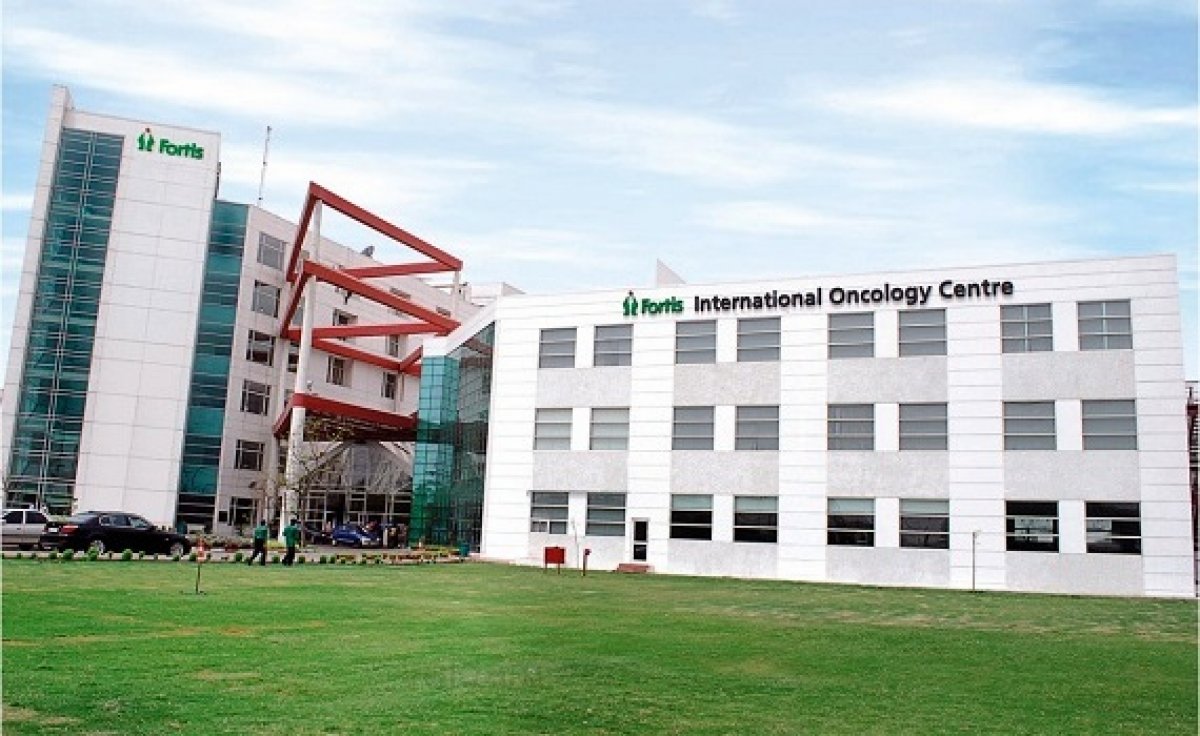
Fortis Hospital

Indraprastha Apollo Hospital
احصلوا على تقييم طبي لـ تضيق العمود الفقري في الهند: استشيروا أطباء ذوي خبرة الآن
عرض جميع الأطباء
Deepak Kumar Aggarwal

Samir Parekh
Anil Kumar Kansal
المراجعات
جميع المراجعاتمشاركة المحتوى
قصص فيديو من مرضى Bookimed
 Anna Leonova
أسئلة متكررة حول علاج تضيق العمود الفقري في الهند
هل يتطلب تضيق العمود الفقري دائمًا إجراء جراحة؟
لا يتطلب تضيق العمود الفقري دائمًا إجراء جراحة. ينجح معظم المرضى في إدارة الأعراض باستخدام طرق غير جراحية لمدة تتراوح بين سنتين إلى 5 سنوات. يوصي الأطباء عادةً بالجراحة فقط عندما تفشل العلاجات التحفظية في تخفيف الألم الشديد. الجراحة الطارئة ضرورية في حالات الضعف العصبي التدريجي أو فقدان السيطرة على المثانة.
- العلاج التحفظي: يعمل العلاج الطبيعي وتقوية العضلات الأساسية على تثبيت العمود الفقري دون إجراءات جراحية.
- إدارة الألم: توفر حقن الستيرويد بالقرب من الأعصاب المضغوطة راحة مؤقتة من الالتهاب.
- بروتوكولات الأدوية: تساعد الأدوية المضادة للالتهابات والوصفات الطبية الخاصة بآلام الأعصاب في إدارة الانزعاج اليومي.
- دواعي الجراحة: تُخصص الجراحة للمرضى الذين يظهرون ضعفًا تدريجيًا أو مشاكل في التوازن.
رؤية خبير Bookimed: يوفر المشهد الطبي في الهند ميزة فريدة للحالات المعقدة. تخدم المراكز الكبيرة مثل مستشفيات مانيبال مليوني مريض سنويًا. يسمح هذا الحجم الكبير للجراحين بتحديد الحالات التي يكون فيها تخفيف الضغط في الخط الأوسط ضروريًا حقًا مقابل تلك التي يمكن حلها من خلال العلاج الطبيعي المتخصص. يجب على المرضى البحث عن مستشفيات مثل Artemis أو Medanta الحاصلة على اعتماد JCI. وهذا يضمن معايير السلامة الدولية لكل من مسارات الرعاية الجراحية والتحفظية.
إجماع المرضى: يشير المرضى إلى أن الالتزام بـ 8 إلى 12 أسبوعًا من العلاج الطبيعي المنظم يساعد غالبًا في تجنب طاولة العمليات. كما يؤكدون على أهمية الحصول على رأي ثانٍ في الهند للتأكد من أن
ما هي أنواع الجراحات المختلفة المتاحة في الهند لتضيق العمود الفقري؟
تقدم المستشفيات الهندية جراحات متخصصة لتضيق العمود الفقري بما في ذلك استئصال الصفيحة الفقرية، وبضع الصفيحة، وبضع الثقبة لتخفيف ضغط الأعصاب. يقوم الجراحون في المرافق المعتمدة من JCI و NABH أيضًا بإجراء عمليات دمج الفقرات المعقدة والإجراءات التنظيرية طفيفة التوغل. تستخدم المراكز الرائدة مثل مستشفيات أرتميس وميدانتا التصوير ثلاثي الأبعاد بمساعدة الروبوت لتعزيز الدقة الجراحية أثناء التثبيت.
- جراحة تخفيف الضغط: يقوم استئصال الصفيحة الفقرية بإزالة الصفيحة والأربطة لتوسيع القناة الشوكية.
- إجراءات التثبيت: يستخدم دمج الفقرات طعومًا عظمية وأجهزة لربط الفقرات بشكل دائم.
- جراحة طفيفة التوغل: تسمح التقنيات التنظيرية بتخفيف ضغط الأعصاب من خلال شقوق صغيرة تتراوح بين 1-2 سم.
- رأب الصفيحة الفقرية العنقية: يعمل هذا الإجراء الخاص بالرقبة على توسيع القناة مع الحفاظ على حركة العمود الفقري.
رؤية خبير Bookimed: تكشف البيانات الواردة من المراكز الهندية الكبرى عن اتجاه نحو استئصال الصفيحة الفقرية أحادي المستوى مع التثبيت في عيادات مثل مستشفيات مانيبال وأبولو. يتميز مستشفى جلوبال في تشيناي بحجمه الكبير، حيث يجري 18000 عملية سنويًا بخبرة متقدمة في جراحة الأعصاب والعمود الفقري. يجب على المرضى إعطاء الأولوية للمرافق الحاصلة على شهادة المجلس الوطني لاعتماد المستشفيات ومقدمي الرعاية الصحية (NABH) لحالات التضيق المعقدة متعددة المستويات.
إجماع المرضى: يشير المرضى إلى أن استئصال الصفيحة الفقرية يخفف بشكل كبير من آلام الساق ولكنه يتطلب ما يصل إلى 6 أ
ما هي فترة التعافي بعد جراحة تضيق العمود الفقري؟
يعتمد التعافي على النهج الجراحي المتبع. يعود المرضى عادةً إلى الأنشطة الخفيفة في غضون أسبوع إلى 4 أسابيع. يتطلب التعافي الكامل للتثبيت المعقد غالبًا من 3 إلى 12 شهرًا. التعبئة المبكرة هي المعيار، حيث يمشي معظم المرضى في غضون 24 ساعة.
- الإقامة في المستشفى: توقع من يوم إلى 3 أيام لإجراءات تخفيف الضغط أو استئصال الصفيحة الفقرية القياسية.
- العودة إلى العمل: غالبًا ما يعود موظفو المكاتب في غضون أسبوعين إلى 4 أسابيع بعد الجراحة.
- العلاج الطبيعي: يبدأ التأهيل عادةً في غضون أسبوعين إلى 6 أسابيع لإعادة بناء قوة الجذع.
- حدود النشاط: تجنب الانحناء أو الالتواء أو رفع أكثر من 15 رطلاً (حوالي 7 كجم) لمدة 12 أسبوعًا.
رؤية خبير Bookimed: يتجاوز حجم المرضى في المراكز الهندية مثل مستشفى جلوبال ومستشفيات مانيبال 80,000 مريض سنويًا. يسمح هذا التردد العالي للجراحين بالتخصص في التثبيت طفيف التوغل. غالبًا ما تقلل هذه الطرق من الإقامة في المستشفى إلى 24 ساعة فقط مقارنة بالجراحة المفتوحة.
إجماع المرضى: يلاحظ المرضى أن آلام الأعصاب يمكن أن تشتد لعدة أشهر أثناء الشفاء. يؤكد الكثيرون أن بدء العلاج الطبيعي في الأسبوع الأول يحسن بشكل كبير من قدرتهم على الحركة على المدى الطويل.
ما هي المستشفيات المفضلة في الهند لعلاج تضيق القناة الشوكية؟
تشمل المستشفيات الهندية الرائدة لعلاج تضيق القناة الشوكية مستشفيات أرتميس (Artemis Hospitals)، وإندرابراستا أبولو (Indraprastha Apollo)، وميدانتا (Medanta). تحمل هذه المرافق اعتمادات JCI وNABH. وهي تقدم جراحات متقدمة لإزالة الضغط والتثبيت. يعطي المتخصصون الأولوية للحفاظ على الأعصاب باستخدام تقنيات روبوتية وتنظيرية. توفر وحدات العمود الفقري والأعصاب الحديثة في دلهي وجورجاون وتشيناي رعاية جراحية وتأهيلية متكاملة.
- مستشفيات أرتميس: مرفق معتمد من JCI في جورجاون يضم 11 مركز تميز متخصص.
- إندرابراستا أبولو: مستشفى رائد في دلهي معروف بكونه رائداً في زراعة العمود الفقري المتقدمة واستبدال الأقراص.
- مستشفيات مانيبال: شبكة كبيرة تخدم 2,000,000 مريض سنوياً مع أكثر من 50 عاماً من الخبرة.
- مستشفى ميدانتا: مركز في جورجاون يضم 800 طبيب يقومون بإجراء جراحات العمود الفقري بالمنظار والجراحات المجهرية المعقدة.
رؤية خبير Bookimed: تشير بيانات حجم المرضى إلى اختيار شبكات ذات سعة عالية مثل مستشفيات مانيبال أو المستشفيات العالمية (Global Hospitals). تدير هذه الأنظمة أكثر من 80,000 مريض سنوياً وتوفر دعماً متخصصاً متعدد التخصصات. يشتهر مستشفى جلوبال مومباي بشكل خاص بإجراء جراحات العمود الفقري المعقدة بالتزامن مع إجراءات كبرى أخرى. غالباً ما يضمن هذا المستوى من الخبرة المؤسسية تعاملاً أكثر سلاسة مع المضاعفات مقارنة بالعيادات المتخصصة الأصغر.
إجماع المرضى: يشير المرضى إلى أنه من المهم التأكد من أن مترجمك لديه مفردات طبية قوية قبل الجراحة. يوصي ا
هل من الآمن ممارسة الرياضة مع تضيق العمود الفقري؟
تعتبر ممارسة الرياضة مع تضيق العمود الفقري آمنة وموصى بها بشدة عند التركيز على الأنشطة منخفضة التأثير. تساعد الحركات اللطيفة مثل السباحة، وركوب الدراجة الثابتة، وتقوية العضلات الأساسية في تثبيت العمود الفقري. يجب عليك تجنب الأنشطة عالية التأثير مثل الجري أو رفع الأثقال. توقف دائماً إذا شعرت بألم حاد أو تنميل.
- العلاج المائي: السباحة أو المشي في الماء يزيل ضغط الجاذبية عن العمود الفقري.
- ركوب الدراجة الثابتة: الانحناء للأمام أثناء ركوب الدراجة يخلق مساحة حيوية للأعصاب الشوكية.
- استقرار العضلات الأساسية: تمارين البلانك وإمالة الحوض تدعم العمود الفقري دون حركة مفرطة.
- تمارين الإطالة بالثني: تساعد حركات تقريب الركبتين إلى الصدر في فتح القناة الشوكية بفعالية.
رؤية خبير Bookimed: تخدم المراكز الهندية مثل مستشفيات مانيبال ومستشفيات أرتميس ملايين المرضى سنوياً. تظهر بياناتنا أن المرافق التي تضم أكثر من 600 سرير غالباً ما تحتوي على أجنحة مخصصة للعلاج الطبيعي. هذه الوحدات المتخصصة ضرورية للمرضى الذين يجدون صعوبة في المشي. فهي تساعد المرضى على الانتقال بأمان من التمارين التحفظية إلى الإجراءات المتقدمة مثل استئصال الصفيحة الفقرية.
إجماع المرضى: يجد العديد من المرضى أن ركوب الدراجة الثابتة أكثر راحة بكثير من المشي على أرض مستوية. وغالباً ما يحذرون من أن الإفراط في ممارسة وضعيات اليوغا مثل وضعية الكوبرا يمكن أن يسبب نوبات ألم مؤلمة.