العودة إلى الصفحة الرئيسية
820К+ مريضًا حصلوا على المساعدة منذ عام 2014
50 دول
1,500 عيادات
6K+ تقييمات
3K+ طبيب مؤهل

ما هي تكلفة تضيق العمود الفقري إجراءات التشخيص والعلاج في كوريا الجنوبية؟ اعرف الآن

السعر المتوسط لتشخيص وعلاج تضيق العمود الفقري في كوريا الجنوبية هو $17,500. الحد الأدنى للسعر هو $15,000 والحد الأقصى $20,000.
كوريا الجنوبيةتركياإسبانيا
فتح تخفيف الضغط عن العمود الفقري مع إعادة بناء الأربطة-من $8,500-
استئصال الصفيحة القطنية وتثبيت مستوى واحدمن $15,000من $4,300-
استئصال الصفيحة الرقبية وتثبيت مستوى واحدمن $15,000من $8,500-
تم التحقق من البيانات بواسطة Bookimed اعتبارًا من May 2026، استنادًا إلى طلبات المرضى والعروض الرسمية من 110 عيادة حول العالم. تستند التكاليف المتوسطة إلى الفواتير الحقيقية (2025–2026) ويتم تحديثها شهريًا. قد تختلف الأسعار الفعلية.

مزاياك وضماناتك مع Bookimed

أسعار مباشرة

Bookimed لا يضيف رسوماً إضافية على أسعار علاج تضيق العمود الفقري. الأسعار مأخوذة من قوائم الأسعار الرسمية للعيادات. تدفع مباشرة في العيادة مقابل علاجك عند وصولك إلى البلد.

عيادات وأطباء معتمدون فقط

Bookimed ملتزم بسلامتك. نحن نعمل فقط مع المؤسسات الطبية التي تحافظ على معايير دولية عالية في علاج تضيق العمود الفقري ولديها التراخيص اللازمة لخدمة المرضى الدوليين في جميع أنحاء العالم.

مساعدة مجانية على مدار الساعة

Bookimed يقدم مساعدة خبراء مجانية. منسق طبي شخصي يدعمك قبل وأثناء وبعد العلاج، ويحل أي مشاكل. لن تكون وحيداً أبداً في رحلة علاج تضيق العمود الفقري.

لماذا نحن؟

منسقك الطبي الشخصي في Bookimed

  • يدعمك في كل مرحلة
  • المساعدة في اختيار العيادة الطبية المناسبة والطبيب المناسب
  • يضمن الوصول السريع والمريح إلى المعلومات

اكتشف أفضل تضيق العمود الفقري العيادات في كوريا الجنوبية: 10 خيارات معتمدة والأسعار

تم تصنيف العيادات بواسطة نظام Bookimed الذكي، باستخدام تحليل علوم البيانات عبر 5 معايير رئيسية.
Ewha Womans University Medical Center
إعلان
عيادة العمود الفقري والمفاصل Leadheal
Asan Medical Center
Seoul National University Bundang Hospital (SNUBH)

احصل على تقييم طبي لـ في كوريا الجنوبية. استشر الآن 6 أطباء ذوي الخبرة.

عرض جميع الأطباء
يؤكد

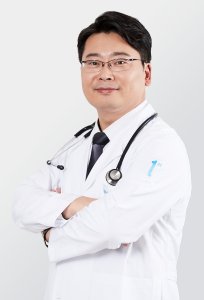
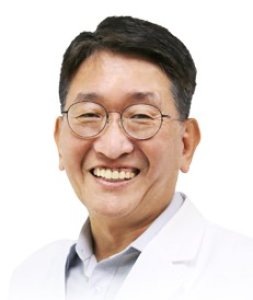
Sangwon Hwang

30سنة خبره ١٦ سنة

الدكتور سانغ وون هوانغ جرّاح أعصاب متخصص في جراحة العمود الفقري. يمتلك نحو 30 عاماً من الخبرة وأجرى أكثر من 6,000 عملية على العمود الفقري. يتقن التقنيات طفيفة التوغل والتنظيرية، ويُجري أيضاً استبدال القرص الصناعي العنقي. يهدف نهجه إلى تعافٍ أسرع وألم أقل ونتائج أفضل.

يدير حالات معقدة، بما في ذلك أورام العمود الفقري وجراحات المراجعة. يعتمد على تشخيص دقيق وخطط علاج شخصية.

الرئيس التنفيذي، رئيس جراحة العمود الفقري، ومدير مركز العمود الفقري في مستشفى ليد هيل. حاصل على درجة الطب (MD) من كلية الطب بجامعة إنها. الجوائز: جائزة أونبيونغ الكبرى 2021 (جائزة التبرع الجميل) وجائزة الخدمة الطبية 2019. العضويات: جمعية الشرف (صندوق مجتمع كوريا)، الجمعية الكورية لجراحة أعصاب العمود الفقري، رابطة المستشفيات الكورية لجراحة الأعصاب، ورابطة المستشفيات الإقليمية الكورية.
يؤكد

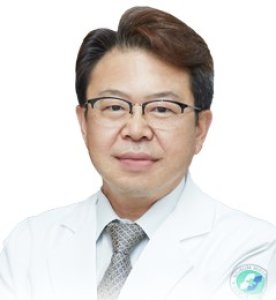
Lee Sang Gu

40سنة خبره ١٦ سنة

لي سانغ-غو، دكتور في الطب ودكتوراه، هو المدير الفخري لقسم جراحة الأعصاب في مستشفى نايون. يعالج أورام واضطرابات العمود الفقري. يشمل عمله جراحة العمود الفقري طفيفة التوغل، حالات العمود الفقري العنقي، إصابات الرأس، وتقييم الإعاقة والقصور الوظيفي.

شغل سابقًا منصب رئيس جراحة الأعصاب في مستشفى قدامى المحاربين في كوريا، كما كان مديرًا وأستاذًا لجراحة الأعصاب في مركز جيل الطبي بجامعة غاتشون. وهو رئيس الجمعية الكورية للحبل الشوكي، ورئيس سابق لـ KOMISS والجمعية الكورية للتقييم الطبي والجمعية الكورية للأعصاب الطرفية. كما شغل منصب المدير التنفيذي للجمعية الكورية لجراحة الأعصاب، والجمعية الكورية لعلم رضوح الأعصاب، والجمعية الكورية لجراحة أعصاب العمود الفقري. أُدرج اسمه في Marquis Who’s Who عام 2010. وهو عضو في لجنة AOSpine لآسيا والمحيط الهادئ وعضو عامل في NASS. حصل على درجتي الطب والدكتوراه من جامعة هانيانغ.

يؤكد

Byung-hee Lee

42سنة خبره ١٦ سنة

الدكتور بيونغ هي لي هو أخصائي أشعة ذو خبرة عالية وحاصل على اعتراف دولي في تداخلات السكتة الدماغية والأوعية الدموية الدماغية.

  • عضو مؤسس في الجمعية الكورية للسكتة الدماغية
  • نشر 24 ورقة بحثية بمستوى SCI
  • عضو منتظم في جمعية السكتة الدماغية الأمريكية والجمعية الأوروبية لجراحة الأوعية الدموية الدماغية
  • تقديم 50 محاضرة في مؤتمرات حول العالم
يؤكد

Hyeunsung Harrison Kim

32سنة خبره ١٦ سنة

يتخصص الدكتور كيم في جراحة العمود الفقري طفيفة التوغل، مع خبرة واسعة في علاج تضيق القناة الشوكية في مستشفى نانوري.

  • التدرب في ألمانيا وكوريا الجنوبية على تقنيات العمود الفقري المتقدمة
  • العضوية في العديد من جمعيات العمود الفقري الدولية بما في ذلك NASS و ISASS
  • الحصول على جائزة بافيز كامبين لعام 2018 للتميز في جراحة العمود الفقري
  • نشر أكثر من 50 ورقة بحثية حول اضطرابات وعلاجات العمود الفقري

مشاركة المحتوى

Twitter XLinkedinFacebookWhatsAppEmail
أحصل على الرابط

قصص فيديو من مرضى Bookimed

Dayana
جمعت بين إجازتي في أنطاليا والفحص الطبي.
إجراء: فحص صحة الإناث (انظر فحص النساء)
Igor
كان رائعاً! التنقلات والإقامة والعلاج - كل شيء مشمول.
إجراء: زرع الأسنان
مستشفى: WestDent Clinic
Marina
قام Bookimed بكل شيء من أجلي. لم أضطر للقلق بشأن أي شيء.
إجراء: فحص صحة الإناث (انظر فحص النساء)
مستشفى: Severance Hospital
محدث: 03/18/2026
تأليف
Anna Leonova
Anna Leonova
رئيس فريق تسويق المحتوى
محررة طبية معتمدة لديها خبرة تزيد عن 10 سنوات، طوّرت محتوى Bookimed الموثوق، مدعومة بماجستير في علم اللغة ومقابلات مع خبراء طبيين من جميع أنحاء العالم.
تمت المراجعة من قبل المستشار الطبي في Bookimed
فهد مولود
محرر طبي وعالم بيانات
طبيب عام. حاصل على 4 جوائز علمية. خدم في غرب آسيا. رئيس الفريق الطبي الناطق بالعربية سابقا ومسؤول عن معالجة البيانات ودقة المحتوى الطبي حاليا.
فهد مولود Linkedin
قد تحتوي هذه الصفحة على معلومات تتعلق بمختلف الحالات الطبية والعلاجات وخدمات الرعاية الصحية المتوفرة في بلدان مختلفة. يرجى العلم أن المحتوى مقدم لأغراض إعلامية فقط ولا ينبغي تفسيره على أنه نصيحة أو إرشادات طبية. يرجى استشارة طبيبك أو أخصائي طبي مؤهل قبل البدء أو تغيير العلاج الطبي.

أسئلة متكررة حول علاج تضيق العمود الفقري في كوريا الجنوبية

هذه الأسئلة الشائعة مأخوذة من مرضى حقيقيين يبحثون عن رعاية طبية عبر Bookimed. يتم تقديم الإجابات من قبل منسقين طبيين ذوي خبرة وممثلين موثوقين من العيادات.

What are the primary treatment options for spinal stenosis available in South Korea?

South Korea offers spinal stenosis treatments ranging from integrative non-surgical therapies to advanced endoscopic decompression. Patients access minimally invasive laminectomy and stabilization surgeries within facilities accredited by JCI or KOIHA. Leading Seoul centers utilize robotic-assisted systems and motion-preservation techniques to ensure rapid functional recovery.

  • Minimally invasive surgery: Surgeons perform procedures through incisions under 1 inch to reduce trauma.
  • Endoscopic decompression: Specialized cameras allow for precise tissue removal with minimal blood loss.
  • Stabilization procedures: Lumbar and cervical laminectomy options include single-level stabilization for spinal support.
  • Integrative care: Clinics often combine Western diagnostics with Chuna manipulation and herbal pharmacopuncture.

Bookimed Expert Insight: High-volume centers in Seoul provide exceptional safety due to extreme doctor specialization. For example, Dr. Sangwon Hwang at Leadheal Hospital has performed over 6,000 spine surgeries. This depth of experience at clinics serving 44,000+ patients annually helps ensure highly predictable surgical outcomes.

Patient Consensus: Patients note the efficiency of the Korean medical system where diagnostics and initial treatments often happen on the same day. Many emphasize the comfort of VIP recovery rooms and the helpfulness of dedicated nursing services during the short hospital stay.

Why is South Korea considered a leading destination for spine surgery?

South Korea dominates spine surgery through specialized centers like Nanoori Hospital that hold Ministry of Health and Welfare certifications. Local surgeons pioneered biportal endoscopic techniques. These procedures allow spinal stenosis treatment through 3-millimeter incisions. This precision ensures high success rates and rapid functional recovery.

  • Surgical mastery: Dr. Sangwon Hwang at Leadheal Hospital has performed over 6,000 spine surgeries.
  • Specialized infrastructure: Nanoori Hospital serves 58,000 patients annually as a dedicated spine specialty hospital.
  • Advanced procedures: Surgeons utilize robot-assisted navigation for sub-millimeter precision in complex spinal fusion.
  • Rapid recovery: Patients often report returning to daily activities within 2 weeks after endoscopy.
  • All-inclusive care: Packages for $25,000 include surgery, 4 days hospitalization, and airport-to-clinic transfers.

Bookimed Expert Insight: While many countries treat spine care as a general orthopedic sub-specialty, South Korea uses a dedicated specialty hospital model. Nanoori Hospital and Leadheal Hospital focus purely on neuro-orthopedic spine cases. This high volume allows surgeons like Dr. Sangwon Hwang to manage 6,000+ operations. This experience gap translates into lower complication rates for complex stenosis cases.

Patient Consensus: Patients note the surgical precision is excellent but recommend using translation apps for smoother communication during recovery. Many emphasize that the cost savings allow for business class travel while still spending less than a standard US deductible.

Can traditional Korean medicine help patients avoid or delay spine surgery?

Traditional Korean medicine helps many patients delay or avoid spine surgery through integrative conservative care. Studies show an 18% lower risk of surgery for patients using these methods. Techniques like acupuncture and Chuna therapy restore musculoskeletal balance and stimulate natural healing processes.

  • Surgery risk reduction: Integrative medicine reduces lumbar surgery rates by approximately 18%.
  • Pain management: Pharmacopuncture and herbal formulas like Shinbaro effectively modulate inflammatory pathways.
  • Structural alignment: Chuna manual therapy realigns spinal joints and reduces mechanical compression.
  • Minimally invasive options: Specialists like Dr. Jaehyeon Lim offer painless fusion alternatives.

Bookimed Expert Insight: While traditional medicine targets inflammation, surgical innovations in Seoul provide a middle ground. Dr. Sangwon Hwang at Leadheal Hospital has performed 6,000+ surgeries. He emphasizes that the best treatment is the most personalized one. Patients can often choose a 1-day lumbar fusion without general anesthesia. This bridges the gap between traditional herbal care and major invasive operations.

Patient Consensus: Patients find traditional therapies helpful for mild symptoms but emphasize regular MRI monitoring. They notes it's a great supplement to Western care to delay surgery for a year or two.

What is the typical recovery timeline after spinal stenosis treatment in Korea?

Recovery after spinal stenosis treatment in Korea typically ranges from 2 weeks for minimally invasive procedures to 1 year for complex fusions. Most patients resume light activities within 4 to 6 weeks. Specialized spinal centers in Seoul utilize endoscopic techniques to reduce surgical trauma and accelerate mobilization.

  • Hospital stay: Expect 1 to 3 days for decompression or 4 days for stabilization surgeries.
  • Initial mobilization: Patients usually begin walking with assistance within 24 hours of their procedure.
  • Work transition: Sedentary desk work can generally be resumed 4 to 8 weeks after surgery.
  • Full recovery: Complete healing and return to strenuous sports typically requires 6 to 12 months.

Bookimed Expert Insight: Korea’s high patient volume creates a unique expertise gap. Dr. Sangwon Hwang at Leadheal Hospital has performed over 6,000 spine surgeries alone. This massive experience often leads to more efficient 4-day hospital protocols. Specialized centers like Nanoori focus exclusively on spine health to optimize these recovery windows.

Patient Consensus: Patients are often surprised by how quickly they are encouraged to walk after surgery. Many highlight that the strict 21-day integrative programs help manage pain without relying solely on medication.

Which hospitals in Seoul specialize in minimally invasive spine surgery for international patients?

Seoul houses elite centers for minimally invasive spine surgery (MISS) including specialized hospitals like Nanoori and Leadheal. Large university facilities such as Severance and Asan Medical Center also provide advanced spinal care. These institutions utilize endoscopic techniques to treat stenosis with minimal tissue disruption.

  • Specialized expertise: Nanoori Hospital serves 58,000 patients annually and holds Ministry of Health certification.
  • Surgical precision: Dr. Sangwon Hwang at Leadheal Hospital has performed over 6,000 successful spine surgeries.
  • Advanced technology: Severance Hospital features JCI accreditation and specializes in complex robotic-assisted spinal procedures.
  • Digital innovation: SNUBH utilizes AI and digital imaging to improve accuracy in minimally invasive treatments.

Bookimed Expert Insight: While university hospitals like Severance manage higher total patient volumes, specialized centers like Nanoori focus exclusively on spinal health. Our data shows specialized clinics often streamline the patient path for MISS procedures. For example, Nanoori doctors like Dr. Jaehyeon Lim developed proprietary mini-fusion techniques, offering a level of niche expertise that multidisciplinary centers may not match for routine stenosis cases.

Patient Consensus: Patients note that specialized spine hospitals often provide faster coordination than large university centers. Many highlight the relief of having dedicated English-speaking staff manage medical visas and recovery logistics during their stay.

What makes Korean minimally invasive techniques different from those elsewhere?

Korean spinal techniques differ through an extreme focus on tissue preservation and precision. Surgeons utilize single-portal endoscopy requiring only a 7mm to 8mm incision. This approach preserves over 95% of back muscles. It eliminates the need for general anesthesia or skin sutures in many cases.

  • Muscle preservation: Single-portal endoscopy preserves 95% of back muscles for faster recovery.
  • Incision size: Minimally invasive procedures utilize tiny 7mm to 8mm paths to the spine.
  • No sutures: Advanced protocols allow for 1-day fusion without skin sutures or hemovacs.
  • Bilateral access: Surgeons treat multi-level stenosis without repositioning the patient during surgery.

Bookimed Expert Insight: The technical gap in Korea is driven by massive procedure volumes. Dr. Sangwon Hwang at Leadheal Hospital has performed over 6,000 surgeries alone. This expertise allows clinics to offer same-day ambulation for complex stenosis cases. Most international packages even include 4 days of specialized inpatient care to ensure safe mobilization.

Patient Consensus: Patients are often surprised by the speed of recovery. They highlight being able to walk shortly after endoscopic procedures without needing traditional heavy painkillers.

How long should a medical tourist plan to stay in Korea for spinal stenosis surgery?

Medical tourists should plan a 14 to 28 day stay in South Korea for spinal stenosis surgery. Minimally invasive procedures require roughly 2 weeks. Major surgeries like spinal fusion necessitate up to 1 month. This timeframe ensures safe healing and stable status for long-haul travel.

  • Minimally invasive stay: Plan for 7 to 14 days in the Republic of Korea.
  • Major surgery stay: Schedule 3 to 4 weeks for complex procedures like fusion.
  • Hospitalization duration: Expect 1 to 5 nights depending on the surgical technique used.
  • Follow-up timing: Surgeons typically remove sutures 10 to 14 days after the operation.

Bookimed Expert Insight: Leadheal Hospital alone serves over 44,000 patients annually and offers packages with 4-day hospital stays. High-volume centers often utilize 24-hour nursing to accelerate early mobilization. Booking a 25-day package ensures you have the recommended buffer for follow-up imaging before your flight.

Patient Consensus: Patients emphasize adding a one-week buffer to handle potential post-operative nerve irritation or travel fatigue. Many suggest staying near the clinic to simplify attending physiotherapy sessions after discharge.

احصل على استشارة مجانية

حدد أفضل طريقة للاتصال بك