تضيق العمود الفقري العلاج في الإمارات العربية المتحدة - التكاليف 2026


تمت مراجعة المقالة طبيا من قبل
فهد مولود
ما هي تكلفة تضيق العمود الفقري إجراءات التشخيص والعلاج في الإمارات العربية المتحدة؟ اعرف الآن
| الإمارات العربية المتحدة | تركيا | إسبانيا | |
|---|---|---|---|
| فتح تخفيف الضغط عن العمود الفقري مع إعادة بناء الأربطة | ≈ $11,000 | ≈ $5,500 | ≈ $9,500 |
| استئصال الصفيحة القطنية وتثبيت مستوى واحد | ≈ $17,000 | من $4,800 | ≈ $11,500 |
| استئصال الصفيحة الرقبية وتثبيت مستوى واحد | ≈ $16,000 | ≈ $7,500 | من $28,100 |
مزاياك وضماناتك مع Bookimed
أسعار مباشرة
Bookimed لا يضيف رسوماً إضافية على أسعار علاج تضيق العمود الفقري. الأسعار مأخوذة من قوائم الأسعار الرسمية للعيادات. تدفع مباشرة في العيادة مقابل علاجك عند وصولك إلى البلد.
عيادات وأطباء معتمدون فقط
Bookimed ملتزم بسلامتك. نحن نعمل فقط مع المؤسسات الطبية التي تحافظ على معايير دولية عالية في علاج تضيق العمود الفقري ولديها التراخيص اللازمة لخدمة المرضى الدوليين في جميع أنحاء العالم.
مساعدة مجانية على مدار الساعة
Bookimed يقدم مساعدة خبراء مجانية. منسق طبي شخصي يدعمك قبل وأثناء وبعد العلاج، ويحل أي مشاكل. لن تكون وحيداً أبداً في رحلة علاج تضيق العمود الفقري.

منسقك الطبي الشخصي في Bookimed
- يدعمك في كل مرحلة
- المساعدة في اختيار العيادة الطبية المناسبة والطبيب المناسب
- يضمن الوصول السريع والمريح إلى المعلومات
اكتشف أفضل تضيق العمود الفقري العيادات في الإمارات العربية المتحدة: 3 خيارات معتمدة والأسعار
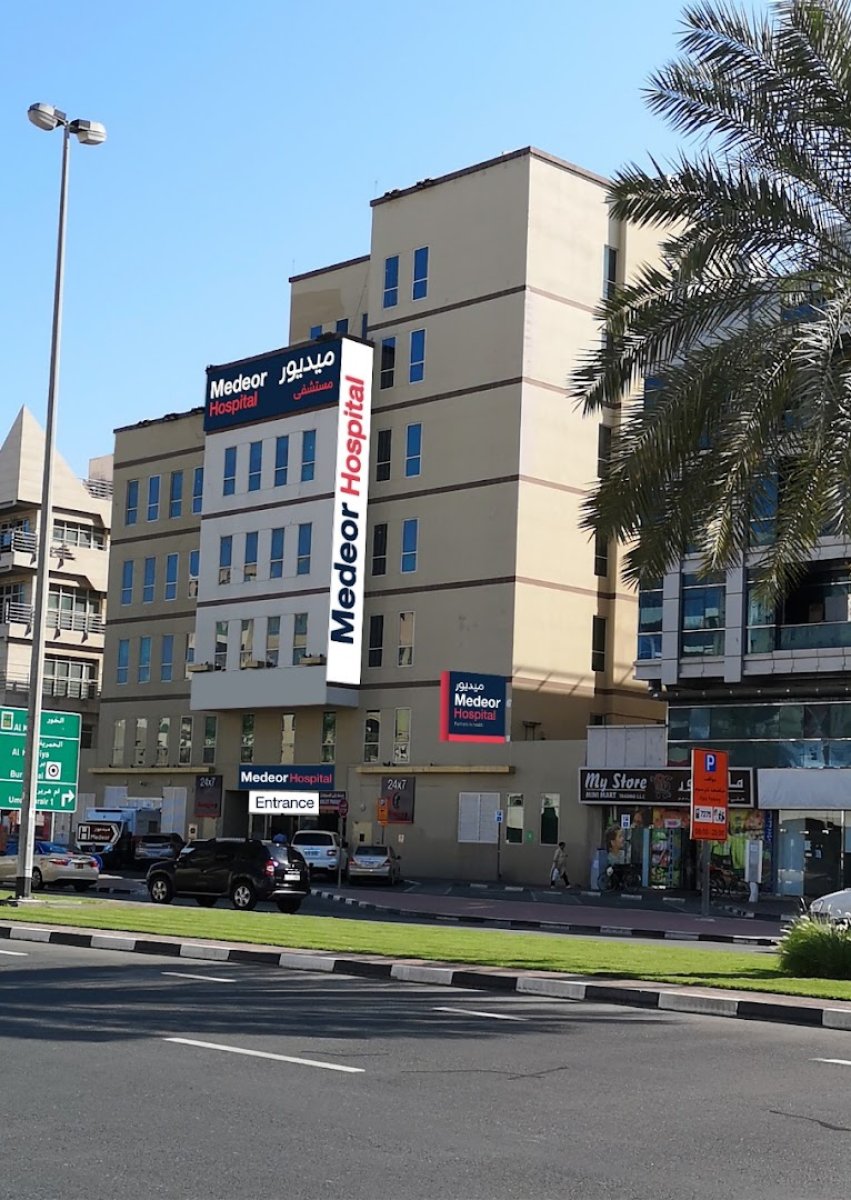




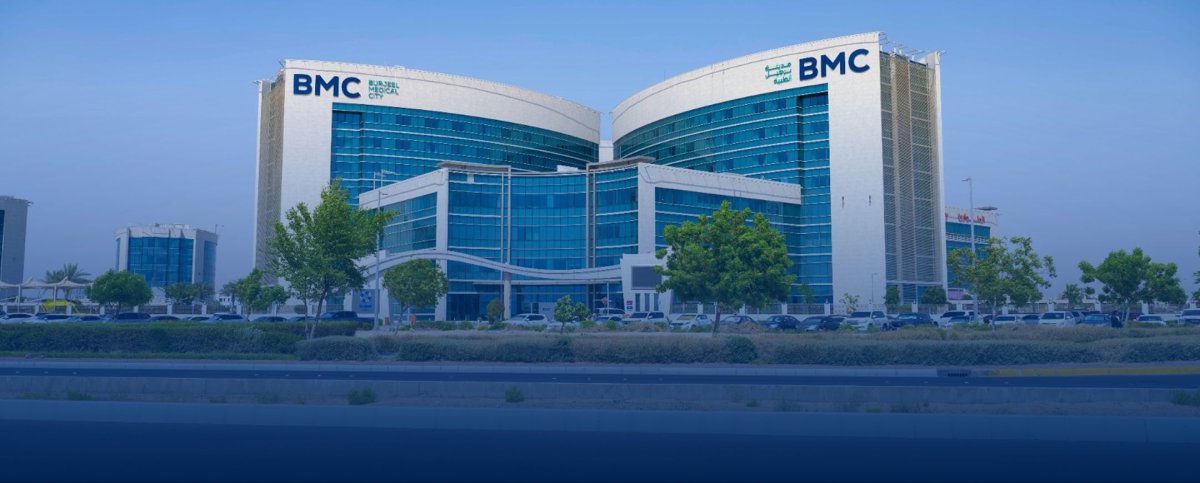
Aster Hospitals, DUBAI
مشاركة المحتوى
قصص فيديو من مرضى Bookimed
 Anna Leonova
أسئلة متكررة حول علاج تضيق العمود الفقري في الإمارات العربية المتحدة
هل يمكن علاج تضيق العمود الفقري بدون جراحة في الإمارات العربية المتحدة؟
يمكن علاج تضيق العمود الفقري بدون جراحة في الإمارات العربية المتحدة من خلال بروتوكولات تحفظية منظمة. يدير معظم المرضى الأعراض باستخدام العلاج الطبيعي الموجه، وحقن الستيرويد فوق الجافية، وتخفيف ضغط العمود الفقري المتقدم. عادة ما تكون الجراحة خيارًا ثانويًا مخصصًا فقط لتلف الأعصاب التدريجي أو فقدان الحركة.
- العلاج الطبيعي: تقوية عضلات الجذع وتحسين المرونة يقلل الضغط على القناة الشوكية.
- العلاج بالحقن: توفر حقن الستيرويد فوق الجافية وحقن المفاصل الوجهية راحة موجهة من الالتهاب الموضعي.
- علاج تخفيف الضغط: يعمل التمدد الميكانيكي الموجه بالكمبيوتر على تخفيف ضغط العصب بلطف دون الحاجة إلى شقوق جراحية غازية.
- الطب التجديدي: استخدام الخلايا الجذعية والعلاج بالبلازما الغنية بالصفائح الدموية (PRP) ينسق التئام الأنسجة.
رؤية خبراء Bookimed: تسلط بيانات حجم المرضى الضوء على نطاق الرعاية المتاحة في الإمارات العربية المتحدة. على سبيل المثال، تخدم شبكة مستشفيات أستر في دبي 20,000,000 مريض سنويًا. مع طاقم مكون من 2,900 طبيب، توفر هذه المرافق الضخمة العمق التشخيصي اللازم للمسارات غير الجراحية. يضمن هذا الحجم الكبير أن يرى المتخصصون حالات متنوعة كافية لتحديد متى تكون الرعاية التحفظية كافية بدقة.
إجماع المرضى: يشير المرضى إلى أن الجمع بين العلاج الطبيعي والحقن فوق الجافية المنتظمة غالبًا ما يؤخر الجراحة لسنوات. يؤكد الكثيرون على تتبع الأعراض العصبية مثل الضعف لضمان بقاء الأساليب غير الغازية الخيار الأكثر أمانًا.
ما هي الإجراءات الجراحية الأكثر شيوعاً لتضيق العمود الفقري في الإمارات العربية المتحدة؟
تركز الإجراءات الجراحية الشائعة لتضيق العمود الفقري في الإمارات العربية المتحدة على تخفيف الضغط عن القناة الشوكية. يقوم الجراحون في مراكز مثل مستشفيات أستر في دبي بإجراء عمليات استئصال الصفيحة الفقرية، وبضع الثقبة، ورأب الصفيحة الفقرية. تعمل هذه التقنيات بفعالية على تخفيف الضغط عن جذور الأعصاب والحبل الشوكي لاستعادة القدرة على الحركة.
- استئصال الصفيحة الفقرية: الإجراء الأكثر شيوعاً يتضمن إزالة القوس الفقري لتوسيع القناة.
- جراحة التثبيت: غالباً ما يتم دمجها مع تخفيف الضغط للحفاظ على محاذاة العمود الفقري باستخدام طعوم عظمية أو غرسات.
- بضع الثقبة: يقوم الجراحون بتوسيع نقاط خروج أعصاب محددة لعلاج الضغط الموضعي والألم المشع.
- تخفيف الضغط بالمنظار: يستخدم هذا النهج طفيف التوغل شقوقاً صغيرة لتعافي أسرع وصدمة أقل.
رؤية خبير Bookimed: بينما يركز الكثيرون على تخفيف الضغط البسيط، تشير بياناتنا إلى أن عيادات مثل مستشفيات أستر غالباً ما تجمع بين التثبيت واستئصال الصفيحة الفقرية. هذا النهج المشترك شائع بشكل خاص لحالات عنق الرحم أو القطنية ذات المستوى الواحد. فهو يساعد في منع عدم الاستقرار في المستقبل الذي قد يتبع أحياناً إزالة العظام المكثفة. اختيار مستشفى بحجم كبير من المرضى - أكثر من 20,000,000 عبر شبكتها - يضمن الوصول إلى جراحين يتعاملون مع هذه الإجراءات المعقدة ومتعددة الخطوات يومياً.
إجماع المرضى: يلاحظ المرضى أن خيارات المنظار توفر أوقات تعافي أسرع بكثير وإقامات أقصر في المستشفى. يؤكد الكثيرون على بدء العلاج الطبيعي فوراً بع
ما هو وقت التعافي المتوقع بعد جراحة العمود الفقري في الإمارات العربية المتحدة؟
يستغرق التعافي من جراحة العمود الفقري في الإمارات العربية المتحدة في المتوسط من 3 إلى 6 أشهر للشفاء الوظيفي. يبقى المرضى عادةً في المستشفى لمدة يوم إلى 3 أيام في مدن مثل دبي أو أبوظبي. تسمح الإجراءات طفيفة التوغل بالمشي في غضون 24 ساعة والعودة إلى العمل المكتبي في غضون أسبوعين إلى 4 أسابيع.
- الإقامة في المستشفى: توقع البقاء من يوم إلى 3 أيام للمراقبة وإدارة الألم الأولية.
- التعافي من استئصال القرص المجهري: غالبًا ما يستأنف المرضى الأنشطة اليومية الخفيفة في غضون أسبوع إلى 4 أسابيع.
- الجدول الزمني لدمج الفقرات: يستغرق اندماج العظام الصلب عمومًا من 6 إلى 12 شهرًا ليكتمل.
- قيود النشاط: تجنب الانحناء أو رفع أكثر من 3 كجم أو الالتواء لمدة 6 أسابيع.
- العلاج الطبيعي: يبدأ التأهيل المنظم عادةً بعد أسبوعين إلى 6 أسابيع من الإجراء.
رؤية خبراء Bookimed: تُظهر البيانات السريرية من شبكات كبيرة مثل مستشفيات أستر في دبي أن أحجام المرضى الكبيرة ترتبط ببروتوكولات إعادة تأهيل متخصصة. يتعامل نظامهم مع ملايين المرضى سنويًا عبر 55 قسمًا. يسمح هذا النطاق بوجود وحدات متخصصة للعمود الفقري حيث يبدأ التحريك بعد الجراحة في غضون ساعات. غالبًا ما يضمن اختيار منشأة ذات حجم كبير مسار تعافي أكثر توحيدًا وقابلية للتنبؤ.
إجماع المرضى: يجد العديد من المرضى أن المشي سهل في غضون أيام، لكنهم يشيرون إلى أن الحياة اليومية الخالية من الألم تستغرق من 3 إلى 6 أشهر. من الشائع الشعور بذروة ألم حاد حوالي اليوم الخامس قبل تجربة تحسن مستمر.
ما الذي يجب علي التحقق منه قبل حجز جراحة تضيق العمود الفقري في مستشفى في الإمارات العربية المتحدة؟
تحقق من الاعتماد الدولي للمستشفى ومؤهلات الزمالة المتخصصة في العمود الفقري للجراح. تأكد من أن المنشأة تستخدم المراقبة العصبية أثناء الجراحة لحماية وظيفة الأعصاب. تأكد من أن الخطة الجراحية تتوافق مع آراء طبية ثانية مستقلة. تحقق مما إذا كان المستشفى يوفر دعمًا مخصصًا للعلاج الطبيعي بعد الجراحة.
- مؤهلات الجراح: تأكد من وجود تدريب زمالة تخصصي دقيق في جراحة العمود الفقري المعقدة.
- الوصول إلى التكنولوجيا: تأكد من أن المنشأة تستخدم المراقبة العصبية أثناء الجراحة في الوقت الفعلي والملاحة العصبية.
- حجم الحالات: اسأل عن الحجم السنوي المحدد للجراح لجراحات تخفيف ضغط العمود الفقري.
- البنية التحتية السريرية: تحقق من وجود فرق متعددة التخصصات بما في ذلك أطباء التخدير المتخصصين.
رؤية خبير Bookimed: تخدم شبكات المستشفيات الكبيرة في دبي مثل مستشفيات أستر 20,000,000 مريض سنويًا. يشير هذا الحجم الكبير عبر 55 قسمًا إلى بنية تحتية قوية للطوارئ. تحقق دائمًا مما إذا كان الفرع المحدد يتعامل مع مراجعات العمود الفقري المعقدة. قد تتطلب بعض عمليات إعادة التأهيل المتخصصة للعمود الفقري التنسيق مع مقدمي خدمات خارجيين. غالبًا ما تمتلك الشبكات الكبيرة بروتوكولات سلامة أكثر توحيدًا للعمليات الجراحية الكبرى.
إجماع المرضى: يحذر المرضى من التسرع في إجراء جراحة الدمج دون استكشاف خيارات تخفيف الضغط الأبسط أولاً. من الضروري الحصول على وثائق مكتوبة فيما يتعلق بمعدلات العدوى بدلاً من الوعود الشفهية.