علاج هشاشة العظام في إسبانيا: 11 مستشفيات


تمت مراجعة المقالة طبيا من قبل
فهد مولود
كيف نعمل؟
ما هي تكلفة هشاشة العظام إجراءات التشخيص والعلاج في إسبانيا؟ اعرف الآن
تتضمن تكلفة علاج هشاشة العظام في إسبانيا عادةً تشخيصات أساسية مثل فحص كثافة العظام (DEXA, DXA) الذي يتراوح سعره من $60 إلى $100، والتدخلات الجراحية مثل تقويم الفقرات، والتي تتراوح تكلفتها من $4,000 إلى $7,000. تعتمد النفقات الإجمالية على التاريخ المرضي للكسور، ومستوى العيادة، وبروتوكولات إعادة التأهيل المختارة. وغالباً ما يوفر المرضى ما يقرب من 40-60% مقارنة بأسعار الرعاية الصحية الخاصة في الولايات المتحدة. تشمل مراكز العلاج الرائدة برشلونة ومدريد وماربيا.
تكاليف علاج هشاشة العظام النموذجية في إسبانيا
- فحص كثافة العظام (DEXA, DXA): $60 – $100
- استشارة طبيب عظام: من $150
- تقويم الفقرات: $4,000 – $7,000
- استشارة طبيب أعصاب: من $130
- تحليل دم للملف الهرموني: من $170
- تحليل دم موسع: من $200
- تصوير مقطعي للجيوب الأنفية: من $680
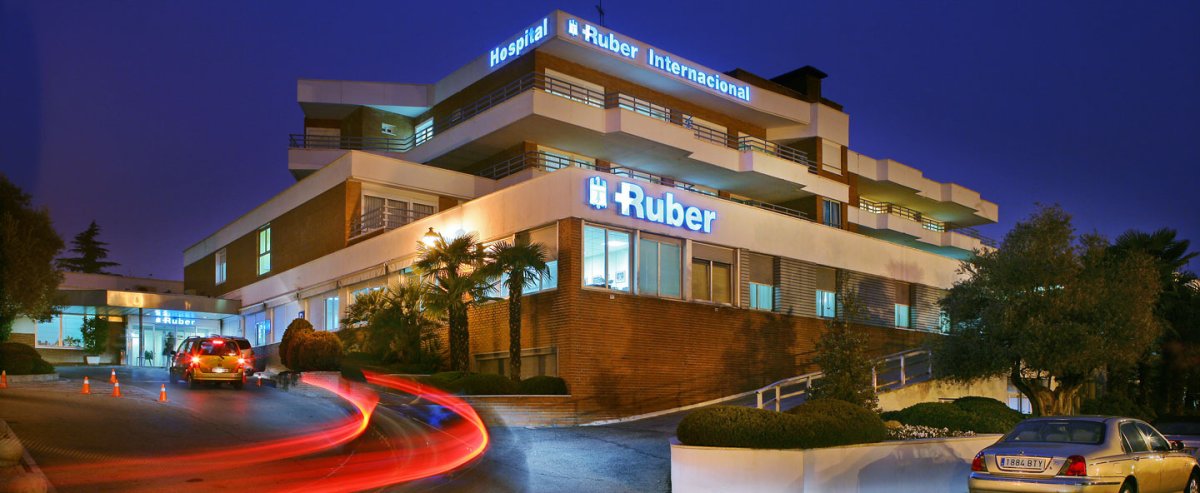
رؤية خبير Bookimed: يستفيد المرضى في المراحل المبكرة من مراقبة متخصصة لصحة العظام في مراكز معتمدة من اللجنة الدولية المشتركة (JCI) مثل Centro Médico Teknon. بالنسبة للحالات المعقدة التي تنطوي على هشاشة العمود الفقري، يقدم مستشفى Hospital Ruber Internacional جراحة متقدمة بمساعدة الملاحة بقيادة متخصصين معترف بهم من قبل مجلة فوربس. يجب على المرضى الذين يسعون إلى تعافٍ مكثف التفكير في مركز الدكتور بلوم للميكانيكا الحيوية (Dr. Blum’s Biomechanics Center) في ماربيا. تستخدم هذه المنشأة طرق إعادة تأهيل خاصة لتنشيط التجديد الطبيعي في مناخ البحر الأبيض المتوسط.
| تركيا | إسبانيا | ألمانيا | |
|---|---|---|---|
| رأبُ الفقرة | من $4,000 | ≈ $4,000 | ≈ $9,500 |
اكتشف أفضل هشاشة العظام العيادات في إسبانيا: 11 خيارات معتمدة والأسعار










SJD Barcelona Children’s Hospital







احصل على تقييم طبي لـ في إسبانيا. استشر الآن 9 أطباء ذوي الخبرة.
عرض جميع الأطباء
Joaquim Casañas
33 سنة متخصص في جراحة اليد والأعصاب – الدكتور كاسانياس هو رائد في رسم خرائط الأعصاب أثناء الجراحة في مركز تكنون الطبي (Centro Médico Teknon).
- مدير Traumaunit، وهو مركز رائد لإعادة بناء الأعصاب المعقدة
- حاصل على البورد الأوروبي في جراحة اليد ودرجة الدكتوراه في الطب
- تدرب في عيادة مايو ومستشفيات باريس الشهيرة
- رئيس الجمعية الإسبانية لجراحة اليد
- طور تقنيات رائدة لعلاج الألم العصبي

Evgeniy Blum
مؤسس "سوماتوديناميكس" (SOMATODYNAMICS) – نهج رائد لصحة العظام والمفاصل. يجمع الدكتور بلوم بين البحث العلمي وإعادة التأهيل السريري.
- مخترع مكرم حاصل على 62 براءة اختراع دولية
- رئيس قسم إعادة التأهيل السريري في جامعة الصداقة بين الشعوب
- درب أكثر من 5800 متخصص طبي
- أسس معهد أبحاث إعادة التأهيل السريري

Inmaculada Gómez Arrayás
تُعد الدكتورة إنماكولادا غوميز أراياس واحدة من أفضل 100 طبيب في إسبانيا وفقاً لمجلة فوربس. تشغل منصب رئيس قسم جراحة العظام في مستشفى روبر الدولي في مدريد. تُعتبر الدكتورة أراياس رائدة في استخدام أنظمة الملاحة لإجراء جراحات دقيقة لاستبدال المفاصل. وهي متخصصة في الإجراءات طفيفة التوغل للورك والركبة وبروتوكولات التعافي السريع.
- حاصلة على شهادة ISO 9001 للجودة في جراحات استبدال الورك والركبة.
- تُجري عمليات تنظير الركبة والورك بالإضافة إلى عمليات إعادة بناء المفاصل المعقدة والمراج
Pablo De La Cuadra
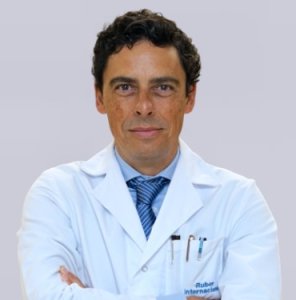
الدكتور بابلو دي لا كوادره (Pablo Cuadra de la Virgili) جرّاح عظام واختصاصي طب الرضوح في مدريد. يختص بإصابات الرياضيين وجراحة الكتف في Hospital Ruber Internacional، حيث يعمل منذ عام 1999. لديه خبرة تفوق 25 عامًا. يقود وحدة متعددة التخصصات ويرأس فريقًا متخصصًا في طب الرضوح. يُعد خبيرًا معترفًا به في اضطرابات الكتف المعقدة. يستخدم تقنيات تنظير مفصلي وترميم متقدمة لعلاج عدم الاستقرار وإصابات الكفة المدورة.
المؤهلات: دكتور في الطب (1993) ودكتوراه في الطب (2001) من جامعة مدريد المستقلة. اخت
مشاركة المحتوى
قصص فيديو من مرضى Bookimed
 Anna Leonova
أسئلة متكررة حول علاج هشاشة العظام في إسبانيا
ما مدى تقدم رعاية هشاشة العظام في إسبانيا؟
توفر إسبانيا رعاية متقدمة لهشاشة العظام من خلال مرافق معتمدة من قبل اللجنة الدولية المشتركة (JCI). تستخدم المؤسسات الرائدة فرقاً متعددة التخصصات من أطباء الروماتيزم وجراحي العظام. وهي توفر علاجات مبتكرة مثل الأجسام المضادة لبروتين السكليروستين ورأب الفقرات. يستخدم المتخصصون نماذج FRAX محلية لتسريع إجراء فحص كثافة العظام للمرضى المعرضين لمخاطر عالية.
- تقنيات متخصصة: تستخدم العيادات تصوير الجهاز العضلي الهيكلي EOS وأجهزة مسح DXA لقياس دقيق لكثافة العظام.
- البحث السريري: تقود مراكز مثل مستشفى كلينيك برشلونة تجارب حول علاجات متقدمة لبناء العظام.
- نماذج الخدمة: توظف أكثر من 100 مستشفى خدمات ربط الكسور (Fracture Liaison Services) لتقليل مخاطر تكرار الكسور.
- الخبرة الجراحية: يقوم جراحون مثل الدكتور جواكيم كاسانياس بإجراء عمليات إعادة بناء إصابات معقدة وإجراءات تجديدية.
رؤية خبير Bookimed: بينما يبحث العديد من المرضى عن جراحة العظام العامة، توجد النتائج ذات الجودة الأعلى في إسبانيا في المراكز التي لديها فرق عمل مخصصة لهشاشة العظام. على سبيل المثال، تشغل الدكتورة كارمن أولي سول في مستشفى HM Nou Delfos دوراً محدداً في مجموعة عمل هشاشة العظام. تعمل هذه الأقسام المتخصصة على سد الفجوة بين فقدان العظام الأولي والتعافي بعد الكسر بشكل أكثر فعالية من الأقسام العامة.
إجماع المرضى: يشير المرضى إلى أن الرعاية موثوقة للغاية في مدريد وبرشلونة، لكنهم يقترحون إحضار سجلات مترجمة لتجنب تأخير التشخيص. يؤكد الكثيرون على طلب فحص DEXA مباشرة أثنا
ما هي تدابير السلامة والتنسيق التي تستخدمها المستشفيات الإسبانية لمنع الكسور الثانوية؟
تمنع المستشفيات الإسبانية الكسور الثانوية من خلال خدمات ربط الكسور (Fracture Liaison Services) المتخصصة. تستخدم هذه البرامج منسقي تمريض مخصصين لتحديد المرضى الذين تزيد أعمارهم عن 50 عاماً. إنهم يسدون الفجوة بين رعاية الطوارئ للإصابات وإدارة صحة العظام على المدى الطويل. يضمن هذا النهج المنهجي متابعة تشخيصية فورية وخطط علاج.
- منسقو التمريض: يعملون كنقاط اتصال وحيدة بين أجنحة الجراحة وفرق الرعاية الأولية.
- تصنيف المخاطر: يرتب المنسقون فحوصات كثافة العظام وتحاليل الدم لمرضى الكسور.
- وحدات متعددة التخصصات: تدير فرق جراحة العظام والشيخوخة المرضى الأكثر ضعفاً فيما يتعلق بالتغذية والصحة الإدراكية.
- إطار عمل متكامل: ترسل المستشفيات خططاً مفصلة لصحة العظام إلى أطباء المجتمع عند الخروج.
- السجلات الوطنية: تستخدم المرافق REFRA-FLS و SNHFR لقياس السلامة مقابل المعايير الدولية.
رؤية خبير Bookimed: تظهر البيانات أن بروتوكولات السلامة الأكثر قوة موجودة في الشبكات الطبية الكبيرة. على سبيل المثال، يستخدم مستشفى HM Nou Delfos تصوير الجهاز العضلي الهيكلي EOS المتقدم لتقييم دقيق للعظام. تدمج مرافق مثل Centro Médico Teknon الطب التجديدي والتعافي المتخصص من الإصابات. اختيار هذه المراكز ذات الحجم الكبير يقلل من فجوة الرعاية الشائعة في المؤسسات الأصغر.
إجماع المرضى: يؤكد المرضى أن السلامة تعتمد على قيام المستشفيات بجدولة المتابعات تلقائياً. ويشيرون إلى خطر الرعاية المجزأة إذا لم يكن التسليم بين الجراحة والرعاية الأولي
ما هي أدوية وفئات أدوية هشاشة العظام المتاحة في إسبانيا؟
تقدم إسبانيا مجموعة شاملة من أدوية هشاشة العظام التي تنظمها وكالة الأدوية والمنتجات الصحية الإسبانية (AEMPS). يمكن للمرضى الوصول إلى العوامل المضادة للامتصاص مثل البايفوسفونيت ودينوسوماب. كما تتوفر علاجات بنائية بما في ذلك تيريباراتيد وروموسوزوماب. تركز فئات الأدوية هذه على تقليل خطر الإصابة بالكسور وزيادة كثافة العظام.
- العوامل المضادة للامتصاص: البايفوسفونيت مثل أليندرونات الفموي وحمض زوليدرونيك الوريدي هي المعيار.
- مثبطات RANKL: يتوفر دينوسوماب كحقنة تحت الجلد كل 6 أشهر.
- العلاجات البنائية: يحفز تيريباراتيد وأبالوباراتيد تكوين عظام جديدة عبر الحقن اليومي.
- مثبطات سكليروستين: يوفر روموسوزوماب علاجاً مزدوج المفعول لبناء العظام وإبطاء فقدانها.
رؤية خبير Bookimed: غالباً ما تدمج العيادات الإسبانية مثل مستشفى روبر الدولي ومركز تكنون الطبي تشخيصات متقدمة قبل وصف العلاج. بينما تتبع الأنظمة العامة بروتوكولات صارمة، يقدم متخصصون خاصون مثل الدكتورة كارمن أولي سول في مستشفى HM Nou Delfos رعاية مركزة لهشاشة العظام. وهي عضو في فريق العمل الوطني لهشاشة العظام. تضمن هذه الخبرة حصول المرضى على جرعات دقيقة للحالات المعقدة.
إجماع المرضى: يلاحظ المرضى أن الحبوب الأسبوعية غالباً ما تسبب مشاكل في المعدة. وغالباً ما يقترحون السؤال عن دينوسوماب أو الحقن الوريدية السنوية كبدائل أسهل للاستخدام طويل الأمد.
ما هي نسبة تكلفة الأدوية التي يغطيها نظام الصحة الوطني في إسبانيا؟
يغطي نظام الصحة الوطني في إسبانيا من 40% إلى 90% من تكاليف الأدوية الموصوفة للرعاية الخارجية. تصل التغطية إلى 100% للأدوية التي يتم صرفها في المستشفيات وللفئات الضعيفة المحددة. تعمل المراكز الخاصة مثل Centro Medico Teknon و Hospital Ruber Internacional بشكل منفصل عن هيكل الدفع المشترك العام هذا.
- السكان العاملون: تغطي الحكومة من 40% إلى 60% بناءً على دخل الأسرة السنوي.
- المتقاعدون: يغطي النظام العام 90% من التكاليف مع حدود إنفاق شهرية محددة.
- الحالات المزمنة: أدوية الأمراض المزمنة مغطاة بنسبة 90% ومحددة بـ 4.24 يورو.
- التغطية الكاملة: يحصل المرضى المنومون في المستشفيات والأشخاص ذوو الإعاقة على الأدوية بدون تكلفة.
رؤية خبير Bookimed: على الرغم من أن التغطية العامة واسعة النطاق، إلا أن الوصول إلى علاجات هشاشة العظام المتخصصة يتطلب غالبًا موافقة متخصصة محددة. تجري مرافق مثل Centro Medico Teknon 23,500 عملية جراحية سنويًا وتوفر تشخيصات متقدمة مثل مسح DEXA. غالبًا ما يختار المرضى الذين يبحثون عن استشارات الخبراء مع متخصصين مثل الدكتور جواكيم كاساناس العيادات الخاصة لتجنب أوقات الانتظار في النظام العام.
إجماع المرضى: يلاحظ المرضى أن التنقل في عملية الإحالة العامة غالبًا ما يكون أصعب من دفع ثمن الأدوية. يؤكد الكثيرون على أهمية تأكيد فئة الدفع المشترك الخاصة بك في الصيدلية لضمان التسعير الصحيح.
ما هي العلاجات غير الدوائية التي تؤكد عليها العيادات الإسبانية إلى جانب الأدوية؟
تؤكد العيادات الإسبانية على الرعاية المتعددة التخصصات المتكاملة باستخدام تمارين تحمل الوزن وتدريبات المقاومة إلى جانب الأدوية. تهدف هذه التدخلات إلى تحسين كثافة العظام والاستقلالية الوظيفية. تجمع مرافق مثل Centro Médico Teknon و Hospital HM Nou Delfos بين العلاجات السريرية وإعادة التأهيل العظمي المتخصص والميكانيكا الحيوية.
- العلاج بالتمارين: تصف العيادات أنشطة تحمل الوزن مثل المشي وتدريبات القوة تحت الإشراف.
- إعادة التأهيل البدني: يساعد العلاج الطبيعي المركز المرضى على تحسين وضعية الجسم والحفاظ على الحركة.
- الوقاية من السقوط: يقدم المتخصصون تدريبات على التوازن وتعديلات منزلية لتقليل مخاطر الكسور.
- تحسين التغذية: يتم دمج بروتوكولات الكالسيوم وفيتامين د الإلزامية في خطط التعافي.
رؤية خبير Bookimed: تظهر بياناتنا أن المراكز الإسبانية الرائدة مثل Hospital HM Nou Delfos تتعاون مع مؤسسات متخصصة مثل Institut Guttmann لإعادة التأهيل المتقدم. في حين أن الخيارات الجراحية مثل رأب الفقرات قد تكلف ما بين 4000 إلى 7000 دولار، فإن هذه العيادات تعطي الأولوية للبروتوكولات الميكانيكية الحيوية غير الجراحية أولاً. يساعد هذا النهج المزدوج في الحفاظ على العمود الفقري وقد يمنع الحاجة إلى إجراءات أكثر توغلاً لاحقاً.
إجماع المرضى: يلاحظ المرضى أن العيادات تتعامل مع عادات نمط الحياة كأمر إلزامي وليس اختيارياً. يؤكد الكثيرون أن نصائح الوقاية من السقوط، مثل اختيار أحذية أكثر أماناً وإجراء تعديلات في المنزل، يتم تدريسها بنفس أهمية الأدوية الموصو
أين تقع المراكز الطبية الرائدة لعلاج هشاشة العظام في إسبانيا؟
تعد مدريد وبرشلونة المركزين الطبيين الرئيسيين في إسبانيا لرعاية هشاشة العظام. تستضيف هذه المدن مرافق معتمدة من اللجنة الدولية المشتركة (JCI) تقدم فحوصات كثافة العظام، وتحاليل الدم الأيضية، وعمليات التعزيز طفيفة التوغل. توفر المراكز الرائدة علاجاً متعدد التخصصات من خلال وحدات متخصصة في الروماتيزم وجراحة العظام المتقدمة لإدارة فقدان العظام.
- دقة التشخيص: تستخدم المراكز فحوصات DEXA والتحاليل الهرمونية لتقييم كثافة المعادن في العظام.
- التصوير المتقدم: يستخدم مستشفى HM Nou Delfos تصوير EOS عالي الدقة لتقييم العظام بوضوح.
- الخبرة الجراحية: يقوم الجراحون بإجراء عمليات تعزيز الفقرات طفيفة التوغل للحالات المتقدمة وكسور الهشاشة.
- وحدات متخصصة: تدمج مرافق مثل Centro Médico Teknon طب الروماتيزم مع الأدوية الموجهة للرعاية الجهازية.
رؤية خبير Bookimed: تتجلى ريادة إسبانيا في صحة العظام من خلال أعداد المرضى الكبيرة. يعالج مستشفى Ruber Internacional وحده 25,000 مريض سنوياً. يسمح هذا النطاق لعيادات مثل Centro Médico Teknon بتقديم علاجات متخصصة بالخلايا الجذعية. وغالباً ما يستخدم الرياضيون البارزون هذه العلاجات للتعافي من الصدمات وإصابات العظام.
إجماع المرضى: يشير المرضى إلى أهمية العثور على مراكز بها وحدات مخصصة لأيض العظام. ويقترحون التحقق من توفر فحوصات DXA ومختبرات الأيض في مكان واحد. كما أن التأكد من وجود مسار لمتابعة الكسور أمر حيوي لأولئك الذين يتعافون من الإصابات.