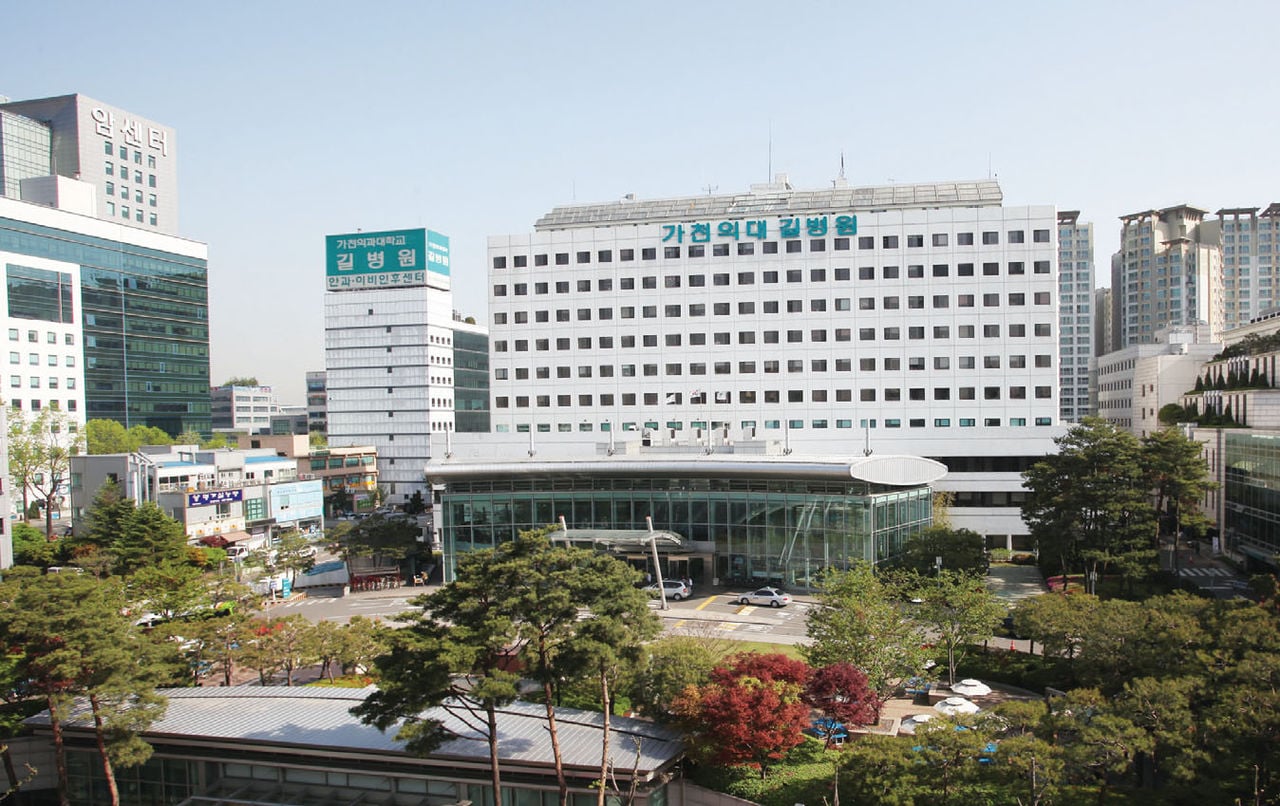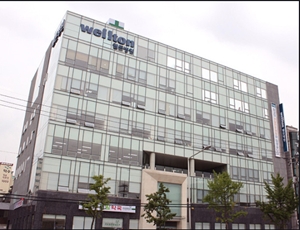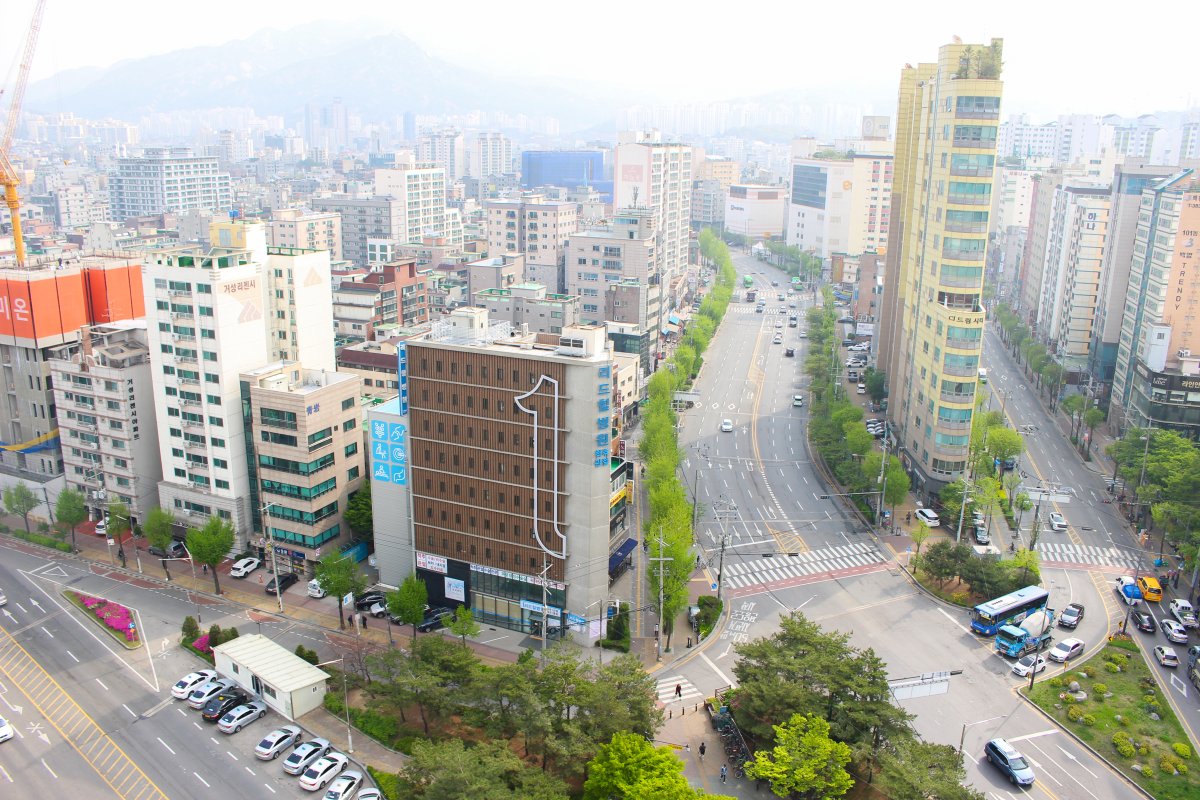
عيادة العمود الفقري والمفاصل Leadheal
كوريا الجنوبية, سول


تمت مراجعة المقالة طبيا من قبل
فهد مولود
| كوريا الجنوبية | تركيا | إسبانيا | |
|---|---|---|---|
| رأبُ الفقرة | من $4,000 | من $4,000 | من $22,400 |
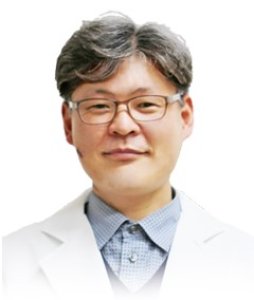
الدكتور يانغ يونغجون جرّاح عظام متخصص في رعاية المفاصل وتنظيرها. يعالج اضطرابات الركبة والكتف، ويُجري الجراحة التنظيرية للمفاصل واستبدال المفاصل (رأب المفصل). كما يعالج الرضوض والحالات المرتبطة بالرياضة، بما في ذلك إصابات الرياضيين، ومشكلات القدم والكاحل، ومتلازمة النفق الرسغي، والكسور.
أكمل برنامج الإقامة في جراحة العظام بالمركز الطبي الكاثوليكي، ثم زمالة في مستشفى سانت بول التابع للمركز نفسه. وهو عضو عامل في جمعية التنظير المفصلي الكورية، وجمعية الركبة الكورية، وجمعية الكتف والمرفق ا
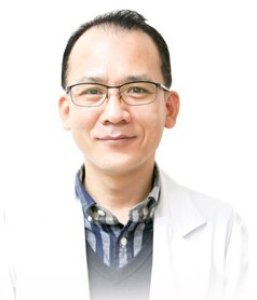
الدكتور لي دونغيوب جرّاح عظام متخصص في تنظير المفاصل واستبدال المفاصل. يجري جراحة تنظير المفاصل (المنظار المفصلي) واستبدال مفصل الركبة الكلي. ويعالج اضطرابات الكتف والإصابات الرياضية وحالات الركبة المزمنة.
المؤهلات: برنامج مشترك MD-PhD بكلية الدراسات العليا للطب في الجامعة الكاثوليكية في كوريا. سنة الامتياز وبرنامج الإقامة في جراحة العظام بالمركز الطبي الكاثوليكي التابع للجامعة الكاثوليكية في كوريا. مُدرّس سريري (زميل) في مستشفى سانت ماري في سيول، الجامعة الكاثوليكية في كوريا.
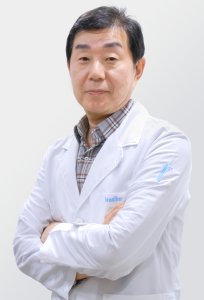
الدكتور جانغ هيو كيم جرّاح عظام يركّز على الحفاظ على المفاصل وإعادة البناء المعقّدة. يختص بمناظير المفاصل للكتف والركبة والكاحل والمرفق والمعصم. يُجري استبدال مفاصل الكتف والركبة والكاحل والمرفق والورك. يشمل عمله في العمود الفقري تثبيت ودمج الفقرات العنقية والقطنية. كما يُجري استئصال القرص، واستئصال الصفيحة الفقرية، وترميم الأعصاب، ورأب الفقرة. وتشمل ممارسته علاج الكسور وإصلاح العضلات والأربطة.
هو أستاذ منتسب في جامعة كيونغ هي، ويشغل منصب مدير مركز المفاصل في مستشفى فيري غود. وشغل سابق
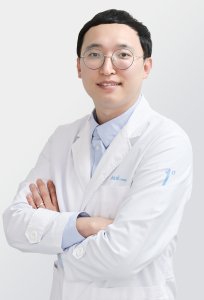
الدكتور وو كيونغ كواك جرّاح عظام يختص بجراحات القدم والكاحل طفيفة التوغل (MICA لعلاج إبهام القدم الأروح). يعالج أيضًا إصابات الرياضيين ويُجري الاستبدال الكلي لمفصل الركبة، إضافةً إلى التنظير المفصلي المتقدّم للكتف والركبة.
حصل على درجتي الطب (MD) والماجستير (MS) من جامعة تشونّام الوطنية، وأكمل زمالة في مستشفى جامعة تشونّام الوطنية. شغل منصب رئيس قسم جراحة العظام في مستشفى القوات المسلحة بدايجون، وكان عضوًا رفيعًا في لجنة التحقيق الطبي بوزارة الدفاع الوطني.
هو عضو عامل في الجمعيا
 Anna Leonova
تشمل أدوية الخط الأول القياسية لهشاشة العظام في كوريا الجنوبية دينوسوماب (Prolia)، والبايسفوسفونات، وروموسوزوماب. يعطي المتخصصون المحليون الأولوية لهذه الأدوية بناءً على خطر الإصابة بالكسور وأهلية السداد. تتضمن معظم البروتوكولات إجراء فحص كثافة العظام DEXA لتأكيد التشخيص قبل البدء في الحقن تحت الجلد أو العلاجات الفموية.
رؤية خبير Bookimed: على الرغم من أن دينوسوماب هو الخيار الأكثر شيوعًا في المراكز الرئيسية في سيول، إلا أن الأطباء مثل الدكتور لي كيونغ هون في مستشفى نا-أون غالبًا ما يجمعون بين هذه الأدوية والتشخيصات المتقدمة. تُظهر البيانات أن عيادات مثل مستشفى ليدهيل تخدم أكثر من 44,000 مريض سنويًا، مع التركيز على خطط مخصصة تدمج الأدوية مع خيارات طفيفة التوغل مثل رأب الفقرات في حالة حدوث كسور.
إجماع المرضى: يلاحظ المرضى أن البايسفوسفونات الفموية تتطلب البقاء في وضع مستقيم بعد الجرعة لتجنب التهيج، لذلك يسأل الكثيرون عن الحقن مثل دينوسوماب لمزيد من الراحة. يُنصح كثيرًا بالتأكد من مستويات فيتامين د والكالسيوم جنبًا إلى جنب مع الدواء الأساسي لضمان امتصاص أفضل للعظام.
يوصي الأطباء الكوريون بفترة توقف عن الدواء (drug holiday) للمرضى الذين يستخدمون البايفوسفونيت لمدة تتراوح بين 3 إلى 5 سنوات. تسمح هذه الاستراحة المخطط لها بإعادة ضبط عملية تجدد العظام مع الحفاظ على حماية الهيكل العظمي. يستخدم الأطباء في مراكز مثل مستشفى سيفيرانس (Severance Hospital) فحوصات كثافة العظام لتحديد ما إذا كان المريض مرشحاً آمناً لذلك.
رؤية خبراء Bookimed: تسمح البنية التحتية للرعاية الصحية الرقمية في كوريا بمراقبة دقيقة للغاية أثناء فترات التوقف عن العلاج. تستخدم عيادات مثل مستشفى جامعة سيول الوطنية في بوندانغ (Seoul National University Bundang Hospital) أنظمة طبية متقدمة لتتبع بيانات العظام على المدى الطويل. تضمن هذه التكنولوجيا حصول المرضى في فترة التوقف عن الدواء على تنبيهات فورية إذا تغير خطر تعرضهم للكسور.
إجماع المرضى: يشير المرضى إلى أن فترة التوقف عن الدواء هي استراحة استراتيجية لتجنب مشاكل نادرة في الفك أو عظمة الفخذ. ويؤكدون أن الفحوصات المنتظمة والاستمرار في تناول فيتامين د يظلان ضروريين أثناء فترة التوقف.
تتوفر حقن تيريباراتيد وروموسوزوماب على نطاق واسع في المراكز الطبية الرائدة في كوريا الجنوبية. وافقت وزارة سلامة الغذاء والدواء (MFDS) على عقار روموسوزوماب في عام 2019. ولا يزال تيريباراتيد علاجاً قياسياً لبناء العظام. توفر عيادات العظام والغدد الصماء المتخصصة في سيول هذه العلاجات بالحقن البنائية.
رؤية خبير Bookimed: على الرغم من إمكانية الوصول إلى هذه الأدوية، يختار بعض المرضى مستشفيات مثل مستشفى Na-Eun أو مستشفى Leadheal لأن مديري العظام لديهم، مثل الدكتور يانغ يونغ جون أو الدكتور لي كيونغ هون، متخصصون تحديداً في إدارة هشاشة العظام. هذه الخبرة حاسمة لأن البيانات العالمية تظهر أن النتائج الناجحة تعتمد على `تسلسل` هذه الأدوية مع علاجات لاحقة مضادة لارتشاف العظام للحفاظ على مكاسب كثافة العظام.
إجماع المرضى: يشير المرضى إلى أنه على الرغم من شيوع هذه الحقن المتقدمة سريرياً، إلا أن التأمين غالباً ما يتطلب تجربة الحبوب التقليدية أولاً. يؤكد الكثيرون أن الرعاية المنسقة من خ
يعمل الطب الكوري التقليدي كعلاج تكميلي داعم لهشاشة العظام في كوريا الجنوبية. وهو يركز على إدارة الألم والدورة الدموية الدقيقة من خلال الوخز بالإبر أو التركيبات العشبية. يجب على المرضى استخدام هذه العلاجات جنبًا إلى جنب مع الرعاية التقليدية مثل البايفوسفونيت ومسح كثافة العظام (DEXA) لضمان بقاء كثافة العظام مستقرة.
رؤية خبير Bookimed: على الرغم من أن الطب التقليدي شائع للعافية، إلا أن المستشفيات الكورية الجنوبية تؤكد على الرعاية المتكاملة. تجري المراكز الرائدة مثل مركز أسون الطبي ومستشفى سيفيرانس آلاف الإجراءات العظمية سنويًا. يقدم متخصصون ذوو خبرة عالية، مثل الدكتور يانغ يونغ جون في مستشفى نا-أون، نهجًا متوازنًا من خلال الجمع بين تثبيت هشاشة العظام ورعاية الإصابات المتقدمة عند الضرورة. يضمن هذا الحجم الكبير من الحالات المتخصصة أن الإضافات التقليدية لا تضر بالنتائج الطبية القائمة على الأدلة.
إجماع المرضى: يشير المرضى إلى أن العلاجات التقليدية ممتازة لتخفيف التيبس، لكنهم يحذرون من استخدام الأعشاب دون التحقق من التفاعلات الدوائية. يؤكد معظمهم أن الراحة الجسد
يمكن للسياح الدوليين الوصول إلى رعاية متقدمة لهشاشة العظام في كوريا الجنوبية من خلال مراكز متخصصة في تقويم العظام والغدد الصماء. توفر مرافق مثل مستشفى جامعة سيول الوطنية بوندانغ فحوصات كثافة العظام (DEXA) والتدخلات الجراحية بما في ذلك رأب الفقرات. تقدم معظم المراكز تقارير تشخيصية باللغة الإنجليزية لضمان استمرارية الرعاية في الخارج.
رؤية خبير Bookimed: بينما يبحث الكثيرون عن الأدوية، تتفوق كوريا الجنوبية في التثبيت الجراحي للأضرار المرتبطة بهشاشة العظام. يعالج مستشفى ليدهيل وحده أكثر من 44,000 مريض سنوياً باستخدام جراحة العمود الفقري طفيفة التوغل. يجب على المرضى اختيار مراكز حاصلة على اعتماد JCI أو KOIHA لضمان الحصول على تعليمات متابعة موثقة لأطبائهم المحليين.
إجماع المرضى: يؤكد المرضى على أهمية إحضار فحوصات DEXA السابقة وسجلات الأدوية لتجنب الاختبارات المتكررة. من المهم التأكد مما إذا كانت العيادة توفر تعليمات باللغة الإنجليزية لرعاية ما بعد السفر.
يجب على المرضى الأجانب تقديم جواز سفر مادي ساري المفعول ونتائج فحص كثافة العظام DXA الحديثة مع درجات T و Z. تتطلب المستشفيات الكورية التصوير الأصلي بتنسيق DICOM على قرص مضغوط أو USB. يجب أن تكون جميع الملخصات الطبية باللغة الإنجليزية أو الكورية لتجنب تكرار الاختبارات التشخيصية.
رؤية خبير Bookimed: في حين تتعامل المستشفيات العامة مثل مركز أسون الطبي مع 2.7 مليون مريض خارجي سنويًا، تقدم المراكز المتخصصة الأصغر مثل مستشفى ليدهيل خططًا مخصصة للغاية لرأب الفقرات. إذا كنت قد تعرضت لكسر هشاشة، فإن اختيار مركز مفاصل متخصص قد يقلل من أوقات الانتظار للتدخل. يتخصص أطباء مثل الدكتور لي كيونغ هون في مستشفى نا-أون بشكل خاص في تشخيص وعلاج هشاشة العظام المشترك، مما يضمن استشارة أكثر تركيزًا من وحدة العظام العامة.
إجماع المرضى: يشير المرضى إلى أنه من الضروري إحضار ملفات التصوير الرقمي الأصلية بدلاً من التقارير المطبوعة فقط. يضمن الحصول على ملخص مترجم أن تسير الزيارة بسلاسة دون أ