هشاشة العظام العلاج في بولندا - التكاليف 2026


تمت مراجعة المقالة طبيا من قبل
فهد مولود
ما هي تكلفة هشاشة العظام إجراءات التشخيص والعلاج في بولندا؟ اعرف الآن
من $85
تكاليف علاج هشاشة العظام النموذجية في بولندا
- استشارة طبيب عظام: من $85
- استشارة طبيب أعصاب: من $100
- تحليل دم موسع: من $650
- تحليل دم للملف الهرموني: من $55
- رأب الفقرات: من $3,000
رؤية خبراء Bookimed: يجب على المرضى الذين يحتاجون إلى إعادة تأهيل متخصصة للعظام التفكير في مستشفى العائلة المقدسة التخصصي في جيشوف. تم تصنيف هذه المنشأة كأفضل مركز لتقويم العظام من قبل مرضى Bookimed في عام 2019. بالنسبة للحالات المعقدة التي تتطلب خبرة جراحية عالية المستوى، يدير المستشفى الجامعي في كراكوف أكثر من 450,000 مريض سنوياً. توفر العيادات الموجودة في وارسو مثل مستشفى كارولينا إمكانية الوصول إلى متخصصين ذوي تدريب دولي واسع في إصابات الجهاز العضلي الهيكلي.
| بولندا | تركيا | إسبانيا | |
|---|---|---|---|
| رأبُ الفقرة | من $3,000 | من $3,800 | من $22,500 |
مزاياك وضماناتك مع Bookimed
أسعار مباشرة
Bookimed لا يضيف رسوماً إضافية على أسعار علاج هشاشة العظام. الأسعار مأخوذة من قوائم الأسعار الرسمية للعيادات. تدفع مباشرة في العيادة مقابل علاجك عند وصولك إلى البلد.
عيادات وأطباء معتمدون فقط
Bookimed ملتزم بسلامتك. نحن نعمل فقط مع المؤسسات الطبية التي تحافظ على معايير دولية عالية في علاج هشاشة العظام ولديها التراخيص اللازمة لخدمة المرضى الدوليين في جميع أنحاء العالم.
مساعدة مجانية على مدار الساعة
Bookimed يقدم مساعدة خبراء مجانية. منسق طبي شخصي يدعمك قبل وأثناء وبعد العلاج، ويحل أي مشاكل. لن تكون وحيداً أبداً في رحلة علاج هشاشة العظام.

منسقك الطبي الشخصي في Bookimed
- يدعمك في كل مرحلة
- المساعدة في اختيار العيادة الطبية المناسبة والطبيب المناسب
- يضمن الوصول السريع والمريح إلى المعلومات
اكتشف أفضل هشاشة العظام العيادات في بولندا: 11 خيارات معتمدة والأسعار


University Hospital in Krakow

Health Clinic “Pod Tezniami”

Medical Centre ENEL-MED

John Paul II Western Hospital
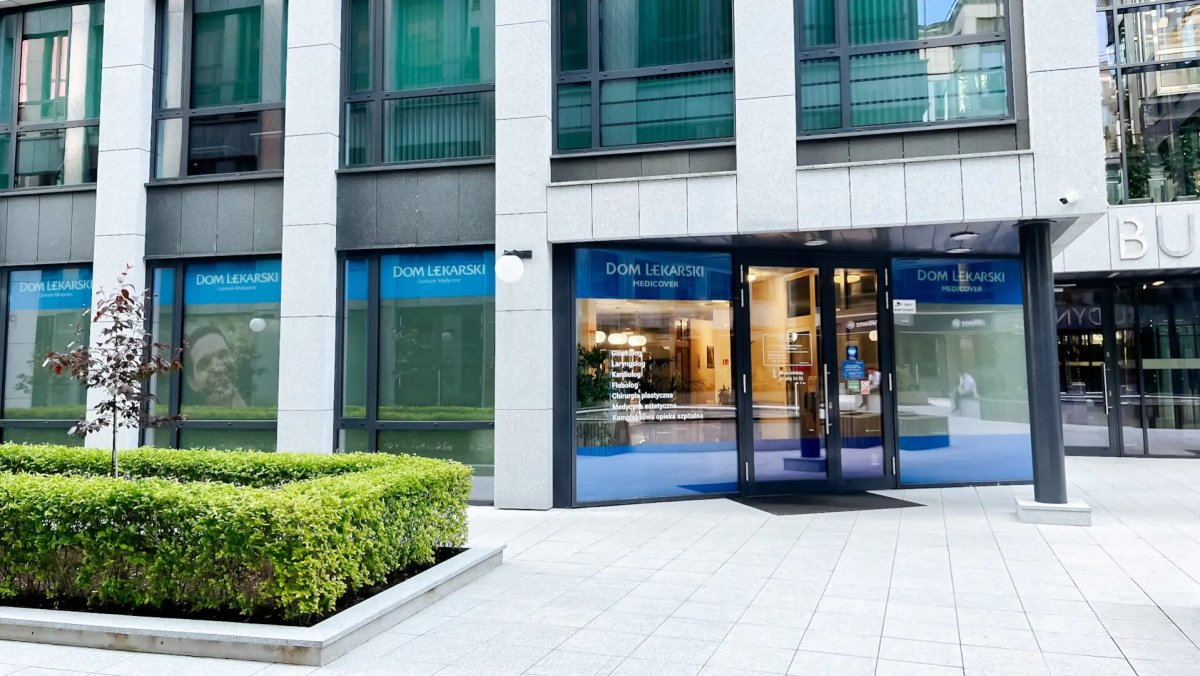


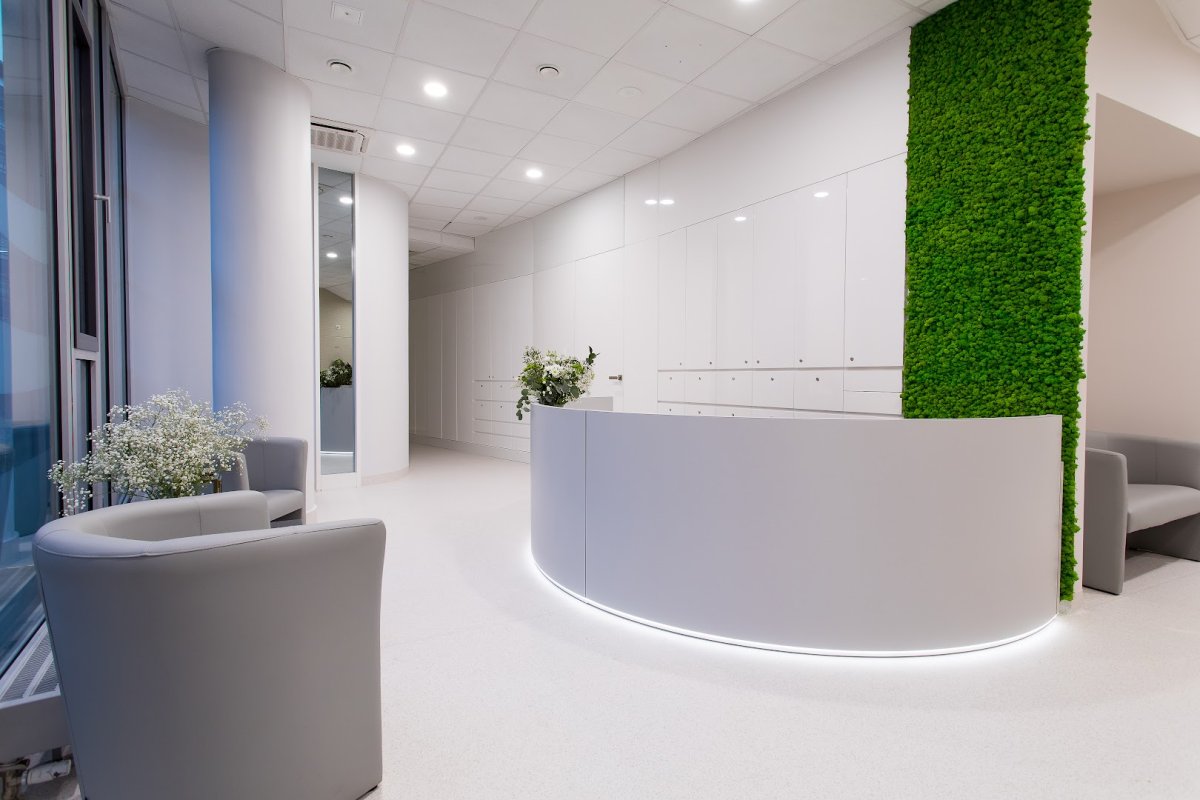
Medi Horizon Clinic
Rmed Kopernika
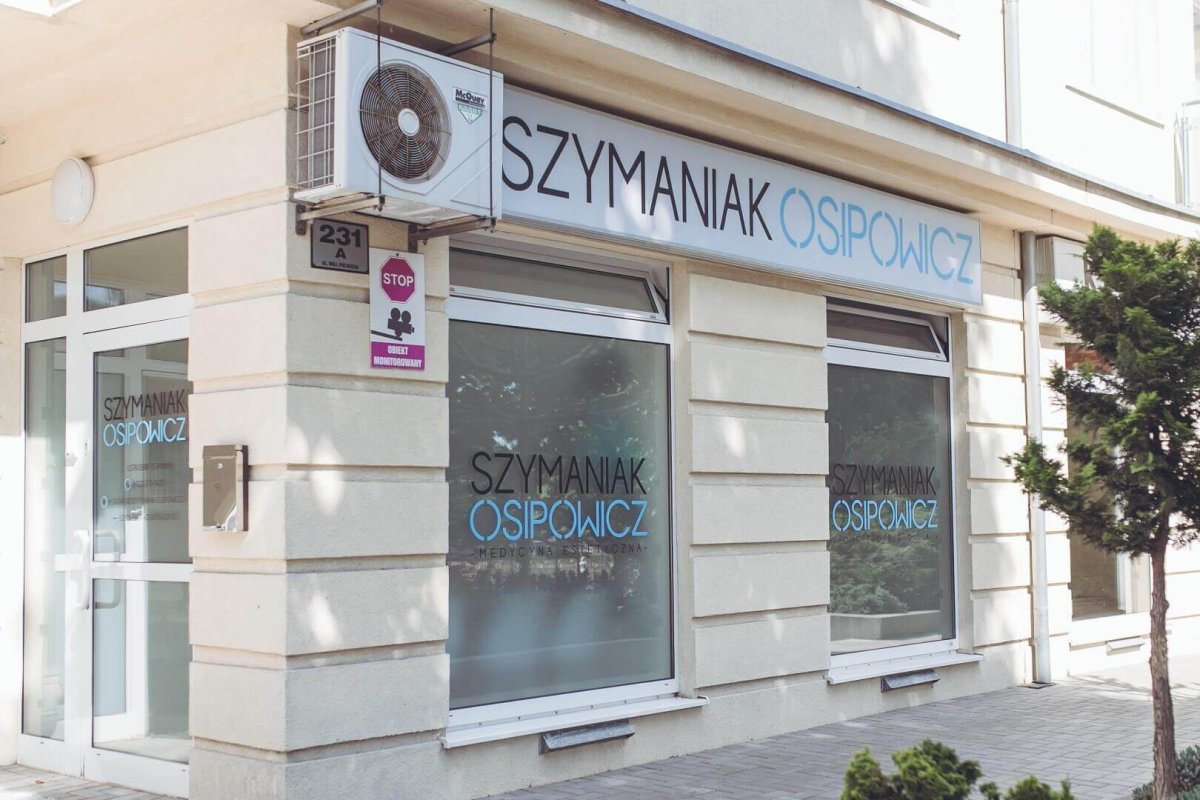
Klinika Szymaniak‑Osipowicz
احصلوا على تقييم طبي لـ هشاشة العظام في بولندا: استشيروا أطباء ذوي خبرة الآن
عرض جميع الأطباء
Piotr Dudek
يتخصص الدكتور بيوتر دوديك في استبدال مفصل الركبة والورك، ويتمتع بخبرة واسعة في الإجراءات الترميمية والتهابات ما حول المفصل الاصطناعي.
- مساعد أول في عيادة جراحة العظام وروماتيزم العظام منذ عام 2015
- باحث مساعد في المركز الطبي للتعليم العالي في وارسو
- اكتسب خبرة من خلال فترات تدريب في فنلندا وهولندا وألمانيا وإيطاليا وبريطانيا العظمى
- مؤلف ومشارك في تأليف العديد من المنشورات

Przemyslaw Krakowski
متخصص في جراحة العظام والجهاز العضلي الهيكلي والإصابات، مع التركيز على الإصابات الرياضية. يعمل بشكل وثيق مع الرياضيين الشباب ولاعبي كرة القدم المحترفين.
- 17 سنة من الخبرة في مراكز تدريب الرياضيين الشباب
- أكمل تدريباً متقدماً في جراحة الإصابات في غراتس، النمسا
- نشط في البحث العلمي للأجهزة الطبية المبتكرة
- مدرب تزلج مؤهل ومنقذ WOPR

Piotr Zaorski
متخصص في خلل الجهاز العضلي الهيكلي، خاصة لدى الرياضيين وحالات الأطفال. يعمل في مركز كارولينا الطبي في وارسو وعيادة جراحة اليد في وودج.
- أكثر من عقد من الممارسة المستمرة في مركز كارولينا الطبي
- مساعد أول في عيادة جراحة اليد منذ عام 2017
- يعالج الرياضيين المحترفين ومرضى الأطفال من سن 3 سنوات
- مشارك منتظم في المؤتمرات والتدريبات الدولية
مشاركة المحتوى
قصص فيديو من مرضى Bookimed
 Anna Leonova
أسئلة متكررة حول علاج هشاشة العظام في بولندا
كيف تشخص العيادات البولندية هشاشة العظام؟
تشخص العيادات البولندية هشاشة العظام باستخدام عملية موحدة من مرحلتين. يستخدم المتخصصون أدوات تقييم المخاطر FRAX-PL وقياس امتصاص الأشعة السينية ثنائي الطاقة (DXA) للحصول على نتائج نهائية. تتبع بروتوكولات التشخيص إرشادات المنتدى الوطني متعدد التخصصات لهشاشة العظام. وهذا يضمن قياسًا دقيقًا لكثافة المعادن في العظام (BMD) وفقًا للمعايير الدولية.
- فحص المخاطر: يستخدم الأطباء حاسبة FRAX-PL لتقدير احتمالية حدوث كسر خلال 10 سنوات.
- تصوير قياس كثافة العظام: تستهدف فحوصات DXA العمود الفقري القطني أو الورك لتحديد درجات T-scores.
- الفحوصات المخبرية: يخضع المرضى لملفات تعريف هرمونية واختبارات دم لعلامات تجدد العظام.
- استشارة المتخصصين: يؤكد أطباء الروماتيزم أو العظام التشخيصات بعد كسور الهشاشة منخفضة الطاقة.
رؤية خبير Bookimed: في حين تتعامل المراكز الكبيرة متعددة التخصصات مثل المستشفى الجامعي في كراكوف مع أحجام هائلة تزيد عن 450,000 مريض، غالبًا ما توفر المرافق المتخصصة الأصغر وصولاً أسرع إلى فحوصات DXA. إذا تجاوزت أوقات الانتظار العامة 4 أسابيع، فإن اختيار المراكز الخاصة في مدن مثل وارسو أو كراكوف يضمن تحديد تقرير درجة T-score ومستوى فيتامين د الأساسي بسرعة. وهذا يمنع التأخير في التشخيص الذي قد يؤدي إلى فقدان كثافة العظام دون علاج.
إجماع المرضى: يؤكد المرضى على أهمية طلب مستويات فيتامين د وتقرير مطبوع لدرجة T-score خلال الزيارة الأولى. ويشيرون إلى أن العيادات الخاصة غالبًا ما توفر وصولاً أسرع بكثير إلى التصوير مقارنة بالأنظمة ال
ما هي التخصصات الطبية التي تدير رعاية هشاشة العظام في بولندا؟
في بولندا، تُدار رعاية هشاشة العظام من قبل فريق متعدد التخصصات يضم أطباء الروماتيزم، وأطباء الغدد الصماء، وأطباء العظام. يقدم هؤلاء المتخصصون تشخيصات مسح كثافة العظام (DEXA) والعلاجات الدوائية. عادةً ما يقوم أطباء الرعاية الأولية بتنسيق الفحوصات الأولية والإحالات إلى عيادات أمراض العظام الأيضية المتخصصة للإدارة طويلة الأمد.
- أطباء الروماتيزم: يدير هؤلاء المتخصصون أمراض العظام الجهازية ويصفون العلاجات الدوائية طويلة الأمد.
- أطباء الغدد الصماء: يعالجون فقدان العظام المرتبط بالاختلالات الهرمونية، أو انقطاع الطمث، أو الاضطرابات الأيضية.
- أطباء العظام: يتعامل الجراحون مع تثبيت الكسور من خلال إجراءات مثل رأب الفقرات أو إعادة بناء المفاصل.
- أطباء الشيخوخة: ينسق هؤلاء الأطباء الرعاية والأدوية للمرضى المسنين الذين يعانون من الهشاشة المرتبطة بالعمر.
رؤية خبير Bookimed: تعد بولندا مركزاً ذا حجم كبير لرعاية العظام، حيث تحتل المرتبة الثامنة عالمياً على Bookimed. تخدم المراكز الكبرى مثل مستشفى الجامعة في كراكوف أكثر من 450,000 مريض سنوياً. بالنسبة لهشاشة العظام، يجب على المرضى البحث عن مستشفيات متعددة التخصصات بدلاً من العيادات الفردية. غالباً ما تضم المؤسسات الكبيرة عيادات متخصصة لأمراض العظام الأيضية (Poradnia Chorób Metabolicznych) تحت سقف واحد.
إجماع المرضى: يلاحظ المرضى أن الرعاية قد تبدو مجزأة بين مختلف المتخصصين. يوصون بإحضار جميع الفحوصات ونتائج المختبر السابقة إلى المواعيد لضمان استمرارية أفضل للعلاج.
ما هي العلاجات الدوائية المتاحة في بولندا؟
تشمل العلاجات الدوائية لهشاشة العظام في بولندا البايفوسفونيت والعلاجات البيولوجية مثل دينوسوماب. تتبع الوصفات الطبية القياسية لوائح السلامة الخاصة بالاتحاد الأوروبي. يعتمد الوصول إلى العلاج على عوامل سريرية. وتشمل هذه العوامل درجات كثافة العظام وتاريخ الكسور السابق. يجد المرضى الأدوية في الصيدليات المجتمعية في جميع أنحاء البلاد.
- أدوية الخط الأول: تظل البايفوسفونيت الفموية مثل أليندرونات هي العلاج الأولي القياسي.
- خيارات التسريب: حمض زوليدرونيك متاح لأولئك الذين يحتاجون إلى جرعات وريدية سنوية.
- العوامل البيولوجية: تعالج حقن دينوسوماب التي تُعطى مرتين سنويًا المرضى الذين يحتاجون إلى صيانة العظام على المدى الطويل.
- العلاج البنائي: تيريباراتيد مخصص للحالات الشديدة ذات مخاطر الكسور العالية.
رؤية خبير Bookimed: تخدم بولندا أكثر من 450,000 مريض سنويًا في مرافق مثل المستشفى الجامعي في كراكوف. تشير البيانات إلى أن سرعة التشخيص هي ميزة رئيسية. غالبًا ما يتم إجراء فحوصات كثافة العظام المتقدمة وملفات تعريف الهرمونات في الدم على الفور. يدمج المتخصصون في عيادات مثل مستشفى العائلة المقدسة التخصصي العالي هذه الفحوصات مع استشارات تقويم العظام لتسريع بدء العلاج.
إجماع المرضى: يلاحظ المرضى ويقدرون راحة الحقن مرتين سنويًا مقارنة بتناول الحبوب الأسبوعية. ويؤكدون أن المتخصصين يعطون الأولوية لخطط صحة العظام طويلة الأمد على مجرد استخدام المكملات الغذائية.
هل تدرج العيادات البولندية إعادة التأهيل في خطط صحة العظام الخاصة بها؟
تدمج خطط صحة العظام البولندية بشكل منهجي إعادة التأهيل في مسارات العلاج العظمي من خلال فرق متعددة التخصصات متخصصة. تركز العيادات على استمرارية الرعاية. فهي تجمع بين التدخلات الجراحية والعلاج الطبيعي، والحركي، والتدريب الروبوتي على المشي. تبدأ معظم المرافق العلاج الحركي في غضون 48 ساعة للحفاظ على حركة الهيكل العظمي.
- تكامل العلاج: ينسق الجراحون وأخصائيو العلاج الطبيعي خطط تحميل العظام منذ اليوم الأول.
- معدات متطورة: تستخدم المرافق أجهزة تدريب روبوتية مثل Lokomat للتعافي العضلي الهيكلي الآمن.
- هيكل العلاج: تؤكد البرامج على العلاج الحركي لزيادة كثافة العظام ووظيفتها على المدى الطويل.
- مراكز متخصصة: توفر المنتجعات الطبية المخصصة في أوسترون مسارات تعافي مكثفة بعد الجراحة.
رؤية خبير Bookimed: على الرغم من أن العديد من المراكز تُصنف كمستشفيات، إلا أن أكثر نتائج هشاشة العظام فعالية تأتي غالبًا من العيادات البولندية المصنفة كمنتجعات صحية أو منتجعات طبية. على سبيل المثال، توفر عيادة Pod Tezniami الصحية في تشيخوتسينيك أكثر من 35 عامًا من الخبرة في التجديد. توفر هذه المرافق المتخصصة إقامات سكنية تركز على الحركة الوظيفية اليومية أكثر مما يمكن أن توفره بيئة المستشفى التقليدية.
إجماع المرضى: يشير المرضى إلى أن إعادة التأهيل من المرجح أن يتم تضمينها تلقائيًا بعد كسر أو جراحة. بالنسبة للإدارة الروتينية، يوصي المرضى بطلب تدريب التوازن والتدريب على الوقاية من السقوط بشكل خاص لضمان السلامة على المدى الطويل.
ما مدى جودة جراحة الأعصاب في بولندا؟
تُقدم جراحة الأعصاب في بولندا رعاية عالية الجودة في مرافق معتمدة من قبل اللجنة الدولية المشتركة (JCI) والمنظمة الدولية للمعايير (ISO). يلتزم جراحو الأعصاب البولنديون بمعايير تدريب صارمة معتمدة من قبل الاتحاد الأوروبي. وقد أكمل العديد منهم زمالات في الولايات المتحدة أو ألمانيا. وتتوفر التقنيات المتقدمة، مثل جهاز سايبر نايف وجهاز جاما نايف والأنظمة الروبوتية، على نطاق واسع في المراكز الخاصة.
- المؤهلات التخصصية: غالباً ما يكون الأطباء أعضاء في الرابطة الأوروبية لجمعيات جراحة الأعصاب.
- التقنيات المتقدمة: تستخدم العيادات أنظمة CyberKnife والموجات فوق الصوتية المركزة الموجهة بالرنين المغناطيسي لعلاج الدماغ غير الجراحي.
- الحجم السريري: تعالج المراكز الرائدة مثل مستشفى الجامعة في كراكوف أكثر من 455000 مريض سنوياً.
- جراحون ذوو خبرة: أجرى الدكتور ماسيج بوجكو من مستشفى كارولينا أكثر من 2500 عملية جراحية بمفرده.
رأي خبراء بوكيمد: تُظهر البيانات وجود علاقة وثيقة بين تخصص العيادة وأصول مرضاها. تعالج عيادة KCM أكثر من 700 مريض دولي سنويًا، وهي متخصصة في جراحة العمود الفقري طفيفة التوغل. يُمكّنها هذا الحجم من العمل من تقديم باقات خدمات متخصصة، تشمل غالبًا حواجز تشخيصية وزرعات محددة،
ما هي مؤهلات جراحي الأعصاب البولنديين؟
يُعدّ جراحو الأعصاب البولنديون متخصصين ذوي كفاءة عالية، إذ أتموا ما لا يقل عن 13 عامًا من التدريب الطبي المكثف. يشمل ذلك ست سنوات من الدراسة في كلية الطب، و13 شهرًا من التدريب العملي، وست سنوات من الإقامة. ويجب عليهم اجتياز امتحان التخصص الحكومي (PES)، وغالبًا ما يحصلون على شهادة من الجمعية الأوروبية لجمعيات جراحة الأعصاب (EANS).
- التعليم: يتلقى الأطباء تعليمهم الطبي (الطب) بعد 6 سنوات من الدراسة في الجامعة.
- التخصص: تشمل الإقامة 6 سنوات من التدريب المعياري في جراحة الأعصاب السريرية وعلم الأشعة العصبية.
- حجم العمليات الجراحية: غالبًا ما يقوم الأطباء المقيمون بإجراء أكثر من 1000 عملية جراحية، وهو ما يتجاوز متوسط حجم التدريب في المناطق الأخرى.
- الشهادات: العديد من المتخصصين أعضاء في منظمة AO Spine أو الجمعية البولندية لجراحة العمود الفقري.
رأي خبراء بوكيميد: تشير البيانات إلى أن جراحي الأعصاب البولنديين غالبًا ما يتخصصون في تقنيات بالغة التخصص، مثل نظام ApiFix أو نظام SED-YESS لتنظير الفقرات القطنية. ويجمع أخصائيون مثل الدكتور ستانيسواف كويك من عيادة KCM بين أبحاث ما بعد الدكتوراه والممارسة الجراحية النشطة. هذا المزيج من المعرفة الأكاديمية المتعمقة والخبرة الجراحية الوا
ما هي أفضل عيادات جراحة الأعصاب في بولندا؟
من بين أفضل عيادات جراحة الأعصاب في بولندا مستشفى كارولينا، وعيادة KCM، ومراكز أكاديمية رائدة مثل مستشفى جامعة كراكوف. تقدم هذه المؤسسات علاجات متطورة لأمراض العمود الفقري والدماغ، مطابقة لمعايير الجودة ISO، وتضم أخصائيين أعضاء في منظمات دولية مثل AO Spine.
- مستشفى كارولينا: مركز التميز الطبي التابع للفيفا، والمتخصص في جراحات العمود الفقري المعقدة ذات التدخل الجراحي المحدود.
- عيادة KCM: معترف بها دوليًا لجودة إجراءات تنظير العمود الفقري، وتخدم أكثر من 700 مريض دولي سنويًا.
- مستشفى جامعة كراكوف: مركز متعدد التخصصات كبير يقوم بإجراء أكثر من 800 عملية جراحية عصبية سنوياً منذ عام 1788.
- لوكسميد: مركز طبي خاص مرموق في وارسو متخصص في جراحة العمود الفقري المتقدمة للمرضى الدوليين.
رأي خبراء بوكيمد: بينما يتجه الكثيرون إلى أكبر المستشفيات، تُظهر البيانات أن عيادات مثل مستشفى كارولينا تُقدم كفاءة أعلى في العمليات الجراحية الاختيارية. فمع وجود أكثر من 40 طبيباً متخصصاً في هذه المنشأة التي تضم 30 سريراً، تكون نسبة الأطباء إلى المرضى أعلى بكثير مما هي عليه في المراكز الجامعية الحكومية. وهذا يعني رعاية ما بعد الجراحة أكثر عناية، وجدولة أسرع بكثير لإجراءات مثل علاج الانزلاق الغضروفي
ما هي أكثر العمليات الجراحية العصبية شيوعاً في بولندا؟
في بولندا، يركز طب جراحة الأعصاب بشكل أساسي على جراحات العمود الفقري واستئصال أورام الدماغ. وتُجري المستشفيات بشكل متكرر عمليات استئصال القرص المجهرية، ودمج الفقرات، وتحفيز الدماغ العميق. وتستخدم مراكز مثل مستشفى كارولينا وعيادة كي سي إم تقنيات طفيفة التوغل لعلاج الانزلاق الغضروفي، وإصابات العمود الفقري، والاضطرابات العصبية المعقدة.
- جراحة العمود الفقري: يعتبر استئصال القرص واستئصال الصفيحة الفقرية من العلاجات الشائعة لانزلاق القرص.
- علم الأورام العصبية: يقوم الأخصائيون بإجراء عمليات جراحية لإزالة أورام الدماغ باستخدام معدات حديثة مثل تقنية سايبر نايف.
- جراحة الأعصاب الوظيفية: يستخدم التحفيز العميق للدماغ (DBS) على نطاق واسع لعلاج اضطرابات الحركة.
- التقنيات طفيفة التوغل: يستخدم الجراحون تقنيات التنظير الداخلي لتخفيف الضغط عن العمود الفقري وعلاج أورام الغدة النخامية.
رأي خبراء بوكيميد: أصبحت بولندا مركزًا متخصصًا في تثبيت العمود الفقري. تتعاون عيادات مثل مستشفى كارولينا مع الفرق الرياضية الوطنية، مما يعكس خبرتها العالية في علاج إصابات العمود الفقري المعقدة. تُظهر بياناتنا أن هذه المؤسسات غالبًا ما تُدمج إعادة التأهيل مباشرةً في العلاج الجراحي. هذا الدمج يقلل من خطر الم
هل تتوفر خدمات إعادة التأهيل العصبي؟
تتوفر خدمات إعادة التأهيل العصبي على نطاق واسع في بولندا من خلال مراكز متخصصة ومستشفيات متعددة التخصصات. وتشمل هذه البرامج التعافي بعد السكتة الدماغية، وإصابات الحبل الشوكي، والأمراض التنكسية. وتقدم مؤسسات مثل مستشفى كارولينا في وارسو وعيادة KCM علاجًا تحت إشراف طبي. وتتضمن معظم برامج جراحة الأعصاب تقييمًا أوليًا لإعادة التأهيل بعد العملية.
- العلاجات المتاحة: تشمل البرامج العلاج الطبيعي العصبي، والعلاج الوظيفي، وعلاج النطق.
- المؤسسات الرائدة: يقدم مستشفى كارولينا والمركز الطبي ENEL-MED في وارسو خدمات إعادة التأهيل.
- طاقم مؤهل: يعمل أخصائيو العلاج الطبيعي العصبي المتخصصون مع جراحي الأعصاب لوضع خطط علاج فردية.
- النطاق: تهدف إعادة التأهيل إلى استعادة الحركة والتوازن والوظائف الإدراكية بعد التدخلات الجراحية المعقدة.
رأي خبراء بوكيمد: تشير البيانات إلى أن العيادات التي تستقبل أعدادًا كبيرة من المرضى الدوليين، مثل عيادة KCM، غالبًا ما تُدرج إعادة التأهيل الأساسية ضمن برامجها الجراحية. تُعد هذه ميزة هامة، إذ قد يكون تنسيق إعادة التأهيل العصبي بشكل مستقل في بولندا أمرًا صعبًا. يضمن اختيار عيادة تضم أخصائي إعادة تأهيل متواجدًا فيها بدء التعافي في غضون 24 ساعة بعد الجراحة، وهو
من هم أفضل جراحي الأعصاب في بولندا؟
من أبرز جراحي الأعصاب البولنديين الدكتور يوري كسينيوك والدكتور ماتشي بويكو من مستشفى كارولينسكا في وارسو. يتخصص هذان الطبيبان في جراحة العمود الفقري طفيفة التوغل وتقنيات التنظير الداخلي. وهما حاصلان على شهادات دولية وعضوان في الجمعية البولندية لجراحة العمود الفقري ومنظمة يوروسباين.
- الدكتور يوري كسينيوك: خبير في جراحة العمود الفقري بالمنظار في مستشفى كارولينا. حائز على جائزة مسابقة فيكسيم الدولية مرتين.
- الدكتور ماتشي بوجكو: مدرب دولي في مجال التنظير الداخلي في مستشفى كارولينا. وقد أجرى أكثر من 2500 عملية جراحية، بما في ذلك استئصال أورام الدماغ.
- الأستاذ ستانيسلاف كفيك: أخصائي في عيادة KCM. يتمتع بخبرة تزيد عن 30 عامًا في مجال تخفيف الضغط بالليزر الحديث.
- الدكتور رادوسلاف ميشاليك: أخصائي في زراعة الأقراص الاصطناعية وأورام العمود الفقري في مستشفى كارولينا.
رأي خبراء بوكيمد: تُظهر البيانات وجود تركيز عالٍ من الأخصائيين ذوي الكفاءة العالية في وارسو. فمستشفى كارولينا وحده يوظف أكثر من 40 أخصائيًا حاصلين على شهادات مزدوجة في جراحة الأعصاب وجراحة العظام. هذا النهج متعدد التخصصات نادر، ويتيح علاجًا أكثر دقة للحالات المعقدة التي تشمل الأعصاب والعظام معًا.