علاج كسر الورك في إسبانيا: 9 مستشفيات


تمت مراجعة المقالة طبيا من قبل
فهد مولود
كيف نعمل؟
ما هي تكلفة كسر الورك إجراءات التشخيص والعلاج في إسبانيا؟ اعرف الآن
| تركيا | إسبانيا | ألمانيا | |
|---|---|---|---|
| مراجعة تقويم مفصل الورك | من $10,000 | ≈ $13,500 | ≈ $17,500 |
اكتشف أفضل كسر الورك العيادات في إسبانيا: 9 خيارات معتمدة والأسعار









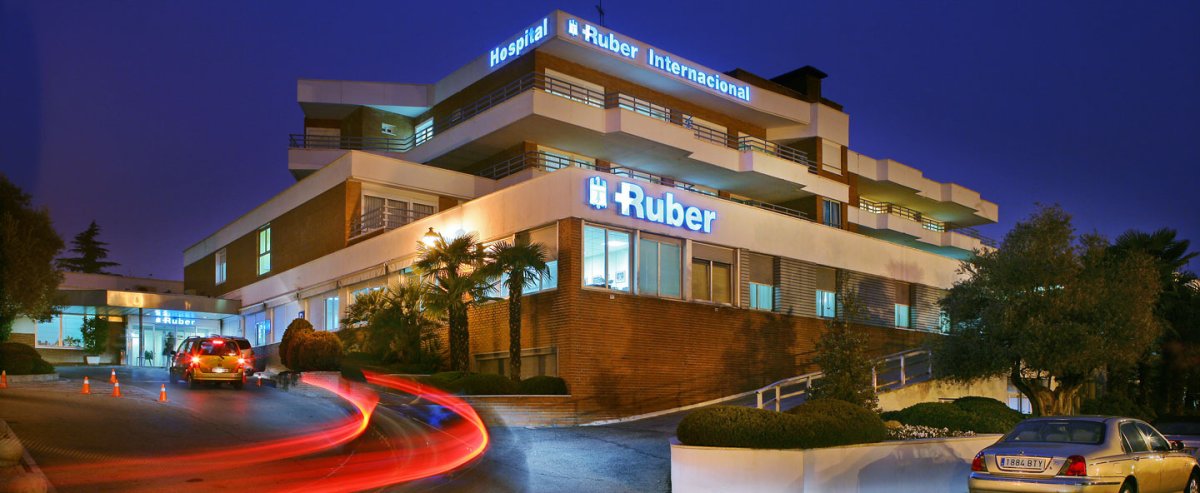


SJD Barcelona Children’s Hospital







احصل على تقييم طبي لـ في إسبانيا. استشر الآن 9 أطباء ذوي الخبرة.
عرض جميع الأطباء
Evgeniy Blum
أسس مجال "سوماتوديناميكس" (SOMATODYNAMICS) - وهو نهج رائد في علاج الجهاز العضلي الهيكلي. يجمع يفغيني بلوم بين العلم وإعادة التأهيل في مركز الميكانيكا الحيوية الخاص به.
- مخترع مكرم حاصل على 62 براءة اختراع دولية في العلاجات الطبية
- يرأس قسم إعادة التأهيل السريري في جامعة الصداقة بين الشعوب في روسيا
- درب أكثر من 5800 أخصائي طبي في مجال إعادة التأهيل المتقدم
- أسس معهد أبحاث إعادة التأهيل السريري في عام 1990

Francisco Aranda Murillo
يتخصص الدكتور أراندا في أمراض الورك في مستشفى كيرونسالود ماربيا، ويتمتع بخبرة واسعة اكتسبها من دورة الألعاب الأولمبية عام 1992 والبطولات العالمية.
- متخصص في جراحة العظام والكسور في معهد ديكسيوس
- عضو الجمعية الإسبانية لجراحة الورك (Secca)
- يركز على أمراض الورك والقدم
- أخصائي جراحة العظام في Sociedad Sportclinic Marbella
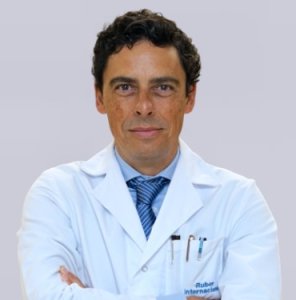
Pablo De La Cuadra
الدكتور بابلو دي لا كوادره (Pablo Cuadra de la Virgili) جرّاح عظام واختصاصي طب الرضوح في مدريد. يختص بإصابات الرياضيين وجراحة الكتف في Hospital Ruber Internacional، حيث يعمل منذ عام 1999. لديه خبرة تفوق 25 عامًا. يقود وحدة متعددة التخصصات ويرأس فريقًا متخصصًا في طب الرضوح. يُعد خبيرًا معترفًا به في اضطرابات الكتف المعقدة. يستخدم تقنيات تنظير مفصلي وترميم متقدمة لعلاج عدم الاستقرار وإصابات الكفة المدورة.
المؤهلات: دكتور في الطب (1993) ودكتوراه في الطب (2001) من جامعة مدريد المستقلة. اخت

Inmaculada Gómez Arrayás
تُعد الدكتورة إنماكولادا غوميز أراياس واحدة من أفضل 100 طبيب في إسبانيا وفقاً لمجلة فوربس. تشغل منصب رئيس قسم جراحة العظام في مستشفى روبر الدولي في مدريد. تُعتبر الدكتورة أراياس رائدة في استخدام أنظمة الملاحة لإجراء جراحات دقيقة لاستبدال المفاصل. وهي متخصصة في الإجراءات طفيفة التوغل للورك والركبة وبروتوكولات التعافي السريع.
- حاصلة على شهادة ISO 9001 للجودة في جراحات استبدال الورك والركبة.
- تُجري عمليات تنظير الركبة والورك بالإضافة إلى عمليات إعادة بناء المفاصل المعقدة والمراج
مشاركة المحتوى
قصص فيديو من مرضى Bookimed
 Anna Leonova
أسئلة متكررة حول علاج كسر الورك في إسبانيا
ما مدى سرعة إجراء جراحة كسر الورك في إسبانيا؟
تتم جراحة كسر الورك في إسبانيا عادةً في غضون 30 إلى 58 ساعة من دخول المستشفى. على الرغم من أن الإجراء نفسه يستغرق من ساعة إلى ساعتين فقط، إلا أن التحضير الإداري يسبب معظم أوقات الانتظار. حاليًا، يصل حوالي 50% من المرضى إلى غرفة العمليات خلال الإطار الزمني الموصى به وهو 48 ساعة.
- الاختلاف الإقليمي: تبلغ أراغون وجزر البليار عن أسرع جداول زمنية للجراحة في إسبانيا.
- المعيار السريري: تهدف الفرق المتخصصة إلى إجراء العملية في غضون 24-48 ساعة لمنع عدم الحركة.
- التأخيرات الطبية: غالبًا ما يسبق الجراحة استقرار ضروري لحالات القلب أو الرئة.
- مدة الجراحة: يتطلب الإصلاح العظمي النشط عادةً من 60 إلى 120 دقيقة فقط.
رؤية خبير Bookimed: يوفر القطاع الخاص في إسبانيا ميزة سرعة كبيرة للتعافي من الكسور المعقدة. تستخدم الدكتورة إنماكولادا غوميز أراياس في مستشفى روبر الدولي بروتوكولات ERAS للتعافي السريع. في حين تتراوح فترات الانتظار الإقليمية العامة من 45 إلى 72 ساعة، تعطي المراكز المعتمدة من JCI مثل Teknon أو Ruber الأولوية للتصريح الطبي الفوري لتقليل مضاعفات الراحة في الفراش.
إجماع المرضى: يشير المرضى إلى أن التأخير غالبًا ما ينبع من أدوية تسييل الدم أو توافر غرفة العمليات. ويؤكدون على أهمية السؤال بوضوح عما إذا كان التأخير لأسباب تتعلق بالسلامة الطبية أو بسبب جدولة المستشفى.
ما هي المخاطر بعد الجراحة التي يجب أن يكون كبار السن على دراية بها؟
يواجه كبار السن مخاطر تشمل الهذيان بعد الجراحة، والذي يؤثر على ما يصل إلى 50% من المرضى. تشمل المخاوف الرئيسية فشل الجهاز التنفسي، والإجهاد القلبي الوعائي، والانصمام الخثاري الوريدي الناتج عن عدم الحركة. تستخدم المراكز الإسبانية المتخصصة مثل مستشفى روبر الدولي (Hospital Ruber Internacional) بروتوكولات مستهدفة للتخفيف من هذه المخاطر وتحسين نتائج التعافي.
- المخاطر العصبية: يسبب الهذيان ارتباكاً مفاجئاً، بينما قد يؤدي الخلل الإدراكي إلى تدهور الذاكرة على المدى الطويل.
- الإجهاد القلبي الرئوي: لا يزال فشل القلب والالتهاب الرئوي شائعين خلال فترة التعافي المكثفة المبكرة.
- مضاعفات عدم الحركة: الراحة الطويلة في الفراش تزيد من مخاطر جلطات الدم في الأوردة العميقة وقرح الضغط.
- التدهور الوظيفي: يمكن أن يؤدي فقدان العضلات المتسارع إلى تعريض الحركة على المدى الطويل والاستقلالية المستقبلية بعد الجراحة للخطر.
رؤية خبير Bookimed: تؤكد مراكز تقويم العظام الإسبانية على الوقاية المتخصصة من الانصمام الخثاري الوريدي (VTE) لمواجهة مخاطر الحركة العالية لدى كبار السن. تقود الدكتورة إنماكولادا غوميز أراياس في مستشفى روبر الدولي أبحاثاً سريرية خصيصاً حول هذه البروتوكولات. اختيار منشأة لديها أبحاث مخصصة في الانصمام الخثاري الوريدي يشير إلى مستوى أعلى من المراقبة الوقائية بعد الجراحة.
إجماع المرضى: يؤكد المرضى أن الهذيان والارتباك هما التحديان الأكثر شيوعاً بعد جراحة إصلاح الورك. يشير الكثيرون إلى أن التعافي بطيء ويتطلب شهوراً من المساعدة في المه
متى يمكن للمرضى المشي بعد جراحة كسر الورك في إسبانيا؟
يبدأ المرضى في إسبانيا عادةً في المشي في غضون 24 ساعة من جراحة كسر الورك. التعبئة المبكرة هي بروتوكول سريري قياسي لمنع ضمور العضلات. يتخذ معظم المرضى خطواتهم الأولى بمساعدة أخصائيي العلاج الطبيعي في المستشفى. التثبيت المستقر والتحكم في الألم ضروريان قبل البدء.
- الحركة الفورية: يشجع الجراحون على الوقوف والقيام بنقلات قصيرة خلال أول 48 ساعة.
- المشي في المستشفى: يتدرب المرضى على الانتقال من الغرفة إلى الحمام خلال إقامة تتراوح من 3 إلى 5 أيام.
- أدوات المساعدة على المشي: يحتاج معظم الأفراد إلى مشاية ميكانيكية أو قضبان متوازية في البداية.
- قواعد تحمل الوزن: يحدد الجراحون ما إذا كان المرضى يستخدمون طرق تحمل الوزن الجزئي أو الكامل.
- الجدول الزمني للتعافي: يحدث المشي المستقل بدون عكازات أو عصي عادةً بحلول الأسبوع الثاني عشر.
رؤية خبير Bookimed: تركز المراكز الإسبانية مثل مستشفى روبر الدولي (Hospital Ruber Internacional) ومركز تكنون الطبي (Centro Médico Teknon) على التقنيات الجراحية التي تسمح بتحمل الوزن الفوري. غالبًا ما يستخدم متخصصون مثل الدكتورة إنماكولادا غوميز أراياس أنظمة ملاحة رائدة لضمان وضع المفصل بدقة. تسمح هذه الدقة للمرضى في المرافق المعتمدة من اللجنة الدولية المشتركة (JCI) ذات الحجم الكبير ببدء إعادة التأهيل في وقت أقرب مما هو عليه في العيادات الأصغر.
إجماع المرضى: يلاحظ المرضى أن فرق إعادة التأهيل في المستشفى تدفع نحو الحركة المبكرة بسرعة كبيرة. على الرغم من أن الجراحة هي الخطوة الأولى،
كم يستغرق التعافي الكامل وإعادة التأهيل؟
يستغرق التعافي الكامل من كسر الورك في إسبانيا عادةً من 6 إلى 12 شهرًا. يستأنف المرضى عادةً المشي الأساسي في غضون 6 إلى 12 أسبوعًا. تستمر رعاية المستشفى الحادة حوالي أسبوع إلى أسبوعين. تبدأ إعادة التأهيل المنظمة على الفور لاستعادة الحركة ومنع المضاعفات.
- الحركة الأولية: يبدأ العلاج الطبيعي المبكر في غضون 2 إلى 6 أسابيع.
- التئام العظام: يتطلب التئام العظام القياسي عادةً من 6 إلى 12 أسبوعًا.
- الأنشطة العادية: تستغرق استئناف الروتين اليومي حوالي 12 أسبوعًا.
- الوظيفة الكاملة: تستمر قوة العضلات والتوازن في التحسن لمدة عام إلى عامين.
رؤية خبير Bookimed: تستخدم المراكز الإسبانية الرائدة مثل مستشفى روبر الدولي (Hospital Ruber Internacional) بروتوكولات ERAS لتسريع التعافي. قدمت الدكتورة إنماكولادا غوميز أراياس هذه البرامج لتقليل فترات الإقامة في المستشفى. تظهر بياناتنا أن المراكز المتخصصة في ماربيا تقدم أيضًا إعادة تأهيل ميكانيكية حيوية. تستخدم هذه البرامج طرقًا حاصلة على براءة اختراع لتنشيط عمليات التجديد الطبيعي. هذا النهج فعال بشكل خاص للرياضيين ذوي الأداء العالي الذين يسعون للعودة بشكل أسرع إلى الرياضة.
إجماع المرضى: يؤكد المرضى أن إعادة التأهيل لا تقل أهمية عن الجراحة نفسها. غالبًا ما يجدون الأسابيع القليلة الأولى هي الأكثر تحديًا. في حين أن المشي المستقل قد يعود في غضون 3 أشهر، فإن إعادة بناء القدرة على التحمل والتوازن يستغرق وقتًا أطول بكثير. يشير الكثيرون إلى أن التغلب على الخوف من السقوط هو علامة فارقة مهمة في رحلة تع
ما هو نوع التخدير المستخدم لإصلاح كسور الورك في إسبانيا؟
تستخدم المستشفيات الإسبانية التخدير النخاعي لحوالي 90% من عمليات إصلاح كسور الورك. تفضل المبادئ التوجيهية للجمعية الإسبانية للتخدير هذا النهج المحوري (neuraxial). فهو يقلل من مخاطر فشل الجهاز التنفسي ويساعد على التعافي. يستبدل الجراحون التخدير العام إذا كان المرضى يتناولون مضادات التخثر حاليًا.
- التخدير المحوري (Neuraxial): تستخدم غالبية الحالات الإسبانية كتلًا نخاعية لتخدير الجسم من الخصر إلى الأسفل.
- التخدير العام: يُستخدم كبديل إذا كانت مميعات الدم تمنع إجراء حقن نخاعي آمن.
- كتل الأعصاب المحيطية: غالبًا ما يضيف الجراحون كتل PENG أو Fascia Iliaca لتخفيف الألم الفوري.
- الإدارة متعددة الوسائط: تقلل الأساليب المدمجة من استخدام المواد الأفيونية وتحسن الحركة المبكرة للمرضى.
رؤية خبير Bookimed: مؤشرات الجودة لجراحة العظام في إسبانيا عالية بشكل استثنائي. يحتفظ مستشفى Ruber Internacional بشهادة ISO 9001 خصيصًا لبروتوكولات استبدال الورك. تقود الدكتورة إنماكولادا غوميز أراياس في Ruber فرقًا تستخدم مسارات التعافي المعزز بعد الجراحة (ERAS). غالبًا ما تعطي هذه البروتوكولات الأولوية للتخدير الناحي لجعل المرضى يمشون بشكل أسرع بعد الجراحة. إن اختيار عيادة حاصلة على مثل هذه الشهادات المحددة يضمن أن التخدير والتعافي يتبعان معايير سلامة دقيقة.
إجماع المرضى: يشير المرضى إلى أنه حتى مع التخدير النخاعي، فإن التخدير الخفيف أمر شائع. يساعدهم هذا على البقاء مرتاحين ويضمن أنهم يتذكرون القليل من الجراحة الفعلية.
ما هي مدة الإقامة المعتادة في المستشفى لجراحة كسر الورك؟
يبقى المرضى عادةً في المستشفيات الإسبانية لمدة تتراوح بين 3 إلى 7 أيام بعد جراحة كسر الورك. يتم الخروج بمجرد أن يصبح الألم قابلاً للسيطرة وتأكيد الاستقرار الطبي. تعتبر بروتوكولات التحريك المبكر ومعايير العلاج الطبيعي الناجحة ضرورية لمغادرة المنشأة بأمان.
- متطلبات الحركة: يجب أن يكون المرضى قادرين على الوقوف والمشي لمسافات قصيرة باستخدام أجهزة مساعدة.
- إدارة الألم: يجب أن تتحكم الأدوية الفموية بفعالية في الانزعاج الجراحي.
- توقيت الجراحة: الإجراءات التي يتم إجراؤها في غضون 48 ساعة تقلل بشكل كبير من إجمالي مدة الإقامة في المستشفى.
- التخطيط للخروج: تأكيد مكان إعادة التأهيل أو لوجستيات الرعاية المنزلية يمنع تأخيرات القبول غير الضرورية.
رؤية خبير Bookimed: على الرغم من أن الإقامات الحادة قصيرة، إلا أن المراكز الإسبانية مثل مستشفى روبر الدولي (Hospital Ruber Internacional) ومركز تكنون الطبي (Centro Médico Teknon) تركز بشكل كبير على أنظمة الملاحة المتخصصة. غالبًا ما تؤدي هذه التقنيات إلى وضع أكثر دقة للغرسات. تظهر بياناتنا أن العيادات التي تستخدم هذه الأنظمة تبلغ بشكل متكرر عن عدد أقل من التعديلات الميكانيكية، مما يساعد المرضى على الوصول إلى معالم الحركة بشكل أسرع.
إجماع المرضى: يشير المرضى إلى أن ترتيب أسرة إعادة التأهيل أو المعدات المنزلية في وقت مبكر أمر حيوي. الانتظار حتى اللحظة الأخيرة لإنهاء هذه اللوجستيات هو سبب شائع للبقاء أيامًا إضافية في المستشفى.
هل يتم توفير علاجات لتقوية العظام بعد الجراحة؟
توفر مراكز العظام الإسبانية بشكل روتيني علاجات لتقوية العظام بعد جراحة الورك لتسريع الشفاء ومنع الكسور المستقبلية. غالبًا ما تجمع الفرق المتخصصة في المرافق المعتمدة من قبل JCI بين العلاج الدوائي وإعادة التأهيل المتقدم. عادةً ما يصف الجراحون الكالسيوم وفيتامين د جنبًا إلى جنب مع العوامل البنائية المكونة للعظام أو الأدوية المضادة لارتشاف العظام.
- أنواع الأدوية: يستخدم الأطباء البايفوسفونيت أو دينوسوماب لزيادة كثافة المعادن في العظام بفعالية.
- العوامل البنائية: يحفز تيريباراتيد وروموسوزوماب تكوين عظام جديدة لأوقات تعافي أسرع.
- التركيز على إعادة التأهيل: تشمل الرعاية بعد الجراحة العلاج الطبيعي الموجه لتحفيز إعادة تشكيل العظام الطبيعي.
- تقنيات متخصصة: يستخدم خبراء مثل الدكتور إيفجيني بلوم طرقًا ميكانيكية حيوية خاصة لتجديد الأنسجة.
رؤية خبير Bookimed: تكشف بيانات الرعاية الصحية الإسبانية عن انقسام واضح بين مراكز الجراحة الحادة ومراكز إعادة التأهيل المخصصة. بينما تتعامل المستشفيات الكبرى مثل مستشفى روبر الدولي مع إعادة البناء المعقدة، تركز المراكز المتخصصة مثل مركز الميكانيكا الحيوية للدكتور بلوم حصريًا على التعافي الهيكلي باستخدام أكثر من 60 طريقة حاصلة على براءة اختراع. يجب على المرضى الذين يسعون للحصول على أعلى معدلات البقاء على قيد الحياة من أجل الحركة طويلة المدى التأكد من أن خطتهم تتضمن انتقالًا من مستشفى جراحي إلى أخصائي إعادة تأهيل ميكانيكي حيوي.
إجماع المرضى: يشير المرضى إلى أن خطط صحة العظام ليست تلقائية دائمًا بع