كسر الورك العلاج في الهند - التكاليف 2026


تمت مراجعة المقالة طبيا من قبل
فهد مولود
ما هي تكلفة كسر الورك إجراءات التشخيص والعلاج في الهند؟ اعرف الآن
| الهند | تركيا | إسبانيا | |
|---|---|---|---|
| مراجعة تقويم مفصل الورك | ≈ $7,500 | من $8,000 | ≈ $13,500 |
مزاياك وضماناتك مع Bookimed
أسعار مباشرة
Bookimed لا يضيف رسوماً إضافية على أسعار علاج كسر الورك. الأسعار مأخوذة من قوائم الأسعار الرسمية للعيادات. تدفع مباشرة في العيادة مقابل علاجك عند وصولك إلى البلد.
عيادات وأطباء معتمدون فقط
Bookimed ملتزم بسلامتك. نحن نعمل فقط مع المؤسسات الطبية التي تحافظ على معايير دولية عالية في علاج كسر الورك ولديها التراخيص اللازمة لخدمة المرضى الدوليين في جميع أنحاء العالم.
مساعدة مجانية على مدار الساعة
Bookimed يقدم مساعدة خبراء مجانية. منسق طبي شخصي يدعمك قبل وأثناء وبعد العلاج، ويحل أي مشاكل. لن تكون وحيداً أبداً في رحلة علاج كسر الورك.

منسقك الطبي الشخصي في Bookimed
- يدعمك في كل مرحلة
- المساعدة في اختيار العيادة الطبية المناسبة والطبيب المناسب
- يضمن الوصول السريع والمريح إلى المعلومات
اكتشف أفضل كسر الورك العيادات في الهند: 13 خيارات معتمدة والأسعار












Dr. Rela Institute & Medical Centre
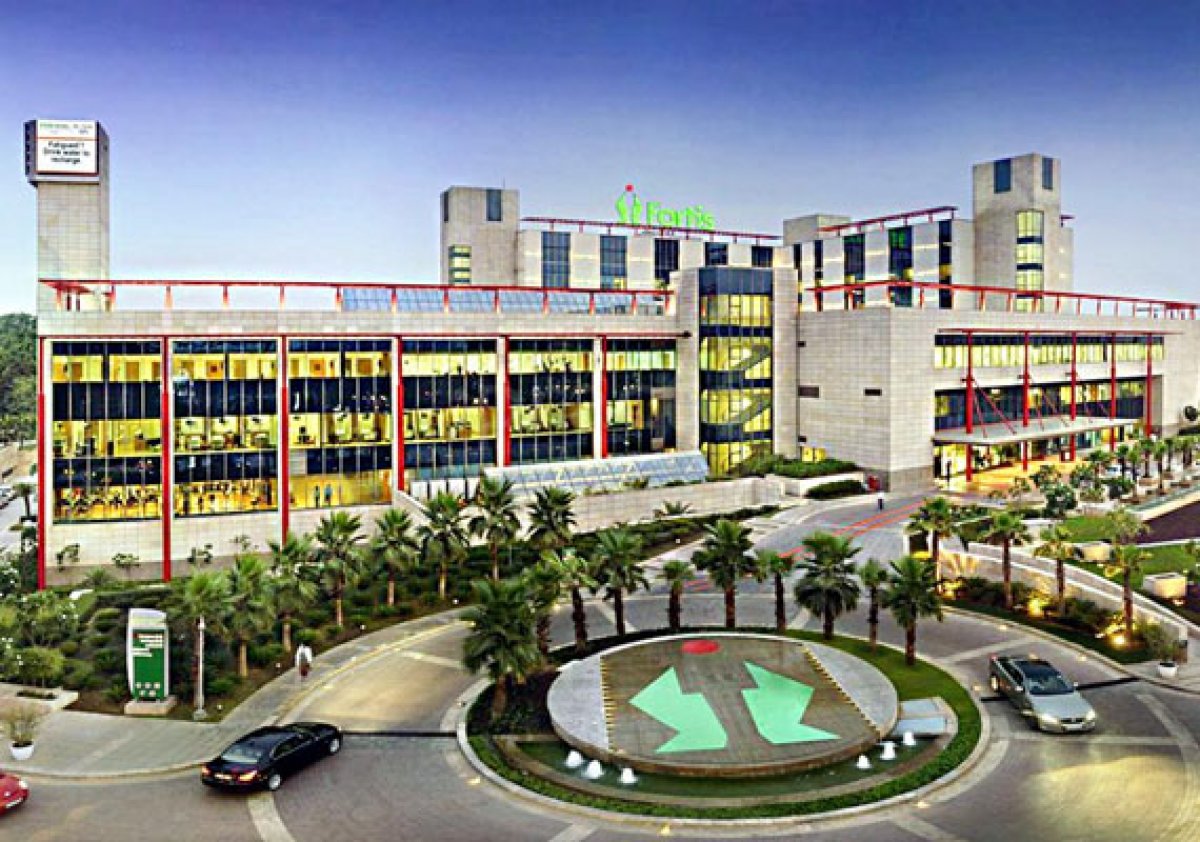
Fortis Memorial Research Institute
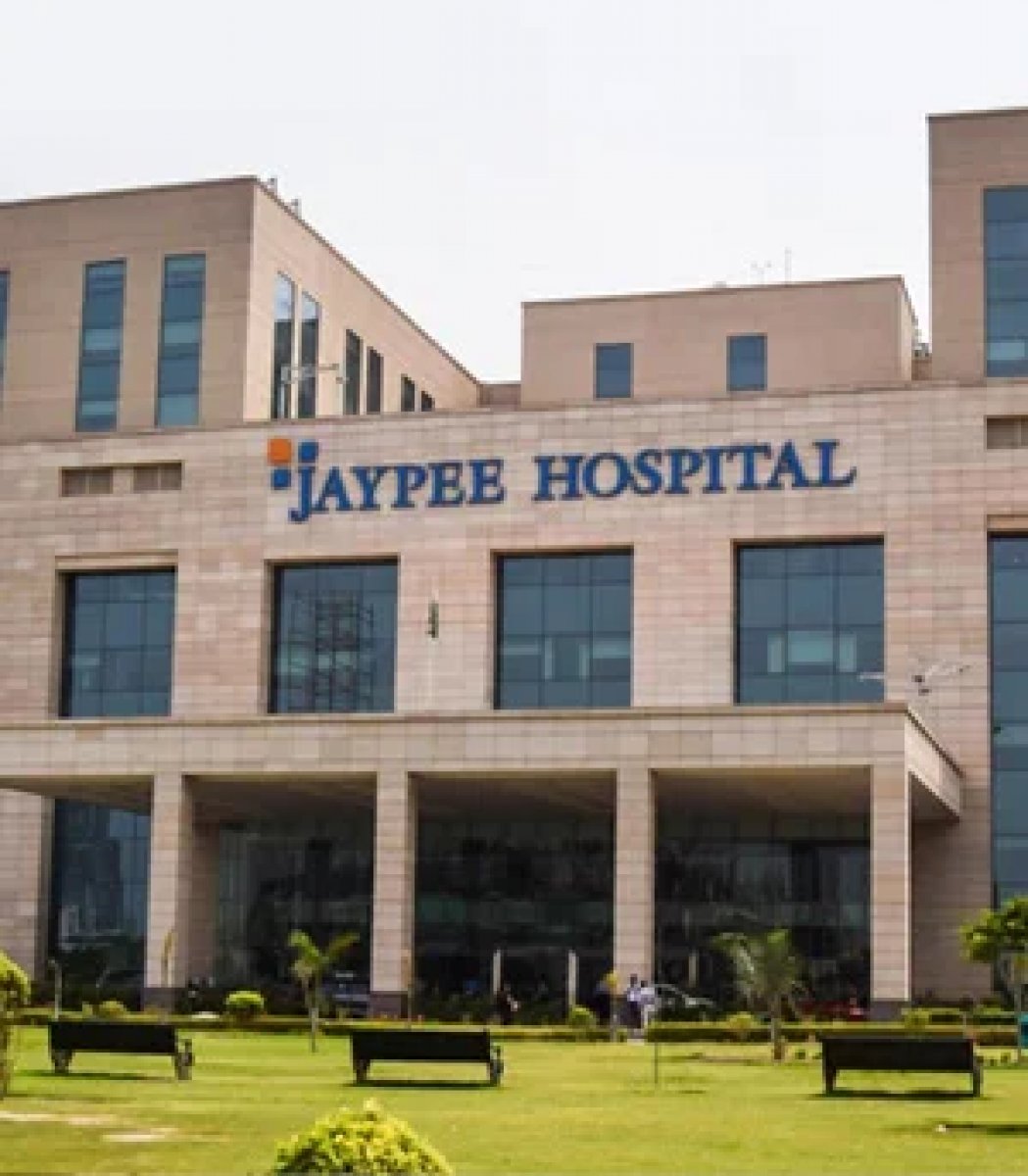
Jaypee Hospital
احصلوا على تقييم طبي لـ كسر الورك في الهند: استشيروا أطباء ذوي خبرة الآن
عرض جميع الأطباء
Sarthak Walia
Harsh Patel
مشاركة المحتوى
قصص فيديو من مرضى Bookimed
 Anna Leonova
أسئلة متكررة حول علاج كسر الورك في الهند
هل الجراحة مطلوبة دائمًا لكسر الورك؟
لا تكون الجراحة مطلوبة دائمًا لكسور الورك، على الرغم من أنها ضرورية في 95% إلى 98% من الحالات. يقتصر العلاج غير الجراحي عادةً على الكسور المستقرة غير المزاحة أو المرضى الذين يعانون من حالات طبية خطيرة. يوصي المتخصصون في الهند عمومًا بالجراحة لمنع المضاعفات التي تهدد الحياة مثل الالتهاب الرئوي.
- الضرورة الجراحية: إلزامية لما يقرب من 95% من المرضى لضمان الحركة الفورية.
- العلاج التحفظي: مخصص للكسور الشعرية التي لا تعاني من إزاحة أو تكون مستقرة.
- المرضى ذوو المخاطر العالية: يتم اختيار الرعاية غير الجراحية إذا كانت مخاطر التخدير تفوق فوائد الجراحة.
- الإجراءات القياسية: تشمل التثبيت الداخلي، أو استبدال الورك الجزئي، أو استبدال الورك الكلي.
رؤية خبير Bookimed: تحتل الهند المرتبة الثامنة عالميًا في جراحة العظام على Bookimed، ويعد حجم العمليات الجراحية في مراكز مثل مستشفيات مانيبال - التي تخدم 2,000,000 مريض سنويًا - مؤشرًا رئيسيًا للسلامة. تستخدم عيادات مثل معهد الدكتور ريلا الطباعة ثلاثية الأبعاد والأنظمة الروبوتية لتخصيص الغرسات. غالبًا ما تؤدي هذه الخبرة ذات الحجم الكبير إلى أوقات تعافي أسرع مقارنة بالمراكز التي تجري إجراءات سنوية أقل.
إجماع المرضى: يؤكد المرضى أن عدم الحركة هو الخطر الأكبر، مشيرين إلى أن الراحة في الفراش غالبًا ما تؤدي إلى فقدان سريع للعضلات وجلطات دموية خطيرة. تؤكد العديد من العائلات أنه بمجرد التوصية بالجراحة، فإن تجنب التأخير أكثر أهمية من التقنية الجراحية المحددة المختارة.
ما هي نسبة نجاح جراحة الورك في الهند؟
تحافظ جراحة الورك في الهند على نسبة نجاح عالية تتراوح بين 90% و 98%. تحقق عمليات استبدال مفصل الورك بالكامل نجاحاً يصل إلى 98% في تخفيف الألم. وتعمل الإجراءات المساعدة بالروبوت على تعزيز الدقة لتصل إلى 99%. تلبي هذه النتائج المعايير الطبية الموجودة في أفضل الدول الغربية.
- النجاح حسب الإجراء: تبلغ نسبة نجاح استبدال مفصل الورك بالكامل على المدى القصير من 95% إلى 98%.
- الدقة الروبوتية: تحقق أنظمة مثل MAKO دقة تتراوح بين 97% و 99% أثناء وضع الغرسة.
- طول عمر الغرسة: تظل حوالي 95% من الغرسات تعمل بكامل طاقتها بعد 10 سنوات من الجراحة.
- مكافحة العدوى: تحافظ المستشفيات المعتمدة من قبل JCI على معدلات العدوى بعد الجراحة أقل من 0.5% من خلال بروتوكولات صارمة.
رؤية خبير Bookimed: يعد حجم المرضى مؤشراً رئيسياً للجودة في الهند. تخدم مستشفيات مانيبال 2,000,000 مريض سنوياً. ويجري مستشفى جلوبال في تشيناي 18,000 عملية كل عام. غالباً ما يقوم الجراحون في هذه المراكز ذات الحجم الكبير بإجراء مئات العمليات سنوياً. هذا التكرار يؤدي بطبيعة الحال إلى نتائج جراحية أفضل ومضاعفات أقل.
إجماع المرضى: يؤكد المرضى أن النجاح يعني استعادة القدرة على المشي. ويشير الكثيرون إلى أن الجراحة الفورية والعلاج الطبيعي المبكر ضروريان للتعافي الكامل.
هل تتوفر جراحات الورك الروبوتية والجراحية طفيفة التوغل في الهند؟
توفر الهند جراحات ورك روبوتية وجراحية طفيفة التوغل متقدمة في مراكز معتمدة من JCI في المدن الكبرى. يستخدم الجراحون أنظمة معتمدة من إدارة الغذاء والدواء (FDA) مثل Mako SmartRobotics لتحقيق الدقة. تستخدم الطرق طفيفة التوغل شقوقًا تتراوح بين 3 إلى 6 بوصات. وهذا يقلل من تلف الأنسجة ويسرع أوقات التعافي للمرضى.
- الدقة الروبوتية: يضمن التصوير ثلاثي الأبعاد المعتمد على الأشعة المقطعية دقة دون المليمتر لوضع الغرسة.
- الأساليب الجراحية: يقوم الجراحون بإجراء النهج الأمامي المباشر (DAA) للحفاظ على الأنسجة العضلية.
- حجم الشق: تقلل التقنيات طفيفة التوغل الندبات القياسية من 10 بوصات إلى 3-6 بوصات.
- المراكز الرائدة: تقدم المرافق ذات الحجم الكبير في دلهي وبنغالورو وتشيناي هذه التقنيات.
- الخبرة المتخصصة: يتخصص جراحون مثل الدكتور أنشيت أوبال في استبدال المفاصل الروبوتي.
رؤية خبير Bookimed: تظهر بيانات Bookimed تركيزًا عاليًا للخبرة الروبوتية في جورجاون وبنغالورو. يستخدم كل من Fortis Gurgaon وAster CMI الروبوتات المتقدمة أو التكنولوجيا ثلاثية الأبعاد. في حين أن أكثر من 90 عيادة هندية تلبي الطلبات الدولية، يجب على المرضى ملاحظة أن المساعدة الروبوتية الحقيقية غالبًا ما تكون مخصصة للاستبدالات الاختيارية بدلاً من تثبيت الكسور الطارئة. اختيار مرفق مثل مستشفى جلوبال تشيناي، الذي أجرى أكثر من 19 إجراءً باستخدام نظام دافنشي، يشير إلى برنامج روبوتي ناضج.
إجماع المرضى: يلاحظ المرضى أن مصطلح طفيف التوغل قد يشير أحيانًا ببساط
ما مدى سرعة قدرة المريض على المشي بعد الجراحة؟
يبدأ المشي الأولي عادةً في غضون 24 إلى 48 ساعة بعد جراحة كسر الورك في الهند. يتخذ العديد من المرضى خطواتهم الأولى باستخدام مشاية في فترة ما بعد الظهر من الإجراء. يقلل التحريك المبكر من مخاطر جلطات الدم ويحسن وظائف الرئة أثناء التعافي.
- الحركة المبكرة: يقف معظم المرضى أو يتحركون ببطء في غضون يوم واحد بعد العملية.
- المشي في المستشفى: يتم إجراء مشي خاضع للإشراف لمدة 5-10 دقائق خلال اليومين الثاني والثالث.
- التعافي في المنزل: تزداد القدرة على المشي لتصل إلى 20 دقيقة بين الأسبوعين الثاني والرابع.
- الاستقلالية الكاملة: يعود المشي بدون مساعدة عادةً بعد 6 إلى 12 أسبوعًا.
رؤية خبير Bookimed: غالبًا ما يشير حجم المرضى إلى الأماكن التي تكون فيها بروتوكولات التعافي أكثر انسيابية. تخدم مستشفيات مانيبال 2,000,000 مريض سنويًا ويعالج مستشفى جلوبال تشيناي 2,000,000 مريض. تستخدم هذه المراكز ذات السعة العالية عادةً مسارات التعافي السريع. تعطي هذه البروتوكولات الأولوية لوقوف المرضى على الفور لمنع الالتهاب الرئوي وضمور العضلات.
إجماع المرضى: يلاحظ المرضى أن الخطوات الأولى تشعر وكأنها مشية ضعيفة باستخدام مشاية. ويؤكدون على أهمية التحقق من حدود تحمل الوزن قبل الخروج لضمان الحركة الآمنة في المنزل.
كم تدوم غرسة الورك النموذجية؟
تدوم معظم غرسات الورك ما بين 15 إلى 20 عاماً لغالبية المرضى. تسمح المواد الحديثة المصنوعة من السيراميك والبولي إيثيلين المتقاطع الآن للعديد من الأطراف الصناعية بالعمل لمدة 25 عاماً. تظل معدلات النجاح مرتفعة، حيث لا تزال 89% من الغرسات تعمل بشكل مثالي بعد 15 عاماً.
- معدل البقاء: تظل حوالي 70% من غرسات الورك الحديثة وظيفية بعد 20 عاماً.
- المتانة طويلة الأمد: تدوم حوالي 58% من الغرسات لمدة 25 عاماً دون الحاجة إلى جراحة مراجعة.
- عمر المريض: يواجه المرضى الذين تزيد أعمارهم عن 70 عاماً خطراً مدى الحياة بنسبة 5% فقط للحاجة إلى استبدال الغرسة.
- تأثير النشاط: تساعد التمارين منخفضة التأثير مثل السباحة في الحفاظ على المكونات الميكانيكية للمفصل.
رؤية خبير Bookimed: أصبحت الهند مركزاً عالمياً لمراجعات المفاصل المعقدة، حيث تعالج مراكز مثل مستشفيات مانيبال 2,000,000 مريض سنوياً. في حين أن الغرسات القياسية تدوم 15 عاماً، فإن اختيار منشأة مثل مستشفى BLK Super Speciality، الذي يستخدم معدات تشخيصية بمعايير أوروبية، يضمن وضعاً دقيقاً لزيادة طول عمر الغرسة. غالباً ما يتم تعزيز متانة المفاصل في الهند من خلال حجم الجراحات المرتفع في مراكز مثل مستشفيات أرتميس، حيث يدير أكثر من 350 طبيباً حالات الكسور المعقدة يومياً.
إجماع المرضى: يؤكد المرضى على التركيز على إعادة التأهيل والوقاية من السقوط بدلاً من التركيز فقط على عمر الغرسة. يلاحظ الكثيرون أن نوع الجراحة - سواء كانت تثبيتاً أو استبدالاً كاملاً - يغير كيفية تعاملهم مع مستويات النشاط اليومي.
هل يمكن للمريض الجلوس متربعاً (على الطريقة الهندية) أو القرفصاء بعد استبدال مفصل الورك؟
يمكن للمرضى في النهاية الجلوس متربعين والقرفصاء بعد استبدال مفصل الورك في الهند. ومع ذلك، يجب عليهم تجنب هذه الوضعيات تماماً لمدة 6 إلى 12 أسبوعاً خلال فترة التعافي المبكرة. غالباً ما تسمح التقنيات الحديثة مثل النهج الأمامي بالعودة المبكرة لهذه الأنشطة.
- النهج الجراحي: توفر التقنيات الأمامية استقراراً أسرع من النهج الخلفي التقليدي.
- التأثير التكنولوجي: تقلل الغرسات ذات الرؤوس بحجم 36 مم أو أكبر من مخاطر الخلع بشكل كبير.
- فترة الشفاء: عادة ما يقيد الجراحون الثني العميق ووضع الساق فوق الأخرى لمدة 3 أشهر.
- المرونة قبل الجراحة: قد تحد مرونة الأنسجة الرخوة الموجودة مسبقاً من نطاق حركتك النهائي.
رؤية خبير Bookimed: بينما يعطي معظم المرضى الأولوية للتكلفة، يجب على أولئك الذين يحتاجون إلى الجلوس على الأرض استهداف مراكز ذات حجم عمليات كبير مثل مستشفى جلوبال في تشيناي. فهم يجرون 18,000 عملية سنوياً ويستخدمون أنظمة روبوتية لوضع الغرسات بدقة. الدقة حيوية للجلوس على الطريقة الهندية لأنها تتطلب ثني الورك بزاوية 130 درجة. اختيار مركز يتمتع بتقنيات روبوتية متخصصة يعزز بشكل كبير الاستقرار اللازم لهذه الحركات الضرورية ثقافياً.
إجماع المرضى: يشير المرضى إلى أن الجلوس على الأرض أو استخدام المراحيض المنخفضة يبدو محفوفاً بالمخاطر في البداية. يؤكد الكثيرون على أهمية اتباع خطط إعادة التأهيل المصممة خصيصاً لعمليات الانتقال الآمنة إلى الأرض.