علاج كسر الورك في كوريا الجنوبية: 8 مستشفيات


تمت مراجعة المقالة طبيا من قبل
فهد مولود
كيف نعمل؟
ما هي تكلفة كسر الورك إجراءات التشخيص والعلاج في كوريا الجنوبية؟ اعرف الآن
| كوريا الجنوبية | تركيا | إسبانيا | |
|---|---|---|---|
| مراجعة تقويم مفصل الورك | ≈ $16,000 | من $8,000 | ≈ $13,500 |
اكتشف أفضل كسر الورك العيادات في كوريا الجنوبية: 8 خيارات معتمدة والأسعار




عيادة العمود الفقري والمفاصل Leadheal


Wiltse Memorial Hospital


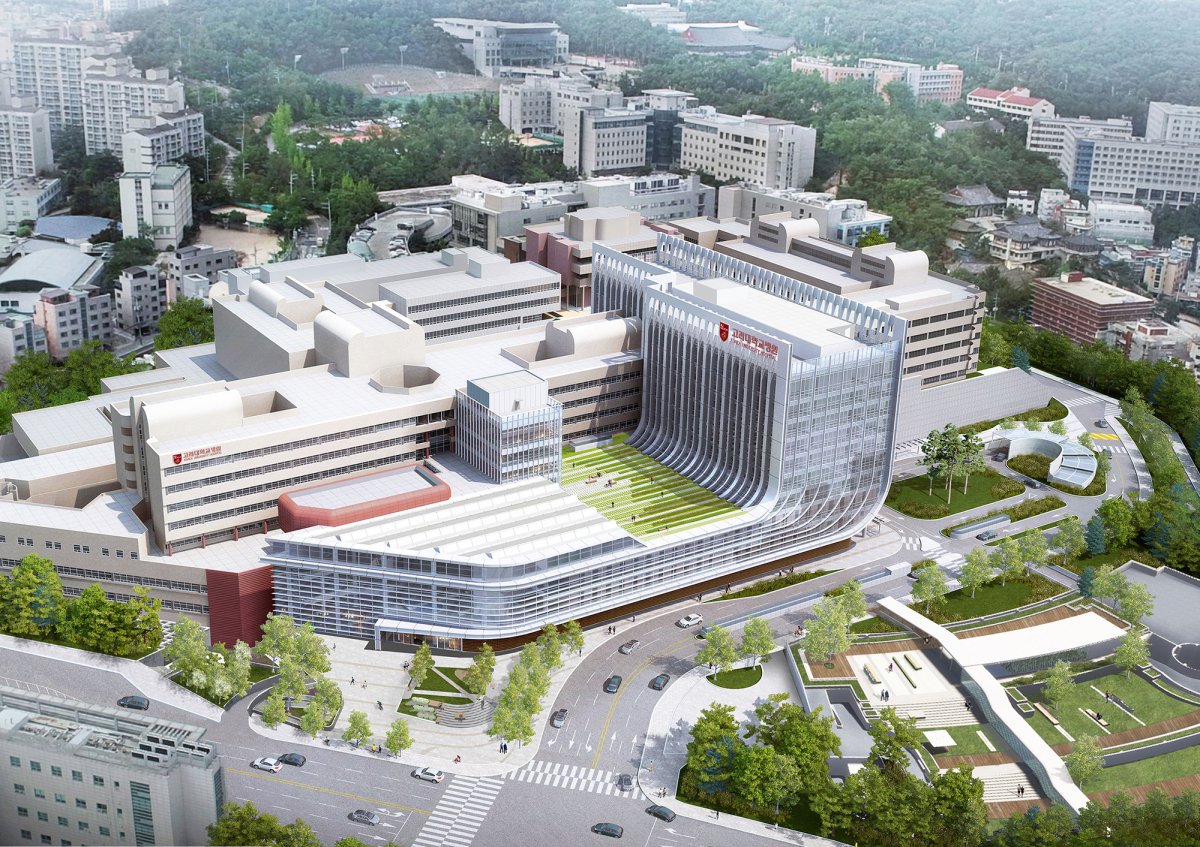
احصلوا على تقييم طبي لـ كسر الورك في كوريا الجنوبية: استشيروا أطباء ذوي خبرة الآن
عرض جميع الأطباء
Lee Dongyeop
الدكتور لي دونغيوب جرّاح عظام متخصص في تنظير المفاصل واستبدال المفاصل. يجري جراحة تنظير المفاصل (المنظار المفصلي) واستبدال مفصل الركبة الكلي. ويعالج اضطرابات الكتف والإصابات الرياضية وحالات الركبة المزمنة.
المؤهلات: برنامج مشترك MD-PhD بكلية الدراسات العليا للطب في الجامعة الكاثوليكية في كوريا. سنة الامتياز وبرنامج الإقامة في جراحة العظام بالمركز الطبي الكاثوليكي التابع للجامعة الكاثوليكية في كوريا. مُدرّس سريري (زميل) في مستشفى سانت ماري في سيول، الجامعة الكاثوليكية في كوريا.
Woo Kyung Kwak
الدكتور وو كيونغ كواك جرّاح عظام يختص بجراحات القدم والكاحل طفيفة التوغل (MICA لعلاج إبهام القدم الأروح). يعالج أيضًا إصابات الرياضيين ويُجري الاستبدال الكلي لمفصل الركبة، إضافةً إلى التنظير المفصلي المتقدّم للكتف والركبة.
حصل على درجتي الطب (MD) والماجستير (MS) من جامعة تشونّام الوطنية، وأكمل زمالة في مستشفى جامعة تشونّام الوطنية. شغل منصب رئيس قسم جراحة العظام في مستشفى القوات المسلحة بدايجون، وكان عضوًا رفيعًا في لجنة التحقيق الطبي بوزارة الدفاع الوطني.
هو عضو عامل في الجمعيا
Jang Hyo Kim
الدكتور جانغ هيو كيم جرّاح عظام يركّز على الحفاظ على المفاصل وإعادة البناء المعقّدة. يختص بمناظير المفاصل للكتف والركبة والكاحل والمرفق والمعصم. يُجري استبدال مفاصل الكتف والركبة والكاحل والمرفق والورك. يشمل عمله في العمود الفقري تثبيت ودمج الفقرات العنقية والقطنية. كما يُجري استئصال القرص، واستئصال الصفيحة الفقرية، وترميم الأعصاب، ورأب الفقرة. وتشمل ممارسته علاج الكسور وإصلاح العضلات والأربطة.
هو أستاذ منتسب في جامعة كيونغ هي، ويشغل منصب مدير مركز المفاصل في مستشفى فيري غود. وشغل سابق

Kwangyeal Lee
يتخصص الدكتور كوانغيال لي في جراحة العظام مع التركيز على إصابات المفاصل والإصابات الرياضية، ويجلب عقوداً من الخبرة إلى مستشفى نانوري.
- جراح عظام معتمد من المجلس ولديه خبرة واسعة في جراحة تنظير الركبة والكتف
- عضو في العديد من الجمعيات المرموقة بما في ذلك الجمعية الكورية للركبة والجمعية الآسيوية والمحيط الهادئ لجراحة العظام
- باحث منشور في جراحة العظام السريرية والطب الرياضي
- رئيس قسم سابق في مركز المفاصل بمستشفى صن
مشاركة المحتوى
قصص فيديو من مرضى Bookimed
 Anna Leonova
أسئلة متكررة حول علاج كسر الورك في كوريا الجنوبية
ما مدى سرعة إجراء الجراحة لي في كوريا الجنوبية؟
تعتبر جراحة كسر الورك في كوريا الجنوبية ذات أولوية وتحدث عادةً في غضون 24-48 ساعة من الوصول. تؤكد المستشفيات الكبرى في سيول على التدخل السريع من أجل السلامة الطبية. تستغرق الإقامة الطبية الإجمالية عمومًا من 10 إلى 14 يومًا. وهذا يسمح بالمراقبة الأساسية بعد الجراحة وإعادة التأهيل الأولي قبل السفر.
- توقيت الجراحة: تهدف معظم مراكز الصدمات إلى إجراء الجراحة في غضون يوم واحد من استقرار حالة المريض.
- التصريح قبل الجراحة: قد تؤدي المشكلات الطبية مثل مميعات الدم أو أمراض القلب إلى إضافة يوم أو يومين.
- الإقامة في المستشفى: يبقى المرضى عادةً في المستشفى لمدة 7-10 أيام للعناية بالجروح والحركة.
- اختيار المنشأة: تدير المراكز المتخصصة مثل مستشفى ليدهيل (Leadheal Hospital) أو مستشفى سيفيرانس (Severance Hospital) أحجامًا كبيرة من حالات العظام.
رؤية خبير Bookimed: بينما تقدم العيادات الصغيرة جدولة سريعة، تتطلب كسور الورك بنية تحتية للمراكز الثالثية الكبرى. يخدم مستشفى سيفيرانس أكثر من 1.6 مليون مريض خارجي سنويًا ويحمل اعتماد JCI. توفر المؤسسات الأكاديمية الكبيرة في سيول فرق صدمات على مدار 24 ساعة. تتجنب هذه المرافق تأخيرات النقل الشائعة في المستشفيات الصغيرة. تضمن هذه البنية التحتية الوفاء بنافذة الجراحة التي تبلغ 24 ساعة باستمرار.
إجماع المرضى: يلاحظ المرضى أن المستشفيات الحضرية في سيول تتحرك بشكل أسرع بكثير من المرافق الإقليمية. يساعد وجود منسق مخصص في التنقل بسرعة في الموافقة والاختبارات قبل الجراحة عندما تكون العقلية السريرية هي
ما هو نوع الجراحة التي يتم إجراؤها عادةً لكسر الورك؟
تشمل العمليات الجراحية الشائعة لكسور الورك التثبيت الداخلي، أو استبدال الورك الجزئي، أو استبدال الورك الكلي. يختار الجراحون الإجراء بناءً على موقع الكسر وشدته. عادةً ما يتم إجراء هذه العمليات العاجلة في غضون 48 ساعة في المرافق الكورية الجنوبية المعتمدة من قبل اللجنة الدولية المشتركة (JCI) لضمان التعافي الأمثل.
- التثبيت الداخلي: تعمل البراغي أو الصفائح أو القضبان المعدنية على تثبيت العظم أثناء عملية الشفاء.
- الاستبدال الجزئي: يستبدل الجراحون رأس عظمة الفخذ فقط، وعادة ما يتم ذلك للمرضى الأكبر سناً الذين يعانون من كسور مزاحة.
- الاستبدال الكلي: يتم استبدال كل من التجويف ورأس عظمة الفخذ للمرضى النشطين والأكثر صحة.
- توقيت الجراحة: الإجراءات التي يتم إجراؤها في غضون 24 إلى 48 ساعة تحسن بشكل كبير نتائج الحركة على المدى الطويل.
رؤية خبير Bookimed: تتخصص مراكز العظام الرائدة في كوريا الجنوبية مثل مستشفى سيفيرانس ومستشفى جامعة كوريا أنام في الجراحة بدون دم وعمليات نقل الدم المحدودة. يعد هذا التركيز أمراً بالغ الأهمية لمرضى كسور الورك الذين غالباً ما يواجهون فقدان دم كبير أثناء الاستبدال. يمكن أن يؤدي اختيار مرفق يتبع هذه البروتوكولات إلى تقليل المخاطر بعد الجراحة وتسريع الحركة المبكرة لكبار السن.
إجماع المرضى: يشير المرضى إلى أن الجراحين يركزون على المشي المبكر كهدف رئيسي. من المهم السؤال عما إذا كان المفصل يتطلب إصلاحاً أو استبدالاً كاملاً بناءً على موقع الكسر المحدد.
كم تبلغ مدة الإقامة في المستشفى؟
تتراوح مدة الإقامة في المستشفى لعلاج كسور الورك في كوريا الجنوبية عادةً من بضعة أيام إلى أسبوعين. غالبًا ما ينتقل المرضى من الرعاية الجراحية الحادة في المرافق المعتمدة من قبل JCI في سيول إلى مراكز إعادة التأهيل المتخصصة. تعتمد المدة الإجمالية على توقيت الجراحة، والحركة، والتحكم المبكر في الألم.
- التعافي الجراحي: غالبًا ما تستمر الإقامة الحادة في المستشفى ما بين 5 إلى 14 يومًا.
- الانتقال إلى إعادة التأهيل: تتضمن البروتوكولات الكورية بشكل متكرر نقل المرضى إلى عيادات إعادة تأهيل متخصصة.
- معالم الحركة: يتم الخروج بمجرد استقرار العلامات الحيوية وبدء خطط المشي.
- الحجم السريري: تعالج المراكز الرائدة مثل مستشفى سيفيرانس أكثر من 1,000,000 مريض سنويًا.
رؤية خبير Bookimed: تُظهر البيانات من المراكز الكورية الكبرى نمطًا واضحًا حيث تركز مستشفيات العظام المتخصصة مثل Nanoori على التعبئة السريعة. بينما توفر المستشفيات الجامعية الكبيرة الجراحة الأولية، غالبًا ما تتعامل العيادات المتخصصة الأصغر مع النافذة الحرجة التي تبلغ 10 أيام بعد الجراحة. يساعد هذا النهج المتدرج في إدارة الحجم الكبير الذي يزيد عن 50,000 مريض سنويًا في المراكز المتخصصة في المفاصل.
إجماع المرضى: يشير المرضى إلى أن الخروج غالبًا ما يحدث بمجرد استقرار حالتهم الطبية، حتى لو لم يشعروا بعد بأنهم قادرون على الحركة بشكل كامل. من المفيد ترتيب دعم الأسرة أو سرير إعادة تأهيل محلي في وقت مبكر لتجنب التوتر أثناء الانتقال من المستشفى.
هل سأحتاج إلى إعادة تأهيل بعد الجراحة؟
تعد إعادة التأهيل ضرورية بعد جراحة كسر الورك في كوريا الجنوبية لاستعادة الحركة والاستقلالية. تجمع المراكز المتخصصة مثل مستشفى سيفيرانس بين التدخل الجراحي العظمي والعلاج الطبيعي المنظم. تركز البرامج على التحريك المبكر، وتقوية العضلات، وتدريب المشي لضمان التعافي الآمن ووظيفة المفاصل على المدى الطويل.
- التحريك المبكر: غالبًا ما تبدأ الحركة في غضون 24 ساعة لمنع تجلط الدم والتيبس.
- رعاية متخصصة: توفر المرافق المعتمدة من اللجنة الدولية المشتركة (JCI) مثل مستشفى سيفيرانس إعادة تأهيل مخصصة لحالات العظام المعقدة.
- إشراف الخبراء: يتخصص جراحون مثل الدكتور جانغ هيو كيم في جراحة الكسور وإعادة بناء الأربطة.
- المعايير العالمية: تُصنف أفضل المستشفيات الكورية ضمن الأفضل في العالم في مجالات الأورام وإعادة التأهيل.
رؤية خبير Bookimed: يعد حجم المرضى مؤشرًا رئيسيًا على الكفاءة الجراحية في كوريا الجنوبية. تخدم عيادات مثل مستشفى جامعة كوريا أنام أكثر من 1.3 مليون مريض سنويًا. يضمن هذا النطاق الهائل أن الجراحين مثل الدكتور سيونغ هيون كيم، بخبرة تزيد عن 30 عامًا، يتعاملون مع حالات عالية التعقيد يوميًا. غالبًا ما تقدم المراكز ذات الحجم الكبير خيارات جراحة بدون دم، مما يقلل بشكل كبير من مخاطر العدوى ويسرع الانتقال إلى إعادة التأهيل.
إجماع المرضى: يؤكد المرضى أن الجراحة هي الخطوة الأولى فقط. يعتمد النجاح على العودة للوقوف على قدميك بسرعة. يقترح معظم الناس تجهيز منزلك بقضبان الإمساك وإخلاء الممرات قبل العودة من المستشفى. يساعد استخدام المشاية أ
كيف تساعد الرعاية الطبية الكورية في منع الكسور المستقبلية؟
تمنع المراكز الطبية الكورية الكسور المستقبلية باستخدام خدمات ربط الكسور (Fracture Liaison Services) لدمج الجراحة السريعة مع الإدارة الاستباقية لهشاشة العظام. تعمل فرق متعددة التخصصات من جراحي العظام وأطباء الغدد الصماء على تثبيت الإصابات وعلاج انخفاض كثافة العظام. يمكن لهذا النهج المنسق أن يقلل من معدلات تكرار الكسور بنسبة 50% في غضون عام واحد.
- سرعة الجراحة: غالبًا ما يقلل المتخصصون الوقت اللازم للجراحة من 4 أيام إلى أقل من 3 أيام.
- رعاية هشاشة العظام: توفر عيادات مثل مستشفى نا-أون (Na-Eun Hospital) تشخيصًا وعلاجًا مستهدفًا لفقدان كثافة العظام.
- الإجراءات المتقدمة: يستخدم مستشفى ليدهيل (Leadheal Hospital) تقنيات طفيفة التوغل مثل رأب الفقرات لتثبيت كسور العمود الفقري.
- الخبرة المتخصصة: يقدم جراحون مثل الدكتور سيونغ هيون كيم أكثر من 30 عامًا من الخبرة في مجال الحركة.
رؤية خبير Bookimed: ينبع نجاح كوريا في الوقاية من حجم المرضى الكبير والخبرة المؤسسية. تعالج المراكز الكبرى مثل مستشفى جامعة كوريا أنام أكثر من 1,300,000 مريض سنويًا. يسمح هذا النطاق الهائل للمرافق المعتمدة من اللجنة الدولية المشتركة (JCI) بتوحيد خدمات ربط الكسور. وهذا يضمن أن كل مريض يعاني من كسر في الورك يقوم تلقائيًا بتفعيل بروتوكول تقوية العظام الذي يقلل من المخاطر طويلة المدى.