علاج كسر الورك في تركيا — احصل على 3 عيادات مختارة خصيصاً لك


تمت مراجعة المقالة طبيا من قبل
فهد مولود
كيف نعمل؟
ما هي تكلفة كسر الورك إجراءات التشخيص والعلاج في تركيا؟ اعرف الآن
تختلف التكلفة الإجمالية لعلاج كسر الورك في تركيا بناءً على خطة العلاج الخاصة بك. تبلغ تكلفة جراحة استبدال الورك باستخدام الأطراف الاصطناعية القياسية حوالي $11,000. بالنسبة لجراحة استبدال الورك الكلي بدون أسمنت، فإن السعر حوالي $11,200. يمكن أن تصل تكلفة إجراء أكثر تعقيدًا، مثل الجراحة الثانوية لأطراف الورك الاصطناعية، إلى $30,000. يتم تحديد البرنامج العلاجي النهائي وتكلفته بعد تقييم فردي من قبل أخصائي طبي.
| تركيا | إسبانيا | ألمانيا | |
|---|---|---|---|
| مراجعة تقويم مفصل الورك | من $8,000 | ≈ $13,500 | ≈ $17,500 |
اكتشف أفضل كسر الورك العيادات في تركيا: 49 خيارات معتمدة والأسعار





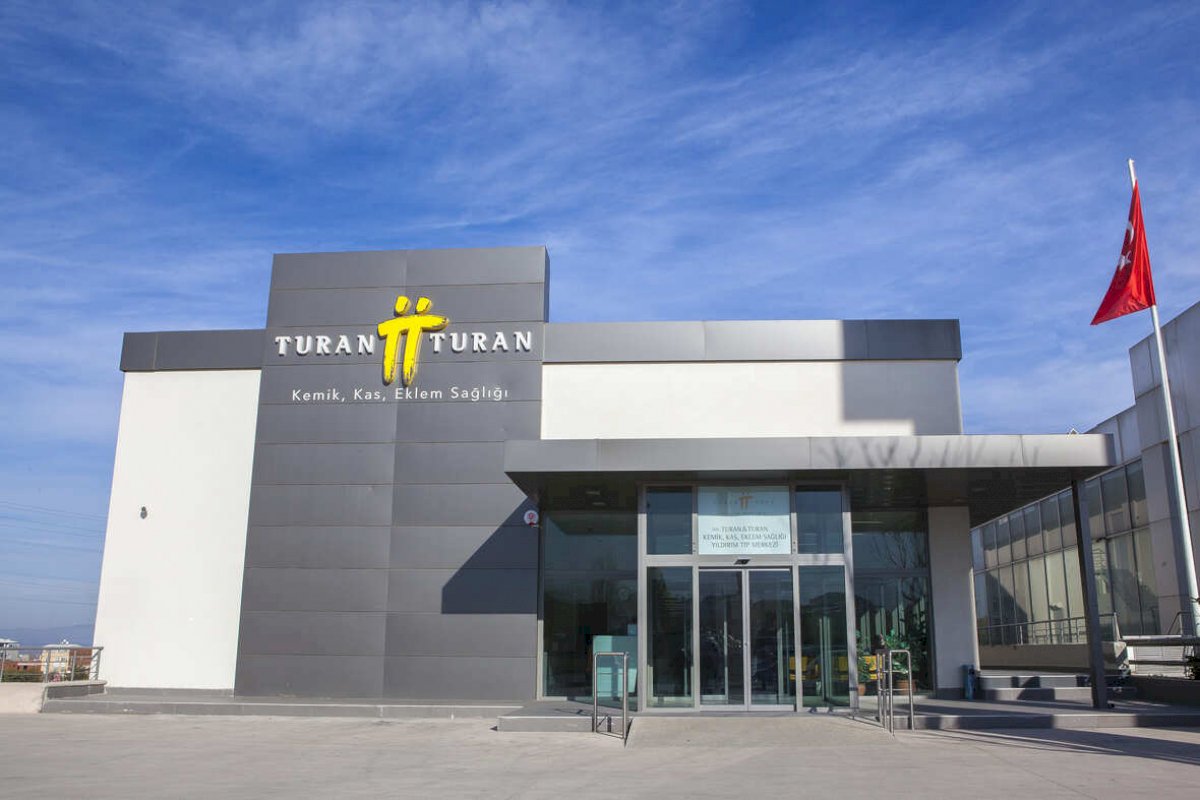
Turan Turan Health Group


Fizyomer Terapia Physical Therapy and Rehabilitation & Aesthetic & Dental Medical Center





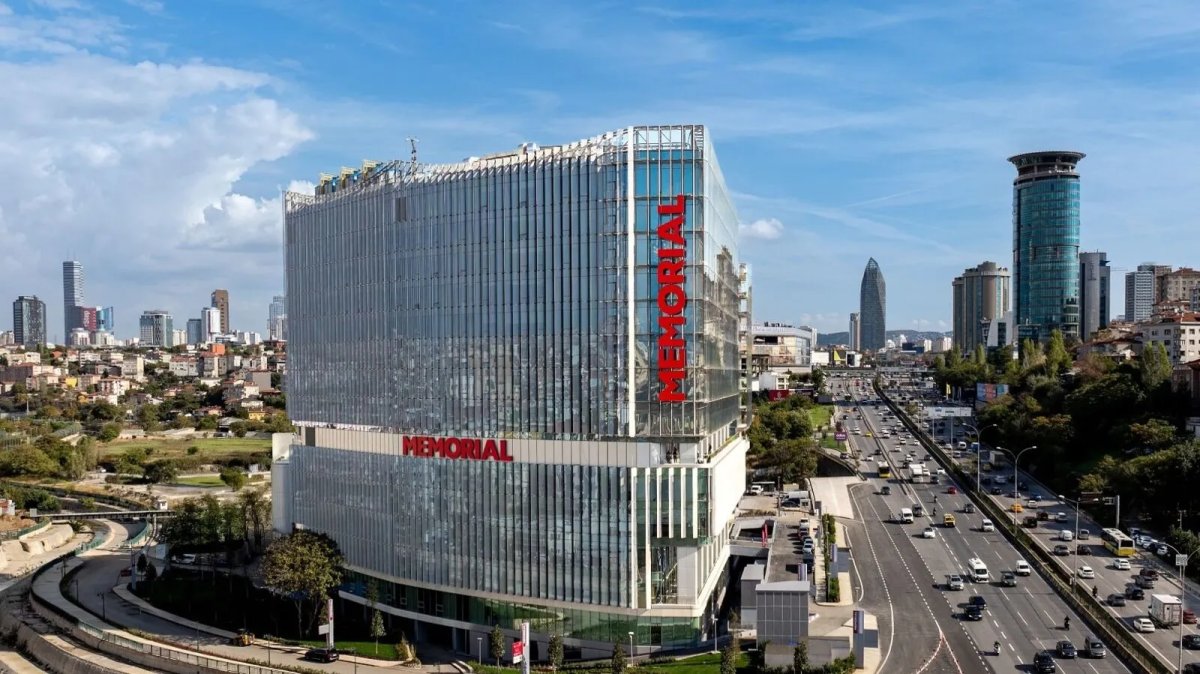
Memorial Göztepe Hospital

احصل على تقييم طبي لـ في تركيا. استشر الآن 93 أطباء ذوي الخبرة.
عرض جميع الأطباء
Kayhan Turan
أجرى الدكتور كيهان توران أكثر من 3000 جراحة مفصل الورك بمساعدة الروبوت، مما يوفر دقة متقدمة في علاج كسور الورك.
- 28 سنة من التخصص في جراحة العظام والكسور
- تدرب في قسم جراحة العظام بكلية الطب في جامعة نورث وسترن
- عضو في الأكاديمية الأمريكية لجراحي العظام (AAOS)
- خبرة في تقنيات إعادة بناء المفاصل المعقدة

Yusuf Bayram
أكثر من 1,000 جراحة تم إجراؤها – الدكتور بايرام متخصص في صدمات العظام واستبدال المفاصل في مستشفى حصار إنتركونتيننتال.
- خبير في جراحات المناظير للركبة والكتف والكاحل
- تركيز خاص على أمراض العمود الفقري وتصحيح التشوهات
- تلقى تدريبه في جامعة مرمرة ومستشفى عمرانية للتدريب والبحوث

Gursel Saka
تم إجراء أكثر من 1100 عملية جراحية للعظام – يتخصص البروفيسور الدكتور جورسيل ساكا في حالات الورك المعقدة وحالات الإصابات في مستشفى هيسار إنتركونتيننتال.
- _doctor_1664_عاماً_ من الخبرة في جراحة العظام والكسور
- خبير في تقويم المفاصل وجراحة الحوض والحُق لكسور الورك
- وصل إلى نهائيات جوائز توبيتاك الحادية عشرة للتكنولوجيا في عام 2014
- أستاذ مشارك في جامعة العلوم الصحية

Halil Can Gemalmaz
متخصص في جراحة العظام المخصصة للمرضى باستخدام أدلة وزراعات مطبوعة بتقنية ثلاثية الأبعاد – رائد في تركيا للحالات المعقدة.
- _doctor_5688_سنوات_ من الخبرة في جراحة العظام
- أكثر من 1100 عملية تم إجراؤها، مع التركيز على الحالات الصعبة
- لقب أستاذ مشارك من كلية الطب بجامعة أجيبادم محمد علي أيدينلار
- أجرى أولى جراحات تركيا في حلول العظام المخصصة المطبوعة بتقنية ثلاثية الأبعاد
- خبير في التخطيط الجراحي بمساعدة الكمبيوتر منذ عام 2014
المراجعات
جميع المراجعاتمشاركة المحتوى
قصص فيديو من مرضى Bookimed
 Anna Leonova
أسئلة متكررة حول علاج كسر الورك في تركيا
هل علاج كسور الورك في تركيا آمن وموثوق؟
يُعد علاج كسور الورك في تركيا آمناً وموثوقاً بفضل معايير الاعتماد العالية والخبرة الجراحية. تحمل العديد من المنشآت شهادة اللجنة الدولية المشتركة (JCI) لضمان سلامة المرضى. تشير مراكز العظام التركية إلى معدلات نجاح تصل إلى حوالي 95% في عمليات الورك. تستخدم المستشفيات الحديثة الجراحة بمساعدة الروبوت لضمان دقة وضع الغرسات.
- معايير الاعتماد: تحافظ مستشفيات مثل مركز الأناضول الطبي (Anadolu Medical Center) على اعتماد اللجنة الدولية المشتركة (JCI).
- الخبرة الجراحية: أجرى الدكتور كايحان توران أكثر من 3500 عملية جراحية تقويمية بمساعدة الروبوت.
- الغرسات المتقدمة: تستخدم مجموعة توران توران الصحية (Turan Turan Health Group) مواد Smith & Nephew Dual-Mobile CUP الممتازة.
- الخبرة المتخصصة: يتخصص البروفيسور الدكتور غورسيل ساكا في كسور الحوض والحُق المعقدة.
رؤية خبراء Bookimed: يُعد حجم المرضى مؤشراً رئيسياً على الموثوقية في تركيا. تخدم مجموعة توران توران الصحية 18000 مريض سنوياً، وقد أجرت أول عملية استبدال مفصل الورك بالروبوت في البلاد. اختيار مراكز ذات حجم عمل كبير يضمن احتفاظ الجراحين بكفاءتهم في حالات الإصابات المعقدة وجراحات المراجعة.
إجماع المرضى: يؤكد المرضى على الجودة العالية للطاقم الطبي، لكنهم يوصون بشدة بإحضار مرافق للدعم خلال فترة التعافي التي تستمر ثلاثة أسابيع. يشير العديد من المسافرين إلى أن وجود مترجم في الموقع يحسن التجربة بشكل كبير أثناء الإقامة في المستشفى.
ما هي الخيارات الجراحية المتاحة لكسور الورك في تركيا؟
تشمل الخيارات الجراحية لكسور الورك في تركيا استبدال مفصل الورك الكامل، وتقويم المفاصل النصفي، والتثبيت الداخلي باستخدام البراغي أو الصفائح. تستخدم المراكز المعتمدة من قبل JCI في إسطنبول وبورصة أنظمة بمساعدة الروبوت وتقنيات طفيفة التوغل. تهدف هذه الإجراءات إلى استعادة القدرة على الحركة وتقليل وقت التعافي بعد الجراحة.
- استبدال الورك الكامل: يتم استبدال كل من التجويف والرأس الفخذي بمكونات اصطناعية.
- التثبيت الداخلي: يقوم الجراحون بتأمين العظم باستخدام براغي أو صفائح أو مسامير طبية متخصصة.
- استبدال الورك الجزئي: يتم استبدال الرأس الفخذي فقط، وغالباً ما يكون ذلك لكسور عنق الورك المزاحة.
- الجراحة بمساعدة الروبوت: تساعد أنظمة MAKO والأذرع الروبوتية في تحسين دقة المحاذاة للغرسة.
- جراحة المراجعة: يجري الجراحون المتخصصون حالات معقدة باستخدام أكواب Smith & Nephew Dual-Mobile عالية الجودة.
رؤية خبير بوكيميد: غالباً ما تدمج العيادات التركية رعاية الصدمات مع التكنولوجيا الروبوتية المبتكرة. على سبيل المثال، أجرت مجموعة توران توران الصحية أول عملية استبدال ورك روبوتية في البلاد وأكملت أكثر من 3500 إجراء روبوتي. غالباً ما يؤدي هذا الحجم الكبير إلى وضع غرسة أكثر دقة مقارنة بالجراحة اليدوية التقليدية.
إجماع المرضى: يؤكد المرضى على الحاجة إلى رفيق سفر أو مساعدة مأجورة للأسابيع الثلاثة الأولى. من الضروري تأكيد بروتوكولات تحمل الوزن في وقت مبكر حيث يتطلب التعافي علاجاً طبيعياً متسقاً بعد العودة إلى المنزل.
ما مدى سرعة إجراء الجراحة، وما هو الجدول الزمني المتوقع للتعافي؟
يتم إجراء جراحة كسر الورك في تركيا عادةً في غضون 24-48 ساعة بعد الاستقرار الطبي. يعطي الجراحون الأولوية للتدخل المبكر لتقليل مخاطر الالتهاب الرئوي أو تجلط الدم. يتطلب التعافي الأولي من أسبوع إلى أسبوعين للسيطرة على الألم. غالباً ما تعود القدرة على الحركة الكاملة في غضون 3 إلى 12 شهراً حسب عمر المريض.
- إلحاح الجراحة: عادة ما يتم إجراء العمليات في غضون 48 ساعة لضمان أفضل النتائج الوظيفية.
- فترة التنويم في المستشفى: تستمر الإقامة في العيادات عادةً 5 أيام للمراقبة والعلاج الطبيعي الأولي.
- إعادة التأهيل الأولي: ينصب تركيز التعافي خلال الأسبوعين الأولين على عمليات الانتقال الأساسية وإدارة الألم.
- التعافي الوظيفي: يستغرق التقدم الكبير في المشي وبناء القوة عادةً من 6 إلى 12 أسبوعاً.
- الشفاء طويل الأمد: قد تتطلب العودة إلى مستويات اللياقة البدنية قبل الكسر من 6 أشهر إلى سنة كاملة.
رؤية خبير بوكيميد: غالباً ما تستخدم مراكز العظام التركية مثل مجموعة توران توران الصحية غرسات Smith & Nephew Dual-Mobile. تساعد هذه التقنية المحددة في تقليل خطر الخلع خلال الأسابيع الأولى الأكثر عرضة للخطر من التعافي. إنه خيار ذكي للمرضى القلقين بشأن استقرار المفصل على المدى الطويل.
إجماع المرضى: يؤكد المرضى أن وجود مرافق أمر حيوي للأسابيع الثلاثة الأولى. ويشيرون إلى أن الجزء الأصعب هو التعامل مع الغثيان والخوف من السقوط أثناء إعادة التأهيل المبكرة.
هل يجب أن أبقى في تركيا طوال فترة إعادة التأهيل؟
يبقى المرضى عادةً في تركيا لمدة 10 إلى 15 يومًا بعد جراحة كسر الورك. تغطي هذه الفترة التئام الجروح الحرج والتدريب الأولي على الحركة. بينما يستغرق إعادة التأهيل الكامل أشهرًا، يمكنك عادةً إكمال العلاج الطبيعي المتبقي في بلدك بعد الحصول على تصريح من الجراح.
- التعافي المبكر: يراقب الجراحون التئام الجرح والتحكم في الألم خلال الأيام الأربعة عشر الأولى.
- معالم الحركة: يجب أن تثبت قدرتك على المشي بأمان والانتقال إلى السيارة قبل السفر إلى المنزل.
- الإقامة في المستشفى: تشمل الحزم مثل تلك الموجودة في توران توران 5 أيام من رعاية المرضى الداخليين.
- سلامة السفر: يقدم الأطباء مميعات الدم وتصريح الطيران بمجرد انحسار التورم الجراحي.
رؤية خبير Bookimed: في حين يركز الكثيرون على الجراحة، فإن لوجستيات الإقامة لمدة 15 يومًا أمر حيوي. تخدم مراكز الحجم الكبير مثل Medipol Mega أكثر من 1200 مريض يوميًا وتؤكد أن 10 أيام في الفندق بعد الخروج هي معيار السلامة. تضمن هذه الفجوة حصولك على إمكانية الوصول إلى جراحك في حالة حدوث تورم بعد الجراحة قبل رحلتك.
إجماع المرضى: يشير المرضى إلى أنه من المهم إحضار مرافق لأول 3 أسابيع. يؤكدون أنه على الرغم من أن النتائج الطبية ممتازة، إلا أن التحدي الجسدي لنقل المطار يتطلب دعمًا إضافيًا خلال التعافي المبكر.