علاج كسر الورك في النمسا: 3 مستشفيات


تمت مراجعة المقالة طبيا من قبل
فهد مولود
كيف نعمل؟
ما هي تكلفة كسر الورك إجراءات التشخيص والعلاج في النمسا؟ اعرف الآن
| النمسا | تركيا | إسبانيا | |
|---|---|---|---|
| مراجعة تقويم مفصل الورك | ≈ $25,000 | من $10,000 | ≈ $13,500 |
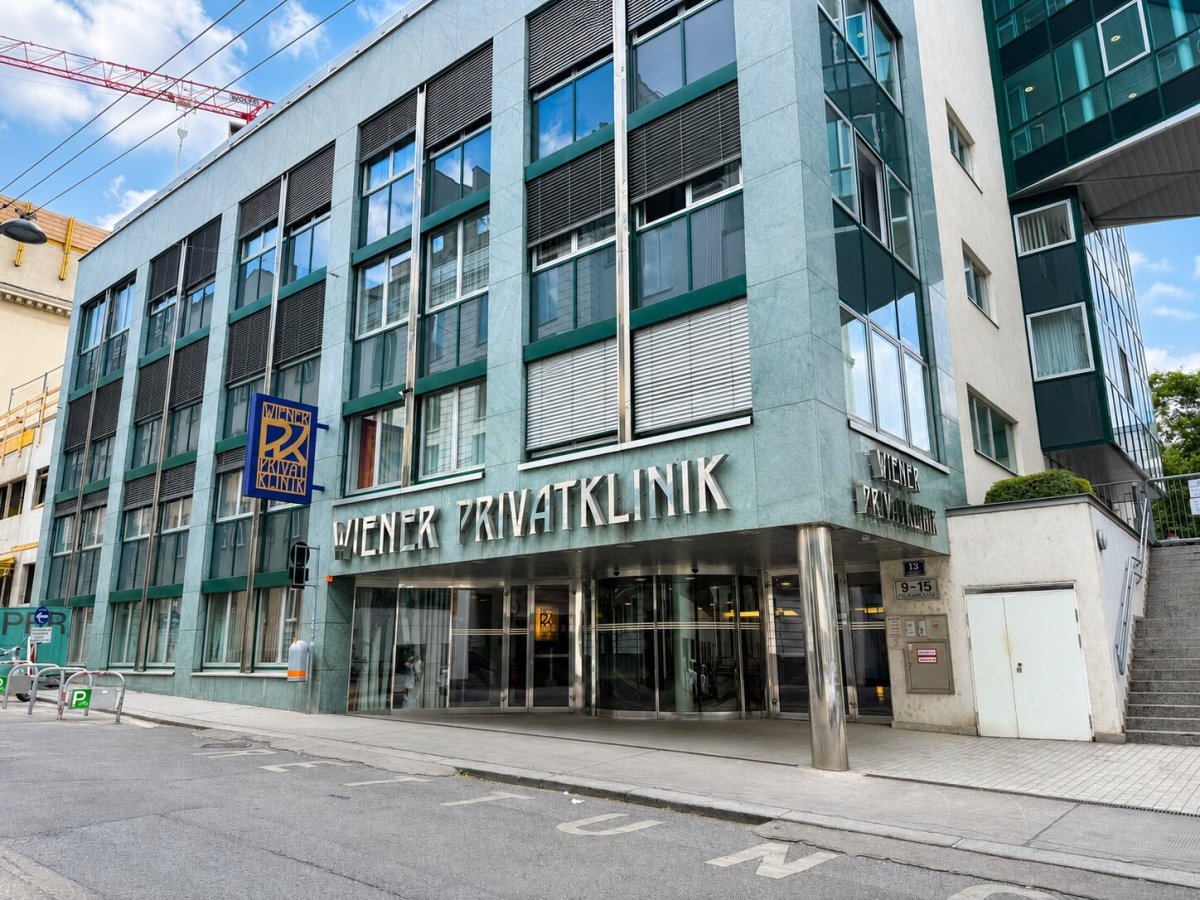
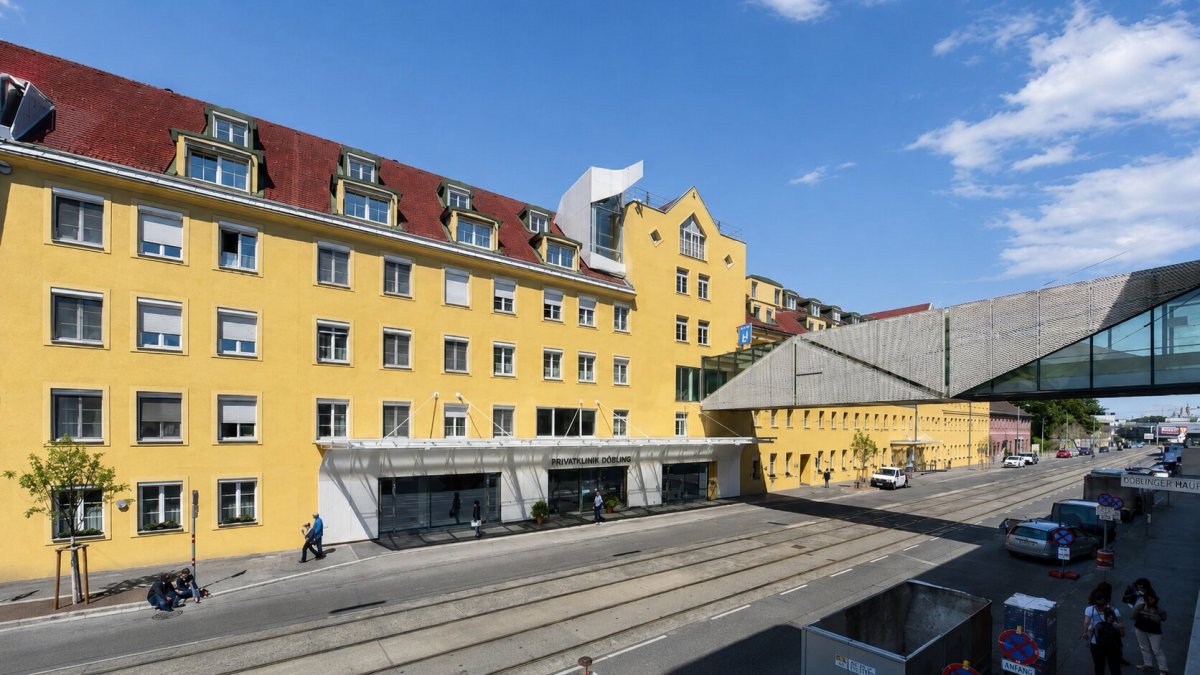
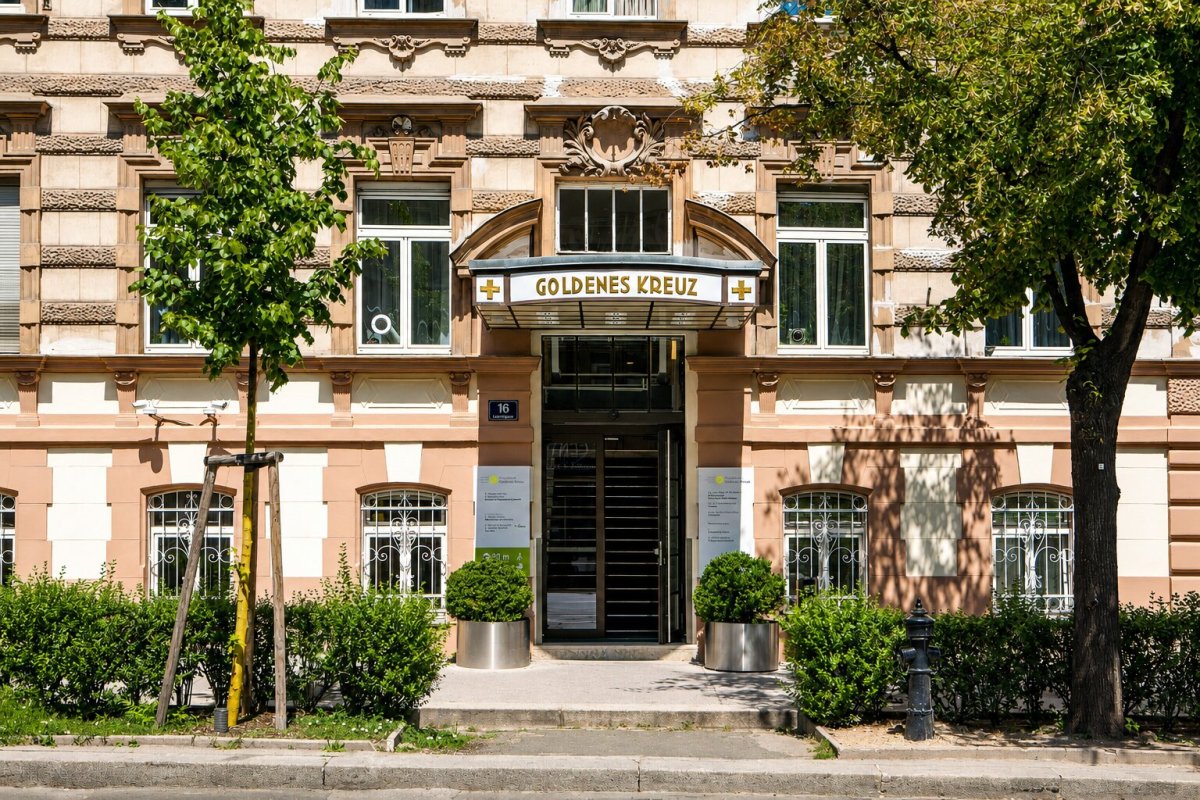
اكتشف أفضل كسر الورك العيادات في النمسا: 3 خيارات معتمدة والأسعار




Confraternitaet Private Hospital
احصلوا على تقييم طبي لـ كسر الورك في النمسا: استشيروا أطباء ذوي خبرة الآن
عرض جميع الأطباء
Dr Stefan Marlovits
يرأس البروفيسور مارلوفيتس مركز تجديد الغضاريف والأورثوبيولوجيا في مستشفى دوبلينج الخاص - وهو رائد في الطب التجديدي لإصابات الجهاز العضلي الهيكلي.
- أخصائي في جراحة العظام والكسور والطب الرياضي مع خبرة 27 سنة
- يركز على إصابات الركبة، وغضاريف المفاصل، وكسور العظام
- عضو مجلس إدارة الجمعية الدولية لتجديد الغضاريف
- أستاذ في جامعة فيينا الطبية
- يقدم الرعاية للرياضيين المحترفين والهواة

Josef Grohs
نائب رئيس وحدة العمود الفقري في مستشفى فيينا العام، يتمتع بخبرة تزيد عن _doctor_3920_ عاماً في جراحة العظام، ومتخصص في الإجراءات المعقدة للعمود الفقري والورك.
- حاصل على شهادة البورد في جراحة العظام منذ عام 1998
- رئيس الجمعية النمساوية للعمود الفقري (2009–2011)
- حاصل على التأهيل الجامعي في جراحة العظام من جامعة فيينا
- رئيس AO-Spine Austria منذ عام 2015
مشاركة المحتوى
قصص فيديو من مرضى Bookimed
 Anna Leonova
أسئلة متكررة حول علاج كسر الورك في النمسا
ما مدى سرعة إجراء جراحة كسر الورك في المستشفيات النمساوية؟
في المستشفيات النمساوية، تُعالج كسور الورك كحالات طبية طارئة. تُجرى الجراحة عادةً خلال 24-48 ساعة من دخول المريض. وتُعطي البروتوكولات الطبية الأولوية للتدخل السريع لضمان الحركة المبكرة وسلامة المريض. تُحدد مواعيد إجراءات مثل استبدال مفصل الورك فور حصول المريض على الموافقة للتخدير.
- الإطار الزمني المستهدف: وفقًا للإرشادات الوطنية، يجب إجراء الجراحة في غضون 24 ساعة.
- العتبة السريرية: نادراً ما تستغرق العمليات الجراحية أكثر من 48 ساعة لتقليل المضاعفات المحتملة خلال فترة التعافي.
- استقرار حالة المريض: قد يؤدي إيقاف مضادات التخثر أو مشاكل القلب إلى زيادة طفيفة في وقت الانتظار.
- كثافة مراكز الصدمات: تضمن الكثافة العالية لمراكز الصدمات في مدن مثل فيينا الحد الأدنى من التأخير في نقل المرضى.
رأي خبراء بوكيمد: بينما تركز أنظمة الرعاية الصحية العامة على الاستجابة الطارئة خلال 48 ساعة، تحافظ المؤسسات الخاصة، مثل مستشفى دوبلينغ الخاص، على معدلات مضاعفات أقل من المتوسط. ويتحقق ذلك غالبًا من خلال فرق متخصصة في علاج الإصابات بقيادة خبراء مثل البروفيسور الدكتور ستيفان مارلوفيتز. بالنسبة للمرضى الدوليين الذين يحتاجون إلى جراحة استبدال مفصل الورك المعقدة، توفر هذه المراكز الخاصة فرقًا ج
ما هي الطرق الجراحية الأكثر شيوعاً لعلاج كسور الورك في النمسا؟
تُعالج مراكز جراحة العظام النمساوية كسور الورك بشكل أساسي عن طريق استبدال المفصل والتثبيت الداخلي. ويعتمد اختيار الجراح على استقرار الكسر وموقعه. والهدف هو إعادة المريض إلى الحركة خلال 48 ساعة. وتتبع مراكز مثل عيادة فينر الخاصة ومستشفى دوبلينغ الخاص بروتوكولات متخصصة في علاج الإصابات عند إجراء هذه العمليات.
- جراحة استبدال المفصل: إجراء قياسي لعلاج كسور عنق الفخذ لمنع ضعف التئام العظام.
- استبدال نصف مفصل الورك: استبدال رأس عظم الفخذ، وهو الخيار المفضل للمرضى الأكبر سناً.
- استبدال مفصل الورك بالكامل: يستبدل كلا سطحي مفصل الورك، وهو مثالي للأشخاص النشطين.
- التثبيت الداخلي: يتم استخدام البراغي أو المسامير للحفاظ على المفصل الطبيعي.
- التثبيت العظمي داخل النخاع: المعيار الذهبي لعلاج كسور ما بين المدورين غير المستقرة باستخدام البراغي القفلية.
رأي خبراء بوكيميد: تشير البيانات السريرية من عيادات فيينا إلى تفضيل واضح للاندماج مع البيئة الأكاديمية. فكثيرًا ما يشغل أخصائيون مثل الدكتور ستيفان مارلوفيتز مناصب أستاذية في جامعة فيينا الطبية. وهذا يضمن حصول المرضى على علاج قائم على أحدث الأبحاث في مجال جراحة العظام لكبا
كيف تبدو خطة العلاج النموذجية للمرضى الداخليين في النمسا؟
في النمسا، يتبع علاج كسور الورك للمرضى الداخليين بروتوكولاً موحداً يركز على الاستقرار السريري السريع والتدخل الجراحي المبكر. يشمل العلاج التسجيل الإلكتروني عبر السجلات الطبية الإلكترونية، والتشخيص على مدار الساعة، والاستشارات متعددة التخصصات. ويبدأ دعم الخروج المتخصص بعد فترة وجيزة من دخول المستشفى لضمان انتقال سلس إلى رعاية المتابعة.
- الأولوية السريرية: يهدف الجراحون إلى إجراء جراحة سريعة لمنع فقدان القدرة على الحركة والعدوى الثانوية.
- كوادر مؤهلة: توظف مراكز مثل عيادة فيينا الخاصة أساتذة من جامعة فيينا الطبية.
- معايير الرعاية: تشمل الجولات اليومية في الأجنحة الأطباء والممرضات المتخصصات وأخصائيي العلاج الطبيعي.
- بروتوكول الخروج: يحدد التقييم الإلزامي للمخاطر مجالات الضعف لتنسيق الرعاية المنزلية أو إعادة التأهيل المؤسسي.
رأي خبراء بوكيمد: بينما يتوقع الكثيرون إقامة طويلة في المستشفيات الأوروبية التقليدية، تحافظ المستشفيات النمساوية الخاصة، مثل مستشفى دوبلينغ الخاص، على أعداد كبيرة من المرضى - 16000 مريض سنويًا - من خلال إعطاء الأولوية للكفاءة. تُظهر البيانات أن أخصائيين بارزين، مثل الدكتور ستيفان مارلوفيتز، يجمعون بين طب الإصابات والطب التجديدي لتسريع التئام العظام. غ
متى يبدأ العلاج الطبيعي بعد الجراحة؟
يبدأ العلاج الطبيعي لكسور الورك في النمسا عادةً خلال 24-72 ساعة. يُولي الجراحون أهميةً قصوى للحركة المبكرة لتحسين الدورة الدموية ومنع تجلط الدم. ويساعدك أخصائيو العلاج الطبيعي في المستشفى على الوقوف أو المشي قبل الخروج. هذه البداية السريعة تُسهم في تقليل تكوّن النسيج الندبي.
- التعبئة المبكرة: غالباً ما تبدأ إعادة التأهيل في نفس يوم إجراء العملية.
- مرحلة الإقامة في المستشفى: تركز الأيام من 1 إلى 3 على الانتقال من السرير إلى المستشفى واستخدام جهاز المشي.
- الأهداف المحددة: تشمل المراحل الأولية تعلم الجلوس بشكل مستقيم وإتقان الحركات الآمنة.
- الانتقال إلى العلاج الخارجي: في غضون 1-3 أسابيع، يتم الانتقال إلى السيطرة على التورم وتسكين الألم.
رأي خبراء بوكيمد: تقدم النمسا نظام رعاية طبية منظمًا ومتعدد المراحل. وتتخصص مؤسسات مثل مستشفى كونفراتيرنيتايت الخاص في ضمان انتقال سلس للمريض، حيث ينتقل بسرعة من جراحة الطوارئ إلى إعادة التأهيل المكثفة في المستشفى. ويضمن هذا النموذج مراقبة طبية متخصصة خلال الأسبوعين الأولين الحاسمين. وبفضل هذه الطريقة، تحافظ معظم العيادات الرائدة في فيينا على معدلات مضاعفات أقل من المعدل الطبيعي.
ملا
أين تتم إعادة التأهيل بعد الخروج من المستشفى في النمسا؟
في النمسا، تتم إعادة التأهيل بعد الخروج من المستشفى في مراكز متخصصة في جراحة العظام أو مستشفيات خاصة تركز على إعادة تأهيل الجهاز العضلي الهيكلي. وينتقل المرضى عادةً إلى هذه المرافق الداخلية أو العيادات الخارجية. تقع العديد من هذه المراكز في أماكن هادئة، مثل الينابيع الحرارية أو المنتجعات الصحية، مما يُسهّل عملية التعافي.
- مرافق المرضى الداخليين: توفر المراكز المتخصصة رعاية على مدار 24 ساعة وجلسات علاجية يومية مكثفة.
- العيادات الخاصة: تقدم مؤسسات مثل عيادة فيينا الخاصة برامج تقويم العظام المصممة خصيصًا في فيينا.
- مراكز العيادات الخارجية: توفر العيادات الإقليمية جلسات علاجية متعددة الساعات للمرضى الذين يعيشون في منازلهم.
- أقسام الطوارئ: تبدأ المستشفيات الكبيرة مثل مستشفى فيينا العام (AKH) إعادة التأهيل المبكر بجانب سرير المريض.
رأي خبراء بوكيمد: على الرغم من وجود ثلاثة مستشفيات خاصة متميزة في فيينا، إلا أن إعادة التأهيل الأكثر فعالية لكسور الورك المعقدة غالباً ما تتم في مرافق تضم أقساماً متخصصة في علاج الإصابات. يعالج مستشفى دوبلينغ الخاص 16000 مريض سنوياً، ويحافظ على معدل مضاعفات أقل من المعدل الطبيعي. يرتبط هذا العدد الكبير من المرضى ارتباطاً مباشراً ببروتوكولات العلا
ما نوع التخدير المفضل لجراحة كسر الورك في النمسا؟
في النمسا، يُعد التخدير النخاعي العلاج الأساسي لكسور الورك. ويُعدّ هذا النهج العصبي المحوري شائعًا بشكل خاص لدى المرضى كبار السن لتقليل المخاطر الجهازية. غالبًا ما يجمع أطباء التخدير النمساويون بينه وبين حصر الأعصاب الطرفية. ويتوافق هذا البروتوكول مع توصيات الجمعية الأوروبية لجراحة الإصابات والطوارئ.
- يفضل التخدير النخاعي: يفضل الأطباء التخدير النخاعي لتقليل خطر الإصابة بتجلط الأوردة العميقة ومضاعفات الجهاز التنفسي.
- تسكين الألم: توفر عمليات حصر الأعصاب، مثل حصر اللفافة الحرقفية، تسكينًا كبيرًا للألم في الفترة ما قبل الجراحة.
- المعايير السريرية: يُشار إلى التخدير العام للمرضى الذين يعانون من اضطرابات النزيف أو أمراض القلب.
- معايير السلامة: تتميز المستشفيات في فيينا، مثل مستشفى دوبلينغ الخاص، بمعدلات مضاعفات أقل من المتوسط الوطني.
رأي خبراء بوكيميد: يُعدّ حجم خدمات جراحة العظام مؤشرًا رئيسيًا على جودة الخدمات في فيينا. تُظهر بياناتنا أن العيادات الرائدة، مثل مستشفى دوبلينغ الخاص، تُعالج 16,000 مريض سنويًا. غالبًا ما توظف المراكز ذات الحجم الكبير فرق تخدير متخصصة بقيادة أساتذة من جامعة فيينا الطبية. يستخدم هؤلاء المتخصصون عادةً التخدير الموضعي مع حصر الأعصاب الموجه. يُع
ما هي الإجراءات المتخذة لمنع حدوث كسور في العظام مستقبلاً بعد الخروج من المستشفى؟
في النمسا، يتم الوقاية من الكسور المستقبلية من خلال استراتيجية وقائية ثانوية تهدف إلى زيادة كثافة العظام وتحسين بيئة العمل في حال السقوط. يصف الأخصائيون أدوية مضادة لامتصاص العظام، مثل البيسفوسفونات، لإبطاء فقدان العظام. بعد الخروج من المستشفى، تُجرى جلسات علاج طبيعي لتحسين التوازن وتدريب المشي. كما يقوم أخصائيو العلاج الوظيفي بتقييم سلامة المنزل للوقاية من السقوط.
- العلاج الدوائي: يصف الأطباء البايفوسفونات أو دينوسوماب لتقليل ارتشاف العظام والمخاطر الثانوية.
- الوقاية من السقوط: تركز جلسات العلاج الطبيعي على تحسين آليات المشي والتوازن والتدريب الموجه للقوة.
- تحسين ظروف المعيشة: يوصي أخصائيو العلاج الوظيفي بتركيب قضبان مساعدة وإزالة السجاد لتقليل المخاطر المحتملة.
- بروتوكول المكملات الغذائية: يتلقى المرضى الكالسيوم وفيتامين د يومياً لدعم إعادة تشكيل العظام على المدى الطويل.
رأي خبراء بوكيميد: تُطبّق المراكز النمساوية الكبرى، مثل مستشفى دوبلينغ الخاص، بروتوكولات سلامة المرضى المعتمدة من اللجنة الدولية المشتركة (JCI). تضمن هذه الأنظمة بقاء معدلات المضاعفات دون المستوى المطلوب من خلال التعبئة المبكرة المنسقة. ويؤكد أخصائيون بارزون، مثل الدكتور ستيفان مارلوفيتز، على أهمية