علاج ورم القدم الملتهب أو الوكعة في إسبانيا — احصل على 3 عيادات مختارة خصيصاً لك


تمت مراجعة المقالة طبيا من قبل
فهد مولود
كيف نعمل؟
ما هي تكلفة ورم القدم الملتهب أو الوكعة إجراءات التشخيص والعلاج في إسبانيا؟ اعرف الآن
من $150. تعتمد النفقات الإجمالية على شدة التشوه، والتقنية الجراحية المختارة، واختيار العيادة. غالباً ما يحقق المرضى وفورات تتراوح بين 40-60% مقارنة بالولايات المتحدة. تظل برشلونة ومدريد الوجهتين الرئيسيتين للحصول على رعاية متقدمة في تقويم العظام.
تكاليف علاج إبهام القدم الأروح النموذجية في إسبانيا
- استشارة مع أخصائي تقويم العظام (جراح العظام): من $150
- تصوير المفصل بالرنين المغناطيسي: من $560
- جراحة إبهام القدم الأروح: من $6,500
- إجراء لابيدوس لتصحيح إبهام القدم الأروح ثلاثي الأبعاد: من $6,700
- العلاج الطبيعي: من $120
رؤية خبراء Bookimed: يجب على المرضى الذين يبحثون عن خبرة عالية المستوى التفكير في عيادات برشلونة مثل Centro Médico Teknon. يتمتع الدكتور فيكتور كاسالس تيكسيدو في Teknon بخبرة 20 عاماً في جراحة القدم طفيفة التوغل. بالنسبة للحالات المعقدة لدى الأطفال، يوفر مستشفى SJD Barcelona Children's Hospital رعاية متخصصة كمركز أوروبي من الدرجة الأولى. توفر الشبكات متعددة التخصصات مثل HM Hospitals تصويراً متكاملاً للجهاز العضلي الهيكلي، مما يضمن تخطيطاً جراحياً دقيقاً لتصحيحات إبهام القدم الأروح ثلاثية الأبعاد الشديدة.
اكتشف أفضل ورم القدم الملتهب أو الوكعة العيادات في إسبانيا: 9 خيارات معتمدة والأسعار









SJD Barcelona Children’s Hospital











احصل على تقييم طبي لـ في إسبانيا. استشر الآن 8 أطباء ذوي الخبرة.
عرض جميع الأطباء
Pau Rigol Ramon

Victor Casals Teixido
أخصائي رائد في إصابات الأطراف السفلية، متخصص في جراحة القدم والكاحل في مركز تكنون الطبي (Centro Médico Teknon).
- إقامة في جراحة العظام والإصابات في مستشفى بيلفيتجي الجامعي
- عضو في الجمعيات المهنية الدولية والوطنية لأطباء العظام
- مؤلف منشورات علمية حول زراعة الأنسجة العظمية والتهاب العظم والنقي
- تدرب على جراحة القدم والكاحل في مستشفى الجراحة الخاصة (Hospital for Special Surgery) في نيويورك

Inmaculada Gómez Arrayás
تُعد الدكتورة إنماكولادا غوميز أراياس واحدة من أفضل 100 طبيب في إسبانيا وفقاً لمجلة فوربس. تشغل منصب رئيس قسم جراحة العظام في مستشفى روبر الدولي في مدريد. تُعتبر الدكتورة أراياس رائدة في استخدام أنظمة الملاحة لإجراء جراحات دقيقة لاستبدال المفاصل. وهي متخصصة في الإجراءات طفيفة التوغل للورك والركبة وبروتوكولات التعافي السريع.
- حاصلة على شهادة ISO 9001 للجودة في جراحات استبدال الورك والركبة.
- تُجري عمليات تنظير الركبة والورك بالإضافة إلى عمليات إعادة بناء المفاصل المعقدة والمراج
Pablo De La Cuadra
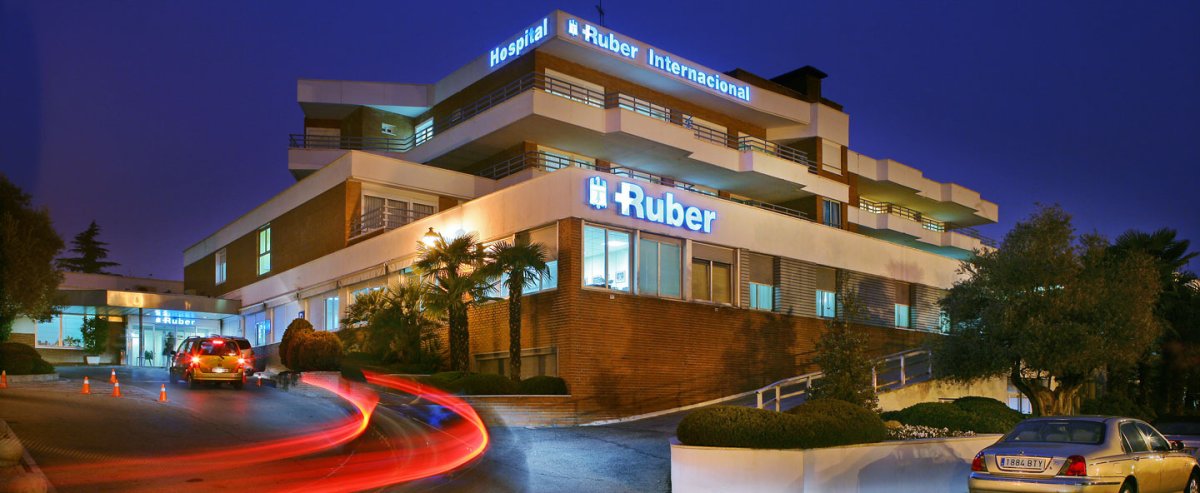
الدكتور بابلو دي لا كوادره (Pablo Cuadra de la Virgili) جرّاح عظام واختصاصي طب الرضوح في مدريد. يختص بإصابات الرياضيين وجراحة الكتف في Hospital Ruber Internacional، حيث يعمل منذ عام 1999. لديه خبرة تفوق 25 عامًا. يقود وحدة متعددة التخصصات ويرأس فريقًا متخصصًا في طب الرضوح. يُعد خبيرًا معترفًا به في اضطرابات الكتف المعقدة. يستخدم تقنيات تنظير مفصلي وترميم متقدمة لعلاج عدم الاستقرار وإصابات الكفة المدورة.
المؤهلات: دكتور في الطب (1993) ودكتوراه في الطب (2001) من جامعة مدريد المستقلة. اخت
مشاركة المحتوى
قصص فيديو من مرضى Bookimed
 Anna Leonova
أسئلة متكررة حول علاج ورم القدم الملتهب أو الوكعة في إسبانيا
متى يوصى بإجراء جراحة إبهام القدم الأروح (Hallux Valgus) في إسبانيا؟
يوصي جراحو العظام الإسبان بإجراء جراحة إبهام القدم الأروح عندما يستمر الألم المزمن على الرغم من الجهود غير الجراحية. عادة ما يظهر المرشحون انحرافات في أصابع القدم تتجاوز 30 درجة أو مشاكل ثانوية مثل أصابع القدم المطرقة. تؤكد المراكز الرائدة في مدريد وبرشلونة على التعافي الوظيفي أكثر من المظهر التجميلي لجميع المرشحين للجراحة.
- الضعف الوظيفي: صعوبة في المشي أو ممارسة الرياضة بسبب ألم إبهام القدم الأروح المستمر.
- فشل العلاج: تستمر أعراض الورم بعد استخدام تقويم العظام أو الأحذية المتخصصة أو العلاج الطبيعي.
- التشوه التدريجي: يزداد انحراف إصبع القدم الكبير سوءاً، مما يؤثر على أصابع القدم المجاورة أو محاذاة القدم.
- التشخيص السريري: يستخدم أطباء العظام الأشعة السينية أثناء تحميل الوزن والتصوير بالرنين المغناطيسي لتأكيد الضرورة الجراحية.
رؤية خبير Bookimed: بينما ينتظر العديد من المرضى حتى حدوث تشوه شديد، تظهر بياناتنا تحولاً نحو التدخل المبكر في المراكز الإسبانية الخاصة. يركز الجراحون المتخصصون مثل الدكتور فيكتور كاسالس تيكسيدو في مركز تيكنون الطبي على التقنيات طفيفة التوغل. غالباً ما تتطلب هذه الطرق وقتاً أقل للتعافي مقارنة بقطع العظم التقليدي المستخدم في الحالات المتقدمة. اختيار الجراحة عندما يبدأ ارتداء الأحذية العادية في التسبب بالألم يمكن أن يمنع مشاكل ثانوية معقدة مثل ورم مورتون العصبي.
إجماع المرضى: يشير المرضى إلى أن الجراحة نادراً ما يتم الموافقة عليها للمظهر فقط وتتطلب قيوداً وظيفية واضحة. يؤكد الكثيرون أن تأخير الإ
ما هي التقنيات المتاحة لتصحيح إبهام القدم الأروح (الوكعة) في إسبانيا؟
تقدم إسبانيا تقنيات عالية الدقة لتصحيح الوكعة. يتخصص الجراحون في الجراحة الجلدية طفيفة التوغل وإجراءات "لابيدوس" ثلاثية الأبعاد لإعادة التموضع الدائم. تستخدم المراكز في مدريد وبرشلونة مثاقب دقيقة عبر ثقوب بحجم 3 مليمترات. توفر المرافق المعتمدة من اللجنة الدولية المشتركة (JCI) غالباً تخديراً موضعياً للسماح بالمشي في نفس اليوم.
- الجراحة الجلدية: تصحح الحالات الخفيفة من خلال ثقوب جلدية صغيرة باستخدام مثاقب دقيقة.
- إجراء لابيدوس ثلاثي الأبعاد: يثبت المفصل عبر ثلاثة مستويات لحالات الوكعة الشديدة.
- قطع العظم التقليدي: يستخدم شقوقاً قياسية ومسامير لتحقيق الاستقرار في التصحيحات المعقدة.
- تقويم العظام المخصص: يستخدم نعالاً مصبوبة وجبائر للتعامل مع التشوهات في مراحلها المبكرة دون جراحة.
رؤية خبير Bookimed: غالباً ما يمارس جراحو العظام الإسبان ذوو الخبرة في مراكز ذات حجم كبير من المرضى مثل Centro Médico Teknon أو Hospital HM Nou Delfos. يتمتع الدكتور فيكتور كاسالس تيكسيدو في Teknon بأكثر من 20 عاماً من الخبرة والتدريب المتخصص في مؤسسات نيويورك. يستفيد المرضى من هذا المستوى من التخصص لأن النتائج تعتمد بشكل كبير على تكرار قيام الجراح بهذه المناورات المحددة.
إجماع المرضى: يؤكد المرضى أن الخيارات طفيفة التوغل تحظى بشعبية بسبب صغر حجم الندبات. كما يلاحظون أن استشارة متخصص في القدم والكاحل توفر نتائج طويلة الأمد أفضل من رعاية العظام العامة.
كم تستغرق فترة التعافي بعد جراحة إبهام القدم الأروح (الورم الملتهب) في إسبانيا؟
تتطلب فترة التعافي بعد جراحة إبهام القدم الأروح في إسبانيا عادةً من 6 إلى 10 أسابيع لاستعادة القدرة على الحركة الوظيفية. يعود معظم المرضى إلى العمل المكتبي في غضون 15 يوماً. تستغرق عملية إعادة تشكيل العظام بالكامل والتئام الأنسجة التام عموماً ما يصل إلى 12 شهراً. يستخدم الأخصائيون تقنيات طفيفة التوغل لتسريع الشفاء الأولي وحركة السطح.
- مباشرة بعد الجراحة: يستخدم المرضى أحذية تقويم العظام ويرفعون القدم لمدة 14 يوماً.
- الانتقال الحركي: تزداد مسافات المشي تدريجياً بين الأسبوعين 3 و 6 بعد الجراحة.
- الأحذية الداعمة: يتم الانتقال من الأحذية الجراحية إلى الأحذية الداعمة حوالي الأسبوع السادس.
- الأنشطة عالية التأثير: تتطلب ممارسة الجري والرياضة عادةً موافقة الجراح بعد 3 أشهر.
رؤية خبير Bookimed: تظهر البيانات تفضيلاً واضحاً لبرشلونة ومدريد للرعاية العظمية المعقدة. يركز أخصائيون مثل الدكتور فيكتور كاسالس تيكسيدو في مركز تيكنون الطبي (Centro Médico Teknon) على تثبيت العظام طفيف التوغل. غالباً ما تسمح هذه التقنية بتحمل الوزن بشكل أسرع من الجراحة المفتوحة التقليدية. اختيار عيادة مزودة بتقنية التصوير عالي الدقة EOS، مثل مستشفى HM Nou Delfos، يضمن فحوصات أكثر دقة لمحاذاة ما بعد الجراحة.
إجماع المرضى: يشير المرضى إلى أنه على الرغم من زوال الألم بسرعة، إلا أن التورم يستمر لعدة أشهر. ويؤكدون أن العودة إلى ارتداء الأحذية العادية تستغرق وقتاً أطول بكثير مما كان متوقعاً بسبب هذا الالتهاب المتبقي.
هل من الممكن تصحيح إبهام القدم الأروح (الورم) بدون جراحة؟
لا يمكن عكس حالة إبهام القدم الأروح (الورم) جسديًا بدون جراحة. هذه الحالة عبارة عن تشوه هيكلي في العظام يتضمن مفصلًا غير محاذٍ في قاعدة إصبع القدم. تدير الطرق غير الجراحية الألم بفعالية وتبطئ من تقدم الحالة. التدخل الجراحي فقط هو الذي يمكنه إعادة محاذاة العظم إلى موضعه الصحيح.
- جلسات العلاج الطبيعي: تمارين مستهدفة تقوي عضلات القدم وتحافظ على مرونة المفاصل.
- الأجهزة التقويمية: تعمل الحشوات المخصصة على إعادة توزيع الضغط وتثبيت قاعدة إصبع القدم الكبير.
- تعديلات الأحذية: تمنع صناديق أصابع القدم الواسعة التزاحم وتقلل الالتهاب في المفصل.
- فواصل أصابع القدم: توفر الفواصل المصنوعة من السيليكون راحة مؤقتة عن طريق منع تداخل أصابع القدم يوميًا.
رؤية خبير Bookimed: تقدم المراكز الإسبانية مثل Olympia Quironsalud باقات علاج طبيعي متخصصة بحوالي 2600 دولار تركز على التعافي الشامل. اختيار منشأة تستخدم نظام التصوير EOS، المتاح في مستشفى HM Nou Delfos، يسمح بإجراء فحوصات دقيقة للجهاز العضلي الهيكلي. يساعد هذا التصوير المتخصص أخصائيين مثل الدكتور فيكتور كاسالس تيكسيدو في مركز Centro Médico Teknon على تتبع التغيرات الهيكلية بدقة قبل اتخاذ قرار بشأن ما إذا كانت الجراحة ضرورية.
إجماع المرضى: يشير المرضى إلى أنه على الرغم من أن الأحذية الواسعة والفواصل توفر راحة يومية كبيرة، إلا أن هذه الأدوات تدير الأعراض بدلاً من إصلاح العظم. يقترح الكثيرون بدء الرعاية التحفظية مبكرًا لتأجيل الإجراءات الأكثر توغلاً لعدة سنوات.
ما هي الاختبارات التشخيصية القياسية لتقييم إبهام القدم الأروح (Hallux Valgus) في إسبانيا؟
يركز التقييم القياسي لإبهام القدم الأروح في إسبانيا على الفحص البدني والتصوير الشعاعي أثناء التحميل لتقييم محاذاة العظام. يستخدم جراحو العظام الأشعة السينية أثناء الوقوف لقياس زاوية إبهام القدم الأروح بدقة. تساعد هذه الاختبارات المتخصصين مثل الدكتور فيكتور كاسالس تيكسيدو في مركز تيكنون الطبي (Centro Médico Teknon) على تخطيط تصحيحات جراحية دقيقة.
- التقييم البدني: يقوم الجراحون بتقييم الألم، وحركة المفاصل، ووجود القدم المسطحة أو الالتهاب.
- الأشعة السينية أثناء التحميل: تضمن لقطات الوقوف الأساسية التقاط التشوه تحت الحمل الفسيولوجي الطبيعي.
- المقاييس الشعاعية: يحسب الأطباء زوايا إبهام القدم الأروح وما بين مشط القدم لتحديد شدة الحالة.
- التصوير المتقدم: تستخدم العيادات التصوير بالرنين المغناطيسي أو الأشعة المقطعية بشكل أساسي للتخطيط الجراحي ثلاثي الأبعاد المعقد.
رؤية خبير Bookimed: تحتل إسبانيا المرتبة الرابعة عالمياً في طلبات جراحة العظام، مما يعكس بنية تحتية عميقة للمراكز المتخصصة. بينما يتوقع العديد من المرضى إجراء أشعة سينية بسيطة، تستخدم العيادات الرائدة مثل مركز تيكنون الطبي ومستشفى روبر الدولي تصويراً رقمياً متقدماً لرسم خريطة دوران مشط القدم. هذه الدقة حيوية لإجراءات لابيدوس ثلاثية الأبعاد، التي تعالج السبب الهيكلي الجذري بدلاً من مجرد النتوء المرئي.
إجماع المرضى: يشير المرضى إلى أن التقييم يركز بشكل كبير على كيفية تأثير التشوه على المشي اليومي واختيار الأحذية. يسلط معظمهم الضوء على أن الأشعة السينية أثناء التحميل
هل يمكن إجراء عملية جراحية للقدمين في نفس الوقت؟
يمكن لجراحي العظام الإسبان إجراء جراحة إبهام القدم الأروح الثنائية على كلتا القدمين في وقت واحد. يتطلب هذا النهج المشترك تخديرًا واحدًا فقط وفترة تعافي واحدة. وعادة ما يكون مخصصًا للمرضى الأصحاء الذين لديهم دعم منزلي متخصص وإمكانية الوصول إلى تقنيات متقدمة طفيفة التوغل.
- تخدير واحد: يؤدي الخضوع لإجراء واحد إلى تقليل المخاطر الطبية المرتبطة بالتخدير المتكرر والإقامة في المستشفى.
- تعافي مضغوط: يمكنك دمج جدولين زمنيين للشفاء في كتلة واحدة مدتها عدة أسابيع للعودة بشكل أسرع إلى العمل.
- التقنية الجراحية: تسمح إجراءات مثل Lapidus ثلاثي الأبعاد بالتثبيت المستقر باستخدام ألواح ومسامير متقدمة.
- معايير المرشحين: المرضى المثاليون ليس لديهم تاريخ من مرض السكري أو ضعف الدورة الدموية لضمان الشفاء.
رؤية خبير Bookimed: إسبانيا هي مركز لمراكز العظام ذات الحجم الكبير مثل Centro Médico Teknon، الذي يجري 23500 عملية سنويًا. تظهر البيانات أن العيادات هنا غالبًا ما تستخدم تصوير EOS عالي الدقة لتخطيط التشوهات الثنائية قبل الجراحة. عند اختيار الجراحة المتزامنة، ابحث عن مراكز حاصلة على اعتماد JCI لضمان بروتوكولات سلامة المرضى خلال المرحلة الأولية من التعافي مع محدودية الحركة.
إجماع المرضى: يشير المرضى إلى أنه على الرغم من أن توفير الوقت رائع، إلا أنه يجب أن يكون لديك مساعدة على مدار الساعة طوال أيام الأسبوع في المنزل خلال الأسبوعين الأولين. تصبح المهام العملية مثل الاستحمام أو حتى الذهاب إلى الحمام صعبة للغاية بدون قدم سليمة للاستناد عليها.
هل سأحتاج إلى جبيرة بعد جراحة إبهام القدم الأروح (الورم الملتهب) في إسبانيا؟
لا يحتاج المرضى عمومًا إلى جبيرة بعد جراحة إبهام القدم الأروح في إسبانيا. تستخدم مراكز العظام الحديثة التثبيت الداخلي الصلب بمسامير أو صفائح التيتانيوم. يسمح هذا التثبيت باستخدام أحذية متخصصة بدلاً من الجبائر الثقيلة. يبدأ معظم المرضى في تحميل الوزن بشكل محمي فورًا تقريبًا بعد الإجراء.
- طريقة التثبيت: يستخدم الجراحون مسامير تيتانيوم صغيرة للحفاظ على استقرار العظام أثناء الشفاء.
- أحذية ما بعد الجراحة: تعمل الصنادل ذات النعل الإسفيني المتخصصة أو الأحذية الصلبة على تخفيف الوزن عن مقدمة القدم.
- إدارة الجروح: تتحكم ضمادات الضغط والشاش السميك في التورم خلال الأسبوعين الأولين.
- الحالات المعقدة: يمكن استخدام أحذية المشي القابلة للإزالة لتصحيحات العظام المتعددة أو عمليات الدمج الواسعة.
رؤية خبير Bookimed: غالبًا ما يفضل كبار جراحي العظام في إسبانيا، مثل الدكتور خافيير ألبينيانا الذي يتمتع بخبرة تزيد عن 35 عامًا، التقنيات طفيفة التوغل التي تتجاوز التجبير التقليدي. تُظهر البيانات من مراكز مثل Centro Médico Teknon حجمًا كبيرًا من جراحات القدم حيث ينتقل المرضى إلى أحذية رياضية واسعة بحلول الأسبوع السادس. يمكن أن يؤدي اختيار متخصص يركز على الجراحة المجهرية وتثبيت العظام طفيف التوغل إلى تقليل الحاجة إلى التثبيت المقيد بشكل أكبر.
إجماع المرضى: يجد العديد من المرضى أن التحدي الأكبر هو إدارة التورم وليس موقع الشق الجراحي. غالبًا ما ينصحون بتأكيد جهاز التعافي المحدد - سواء كان حذاءً أو بوت أو جبيرة - أثناء الاستشارة الجراحية الأولية.