علاج ورم القدم الملتهب أو الوكعة في اليونان: 2 مستشفيات


تمت مراجعة المقالة طبيا من قبل
فهد مولود
ما هي تكلفة ورم القدم الملتهب أو الوكعة إجراءات التشخيص والعلاج في اليونان؟ اعرف الآن
مزاياك وضماناتك مع Bookimed
أسعار مباشرة
Bookimed لا يضيف رسوماً إضافية على أسعار علاج ورم القدم الملتهب أو الوكعة. الأسعار مأخوذة من قوائم الأسعار الرسمية للعيادات. تدفع مباشرة في العيادة مقابل علاجك عند وصولك إلى البلد.
عيادات وأطباء معتمدون فقط
Bookimed ملتزم بسلامتك. نحن نعمل فقط مع المؤسسات الطبية التي تحافظ على معايير دولية عالية في علاج ورم القدم الملتهب أو الوكعة ولديها التراخيص اللازمة لخدمة المرضى الدوليين في جميع أنحاء العالم.
مساعدة مجانية على مدار الساعة
Bookimed يقدم مساعدة خبراء مجانية. منسق طبي شخصي يدعمك قبل وأثناء وبعد العلاج، ويحل أي مشاكل. لن تكون وحيداً أبداً في رحلة علاج ورم القدم الملتهب أو الوكعة.

منسقك الطبي الشخصي في Bookimed
- يدعمك في كل مرحلة
- المساعدة في اختيار العيادة الطبية المناسبة والطبيب المناسب
- يضمن الوصول السريع والمريح إلى المعلومات
اكتشف أفضل ورم القدم الملتهب أو الوكعة العيادات في اليونان: 2 خيارات معتمدة والأسعار


Orthorehab Center
احصلوا على تقييم طبي لـ ورم القدم الملتهب أو الوكعة في اليونان: استشيروا أطباء ذوي خبرة الآن
عرض جميع الأطباء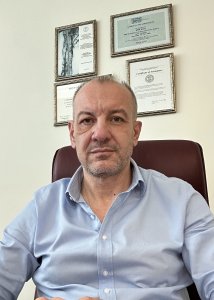
Andreas Papadopoulos
الطبيب هو جراح عظام وإصابات بارع يتمتع بخبرة سريرية تزيد عن 21 عاماً وأكثر من 6000 عملية جراحية ناجحة. يتخصص الطبيب في تقويم مفصل الركبة بمساعدة الروبوت، وتنظير المفاصل المتقدم، والطب الرياضي، ويستخدم أنظمة متطورة مثل CORI وROSA لضمان الدقة. تشمل خبرته السريرية إعادة بناء الكتف، وإدارة الكسور المعقدة، ورعاية العمود الفقري، والطب التجديدي.
حاصل على درجة الدكتوراه بامتياز، ويشغل منصب مدير قسم الإصابات الرياضية في مركز أوليمبيون الطبي. بفضل خلفيته الأكاديمية القوية واعترافه الدولي، قام الط

مشاركة المحتوى
قصص فيديو من مرضى Bookimed
 Anna Leonova
أسئلة متكررة حول علاج ورم القدم الملتهب أو الوكعة في اليونان
ما هي التقنيات الجراحية الرئيسية المستخدمة لتصحيح إبهام القدم الأروح (Hallux Valgus) الشديد في اليونان؟
يقوم أخصائيو العظام اليونانيون بتصحيح إبهام القدم الأروح الشديد باستخدام إعادة المحاذاة الهيكلية وتثبيت الزاوية بين مشط القدم. يستخدم الجراحون عادةً إجراء لابيدوس (Lapidus) لارتخاء الأربطة أو بضع العظم القريب للزوايا الواسعة. تركز هذه التقنيات على التصحيح ثلاثي المستويات الدائم لمنع التكرار.
- إجراء لابيدوس: يدمج مفصل الرصغ والمشط لتوفير قاعدة هيكلية مستقرة ودائمة.
- بضع العظم القريب: تقلل القطوع الإسفينية أو قطع شيفرون عند قاعدة العظم من الزوايا العالية بين مشط القدم.
- تقنية سكارف (Scarf): تسمح القطوع الطويلة على شكل حرف Z على طول عمود مشط القدم بإزاحة العظام جانبياً.
- الجراحة الجلدية الموجهة: تعمل المثاقب الدقيقة والبراغي ذات التدخل الجراحي المحدود على تصحيح التشوهات من خلال شقوق بطول 1 سم.
رؤية خبير Bookimed: تربط المراكز اليونانية مثل مركز Interbalkan European Medical Center بين الخبرة العالية والمعايير الدولية من خلال شراكات مع مؤسسات مثل مستشفى ماساتشوستس العام. بالنسبة للتشوهات الشديدة، أعط الأولوية للعيادات الحاصلة على اعتماد الرعاية الصحية العالمي (GHA). وهذا يضمن أن المنشأة تتعامل بشكل خاص مع الحالات الجراحية الدولية المعقدة ببروتوكولات سلامة معتمدة.
إجماع المرضى: يشير المرضى إلى أنه على الرغم من أن الخيارات ذات التدخل الجراحي المحدود مغرية، إلا أن قطوع العظام الهيكلية توفر نتائج أكثر موثوقية للحالات القصوى. يؤكد الكثيرون أن إدارة التوقعات فيما يتعلق بالتورم طويل الأمد أمر حيوي لتجربة تعافي سلسة.
هل جراحة إبهام القدم الأروح طفيفة التوغل شائعة في اليونان، وما هي مميزاتها؟
تعد جراحة إبهام القدم الأروح (Bunion) طفيفة التوغل شائعة للغاية ومتاحة على نطاق واسع في مراكز العظام اليونانية. تستخدم العيادات المتخصصة في أثينا وسالونيك شقوقاً جراحية بحجم 2-3 مم. تسمح هذه التقنيات بالتحميل على القدم فوراً. غالباً ما يعود المرضى إلى ارتداء الأحذية العادية في غضون 3 إلى 6 أسابيع. تبلغ المراكز اليونانية عن معدلات نجاح تتراوح بين 87% و94%.
- حجم الشق: يستخدم الجراحون ثقوباً صغيرة بحجم 2-3 مم بدلاً من الشقوق التي يتراوح طولها بين 5-10 سم.
- الحركة: يمشي معظم المرضى في نفس اليوم باستخدام حذاء جراحي متخصص.
- إدارة الألم: الحفاظ على الأنسجة الرخوة يؤدي إلى تورم وتيبس أقل بكثير بعد الجراحة.
- النتيجة التجميلية: تترك فتحات الدخول الصغيرة ندبات غير مرئية تقريباً أو باهتة جداً.
- معدلات النجاح: تظهر الدراسات طويلة المدى نجاحاً يصل إلى 94% في حالات التشوهات الخفيفة.
رؤية خبير Bookimed: غالباً ما تأتي مؤشرات الجودة في اليونان من الروابط الدولية. يحافظ مركز Interbalkan European Medical Center في سالونيك على تقييم 4.2 ويتعاون مع مستشفى ماساتشوستس العام. يشير هذا الارتباط إلى أن أقسام العظام اليونانية تتماشى في بروتوكولاتها الجراحية مع المعايير الأكاديمية الأمريكية الكبرى. بالنسبة للمرضى، يعني هذا غالباً الوصول إلى أحدث تقنيات التصحيح ثلاثية الأبعاد من الجيل الثالث المستخدمة في الولايات المتحدة.
إجماع المرضى: يؤكد المرضى على أهمية العثور على جراحين يجرون جراحات طفيفة التوغل (MIS) بشكل روتيني بد
ما هو الجدول الزمني القياسي للتعافي بعد جراحة إبهام القدم الأروح (Hallux Valgus) في اليونان؟
يسمح التعافي القياسي في اليونان بالمشي بعد ساعات فقط من الجراحة باستخدام أحذية طبية متخصصة. يعود معظم المرضى إلى ارتداء الأحذية الداعمة العادية بحلول الأسبوع السادس. عادة ما يتم استئناف الرياضات عالية التأثير بعد 3 أشهر. قد يستغرق الشفاء التام، بما في ذلك زوال التورم المتبقي، من 6 إلى 9 أشهر.
- الحركة المبكرة: غالبًا ما يبدأ المرضى في المشي في غضون ساعات باستخدام حذاء طبي متخصص.
- إزالة الغرز: يقوم الجراحون عادةً بإزالة الغرز بين 10 و14 يومًا بعد الإجراء.
- العودة للعمل: غالبًا ما يكون العمل المكتبي ممكنًا بعد أسبوعين مع رفع القدم باستمرار.
- الانتقال إلى الأحذية العادية: ينتقل معظم المرضى من الأحذية الطبية إلى الأحذية الرياضية الداعمة حوالي الأسبوع السادس.
رؤية خبير Bookimed: غالبًا ما تتضمن مؤشرات الجودة في مراكز العظام اليونانية معايير دولية. يحمل المركز الطبي الأوروبي Interbalkan في سالونيك اعتماد الرعاية الصحية العالمي. يضمن هذا الاعتماد بروتوكولات متخصصة للمرضى الدوليين أثناء تعافيهم الفوري. غالبًا ما يؤدي هذا الاعتماد إلى مراقبة دقيقة ومنظمة للغاية بعد الجراحة للمسافرين الأجانب.
إجماع المرضى: يشير المرضى إلى أنه على الرغم من أن الجلد يبدو وكأنه يلتئم بسرعة، إلا أن التورم الداخلي يظل التحدي الأكبر. ويؤكدون أن رفع القدم أكثر فعالية من مسكنات الألم للتحكم في الضغط خلال الأيام الـ 14 الأولى.
ما هي الخيارات غير الجراحية المتاحة في اليونان قبل التفكير في جراحة إبهام القدم الأروح (الورم الملتهب)؟
يركز علاج الورم الملتهب غير الجراحي في اليونان على المحاذاة الميكانيكية الحيوية لإبطاء التشوه. يساعد تحليل المشية ثلاثي الأبعاد المخصص في إنشاء تقويمات مخصصة. يعمل العلاج الحركي المتخصص على تقوية العضلات المحلية. تعالج حقن الكورتيزون التهاب المفاصل الحاد. تقلل هذه الطرق من الألم دون الحاجة إلى جراحة غازية.
- التقويمات المخصصة: يقوم تحليل المشية الرقمي ثلاثي الأبعاد بإنشاء نعال لتثبيت ميكانيكا القدم.
- فواصل أصابع القدم: تقلل فواصل السيليكون المتوفرة في الصيدليات اليونانية من الاحتكاك بين أصابع القدم.
- العلاج الطبيعي: يعمل العلاج الحركي السريري على تقوية العضلات للمساعدة في سحب إصبع القدم للخارج.
- علاج الجبائر: تخفف الجبائر الليلية الموصوفة من توتر المفاصل أثناء نوم المريض.
رؤية خبير Bookimed: تمتلك عيادات مثل مركز Interbalkan European Medical Center اعتماد الرعاية الصحية العالمي للمعايير الدولية. على الرغم من تخصصهم في الجراحة، فإن تعاونهم مع خبراء جامعة هارفارد يؤكد على التشخيص الشامل. ابحث أولاً عن المراكز التي تقدم تحليل المشية الرقمي. هذا يحدد ما إذا كانت القدم المسطحة أو الإفراط في الكب هي التي تسبب التشوه.
إجماع المرضى: يجد المرضى أن التحول إلى أحذية ذات مقدمة عريضة هو الحل اليومي الأكثر فعالية. ينظر الكثيرون إلى الجبائر كأدوات للراحة بدلاً من كونها علاجات دائمة لمحاذاة العظام.
كم من الوقت يجب أن يخطط مريض السياحة العلاجية للبقاء في اليونان لإجراء جراحة إبهام القدم الأروح (Hallux Valgus)؟
يجب على المرضى التخطيط للبقاء في اليونان لمدة 7 إلى 14 يوماً بعد الجراحة. تسمح هذه المدة بإجراء فحوصات أساسية للجروح وتضمن السفر الجوي الآمن. قد تسمح الإجراءات طفيفة التوغل بالمغادرة بعد 7 أيام. تتطلب عمليات قطع العظم المعقدة ما يصل إلى 14 يوماً للتحكم في التورم ومنع مشاكل الدورة الدموية.
- الإقامة في الجراحة طفيفة التوغل: خطط لمدة 5 إلى 7 أيام لتقنيات الجراحة بالمنظار.
- الإقامة في جراحة قطع العظم المعقدة: خصص من 10 إلى 14 يوماً للإجراءات التي تتضمن دمج العظام.
- رفع القدم بعد الجراحة: توقع إبقاء القدم مرفوعة لمدة 80% من اليوم.
- تصريح الطيران: عادةً ما يصدر الجراحون شهادات اللياقة للطيران في نهاية الأسبوع الأول.
رؤية خبير Bookimed: ابحث عن مراكز حاصلة على اعتماد الرعاية الصحية العالمي (Global Healthcare Accreditation) مثل مركز Interbalkan European Medical Center في سالونيك. تتبع هذه المرافق بروتوكولات دولية محددة للمسافرين لأغراض طبية. وهذا يضمن أن يتضمن جدول تعافيك الوثائق اللازمة لشركة الطيران الخاصة بك. كما يضمن التنسيق مع المتخصصين الذين يفهمون مخاطر التورم الناجم عن السفر.
إجماع المرضى: يؤكد المسافرون أن الأيام الخمسة الأولى هي الأصعب في إدارة الألم. ويوصون بالبقاء لمدة 10 أيام على الأقل لضمان سير عملية تغيير الضمادة الأولى بسلاسة قبل التنقل في المطار.
ما هي المراكز الأكثر شهرة في اليونان لجراحة إبهام القدم الأروح (Hallux Valgus)؟
تقع المراكز ذات السمعة الطيبة لجراحة إبهام القدم الأروح في اليونان بشكل أساسي في أثينا وثيسالونيكي. تشمل المرافق الرائدة مركز هنري دونان الاستشفائي (Henry Dunant Hospital Center) الحاصل على شهادة EFAS ومركز إنتربالكان الطبي الأوروبي (Interbalkan European Medical Center). تعطي هذه المؤسسات الأولوية لأقسام القدم والكاحل المتخصصة على حساب جراحة العظام العامة لضمان تصحيح دقيق للتشوه.
- الاعتماد المتخصص: يحمل مركز هنري دونان الاستشفائي شهادة الجمعية الأوروبية للقدم والكاحل (EFAS).
- المعايير الدولية: مركز إنتربالكان الطبي الأوروبي معتمد من قبل GHA وTemos International.
- التقنيات الجراحية: تقدم المراكز عمليات قطع العظم (Chevron) طفيفة التوغل وتصحيح إبهام القدم الأروح بتقنية (Lapidus) ثلاثية الأبعاد.
- تنسيق الخبراء: تحافظ المرافق في أثينا وثيسالونيكي على شراكات أكاديمية مع جامعة هارفارد.
رؤية خبير Bookimed: يتميز مركز إنتربالكان الطبي الأوروبي بسعته التي تبلغ 383 سريراً و36 قسماً متخصصاً. بينما تقدم العديد من العيادات جراحة العظام العامة، يركز هذا المرفق على الحالات المعقدة من خلال شراكات دولية مع مستشفى ماساتشوستس العام. يستفيد المرضى الذين يسعون للحصول على تصحيح في شمال اليونان من هذا الدعم المؤسسي عالي المستوى وشهادات الجودة العالمية.
إجماع المرضى: يؤكد المرضى على أهمية العثور على متخصص في القدم والكاحل بدلاً من جراح عام. ويشيرون إلى أن التعافي الذي يتضمن تورماً يستغرق غالباً شهوراً، وينصحون بعدم اختيار العيادات بناءً على
ما هو خطر تكرار الإصابة بالوكعة بعد الجراحة في اليونان؟
يتماشى تكرار الإصابة بالوكعة في اليونان مع المتوسط العالمي البالغ حوالي 25%. تستخدم مراكز العظام اليونانية الحديثة إرشادات أوروبية موحدة لتقليل هذا الخطر. يعتمد النجاح بشكل كبير على التقنية الجراحية المختارة. تقلل الأساليب المتقدمة مثل تصحيح Lapidus ثلاثي الأبعاد من التكرار إلى 3% إلى 5%.
- إجراء Lapidus: يعالج هذا التصحيح ثلاثي الأبعاد عدم استقرار منتصف القدم. ويوفر معدل نجاح يتراوح بين 95% إلى 97%.
- بضع العظم القياسي: تحمل تقنيات Scarf أو Chevron خطر تكرار بنسبة 5% إلى 8%. وهي تعمل على إعادة محاذاة العظام.
- جراحة طفيفة التوغل: جراحة ثقب المفتاح لديها خطر بنسبة 7% إلى 15%. وهي تستخدم شقوقًا أصغر للتعافي.
- خطر استئصال العظم: كشط العظم البسيط لديه معدل فشل بنسبة 40% إلى 60%. وهو يتجاهل محاذاة العظام.
رؤية خبير Bookimed: تحمل المراكز اليونانية مثل مركز Interbalkan الطبي اعتمادات Temos و GHA لجودة الرعاية الدولية. تؤكد هذه الشهادات أن البروتوكولات الجراحية تلبي معايير سلامة صارمة. تشير بياناتنا إلى أنه يجب على المرضى إعطاء الأولوية للعيادات المتخصصة في إجراءات Lapidus ثلاثية الأبعاد بدلاً من الكشط البسيط. توفر هذه التقنية أكثر النتائج ديمومة على المدى الطويل للتشوهات الشديدة.
إجماع المرضى: يؤكد المرضى أن التكرار ينبع غالبًا من العودة إلى ارتداء الأحذية الضيقة في وقت مبكر جدًا. يلاحظ الكثيرون أن اختيار جراح يقوم بإجراء عدد كبير من عمليات إعادة محاذاة العظام أمر حيوي للاستقرار.