علاج ورم القدم الملتهب أو الوكعة في كوريا الجنوبية: 7 مستشفيات


تمت مراجعة المقالة طبيا من قبل
فهد مولود
ما هي تكلفة ورم القدم الملتهب أو الوكعة إجراءات التشخيص والعلاج في كوريا الجنوبية؟ اعرف الآن
تتضمن تكلفة علاج إبهام القدم الأروح (Halyus Valgus) في جمهورية كوريا عادةً إجراء تصوير بالرنين المغناطيسي للمفصل، والذي تتراوح تكلفته بين $330 و $600. من $4,500. تتأثر النفقات الإجمالية بمستوى العيادة وما إذا كانت الجراحة أحادية أو ثنائية الجانب. غالباً ما يحقق المرضى وفورات تتراوح بين 50-75% مقارنة بالولايات المتحدة. وتسيطر المراكز المتخصصة في سيول وبوسان وإنشيون على هذا المجال.
تكاليف علاج إبهام القدم الأروح المعتادة في جمهورية كوريا
- استشارة طبيب عظام: من $55
- تصوير المفصل بالرنين المغناطيسي: $330 – $600
- جراحة إبهام القدم الأروح: من $4,500
- العلاج الطبيعي: من $200
رؤية خبراء Bookimed: بالنسبة للتشوهات المعقدة، توفر المراكز متعددة التخصصات مثل مستشفى جامعة سيول الوطنية (SNUH) خبرة جراحية عالية المستوى. يجب على المرضى الذين يبحثون عن رعاية متخصصة لمشاكل القدم والكاحل التفكير في مستشفى نانوري (Nanoori Hospital). يركز المدير يانغ يونغ جون في مستشفى نا-أون (Na-Eun Hospital) بشكل خاص على بروتوكولات علاج إبهام القدم الأروح. توفر المرافق المعتمدة من اللجنة الدولية المشتركة (JCI) مثل مستشفى سيفيرانس (Severance Hospital) تشخيصات متكاملة ورعاية جراحية للمرضى الدوليين. وتضمن المستشفيات الرقمية مثل مستشفى جامعة سيول الوطنية بوندانغ (SNUBH) تصويراً دقيقاً قبل الجراحة للحصول على نتائج جراحية أفضل.
| كوريا الجنوبية | تركيا | إسبانيا | |
|---|---|---|---|
| جراحة أروح الإبهام | من $4,500 | من $2,300 | من $6,500 |
| العلاج الطبيعي | من $200 | من $150 | من $120 |
| إجراء لابيدوس لتصحيح الوكعة ثلاثي الأبعاد (إبهام إبهام القدم الأروح) | ≈ $4,500 | من $6,500 | من $6,700 |
| إبهام إبهام القدم الأروح - إجراء لابيدوس ثلاثي الأبعاد | ≈ $5,500 | من $10,000 | من $6,700 |
مزاياك وضماناتك مع Bookimed
أسعار مباشرة
Bookimed لا يضيف رسوماً إضافية على أسعار علاج ورم القدم الملتهب أو الوكعة. الأسعار مأخوذة من قوائم الأسعار الرسمية للعيادات. تدفع مباشرة في العيادة مقابل علاجك عند وصولك إلى البلد.
عيادات وأطباء معتمدون فقط
Bookimed ملتزم بسلامتك. نحن نعمل فقط مع المؤسسات الطبية التي تحافظ على معايير دولية عالية في علاج ورم القدم الملتهب أو الوكعة ولديها التراخيص اللازمة لخدمة المرضى الدوليين في جميع أنحاء العالم.
مساعدة مجانية على مدار الساعة
Bookimed يقدم مساعدة خبراء مجانية. منسق طبي شخصي يدعمك قبل وأثناء وبعد العلاج، ويحل أي مشاكل. لن تكون وحيداً أبداً في رحلة علاج ورم القدم الملتهب أو الوكعة.

منسقك الطبي الشخصي في Bookimed
- يدعمك في كل مرحلة
- المساعدة في اختيار العيادة الطبية المناسبة والطبيب المناسب
- يضمن الوصول السريع والمريح إلى المعلومات
اكتشف أفضل ورم القدم الملتهب أو الوكعة العيادات في كوريا الجنوبية: 7 خيارات معتمدة والأسعار













احصل على تقييم طبي لـ في كوريا الجنوبية. استشر الآن 6 أطباء ذوي الخبرة.
عرض جميع الأطباء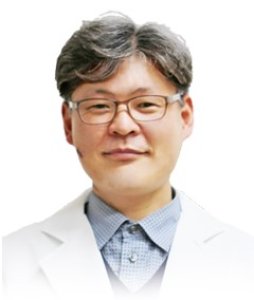
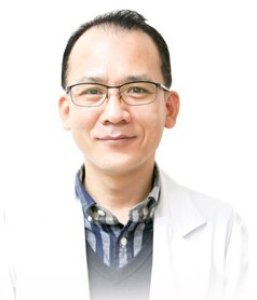
Yang Yeongjun
الدكتور يانغ يونغجون جرّاح عظام متخصص في رعاية المفاصل وتنظيرها. يعالج اضطرابات الركبة والكتف، ويُجري الجراحة التنظيرية للمفاصل واستبدال المفاصل (رأب المفصل). كما يعالج الرضوض والحالات المرتبطة بالرياضة، بما في ذلك إصابات الرياضيين، ومشكلات القدم والكاحل، ومتلازمة النفق الرسغي، والكسور.
أكمل برنامج الإقامة في جراحة العظام بالمركز الطبي الكاثوليكي، ثم زمالة في مستشفى سانت بول التابع للمركز نفسه. وهو عضو عامل في جمعية التنظير المفصلي الكورية، وجمعية الركبة الكورية، وجمعية الكتف والمرفق ا
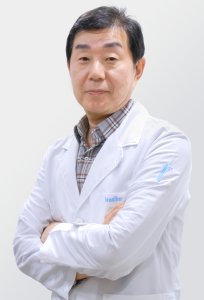
Lee Dongyeop
الدكتور لي دونغيوب جرّاح عظام متخصص في تنظير المفاصل واستبدال المفاصل. يجري جراحة تنظير المفاصل (المنظار المفصلي) واستبدال مفصل الركبة الكلي. ويعالج اضطرابات الكتف والإصابات الرياضية وحالات الركبة المزمنة.
المؤهلات: برنامج مشترك MD-PhD بكلية الدراسات العليا للطب في الجامعة الكاثوليكية في كوريا. سنة الامتياز وبرنامج الإقامة في جراحة العظام بالمركز الطبي الكاثوليكي التابع للجامعة الكاثوليكية في كوريا. مُدرّس سريري (زميل) في مستشفى سانت ماري في سيول، الجامعة الكاثوليكية في كوريا.
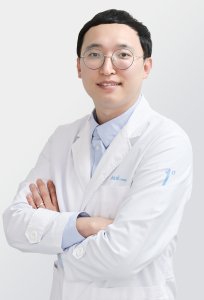
Jang Hyo Kim
الدكتور جانغ هيو كيم جرّاح عظام يركّز على الحفاظ على المفاصل وإعادة البناء المعقّدة. يختص بمناظير المفاصل للكتف والركبة والكاحل والمرفق والمعصم. يُجري استبدال مفاصل الكتف والركبة والكاحل والمرفق والورك. يشمل عمله في العمود الفقري تثبيت ودمج الفقرات العنقية والقطنية. كما يُجري استئصال القرص، واستئصال الصفيحة الفقرية، وترميم الأعصاب، ورأب الفقرة. وتشمل ممارسته علاج الكسور وإصلاح العضلات والأربطة.
هو أستاذ منتسب في جامعة كيونغ هي، ويشغل منصب مدير مركز المفاصل في مستشفى فيري غود. وشغل سابق
Woo Kyung Kwak
الدكتور وو كيونغ كواك جرّاح عظام يختص بجراحات القدم والكاحل طفيفة التوغل (MICA لعلاج إبهام القدم الأروح). يعالج أيضًا إصابات الرياضيين ويُجري الاستبدال الكلي لمفصل الركبة، إضافةً إلى التنظير المفصلي المتقدّم للكتف والركبة.
حصل على درجتي الطب (MD) والماجستير (MS) من جامعة تشونّام الوطنية، وأكمل زمالة في مستشفى جامعة تشونّام الوطنية. شغل منصب رئيس قسم جراحة العظام في مستشفى القوات المسلحة بدايجون، وكان عضوًا رفيعًا في لجنة التحقيق الطبي بوزارة الدفاع الوطني.
هو عضو عامل في الجمعيا
مشاركة المحتوى
قصص فيديو من مرضى Bookimed
 Anna Leonova
أسئلة متكررة حول علاج ورم القدم الملتهب أو الوكعة في كوريا الجنوبية
ما هي التقنيات الجراحية المستخدمة لتصحيح إبهام القدم الأروح (Hallux Valgus) في كوريا الجنوبية؟
يستخدم جراحو العظام في كوريا الجنوبية بشكل أساسي جراحة شيفرون وأكين طفيفة التوغل (MICA) لتصحيح إبهام القدم الأروح من خلال شقوق تتراوح بين 2 إلى 3 مليمترات. كما تقوم المراكز المتقدمة بإجراء عملية لابيدوس ثلاثية الأبعاد (3D Lapidus) لحالات عدم استقرار المفاصل الشديدة، بالإضافة إلى تقنيات قطع العظم المتنوعة لضمان إعادة المحاذاة الهيكلية وتقليل الندبات.
- جراحة MICA: تقنية طفيفة التوغل تستخدم شقوقاً صغيرة لتقليل الألم والندبات المرئية.
- لابيدوس ثلاثي الأبعاد: يصحح التشوهات المعقدة في 3 مستويات عن طريق دمج مفصل مشط القدم الأول غير المستقر.
- قطع عظم أكين: يتم إجراؤه جنباً إلى جنب مع قطع العظام الأساسي لإعادة محاذاة سلامية إصبع القدم الكبير بشكل خاص.
- قطع العظم التقليدي: يشمل قطع سكارف أو شيفرون لإعادة وضع العظام بدقة في الحالات الشديدة.
رؤية خبير Bookimed: تسلط بيانات حجم المرضى الضوء على فجوة كبيرة في الخبرة في كوريا الجنوبية. بينما تتعامل المراكز الكبرى مثل مستشفى سيفيرانس مع ملايين المرضى الخارجيين، يركز أطباء متخصصون مثل الدكتور وو كيونغ كواك في مستشفى ليدهيل بشكل خاص على جراحة MICA للوكعة. غالباً ما يضمن اختيار متخصص مركز بدلاً من قسم العظام العام إتقان أحدث الأدوات الجلدية الضرورية لتقليل التورم بعد الجراحة.
إجماع المرضى: يشير المرضى إلى أنه حتى مع الخيارات طفيفة التوغل، يستغرق التعافي الكامل وقتاً، كما أن الالتزام بقيود الأحذية ضروري لعدة أشهر. يؤكد الكثيرون على أهمية التحقق من حجم إجراءات MICA الخاصة بالجراح بدلاً م
ما هي مدة فترة التعافي بعد جراحة إبهام القدم الأروح (Hallux Valgus) في كوريا؟
يستغرق التعافي بعد جراحة إبهام القدم الأروح في كوريا عادةً من 6 إلى 12 أسبوعًا للمشي بشكل طبيعي. تسمح التقنيات طفيفة التوغل مثل MICA للمرضى بالمشي في غضون 24 ساعة باستخدام أحذية خاصة. تتطلب العودة الكاملة للرياضة أو ارتداء الكعب العالي عمومًا من 3 إلى 6 أشهر.
- المشي الأولي: يستخدم المرضى أحذية ذات نعل صلب في غضون يوم واحد إلى أسبوعين بعد الجراحة.
- الانتقال إلى الأحذية العادية: ينتقل معظم المرضى إلى أحذية رياضية واسعة بعد 3 إلى 6 أسابيع من الإجراء.
- الإقامة في المستشفى: غالبًا ما تشمل العيادات الكورية يومًا أو يومين من المراقبة للتحكم في الألم والتثقيف.
- إدارة الأعراض: التورم المستمر أمر شائع وقد يستمر لعدة أشهر بعد الشفاء الأولي.
رؤية خبير Bookimed: التقنيات المتقدمة مثل تصحيح إبهام القدم الأروح طفيف التوغل (MICA) هي تخصص لجراحين مثل الدكتور وو كيونغ كواك في مستشفى Leadheal. في حين أن التعافي القياسي يمكن التنبؤ به، غالبًا ما تستخدم المستشفيات الكورية مثل Severance وAsan Medical Center التصوير الرقمي لتتبع اندماج العظام بدقة. تساعد هذه المراقبة القائمة على البيانات المرضى على التخلص من أحذية ما بعد الجراحة بشكل أسرع مما تسمح به الطرق التقليدية.
إجماع المرضى: يلاحظ المرضى أن الألم غالبًا ما يزول بسرعة بينما يستمر التورم لفترة أطول بكثير مما كان متوقعًا. يؤكد الكثيرون على أهمية جدولة وقت إضافي في سيول لزيارات المتابعة وإزالة الغرز قبل العودة إلى الوطن.
هل تتوفر علاجات غير جراحية (تحفظية) لإبهام القدم الأروح (Hallux Valgus) في كوريا؟
تتوفر علاجات غير جراحية لإبهام القدم الأروح في كوريا في مراكز تقويم العظام المتخصصة. تشمل الخيارات التحفظية الأولية العلاج الطبيعي، وتقويم العظام المخصص، وإدارة الأعراض. غالبًا ما تستخدم العيادات مرافق معتمدة من JCI وأدوات تشخيص متقدمة. تهدف هذه الطرق إلى تقليل الألم وتحسين محاذاة القدم دون إجراءات جراحية.
- العلاج الطبيعي المتخصص: تمارين مستهدفة تقوي عضلات القدم لتحسين مرونة المفاصل.
- تقويم العظام المخصص: حشوات الأحذية الموصوفة طبيًا تقلل الضغط على الورم أثناء الحركة.
- العلاج الدوائي: يصف الأطباء مضادات الالتهاب للتحكم في الألم والتورم.
- استشارة الخبراء: يستخدم أطباء العظام التصوير بالرنين المغناطيسي والفحوصات البدنية لتحديد مدى شدة التشوه.
رؤية خبير Bookimed: تخدم العيادات الكورية مثل مستشفى نانوري أكثر من 58,000 مريض عظام سنويًا. يسمح حجم المرضى الكبير للمتخصصين بتحسين البروتوكولات غير الجراحية قبل التوصية بجراحة MICA. يركز جراحون مثل الدكتور يانغ يونغ جون في مستشفى نايون على رعاية القدم التحفظية والجراحية على حد سواء. تضمن هذه الخبرة المزدوجة حصول المرضى على تقييمات دقيقة بناءً على الضعف الوظيفي الفعلي.
إجماع المرضى: يلاحظ المرضى أن الأحذية الواسعة ودعم قوس القدم عالي الجودة يوفران راحة أكبر من معظم أدوات تصحيح أصابع القدم. الراحة والتحكم في مستويات الألم هي الأولويات عند تجنب الجراحة للورم الخفيف.
ما هو الفحص التشخيصي الذي يتم إجراؤه قبل علاج إبهام القدم الأروح (Hallux Valgus) في كوريا؟
يركز الفحص التشخيصي في كوريا على صور الأشعة السينية أثناء التحميل (الوقوف) والتقييم السريري لتقويم العظام. يقوم الجراحون بقياس زوايا إبهام القدم الأروح وما بين المشط لتصنيف شدة الحالة. تستخدم المراكز المتخصصة مثل مستشفى Leadheal التصوير بالرنين المغناطيسي والأشعة السينية أثناء التحميل لتخطيط جراحة MICA طفيفة التوغل لتحسين النتائج الوظيفية.
- التقييم البدني: يقوم المتخصصون بتقييم مرونة المفاصل، والمشية، وتكون مسامير القدم أثناء التحميل.
- التصوير الشعاعي: تحدد الأشعة السينية الإلزامية أثناء الوقوف المحاذاة الدقيقة للعظام والدوران تحت الحمل.
- تصوير الأنسجة الرخوة: قد يطلب أطباء العظام إجراء تصوير بالرنين المغناطيسي لتقييم غضاريف المفاصل والأربطة.
- استشارات متخصصة: يلتقي المرضى بجراحي العظام المتخصصين مثل الدكتور وو كيونغ كواك للتخطيط.
رؤية خبير Bookimed: في حين أن العديد من المستشفيات العامة تقدم رعاية تقويم العظام، فإن المراكز المتخصصة في كوريا غالباً ما تميز نفسها من خلال حجم العمليات الجراحية المحدد. على سبيل المثال، يركز مستشفى Nanoori حصرياً على حالات البالغين ويحتفظ بشهادات وزارة الصحة للعمود الفقري والمفاصل، مما يضمن بقاء بروتوكولات التشخيص متخصصة للغاية لتشوهات العظام المعقدة.
إجماع المرضى: يؤكد المرضى أن الجراحين الكوريين يعطون الأولوية لشدة الأعراض على المظهر التجميلي. ويلاحظون غالباً أن الأشعة السينية أثناء الوقوف هي الخطوة الأكثر أهمية لخطة علاج دقيقة.